


Look around any parking lot and you’ll spot dozens of automotive symbols fighting for attention. These small emblems carry massive weight in the car industry, instantly communicating brand identity, heritage, and values without saying a word.
Examples of car logos reveal fascinating stories about design evolution, cultural significance, and marketing strategy. From Toyota’s three overlapping ovals to BMW’s spinning propeller tribute, each manufacturer badge represents decades of careful brand development.
Vehicle emblems serve as more than decorative elements. They function as powerful recognition tools that influence purchasing decisions and build emotional connections with drivers worldwide.
This comprehensive guide examines iconic automotive branding across major manufacturers. You’ll discover the hidden meanings behind familiar logos, explore design principles that make certain car company symbols memorable, and understand how these brand marks evolved alongside the automotive industry itself.
Whether you’re a design enthusiast or simply curious about the vehicles you see daily, these automotive insignia tell compelling stories worth exploring.
Car Logos Examples
RAM logo
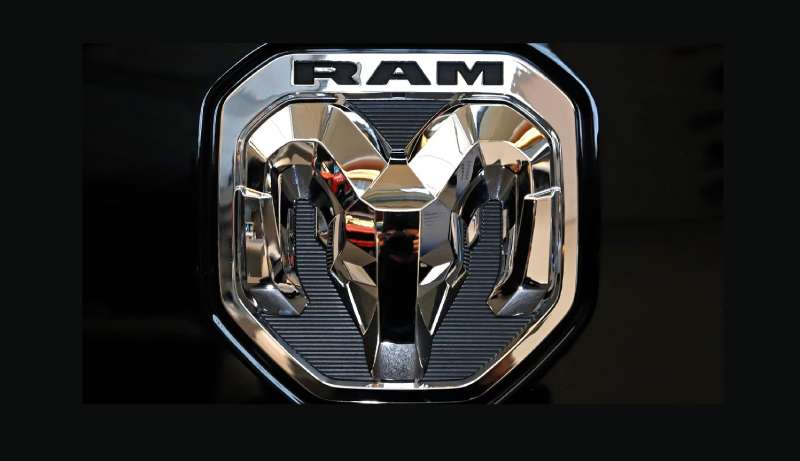
RAM is an American pickup truck and commercial vehicle manufacturer established in 2009 as a spin-off from Dodge. The brand operates from Auburn Hills, Michigan, and specializes in heavy-duty trucks and commercial vehicles.
Logo Design & Symbolism
The RAM logo features a bighorn ram’s head rendered in chrome and silver that represents strength and determination. The forward-facing ram with prominent curved horns symbolizes power and reliability, while the metallic finish reflects the brand’s industrial heritage.
Brand Heritage & History
RAM was established in 2009 by Chrysler Corporation in Auburn Hills, Michigan. The company evolved from the Dodge Ram pickup line to become an independent truck-focused brand. Key historical milestones include the 1981 introduction of the original Dodge Ram name, the 2009 brand separation, and the 2010 establishment as a standalone marque.
Vehicle Categories
RAM manufactures 5 main vehicle categories:
- Pickup Trucks: RAM 1500, 2500, 3500 series
- Commercial Vans: ProMaster, ProMaster City
- Chassis Cabs: Heavy-duty commercial platforms
Market Position & Recognition
RAM ranks as a leading commercial vehicle manufacturer with 280,000 annual sales in North American markets. The brand received Motor Trend Truck of the Year awards in 1994, 2003, 2010, 2013, 2014, and 2025 for innovation and performance.
Current Models & Innovation
Current RAM lineup includes 12 models featuring HEMI V8 engines, Cummins diesel powertrains, and eTorque mild-hybrid systems. The brand focuses on towing capacity, payload capability, and commercial applications with 37,000-pound maximum towing capacity.
Kia logo

Kia Corporation is a South Korean automotive manufacturer founded in 1944 that produces sedans, SUVs, crossovers, and electric vehicles. The brand operates from Seoul, South Korea, and specializes in affordable family vehicles and emerging electric mobility.
Logo Design & Symbolism
The Kia logo features interconnected letters K-I-A in a distinctive angular font that represents modern connectivity. The symmetrical design symbolizes balance and innovation, while the sleek typography reflects the brand’s technological advancement.
Brand Heritage & History
Kia was established in 1944 by Kim Chul-ho in Seoul, South Korea. The company evolved from Kyungsung Precision Industry bicycle manufacturer to become Korea’s second-largest automaker. Key historical milestones include the 1951 first bicycle production, 1973 automotive entry, and 1998 Hyundai Motor acquisition.
Vehicle Categories
Kia manufactures 8 main vehicle categories:
- Compact Cars: Rio, Forte, K3
- Midsize Sedans: Optima, K5, K8
- SUVs and Crossovers: Sportage, Sorento, Telluride
Market Position & Recognition
Kia ranks as South Korea’s second-largest automotive manufacturer with 2.8 million annual sales in 172 global markets. The brand received J.D. Power Most Reliable Brand recognition in 2016 and IIHS Top Safety Pick awards for multiple models.
Current Models & Innovation
Current Kia lineup includes 22 models featuring hybrid powertrains, electric drivetrains, and advanced driver assistance. The brand focuses on electrification, connectivity, and autonomous driving with the EV6 and EV9 fully electric platforms.
Porsche logo
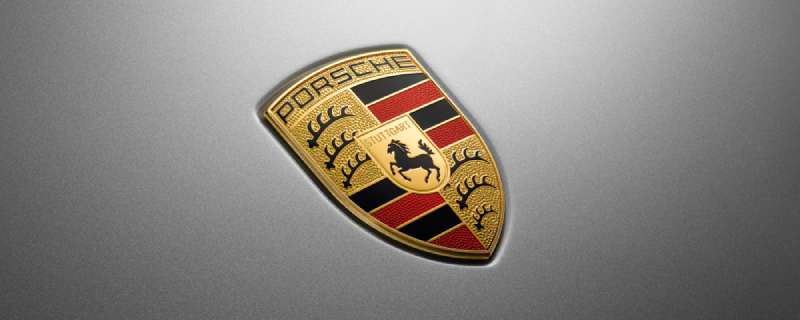
Porsche AG is a German luxury sports car manufacturer founded in 1931 that produces high-performance sports cars, SUVs, and sedans. The brand operates from Stuttgart, Baden-Württemberg, and specializes in precision engineering and motorsport heritage.
Logo Design & Symbolism
The Porsche logo features a heraldic crest with Stuttgart’s black horse and Württemberg’s red-black stripes that represent regional heritage. The coat of arms design symbolizes tradition and excellence, while the golden ratio proportions reflect precision engineering values.
Brand Heritage & History
Porsche was established in 1931 by Ferdinand Porsche in Stuttgart, Germany. The company evolved from automotive consulting services to become a premier sports car manufacturer. Key historical milestones include the 1948 Porsche 356 first production car, 1963 Porsche 911 introduction, and 1972 public corporation transformation.
Vehicle Categories
Porsche manufactures 6 main vehicle categories:
- Sports Cars: 718 Boxster, 718 Cayman, 911 series
- Luxury Sedans: Panamera
- SUVs: Macan, Cayenne, Taycan electric
Market Position & Recognition
Porsche ranks as a luxury performance automotive manufacturer with 218,983 annual sales in global premium markets. The brand received highest profit per unit recognition among global automakers and multiple motorsport championships in Formula 1, Le Mans, and endurance racing.
Current Models & Innovation
Current Porsche lineup includes 23 models featuring twin-turbocharged engines, PDK transmissions, and electric powertrains. The brand focuses on electrification, performance optimization, and digital connectivity with the all-electric Taycan achieving 0-60 mph in 2.6 seconds.
Ford logo
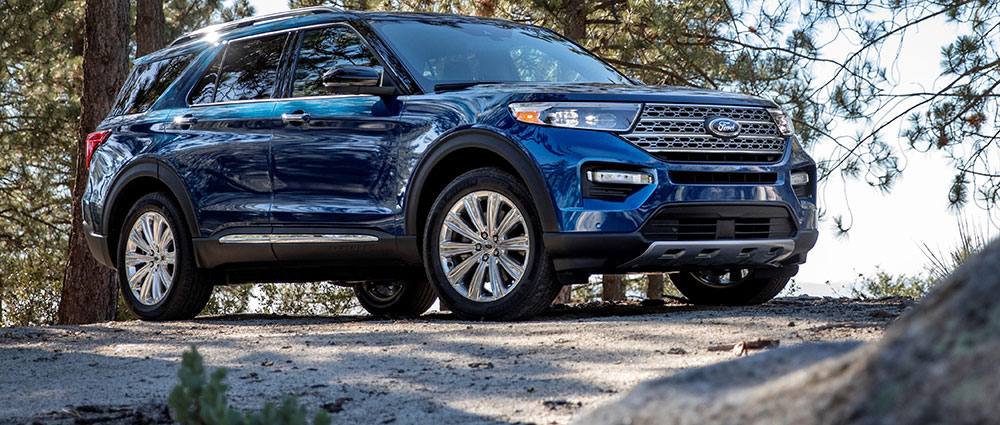
Ford Motor Company is an American automotive manufacturer founded in 1903 that produces trucks, SUVs, sedans, and commercial vehicles. The brand operates from Dearborn, Michigan, and specializes in mass-market vehicles and fleet solutions.
Logo Design & Symbolism
The Ford logo features an oval blue badge with white script lettering that represents reliability and American heritage. The script font symbolizes craftsmanship and tradition, while the blue color reflects trust and dependability values.
Brand Heritage & History
Ford was established in 1903 by Henry Ford in Dearborn, Michigan. The company evolved from horseless carriage manufacturer to pioneering assembly line production methods. Key historical milestones include the 1908 Model T introduction, 1913 moving assembly line implementation, and 1956 public stock offering.
Vehicle Categories
Ford manufactures 6 main vehicle categories:
- Pickup Trucks: F-150, Super Duty series
- SUVs: Explorer, Expedition, Bronco
- Commercial Vehicles: Transit, E-Series vans
Market Position & Recognition
Ford ranks as America’s second-largest automotive manufacturer with 4.2 million annual sales in global consumer and commercial markets. The brand received best-selling truck recognition for 47 consecutive years with F-Series and fuel efficiency leadership awards.
Current Models & Innovation
Current Ford lineup includes 15 models featuring EcoBoost turbocharged engines, hybrid systems, and electric platforms. The brand focuses on electrification, autonomous driving, and connected services with the F-150 Lightning electric truck achieving 563 horsepower.
Toyota logo
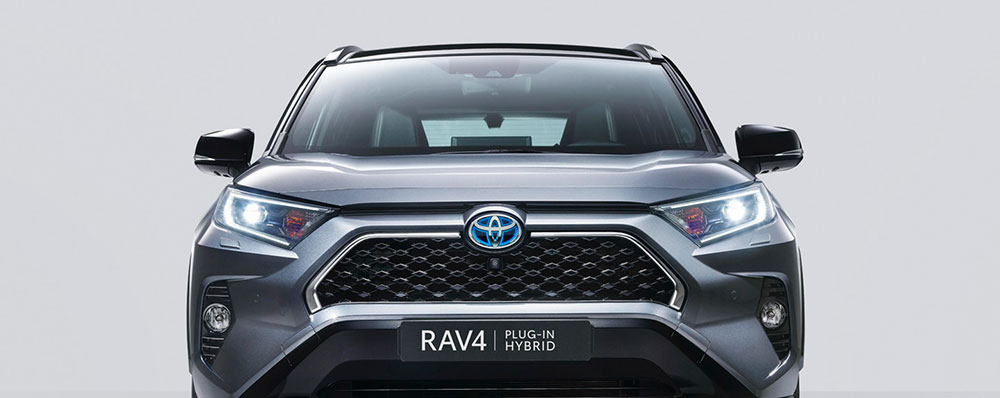
Toyota Motor Corporation is a Japanese automotive manufacturer founded in 1937 that produces sedans, SUVs, trucks, and hybrid vehicles. The brand operates from Toyota City, Japan, and specializes in reliability engineering and hybrid technology leadership.
Logo Design & Symbolism
The Toyota logo features three interlocking ellipses in silver that represent the unification of customer hearts and company values. The overlapping ovals symbolize global partnership and technological innovation, while the symmetry reflects precision manufacturing principles.
Brand Heritage & History
Toyota was established in 1937 by Kiichiro Toyoda in Toyota City, Japan. The company evolved from Toyoda Automatic Loom Works to become the world’s largest automaker. Key historical milestones include the 1966 Corolla introduction, 1997 Prius hybrid launch, and 2008 global sales leadership achievement.
Vehicle Categories
Toyota manufactures 7 main vehicle categories:
- Compact Cars: Corolla, Yaris, Prius
- Midsize Sedans: Camry, Avalon
- SUVs: RAV4, Highlander, 4Runner, Sequoia
Market Position & Recognition
Toyota ranks as the world’s largest automotive manufacturer with 10.5 million annual sales in 170 global markets. The brand received most reliable brand recognition from J.D. Power for 9 consecutive years and hybrid technology leadership with 20 million hybrid vehicles sold.
Current Models & Innovation
Current Toyota lineup includes 28 models featuring hybrid synergy drive, hydrogen fuel cells, and Toyota Safety Sense 2.0. The brand focuses on carbon neutrality, mobility services, and hydrogen technology with the Mirai fuel cell achieving 402-mile range.
Lamborghini logo
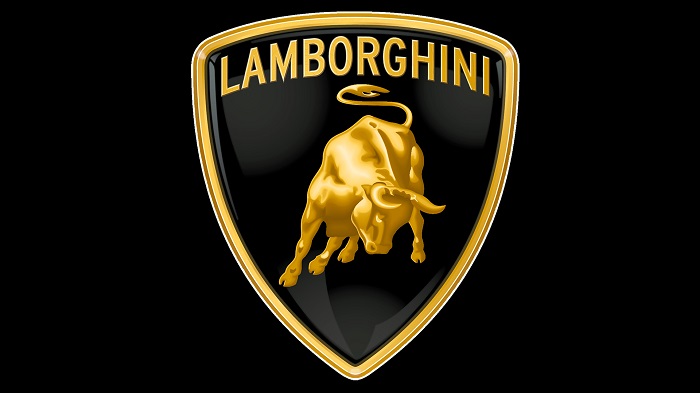
Automobili Lamborghini is an Italian luxury sports car manufacturer founded in 1963 that produces supercars and grand tourers. The brand operates from Sant’Agata Bolognese, Italy, and specializes in extreme performance and exotic automotive design.
Logo Design & Symbolism
The Lamborghini logo features a golden charging bull on a black shield that represents power and aggression. The Taurus constellation reference symbolizes founder Ferruccio Lamborghini’s zodiac sign, while the contrast of gold and black reflects luxury and sophistication.
Brand Heritage & History
Lamborghini was established in 1963 by Ferruccio Lamborghini in Sant’Agata Bolognese, Italy. The company evolved from tractor manufacturing to challenging Ferrari’s sports car dominance. Key historical milestones include the 1966 Miura introduction, 1998 Audi acquisition, and 2001 Murciélago modern era launch.
Vehicle Categories
Lamborghini manufactures 3 main vehicle categories:
- Supercars: Huracán series
- Grand Tourers: Aventador series
- Super SUVs: Urus
Market Position & Recognition
Lamborghini ranks as an ultra-luxury exotic automotive manufacturer with 8,405 annual sales in 50 premium global markets. The brand received most exclusive supercar recognition and motorsport achievements in Super Trofeo and GT3 racing series.
Current Models & Innovation
Current Lamborghini lineup includes 6 models featuring naturally aspirated V10 and V12 engines, all-wheel drive, and active aerodynamics. The brand focuses on hybridization, lightweight materials, and track performance with the Revuelto achieving 1,001 combined horsepower.
Bentley logo
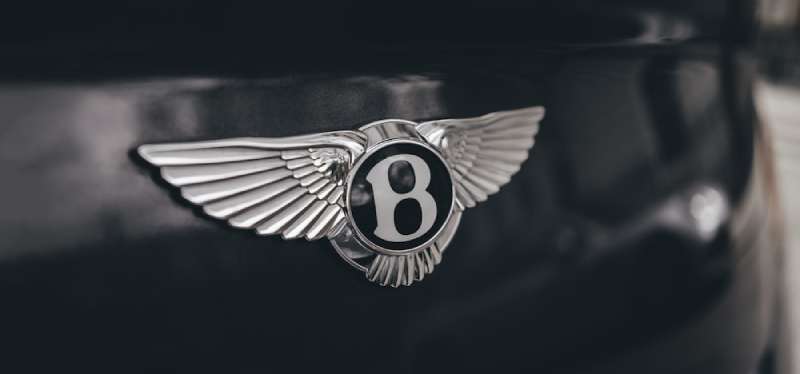
Bentley Motors Limited is a British luxury automotive manufacturer founded in 1919 that produces ultra-luxury sedans, coupes, and SUVs. The brand operates from Crewe, England, and specializes in handcrafted luxury and bespoke customization.
Logo Design & Symbolism
The Bentley logo features winged B emblem in silver and black that represents speed and luxury. The stylized wings symbolize automotive excellence and British heritage, while the circular badge design reflects precision engineering and unity of craftsmanship.
Brand Heritage & History
Bentley was established in 1919 by Walter Owen Bentley in London, England. The company evolved from racing car constructor to ultra-luxury manufacturer under Rolls-Royce and later Volkswagen Group ownership. Key historical milestones include the 1924-1930 Le Mans victories, 1998 Volkswagen acquisition, and 2003 production relocation to Crewe.
Vehicle Categories
Bentley manufactures 4 main vehicle categories:
- Grand Tourers: Continental GT, Continental GTC
- Luxury Sedans: Flying Spur
- Luxury SUVs: Bentayga
Market Position & Recognition
Bentley ranks as an ultra-luxury handcrafted automotive manufacturer with 11,206 annual sales in 68 exclusive global markets. The brand received pinnacle luxury recognition and motorsport heritage with 6 Le Mans victories between 1924-2003.
Current Models & Innovation
Current Bentley lineup includes 8 models featuring twin-turbocharged W12 and V8 engines, all-wheel drive, and adaptive air suspension. The brand focuses on electrification, sustainable luxury, and personalization with the EQS electric platform achieving 536 miles of range.
Hyundai logo
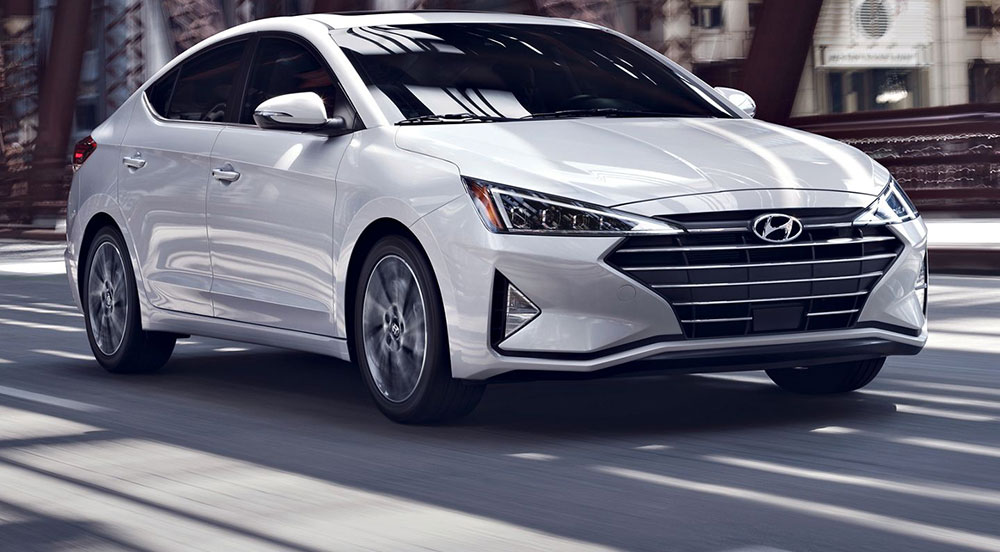
Hyundai Motor Company is a South Korean automotive manufacturer founded in 1967 that produces sedans, SUVs, and electric vehicles. The brand operates from Seoul, South Korea, and specializes in value engineering and hydrogen technology development.
Logo Design & Symbolism
The Hyundai logo features an italicized H in silver that represents the handshake between company and customer. The slanted design symbolizes forward motion and progress, while the oval frame reflects global reach and balance in automotive innovation.
Brand Heritage & History
Hyundai was established in 1967 by Chung Ju-yung in Seoul, South Korea. The company evolved from construction business diversification to become the world’s third-largest automaker. Key historical milestones include the 1975 Pony first export model, 1986 U.S. market entry, and 1998 Kia Motors acquisition.
Vehicle Categories
Hyundai manufactures 6 main vehicle categories:
- Compact Cars: Elantra, Veloster
- Midsize Sedans: Sonata, Azera
- SUVs: Tucson, Santa Fe, Palisade
Market Position & Recognition
Hyundai ranks as the world’s third-largest automotive manufacturer with 4.4 million annual sales in 200 global markets. The brand received industry-leading warranty recognition with 10-year/100,000-mile coverage and hydrogen technology leadership with Nexo fuel cell SUV.
Current Models & Innovation
Current Hyundai lineup includes 14 models featuring turbocharged engines, hybrid systems, and electric platforms. The brand focuses on hydrogen fuel cells, autonomous driving, and smart mobility with the IONIQ 5 electric achieving 303-mile range and 18-minute charging.
Jeep logo
Jeep is an American SUV and off-road vehicle manufacturer founded in 1941 that produces SUVs, pickup trucks, and all-terrain vehicles. The brand operates from Auburn Hills, Michigan, and specializes in 4×4 capability and outdoor adventure vehicles.
Logo Design & Symbolism
The Jeep logo features bold sans-serif lettering in silver and black that represents rugged dependability. The typography symbolizes military heritage and outdoor capability, while the grille-inspired design reflects the brand’s utilitarian origins.
Brand Heritage & History
Jeep was established in 1941 by Willys-Overland Motors in Toledo, Ohio. The company evolved from military vehicle contractor to civilian off-road pioneer under various ownership including Kaiser, AMC, and Chrysler. Key historical milestones include the 1941 MB military vehicle, 1945 CJ civilian version, and 1987 Wrangler introduction.
Vehicle Categories
Jeep manufactures 5 main vehicle categories:
- Compact SUVs: Compass, Renegade
- Midsize SUVs: Cherokee, Grand Cherokee
- Off-Road SUVs: Wrangler series
Market Position & Recognition
Jeep ranks as the leading off-road automotive manufacturer with 1.4 million annual sales in 100 global markets. The brand received most capable 4×4 recognition and off-road awards including Trail Rated certification for extreme terrain capability.
Current Models & Innovation
Current Jeep lineup includes 7 models featuring 4×4 systems, solid axles, and electrification technology. The brand focuses on electric 4×4, trail capability, and adventure lifestyle with the 4xe plug-in hybrid achieving 21 miles of electric range.
Audi logo
Audi AG is a German premium automotive manufacturer founded in 1909 that produces luxury sedans, SUVs, and electric vehicles. The brand operates from Ingolstadt, Germany, and specializes in quattro all-wheel drive and premium technology integration.
Logo Design & Symbolism
The Audi logo features four interlocking rings in silver that represent the 1932 merger of Audi, DKW, Horch, and Wanderer. The circular design symbolizes unity and innovation, while the symmetrical alignment reflects German engineering precision.
Brand Heritage & History
Audi was established in 1909 by August Horch in Zwickau, Germany. The company evolved from four merged German manufacturers to become Volkswagen Group’s premium division. Key historical milestones include the 1932 Auto Union formation, 1980 quattro introduction, and 1990s luxury market expansion.
Vehicle Categories
Audi manufactures 6 main vehicle categories:
- Compact Cars: A3, A4
- Executive Sedans: A6, A8
- SUVs: Q3, Q5, Q7, Q8
Market Position & Recognition
Audi ranks as a premium luxury automotive manufacturer with 1.9 million annual sales in 100 global markets. The brand received luxury technology leadership recognition and motorsport achievements in Le Mans, Formula E, and DTM racing series.
Current Models & Innovation
Current Audi lineup includes 23 models featuring quattro all-wheel drive, TFSI turbocharged engines, and e-tron electric platforms. The brand focuses on electrification, autonomous driving, and digital cockpit with the e-tron GT achieving 238-mile range and 590 horsepower.
Cadillac logo

Cadillac Motor Car Division is an American luxury automotive manufacturer founded in 1902 that produces luxury sedans, SUVs, and electric vehicles. The brand operates from Detroit, Michigan, and specializes in American luxury and performance technology.
Logo Design & Symbolism
The Cadillac logo features a heraldic crest with crown, wreath, and family coat of arms that represents nobility and heritage. The shield design symbolizes protection and prestige, while the visual hierarchy reflects status and automotive excellence.
Brand Heritage & History
Cadillac was established in 1902 by Henry Leland in Detroit, Michigan. The company evolved from precision manufacturing to American luxury standard under General Motors ownership. Key historical milestones include the 1912 electric starter introduction, 1949 tailfin design innovation, and 1975 Seville luxury compact launch.
Vehicle Categories
Cadillac manufactures 4 main vehicle categories:
- Luxury Sedans: CT4, CT5
- Luxury SUVs: XT4, XT5, XT6, Escalade
- Electric Vehicles: Lyriq, Celestiq
Market Position & Recognition
Cadillac ranks as America’s premier luxury automotive manufacturer with 356,467 annual sales in 34 global markets. The brand received luxury refinement awards and American automotive heritage recognition as the standard of the world.
Current Models & Innovation
Current Cadillac lineup includes 8 models featuring turbocharged engines, magnetic ride control, and Ultium electric platform. The brand focuses on electrification, super cruise technology, and luxury experience with the Lyriq achieving 312-mile range and hands-free driving.
Jaguar logo
Jaguar Land Rover Automotive is a British luxury automotive manufacturer founded in 1922 that produces luxury sedans, sports cars, and SUVs. The brand operates from Coventry, England, and specializes in performance luxury and British craftsmanship heritage.
Logo Design & Symbolism
The Jaguar logo features a leaping jaguar in silver that represents speed, agility, and grace. The feline silhouette symbolizes predatory precision and performance excellence, while the movement direction reflects forward momentum and British sporting tradition.
Brand Heritage & History
Jaguar was established in 1922 by William Lyons and William Walmsley in Blackpool, England. The company evolved from Swallow Sidecar Company to prestigious luxury and sports car manufacturer under various ownership including Ford and current Tata Motors. Key historical milestones include the 1948 XK120 sports car, 1961 E-Type icon launch, and 2008 Tata acquisition.
Vehicle Categories
Jaguar manufactures 4 main vehicle categories:
- Luxury Sedans: XE, XF, XJ
- Sports Cars: F-Type
- Luxury SUVs: E-Pace, F-Pace, I-Pace
Market Position & Recognition
Jaguar ranks as a British luxury performance automotive manufacturer with 180,833 annual sales in 128 global markets. The brand received design excellence awards and motorsport heritage including Le Mans victories and Formula E championship.
Current Models & Innovation
Current Jaguar lineup includes 7 models featuring supercharged engines, aluminum architecture, and electric powertrains. The brand focuses on electrification, luxury technology, and performance refinement with the I-Pace electric achieving 234-mile range and 394 horsepower.
Chrysler logo
Chrysler Corporation is an American automotive manufacturer founded in 1925 that produces luxury sedans and minivans. The brand operates from Auburn Hills, Michigan, and specializes in family luxury and innovative vehicle packaging.
Logo Design & Symbolism
The Chrysler logo features winged emblem with silver wings and blue accents that represents freedom and innovation. The symmetrical wings symbolize automotive advancement and American spirit, while the circular badge reflects global reach and engineering excellence.
Brand Heritage & History
Chrysler was established in 1925 by Walter Chrysler in Highland Park, Michigan. The company evolved from Maxwell Motor Company reorganization to automotive innovation leader with engineering firsts. Key historical milestones include the 1934 Airflow aerodynamic design, 1984 minivan creation, and 2014 Fiat Chrysler merger.
Vehicle Categories
Chrysler manufactures 2 main vehicle categories:
- Luxury Sedans: 300 series
- Minivans: Pacifica, Pacifica Hybrid
Market Position & Recognition
Chrysler ranks as an American luxury family automotive manufacturer with 174,620 annual sales in North American markets. The brand received minivan innovation recognition and family vehicle safety awards from IIHS and NHTSA.
Current Models & Innovation
Current Chrysler lineup includes 3 models featuring HEMI V8 engines, hybrid powertrains, and Uconnect infotainment. The brand focuses on electrification, family connectivity, and luxury comfort with the Pacifica Hybrid achieving 32 miles of electric range.
Maserati logo

Maserati SpA is an Italian luxury sports car manufacturer founded in 1914 that produces grand tourers and luxury sports cars. The brand operates from Modena, Italy, and specializes in Italian craftsmanship and racing heritage performance.
Logo Design & Symbolism
The Maserati logo features Neptune’s trident in blue and silver that represents strength and maritime power. The three-pronged spear symbolizes Bologna’s fountain heritage, while the elegant curves reflect Italian design sophistication and emphasis on performance artistry.
Brand Heritage & History
Maserati was established in 1914 by Alfieri Maserati in Bologna, Italy. The company evolved from racing car constructor to luxury grand tourer manufacturer under various ownership including Citroën, De Tomaso, and current Stellantis. Key historical milestones include the 1926 Tipo 26 first car, 1957 250F Formula 1 success, and 2005 production revival.
Vehicle Categories
Maserati manufactures 4 main vehicle categories:
- Grand Tourers: GranTurismo, GranCabrio
- Sports Sedans: Ghibli, Quattroporte
- Luxury SUVs: Levante, Grecale
Market Position & Recognition
Maserati ranks as an Italian luxury performance automotive manufacturer with 24,269 annual sales in 70 global markets. The brand received racing heritage recognition and Italian design excellence awards for styling and craftsmanship.
Current Models & Innovation
Current Maserati lineup includes 6 models featuring twin-turbocharged V6 and V8 engines, all-wheel drive, and electric powertrains. The brand focuses on electrification, Italian luxury, and performance tradition with the MC20 supercar achieving 621 horsepower and 202 mph top speed.
Dodge logo

Dodge is an American performance automotive manufacturer founded in 1900 that produces muscle cars, sports cars, and SUVs. The brand operates from Auburn Hills, Michigan, and specializes in high-performance vehicles and American muscle car heritage.
Logo Design & Symbolism
The Dodge logo features ram’s head emblem and crosshair design that represents power and precision targeting. The aggressive styling symbolizes performance attitude and bold American character, while the contrast reflects the brand’s rebellious spirit.
Brand Heritage & History
Dodge was established in 1900 by Horace and John Dodge in Detroit, Michigan. The company evolved from parts supplier to independent automaker known for dependability and later performance focus. Key historical milestones include the 1914 first Dodge vehicle, 1966 Charger muscle car, and 1970 Challenger introduction.
Vehicle Categories
Dodge manufactures 3 main vehicle categories:
- Muscle Cars: Challenger, Charger
- Sports Cars: Viper (discontinued)
- SUVs: Durango
Market Position & Recognition
Dodge ranks as an American performance automotive manufacturer with 594,673 annual sales in North American markets. The brand received muscle car leadership recognition and performance vehicle awards for horsepower and quarter-mile achievements.
Current Models & Innovation
Current Dodge lineup includes 6 models featuring HEMI V8 engines, supercharged powertrains, and performance technology. The brand focuses on electrification, performance heritage, and muscle car evolution with the eMuscle platform developing 1,000+ horsepower electric muscle cars.
Alfa Romeo logo

Alfa Romeo is an Italian automotive manufacturer founded in 1910 that produces sports sedans, SUVs, and performance vehicles. The brand operates from Turin, Italy, and specializes in Italian sporting tradition and racing-inspired design.
Logo Design & Symbolism
The Alfa Romeo logo features Milanese cross and Visconti serpent in red and blue that represents Milan heritage and noble history. The divided shield symbolizes tradition and innovation, while the heraldic design reflects Italian cultural sophistication.
Brand Heritage & History
Alfa Romeo was established in 1910 by Nicola Romeo in Milan, Italy. The company evolved from Società Anonima Lombarda Fabbrica Automobili to racing legend and luxury sports car manufacturer. Key historical milestones include the 1925 P2 Grand Prix dominance, 1967 Spider introduction, and 2007 return to North America.
Vehicle Categories
Alfa Romeo manufactures 3 main vehicle categories:
- Sports Sedans: Giulia, Stelvio
- Performance SUVs: Stelvio Quadrifoglio
- Sports Cars: 4C (discontinued)
Market Position & Recognition
Alfa Romeo ranks as an Italian premium sports automotive manufacturer with 56,016 annual sales in 50 global markets. The brand received racing heritage recognition and design excellence awards for Italian styling and performance engineering.
Current Models & Innovation
Current Alfa Romeo lineup includes 4 models featuring turbocharged engines, Q4 all-wheel drive, and carbon fiber construction. The brand focuses on electrification, racing technology, and Italian passion with the Tonale hybrid achieving 285 horsepower combined output.
Lexus logo
Lexus is a Japanese luxury automotive manufacturer founded in 1989 that produces luxury sedans, SUVs, and hybrid vehicles. The brand operates from Nagoya, Japan, and specializes in luxury refinement and hybrid technology leadership.
Logo Design & Symbolism
The Lexus logo features an italicized L in silver oval that represents luxury and precision. The flowing curves symbolize smooth performance and Japanese craftsmanship, while the oval frame reflects global luxury and technological sophistication.
Brand Heritage & History
Lexus was established in 1989 by Toyota Motor Corporation in Tokyo, Japan. The company evolved from Toyota’s luxury division to independent premium brand challenging German luxury standards. Key historical milestones include the 1989 LS flagship launch, 2005 hybrid leadership, and 2012 spindle grille design language.
Vehicle Categories
Lexus manufactures 6 main vehicle categories:
- Luxury Sedans: ES, IS, LS
- Luxury SUVs: UX, NX, GX, LX
- Performance Vehicles: RC, LC
Market Position & Recognition
Lexus ranks as Japan’s premier luxury automotive manufacturer with 760,000 annual sales in 90 global markets. The brand received luxury reliability awards from J.D. Power for 11 consecutive years and hybrid technology leadership with 2 million hybrid sales.
Current Models & Innovation
Current Lexus lineup includes 17 models featuring hybrid synergy drive, F Sport performance, and Lexus Safety System+. The brand focuses on electrification, luxury craftsmanship, and takumi artisan quality with the LFA achieving 553 horsepower and 9,000 rpm redline.
Mazda logo

Mazda Motor Corporation is a Japanese automotive manufacturer founded in 1920 that produces sedans, SUVs, and sports cars. The brand operates from Hiroshima, Japan, and specializes in rotary engines and SKYACTIV efficient technology.
Logo Design & Symbolism
The Mazda logo features stylized M wings in silver that represents freedom and flight. The symmetrical design symbolizes automotive innovation and upward momentum, while the circular frame reflects global reach and engineering excellence.
Brand Heritage & History
Mazda was established in 1920 by Jujiro Matsuda in Hiroshima, Japan. The company evolved from cork manufacturing to automotive innovation pioneer with rotary engine development. Key historical milestones include the 1967 Cosmo rotary sports car, 1989 Miata launch, and 2012 SKYACTIV technology introduction.
Vehicle Categories
Mazda manufactures 5 main vehicle categories:
- Compact Cars: Mazda3
- Midsize Sedans: Mazda6
- SUVs: CX-30, CX-5, CX-9
- Sports Cars: MX-5 Miata
Market Position & Recognition
Mazda ranks as a Japanese engineering-focused automotive manufacturer with 1.6 million annual sales in 130 global markets. The brand received driving dynamics awards and fuel efficiency recognition for SKYACTIV technology achieving 40+ mpg ratings.
Current Models & Innovation
Current Mazda lineup includes 8 models featuring SKYACTIV engines, i-ACTIV all-wheel drive, and mild-hybrid technology. The brand focuses on sustainable zoom-zoom, driving pleasure, and premium positioning with the CX-90 achieving 340 horsepower and 26 mpg combined.
Aston Martin logo
Aston Martin Lagonda Global Holdings is a British luxury sports car manufacturer founded in 1913 that produces grand tourers and supercars. The brand operates from Gaydon, England, and specializes in handcrafted luxury and motorsport heritage.
Logo Design & Symbolism
The Aston Martin logo features stylized wings in green and silver that represents speed and British aviation heritage. The spread wings symbolize performance and elegance, while the visual hierarchy reflects prestige and exclusivity values.
Brand Heritage & History
Aston Martin was established in 1913 by Lionel Martin and Robert Bamford in London, England. The company evolved from racing car constructor to luxury grand tourer manufacturer with James Bond film association. Key historical milestones include the 1959 DB4 introduction, 1994 DB7 revival, and 2007 IPO public offering.
Vehicle Categories
Aston Martin manufactures 3 main vehicle categories:
- Grand Tourers: DB11, DBS, Vantage
- Supercars: Valkyrie, Victor
- SUVs: DBX
Market Position & Recognition
Aston Martin ranks as a British ultra-luxury automotive manufacturer with 5,862 annual sales in 53 exclusive global markets. The brand received design excellence awards and motorsport achievements in Formula 1, Le Mans, and luxury automotive craftsmanship.
Current Models & Innovation
Current Aston Martin lineup includes 8 models featuring twin-turbocharged V8 and V12 engines, carbon fiber construction, and adaptive dynamics. The brand focuses on electrification, luxury craftsmanship, and performance artistry with the Valkyrie achieving 1,160 horsepower and F1-derived aerodynamics.
McLaren logo

McLaren Automotive is a British supercar manufacturer founded in 2010 that produces high-performance sports cars and supercars. The brand operates from Woking, England, and specializes in Formula 1 technology and carbon fiber expertise.
Logo Design & Symbolism
The McLaren logo features stylized speedmark in orange and black that represents velocity and precision. The dynamic swoosh symbolizes aerodynamic efficiency and racing heritage, while the contrast reflects performance focus and technological advancement.
Brand Heritage & History
McLaren was established in 2010 by McLaren Group in Woking, England. The company evolved from Formula 1 racing team to road car manufacturer with F1-derived technology transfer. Key historical milestones include the 1992 F1 supercar, 2011 MP4-12C launch, and 2014 P1 hybrid hypercar.
Vehicle Categories
McLaren manufactures 3 main vehicle categories:
- Sports Series: 570S, 540C
- Super Series: 720S, 765LT
- Ultimate Series: P1, Senna, Speedtail
Market Position & Recognition
McLaren ranks as a British performance supercar automotive manufacturer with 2,335 annual sales in 30 exclusive global markets. The brand received motorsport technology recognition and performance achievements with Formula 1-derived carbon monocoque construction.
Current Models & Innovation
Current McLaren lineup includes 12 models featuring twin-turbocharged V8 engines, carbon fiber monocoque, and active aerodynamics. The brand focuses on hybrid technology, track performance, and lightweight engineering with the Artura achieving 671 horsepower and 201 mph top speed.
Acura logo

Acura is a Japanese luxury automotive manufacturer founded in 1986 that produces luxury sedans, SUVs, and performance vehicles. The brand operates from Torrance, California, and specializes in precision crafted performance and advanced technology integration.
Logo Design & Symbolism
The Acura logo features stylized A compass in silver that represents precision and direction. The pointed design symbolizes accuracy and performance focus, while the geometric angles reflect technological sophistication and engineering excellence.
Brand Heritage & History
Acura was established in 1986 by Honda Motor Company in Torrance, California. The company evolved from Honda’s luxury division to independent premium brand pioneering Japanese luxury in America. Key historical milestones include the 1986 Legend and Integra launch, 1990 NSX supercar, and 2001 3.2 TL success.
Vehicle Categories
Acura manufactures 4 main vehicle categories:
- Luxury Sedans: ILX, TLX, RLX
- Luxury SUVs: RDX, MDX
- Performance Vehicles: NSX, Type S models
Market Position & Recognition
Acura ranks as America’s first Japanese luxury automotive manufacturer with 156,674 annual sales in North American markets. The brand received precision technology awards and performance recognition for Super Handling All-Wheel Drive and VTEC engines.
Current Models & Innovation
Current Acura lineup includes 6 models featuring turbocharged engines, SH-AWD systems, and hybrid powertrains. The brand focuses on precision crafted performance, advanced safety, and luxury technology with the NSX achieving 573 horsepower hybrid power.
Chevrolet logo
Chevrolet Motor Division is an American automotive manufacturer founded in 1911 that produces trucks, SUVs, sedans, and sports cars. The brand operates from Detroit, Michigan, and specializes in mainstream vehicles and performance applications.
Logo Design & Symbolism
The Chevrolet logo features golden bowtie emblem that represents heritage and craftsmanship. The symmetrical design symbolizes balance and reliability, while the metallic finish reflects quality and American automotive tradition.
Brand Heritage & History
Chevrolet was established in 1911 by Louis Chevrolet and William Durant in Detroit, Michigan. The company evolved from racing car constructor to General Motors’ volume brand with affordable transportation. Key historical milestones include the 1953 Corvette sports car, 1967 Camaro muscle car, and 2010 Volt electric vehicle.
Vehicle Categories
Chevrolet manufactures 7 main vehicle categories:
- Pickup Trucks: Silverado 1500, 2500HD, 3500HD
- SUVs: Tahoe, Suburban, Traverse
- Sports Cars: Corvette, Camaro
Market Position & Recognition
Chevrolet ranks as America’s best-selling automotive manufacturer with 2.9 million annual sales in 100 global markets. The brand received truck leadership recognition with Silverado and sports car excellence with Corvette racing achievements.
Current Models & Innovation
Current Chevrolet lineup includes 15 models featuring turbocharged engines, Ultium electric platform, and performance technology. The brand focuses on electrification, truck capability, and performance heritage with the Corvette Z06 achieving 670 horsepower naturally aspirated V8.
GMC logo
GMC is an American truck and SUV manufacturer founded in 1902 that produces pickup trucks, SUVs, and commercial vehicles. The brand operates from Detroit, Michigan, and specializes in professional grade vehicles and premium truck positioning.
Logo Design & Symbolism
The GMC logo features bold red lettering that represents strength and durability. The sans-serif typography symbolizes professional capability and American craftsmanship, while the red color reflects power and reliability values.
Brand Heritage & History
GMC was established in 1902 by Max Grabowsky in Detroit, Michigan. The company evolved from commercial truck manufacturer to premium truck and SUV brand within General Motors. Key historical milestones include the 1916 military truck contracts, 1967 Jimmy SUV introduction, and 1999 professional grade positioning.
Vehicle Categories
GMC manufactures 4 main vehicle categories:
- Pickup Trucks: Sierra 1500, 2500HD, 3500HD
- Mid-size Trucks: Canyon
- SUVs: Terrain, Acadia, Yukon
Market Position & Recognition
GMC ranks as a professional grade truck automotive manufacturer with 618,335 annual sales in North American markets. The brand received premium truck recognition and capability awards for towing and payload achievements.
Current Models & Innovation
Current GMC lineup includes 8 models featuring turbocharged engines, magnetic ride control, and MultiPro tailgate. The brand focuses on professional grade capability, premium features, and advanced technology with the Sierra Denali achieving 420 horsepower and 13,300-pound towing.
Genesis logo

Genesis Motor is a South Korean luxury automotive manufacturer founded in 2015 that produces luxury sedans and SUVs. The brand operates from Seoul, South Korea, and specializes in athletic elegance and Korean luxury positioning.
Logo Design & Symbolism
The Genesis logo features winged emblem in silver that represents luxury and aspiration. The symmetrical wings symbolize progress and excellence, while the shield design reflects protection and premium quality values.
Brand Heritage & History
Genesis was established in 2015 by Hyundai Motor Group in Seoul, South Korea. The company evolved from Hyundai’s luxury sedan to independent luxury brand challenging German premium standards. Key historical milestones include the 2008 Genesis sedan launch, 2015 brand separation, and 2016 G90 flagship introduction.
Vehicle Categories
Genesis manufactures 3 main vehicle categories:
- Luxury Sedans: G70, G80, G90
- Luxury SUVs: GV60, GV70, GV80
- Electric Vehicles: Electrified G80, GV60
Market Position & Recognition
Genesis ranks as a Korean luxury emerging automotive manufacturer with 69,175 annual sales in 20 global markets. The brand received luxury quality awards from J.D. Power and design excellence recognition for athletic elegance philosophy.
Current Models & Innovation
Current Genesis lineup includes 6 models featuring turbocharged engines, all-wheel drive, and electric platforms. The brand focuses on electrification, luxury experience, and Korean design with the GV60 electric achieving 429 horsepower and 321-mile range.
Maybach logo
Mercedes-Maybach is a German ultra-luxury automotive manufacturer founded in 1909 that produces ultra-luxury sedans and SUVs. The brand operates from Stuttgart, Germany, and specializes in ultimate luxury and bespoke customization.
Logo Design & Symbolism
The Maybach logo features overlapping M letters in silver that represents luxury and prestige. The interlocking design symbolizes perfection and exclusivity, while the contrast reflects sophistication and German engineering excellence.
Brand Heritage & History
Maybach was established in 1909 by Wilhelm Maybach in Friedrichshafen, Germany. The company evolved from engine manufacturer to ultra-luxury car builder, discontinued in 1960, and revived by Mercedes-Benz in 2002. Key historical milestones include the 1930s Zeppelin luxury cars, 2002 brand revival, and 2015 Mercedes-Maybach integration.
Vehicle Categories
Maybach manufactures 2 main vehicle categories:
- Ultra-luxury Sedans: S-Class Maybach
- Ultra-luxury SUVs: GLS Maybach
Market Position & Recognition
Maybach ranks as a German ultra-luxury automotive manufacturer with 12,000 annual sales in 50 exclusive global markets. The brand received pinnacle luxury recognition and bespoke craftsmanship awards for hand-finished interiors and personalization.
Current Models & Innovation
Current Maybach lineup includes 4 models featuring twin-turbocharged V8 and V12 engines, air suspension, and ultra-luxury appointments. The brand focuses on ultimate luxury, personalization, and German craftsmanship with the S680 achieving 621 horsepower and executive rear seating.
Fiat logo

Fiat Automobiles is an Italian automotive manufacturer founded in 1899 that produces compact cars, city cars, and commercial vehicles. The brand operates from Turin, Italy, and specializes in urban mobility and Italian design flair.
Logo Design & Symbolism
The Fiat logo features stylized lettering in red and silver that represents Italian passion and innovation. The typography symbolizes modern design and urban character, while the circular frame reflects global reach and accessibility.
Brand Heritage & History
Fiat was established in 1899 by Giovanni Agnelli in Turin, Italy. The company evolved from luxury car manufacturer to mass-market leader with innovative small car designs. Key historical milestones include the 1936 Topolino microcar, 1957 500 city car icon, and 2014 Chrysler acquisition completion.
Vehicle Categories
Fiat manufactures 3 main vehicle categories:
- City Cars: 500, 500X, 500L
- Compact Cars: Panda, Tipo
- Commercial Vehicles: Ducato, Doblo
Market Position & Recognition
Fiat ranks as an Italian urban mobility automotive manufacturer with 1.2 million annual sales in 80 global markets. The brand received city car innovation recognition and design excellence awards for Italian styling and urban functionality.
Current Models & Innovation
Current Fiat lineup includes 8 models featuring turbocharged engines, mild-hybrid technology, and electric powertrains. The brand focuses on electrification, urban design, and Italian character with the 500e electric achieving 199-mile range and instant urban torque.
Lotus logo
Group Lotus is a British sports car manufacturer founded in 1948 that produces lightweight sports cars and supercars. The brand operates from Hethel, England, and specializes in performance through lightness and racing technology.
Logo Design & Symbolism
The Lotus logo features stylized lotus flower in green and yellow that represents purity and British racing heritage. The circular design symbolizes unity and perfection, while the contrast reflects innovation and motorsport excellence.
Brand Heritage & History
Lotus was established in 1948 by Colin Chapman in London, England. The company evolved from kit car builder to Formula 1 pioneer and lightweight sports car specialist. Key historical milestones include the 1962 Elan introduction, 1970s Formula 1 dominance, and 2017 Geely acquisition.
Vehicle Categories
Lotus manufactures 2 main vehicle categories:
- Sports Cars: Elise, Exige, Evora
- Supercars: Evija electric hypercar
Market Position & Recognition
Lotus ranks as a British lightweight performance automotive manufacturer with 1,710 annual sales in 25 exclusive global markets. The brand received motorsport achievements with 79 Formula 1 wins and engineering excellence recognition for lightweight construction.
Current Models & Innovation
Current Lotus lineup includes 4 models featuring supercharged engines, carbon fiber construction, and electric powertrains. The brand focuses on electrification, lightweight engineering, and track performance with the Evija achieving 1,972 horsepower and 2,000 Nm torque.
Koenigsegg logo

Koenigsegg Automotive AB is a Swedish hypercar manufacturer founded in 1994 that produces ultra-high performance supercars. The brand operates from Ängelholm, Sweden, and specializes in extreme performance engineering and limited-production hypercars.
Logo Design & Symbolism
The Koenigsegg logo features a heraldic shield with red and yellow diamond patterns and blue border that represents the founder’s family coat of arms from medieval Germany. The geometric patterns symbolize noble heritage and precision, while the three-dimensional design reflects Swedish engineering excellence.
Brand Heritage & History
Koenigsegg was established in 1994 by Christian von Koenigsegg in Ängelholm, Sweden. The company evolved from childhood inspiration after watching a Norwegian animated film to become a world-record hypercar manufacturer. Key historical milestones include the 2002 CC8S first production car, 2005 CCR speed record, and 2017 Agera RS top speed achievement at 277.9 mph.
Vehicle Categories
Koenigsegg manufactures 3 main vehicle categories:
- Hypercars: Jesko, CC850, Gemera
- Track-focused: Jesko Absolut, Regera
- Limited Editions: One:1, CCXR Edition
Market Position & Recognition
Koenigsegg ranks as an ultra-exclusive hypercar manufacturer with 20-40 annual sales in 15 ultra-luxury global markets. The brand received speed record achievements with multiple world records and engineering innovation recognition for camless engines and direct-drive transmission.
Current Models & Innovation
Current Koenigsegg lineup includes 4 models featuring twin-turbocharged V8 engines, carbon fiber construction, and revolutionary transmission technology. The brand focuses on sustainable performance, record-breaking speed, and engineering innovation with the Gemera achieving 1,700 horsepower hybrid output.
Land Rover logo
Land Rover is a British off-road vehicle manufacturer founded in 1948 that produces luxury SUVs and all-terrain vehicles. The brand operates from Whitley, Coventry, England, and specializes in 4×4 capability and premium off-road luxury.
Logo Design & Symbolism
The Land Rover logo features an oval green badge with white lettering and subtle zigzag elements that represents British heritage and outdoor adventure. The forest green color symbolizes nature and exploration, while the oval shape reflects the brand’s refined approach to rugged capability.
Brand Heritage & History
Land Rover was established in 1948 by Maurice Wilks at the Rover Company in Solihull, England. The company evolved from post-war agricultural utility vehicle to luxury off-road pioneer under various ownership including BMW, Ford, and current Tata Motors. Key historical milestones include the 1948 Series I debut, 1970 Range Rover luxury SUV, and 1989 Discovery family SUV.
Vehicle Categories
Land Rover manufactures 4 main vehicle categories:
- Luxury SUVs: Range Rover, Range Rover Sport, Range Rover Velar
- Premium SUVs: Discovery, Discovery Sport
- Compact SUVs: Range Rover Evoque
- Off-road: Defender series
Market Position & Recognition
Land Rover ranks as a British luxury off-road automotive manufacturer with 400,000 annual sales in 180 global markets. The brand received Royal Warrant recognition from Queen Elizabeth II and off-road capability awards for Terrain Response technology.
Current Models & Innovation
Current Land Rover lineup includes 8 models featuring mild-hybrid powertrains, advanced 4WD systems, and luxury technology. The brand focuses on electrification, autonomous off-road capability, and sustainable luxury with the Range Rover Electric achieving 400-mile range.
Opel logo
Opel Automobile GmbH is a German automotive manufacturer founded in 1862 that produces compact cars, SUVs, and commercial vehicles. The brand operates from Rüsselsheim, Germany, and specializes in practical mobility and German engineering efficiency.
Logo Design & Symbolism
The Opel logo features a lightning bolt in a silver circle that represents speed and energy. The dynamic symbol symbolizes innovation and forward momentum, while the circular frame reflects precision and global reach.
Brand Heritage & History
Opel was established in 1862 by Adam Opel in Rüsselsheim, Germany. The company evolved from sewing machine manufacturer to bicycle producer and finally automotive pioneer with Germany’s first assembly line production. Key historical milestones include the 1899 first automobile, 1924 assembly line introduction, and 1929 General Motors acquisition.
Vehicle Categories
Opel manufactures 5 main vehicle categories:
- Compact Cars: Corsa, Astra
- Midsize Cars: Insignia
- SUVs: Crossland, Grandland
- Commercial Vehicles: Vivaro, Movano
Market Position & Recognition
Opel ranks as a German mainstream automotive manufacturer with 1.1 million annual sales in 60 global markets. The brand received German engineering recognition and efficiency awards for advanced diesel and electric powertrains.
Current Models & Innovation
Current Opel lineup includes 8 models featuring turbocharged engines, electric platforms, and intelligent connectivity. The brand focuses on electrification, autonomous driving assistance, and digital integration with the Corsa-e electric achieving 209-mile range.
Holden logo

Holden was an Australian automotive manufacturer founded in 1856 that produced sedans, SUVs, and performance vehicles. The brand operated from Port Melbourne, Victoria, and specialized in Australian-designed vehicles and V8 performance cars until ceasing operations in 2020.
Logo Design & Symbolism
The Holden logo featured a lion rolling stone emblem in red circle that represented progress and innovation. The mythological reference symbolized the invention of the wheel and human advancement, while the circular design reflected completeness and Australian spirit.
Brand Heritage & History
Holden was established in 1856 by James Alexander Holden in Adelaide, Australia. The company evolved from saddlery business to automotive body manufacturer and finally complete vehicle producer under General Motors ownership. Key historical milestones include the 1948 48-215 first Australian car, 1978 Commodore launch, and 2017 manufacturing end.
Vehicle Categories
Holden manufactured 4 main vehicle categories:
- Large Cars: Commodore, Statesman, Caprice
- SUVs: Territory, Captiva, Acadia
- Performance Cars: HSV variants, Monaro
- Utilities: Ute, Colorado
Market Position & Recognition
Holden ranked as Australia’s national automotive manufacturer with 200,000 annual peak sales representing 35% of Australian market share. The brand received cultural icon status in Australia and motorsport achievements with 20 Bathurst 1000 victories.
Current Models & Innovation
Holden’s final lineup included 6 models featuring V8 engines, performance tuning, and Australian design. The brand focused on performance heritage, Australian character, and V8 tradition before transitioning to imported GM vehicles and eventual brand retirement in 2020.
SsangYong logo

KG Mobility Corporation (formerly SsangYong Motor) is a South Korean automotive manufacturer founded in 1954 that produces SUVs and pickup trucks. The brand operates from Pyeongtaek, South Korea, and specializes in rugged utility vehicles and affordable SUV solutions.
Logo Design & Symbolism
The SsangYong logo features stylized wings forming an open circle that represents the double dragon meaning of the brand name. The wing design symbolizes freedom and growth, while the blue and white colors reflect trust and innovation.
Brand Heritage & History
SsangYong was established in 1954 as Ha Dong-hwan Motor Workshop in Seoul, South Korea. The company evolved from military vehicle assembler to civilian SUV manufacturer through various ownership including Daewoo, SAIC Motor, Mahindra, and current KG Group. Key historical milestones include the 1988 SsangYong name adoption, 1991 Mercedes-Benz partnership, and 2022 KG Group acquisition.
Vehicle Categories
SsangYong manufactures 4 main vehicle categories:
- Compact SUVs: Tivoli, Korando
- Large SUVs: Rexton, Torres
- Pickup Trucks: Musso, Musso Saracen
- Commercial Vehicles: Various utility models
Market Position & Recognition
SsangYong ranks as South Korea’s fourth-largest automotive manufacturer with 135,000 annual sales in 40 global markets. The brand received value engineering recognition and SUV capability awards for rugged construction and affordability.
Current Models & Innovation
Current SsangYong lineup includes 6 models featuring diesel engines, 4WD systems, and emerging electric powertrains. The brand focuses on electrification transition, SUV expertise, and value positioning with the Korando e-Motion electric achieving practical range and pricing.
BYD logo
BYD Company Limited is a Chinese automotive and technology manufacturer founded in 1995 that produces electric vehicles, hybrid cars, and energy storage systems. The brand operates from Shenzhen, China, and specializes in electric mobility and battery technology leadership.
Logo Design & Symbolism
The BYD logo features blue oval with stylized lettering that represents Build Your Dreams philosophy. The clean typography symbolizes innovation and technology, while the blue color reflects reliability and environmental consciousness.
Brand Heritage & History
BYD was established in 1995 by Wang Chuanfu in Shenzhen, China. The company evolved from rechargeable battery manufacturer to electric vehicle pioneer and renewable energy leader. Key historical milestones include the 2003 automotive entry, 2008 Warren Buffett investment, and 2021 Tesla global sales competition.
Vehicle Categories
BYD manufactures 5 main vehicle categories:
- Electric Sedans: Han, Qin series
- Electric SUVs: Tang, Song, Yuan series
- Hybrid Vehicles: DM-i series
- Commercial EVs: Electric buses, trucks
Market Position & Recognition
BYD ranks as China’s largest electric vehicle manufacturer with 3.0 million annual sales in 70 global markets. The brand received EV technology leadership recognition and battery innovation awards for Blade Battery safety technology.
Current Models & Innovation
Current BYD lineup includes 15 models featuring Blade Battery technology, DM-i hybrid systems, and autonomous driving. The brand focuses on electric transformation, battery safety, and global expansion with vehicles achieving 600+ mile range and rapid charging capability.
Mahindra logo

Mahindra & Mahindra Limited is an Indian automotive manufacturer founded in 1945 that produces SUVs, trucks, and agricultural vehicles. The brand operates from Mumbai, India, and specializes in utility vehicles and emerging market mobility solutions.
Logo Design & Symbolism
The Mahindra logo features stylized letter M in red that represents strength and reliability. The bold design symbolizes Indian engineering capability, while the red color reflects energy and determination.
Brand Heritage & History
Mahindra was established in 1945 by Jagdish Chandra Mahindra and Ghulam Mohammed in Mumbai, India. The company evolved from steel trading to Jeep assembly and finally complete vehicle manufacturing with global expansion. Key historical milestones include the 1947 first Jeep assembly, 1996 Scorpio SUV launch, and 2011 SsangYong acquisition.
Vehicle Categories
Mahindra manufactures 6 main vehicle categories:
- SUVs: Scorpio, XUV700, Thar
- Pickup Trucks: Bolero, Pikup
- Commercial Vehicles: Various utility trucks
- Electric Vehicles: eVerito, e2o series
Market Position & Recognition
Mahindra ranks as India’s largest SUV manufacturer with 450,000 annual sales in 40 global markets. The brand received utility vehicle leadership recognition and rural market penetration awards for agricultural and commercial applications.
Current Models & Innovation
Current Mahindra lineup includes 12 models featuring diesel engines, 4WD capability, and electric powertrains. The brand focuses on electric transition, SUV innovation, and emerging market solutions with the XUV400 electric achieving competitive range and pricing.
Tata Motors logo

Tata Motors Limited is an Indian automotive manufacturer founded in 1945 that produces passenger cars, commercial vehicles, and luxury brands. The brand operates from Mumbai, India, and specializes in diverse mobility solutions and global automotive ownership.
Logo Design & Symbolism
The Tata logo features stylized letterforms in blue that represents trust and innovation. The modern typography symbolizes progress and reliability, while the blue color reflects stability and global reach through Jaguar Land Rover ownership.
Brand Heritage & History
Tata Motors was established in 1945 by J.R.D. Tata in Mumbai, India. The company evolved from locomotive manufacturer to automotive pioneer and global luxury brand owner through strategic acquisitions. Key historical milestones include the 1954 first commercial vehicle, 1991 passenger car entry, and 2008 Jaguar Land Rover acquisition.
Vehicle Categories
Tata Motors manufactures 7 main vehicle categories:
- Passenger Cars: Nexon, Harrier, Safari
- Commercial Vehicles: Various truck series
- Luxury Brands: Jaguar, Land Rover
- Electric Vehicles: Nexon EV, Tigor EV
Market Position & Recognition
Tata Motors ranks as India’s largest commercial vehicle manufacturer with 600,000 annual sales in 80 global markets. The brand received innovation leadership recognition and safety awards for Global NCAP ratings in emerging markets.
Current Models & Innovation
Current Tata Motors lineup includes 20 models featuring turbocharged engines, electric platforms, and advanced safety. The brand focuses on electric mobility, safety innovation, and premium positioning with the Nexon EV achieving 312-kilometer range and 5-star safety rating.
Honda logo
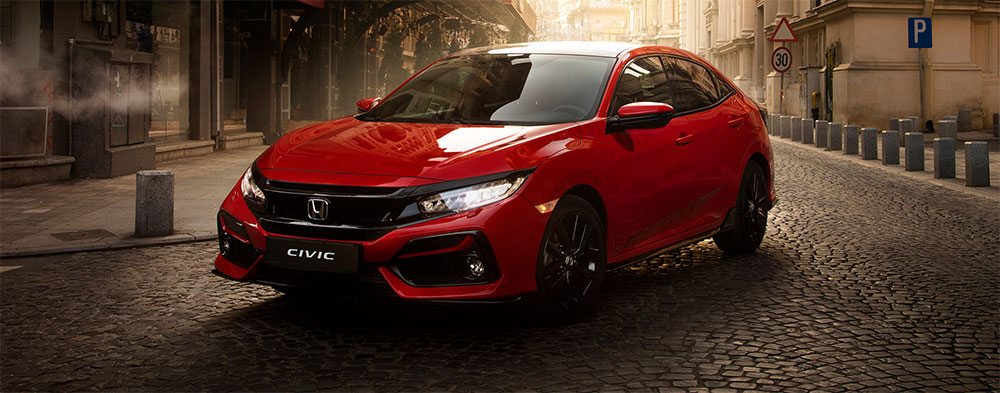
Honda Motor Company is a Japanese automotive manufacturer founded in 1946 that produces sedans, SUVs, and hybrid vehicles. The brand operates from Tokyo, Japan, and specializes in reliability engineering and fuel efficiency leadership.
Logo Design & Symbolism
The Honda logo features stylized H in silver that represents honesty and reliability. The geometric design symbolizes precision engineering and Japanese quality, while the symmetrical structure reflects balance and dependability values.
Brand Heritage & History
Honda was established in 1946 by Soichiro Honda in Hamamatsu, Japan. The company evolved from motorcycle manufacturer to automotive pioneer with innovative engineering solutions. Key historical milestones include the 1972 Civic launch, 1976 Accord introduction, and 1999 Insight hybrid pioneer.
Vehicle Categories
Honda manufactures 6 main vehicle categories:
- Compact Cars: Civic, Fit, Insight
- Midsize Sedans: Accord
- SUVs: HR-V, CR-V, Pilot, Passport
Market Position & Recognition
Honda ranks as a Japanese reliability leader automotive manufacturer with 5.2 million annual sales in 150 global markets. The brand received fuel efficiency awards and reliability recognition from Consumer Reports for 9 consecutive years.
Current Models & Innovation
Current Honda lineup includes 11 models featuring VTEC engines, i-MMD hybrid systems, and Honda Sensing safety. The brand focuses on electrification, safety technology, and environmental responsibility with the Clarity achieving 340-mile hydrogen range.
Bugatti logo
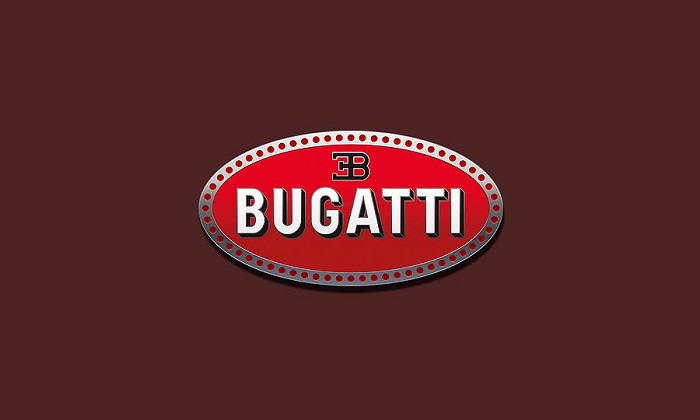
Bugatti Automobiles is a French ultra-luxury supercar manufacturer founded in 1909 that produces hypercars and grand tourers. The brand operates from Molsheim, France, and specializes in ultimate performance and French luxury craftsmanship.
Logo Design & Symbolism
The Bugatti logo features oval badge with red border and founder’s initials that represents French elegance and precision. The heraldic design symbolizes nobility and exclusivity, while the contrast reflects performance excellence and luxury heritage.
Brand Heritage & History
Bugatti was established in 1909 by Ettore Bugatti in Molsheim, France. The company evolved from racing car constructor to luxury manufacturer, ceased production in 1963, and was revived by Volkswagen Group in 1998. Key historical milestones include the 1920s Type 35 racing dominance, 1991 EB110 revival, and 2005 Veyron hypercar.
Vehicle Categories
Bugatti manufactures 2 main vehicle categories:
- Hypercars: Chiron, Divo, Centodieci
- Grand Tourers: Veyron (discontinued)
Market Position & Recognition
Bugatti ranks as a French ultra-exclusive automotive manufacturer with 77 annual sales in 20 ultra-luxury global markets. The brand received speed record achievements with 304 mph Chiron and luxury craftsmanship recognition for hand-built construction.
Current Models & Innovation
Current Bugatti lineup includes 5 models featuring quad-turbocharged W16 engines, all-wheel drive, and carbon fiber monocoque. The brand focuses on ultimate performance, luxury artistry, and exclusivity with the Chiron achieving 1,479 horsepower and 261 mph electronically limited speed.
Nissan logo

Nissan Motor Company is a Japanese automotive manufacturer founded in 1933 that produces sedans, SUVs, electric vehicles, and sports cars. The brand operates from Yokohama, Japan, and specializes in innovation technology and electric vehicle leadership.
Logo Design & Symbolism
The Nissan logo features circular badge with horizontal line and company name that represents horizon and forward motion. The geometric design symbolizes innovation and progress, while the silver finish reflects technological advancement and global reach.
Brand Heritage & History
Nissan was established in 1933 by Yoshisuke Aikawa in Yokohama, Japan. The company evolved from Datsun manufacturer to global automotive leader with innovation focus. Key historical milestones include the 1969 240Z sports car, 1989 Skyline GT-R, and 2010 Leaf electric vehicle pioneer.
Vehicle Categories
Nissan manufactures 7 main vehicle categories:
- Compact Cars: Versa, Sentra, Altima
- SUVs: Kicks, Rogue, Murano, Armada
- Sports Cars: 370Z, GT-R
- Electric Vehicles: Leaf, Ariya
Market Position & Recognition
Nissan ranks as a Japanese innovation leader automotive manufacturer with 5.2 million annual sales in 160 global markets. The brand received electric vehicle pioneering recognition with Leaf and performance achievements with GT-R Nürburgring records.
Current Models & Innovation
Current Nissan lineup includes 13 models featuring Variable Compression Turbo engines, e-POWER hybrid systems, and ProPILOT assistance. The brand focuses on electrification, autonomous driving, and connected mobility with the Ariya electric achieving 300-mile range and 389 horsepower.
FAQ on Car Logos
What do the three ovals in Toyota’s logo represent?
Toyota’s automotive emblem symbolizes the unification of customer hearts, company products, and technological progress. The overlapping ovals create a “T” shape while representing global expansion. This vehicle branding demonstrates how manufacturer symbols can convey multiple meanings through simple geometric forms and thoughtful logo design principles.
Why does BMW’s logo look like a spinning propeller?
BMW’s circular badge features blue and white quarters representing Bavaria’s flag colors, not aircraft propellers. This common misconception stems from early aviation marketing. The automotive logo design actually honors the company’s Bavarian heritage while maintaining strong brand recognition through consistent color theory application.
What’s the story behind Mercedes-Benz’s three-pointed star?
The Mercedes three-pointed star symbolizes universal motorization across land, sea, and air. Gottlieb Daimler originally used this symbol to mark locations on a postcard. Today, it’s one of the most recognizable vehicle brand marks globally, demonstrating how simple geometric shapes can become powerful automotive insignia.
How has the Volkswagen logo evolved over time?
Volkswagen’s logo transformed from Nazi-era styling to modern minimalism. The current design features clean typography and simplified geometry. This brand identity evolution shows how manufacturer badges adapt to changing cultural contexts while maintaining core recognition elements and effective visual hierarchy.
Why do luxury car brands use different logo styles?
Luxury manufacturers like Ferrari, Lamborghini, and Bentley employ ornate designs to convey prestige and heritage. These automotive brand symbols use complex imagery, metallic finishes, and traditional elements. The sophisticated styling reflects premium positioning and differentiates from mass-market vehicle emblems through deliberate emphasis techniques.
What makes a car logo memorable and effective?
Effective automotive branding combines simplicity, uniqueness, and cultural relevance. Strong manufacturer logos use distinctive shapes, appropriate colors, and scalable designs. They work across various applications while building emotional connections. Successful vehicle symbols balance recognition with meaning through strategic typography and visual elements.
How do electric vehicle companies approach logo design?
Tesla, Rivian, and other EV manufacturers favor clean, modern aesthetics over traditional automotive styling. These brand symbols emphasize innovation and sustainability through minimalist geometry and contemporary fonts. The design approach reflects technological advancement while establishing new visual language for electric vehicle identification.
Why do some car logos feature animals?
Ferrari’s prancing horse, Peugeot’s lion, and Lamborghini’s bull convey power, speed, and prestige. Animal imagery creates emotional connections while suggesting performance characteristics. These automotive emblems tap into symbolic associations that transcend language barriers, making them globally recognizable through the psychology of shapes.
What role does color play in automotive branding?
Color choices significantly impact brand perception and recognition. Red suggests sportiness (Ferrari), blue conveys reliability (Ford), while silver implies luxury (Mercedes). Vehicle branding leverages color psychology to communicate brand values instantly, influencing consumer emotions before conscious evaluation occurs.
How do car manufacturers protect their logo designs?
Automotive companies aggressively defend trademark rights through legal action and brand monitoring. Logo design protection includes registration across multiple classifications, geographic territories, and related industries. Manufacturers invest heavily in brand guidelines and enforcement to prevent dilution of their valuable automotive brand identity assets.
Conclusion
These examples of car logos demonstrate how automotive branding transcends simple identification to become cultural symbols. From BMW’s Bavarian heritage to Tesla’s modern minimalism, each manufacturer badge tells a unique story through carefully crafted visual elements.
Successful vehicle emblems combine strategic design elements with powerful symbolism. Whether examining Ford’s blue oval or Ferrari’s prancing horse, these automotive insignia prove that effective brand identity design requires thoughtful consideration of contrast, cultural context, and emotional resonance.
The evolution of car company symbols reflects broader shifts in consumer preferences, technological advancement, and global markets. Modern electric vehicle manufacturers like Rivian embrace clean geometry, while traditional luxury brands maintain ornate styling that emphasizes heritage and prestige.
Understanding automotive logo design reveals how manufacturer symbols function as silent salespeople, instantly communicating brand values and positioning. These small but mighty vehicle brand marks continue shaping consumer perceptions in an increasingly competitive marketplace.

Renowned for his expertise in logo design and visual branding, Bogdan has developed a multitude of logos for various clients.
His skills extend to creating posters, vector illustrations, business cards, and brochures. Additionally, Bogdan's UI kits were featured on marketplaces like Visual Hierarchy and UI8.
He also wrote in the past years on sites like Design Your Way, WebDesignerDepot, WPDean, Designmodo, Speckyboy, Slider Revolution, and more.
- The Windsurf Logo History, Colors, Font, And Meaning - 10 October 2026
- How to Remove Background From Product Photos (No Photoshop) - 10 October 2026
- How Designers can Build a Stronger Online Creative Identity - 9 October 2026

Bogdan Sandu is a seasoned designer who has been designing websites since 2008. Renowned for his expertise in logo design and visual branding, Bogdan has developed a multitude of logos for various clients. His skills extend to creating posters, vector illustrations, business cards, and brochures. Additionally, Bogdan's UI kits were featured on marketplaces like Visual Hierarchy and UI8. He also wrote in the past years on sites like Design Your Way, WebDesignerDepot, WPDean, Designmodo, Speckyboy, Slider Revolution, and more.
You Might Also Like