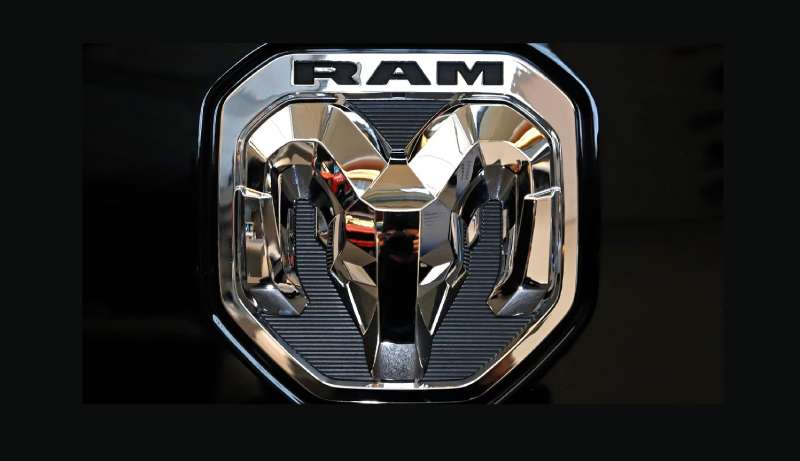
The RAM Logo represents one of America’s most recognized truck brands. It features a bold ram’s head that communicates power and durability.
This emblem sits at the intersection of automotive history and modern branding. The symbol draws from decades of association with heavy-duty vehicles.
RAM Trucks officially became its own brand in 2010, splitting from Dodge. The current logo iteration maintains the iconic ram head first introduced in 1932.
Throughout its history, the emblem has gone through several redesigns. Each version refined the aggressive, forward-facing ram imagery that truck buyers immediately recognize on dealership lots and highways.
The brand now operates under Stellantis and continues using this powerful animal symbol across its full vehicle lineup.
What is the RAM Trucks Logo?
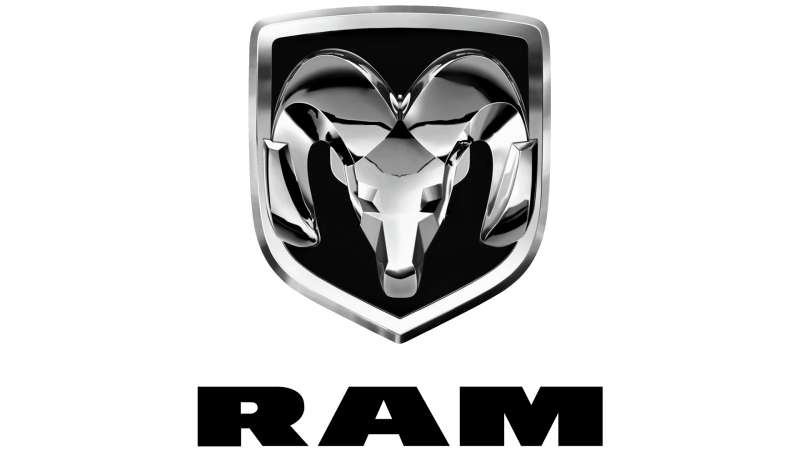
The RAM Trucks logo is a stylized silver ram’s head facing forward, officially adopted when RAM became a standalone brand in 2010. The emblem symbolizes strength, determination, and power. It builds on the original Dodge ram mascot introduced 78 years earlier.
Design Type: Emblem and combination mark
Primary Elements: Stylized ram head with curved horns, bold “RAM” wordmark
Official Introduction Date: 2010 (as standalone brand)
Designer/Agency: Chrysler internal design team
Trademark Status: Registered trademark of Stellantis N.V.
Color Palette: Silver/Chrome (#C0C0C0), Black (#000000), and Red (#CE1126) for accent applications
Usage Context: Vehicle grilles, tailgates, dealership signage, marketing materials, merchandise, and digital platforms
How Has the RAM Logo Evolved Over Time?
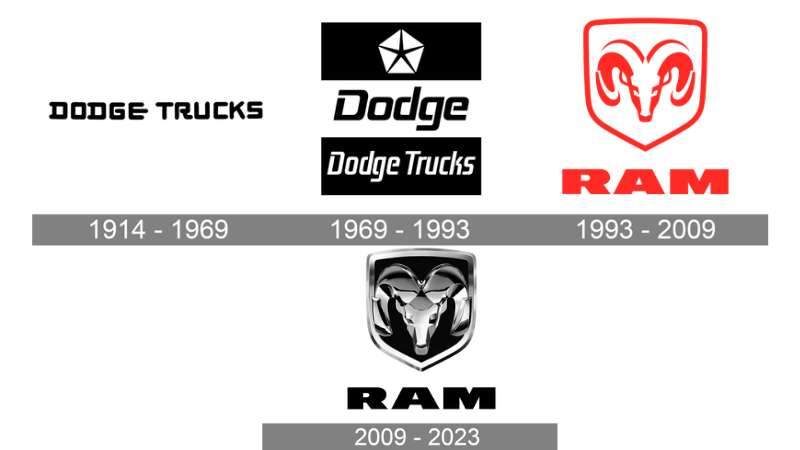
The RAM logo has transformed significantly since the original ram mascot appeared on Dodge trucks in 1932.
What started as a hood ornament became a grille badge, then evolved into the modern emblem we see today.
The 2010 brand separation marked the biggest shift, giving the ram symbol its own identity separate from the Dodge Logo.
Original Dodge Ram Hood Ornament (1932-1954)
Years Active: 1932-1954
Design Description: A three-dimensional chrome ram figure mounted on the hood. The ram appeared in a charging position with full body visible.
Color Scheme: Chrome silver
Designer: Avard T. Fairbanks, American sculptor
Context: Introduced during the Great Depression to give Dodge trucks a distinctive, powerful identity. Hood ornaments were common across the auto industry at this time.
Key Changes from Previous: First ram imagery used by the brand
Cultural Significance: Established the ram as Dodge’s signature symbol and began an association that would last nearly a century
Ram Grille Emblem Era (1981-1993)
Years Active: 1981-1993
Design Description: A flat, stylized ram head integrated into the front grille. The design shifted from a full-body ram to just the head.
Color Scheme: Chrome with black detailing
Designer: Chrysler design team
Context: The brand revived the ram imagery after years without it. This coincided with renewed focus on the truck market.
Key Changes from Previous: Transition from three-dimensional ornament to flat badge, focus on ram’s head only
Cultural Significance: Reconnected modern trucks with the brand’s heritage and helped differentiate from competitors
Modern RAM Brand Logo (2010-Present)
Years Active: 2010-Present
Design Description: Bold, forward-facing ram head with prominent curved horns. Clean lines with a contemporary feel. Paired with the “RAM” wordmark in a strong sans-serif font.
Color Scheme: Silver, black, with red accents on select applications
Designer: Chrysler Group LLC internal team
Context: Created when RAM Trucks became a separate division from Dodge. The brand needed its own identity for marketing and dealership purposes.
Key Changes from Previous: Complete redesign with cleaner geometry, dedicated wordmark, and standalone brand application
Cultural Significance: Represents RAM’s emergence as a major truck brand competing directly with Ford and Chevrolet
What Do the Design Elements of the RAM Logo Mean?
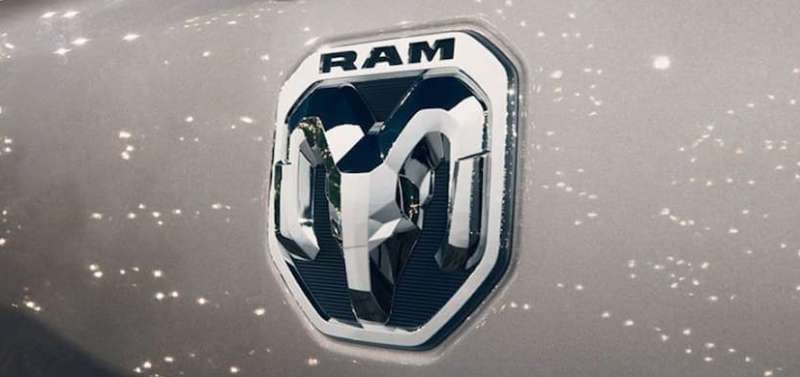
The ram’s head symbolizes raw power and stubborn determination. These traits align perfectly with what truck buyers want from their vehicles.
The forward-facing position suggests charging ahead, ready to tackle any challenge.
Curved horns frame the face and add visual balance to the overall composition.
Why Did RAM Choose These Specific Colors?
Silver/Chrome (#C0C0C0)
Represents premium quality and industrial strength. Chrome has long been associated with automotive excellence.
It photographs well and stands out on vehicle grilles.
Black (#000000)
Adds boldness and sophistication. Black provides contrast that makes the silver pop.
It also works well across different backgrounds and applications. Many brands in the black logos category use this color to project authority.
Red Accent (#CE1126)
Used selectively on performance models and marketing materials. Red signals excitement and energy.
It connects to the red logos tradition of brands that want to communicate passion and action.
What Typography Style Is Used in the RAM Logo?
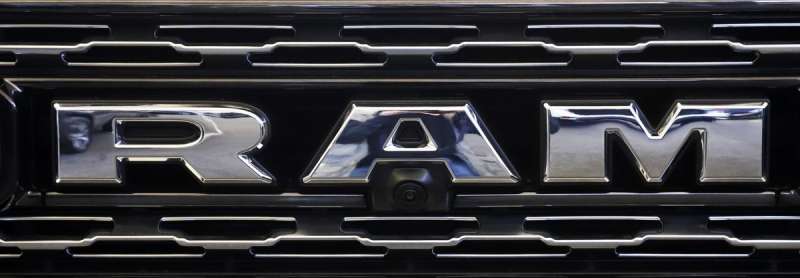
The “RAM” wordmark uses a custom bold sans-serif typeface.
Letters are thick and slightly condensed. This creates a strong, masculine feel that matches the brand personality.
The typography maintains readability even at smaller sizes on keychains or business cards.
No serifs or decorative elements distract from the straightforward message.
What Are the Hidden Meanings in the RAM Logo?
The horns curve upward and outward, creating an almost shield-like shape. This wasn’t accidental.
Designers wanted to suggest protection and capability.
The ram’s eyes appear focused and determined. Not aggressive exactly, but certainly not backing down either.
Some observers note the negative space between the horns creates a subtle “V” shape, possibly hinting at V8 engines.
How Does the RAM Logo Compare to Competitor Logos?
RAM takes a different approach than most truck manufacturers. While the Ford Logo relies on its classic oval script, RAM uses an animal symbol.
The Chevrolet Logo features the famous bowtie, which is abstract rather than representational.
The GMC Logo is pure typography with no symbol at all.
RAM’s choice of an animal mascot actually has more in common with sports car brands. The Lamborghini Logo uses a bull, and the Ferrari Logo features a prancing horse.
This sets RAM apart in the truck segment. The approach follows some solid logo design principles around differentiation.
Among American truck brands, only RAM has this kind of distinctive animal-based identity. It makes the brand immediately recognizable from a distance.
What Are the Technical Specifications of the RAM Logo?
Official Color Codes:
Primary Color: Silver
Secondary Color: Black
- Hex: #000000
- RGB: (0, 0, 0)
- CMYK: (0, 0, 0, 100)
- Pantone: Black C
Accent Color: RAM Red
- Hex: #CE1126
- RGB: (206, 17, 38)
- CMYK: (0, 100, 85, 5)
- Pantone: 186 C
Dimensions and Proportions:
- Aspect ratio: Approximately 1:1 for the emblem alone
- Minimum size: 0.5 inches (print), 50 pixels (digital)
- Clear space: Minimum of 25% of logo width on all sides
- The wordmark maintains a 3:1 width-to-height ratio
What Cultural Impact Has the RAM Logo Had?
The RAM emblem has become synonymous with American truck culture. You see it on hats, belt buckles, and bumper stickers across the country.
It represents more than just a vehicle brand. For many owners, it signals a lifestyle and set of values.
The logo appears frequently in country music videos and rural American imagery. It has earned placement in films and television shows depicting working-class life.
RAM’s “Guts. Glory. Ram.” campaign cemented the logo’s association with toughness and determination.
How Does the RAM Logo Fit Into the Overall Brand Identity?
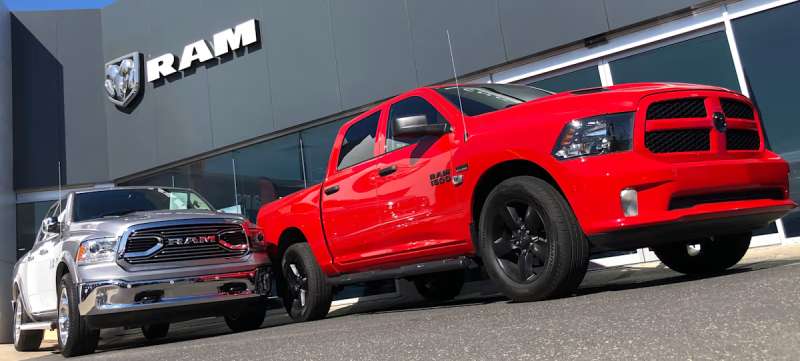
The ram head serves as the anchor for everything RAM does visually. It appears on vehicles, dealerships, merchandise, and all marketing.
The brand guidelines ensure consistent application across thousands of touchpoints.
Sub-brands like RAM 1500, 2500, and 3500 all incorporate the same ram head with model-specific typography.
Performance variants like the TRX use the emblem with red accents to signal increased capability. Limited editions often feature special emblem treatments in black or body color.
How Should the RAM Logo Be Used?
Official Usage Guidelines:
- Always maintain minimum clear space around the logo
- Never stretch, rotate, or distort the emblem
- Use only approved color variations (full color, single color, reverse)
- Do not place the logo on busy backgrounds that reduce visibility
- The ram head and wordmark can be used separately in approved contexts
Where to Access Official Logos:
Authorized dealers and partners can access logo files through Stellantis brand portals. Media outlets can request assets from RAM’s press relations department.
Licensing Information:
Third-party use requires written permission from Stellantis. Licensed merchandise manufacturers must follow strict quality and placement guidelines.
Trademark Protection:
The RAM name and ram head design are registered trademarks. Unauthorized commercial use may result in legal action. Personal use on non-commercial items falls into a gray area, but selling merchandise with the logo without licensing is prohibited.
FAQ on The Ram Logo
What Does the RAM Logo Represent?
The RAM truck emblem represents strength, power, and determination. The ram head symbol connects to the animal’s natural traits of resilience and charging forward.
It signals that RAM vehicles can handle tough jobs. The design builds trust with buyers who need reliable workhorses.
When Did RAM Get Its Own Logo?
RAM Trucks became a standalone brand in 2010. That year, Chrysler separated RAM from Dodge to create a dedicated truck division.
The ram head design itself dates back to 1932. Avard Fairbanks sculpted the original hood ornament that started this long brand history.
Who Designed the Original RAM Hood Ornament?
American sculptor Avard T. Fairbanks created the first ram ornament. He designed the chrome figure for Dodge trucks during the Great Depression.
His three-dimensional ram became an instant classic. Modern versions still honor that original vision from nearly a century ago.
What Colors Are in the RAM Logo?
The official RAM logo colors include silver, black, and red. Silver dominates the emblem and reflects premium quality.
Black adds depth and sophistication. Red appears on performance models and certain marketing materials to signal excitement. Understanding color psychology explains why these choices work.
Is the RAM Logo Trademarked?
Yes. Stellantis holds registered trademarks for both the RAM name and the ram head symbol. Commercial use requires written permission.
Selling merchandise without licensing is prohibited. The RAM logo trademark protection extends across North America and international markets.
What Font Does RAM Use in Its Logo?
RAM uses a custom bold sans-serif for its wordmark. The letters are thick and slightly condensed.
This creates strong visual hierarchy on vehicles and marketing. The font stays readable at any size, from billboards to key fobs.
How Is the RAM Logo Different From the Dodge Logo?
RAM features the ram head emblem while Dodge uses red diagonal stripes. They split in 2010 when RAM became independent.
The Chrysler Logo connects both brands under the Stellantis umbrella. But each maintains its own distinct vehicle brand identity now.
Where Can I Download the Official RAM Logo?
Authorized partners access vector graphics through Stellantis brand portals. Media outlets can request files from RAM’s press department.
Public downloads of official RAM logo PNG or SVG files require proper licensing. Check the official RAM Trucks website for media inquiries.
What Size Should the RAM Logo Be for Printing?
Minimum print size is 0.5 inches wide. Digital applications need at least 50 pixels.
Always maintain 25% clear space around the emblem. Higher DPI settings produce sharper results for large format printing like banners and signage.
Why Did RAM Choose a Ram’s Head for Its Logo?
The ram animal symbolizes toughness and stubborn determination. These traits match what pickup truck buyers want.
Rams charge forward without hesitation. That aggressive spirit aligns perfectly with the American truck brand values. The psychology of shapes in the curved horns adds visual power.
Conclusion
The RAM Logo stands as one of the most recognizable symbols in the American truck market. From Avard Fairbanks’ 1932 hood ornament to today’s sleek emblem, the ram head has kept its core meaning intact.
Stellantis continues building on this heritage with every RAM 1500, 2500, and 3500 that rolls off the line.
The chrome ram grille emblem tells a story of durability and determination. It creates an instant focal point on every vehicle.
Whether you spot it on a dealership lot in Detroit or a worksite in Texas, that ram head means business. Few pickup truck logos carry this much weight.

Renowned for his expertise in logo design and visual branding, Bogdan has developed a multitude of logos for various clients.
His skills extend to creating posters, vector illustrations, business cards, and brochures. Additionally, Bogdan's UI kits were featured on marketplaces like Visual Hierarchy and UI8.
He also wrote in the past years on sites like Design Your Way, WebDesignerDepot, WPDean, Designmodo, Speckyboy, Slider Revolution, and more.
- The Windsurf Logo History, Colors, Font, And Meaning - 10 October 2026
- How to Remove Background From Product Photos (No Photoshop) - 10 October 2026
- How Designers can Build a Stronger Online Creative Identity - 9 October 2026

Bogdan Sandu is a seasoned designer who has been designing websites since 2008. Renowned for his expertise in logo design and visual branding, Bogdan has developed a multitude of logos for various clients. His skills extend to creating posters, vector illustrations, business cards, and brochures. Additionally, Bogdan's UI kits were featured on marketplaces like Visual Hierarchy and UI8. He also wrote in the past years on sites like Design Your Way, WebDesignerDepot, WPDean, Designmodo, Speckyboy, Slider Revolution, and more.
You Might Also Like