The Chrysler Logo stands as one of the most recognized automotive emblems in American history. Few brands have experimented with their visual identity as much as Chrysler has over the past century.
Walter P. Chrysler founded the company in 1925, and the logo has gone through more than ten major redesigns since then. The current version features sleek silver wings with the brand name displayed on a deep blue banner at the center.
Chrysler operates as part of Stellantis N.V., the multinational automotive group formed in 2021. The brand maintains its position as one of the Big Three American automakers alongside Ford and General Motors. Throughout ownership changes (from independent company to DaimlerChrysler to Fiat Chrysler), the winged emblem has remained a constant thread connecting past and present.
What is the Chrysler Logo?
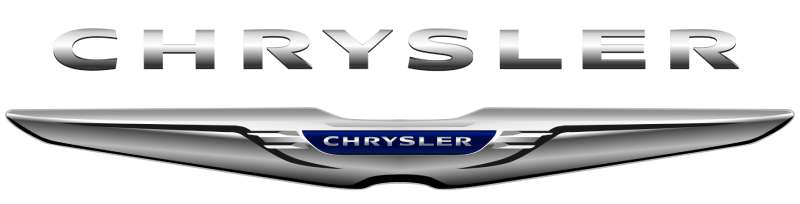
The Chrysler logo is a winged emblem featuring elongated silver wings with a central blue banner containing the Chrysler wordmark. Oliver Clark designed the original concept in 1924, with the current version introduced in 2009. The wings represent speed and freedom, inspired by the Roman god Mercury.
Design Type: Combination mark (emblem with wordmark)
Primary Elements:
- Two elongated silver wings with smooth, aerodynamic lines
- Central blue banner with “CHRYSLER” in white uppercase letters
- Secondary wordmark above the emblem in silver-gray
Official Introduction Date: Current version launched in 2009, with a minimalist update in 2023
Designer/Agency: Original seal and wings designed by Oliver Clark (1924-1928). The Pentastar (1962) was created by Robert Stanley at Lippincott and Margulies. The Fiat Chrysler Automobiles design team created the 2009 update.
Trademark Status: Registered trademark of Stellantis N.V.
Color Palette:
- Silver/Metallic Gray: Multiple shades using gradient effects
- Deep Blue: Hex #25285A (center banner)
- White: Hex #FFFFFF (wordmark on banner)
- Black: Hex #000000 (2023 minimalist version)
Usage Context: Vehicle grilles and trunks, marketing materials, dealership signage, digital platforms, merchandise, corporate communications
How Has the Chrysler Logo Evolved Over Time?
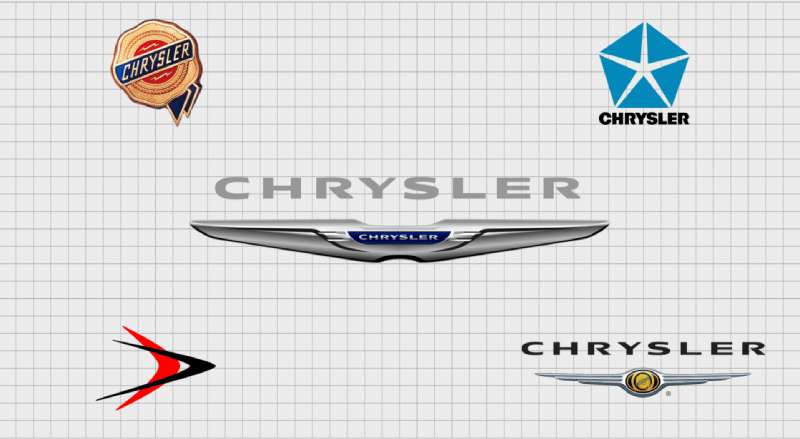
The Chrysler logo has undergone more than ten significant redesigns since 1924. It moved from a wax seal to winged emblems to the Pentastar and back to wings again.
Each version reflected the company’s position in the market and broader design trends of the era.
Original Chrysler Logo (1924-1928)
Years Active: 1924-1928
Design Description: A golden wax seal featuring the Chrysler name on a diagonal banner. Two short blue ribbons extended from the bottom right corner. Golden lightning bolts flanked the brand name.
Color Scheme: Gold, blue, and red
Designer: Oliver Clark, one of Chrysler’s engineers
Context: Walter Chrysler wanted a symbol that would communicate premium quality to compete with Cadillac and Lincoln. The wax seal mimicked official government fair awards, representing reliability and craftsmanship.
Cultural Significance: This design established the brand’s luxury positioning from day one. The seal concept would return repeatedly throughout Chrysler’s history.
Winged Seal Logo (1928-1930)
Years Active: 1928-1930
Design Description: The original seal gained two ornate silver wings on the top left. The wings were arched with pointed ends.
Color Scheme: Silver and gold
Designer: Oliver Clark
Context: Clark created this as a radiator ornament, inspired by the Roman god Mercury. It represented speed and agility.
Key Changes from Previous: Addition of wings, shift from gold to silver tones
Cultural Significance: Introduced the wing motif that would define Chrysler’s identity for decades to come.
Golden Seal Logo (1930-1936)
Years Active: 1930-1936
Design Description: Wings were removed. The seal became burgundy and gold with the wax stamp centered. A small ribbon trailed from the bottom right.
Color Scheme: Burgundy and gold
Key Changes from Previous: Simplified design without wings, warmer color palette
Cultural Significance: Reflected a more refined luxury approach during the early Depression era.
Striped Wings Logo (1936-1950)
Years Active: 1936-1950
Design Description: The seal was placed between two sleek silver wings. Each wing featured black horizontal stripes. The design was placed on a thin, stretched horizontal banner.
Color Scheme: Silver, black, gold
Key Changes from Previous: Wings returned with a more streamlined, aerodynamic look
Cultural Significance: The striped wings reflected the Art Deco influence and the era’s fascination with aviation and speed.
Forward Look Logo (1955-1962)
Years Active: 1955-1962
Design Description: Two intersecting arrow shapes pointing right. A narrow black arrow overlapped a wider red one. Highly geometric and abstract.
Color Scheme: Black and red
Designer: Part of Virgil Exner’s “Forward Look” redesign
Key Changes from Previous: Complete departure from the seal. Totally abstract. No wings or traditional elements.
Cultural Significance: Represented the space-age optimism of the 1950s. The Dodge brand used a similar logo during this period.
Pentastar Logo (1962-1998)
Years Active: 1962-1998 (with variations)
Design Description: A blue pentagon composed of five solid triangles. A white five-pointed star with thin rays formed in the center. “CHRYSLER” in bold black capital letters appeared below.
Color Scheme: Blue, white, black
Designer: Robert Stanley at Lippincott and Margulies
Context: The Pentastar became one of Chrysler’s most enduring symbols. Stanley said it represented elegance, simplicity, and dynamism.
Key Changes from Previous: Complete redesign. No seal, no wings. Geometric and modern.
Cultural Significance: Some believe the five points represented the five divisions: Chrysler, Dodge, Dodge Trucks, Plymouth, and Imperial. The star created a visual illusion of movement.
Text-Based Logo (1980s)
Years Active: 1980-1990
Design Description: A clean wordmark in all capital letters. Rounded letters with futuristic lines. Both “R”s were open, giving it a distinctive look.
Color Scheme: Black
Key Changes from Previous: Stripped down to pure typography. No symbols or emblems.
Cultural Significance: Reflected the minimalist corporate design trends of the 1980s.
Winged Oval Seal Logo (1990-1998)
Years Active: 1990-1998
Design Description: The winged seal returned. An oval-shaped seal sat at the center of refined, elongated silver wings. The wordmark appeared above in bold black capitals.
Color Scheme: Gold, silver, black
Key Changes from Previous: Return to heritage elements. Wings made slimmer and more stylized.
Cultural Significance: Marked Chrysler’s “second birth” and reconnection with its roots.
Classic Seal Revival (1993-1995)
Years Active: 1993-1995
Design Description: A tribute to the original 1924 seal. Set within a black oval, the golden seal featured a blue ribbon with the Chrysler name. Golden nested ovals surrounded it.
Color Scheme: Gold, blue, black
Key Changes from Previous: Direct callback to original design with slight color modifications
Cultural Significance: Showed the brand honoring its heritage during a period of reinvention.
Refined Circle Logo (1995-1998)
Years Active: 1995-1998
Design Description: The seal returned to a circular shape. Thicker frame. Brighter gold surfaces with more gloss.
Color Scheme: Gold, blue, red
Key Changes from Previous: Thicker frame, increased gloss
DaimlerChrysler Winged Emblem (1998-2009)
Years Active: 1998-2009
Design Description: The black and gold seal placed between two elongated sharp silver wings. Three “feathers” on each side. Black uppercase logotype above.
Color Scheme: Silver, gold, black
Context: Introduced after the Daimler-Benz merger in 1998
Key Changes from Previous: More structured wings, bolder proportions
Cultural Significance: This version laid the groundwork for the modern winged logo.
Current Chrysler Logo (2009-Present)
Years Active: 2009-present
Design Description: Sleek three-dimensional silver wings with smooth, full lines. No wax seal. The brand name appears on a navy blue banner at the center. A secondary wordmark in silver-gray sits above the emblem.
Color Scheme: Silver, deep blue (#25285A), white
Context: Introduced after Fiat acquired Chrysler. The design aimed to look more modern and sophisticated.
Key Changes from Previous: Removal of the historic wax seal, smoother wing lines, cleaner overall look
Cultural Significance: The design resembles the Aston Martin logo, giving Chrysler an elevated luxury feel. The blue banner connects to the original 1924 ribbon.
Minimalist Update (2023)
Years Active: 2023-present
Design Description: A futuristic minimalist approach. The wings are drawn in flat black lines with no central banner or seal. The wordmark appears above in black uppercase.
Color Scheme: Black
Key Changes from Previous: Flat design, removal of blue banner, single-color execution
Cultural Significance: Reflects Chrysler’s progressive vision and willingness to adapt to modern design trends.
What Do the Design Elements of the Chrysler Logo Mean?
The Chrysler logo combines wings and wordmark to convey speed, freedom, and American automotive excellence.
The psychology of shapes plays a big role here.
Wings naturally suggest movement and aspiration. The horizontal stretch creates a sense of forward momentum.
What Do the Wings Symbolize?
The wings represent the Roman god Mercury, known for speed and agility.
Oliver Clark introduced the winged element as a radiator ornament in 1928. It was meant to capture the dynamic nature of Chrysler vehicles.
Wings in automotive logos typically suggest power, freedom, and flight. The Bentley logo uses a similar concept.
For Chrysler, the wings also reference the aerodynamic qualities of their cars and the brand’s focus on innovation.
Why Did Chrysler Choose These Specific Colors?
Silver/Metallic Gray
- Hex: #B8B9BD and gradient variations
- Symbolic meaning: Sophistication, modernity, premium quality
- Psychological impact: Conveys technology and precision
- Brand connection: Mimics the chrome and metal of actual vehicles
Deep Blue
- Hex: #25285A
- Symbolic meaning: Trust, stability, professionalism
- Psychological impact: Color psychology tells us blue builds confidence and reliability
- Brand connection: Links to the original 1924 blue ribbon, many blue logos in the automotive industry use this approach
Black (2023 version)
- Hex: #000000
- Symbolic meaning: Power, elegance, authority
- Psychological impact: Creates a bold, confident statement
- Brand connection: Reflects the shift toward flat, modern design
What Typography Style Is Used in the Chrysler Logo?
Chrysler uses Trade Gothic for its wordmark. Jackson Burke designed this sans-serif font in 1948.
The typeface appears in all capital letters. The font has clean lines with some irregular characteristics that add character.
Both “R”s in “CHRYSLER” are open in certain versions, which makes the wordmark distinctive.
Trade Gothic works well for automotive branding because it is legible at various sizes. It feels modern but not cold.
What Are the Hidden Meanings in the Chrysler Logo?
The blue banner at the center of the current logo directly references the blue ribbon from the 1924 original. Most people miss this connection.
The wing shape also resembles car fenders. Oliver Clark designed both elements, so this parallel is intentional.
The proportions of the wings create visual symmetry that suggests stability and balance.
Stanley, the Pentastar designer, said his star created an illusion of movement. Some interpreted the five points as representing the five Chrysler divisions of that era.
How Does the Chrysler Logo Compare to Competitor Logos?
Chrysler shares design DNA with other luxury and performance brands that use wings.
The Aston Martin logo features a similar winged format with a central wordmark. Both convey speed and sophistication.
The Bentley logo also uses wings but with a centered “B” instead of a full wordmark. Bentley’s wings are more detailed and feathered.
Within the Stellantis family, the Jeep logo takes a completely different approach with its rugged wordmark. The RAM logo uses a ram’s head to convey power and strength.
Compared to Ford’s simple oval or Chevrolet’s bowtie, Chrysler’s logo is more complex. The wings give it an aspirational quality that positions the brand slightly above mass-market competitors.
What Are the Technical Specifications of the Chrysler Logo?
Official Color Codes
Primary Color: Silver
Secondary Color: Deep Blue
- Hex: #25285A
- RGB: (37, 40, 90)
- CMYK: (59, 56, 0, 65)
Accent Color: White
- Hex: #FFFFFF
- RGB: (255, 255, 255)
- CMYK: (0, 0, 0, 0)
2023 Update: Black
- Hex: #000000
- RGB: (0, 0, 0)
- CMYK: (0, 0, 0, 100)
Dimensions and Proportions
Aspect Ratio: The logo is horizontally stretched. The wings extend significantly wider than the height of the central badge.
Minimum Size Requirements: The wordmark on the blue banner must remain legible. At very small sizes, the wings-only version or standalone wordmark should be used.
Clear Space: The logo requires adequate breathing room on all sides. No other design elements should crowd the wings.
The logo works as vector graphics to maintain sharpness at any size.
What Cultural Impact Has the Chrysler Logo Had?
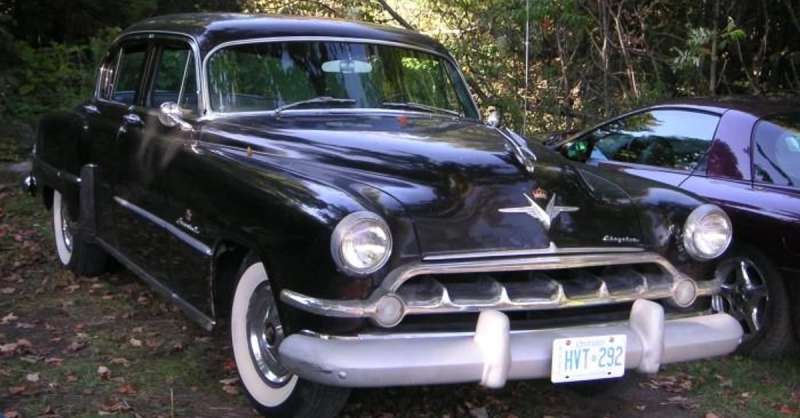
The Chrysler logo helped establish American automotive design language in the early 20th century.
The Pentastar became an icon of 1960s corporate America. It appeared on everything from cars to dealer signs to racing team merchandise.
The winged emblem connects Chrysler to luxury brands globally. It signaled that American cars could compete with European prestige marques.
Through various ownership changes, the logo maintained brand recognition. Customers could still identify a Chrysler even as the parent company shifted from independent to Daimler to Fiat to Stellantis.
How Does the Chrysler Logo Fit Into the Overall Brand Identity?
The Chrysler logo sits at the center of a broader visual system that includes the brand guidelines for all Stellantis divisions.
Chrysler’s identity focuses on premium positioning within the American market. The logo appears on the Chrysler 300 sedan and Pacifica minivan.
The color palette (silver, blue, white) carries through to marketing materials, dealership design, and digital presence.
Within Stellantis, Chrysler shares production platforms with other brands but maintains distinct visual identity through its logo and design language.
The winged emblem communicates the brand’s core values: speed, freedom, American craftsmanship, and innovation.
How Should the Chrysler Logo Be Used?
Official Usage Do’s and Don’ts
Do:
- Use the logo in approved colors only
- Maintain required clear space around the emblem
- Apply the logo on backgrounds that provide sufficient contrast
- Use the official vector files for reproduction
Don’t:
- Stretch or distort the logo proportions
- Change the official colors
- Place the logo on busy backgrounds that reduce legibility
- Recreate the logo from scratch
Where to Access Official Logos
Official Chrysler logos and brand assets are available through Stellantis media channels. Dealers receive approved materials through corporate brand portals.
Licensing Information
The Chrysler name and logo are registered trademarks of Stellantis N.V. Unauthorized use is prohibited. Licensing requests should go through official Stellantis corporate channels.
Trademark Protection Details
The winged emblem, Pentastar, and Chrysler wordmark are all protected trademarks. The company actively defends against unauthorized use or imitation.
FAQ on The Chrysler Logo
What Does the Chrysler Logo Represent?
The Chrysler emblem represents speed, freedom, and American automotive excellence.
The silver wings reference the Roman god Mercury. The design communicates premium quality and forward momentum, values Walter Chrysler established when he founded the company in 1925.
Who Designed the Original Chrysler Logo?
Oliver Clark, an engineer on Walter P. Chrysler’s team, designed the original 1924 logo.
He created the golden wax seal and later the winged radiator ornament. His work influenced the brand identity for nearly a century.
Why Does the Chrysler Logo Have Wings?
The wings symbolize the Roman god Mercury, known for speed and agility.
Clark introduced wings in 1928 as a radiator ornament. They became a core part of the vehicle branding and now define Chrysler’s visual identity alongside brands like Genesis.
What Is the Pentastar in Chrysler’s History?
The Pentastar is a five-pointed star logo introduced in 1962.
Robert Stanley at Lippincott and Margulies designed it. The blue pentagon became one of Chrysler Corporation’s most recognizable corporate symbols and appeared on vehicles for decades.
When Was the Current Chrysler Logo Introduced?
The current winged emblem debuted in 2009 after Fiat acquired Chrysler.
It features sleek silver wings with a blue banner. A font update and flat black version arrived in 2023.
What Colors Are Used in the Chrysler Logo?
The primary color palette includes silver, deep blue, and white.
Silver represents sophistication. The deep blue (Hex #25285A) connects to the original 1924 ribbon. The 2023 version uses flat black for a modern look.
How Many Times Has the Chrysler Logo Changed?
Chrysler has redesigned its logo more than ten times since 1924.
The brand experimented with wax seals, wings, the Pentastar, text-only marks, and various combinations. This logo evolution reflects ownership changes and shifting design trends in the auto industry.
What Font Is Used in the Chrysler Logo?
Chrysler uses Trade Gothic, a typeface designed by Jackson Burke in 1948.
The wordmark appears in all capital letters. The open “R” characters give the logotype a distinctive look that sets it apart from other Detroit automaker badges.
Is the Chrysler Logo Similar to Other Car Logos?
Yes. The winged design resembles Ferrari and other luxury car logos that use wings.
The stretched horizontal format creates a similar silhouette. Many automotive manufacturers use wings to suggest speed and premium positioning.
What Happened to the Chrysler Seal in the Logo?
The historic wax seal was removed in 2009.
Fiat Chrysler Automobiles replaced it with a blue banner containing the wordmark. The brand heritage still shows through the wing shape and color scheme that connect to Oliver Clark’s original design.
Conclusion
The Chrysler Logo tells a story of reinvention. From Oliver Clark’s golden wax seal to today’s silver wings, this iconic emblem has adapted to every era.
The Pentastar. The winged badge. The minimalist 2023 update. Each version reflects the Auburn Hills automaker’s willingness to evolve.
What stays constant? The commitment to logo design principles that communicate speed, quality, and American automotive heritage.
Whether on a Chrysler 300 sedan or Pacifica minivan, this badge carries nearly a century of brand recognition into the future.

Renowned for his expertise in logo design and visual branding, Bogdan has developed a multitude of logos for various clients.
His skills extend to creating posters, vector illustrations, business cards, and brochures. Additionally, Bogdan's UI kits were featured on marketplaces like Visual Hierarchy and UI8.
He also wrote in the past years on sites like Design Your Way, WebDesignerDepot, WPDean, Designmodo, Speckyboy, Slider Revolution, and more.
- The Cursor Logo History, Colors, Font, And Meaning - 24 September 2026
- Top 7 Web Design Subscription Services That Replace Full-Time Hires - 24 September 2026
- Canva vs PowerPoint: Which Is Better for Presentations? - 22 September 2026

Bogdan Sandu is a seasoned designer who has been designing websites since 2008. Renowned for his expertise in logo design and visual branding, Bogdan has developed a multitude of logos for various clients. His skills extend to creating posters, vector illustrations, business cards, and brochures. Additionally, Bogdan's UI kits were featured on marketplaces like Visual Hierarchy and UI8. He also wrote in the past years on sites like Design Your Way, WebDesignerDepot, WPDean, Designmodo, Speckyboy, Slider Revolution, and more.
You Might Also Like