


A logo tells you everything about a brand before a single word is spoken. The Jeep Logo does exactly that. It carries decades of military history, rugged adventure, and American manufacturing pride in one compact visual mark.
Jeep first appeared during World War II as a military vehicle built for the U.S. Army. The brand has gone through several ownership changes since then. Willys-Overland, Kaiser, AMC, Chrysler, and now Stellantis have all held the keys.
The current Jeep wordmark uses a custom sans-serif typeface. It was refined most recently in 2022. The brand has used approximately six distinct logo variations throughout its history, each reflecting the company’s position at that moment in time.
What is the Jeep Logo?
The Jeep Logo is a custom wordmark featuring bold, blocky letterforms spelling “JEEP” in uppercase. Introduced in its modern form during the 1970s and refined through 2022, the design reflects durability and straightforward functionality without unnecessary decoration.
Design Type: Wordmark (text-based logo)
Primary Elements: Four uppercase letters in a custom geometric sans-serif font, often paired with the seven-slot grille symbol on vehicles
Official Introduction Date: The wordmark style originated in the 1970s with the most recent refinement in 2022
Designer/Agency: Original wartime designs came from military necessity. Modern versions were developed through internal brand teams under various parent companies
Trademark Status: Registered trademark owned by FCA US LLC (Stellantis). The seven-slot grille is separately trademarked
Color Palette: Primary colors include Jeep Black (#000000) and Jeep Green (a deep olive tone used historically)
Usage Context: Vehicle grilles, dealership signage, marketing materials, merchandise, digital platforms, and owner community branding
How Has the Jeep Logo Evolved Over Time?
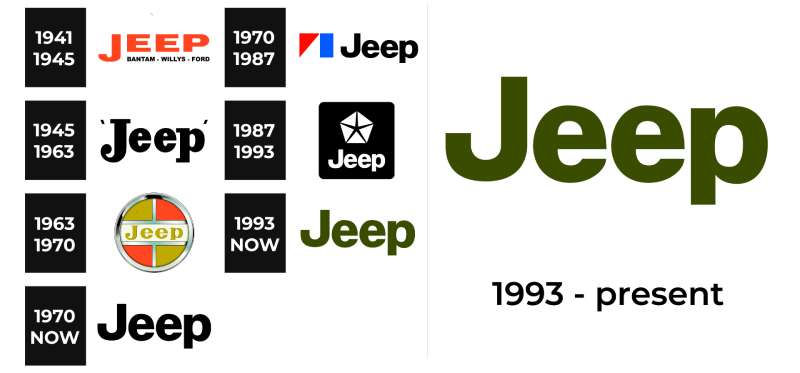
The Jeep Logo has transformed from basic military stenciling to a refined wordmark over eight decades.
Early versions were purely functional. They marked government property.
Civilian ownership brought commercial polish. Each parent company added their own touches while keeping the core identity intact.
Original Military Jeep Markings (1941-1945)
Years Active: 1941-1945
Design Description: Simple stenciled text reading “JEEP” or vehicle designation codes. No formal logo existed. Markings served identification purposes only.
Color Scheme: White or yellow paint on olive drab green vehicles
Designer: U.S. Army Quartermaster Corps specifications
Context: World War II required rapid vehicle identification. Form followed function completely.
Cultural Significance: These markings established “Jeep” as a recognizable name among millions of soldiers worldwide.
Willys-Overland Civilian Era (1945-1963)
Years Active: 1945-1963
Design Description: Introduction of the “Willys” script alongside “Jeep” text. The combination mark featured rounded, friendly letterforms.
Color Scheme: Red, black, and white combinations
Designer: Willys-Overland marketing department
Context: Post-war transition to civilian market required consumer-friendly branding.
Key Changes from Previous: First commercial logo treatment. Added visual warmth to attract non-military buyers.
Cultural Significance: Marked Jeep’s transformation from war machine to recreational vehicle.
Kaiser Jeep Period (1963-1970)
Years Active: 1963-1970
Design Description: Streamlined wordmark with bolder letterforms. Kaiser influence brought more corporate structure to the visual identity.
Color Scheme: Predominantly black text with occasional red accents
Designer: Kaiser Industries design team
Context: New ownership sought to modernize the brand image.
Key Changes from Previous: Dropped the Willys name from primary branding. Cleaner, more industrial appearance.
AMC Ownership Era (1970-1987)
Years Active: 1970-1987
Design Description: The iconic blocky letterforms we recognize today took shape. Bold, squared-off characters with strong visual weight.
Color Scheme: Black primary with brand-specific accent colors
Designer: American Motors Corporation in-house team
Context: AMC positioned Jeep as their flagship brand during challenging times for American automakers.
Key Changes from Previous: Established the modern wordmark foundation. Letters became more geometric and assertive.
Cultural Significance: This version connected with the 1970s-80s outdoor recreation boom.
Chrysler Era (1987-2014)
Years Active: 1987-2014
Design Description: Refinement of AMC-era wordmark with subtle adjustments for digital applications. Maintained core character while improving technical reproduction.
Color Scheme: Black remained primary. Silver and chrome treatments appeared on vehicles.
Designer: Chrysler brand management
Context: Chrysler invested heavily in Jeep as a global brand. The logo needed to work across international markets.
Key Changes from Previous: Minor proportion adjustments. Better adaptation for screen and print.
Current Stellantis Era (2014-Present)
Years Active: 2014-Present (refined 2022)
Design Description: Cleaned-up version maintaining the bold, blocky character. Optimized for digital-first applications while preserving heritage feel.
Color Scheme: Black primary (#000000), with heritage green options for special editions
Designer: Stellantis global brand team
Context: Merger creating Stellantis brought renewed focus on brand consistency across global markets.
Key Changes from Previous: Subtle refinements to letter spacing and proportions. Improved scalability for digital platforms.
What Do the Design Elements of the Jeep Logo Mean?
The Jeep wordmark communicates durability and straightforward capability through its blocky letterforms.
Nothing is decorative. Every design choice reinforces the brand promise of tough, reliable vehicles built for any terrain.
The letters stand solid and grounded, just like the vehicles themselves.
Why Did Jeep Choose These Specific Colors?
Primary Black (#000000)
Black signals strength and timelessness. It creates maximum contrast against any background.
The psychological impact of color here is straightforward. Black reads as serious, professional, and durable.
It also photographs well on vehicle grilles and marketing materials.
Heritage Olive Green
This color connects directly to military origins. It appears on special editions and heritage-focused marketing.
The green carries authenticity. It reminds buyers of the brand’s war-tested beginnings.
Chrome/Silver (Vehicle Applications)
Metallic treatments on actual vehicles add premium perception. They catch light and draw attention to the badge.
What Typography Style Is Used in the Jeep Logo?
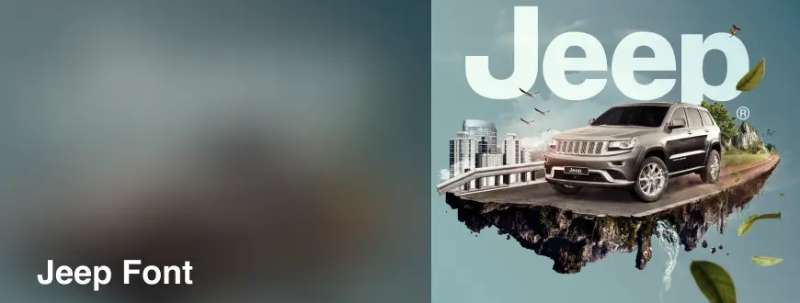
Jeep uses a custom typeface with geometric, blocky characteristics.
The letters feature squared-off corners and consistent stroke widths. This creates visual stability.
Readability works at any size, from small badges to massive dealership signs.
The typography has evolved slightly over decades but maintains its fundamental character. No serifs. No flourishes. Just solid, readable letterforms.
What Are the Hidden Meanings in the Jeep Logo?
There are no clever hidden images or subliminal elements in the Jeep wordmark.
That’s actually the point. Jeep’s identity is about honesty and directness.
The seven-slot grille (used separately from the wordmark) does carry meaning. It distinguishes Jeep from the Ford GPW’s nine-slot design from WWII.
Some see the blocky letters as representing rugged terrain. But designers have never confirmed this interpretation. The simplicity itself communicates authenticity.
How Does the Jeep Logo Compare to Competitor Logos?
Jeep’s wordmark stands apart from most automotive logos through its simplicity.
Where competitors use emblems, crests, and symbols, Jeep relies on text alone. It’s a confident choice.
This approach creates instant recognition without requiring symbol interpretation.
The Ford Logo uses a scripted oval that feels more traditional. The Toyota Logo employs overlapping ovals with layered meaning. Land Rover opts for an oval badge with text.
Jeep skips the containing shape entirely. The letters stand alone.
Among American truck and SUV brands, GMC takes a similar wordmark approach. Chevrolet and Dodge rely more heavily on emblematic symbols.
The RAM Logo uses a ram’s head symbol that carries aggressive connotations. Jeep’s text-only approach feels more approachable by comparison.
What Are the Technical Specifications of the Jeep Logo?
Official Color Codes:
Primary Black
Heritage Green (Approximate)
- Hex: #3D4F2F
- RGB: (61, 79, 47)
- CMYK: (65, 40, 80, 35)
White (Reverse Applications)
- Hex: #FFFFFF
- RGB: (255, 255, 255)
- CMYK: (0, 0, 0, 0)
Dimensions and Proportions:
- Aspect Ratio: Approximately 4:1 (width to height)
- Minimum Size: 0.5 inches (12.7mm) in height for print applications
- Clear Space: Maintain spacing equal to the height of the letter “E” on all sides
- File Formats: Available in vector formats (AI, EPS, SVG) and raster formats (PNG, JPEG)
What Cultural Impact Has the Jeep Logo Had?
The Jeep name and logo carry weight far beyond automotive circles.
“Jeep” became a generic term for small military vehicles in many countries. That kind of cultural penetration is rare.
The brand represents American ingenuity and post-war prosperity. Veterans associate it with survival and reliability under pressure.
Off-road enthusiasts treat the Jeep badge as membership in a community. It signals shared values around adventure and self-reliance. The logo appears on everything from clothing to camping gear, extending well beyond vehicles themselves.
How Does the Jeep Logo Fit Into the Overall Brand Identity?
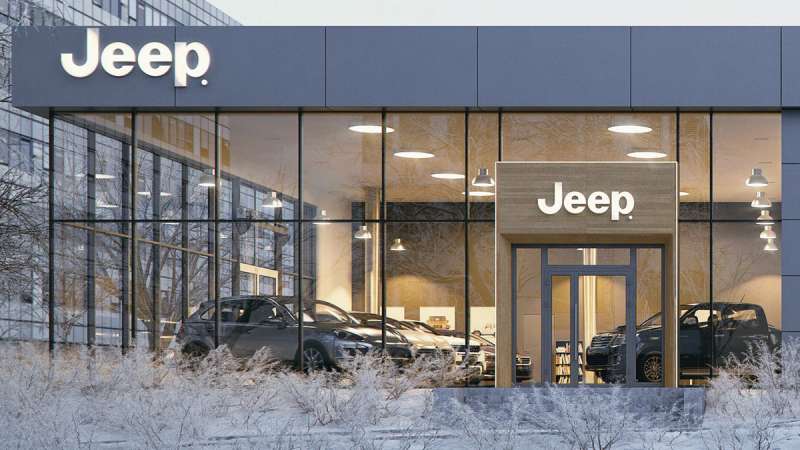
The Jeep wordmark anchors a broader visual system that includes the seven-slot grille, “Trail Rated” badges, and model-specific marks.
Everything connects back to the core idea: capable vehicles for adventurous people.
Official brand guidelines govern how these elements work together.
The wordmark appears on corporate communications and marketing. The grille symbol dominates vehicle applications. Model names like Wrangler and Cherokee carry their own sub-branding.
Color choices, imagery, and messaging all reinforce outdoor adventure themes.
How Should the Jeep Logo Be Used?
Official Usage Guidelines:
- Never stretch, distort, or rotate the wordmark
- Maintain minimum clear space around the logo
- Use only approved color variations
- Do not add effects like shadows, gradients, or outlines
- Never place the logo on busy backgrounds that reduce legibility
Accessing Official Logos:
Authorized dealers and partners receive logo files through Stellantis brand portals. Media outlets can request assets through official press channels.
Licensing Information:
Commercial use requires licensing agreements with Stellantis. This includes merchandise, aftermarket accessories, and promotional materials.
Trademark Protection:
Jeep actively protects its trademarks. The wordmark, seven-slot grille design, and various model names are all registered. Unauthorized use can result in legal action.
The brand monitors the marketplace and sends cease-and-desist letters to infringers. If you’re creating Jeep-related content or products, get proper permissions first.
FAQ on The Jeep Logo
What Does the Jeep Logo Represent?
The Jeep wordmark represents rugged durability and American military heritage. It connects directly to World War II history when Willys-Overland built vehicles for the U.S. Army.
The bold letterforms communicate strength without decoration. Simple and direct, like the vehicles themselves.
Why Does the Jeep Grille Have Seven Slots?
The seven-slot grille distinguishes Jeep from the Ford GPW, which used nine slots during WWII. This visual difference became a trademark.
It’s now one of the most recognized design elements in automotive branding. Every Jeep vehicle carries this signature feature.
Who Designed the Original Jeep Logo?
No single designer created the Jeep logo. Early military markings were functional stencils following Army specifications.
The civilian wordmark evolved through multiple owners. Willys-Overland, Kaiser, AMC, and Chrysler all shaped the brand identity we recognize today.
What Font Is Used in the Jeep Logo?
Jeep uses a custom font with geometric, blocky characteristics. The letterforms feature squared corners and consistent stroke widths.
It’s not a commercially available typeface. The company developed it specifically for brand recognition across all applications.
What Are the Official Jeep Logo Colors?
Primary black (#000000) serves most applications. Heritage olive green appears on special editions honoring military roots.
This color palette keeps things straightforward. Chrome and silver treatments add premium feel on vehicle badges.
When Was the Current Jeep Logo Introduced?
The modern wordmark took shape during AMC ownership in the 1970s. Stellantis refined it most recently in 2022.
Each logo evolution brought subtle improvements while preserving the core visual identity that buyers recognize instantly.
Is the Jeep Seven-Slot Grille Trademarked?
Yes. FCA US LLC (Stellantis) holds trademark registration for the seven-slot grille design. It’s protected separately from the wordmark.
This trademark protection prevents competitors from copying the distinctive front-end styling. Jeep actively defends this intellectual property.
What Does “Jeep” Stand For?
The origin remains debated. Some say it comes from “GP” (General Purpose). Others credit Eugene the Jeep from Popeye comics.
Military slang likely combined both influences. Whatever the source, the name stuck and became synonymous with off-road capability.
Can I Use the Jeep Logo on Merchandise?
Commercial use requires licensing agreements with Stellantis. Unauthorized reproduction violates trademark law.
The company monitors the marketplace closely. If you’re creating products featuring Jeep branding, contact their licensing department first to avoid legal issues.
How Has the Jeep Logo Changed Over the Years?
Six major versions exist. Military stencils gave way to Willys commercial branding. Kaiser modernized it. AMC created the blocky wordmark foundation.
Chrysler and Stellantis refined proportions for digital use. The core identity stayed consistent through every ownership change. Check other car logos for comparison.
Conclusion
The Jeep Logo stands as proof that simplicity works. No fancy emblems. No hidden tricks. Just bold letters and a seven-slot grille that everyone recognizes.
Eight decades of brand evolution taught us something. Authentic storytelling beats trendy redesigns every time.
From Toledo assembly lines to global dealerships, this wordmark carried its military heritage forward. The rugged design speaks to off-road enthusiasts and casual drivers alike.
Strong logo design principles created lasting brand recognition. That’s the real lesson here. Keep it honest, keep it readable, and your visual identity will outlast any ownership change.

Renowned for his expertise in logo design and visual branding, Bogdan has developed a multitude of logos for various clients.
His skills extend to creating posters, vector illustrations, business cards, and brochures. Additionally, Bogdan's UI kits were featured on marketplaces like Visual Hierarchy and UI8.
He also wrote in the past years on sites like Design Your Way, WebDesignerDepot, WPDean, Designmodo, Speckyboy, Slider Revolution, and more.
- How to Install Fonts on Mac (Step-by-Step Guide) - 20 September 2026
- From Mockup to Code: How AI-Augmented Development Speeds Up the Design Handoff - 19 September 2026
- The Beehiiv Logo History, Colors, Font, And Meaning - 18 September 2026

Bogdan Sandu is a seasoned designer who has been designing websites since 2008. Renowned for his expertise in logo design and visual branding, Bogdan has developed a multitude of logos for various clients. His skills extend to creating posters, vector illustrations, business cards, and brochures. Additionally, Bogdan's UI kits were featured on marketplaces like Visual Hierarchy and UI8. He also wrote in the past years on sites like Design Your Way, WebDesignerDepot, WPDean, Designmodo, Speckyboy, Slider Revolution, and more.
You Might Also Like


