


Three seconds. That’s how long your cover line has to grab a potential buyer walking past the newsstand.
In those crucial moments, your magazine headline must cut through visual noise, create instant curiosity, and promise valuable content inside. Magazine sales live or die by these few carefully chosen words.
The difference between a cover line that sells and one that doesn’t often comes down to psychology, not creativity. Successful magazine publishers understand this. They test everything.
This guide reveals the proven techniques that transform browsers into buyers. You’ll discover how to research your audience, craft compelling hooks, avoid costly mistakes, and measure what actually works.
By the end, you’ll know exactly how to write cover lines that:
- Stop readers in their tracks
- Create irresistible curiosity gaps
- Drive immediate purchase decisions
- Build long-term reader loyalty
The best cover lines don’t happen by accident. They follow tested principles.
The Anatomy of High-Converting Cover Lines

Magazine cover lines work differently than regular headlines. They need to grab attention in about 3 seconds while competing with dozens of other publications.
Essential Components That Work
Power words drive immediate action. Words like “secret,” “instant,” “proven,” and “exclusive” create urgency without overselling.
Numbers add credibility and specificity. “5 Ways to…” performs better than “Ways to…” because readers know exactly what they’re getting.
Promise statements tell readers what benefit they’ll receive. The best cover lines combine emotional appeal with practical value.
Length and Format Guidelines
Most successful cover lines stay between 4-8 words. Longer phrases get lost in busy newsstand environments.
Single-line approaches work best for primary stories. Multi-line formats can support secondary content but should use clear visual hierarchy to guide the eye.
Font size matters more than people think. Text needs to be readable from 3-4 feet away under fluorescent store lighting.
Voice and Tone Fundamentals
Your magazine’s personality should shine through every cover line. Health magazines can be encouraging while business publications stay authoritative.
Direct address works. “You” connects immediately with potential buyers and creates personal relevance.
Confidence sells without arrogance. Avoid weak qualifiers like “maybe” or “might” that undermine your message’s strength.
Typography Considerations
Typography affects readability as much as word choice. Sans-serif fonts often perform better for cover text than serif options.
Contrast between text and background determines whether your cover line gets noticed. Poor contrast kills even the best copywriting.
Kerning and tracking adjustments can make text more impactful. Tight letter spacing creates urgency while loose spacing feels more luxurious.
Research and Target Audience Analysis
Successful cover lines start with deep reader knowledge. You can’t write compelling copy for people you don’t understand.
Knowing Your Reader’s Pain Points
Demographic research reveals who buys your magazine. But psychographic profiling tells you why they buy it.
Survey your existing readers about their biggest challenges. Ask what keeps them awake at 2 AM or what they argue about with friends.
Study customer service emails and social media comments. Real language from real readers beats focus group speak every time.
Research Methods That Work
Exit interviews with newsstand browsers provide honest feedback. Most people will tell you why they picked up a competitor instead.
Online analytics show which cover lines drive website traffic. Digital engagement often predicts print performance.
Sales data correlation helps identify which emotional triggers actually convert browsers into buyers.
Competitive Analysis Strategies
Track competitor cover lines for 6 months minimum. Look for patterns in successful issues versus weak performers.
Notice what topics competitors avoid completely. These gaps often represent untapped opportunities for your publication.
Study cover line positioning and color psychology choices. Some magazines consistently place certain message types in specific locations.
Learning from Success and Failure
High-performing covers often use similar emotional frameworks. Fear, desire, curiosity, and social proof appear repeatedly in top sellers.
Failed cover lines usually suffer from vague promises or insider language. Clarity beats cleverness in newsstand sales.
International editions of global magazines provide testing insights. What works in different cultures reveals universal versus local appeal factors.
Market Trends and Cultural Moments

Seasonal relevance drives purchase decisions. January fitness content and December holiday themes work because they match reader mindset.
Current events create content opportunities but require careful timing. Your production schedule determines how quickly you can respond to trends.
Pop culture integration must feel authentic to your brand. Forced references to viral moments often backfire with sophisticated readers.
Timing Your Message
Publication schedules affect trend relevance. Monthly magazines need evergreen angles on trending topics to stay current through their shelf life.
Cultural sensitivity prevents costly mistakes. What seems funny or clever to your editorial team might offend key reader segments.
Local market variations matter for regional publications. Cover lines that work in urban markets might flop in suburban or rural areas.
Writing Techniques That Grab Attention
Cover lines succeed when they create an immediate emotional response. The best magazine hooks tap into basic human psychology.
Curiosity-Driven Approaches
The partial reveal method leaves readers wanting more. “What She Never Told Anyone” works better than “Celebrity’s Secret Recipe.”
Question-based cover lines engage directly with reader concerns. But avoid questions with obvious yes/no answers.
Cliffhanger techniques build tension through incomplete information. “The Mistake That Changed Everything” forces people to look inside.
The Information Gap Strategy
Readers hate unfinished stories. Create gaps between what they know and what they want to know.
Use specific details that hint at bigger revelations. “The Tuesday Phone Call” suggests drama without revealing outcomes.
Numbers without context drive curiosity. “The 3-Word Response That Saved Her Marriage” begs for explanation.
Benefit-Focused Formulas
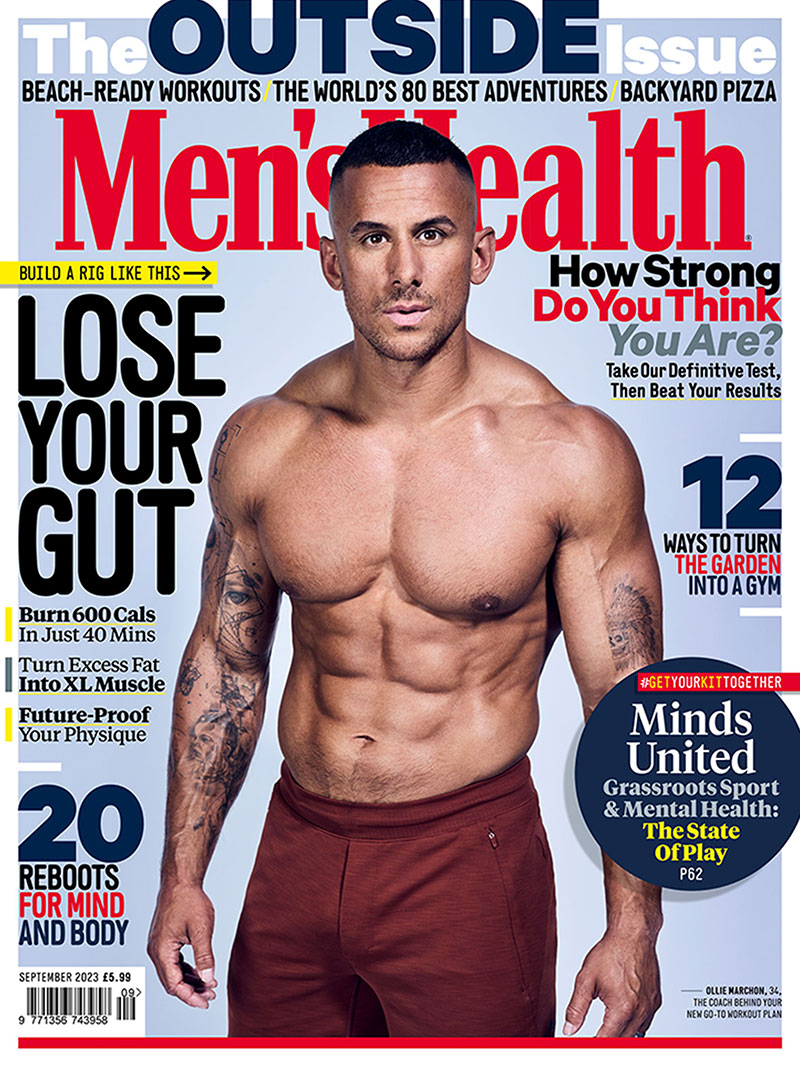
Direct value propositions work when they solve real problems. “Sleep Better Tonight” appeals to anyone with insomnia issues.
Problem-solution frameworks follow a proven structure. Identify the pain point, then promise relief.
Transformation promises sell the end result, not the process. People buy outcomes, not methods.
Result-Oriented Language
Before-and-after scenarios create powerful mental images. “From Broke to Millionaire” tells a complete story in four words.
Time-specific benefits add urgency to value propositions. “Lose 10 Pounds This Month” beats “Lose Weight Fast.”
Social proof elements validate your promises. “Thousands Already Know This Secret” builds credibility through implied popularity.
Urgency and Scarcity Tactics
Time-sensitive language creates immediate action pressure. “Last Chance” and “Final Days” work when they’re true.
Exclusive information angles make readers feel special. “Members Only” or “Insider Access” suggests privileged content.
Limited availability messaging works best with concrete details. “Only 5 People Know This” is more compelling than “Exclusive Information.”
Psychological Triggers
Fear of missing out drives many purchasing decisions. FOMO works especially well with trend-based content.
Social comparison motivates readers to keep up. “While You Were Sleeping, This Happened” implies others have moved ahead.
Status advancement appeals to aspirational readers. “Join the Elite Few” suggests membership in an exclusive group.
Testing and Optimization Methods
Great cover lines don’t happen by accident. Systematic testing reveals what actually works versus what sounds good in meetings.
A/B Testing Cover Line Variations
Split-testing methodologies require controlled variables. Change only the cover line while keeping design elements identical.
Sample size determines result reliability. Small tests produce misleading data that leads to poor decisions.
Metric tracking systems must measure actual sales, not just attention or clicks. Engagement doesn’t always equal purchases.
Testing Framework Setup
Control groups establish baseline performance. Always test against your current best-performing approach.
Random assignment prevents selection bias. Alternate which version appears first to avoid sequence effects.
Statistical significance matters more than dramatic differences. Small improvements compound over time.
Focus Group and Feedback Collection
Reader response gathering reveals emotional reactions that sales data misses. People often buy for different reasons than they admit.
Eye-tracking studies show where attention goes first. Focal points on covers don’t always align with editorial assumptions.
Purchase decision interviews uncover the moment readers decide to buy or pass. These insights shape future cover strategies.
Qualitative Research Methods
Open-ended questions produce richer feedback than rating scales. “Tell me what you’re thinking” beats “Rate this 1-10.”
Group dynamics influence individual responses. Combine focus groups with one-on-one interviews for balanced perspectives.
Demographic variety ensures broader appeal testing. Your core audience represents only part of potential readership.
Performance Analysis Tools
Sales correlation tracking connects cover elements to revenue results. Design choices affect purchasing more than most publishers realize.
Digital engagement metrics predict print performance with increasing accuracy. Online behavior patterns translate to newsstand success.
Return reader behavior indicates long-term value versus one-time curiosity purchases. Repeat buyers matter more than impulse sales.
Data Collection Systems
Point-of-sale integration captures real-time purchasing patterns. Know which covers sell fastest during different hours and days.
Geographic performance varies significantly across markets. Urban and rural readers respond to different emotional appeals.
Seasonal trending analysis reveals cyclical patterns in successful cover line types. Plan future issues based on historical performance data.
Advanced Analytics Applications
Machine learning algorithms identify subtle patterns humans miss. Color theory combinations affect purchasing in unexpected ways.
Predictive modeling helps estimate performance before publication. Save money by catching potential failures early.
Cross-platform correlation shows how print design elements affect digital engagement. Modern readers interact with brands across multiple channels.
Common Mistakes and How to Avoid Them
Most failed cover lines suffer from the same predictable problems. Recognizing these patterns saves time and money.
Overused Phrases That Kill Interest
Cliché expressions destroy credibility instantly. “Best kept secret” and “hidden gem” appear on hundreds of magazines monthly.
Generic benefit statements mean nothing to readers. “Life-changing tips” could apply to diet advice or car maintenance.
Meaningless superlatives inflate promises beyond believability. “Most amazing” and “incredible breakthrough” sound like advertising copy, not editorial content.
Words That Signal Amateur Writing
- “Amazing” appears in weak copy more than strong copy
- “Incredible” suggests the writer doesn’t believe their own story
- “Ultimate” promises perfection that content rarely delivers
- “Revolutionary” gets overused for minor improvements
Technical and Design Pitfalls
Readability issues kill sales at point of purchase. Poor contrast between text and background makes covers invisible.
Visual hierarchy problems confuse readers about priority. When everything looks important, nothing stands out.
Brand inconsistency damages magazine identity over time. Cover lines should match your publication’s established voice and values.
Design Elements That Backfire
Font spacing affects comprehension more than most editors realize. Cramped text feels desperate while excessive spacing looks pretentious.
Color palette choices influence emotional response. Certain combinations trigger negative associations that hurt sales.
Image-text integration requires careful balance. Cover lines compete with photos for attention.
Legal and Ethical Considerations
False advertising boundaries exist even for editorial content. Claims must be supportable with actual article content.
Misleading claims damage long-term reader trust. Overpromising creates disappointed customers who won’t buy again.
Industry standard compliance varies by publication type. Health magazines face stricter regulations than entertainment titles.
Risk Management Strategies
Fact-checking applies to cover lines, not just articles. Legal teams should review claims that sound too good to be true.
Cultural sensitivity prevents costly backlash. What seems harmless to editorial staff might offend key demographics.
Trademark issues arise with celebrity names and brand references. Always verify usage rights before publication.
Genre-Specific Cover Line Strategies
Different magazine categories require distinct approaches. What works for fitness publications fails for business journals.
Lifestyle and Health Magazine Approaches

Personal improvement angles drive most successful health covers. “Transform Your Body” outperforms “Exercise Tips” consistently.
Quick-fix promises appeal to time-pressed readers. “10-Minute Workouts” addresses busy lifestyles directly.
Celebrity endorsements add credibility to health claims. “The Diet That Changed Her Life” works when the celebrity is recognizable.
Health-Specific Messaging
Before-and-after transformations create powerful visual stories. Numbers make changes concrete and believable.
Seasonal health goals align with reader mindset. January detox content and summer body preparation drive strong sales.
Medical authority signals build trust. “Doctor-Approved” or “Clinically Proven” phrases increase reader confidence.
Business and Professional Publication Methods

Industry insight positioning establishes editorial authority. “What Insiders Know” suggests privileged access to information.
Practical advice frameworks promise immediate applicability. “Use This Today” appeals to action-oriented professionals.
Success story presentations inspire through peer achievement. “How She Built a Million-Dollar Business” motivates other entrepreneurs.
Professional Communication Styles
Data-driven headlines appeal to analytical readers. “23% Increase in Productivity” provides concrete benefits.
Trend analysis content helps professionals stay current. “What’s Coming Next” positions readers ahead of changes.
Problem-solving angles address workplace challenges. “Fix This Common Mistake” speaks to daily frustrations.
Entertainment and Pop Culture Techniques
Celebrity news angles drive impulse purchases. “What She Really Said” creates immediate curiosity about familiar personalities.
Behind-the-scenes content satisfies fan hunger for insider information. “On Set Secrets” promises exclusive access.
Fan engagement strategies build community around shared interests. “Join the Conversation” invites participation in cultural moments.
Entertainment-Specific Appeals
Exclusive interviews create scarcity value. “First Time She’s Talked” suggests rare access to celebrity thoughts.
Relationship drama generates strong emotional responses. Romance and conflict stories perform consistently across demographics.
Pop culture predictions tap into audience expertise. “Who’s Next?” engages readers’ knowledge of industry patterns.
Social Media Integration
Digital-first celebrities require different approaches than traditional stars. Instagram influencers and TikTok creators appeal to younger demographics.
Viral moment references must feel timely at publication. Monthly magazines need evergreen angles on trending topics.
Cross-platform storytelling extends cover stories beyond print. QR codes and social hashtags bridge offline and online engagement.
Production and Implementation Process

Cover line creation requires coordination between multiple teams. The best magazines treat cover development as a strategic process, not an afterthought.
Collaboration Between Editorial and Design Teams
Copy-design integration starts with shared objectives. Writers and designers must agree on emotional goals before creating content.
Feedback loops prevent miscommunication during development. Regular check-ins catch problems early when changes cost less to implement.
Creative briefs align team vision from the start. Document target audience, key messages, and success metrics before anyone begins working.
Communication Strategies
Weekly status meetings keep projects moving forward. Short updates work better than lengthy presentations for maintaining momentum.
Shared file systems ensure everyone accesses current versions. Cloud-based collaboration tools prevent version control disasters.
Style guides maintain consistency across issues. Brand guidelines document voice, tone, and visual standards for reference.
Version Control and Approval Workflows
Draft iteration processes require clear ownership at each stage. Assign specific people responsibility for writing, design, and final approval decisions.
Stakeholder review stages must have defined timelines. Open-ended feedback periods create production bottlenecks.
Final approval protocols prevent last-minute changes that damage quality. Lock content decisions by specific deadlines.
Workflow Management
Digital approval systems track changes and comments efficiently. Email threads become unmanageable for complex projects.
Version numbering prevents confusion about which draft is current. Use consistent naming conventions across all team members.
Backup procedures protect against file corruption or accidental deletions. Magazine production schedules leave no time for recreation.
Print and Digital Adaptation Considerations
Cross-platform consistency maintains brand recognition across formats. Cover lines work differently on tablets than printed magazines.
Format-specific adjustments accommodate technical limitations. Typography that works in print might fail on small screens.
Social media preview optimization extends cover impact beyond physical sales. Instagram and Facebook previews influence purchasing decisions.
Technical Requirements
Print design specifications affect text legibility. DPI requirements and color theory principles guide technical decisions.
Web design adaptations require responsive typography. Cover text must remain readable across device sizes.
File format considerations impact production efficiency. Vector graphics scale better than bitmap images for text elements.
Quality Control Measures
Proof reading catches errors before printing. Spell-check software misses context-dependent mistakes that human editors catch.
Color accuracy verification prevents costly reprints. Monitor calibration ensures what you see matches printed output.
Alignment checks maintain professional appearance. Sloppy positioning suggests careless content creation to readers.
Distribution and Marketing Integration
Newsstand placement affects cover line visibility. Eye-level positioning requires different strategies than bottom-shelf placement.
Marketing campaign coordination amplifies cover message impact. Social media teasers should reinforce print messaging.
Reader feedback collection informs future cover strategies. Track which approaches generate positive responses versus complaints.
Performance Tracking
Sales data analysis reveals successful patterns over time. Seasonal trends and demographic preferences guide future decisions.
Geographic performance variations help optimize regional distribution. Different markets respond to different emotional appeals.
Return customer metrics indicate long-term content satisfaction. One-time buyers suggest cover lines that don’t match article quality.
Production Timeline Management
Editorial calendar integration prevents last-minute rushing. Cover line development should parallel article creation, not follow it.
Printing deadline coordination affects creative options. Late changes cost money and reduce quality control time.
Buffer time allocation accommodates unexpected revisions. Rush jobs produce inferior results that damage brand reputation.
Contingency Planning
Backup cover concepts prepare for content changes. News events or celebrity scandals can invalidate planned covers overnight.
Alternative design options provide flexibility during production. Multiple typographic hierarchy approaches offer different emotional impacts.
Crisis communication procedures handle controversial content decisions. Clear escalation paths prevent prolonged debates during production crises.
FAQ on Cover Lines
What is the ideal length for a magazine cover line?
Most successful cover lines stay between 4-8 words. Shorter phrases lack detail while longer ones get lost in busy newsstand environments. The key is balancing specificity with instant readability at 3-4 feet distance.
How do cover lines differ from regular headlines?
Cover lines compete for attention in crowded retail spaces. They need stronger emotional hooks and visual hierarchy than internal headlines. Magazine covers fight dozens of competitors, not just article content within the same publication.
What makes a cover line convert browsers into buyers?
Effective cover lines create curiosity gaps and promise specific benefits. They use power words, concrete numbers, and direct reader address. The best ones combine emotional appeal with practical value that readers can’t resist discovering.
Should cover lines match the article content exactly?
Cover lines must deliver on their promises to maintain reader trust. They can tease and intrigue, but never mislead about actual article content. Overpromising creates disappointed customers who won’t purchase again.
What role does typography play in cover line success?
Typography affects readability as much as word choice. Sans-serif fonts often outperform serif options for cover text. Contrast and font spacing determine whether text gets noticed in bright store lighting.
How can magazines test cover line effectiveness?
A/B testing with controlled variables reveals what actually works. Track sales data, not just attention metrics. Focus groups provide emotional feedback while performance analysis shows which approaches drive purchases versus curiosity.
What are the biggest cover line mistakes to avoid?
Avoid clichés like “best kept secret” and meaningless superlatives. Generic benefit statements and insider jargon kill newsstand appeal. Poor visual hierarchy and weak contrast make even great copy invisible to browsers.
Do different magazine genres need different cover line approaches?
Health magazines can promise transformation while business publications focus on practical insights. Entertainment covers use celebrity angles and exclusive access. Genre-specific strategies match reader expectations and purchasing motivations within each category.
How important is seasonal timing for cover lines?
Seasonal relevance drives purchase decisions significantly. January fitness content and December holiday themes work because they match reader mindset. Monthly magazines need evergreen angles on trending topics to stay current.
What legal considerations apply to magazine cover lines?
Cover lines face false advertising regulations just like other marketing content. Health claims need scientific support. Celebrity references require usage rights verification. Industry compliance standards vary between publication types and geographic markets.
Conclusion
Writing an effective cover line requires both art and science. The most successful magazine publishers combine creative storytelling with systematic testing to discover what actually drives sales.
Your newsstand success depends on understanding reader psychology and competitive dynamics. Start with thorough target audience research, then apply proven writing techniques that create curiosity and promise value.
Testing and optimization separate professional publishers from amateurs. A/B test different approaches, track performance metrics, and learn from both successes and failures.
Remember that cover lines work within broader design contexts. Typography, color psychology, and visual hierarchy all influence purchasing decisions alongside your carefully chosen words.
The magazine industry rewards publishers who treat cover development as strategic marketing, not creative afterthought. Implement these techniques consistently, measure results, and refine your approach based on real sales data rather than editorial opinions.

Renowned for his expertise in logo design and visual branding, Bogdan has developed a multitude of logos for various clients.
His skills extend to creating posters, vector illustrations, business cards, and brochures. Additionally, Bogdan's UI kits were featured on marketplaces like Visual Hierarchy and UI8.
He also wrote in the past years on sites like Design Your Way, WebDesignerDepot, WPDean, Designmodo, Speckyboy, Slider Revolution, and more.
- Canva vs PowerPoint: Which Is Better for Presentations? - 22 September 2026
- How to Install Fonts on Mac (Step-by-Step Guide) - 20 September 2026
- From Mockup to Code: How AI-Augmented Development Speeds Up the Design Handoff - 19 September 2026

Bogdan Sandu is a seasoned designer who has been designing websites since 2008. Renowned for his expertise in logo design and visual branding, Bogdan has developed a multitude of logos for various clients. His skills extend to creating posters, vector illustrations, business cards, and brochures. Additionally, Bogdan's UI kits were featured on marketplaces like Visual Hierarchy and UI8. He also wrote in the past years on sites like Design Your Way, WebDesignerDepot, WPDean, Designmodo, Speckyboy, Slider Revolution, and more.
You Might Also Like


