


A product has about seven seconds on a retail shelf before a shopper moves on. In that window, packaging design does all the talking.
So what is packaging design, exactly? It’s the process of creating a product’s exterior, from the structural form and material choices to the graphics, typographic hierarchy, and color scheme printed on it. It sits where industrial design, brand identity, and marketing strategy overlap.
This guide covers the core elements, the design process, material selection, software tools, sustainability practices, and the differences between retail and e-commerce packaging. Whether you’re launching a product or rethinking an existing one, the details here will give you a solid working understanding of how packaging design actually functions.
What Is Packaging Design
Packaging design is the process of creating the exterior container and visual presentation of a product. It covers everything from the physical structure (the box, bottle, pouch, or wrapper) to the graphics, typography, and color choices printed on it.
This isn’t just about making something look good on a shelf. It’s a mix of industrial design, graphic design, and marketing strategy rolled into one discipline.
There’s a common confusion between packaging design and package engineering. The first deals with the visual and experiential side. What does the customer see, touch, and feel? The second is structural. Can the bottle survive a three-foot drop test? Will the carton hold up in humidity? Both matter, but they’re different jobs.
A cereal box, a perfume bottle, and a SaaS product’s shipping mailer all go through this process. The scope changes, but the goal stays the same: communicate the brand, protect the product, and catch the buyer’s attention in a matter of seconds.
According to Towards Packaging, the global packaging design services market was valued at roughly $21.5 billion in 2024 and is projected to reach over $30 billion by 2034.
That growth tells you something. Companies aren’t treating packaging as an afterthought anymore.
Why Packaging Design Exists
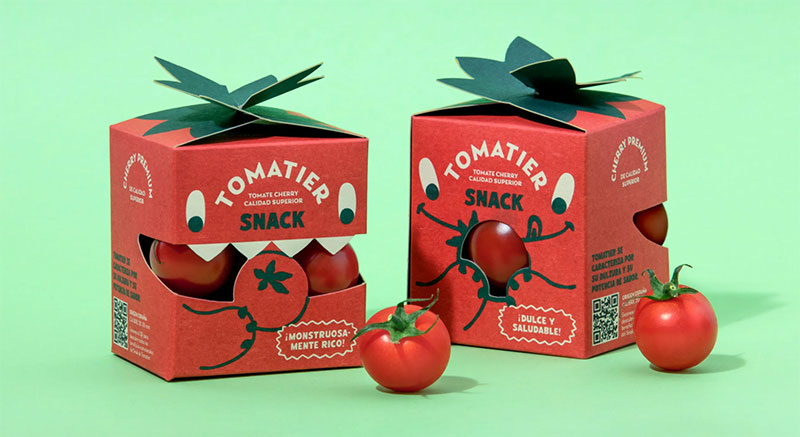
At the most basic level, packaging protects the product. Without proper material choices and structural form, a glass jar cracks in transit, a bag of coffee goes stale, a phone screen shatters inside its box. Protection is the baseline function that most people forget about until something breaks.
But protection is just the start.
In physical retail, products compete in milliseconds. A shopper walking down a grocery aisle makes snap judgments based on shelf appeal. Ipsos research found that 72% of consumers say a product’s packaging design influences their purchase decisions. That number alone explains why brands obsess over front-panel layouts and color palette choices.
Packaging also carries regulatory weight. FDA labeling requirements, EU directives on allergen disclosure, and nutrition facts panels all need to fit within the same limited surface area as the brand’s logo and imagery. Balancing legal requirements with storytelling is one of the trickiest parts of the job.
Packaging as a Post-Purchase Experience
Unboxing culture changed the rules. Brands like Apple and Glossier turned opening a package into content. YouTube reported 25 billion views of unboxing videos in 2023 alone.
Packlane research from 2023 showed that 42% of consumers are more likely to share a product image on social media if it comes in unique or premium packaging. That’s free marketing that no ad campaign can replicate.
A 2024 Forbes report found that 32% of businesses saw increased revenue after improving their product packaging. The connection between packaging quality and repeat purchasing behavior isn’t theoretical anymore. It’s measurable.
The Tropicana Warning
When packaging goes wrong, the losses are fast and public. In 2009, Tropicana redesigned the packaging for its Pure Premium orange juice line. They swapped the iconic orange-with-a-straw image for a generic glass of juice, changed the logo orientation, and scrapped the “Pure Premium” tagline.
Sales dropped 20% in two months. The loss totaled around $30 million, and competitors like Minute Maid and Florida’s Natural gained market share overnight. Tropicana reverted to the old design by late February. The entire mistake cost the company over $50 million.
That case study gets referenced constantly in branding circles because it proves a point. Packaging is not decoration. It’s a business asset.
Core Elements of Packaging Design
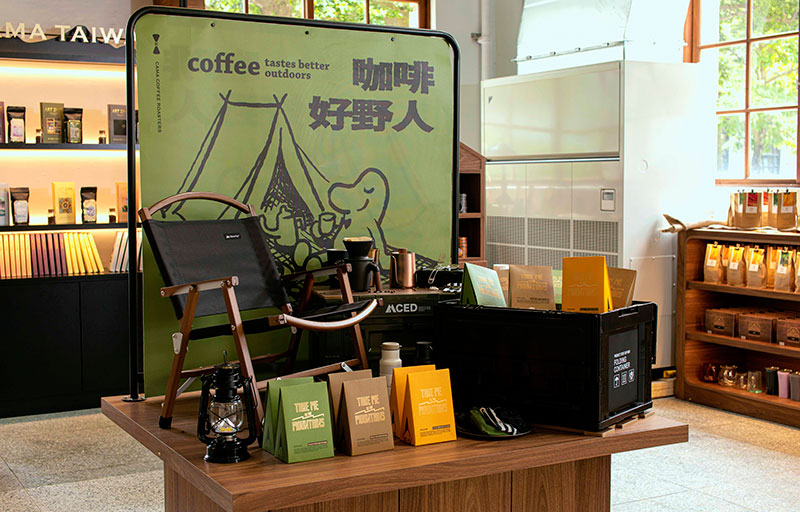
Every package is built from a few key building blocks. Getting one wrong can undermine the entire product, even if the others are flawless.
Structural Design
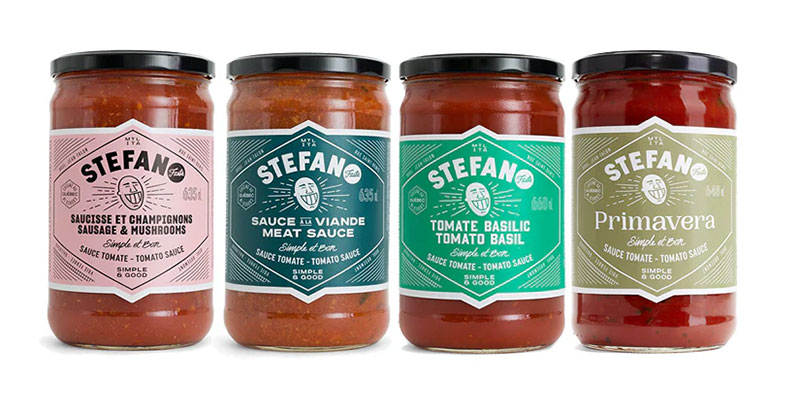
Shape and form come first. A folding carton behaves differently on a shelf than a rigid box or a flexible pouch. Corrugated packaging handles shipping stress well but offers fewer premium finishes. Structure affects everything from shelf presence to shipping costs.
The material choice (paperboard, glass, metal, or polymer) determines durability, sustainability, and even the printing techniques available. You can’t emboss a plastic pouch the same way you’d emboss a rigid carton.
Visual and Graphic Design
This is what most people picture when they hear “packaging design.” Logo placement, imagery, color theory application, and visual hierarchy all live here.
The front panel needs a clear focal point. Most designers build this around the brand mark or a hero image. Contrast between the background and foreground text determines readability from a distance.
Color psychology plays a direct role. Think about how quickly you recognize Tiffany’s robin-egg blue or Cadbury’s purple, even without seeing a logo. Some brands have trademarked their packaging colors specifically because those hues became inseparable from the product identity.
Material Selection
Materials communicate value before anyone reads a word on the package.
| Material | Perceived Value | Common Use | Sustainability Factor |
|---|---|---|---|
| Kraft paper | Authentic, eco-conscious | Coffee, artisan goods | Highly recyclable |
| Rigid board | Premium, luxury | Cosmetics, electronics | Depends on coating |
| Glass | High-end, pure | Beverages, perfume | Infinitely recyclable |
| Flexible film | Affordable, convenient | Snacks, pet food | Low (unless mono-material) |
Texture and finish choices like matte, gloss, embossing, foil stamping, and spot UV affect how a product feels in your hand. That tactile dimension shapes perceived value more than most people realize.
The Packaging Design Process

A packaging project doesn’t start in Adobe Illustrator. It starts with questions. Who’s buying this? Where will they see it? What does the competition look like on the shelf?
Research and Discovery
Competitor audits are standard. You pull every product in the category off the shelf (or screenshot them from an e-commerce listing) and lay them out side by side. Where are the gaps in color? What structural formats dominate? What looks tired?
Target audience analysis follows. A protein bar aimed at gym-going millennials needs a completely different approach than one positioned for parents buying lunchbox snacks. Retail environment studies tell you whether this package lives under fluorescent grocery lighting or in a boutique with warm spot LEDs.
Design and Prototyping
Most designers still sketch by hand before going digital. Rough pencil concepts on paper help explore ideas faster than jumping straight into software.
Once a direction is chosen, the dieline gets built. A dieline is the flat, 2D template that represents how the package will be cut and folded into its 3D form. Tools like Adobe Illustrator handle the graphic layer. ArtiosCAD by Esko handles structural engineering. Esko Studio lets you wrap artwork onto a 3D model to preview the finished product before printing a single unit.
Prototyping can include physical mockups, drop tests, shelf tests with consumer focus groups, and even eye-tracking studies to see where attention lands on the panel.
Production-Ready Files

Pre-press preparation is where designs go from screen to print. Color profiles shift from RGB (screen display) to CMYK (print output). Pantone spot colors get specified for brand-critical elements where CMYK mixing isn’t precise enough.
File resolution needs to hit the right DPI for the printing method. Bleed, trim, and safe zones all need to be set correctly. One millimeter off on a dieline can mean thousands of ruined units on a production run.
Types of Packaging in Design
Not all packaging serves the same job. The industry splits it into three tiers, and designers need to understand where their work fits.
Primary packaging is the layer that directly touches or holds the product. A glass perfume bottle. A soda can. A plastic pouch around beef jerky. This is where brand-heavy design lives because consumers interact with it directly.
Secondary packaging is the box or wrapper around the primary container. The branded carton that holds a perfume bottle. The six-pack carrier around beer cans. This layer handles retail display and shelf presence.
Tertiary packaging covers shipping. Corrugated boxes, pallets, shrink wrap. Design priorities here are logistics-heavy, focused on stacking strength, dimensional weight, and warehouse efficiency. There’s little brand expression at this level, though DTC brands like Warby Parker and Casper proved even a shipping box can be a branding moment.
| Packaging Level | What It Holds | Design Priority | Example |
|---|---|---|---|
| Primary | The product itself | Brand identity, user experience | Perfume bottle, soda can |
| Secondary | The primary package | Shelf presence, retail display | Cereal box, cosmetics carton |
| Tertiary | Multiple secondary units | Logistics, protection | Corrugated shipper, pallet wrap |
The design priorities shift at each tier. A luxury cosmetics brand might spend months perfecting primary packaging with embossing and foil, then treat the tertiary layer as purely functional. An e-commerce brand might invest heavily in the tertiary layer because that shipping box is the customer’s first physical touchpoint.
Packaging Design vs. Label Design

People mix these up constantly. And honestly, it makes sense because labels are part of packaging. But calling them the same thing is like calling a steering wheel the whole car.
Label design operates on a flat or semi-flat surface that gets applied to an existing container. A wine bottle label. A beer can wrap. A cosmetics jar sticker. The container shape already exists, and the designer works within those boundaries.
Packaging design controls the entire three-dimensional experience. The container itself is being conceived from scratch, along with the graphics, the materials, and the structural engineering. When a brand creates a custom bottle shape (think Coca-Cola’s contour bottle or a uniquely molded shampoo container) that’s packaging design.
Label design stands alone when the container is standardized. A winery choosing between hundreds of identical Bordeaux-style bottles only needs label work. The structure is already decided. The same goes for craft breweries using standard 12-oz aluminum cans, where the printed wrap is the design.
Full packaging design is required when the container itself becomes part of the brand experience. Custom structural forms, retail boxes, gift sets, or any project where the three-dimensional shape needs to be designed from scratch.
Where things get tricky is that many projects involve both. A skincare brand might commission a custom jar (packaging design) and then separately develop the label artwork (label design). The elements of design overlap, but the scope and skillset are different.
According to a 2023 study published in SAGE Journals, the five most significant packaging characteristics influencing consumer decisions were color, shape, image, line, and typography. Notably, materials and technology had less direct influence on buying behavior than the visual layer, which is exactly the territory label designers work in.
Tools and Software Used in Packaging Design
The tools depend on what you’re designing. Structural work requires CAD software. Graphics live in Adobe Illustrator. And rendering happens somewhere else entirely.
Grand View Research reports that AI in packaging design reached $2.8 billion in 2024, growing at 12.2% annually as generative tools start handling early-stage concept generation.
But the core toolkit hasn’t changed as dramatically as you’d expect.
| Tool | Primary Use | Who Uses It |
|---|---|---|
| Adobe Illustrator | Dielines, vector graphics, print-ready artwork | Graphic designers, packaging artists |
| ArtiosCAD (Esko) | Structural packaging, 3D prototyping | Structural engineers, converters |
| Esko Studio | 3D visualization, packaging mockups | Brand teams, creative agencies |
| SolidWorks / Fusion 360 | Rigid packaging, industrial structures | Industrial designers |
| Cinema 4D / Blender | Photorealistic renders, marketing visuals | 3D artists, marketing teams |
ArtiosCAD is the most widely used structural packaging CAD software globally, with over 13,000 licenses sold. Esko reports users see up to 75% time savings on structural projects compared to manual methods.
For smaller brands doing short-run custom packaging, platforms like Packly and Reepack offer browser-based dieline builders. You pick a template, enter dimensions, upload artwork, and get a production-ready file without touching a CAD program.
The gap between structural and graphic software is closing. Esko’s Data Exchange plug-in now connects ArtiosCAD directly to Adobe Illustrator, making round-trip design workflows (structure to graphics to structure) possible without file conversion headaches.
How Packaging Design Affects Brand Perception
Consumers form opinions about a product within seconds of seeing it. Packaging is usually the first (and sometimes only) physical interaction someone has with a brand.
BusinessDasher data shows 81% of consumers have tried a new product simply because the packaging caught their attention. And 63% have repurchased a product specifically because of its packaging design.
Color and Recognition
Specific colors become so tied to a brand that they function as identifiers without any text. Tiffany & Co. trademarked its robin-egg blue. Cadbury owns its shade of purple in certain markets.
This works because of color harmony and consistency. When a consumer sees that exact saturation and tone across every touchpoint, from shelf to shopping bag to website, recognition builds fast.
Choosing between analogous colors for a calming effect or a complementary color scheme for high shelf contrast is one of the earliest decisions in any packaging project.
Premium vs. Budget Signaling
Material and finish choices communicate price tier before anyone reads a label.
Premium signals: soft-touch matte lamination, foil stamping, heavyweight rigid board, magnetic closures. Brands like Aesop and Apple use minimal text with generous white space and restrained palettes.
Budget signals: thin flexible film, bright colors, cluttered layouts, and small type competing for panel space. Not always bad. Dollar store brands do this on purpose because their audience expects value cues, not luxury cues.
Consistency Across Product Lines
Oatly built its entire brand identity on packaging. That hand-drawn typeface, the quirky side-panel copy, and the consistent layout across every SKU turned their cartons into something people actually wanted to photograph.
Method Products did something similar with cleaning supplies, an industry that traditionally doesn’t invest in design. Their sculptural bottle shapes became the visual identity of the brand itself. The packaging wasn’t just housing the product. It was the product differentiation.
A strong brand style guide makes sure these decisions hold across dozens or hundreds of SKUs. Without one, packaging systems break apart fast as different designers or agencies touch different products.
Sustainable Packaging Design

Sustainability isn’t a feature anymore. It’s becoming the baseline expectation from both consumers and regulators.
Precedence Research valued the global sustainable packaging market at $126.5 billion in 2025, projecting growth to $240.5 billion by 2034 at a 7.42% CAGR.
Materials and Recyclability
The shift is toward mono-materials. These are packages made from a single material type that recycling facilities can actually process. Multi-layer pouches that combine plastic, paper, and aluminum foil look great but are a recycling nightmare.
Paper and paperboard lead the sustainable packaging market, holding a 38.1% share in 2024 according to Market Data Forecast. Paper-based packaging achieves a recycling rate of 82% in Europe, the highest of any material.
Certifications now matter to both retailers and consumers:
- FSC certification for responsibly sourced paper and wood fiber
- How2Recycle labels for clear consumer recycling instructions
- OK Compost for industrially compostable materials
Design Strategies for Waste Reduction
PwC’s 2024 Voice of the Consumer Survey found that consumers are willing to pay an average of 9.7% more for sustainably produced goods. Eco-friendly packaging was cited by 38% of respondents as a key factor in assessing a brand’s sustainability.
Designers are responding with practical approaches:
- Lightweighting (reducing material thickness without losing strength)
- Right-sizing (eliminating excess void space in boxes)
- Removing unnecessary layers, like secondary plastic wraps around already-sealed primary containers
Ecovative’s mushroom-based packaging and Notpla’s seaweed-derived materials represent newer alternatives that decompose in weeks rather than centuries. Loop’s reusable packaging system takes a different approach entirely, using durable containers that get collected, cleaned, and refilled.
Patagonia made recycled kraft paper work for a premium brand. That proved you don’t need virgin gloss stock to look credible on a shelf.
Packaging Design for E-Commerce vs. Retail
The design priorities for a product that lives on a shelf versus one that arrives at a doorstep are fundamentally different. Getting this wrong costs money in both directions.
Fortune Business Insights projects the e-commerce packaging market to grow from $53.35 billion in 2024 to over $104 billion by 2032.
| Design Factor | Retail (In-Store) | E-Commerce (DTC) |
|---|---|---|
| Primary goal | Shelf standout, impulse appeal | Transit protection, unboxing experience |
| Front panel focus | Brand mark, hero image, emphasis on key claims | Less critical (product found via search) |
| Structural priority | Stackability, retail-ready trays | Dimensional weight, crush resistance |
| Brand moment | Shelf presence in 3–5 seconds | Unboxing at home, social sharing |
Retail packaging needs to win a balanced, front-facing hierarchy that communicates the product’s value proposition in the time it takes a shopper to glance at a shelf. That means big font choices for brand names, high-contrast color blocking, and graphic design principles applied for maximum stopping power.
E-commerce packaging flips the script. Nobody’s browsing a physical shelf. The product was already found via search, compared on a listing page, and purchased before packaging enters the picture.
Here, protection matters most. Amazon’s frustration-free packaging program requires ISTA-6 certification, which tests whether a package can survive drops, vibration, and compression in the fulfillment network. Products must be removable within 120 seconds without specialized tools, and materials need to be curbside recyclable.
A Ryder 2025 survey found that 61% of e-commerce shoppers consider sustainable packaging the top factor influencing their decision to shop with a brand. And 47% said coupons or discounts inside packaging would drive repeat purchases more than anything else.
DTC brands like Warby Parker and Glossier recognized early that the shipping box is the brand’s handshake with the customer. Glossier’s pink bubble-wrap pouches became so recognizable they turned into user-generated content on Instagram without any paid promotion.
Brands selling both online and in-store face the hardest challenge. The same product needs retail shelf appeal and e-commerce durability, often requiring two different packaging systems or a single hybrid design that compromises slightly on both fronts.
FAQ on Packaging Design
What does a packaging designer do?
A packaging designer creates the visual and structural exterior of a product. This includes choosing materials, building dielines, designing graphics, selecting color schemes, and preparing production-ready files. They balance brand communication with functional protection and regulatory compliance throughout the product packaging design process.
What is the difference between packaging design and product design?
Product design focuses on the item itself, its function, usability, and form. Packaging design handles the container, wrapper, or box around that product. One creates what’s inside. The other controls the first impression outside.
What software is used for packaging design?
Adobe Illustrator handles graphic artwork and dieline layouts. ArtiosCAD by Esko covers structural engineering and 3D prototyping. SolidWorks works for rigid containers. Cinema 4D or Blender handle photorealistic renders for marketing and social media presentations.
How much does packaging design cost?
Costs range from a few hundred dollars for simple label work to $10,000 or more for custom structural packaging with prototyping. Variables include material complexity, number of SKUs, and whether the project requires print design production management.
What are the main elements of packaging design?
The core elements include structural form, material selection, layout alignment, color palette, imagery, and information architecture. Texture and finish choices like matte, gloss, or embossing add a tactile layer that affects perceived product value.
Why is packaging design important for branding?
Packaging is often the first physical touchpoint between a consumer and a brand. It communicates quality, price tier, and personality before anyone reads a word. Consistent packaging across product lines builds recognition and trust over time.
What is sustainable packaging design?
Sustainable packaging design prioritizes recyclable, compostable, or reusable materials while reducing waste. It involves mono-material choices, lightweighting, and right-sizing. Certifications like FSC and How2Recycle help consumers identify genuinely eco-friendly packaging.
What is the difference between primary, secondary, and tertiary packaging?
Primary packaging directly holds the product (a bottle or can). Secondary packaging groups primary containers for retail display (a branded box). Tertiary packaging handles bulk shipping and logistics, like corrugated cases on pallets.
How does packaging design differ for e-commerce vs. retail?
Retail packaging prioritizes shelf appeal and visual proximity to competitors. E-commerce packaging focuses on transit protection, dimensional weight, and the unboxing experience. Many DTC brands treat the shipping box as a branding opportunity.
Can packaging design affect sales?
Absolutely. Ipsos research shows 72% of consumers say packaging influences their buying decisions. Tropicana’s 2009 redesign failure, which caused a 20% sales drop in two months, remains one of the clearest examples of packaging directly impacting revenue.
Conclusion
Packaging design is where structure, graphics, material science, and consumer behavior collide. Every choice, from a gradient on the front panel to the weight of the cardboard, sends a message about the product inside.
The discipline keeps shifting. Sustainable materials are replacing legacy plastics. E-commerce demands are rewriting structural requirements. AI tools are speeding up prototyping cycles that used to take weeks.
But the fundamentals hold. A clear mood board at the start. Smart scale and proportion decisions on the shelf. Consistent brand guidelines across every SKU.
Whether you’re building a pixel-perfect mockup in Esko Studio or picking between a folding carton and a rigid box, the goal stays the same. Make someone reach for your product instead of the one next to it.

Renowned for his expertise in logo design and visual branding, Bogdan has developed a multitude of logos for various clients.
His skills extend to creating posters, vector illustrations, business cards, and brochures. Additionally, Bogdan's UI kits were featured on marketplaces like Visual Hierarchy and UI8.
He also wrote in the past years on sites like Design Your Way, WebDesignerDepot, WPDean, Designmodo, Speckyboy, Slider Revolution, and more.
- Canva vs PowerPoint: Which Is Better for Presentations? - 22 September 2026
- How to Install Fonts on Mac (Step-by-Step Guide) - 20 September 2026
- From Mockup to Code: How AI-Augmented Development Speeds Up the Design Handoff - 19 September 2026

Bogdan Sandu is a seasoned designer who has been designing websites since 2008. Renowned for his expertise in logo design and visual branding, Bogdan has developed a multitude of logos for various clients. His skills extend to creating posters, vector illustrations, business cards, and brochures. Additionally, Bogdan's UI kits were featured on marketplaces like Visual Hierarchy and UI8. He also wrote in the past years on sites like Design Your Way, WebDesignerDepot, WPDean, Designmodo, Speckyboy, Slider Revolution, and more.
You Might Also Like


