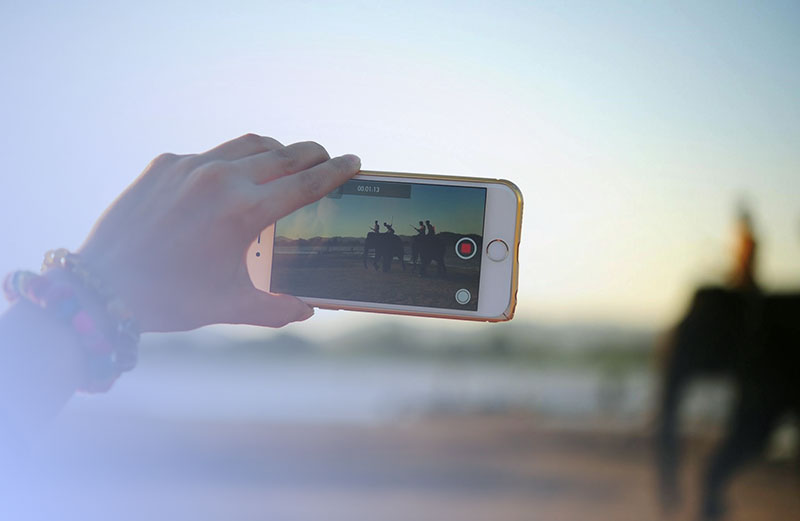
A video gets shared when it gives viewers something useful or interesting, fits the platform it appears on, catches the eye quickly, has visible movement and gets to the point early. None of these steps needs a big budget, and trying even one or two can raise your chances of reaching more people on any platform, for marketing or for fun. Here is how each factor works and how to apply it.
What kind of information makes people share a video?
Information they actually want. It sounds obvious, but the main reason content spreads is that it is providing information viewers find useful, interesting or worth understanding better. To find out what that is in your niche, read comments on your own videos, check which questions people ask in communities and notice which topics other creators keep covering.
Accuracy matters just as much. False or exaggerated information may earn some early likes and shares, but once people realize it is wrong, the reaction turns against you and the damage lasts far longer than the boost. Keep the content true, useful and consistent.
Once you know what to say, the next question is where to say it.
Why should you make videos for each social network?
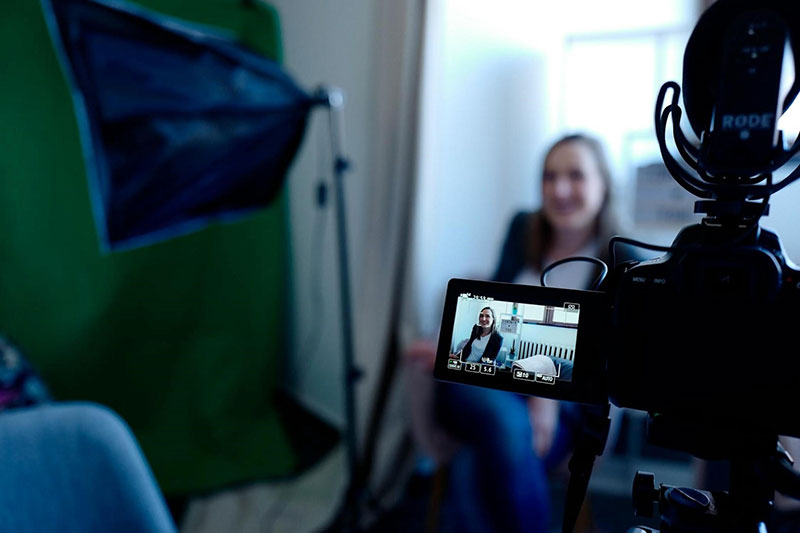
Because each network works differently, and one process applied to all of them performs worse than a tailored approach. Aspect ratio, video length, tone and the way each platform’s algorithm picks videos to show all vary. Take some time to read how your chosen platforms work, follow blogs that cover algorithm changes and watch what performs well in your own feed.
Short-form platforms in particular reward a specific style, which this piece on the short-form video boom explains. If you need to do this consistently across many channels, a commercial video production agency can script, shoot and create versions for each channel, adjust aspect ratios and hooks to each algorithm and keep the brand look consistent while you test.
Do bright colors help a video get shared?
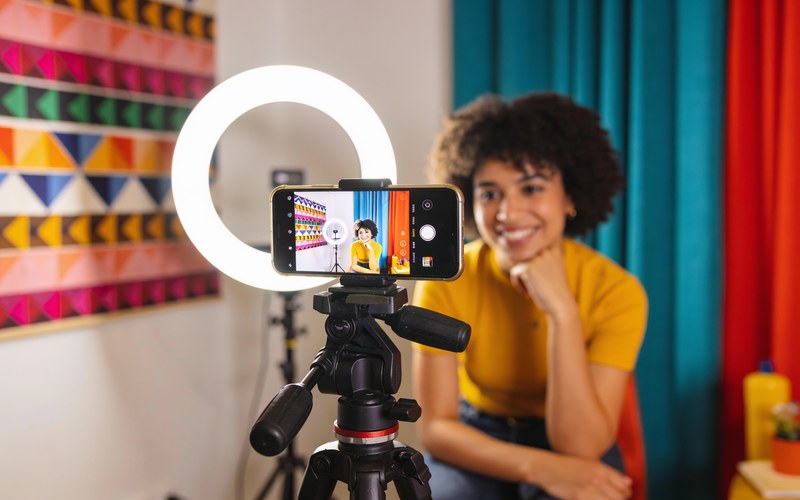
They help people click, and a video must be clicked before it can be shared. Bright colors draw the eye in a crowded feed, in thumbnails and in the first frame of a video. For thumbnails in particular, see the breakdown of an anatomy of a high-click YouTube thumbnail.
They do not suit every brand. Depending on your goals and your identity, a muted palette may be a better fit. None of these tips works every time, so keep a balance and try each approach at least once to see what your audience responds to.
How does movement make a video more shareable?
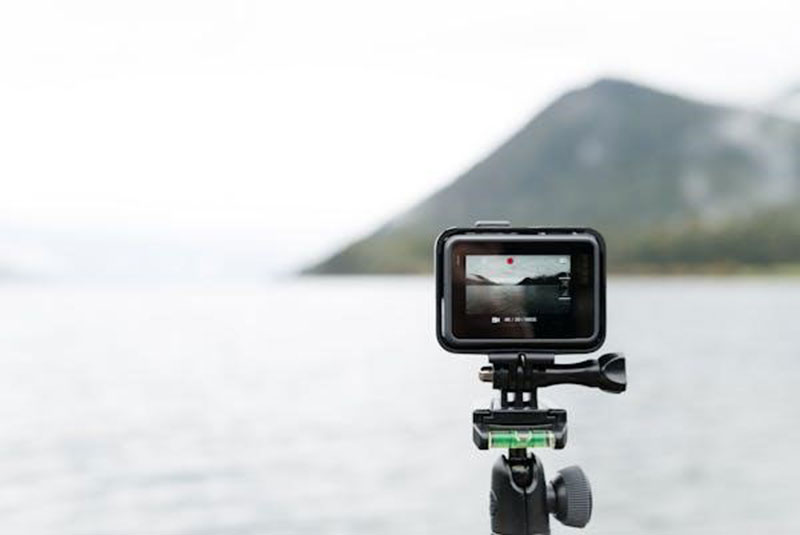
Layered movement draws the eye and holds attention. A video always moves, but the kind that works well on social platforms combines several motions at once: camera movement, cuts, animated text and graphic elements. More visible movement gives viewers more reasons to keep watching.
Stickers are an easy way to add a layer. You can add stickers to video to create animated accents on top of the footage, and this overview of stickers as a design tool shows what works well. Movement helps only if it supports the message, so keep it purposeful.
On-screen text is another form of movement and also helps viewers who watch without sound. If you add titles or captions, pick a readable style, and you can add fonts to CapCut to match your brand. Caption tools can speed this up, as in this list of auto captions tools.
Why should a video get to the point quickly?
Because viewers decide within the first seconds whether to keep watching. If your videos take too long to reach the main message, people drift away, and nobody shares a video they did not finish or could not summarize.
Put the main point right at the start. State the promise or show the result in the first moments, then use the rest of the video to explain it. Cut introductions, long logo animations and slow build-ups. For more on holding attention once you have it, read these tips for creating videos that convert.
Should you test different versions of a video?
Yes, and it is the most reliable way to learn. Publish two versions of the same idea with one change, such as a different opening line or thumbnail, and compare how people respond. Keep notes on what you changed, so a pattern emerges after a handful of videos. Over time you will know which hooks, colors and lengths suit your audience instead of guessing.
How do you know whether your video is shareworthy?
Check the numbers after publishing, and ask one question before you do. The question: would I send this to a friend? Then compare shares, watch time and comments across videos to see which tactics worked. Change one factor at a time, such as the first three seconds or the thumbnail color, so you can tell what made the difference. Pay particular attention to shares and saves, since these show that someone found the video worth passing on, which a view alone does not.
Frequently asked questions
What makes a video go viral?
There is no reliable formula. Videos that spread usually combine useful or emotional content, a strong opening, a format that suits the platform and a reason for the viewer to pass it on.
How long should a shareable video be?
As long as it needs to be to deliver its point. Short videos suit quick tips, while longer ones work when the subject needs depth. What matters is that the main idea comes first.
Do I need a studio to make shareable videos?
No. A phone, decent light and a clear message are enough to start. Production quality matters less than relevance and a good opening.
What should you try first?
Pick one video you already have and rework its first five seconds so the main point comes first. Then test a brighter thumbnail on the next one. Small, deliberate changes show you what your audience actually shares.

Renowned for his expertise in logo design and visual branding, Bogdan has developed a multitude of logos for various clients.
His skills extend to creating posters, vector illustrations, business cards, and brochures. Additionally, Bogdan's UI kits were featured on marketplaces like Visual Hierarchy and UI8.
He also wrote in the past years on sites like Design Your Way, WebDesignerDepot, WPDean, Designmodo, Speckyboy, Slider Revolution, and more.

Bogdan Sandu is a seasoned designer who has been designing websites since 2008. Renowned for his expertise in logo design and visual branding, Bogdan has developed a multitude of logos for various clients. His skills extend to creating posters, vector illustrations, business cards, and brochures. Additionally, Bogdan's UI kits were featured on marketplaces like Visual Hierarchy and UI8. He also wrote in the past years on sites like Design Your Way, WebDesignerDepot, WPDean, Designmodo, Speckyboy, Slider Revolution, and more.
You Might Also Like