Ever wondered what goes into orchestrating an event that feels effortless, immersive, and unforgettable? From backstage gadgets to digital dashboards, modern event designers operate at the crossroads of creativity and precision. Their craft transforms spaces into stories and moments into memories – the difference between a party and a production, a gathering and an experience that lingers long after the last glass is cleared.
The foundation: tools for structure and clarity
Every great event begins not with glitter or lights, but with structure. Creative sparks are essential, but without frameworks they dissipate. Planning tools give shape to imagination – they’re the scaffolding that supports the spectacle.
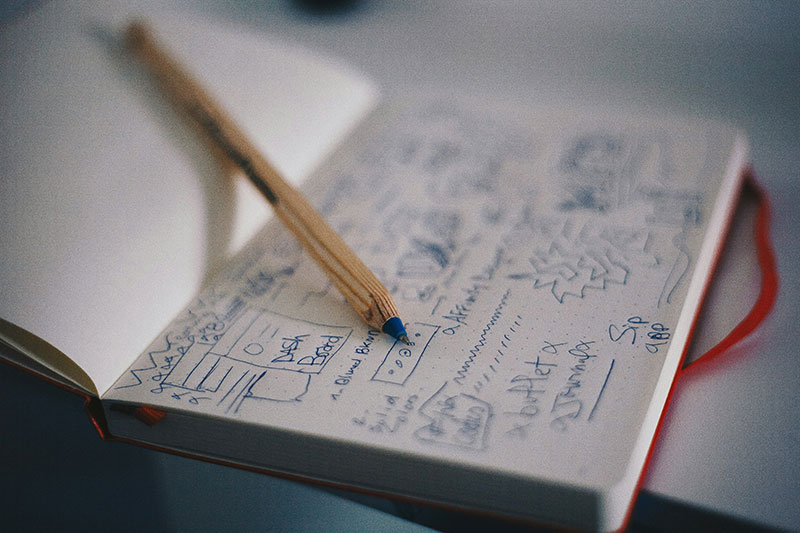
Digital whiteboards such as Miro, FigJam, and collaborative project platforms like Asana or Trello have become indispensable. They allow teams to storyboard ideas, map guest journeys, assign responsibilities, and keep every supplier aligned in real time.
Even universities have recognised the value of these frameworks. Elon University, for example, provides a full event-planning toolkit with agendas, room diagrams, vendor checklists and contingency templates – a professional-grade blueprint for flawless execution.
For working event designers, these digital and procedural tools are the invisible architecture holding everything together. They turn chaos into choreography.
The on-site hero kit: always ready, always calm
Even the most elegant plans can be upended by the unpredictable rhythm of real life. That’s why experienced event professionals swear by their “go bag” – a curated kit of practical essentials that sits within arm’s reach throughout the day.
The production team at Jackson Spalding lists walkie-talkies, power banks, spare cables, batteries, gaffer tape, zip ties, scissors, and a mini-toolbox among their must-haves. It’s essentially a survival kit for last-minute fixes.
A flickering light, a missing adapter, a wardrobe malfunction – these are not disasters when the right gear is within reach. The go bag is more than convenience; it’s peace of mind, the physical manifestation of a designer’s ability to stay composed while the world whirls around them.
The emotional interface: comfort, care, calm
Events succeed or fail not on logistics, but on how people feel. The best designers think beyond décor and timing to consider human needs – comfort, confidence, calm.
Industry guides such as Event Insite recommend a wellness kit stocked with essentials like stain removers, safety pins, blister plasters, tampons, breath mints, and pain relief. They might sound minor, but in moments of stress, these small gestures communicate care.
It’s these empathetic details that turn attendees into advocates. A seamless event is remembered for its atmosphere, but a thoughtful one is remembered for its humanity.
The high-tech layer: engagement and insight
The digital transformation of events is not on the horizon – it’s already here. Software now runs parallel to creativity, giving designers both control and foresight.
Registration and logistics platforms such as Cvent and Eventbrite manage guest flows, seating charts and RSVPs while generating data that can inform future decisions. Social Tables and Allseated allow designers to visualise layouts in 3D, testing everything from sight lines to traffic patterns before a single chair is moved.
Meanwhile, interactive engagement tools – live polling apps, QR-based networking, and real-time sentiment dashboards – provide immediate feedback on how guests are experiencing the moment.
In professional communities like Reddit’s EventProfs, specialists frequently cite Vectorworks Spotlight for CAD production design and Social Tables for spatial planning as industry standards. Together, these platforms turn instinct into intelligence, ensuring each event is smarter and smoother than the one before.
Storytelling props: the creative edge
While spreadsheets and software keep the show running, design accents give it soul. Mood boards, fabric swatches, lighting gels and décor samples are the tangible ingredients of imagination. The best event designers keep these on hand for impromptu client pitches or on-site tweaks.
A shift in lighting tone, a subtle change of fabric texture, or a variation in table placement can alter emotion and energy instantly. Great designers know how to experiment in real time – balancing vision with practicality.
The creative toolkit is where personality meets production: part artistry, part problem-solving, and entirely about creating atmosphere.
Why learning the toolkit matters
All of these tools – digital, physical, and emotional – are only as powerful as the mind that wields them. The artistry of event design lies in combination: structure meeting spontaneity, data meeting drama.
That synthesis is what modern event management education aims to teach. Institutions such as Les Roches are at the forefront of this evolution, training students to think like designers and strategists in equal measure. Coursework spans logistics, budgeting, leadership, and cultural awareness – blending analytical precision with creative intuition.
Students learn to manage teams, interpret data, and craft experiences that not only run smoothly but resonate emotionally and commercially. In short, they graduate fluent in both empathy and execution – the twin currencies of a world-class event designer.
Parting thought
The event designer’s toolkit is more than a collection of gadgets and gear. It’s a philosophy of preparedness and care – a bridge between artistry and armoury. From the digital boards that spark collaboration to the duct tape that saves a stage set, every tool represents foresight, adaptability, and the will to create something seamless from a hundred moving parts.
Next time you attend a gala, wedding, or product launch that feels effortlessly orchestrated, pause for a moment. Behind that polished glamour sits a hidden arsenal – and a professional who knows how to wield it with precision, creativity, and grace.

Renowned for his expertise in logo design and visual branding, Bogdan has developed a multitude of logos for various clients.
His skills extend to creating posters, vector illustrations, business cards, and brochures. Additionally, Bogdan's UI kits were featured on marketplaces like Visual Hierarchy and UI8.
He also wrote in the past years on sites like Design Your Way, WebDesignerDepot, WPDean, Designmodo, Speckyboy, Slider Revolution, and more.
- Canva AI Features Reviewed: Are They Actually Useful? - 4 October 2026
- The Substack Logo History, Colors, Font, And Meaning - 2 October 2026
- How UX Design Impacts SaaS User Retention and Churn - 1 October 2026

Bogdan Sandu is a seasoned designer who has been designing websites since 2008. Renowned for his expertise in logo design and visual branding, Bogdan has developed a multitude of logos for various clients. His skills extend to creating posters, vector illustrations, business cards, and brochures. Additionally, Bogdan's UI kits were featured on marketplaces like Visual Hierarchy and UI8. He also wrote in the past years on sites like Design Your Way, WebDesignerDepot, WPDean, Designmodo, Speckyboy, Slider Revolution, and more.
You Might Also Like