Are you struggling to get people to register or buy tickets for your event? It can be frustrating, especially considering the effort you’ve put into promoting it.
But perhaps the problem lies in your event website’s visibility. Just think about it. If your target market can’t find your site in the first place, how can they take the desired actions above?
Not to worry. In this article, we’ll share four website marketing tips you can follow to increase your site’s visibility:
1. Optimize Your Event Website for Search Engines (SEO)
Search engines rely on keywords to understand what a particular website is about.
So, strategically using relevant keywords to optimize your site’s copy can increase your event website visibility in Search Engine Result Pages (SERPs) when users make a relevant search query.
To implement an effective on-page SEO strategy, target relevant keywords and phrases that potential customers use to search for the type of event information you provide.
For example, if you aim to optimize your website for a tech-based event, you can target keywords like “tech conference” or “best tech conference.” Use keyword research tools like SEMrush or Ahrefs to find useful keywords.
Then, integrate these keywords into your website copy for search engine optimization.
See how Gartner incorporates technology-related keywords into its event website content.

So, when you search for “tech conference” on Google, it’s one of the top results:
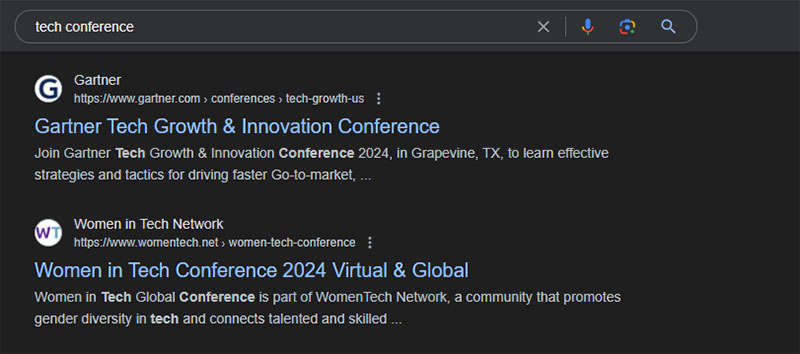
Add the keywords to your page title and meta description as well, just like Gartner did above. The page title, or SEO title, is your web page’s HTML title tag. The meta description appears beneath the title and gives more details on what users will find on the page.
Also, incorporate the keywords into headings, subheadings, and to your image ALT tags.
Additionally, you can implement an effective off-page SEO strategy to boost your site’s visibility in SERPs. One way to do this is through backlinks (links from other reputable sites to your event website). Backlinks work like signals telling search engines that other authoritative sites trust you.
You can get backlinks by writing guest posts on credible/authoritative sites in exchange for a link back to your website. Use a generative AI tool with a RAG vector database to help you create quality guest posts.
Besides general guest posts, you can target websites that do event roundups.
Let’s assume you’re hosting a SaaS SEO conference. Just Google “top SaaS SEO conferences,” and you’ll get a list of relevant websites.
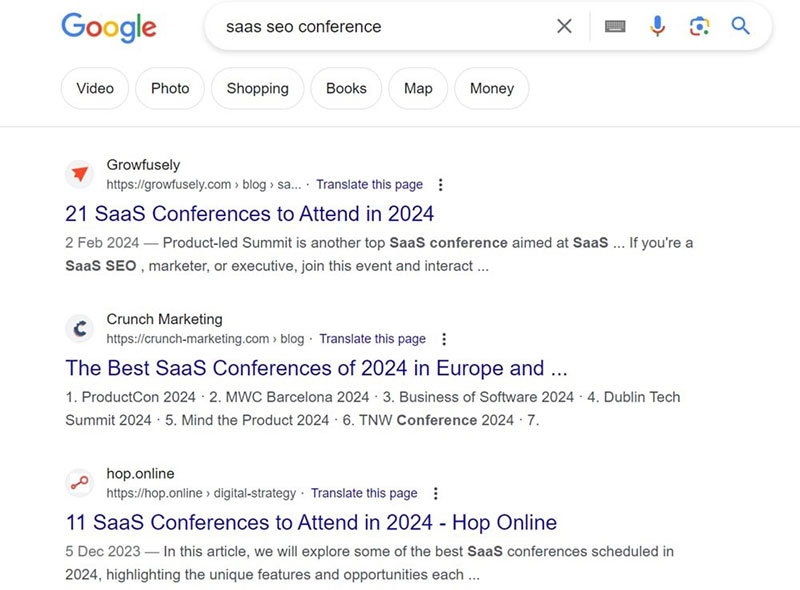
Contact the editor and ask them if they can add your event to the roundup and link to it.
Another option is to ask event speakers and other stakeholders to link to your website when they post about the event on their own sites.
Finally, you should optimize the technical aspects of your event website- we call that technical SEO. Some techniques for improving your technical SEO include using proper URL structures and redirects, ensuring your site is mobile-friendly and responsive across multiple screen sizes, and using Secure Sockets Layer (SSL) encryption to protect user data.
2. Create and Post High-Quality, Valuable Content
Another way to improve online visibility is to post high-quality and valuable online content that doesn’t necessarily promote your event on your site.
A staggering 88% of Internet users rely on traditional search engines like Google or Bing to find answers to their questions.
According to Google’s EEAT (Experience, Expertise, Authoritativeness, and Trustworthiness) guidelines, search engines will likely prioritize content by sites that showcase significant knowledge or expertise on a particular subject.
So, if you host finance events, for instance, constantly posting about “effective financial management strategies” can signal you’re an authority in that niche. As a result, when someone makes relevant queries, your event site will likely appear at the top of SERPs.
Since you offer quality content, active users will likely click on the link, too.
Let me illustrate with a real-life example. See what happens when I Google “email marketing.” Among the top results is this blog post on the topic by Brevo:
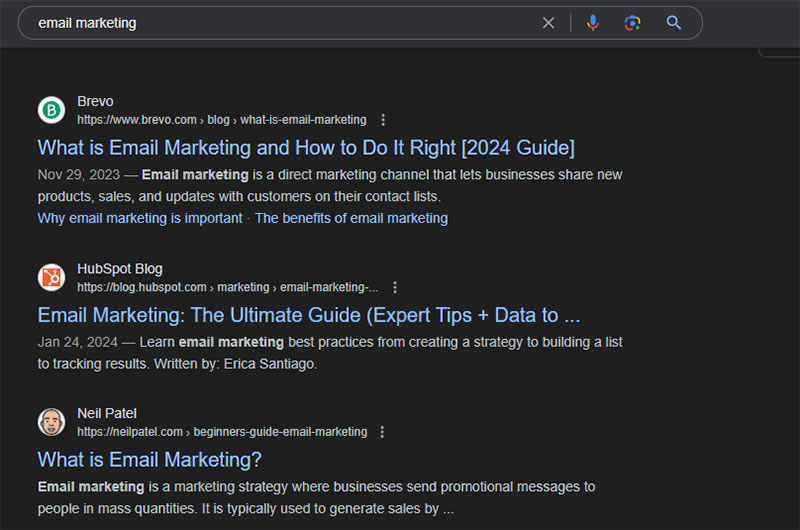
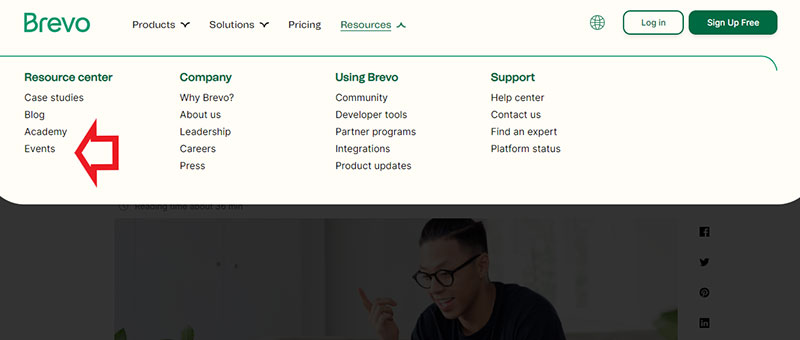
When you click on the link, you’ll get to the Brevo blog post, of course. From there, you can easily access the brand’s events page:
You can also use podcasts to promote your event website. According to Google, mobile searches of “podcasts” have grown by more than 80% in the past two years.
Create good podcast episodes on popular topics related to the events you hold and post them on your event site. If users search for podcasts about those same topics, your site will likely surface in search results.
Check out this example. When I search for “social media marketing podcasts,” this podcast by Social Media Examiner appears in search engine results pages:
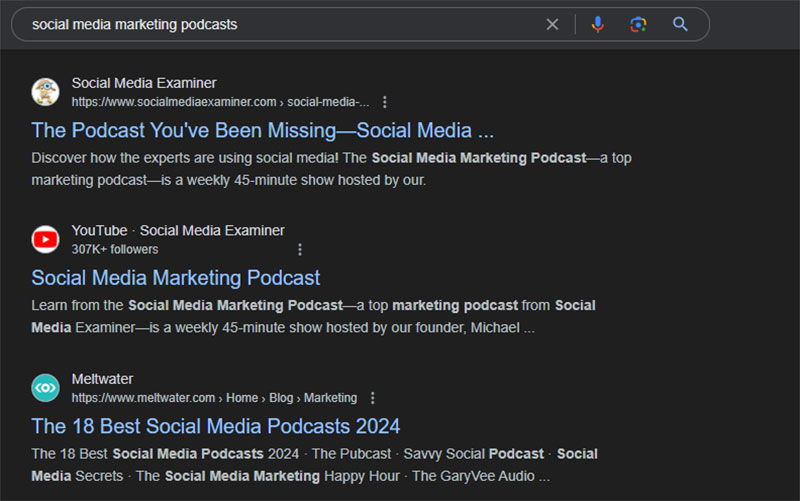
Click on the link, and you get to the Social Media Examiner’s podcast site, which also happens to be its event website:

Remember that you want valuable and high-quality relevant content. Apart from the fact that this is what Google and people want, this type of content can also be an effective magnet for backlinks. As we’ve seen, you’re likely to gain better search rankings and enjoy an improved online presence if authority sites link to your content.
That said, make sure you perform extensive research before writing your blog posts. You can leverage AI tools like an online article summarizer to help with your research and writing process. The more insightful your content, the more it benefits potential event attendees and the better it performs on search engines.
Now, how about your podcast episodes? Well, to ensure the best podcast quality, of course, research your topics thoroughly and invite experts to join the conversation.
Apart from blog posts and podcasts, other types of content you can incorporate into your content marketing strategy are webinars and infographics.
3. Utilize Social Media Platforms
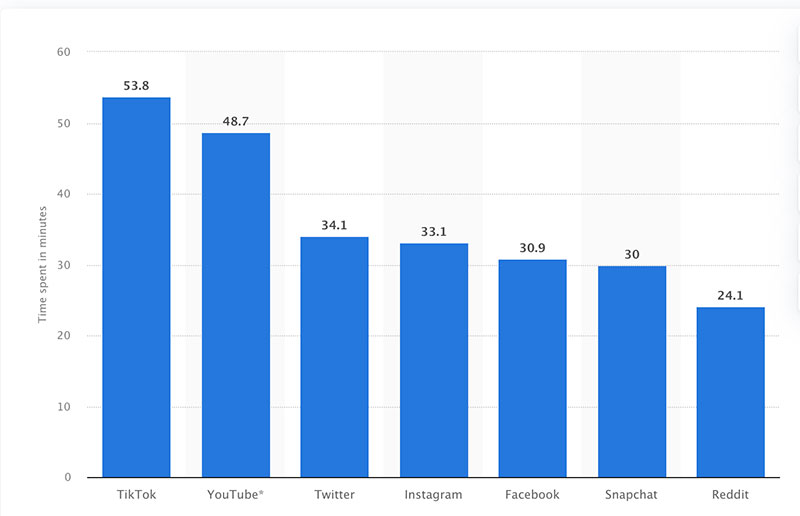
As revealed by Statista (see below), people, including your customer base, spend a lot of their time on social media platforms. Plus, a staggering 68% say they share content to give people a better sense of who they are.
So, mention your event website in your social media posts and add a link to the website on your bio.
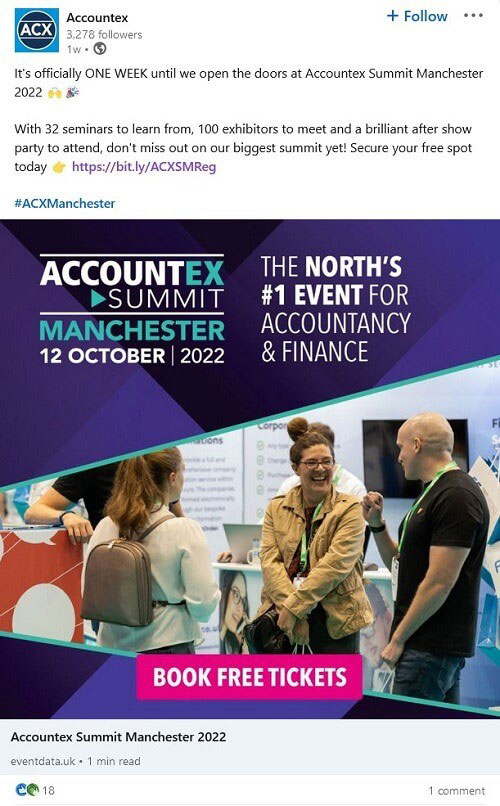
Another option is to promote high-quality, informative content like blog posts on your event site as part of your marketing campaign.
If you have the budget, leverage social media ads for website promotion. See how the Facebook ad below promotes the socialmediaweek.org website while promoting the event directly.
Don’t forget to add a relevant call-to-action that links to the site:
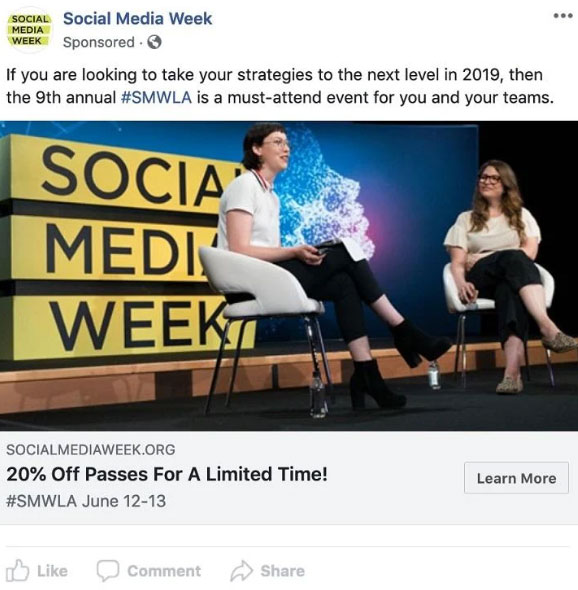
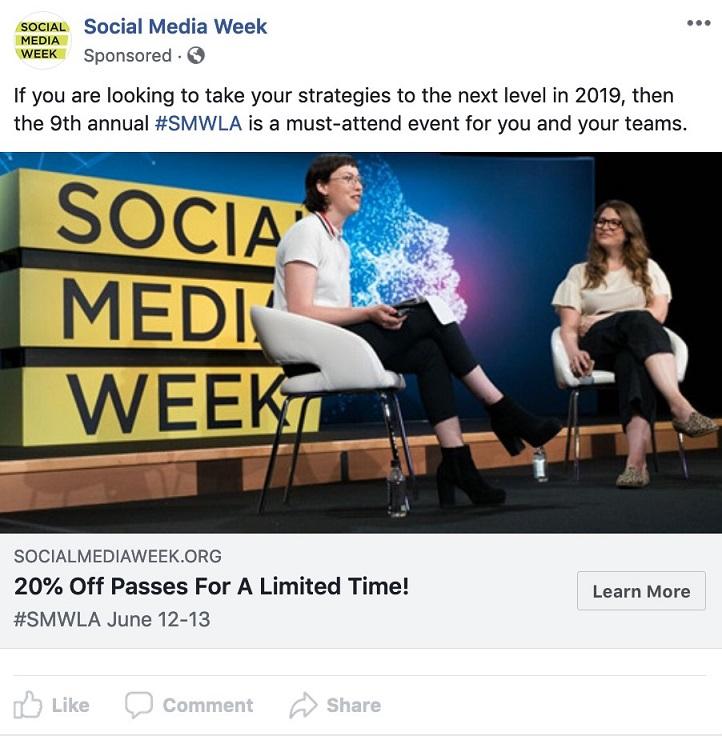
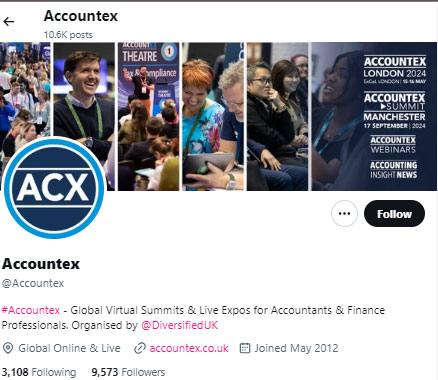
You can also add your event site link on your social media profiles as part of your digital marketing. See an example from Accountex on their X (formerly Twitter) profile:
Also, take advantage of platform-specific features for events. Check this out:
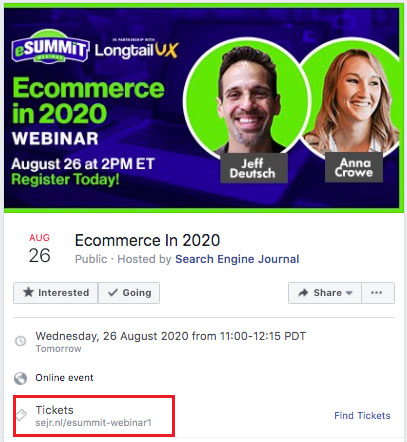

Facebook Events, for instance, allows you to post website links in the event description.
4. Leverage Email Marketing
Email marketing is one of the most effective ways to connect with your target audience. That’s why it’s widely used in retail and SaaS marketing strategies. The same channel can be incredibly effective for promoting your event website.
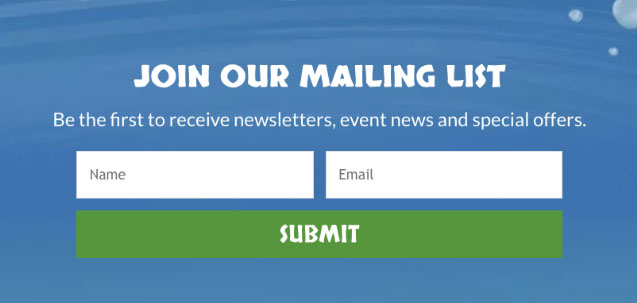
To boost your site’s visibility with email marketing, you must have an active email list. This may be composed of your prospective or current customers who signed up for your email list through your opt-in form on your main company website:
You can promote your event website in various ways using emails.
Why not send subscribers an email inviting them to your next event? You can place your event site link right after a brief summary of the show. See this example:
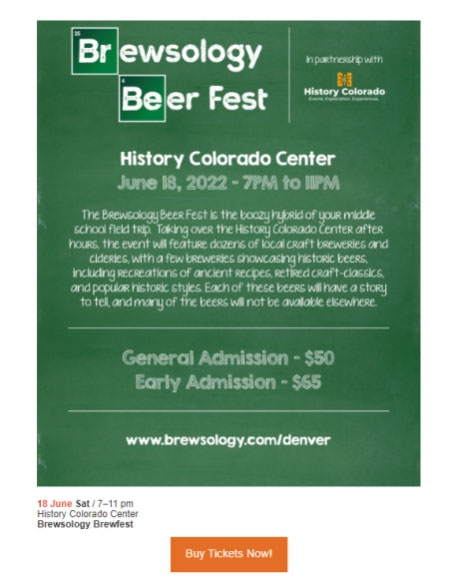

If this wasn’t your first event, incorporate positive reviews of your previous show into your email. This will increase the chances of subscribers taking your desired action. Whether it’s buying tickets or learning more about the event, they’ll click and go to your event website.
After the event, you can still take the opportunity to promote your site. That way, people will remember where to get the information about your future events.
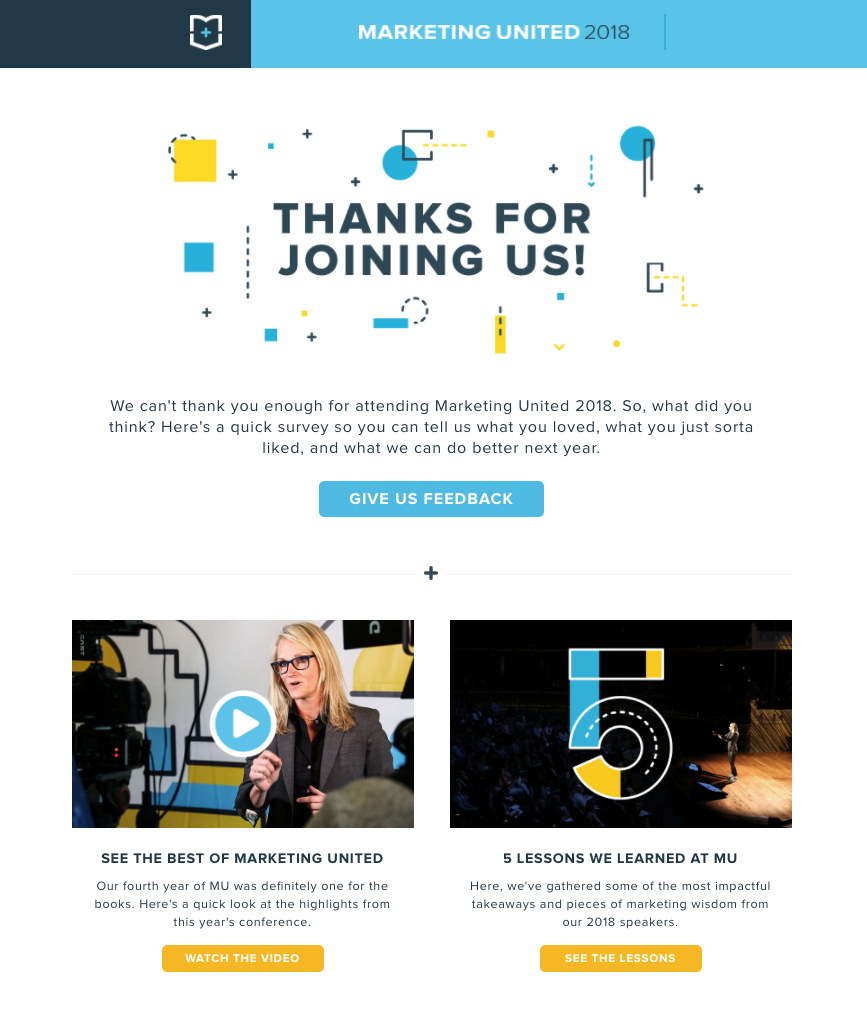
Why not send participants a thank you email and then invite them to answer your event survey on your site? This is a great way to generate customer reviews.
You can also ask email subscribers to check out your event highlights posted on the website.
Here’s an email that does all these things:
 The sky’s the limit when it comes to leveraging email campaigns to boost the online visibility of your event website.
Whatever emails you decide to send, use engaging subject lines that will ensure they get opened in the first place. Craft clear copy, too, to ensure customer engagement and high conversion rates.
In Closing
Improving the visibility of your event website can be the difference between ticket sales/registrations and empty seats.
You learned four effective website marketing tips to follow to ensure the success of your event. Optimize your event website for SEO, create and post high-quality content on your event site, and leverage social media platforms. You can also use email marketing to spread the word.
Implement these powerful website marketing strategies, and your website will see excellent visibility. Good luck.

Renowned for his expertise in logo design and visual branding, Bogdan has developed a multitude of logos for various clients.
His skills extend to creating posters, vector illustrations, business cards, and brochures. Additionally, Bogdan's UI kits were featured on marketplaces like Visual Hierarchy and UI8.
He also wrote in the past years on sites like Design Your Way, WebDesignerDepot, WPDean, Designmodo, Speckyboy, Slider Revolution, and more.
- The Coda Logo History, Colors, Font, And Meaning - 20 October 2026
- How Can Designers Turn AI Image Prompts Into Polished Visuals? A Practical Workflow - 20 October 2026
- Top Military and Defense UI/UX Design Services Companies: A 2026 Buyer’s Guide - 19 October 2026

Bogdan Sandu is a seasoned designer who has been designing websites since 2008. Renowned for his expertise in logo design and visual branding, Bogdan has developed a multitude of logos for various clients. His skills extend to creating posters, vector illustrations, business cards, and brochures. Additionally, Bogdan's UI kits were featured on marketplaces like Visual Hierarchy and UI8. He also wrote in the past years on sites like Design Your Way, WebDesignerDepot, WPDean, Designmodo, Speckyboy, Slider Revolution, and more.
You Might Also Like