
Multimedia content is changing shopping habits by giving people more ways to see, test and understand a product before they buy it. Videos, augmented reality, virtual reality and social media posts have moved a large part of the buying decision online, where shoppers expect to see a product in action, not just read about it. Fast internet and the spread of social platforms pushed this shift, and it now affects how products are sold and how buyers choose between them.
What is multimedia content in online shopping?

In shopping, multimedia means any format beyond plain text and a single photo: product videos, tutorials, testimonials, interactive virtual reality experiences, augmented reality previews and short social clips. It matters because it is not only more attractive to look at. It supports more active involvement and a deeper understanding of the product, which is what shoppers lack when they cannot pick an item up.
How is video commerce changing buying behavior?
Video is the biggest part of the shift. As one commentary puts it, video commerce is a fact, and video marketing now clearly influences purchase behavior. Product demonstrations, tutorials and testimonials give shoppers a rich, engaging format that narrows the gap between browsing online and handling a product in a store.
A video gives an instant impression of how a product looks and works. That raises customer trust and lowers the hesitation that often comes with buying online, because fewer questions are left unanswered. For brands, the takeaway is practical: a short demonstration video on a product page can answer the questions that would otherwise become a return or an abandoned cart. If you are building a video library, this article on turning customer reviews into brand videos is a useful starting point.
How do AR and VR affect conversion rates?
Interactive formats such as virtual reality (VR) and augmented reality (AR) are becoming more important in ecommerce. They let customers see items in their own space or explore them virtually before purchasing. Furniture retailers, for example, use AR to let buyers see how a piece might look in their living room, which supports more confident purchases.
These experiences answer doubts about features and operation, so they are engaging and may help raise conversion rates. To see how this works in the browser, read about the AR viewer approach to shopping, and for how brands prepare the underlying 3D assets, see 3D product rendering in e-commerce.
What role does social media play in shopping with multimedia?
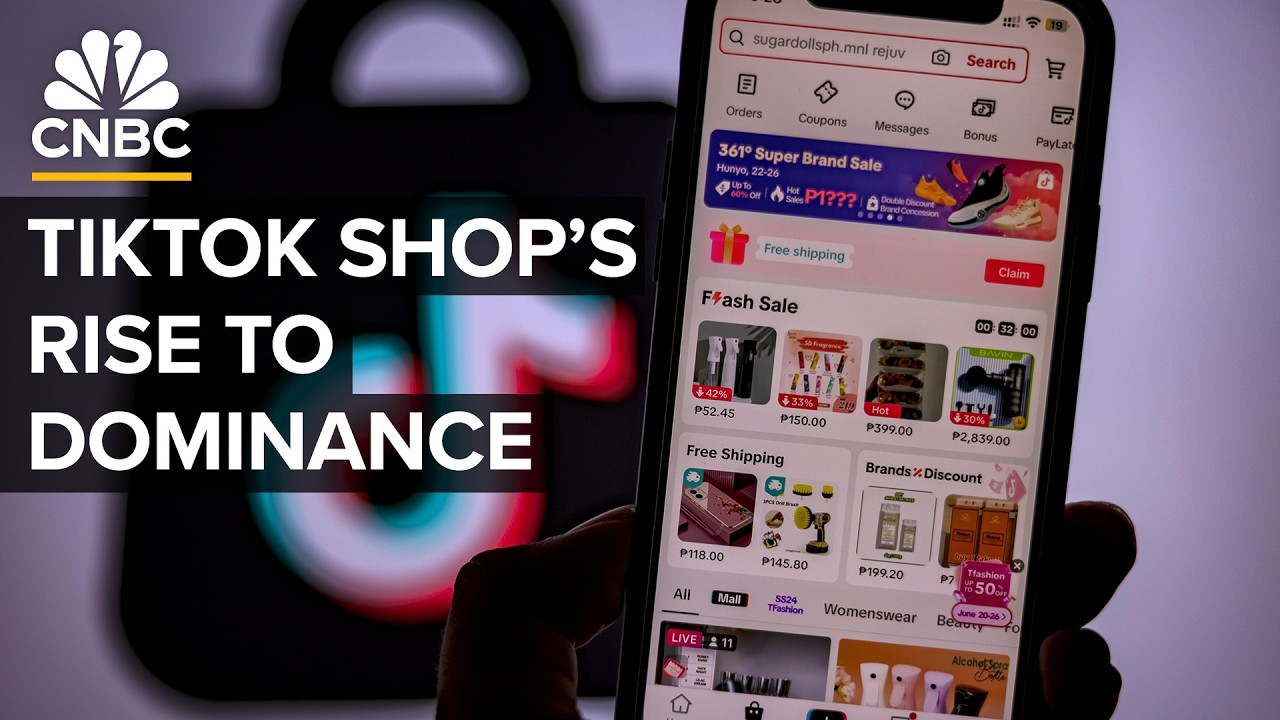
Social media has put multimedia into everyday buying. Brands show products on Instagram, Pinterest and TikTok through brief demonstration videos and longer educational clips that highlight user-generated content or explain a product’s benefits in more depth. The platforms also create a community around particular brands and products, because users trade recommendations and experiences with one another. For a look at the format driving much of this, see the short-form video boom. This report from CNBC explains how one social platform turned into a major shopping destination.
Which multimedia formats suit which stage of the buying journey?
| Format | What it does for the shopper |
| Product demonstration video | Shows how a product looks and works |
| Tutorial | Explains how to use the product |
| Testimonial | Builds trust through other customers’ experience |
| Augmented reality preview | Lets people place the product in their own space |
| Virtual reality experience | Allows virtual exploration before buying |
| Social media clip | Reaches shoppers where they browse and builds community |
Pick formats by the question the shopper is asking. If the question is “Will this fit my space?”, use AR. If it is “How does this work?”, use a demonstration or tutorial.
How can a store tell whether multimedia content is working?
Compare product pages with and without the new format. Track whether shoppers who watch a video or open an AR preview convert more often, ask fewer support questions or return fewer items. Look at where people stop watching, too, because a video that loses most viewers in the first few seconds needs a stronger opening.
Keep the test simple: change one page, one format at a time, and run it long enough to see a pattern. Results from one product do not always carry over to another, so repeat the check before rolling a format out across the catalog.
What challenges come with multimedia content?
The benefits come with obstacles. Creating high-quality, engaging content takes substantial resources, and smaller businesses may not be able to afford the equipment or skills. Buyers can also become overwhelmed by the sheer volume of content on offer, which leads to choice fatigue and weakens the purchasing experience.
Manage both risks with focus. Make fewer, better assets for your best-selling products, reuse them across channels, and put the most useful format in front of the shopper first instead of showing everything at once.
Frequently asked questions
Why does video help online sales?
It shows how a product looks and feels in use, which builds trust and reduces hesitation about buying something you cannot touch.
Is AR only for big retailers?
Furniture retailers are a common example, but any product that people want to see in their own space is a candidate. Cost and available skills are the practical limits.
Can too much multimedia hurt a store?
Yes. A flood of content can cause choice fatigue, so curate formats around the shopper’s questions.
What multimedia change should a store make first?
As technology advances, immersive and interactive shopping is likely to become the norm, and businesses that use multimedia well will benefit from changing consumer behavior. Start with one product page: add a short demonstration video, measure whether questions and returns fall, and then decide whether AR or social clips are the next investment.

Renowned for his expertise in logo design and visual branding, Bogdan has developed a multitude of logos for various clients.
His skills extend to creating posters, vector illustrations, business cards, and brochures. Additionally, Bogdan's UI kits were featured on marketplaces like Visual Hierarchy and UI8.
He also wrote in the past years on sites like Design Your Way, WebDesignerDepot, WPDean, Designmodo, Speckyboy, Slider Revolution, and more.

Bogdan Sandu is a seasoned designer who has been designing websites since 2008. Renowned for his expertise in logo design and visual branding, Bogdan has developed a multitude of logos for various clients. His skills extend to creating posters, vector illustrations, business cards, and brochures. Additionally, Bogdan's UI kits were featured on marketplaces like Visual Hierarchy and UI8. He also wrote in the past years on sites like Design Your Way, WebDesignerDepot, WPDean, Designmodo, Speckyboy, Slider Revolution, and more.
You Might Also Like