


A single image can define an entire era. Vogue magazine covers have done exactly that for over a century, transforming fashion photography into high art while launching supermodels like Naomi Campbell and Kate Moss into global stardom.
These covers aren’t just magazine design elements. They’re cultural statements photographed by legends like Annie Leibovitz and Mario Testino, featuring everything from haute couture gowns to groundbreaking celebrity portraits that spark conversations worldwide.
Understanding what makes these covers iconic reveals the intricate world of visual hierarchy, artistic direction, and brand partnerships that shape our perception of beauty and style.
This guide explores the design principles, photography techniques, and creative concepts behind fashion magazine covers that continue to influence editorial spreads and beauty campaigns across the industry. You’ll discover how color theory and styling choices create magazine layouts that readers can’t ignore.
Vogue Magazine Covers
Madonna – May 1989
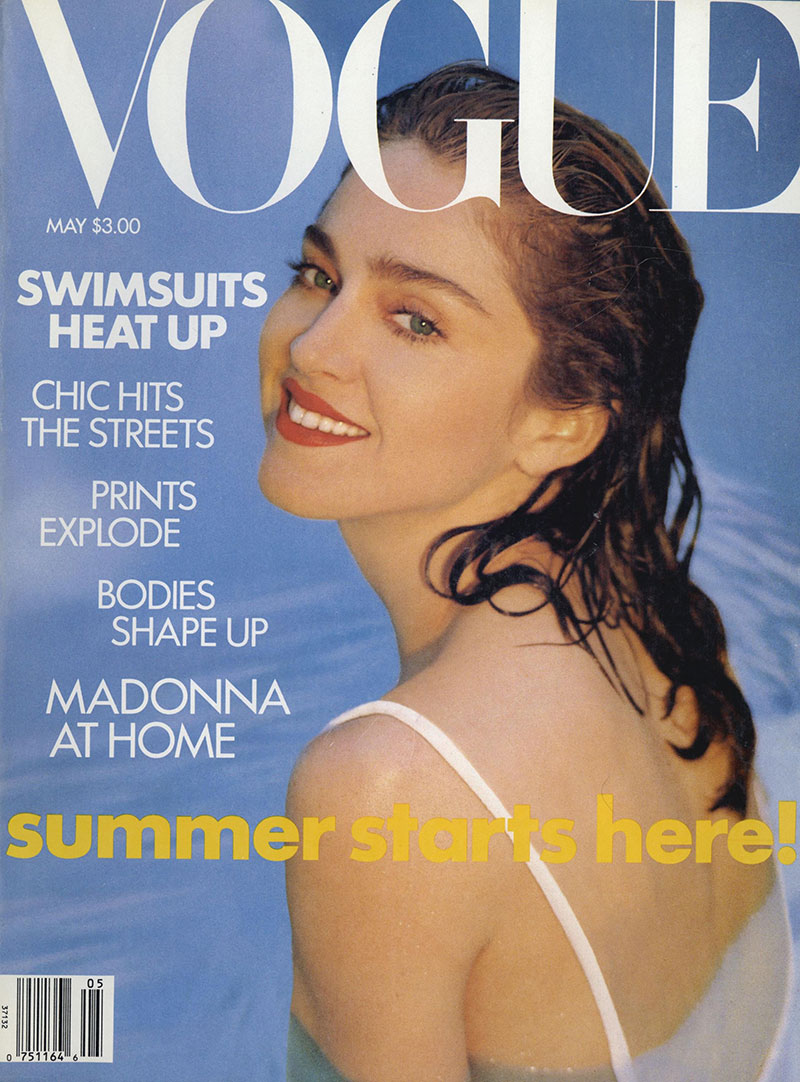
Anna Wintour’s boldest early gamble transformed magazine covers forever. Her Madonna cover sold 200,000 more copies than expected.
Cover Subject & Featured Celebrity
- Madonna at peak controversy with “Like a Prayer” single
- Religious debates surrounding her music videos worldwide
- Patrick Demarchelier photographed fashion’s most polarizing figure
Visual Composition & Styling
André Leon Talley styled Madonna in Patrick Kelly and Christian Lacroix pieces. The editorial photography showcased her Los Angeles mansion.
Dark brunette hair with signature blonde streaks defined her look. Wintour approved every dress through Paris Polaroids.
Cultural Impact & Reception
Sales jumped 40% compared to previous May issues. This established celebrity covers as Vogue standard while spelling doom for supermodel dominance.
Historical Context & Timing
May 1989 marked Wintour’s first major celebrity gamble after less than one year as editor-in-chief. The decision broke Vogue’s classically correct tradition.
Princess Diana – December 1991
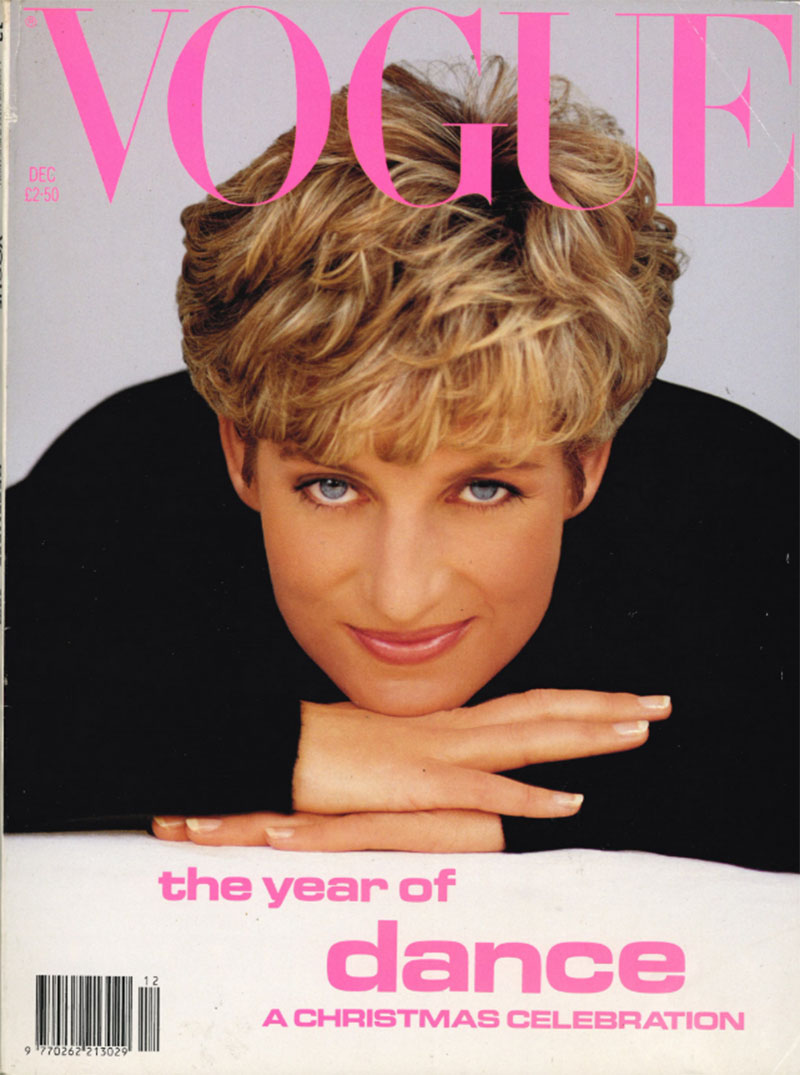
Liz Tilberis captured the People’s Princess during her marriage’s public unraveling. The cover became British Vogue’s bestseller after 10 years without Diana.
Cover Subject & Featured Celebrity
- Princess Diana as independent royal voice amid Charles-Camilla scandal
- Friendship with Tilberis developed through wardrobe consultations
- Evolution from shy bride to confident public figure
Visual Composition & Styling
Patrick Demarchelier photographed Diana in intimate closeup style. Short haircut and black turtleneck created modern, approachable aesthetic.
Long manicured nails emphasized personal style choices over royal protocol. Natural lighting softened traditional royal photography.
Cultural Impact & Reception
December 1991 issue achieved record sales for British Vogue. The shoot influenced royal media representation permanently with intimate celebrity approaches.
Historical Context & Timing
Two failed cover attempts preceded this successful collaboration. Linda Evangelista’s endorsement helped secure Diana’s participation during growing public awareness of royal marriage difficulties.
Naomi Campbell – August 1988
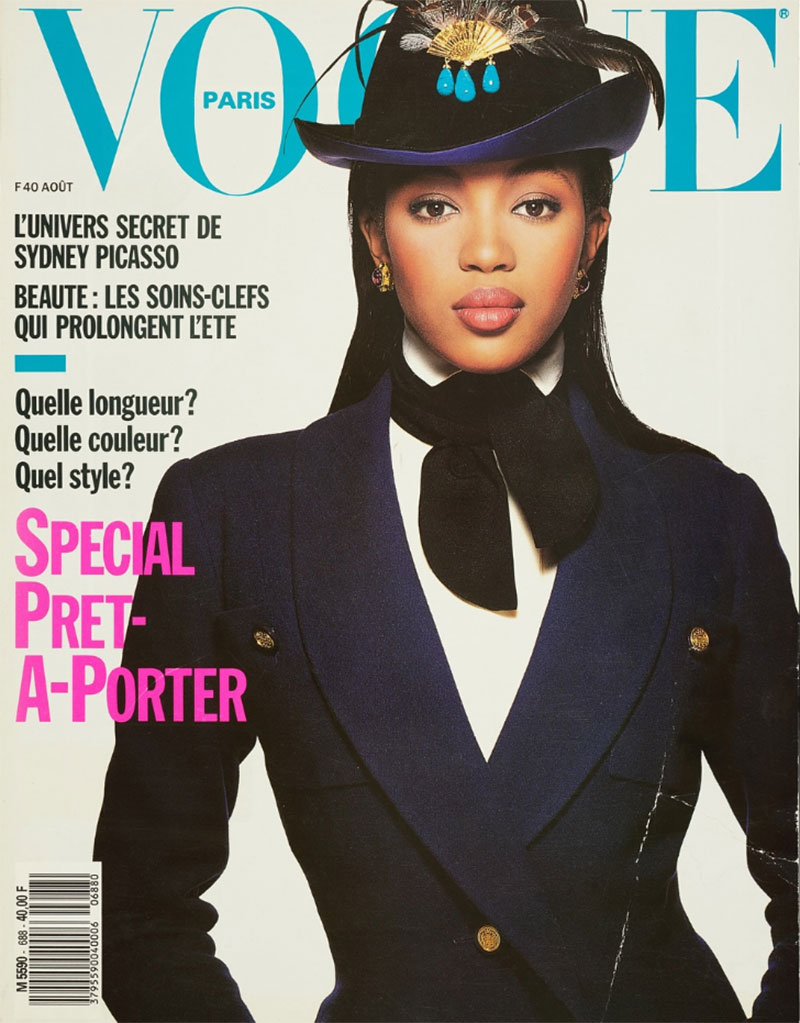
French Vogue broke 22-year racial barrier with Campbell’s historic cover. Yves Saint Laurent threatened advertising withdrawal unless the magazine featured her.
Cover Subject & Featured Celebrity
Campbell became fashion’s first Black supermodel at age 18. Her breakthrough followed:
- British Vogue’s groundbreaking December 1987 cover
- Support from Christy Turlington and Linda Evangelista against discrimination
- Elite fashion circles’ initial resistance to her inclusion
Visual Composition & Styling
The August 1988 cover established Campbell’s signature editorial presence. Professional styling emphasized natural beauty and fierce confidence.
Her striking features revolutionized fashion photography standards when magazine covers typically avoided Black models.
Cultural Impact & Reception
French Vogue sales exceeded expectations significantly. Campbell’s success sparked industry conversations about diversity and forced major fashion brands to reconsider casting choices.
Historical Context & Timing
Saint Laurent’s ultimatum forced editorial progress toward inclusion. Campbell’s French debut preceded her American Vogue September 1989 appearance, building unprecedented supermodel momentum.
Kate Moss – March 1993

Corinne Day revolutionized fashion photography with Moss’s “Under-Exposure” spread. The unconventional shoot challenged beauty standards during the supermodel era.
Cover Subject & Featured Celebrity
- 19-year-old Moss embodied anti-fashion rebellion at supermodel industry peak
- Waif-like appearance contrasted sharply with Amazonian models
- Day discovered Moss’s authentic photographic appeal beyond traditional glamour
Visual Composition & Styling
Day photographed Moss in stretched underwear against fairy lights backdrop. The intimate bedroom setting shocked Vogue’s refined readership.
Minimal styling and natural lighting created documentary-style intimacy. The visual approach rejected polished supermodel conventions completely.
Cultural Impact & Reception
March 1993 issue sparked immediate controversy and praise. The images now hang in Victoria & Albert Museum permanent collection while launching the “heroin chic” movement.
Historical Context & Timing
1993 marked fashion’s shift toward alternative beauty standards. Day’s counter-culture photography challenged establishment norms before Moss’s Calvin Klein fame.
Gisele Bündchen – July 1999
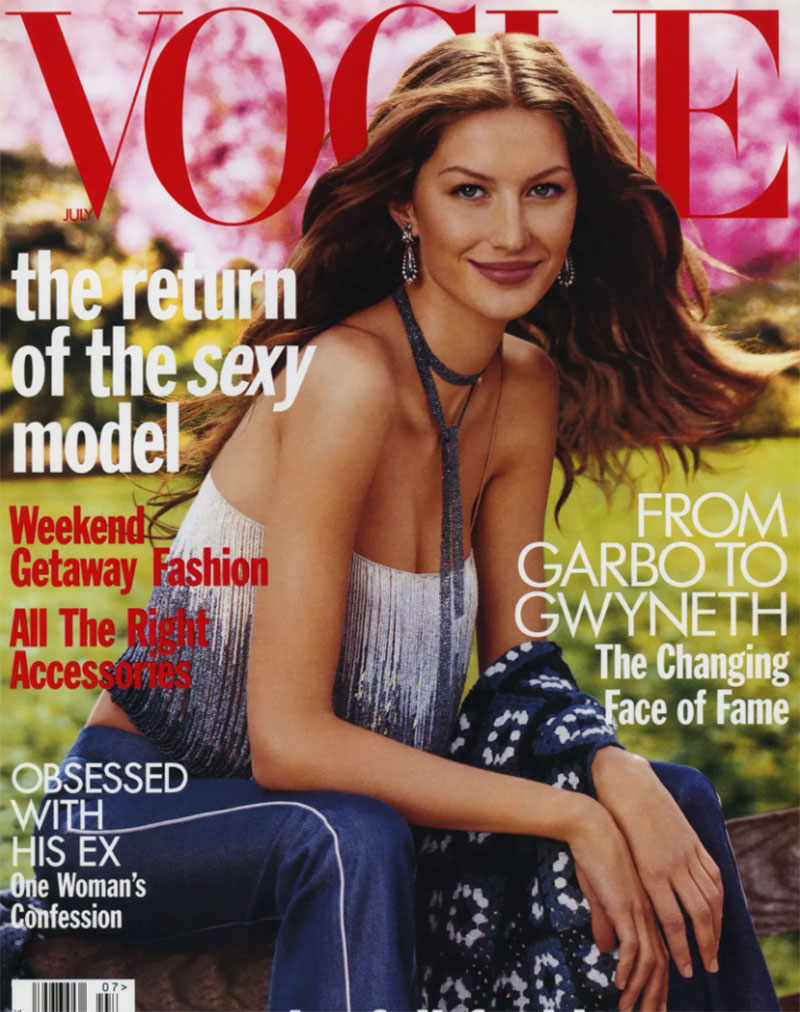
Steven Meisel captured the Brazilian bombshell’s first US Vogue appearance. The cover announced “return of the sexy model” after the heroin chic era.
Cover Subject & Featured Celebrity
- 18-year-old Bündchen represented fashion’s swing toward curves and sensuality
- Healthy physique contrasted sharply with waif models
- IMG Models signed her after Elite dissatisfaction
- VH1/Vogue named her Model of the Year in 1999
Visual Composition & Styling
Meisel’s photography emphasized Bündchen’s natural Brazilian beauty. The cover composition balanced sophistication with accessible glamour.
Three 1999 Vogue covers established her supermodel trajectory. November group cover with fashion legends cemented her status.
Cultural Impact & Reception
July 1999 marked supermodel era’s renaissance. Rolling Stone declared her “Most Beautiful Girl in the World” by 2000, inspiring curvier model casting industry-wide.
Historical Context & Timing
1999 coincided with fashion’s rejection of extreme thinness trends. Anna Wintour recognized shifting beauty preferences while the cover launched on Bündchen’s 19th birthday.
Beyoncé – September 2018
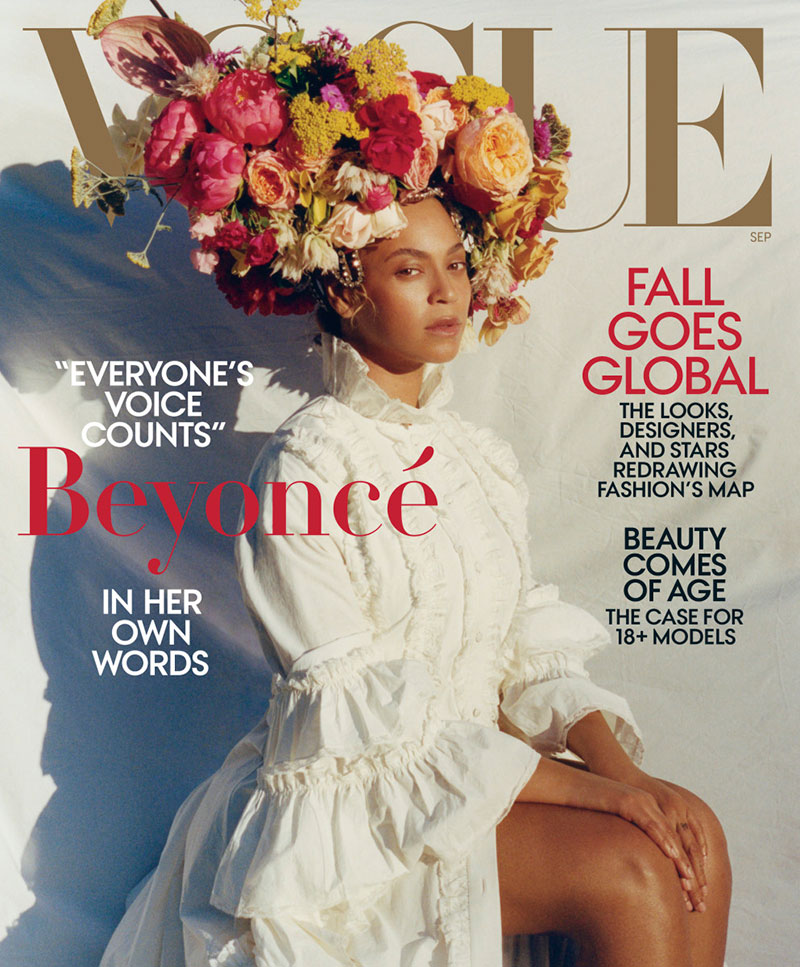
Tyler Mitchell made history as Vogue’s first Black cover photographer in 126 years. Beyoncé orchestrated the groundbreaking editorial collaboration.
Cover Subject & Featured Celebrity
- Beyoncé controlled unprecedented editorial direction for September’s most important issue
- Selected 23-year-old Mitchell from photographer portfolio options
- Emphasized natural beauty through minimal makeup and extensions
- Creative control included writing personal essay content
Visual Composition & Styling
Mitchell’s photography style celebrated authentic Black beauty without traditional retouching. Tonne Goodman handled styling duties.
Rich color palettes and flowing fabrics created goddess-like visual narrative. The images prioritized cultural representation over commercial appeal.
Cultural Impact & Reception
September 2018 became Vogue’s largest issue ever published. The Smithsonian acquired one image for permanent collection while launching Mitchell’s fine art photography career.
Historical Context & Timing
2018 marked increasing pressure for fashion industry inclusion. Anna Wintour granted unusual creative control during “On the Run II” tour to advance underrepresented photographers’ careers.
Rihanna – April 2016
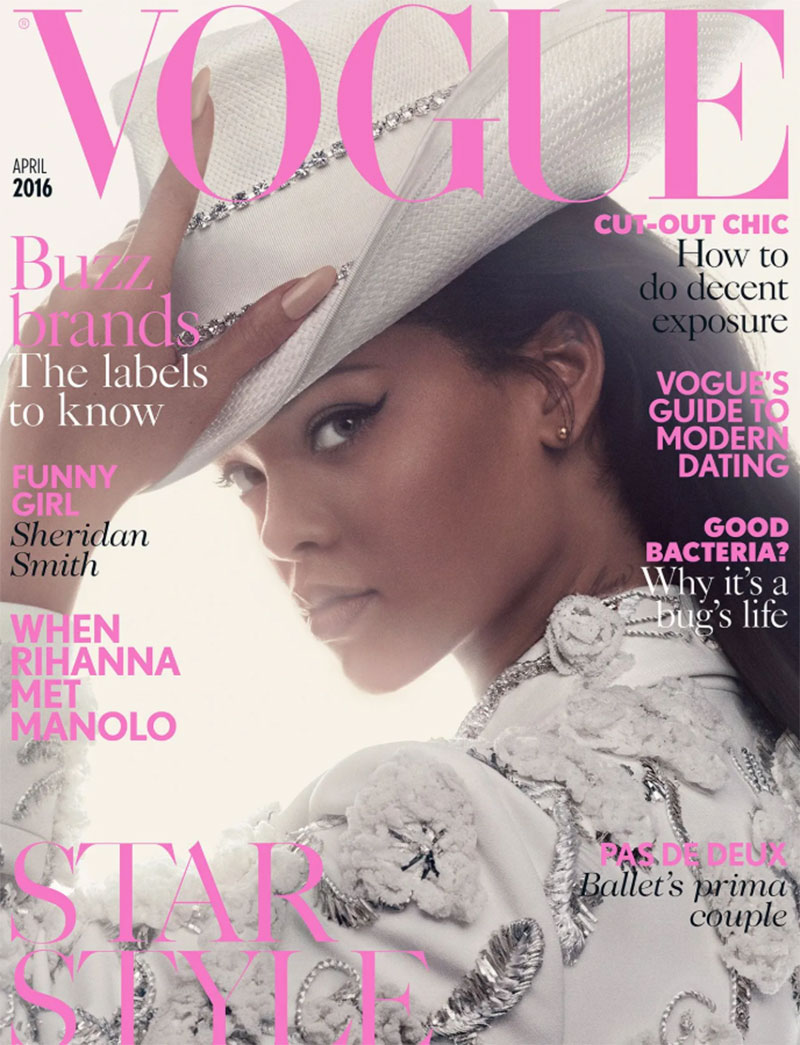
Rihanna’s British Vogue debut showcased her brand collaborations with luxury footwear. The cover announced her exclusive Manolo Blahnik partnership.
Cover Subject & Featured Celebrity
- Rihanna at creative peak with multiple business ventures
- Exclusive announcement platform for high-fashion collaborations
- Second British Vogue appearance cementing fashion credibility
Visual Composition & Styling
White cowboy hat created striking visual statement against minimalist backdrop. The cover design emphasized editorial sophistication over typical celebrity glamour.
Clean styling choices reflected Rihanna’s evolved fashion sensibility. Professional photography balanced commercial appeal with artistic integrity.
Cultural Impact & Reception
April 2016 issue performed exceptionally at newsstand sales. The cover solidified Rihanna’s transition from music to fashion entrepreneur.
British Vogue readers embraced her authentic style perspective. Major luxury brands pursued collaboration opportunities immediately.
Historical Context & Timing
2016 marked Rihanna’s strategic expansion into fashion business. The Manolo Blahnik announcement preceded her successful Fenty empire launch.
Edward Enninful recognized emerging celebrity business models. Cover timing aligned perfectly with luxury fashion’s celebrity partnership trend.
Lady Gaga – October 2018
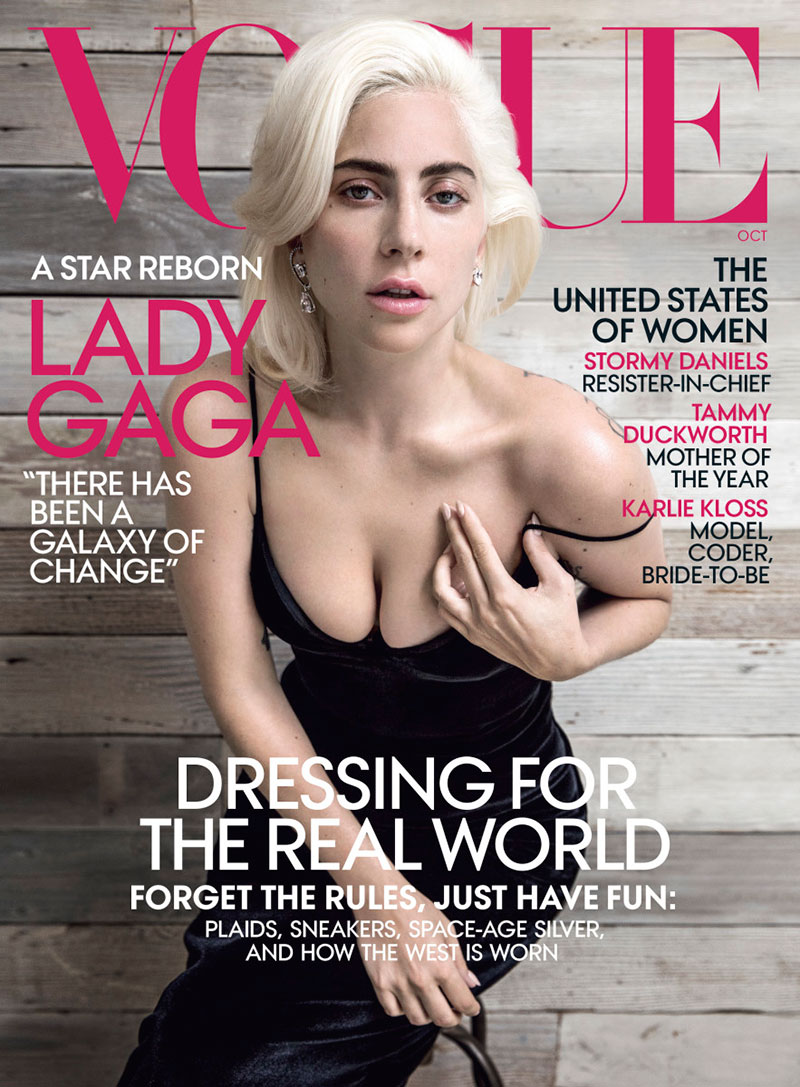
Inez and Vinoodh captured Gaga’s vulnerable transformation during “A Star Is Born” promotion. The stripped-down aesthetic revealed authentic artistry beyond performance personas.
Cover Subject & Featured Celebrity
- Lady Gaga transitioning from pop performer to serious actress
- “A Star Is Born” film debut as co-lead and creative force
- Third American Vogue cover marking career evolution
Visual Composition & Styling
Brandon Maxwell black dress created elegant simplicity against stark wood background. Minimalist styling emphasized natural beauty over elaborate costumes.
Platinum hair and Ana Khouri earrings provided subtle glamour accents. The photography showcased emotional depth beyond theatrical personas.
Cultural Impact & Reception
October 2018 became Vogue’s second-largest issue historically. Gaga’s acting credibility gained mainstream acceptance through fashion platform.
The cover generated significant social media engagement. Hollywood recognized her artistic range expansion immediately.
Historical Context & Timing
2018 coincided with Gaga’s career reinvention strategy. The cover supported “A Star Is Born” awards campaign positioning.
Anna Wintour’s support validated Gaga’s transition from music to cinema. Fashion industry embraced her authentic artistic evolution.
Serena Williams – February 2018
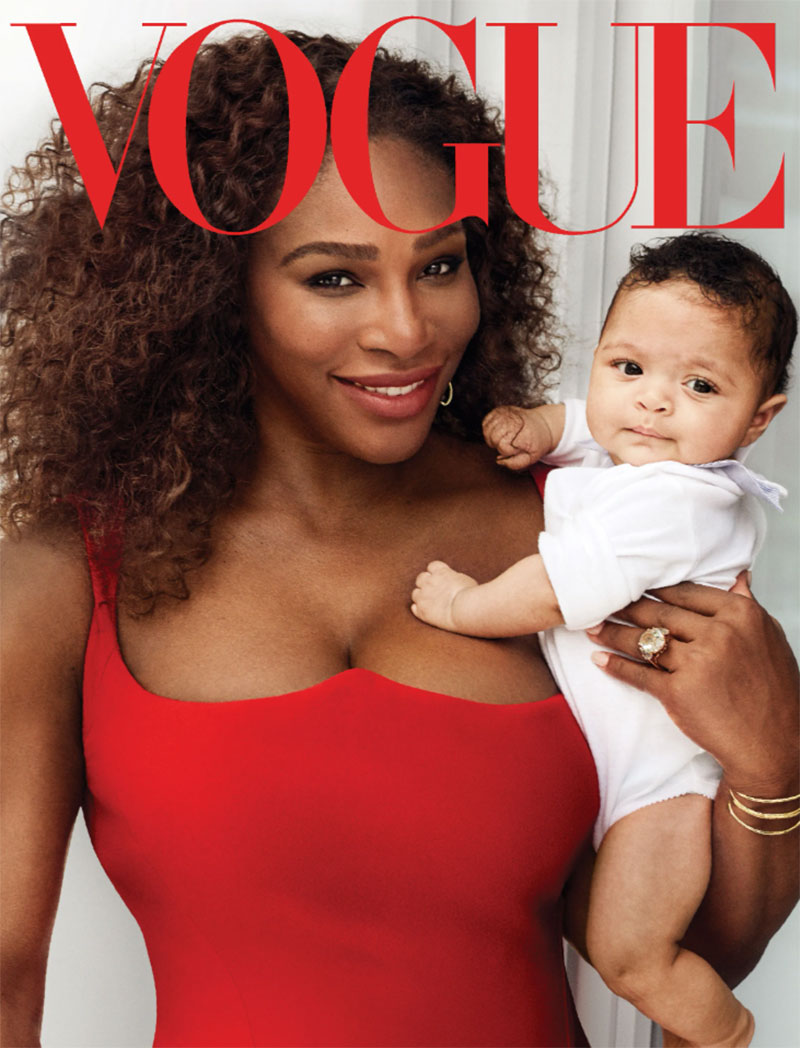
Mario Testino photographed Williams with four-month-old daughter Olympia. The red Versace gown symbolized maternal strength after life-threatening childbirth complications.
Cover Subject & Featured Celebrity
- Serena Williams as new mother facing health challenges
- Tennis superstar contemplating career continuation decisions
- Daughter Alexis Olympia’s magazine debut at four months old
Visual Composition & Styling
Fitted cherry red Versace created goddess-like maternal imagery. The visual hierarchy emphasized family bond over individual achievement.
Wedding ring prominence celebrated recent marriage to Alexis Ohanian. Beach location provided natural, intimate atmosphere contrasting competitive tennis environments.
Cultural Impact & Reception
February 2018 issue resonated with working mothers globally. Williams’ vulnerability inspired conversations about postpartum complications in sports.
Medical advocacy increased following her cover story revelations. Tennis community supported her health-first approach publicly.
Historical Context & Timing
Early 2018 marked Williams’ uncertain return timeline. The cover humanized elite athlete struggles with motherhood balance.
Magazine industry recognized maternal representation importance. Williams’ transparency influenced celebrity childbirth discourse significantly.
Kim Kardashian and Kanye West – April 2014
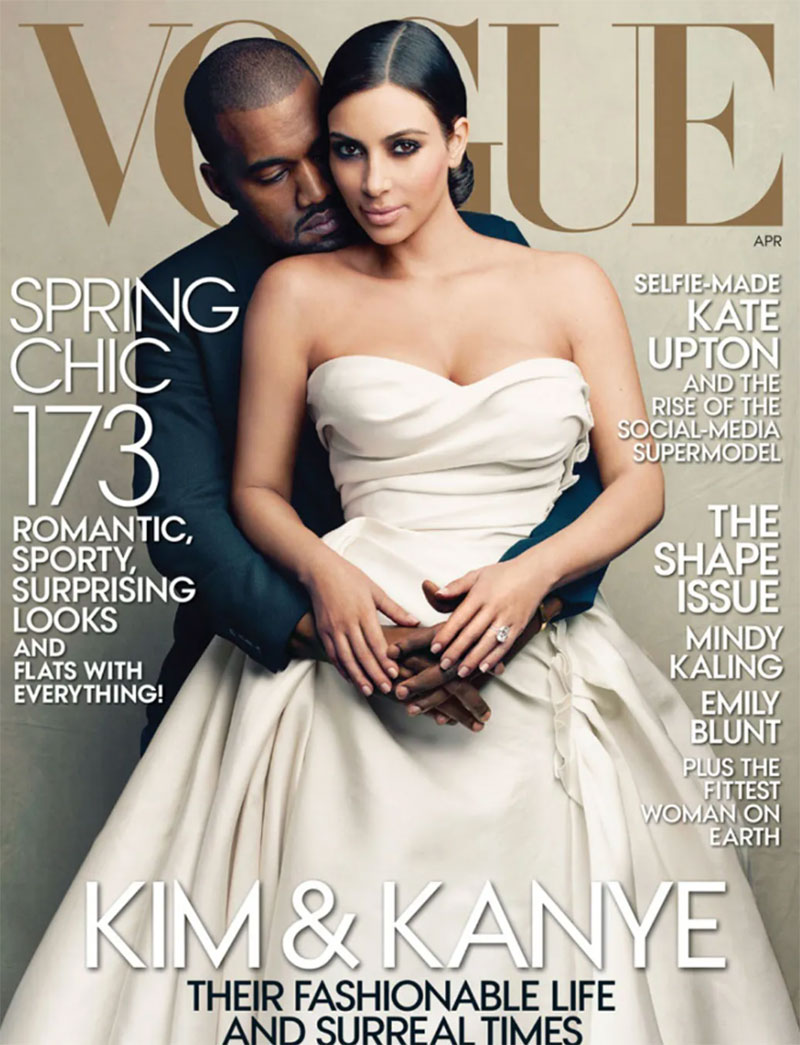
Annie Leibovitz captured reality TV’s first Vogue moment. Anna Wintour’s controversial decision sparked industry debates about celebrity hierarchies.
Cover Subject & Featured Celebrity
- Kim Kardashian and Kanye West at relationship peak
- First reality TV star to achieve Vogue cover status
- Pre-wedding publicity during intense media scrutiny period
Visual Composition & Styling
Wedding dress imagery anticipated their actual marriage ceremony. The romantic composition emphasized fairy-tale narrative over controversy.
Leibovitz’s photography elevated reality TV aesthetic to fashion legitimacy. Garden setting created timeless elegance masking tabloid origins.
Cultural Impact & Reception
April 2014 generated unprecedented social media discussion. Traditional fashion critics questioned Vogue’s editorial direction shift.
Newsstand sales exceeded expectations despite industry resistance. Reality TV gained high-fashion credibility permanently.
Historical Context & Timing
2014 marked reality television’s cultural acceptance turning point. Wintour recognized shifting celebrity landscape before competitors.
The cover preceded social media’s complete fashion industry transformation. Celebrity influence began overtaking traditional model power.
Jennifer Lawrence – December 2012
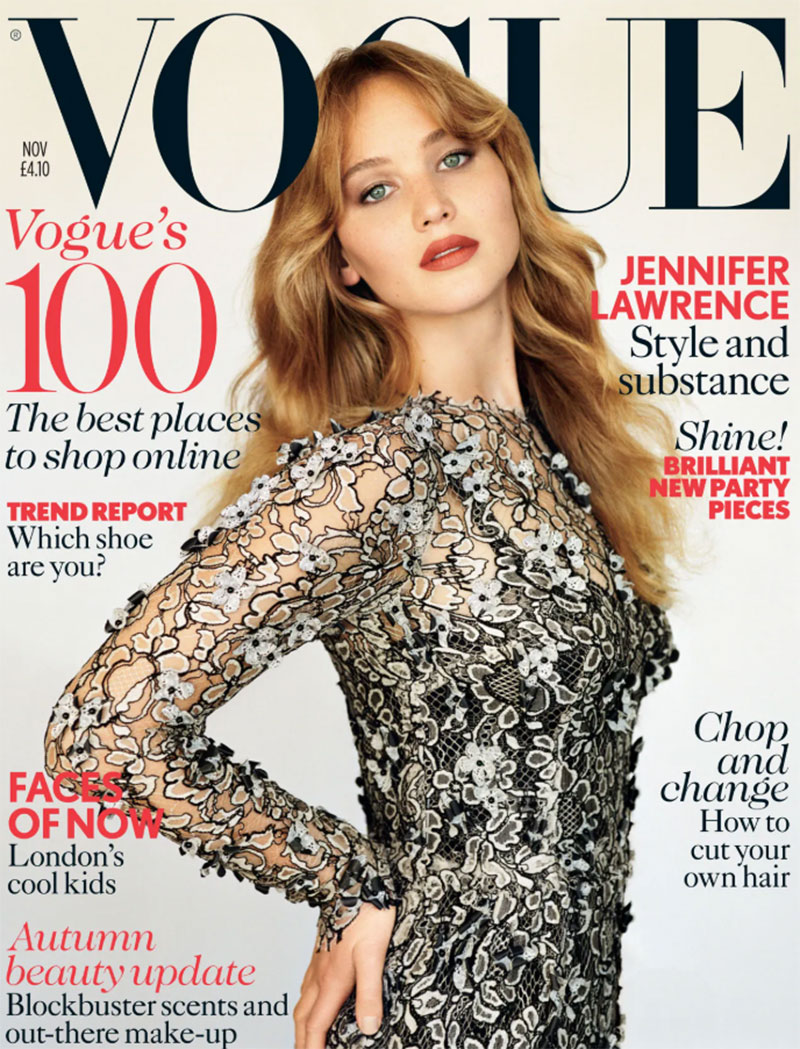
Mario Testino photographed Lawrence during her “Hunger Games” franchise peak. The cover coincided with her Oscar-winning “Silver Linings Playbook” performance.
Cover Subject & Featured Celebrity
- Jennifer Lawrence at career-defining moment with multiple blockbusters
- Hollywood’s newest “America’s Sweetheart” following relatable public persona
- Young actress balancing commercial success with artistic credibility
Visual Composition & Styling
Elegant styling emphasized Lawrence’s natural beauty and approachable charm. The photography approach captured her authentic personality beyond character roles.
Fashion choices balanced sophistication with youthful energy. Professional lighting created classic Hollywood glamour aesthetic.
Cultural Impact & Reception
December 2012 issue performed strongly during awards season. Lawrence’s cover supported her Oscar campaign positioning effectively.
Young female readers connected with her authentic personality. Fashion industry embraced her anti-perfectionist approach to celebrity.
Historical Context & Timing
Late 2012 represented Lawrence’s breakthrough into A-list status. The cover validated her transition from indie films to franchise leadership.
Vogue recognized emerging talent before peak fame achievement. Hollywood’s new generation gained fashion credibility through her representation.
Adele – November 2021
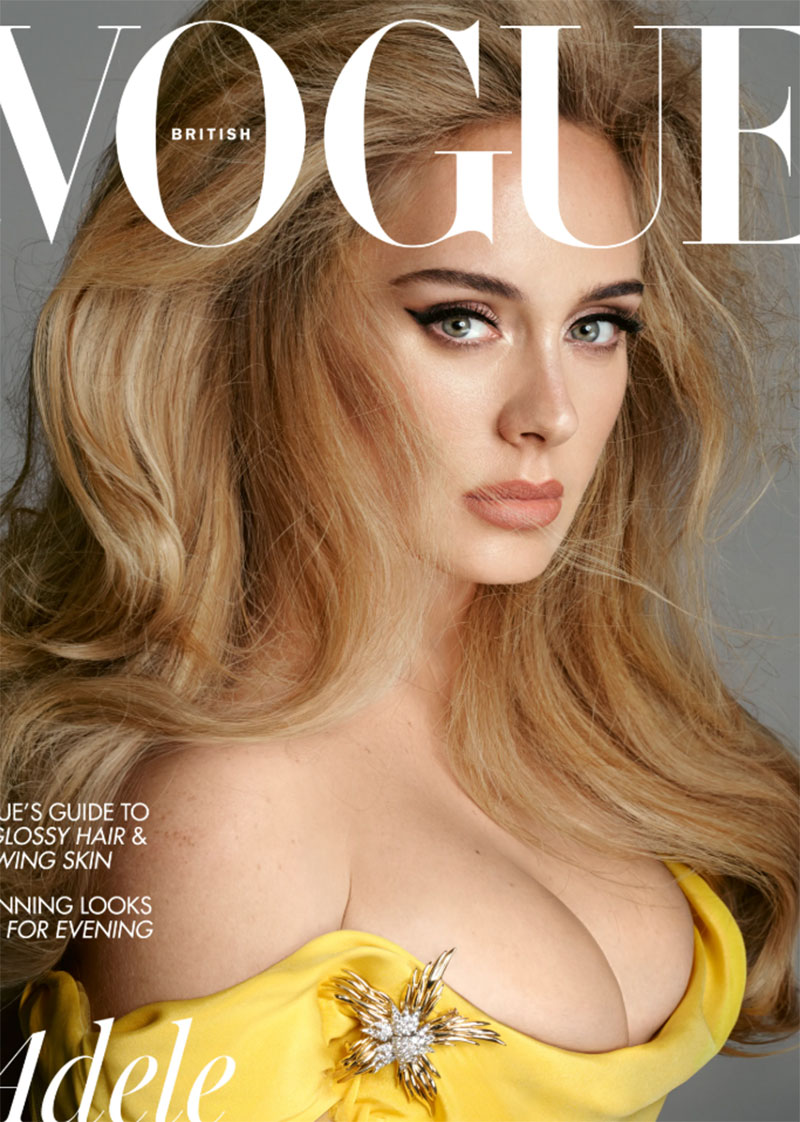
Steven Meisel captured Adele’s dramatic transformation following her divorce and weight loss. The cover marked her “30” album promotional campaign.
Cover Subject & Featured Celebrity
- Adele returning after six-year musical hiatus
- Personal transformation following high-profile divorce proceedings
- Album “30” representing emotional journey and artistic growth
Visual Composition & Styling
Elegant styling showcased her physical and emotional transformation. The compositional balance emphasized strength and vulnerability simultaneously.
Fashion choices reflected newfound confidence and self-acceptance. Luxury styling elevated her from celebrity to fashion icon status.
Cultural Impact & Reception
November 2021 issue resonated with readers experiencing personal transformations. Adele’s openness about mental health sparked important conversations.
Music industry celebrated her artistic evolution. The cover supported “30” album’s record-breaking commercial success.
Historical Context & Timing
2021 marked post-pandemic personal reinvention themes. Adele’s transformation story aligned with global recovery narratives.
Fashion magazines emphasized authenticity over perfection increasingly. Her vulnerability became aspirational rather than weakness.
Zendaya – May 2021
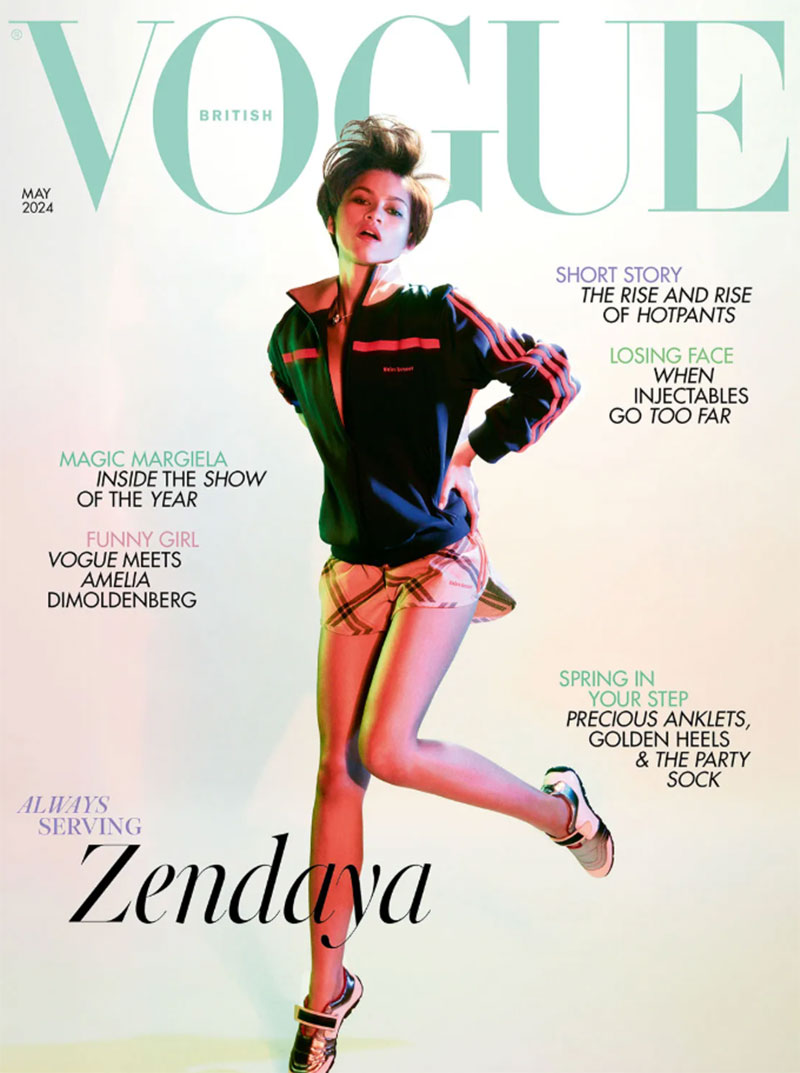
Inez and Vinoodh photographed Zendaya during her “Malcolm & Marie” and “Dune” promotional period. The cover celebrated young Hollywood’s new guard.
Cover Subject & Featured Celebrity
- Zendaya at multi-faceted career peak spanning film, television, and fashion
- Young actress representing Gen Z values and perspectives
- First solo Vogue cover after establishing fashion credibility
Visual Composition & Styling
High-fashion styling emphasized her evolution from Disney Channel to serious actress. The design elements showcased versatility across different creative mediums.
Bold fashion choices reflected her fearless red-carpet reputation. Professional photography captured both youthful energy and mature artistry.
Cultural Impact & Reception
May 2021 issue appealed strongly to younger demographics. Zendaya’s representation inspired diverse casting conversations industry-wide.
Social media engagement reached exceptional levels. Fashion brands competed for her endorsement partnerships immediately.
Historical Context & Timing
2021 represented diversity priorities in entertainment and fashion. Zendaya embodied successful multi-platform career strategy.
Magazine industry recognized Gen Z influence importance. Her cover validated young performers’ fashion industry relevance.
Billie Eilish – June 2021
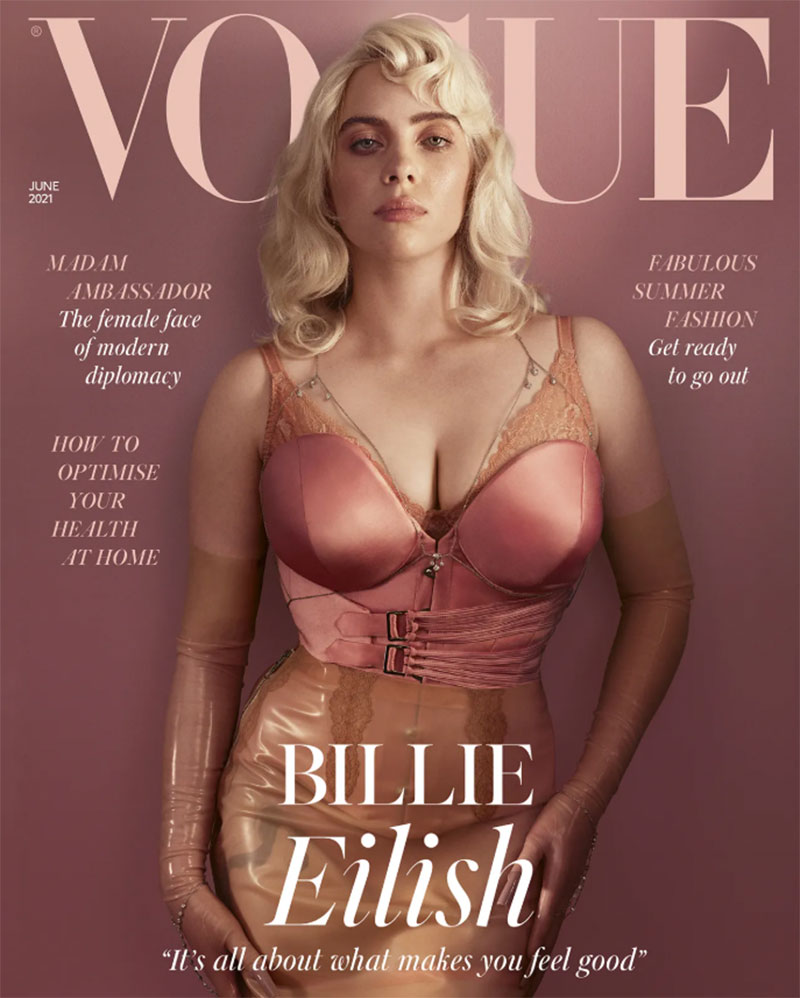
Craig McDean photographed Eilish’s dramatic style transformation from baggy clothes to feminine glamour. The cover shocked fans and critics equally.
Cover Subject & Featured Celebrity
- Billie Eilish reinventing public image at age 19
- Musical artist challenging expectations about female performer presentation
- Youngest solo artist to achieve multiple Grammy wins
Visual Composition & Styling
Corset styling completely contradicted her established aesthetic. The dramatic contrast sparked conversations about artistic freedom versus fan expectations.
Vintage glamour photography channeled classic Hollywood pin-up aesthetic. Professional styling emphasized her emerging womanhood confidently.
Cultural Impact & Reception
June 2021 issue generated massive social media controversy. Eilish’s transformation defended female artists’ right to evolve publicly.
Music industry supported her creative independence. The cover influenced discussions about sexualization versus empowerment.
Historical Context & Timing
2021 marked Eilish’s transition from teenager to adult artist. The cover coincided with her album “Happier Than Ever” release.
Fashion magazines embraced bold celebrity transformations. Her evolution challenged preconceptions about Gen Z authenticity.
Harry Styles – December 2020
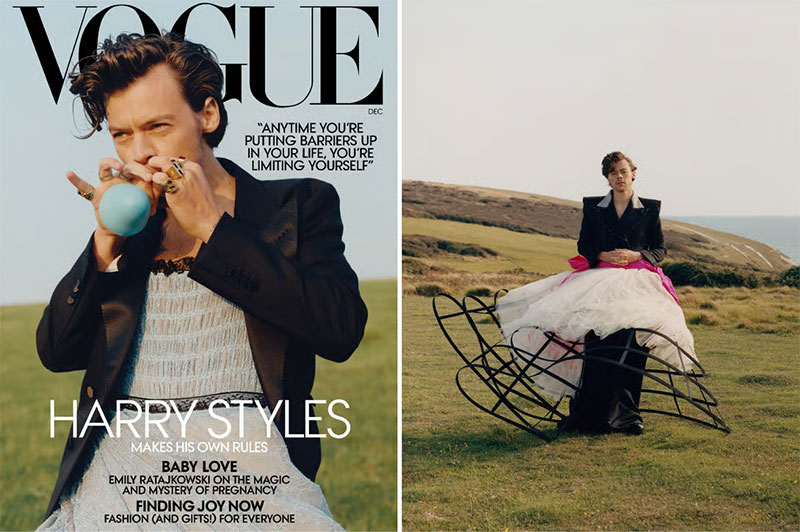
Tyler Mitchell photographed Styles in feminine fashion choices. The cover challenged traditional masculinity concepts in mainstream media.
Cover Subject & Featured Celebrity
- Harry Styles embracing gender-fluid fashion choices publicly
- Former One Direction member establishing solo artistic identity
- First solo male Vogue cover in decades
Visual Composition & Styling
Ball gowns and traditional feminine clothing created powerful visual statements. The fashion photography celebrated gender expression freedom.
Professional styling challenged binary fashion conventions boldly. Editorial choices supported LGBTQ+ representation and acceptance.
Cultural Impact & Reception
December 2020 sparked global conversations about gender expression. Styles’ fashion choices influenced menswear industry significantly.
Conservative critics attacked the cover while progressive voices celebrated. Social media engagement reached record levels for male covers.
Historical Context & Timing
2020 emphasized social justice and equality themes. Styles’ representation supported gender fluidity acceptance mainstream.
Fashion industry expanded beyond traditional gender boundaries. His influence encouraged other male celebrities toward expressive fashion choices.
FAQ on Vogue Magazine Covers
What font does Vogue use on their covers?
Vogue uses Didot for their iconic logo and headlines. This classic serif typeface was created by Firmin Didot in the late 18th century. The magazine occasionally uses custom lettering for special issues, but Didot remains their signature choice for maintaining brand consistency across editorial spreads.
Who photographs the most Vogue covers?
Mario Testino and Steven Meisel dominate contemporary Vogue cover photography. Annie Leibovitz also shoots frequently for the magazine. Patrick Demarchelier and Irving Penn created countless iconic covers throughout their careers. These photographers shape fashion photography standards through their distinctive portrait photography styles and creative concepts.
How much does a Vogue cover cost to produce?
Production costs range from $100,000 to $500,000 per cover shoot. This includes photographer fees, model payments, designer collaborations, makeup artistry, hair styling, set design, and post-production work. Celebrity covers typically cost more due to higher talent fees and elaborate styling concepts that require extensive team coordination.
What makes a Vogue cover iconic?
Visual storytelling combined with cultural relevance creates iconic covers. Elements include striking color palette choices, powerful focal point composition, celebrity appeal, and perfect timing with social movements. Covers featuring supermodels like Naomi Campbell or groundbreaking fashion editorials often become timeless.
How often does Vogue release new covers?
Vogue publishes 12 issues annually with monthly covers. Special editions like September issues receive extra attention due to their fashion week timing. Some international editions create multiple cover versions for single issues, featuring different celebrities or editorial concepts to appeal to diverse reader demographics.
Who decides what goes on Vogue covers?
Anna Wintour makes final cover decisions for American Vogue. Editor-in-chief approval is required after collaboration with creative directors, fashion editors, and artistic direction teams. The process involves extensive planning, mood board creation, and strategic brand partnerships with luxury fashion houses.
What resolution are Vogue cover photos?
Professional magazine covers require 300 DPI minimum resolution for print quality. Photographers typically shoot at much higher resolutions to allow for cropping flexibility during magazine layouts. Digital versions may use lower resolution, but print standards demand crisp detail for newsstand distribution and reader engagement.
How are Vogue cover models chosen?
Model selection involves casting directors, fashion editors, and brand partnership considerations. Factors include current popularity, social media following, campaign relevance, and cultural impact. Supermodels, celebrities, and emerging talent compete for these prestigious opportunities that can define careers in fashion photography.
What software creates Vogue cover layouts?
Adobe Creative Suite dominates professional magazine design. InDesign handles typography and layout composition, while Photoshop manages image retouching and color theory applications. Professional designers also use specialized tools for baseline alignment and grid systems.
Why do September Vogue issues matter most?
September issues coincide with Fashion Week and fall fashion launches. These covers feature the most extensive designer collaborations, celebrity styling, and advertising partnerships. The issue sets trends for upcoming seasons, making it crucial for fashion journalism and industry influence throughout the year.
Conclusion
Vogue magazine covers represent the pinnacle of editorial fashion photography, where artistic vision meets commercial appeal. These covers demonstrate how masterful contrast and strategic emphasis create unforgettable visual experiences that transcend typical magazine design.
From Grace Coddington’s styling genius to Edward Enninful’s groundbreaking creative direction, these covers showcase how fashion editorials influence global beauty standards. The photography techniques pioneered by Richard Avedon and Helmut Newton continue shaping contemporary portrait photography across luxury brands like Chanel, Dior, and Versace.
Understanding the design principles behind these iconic covers reveals why certain images become cultural touchstones. The careful application of grid systems and typographic hierarchy transforms simple fashion photography into powerful visual storytelling that resonates with readers worldwide, cementing Vogue’s position as the definitive authority in high fashion publishing.

Renowned for his expertise in logo design and visual branding, Bogdan has developed a multitude of logos for various clients.
His skills extend to creating posters, vector illustrations, business cards, and brochures. Additionally, Bogdan's UI kits were featured on marketplaces like Visual Hierarchy and UI8.
He also wrote in the past years on sites like Design Your Way, WebDesignerDepot, WPDean, Designmodo, Speckyboy, Slider Revolution, and more.
- Jujutsu Kaisen Font Generator - 12 October 2026
- The Windsurf Logo History, Colors, Font, And Meaning - 10 October 2026
- How to Remove Background From Product Photos (No Photoshop) - 10 October 2026

Bogdan Sandu is a seasoned designer who has been designing websites since 2008. Renowned for his expertise in logo design and visual branding, Bogdan has developed a multitude of logos for various clients. His skills extend to creating posters, vector illustrations, business cards, and brochures. Additionally, Bogdan's UI kits were featured on marketplaces like Visual Hierarchy and UI8. He also wrote in the past years on sites like Design Your Way, WebDesignerDepot, WPDean, Designmodo, Speckyboy, Slider Revolution, and more.
You Might Also Like


