The leading 3D rendering and visualization companies combine engineering accuracy, artistic judgment and a portfolio that shows both vision and execution. This list covers ten studios, from Marygold Studio and The Motion Tree to NoTriangle Studio, Brick Visual, Fortes Vision, Dbox, The Boundary, RealSpace 3D, Luxigon, Vyonyx, Arqui9 Visualisation and MIR, working in architecture, interior design, real estate and spatial design. Choosing one goes beyond pretty pictures. You want a team that is fast, flexible across platforms and project types, and able to turn an abstract brief into visuals that persuade.
How do you choose a 3D rendering company?
Start with what the visuals have to do. A pitch deck, a pre-construction sales launch, a design review and an investor presentation each need different things, so match the studio’s specialty to the purpose. Then look at four points:
- Style fit: photographic realism, cinematic mood or quiet minimalism are different strengths.
- Service model: one point of contact, or a hand-off between teams.
- Formats: stills, films, virtual tours, interactive platforms.
- Speed and budget: how quickly they work and how clearly they communicate.
Rendering also takes time and compute, so ask how long a typical project runs. The article on why final rendering becomes a bottleneck explains why. For a broader view of the field, see how 3D rendering services are changing graphic design.
Marygold Studio
Marygold Studio launched in 2021 and is based between London and Dubai. Its team of architects, filmmakers and digital artists produces 3D renders, brand films, social reels, virtual walkthroughs and digital twins in-house. Clients are luxury and premium real estate developers, architectural firms and marketing teams that need visual content before a project breaks ground.
As a full-service real estate visualization agency, Marygold works from early sketches, CAD files or BIM models and delivers assets ready for sales offices, investor presentations and launch campaigns. The distinguishing feature is the service model: one team and one point of contact, with a dedicated project manager and art director from brief to delivery.
The digital twins go deep, combining apartment selectors, floor plans, sun studies, phasing timelines and brochures in a single interactive environment. For off-plan launches, that depth is the sales argument before construction starts.
The Motion Tree
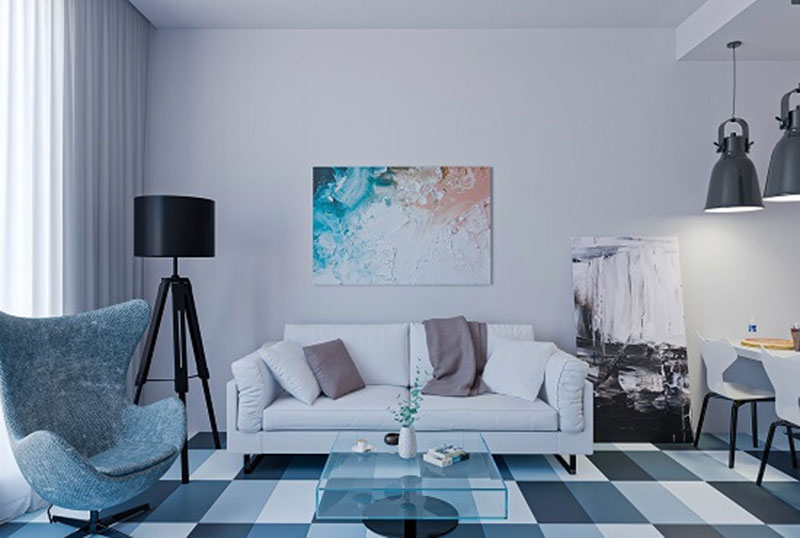
Founded in 2013 and based in New York, The Motion Tree offers modeling, surface detailing, architectural imagery, digital photography and animation. With fewer than 50 people, it delivers cost-effective work with a focus on client schedules.
It serves property development, industrial design, online retail and film. Its interior and exterior views are praised for clarity and design sensitivity, and its product CGI for furniture, apparel and machinery relies on realistic textures and clean composition. That mix suits clients who want high-end visuals that also meet practical business needs. Retail teams in particular may find the overlap with 3D product rendering useful.
NoTriangle Studio
NoTriangle Studio is an architectural visualization studio that offers strong photorealism at a competitive price-to-quality ratio. It has extensive project experience across the U.S. and works closely with real estate developers and architects, tailoring each rendering to design development, marketing or investor communication.
Its visuals are built for clear communication and measurable marketing impact, whether for pitch decks, pre-construction launches or design reviews. It is a sensible choice for teams that need polished imagery without a large budget.
Brick Visual
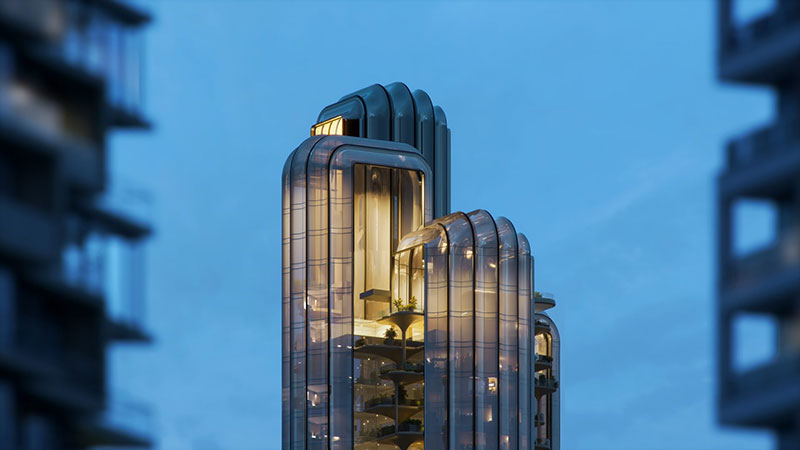
Brick Visual began in 2012 as a small initiative in Budapest and now has offices in Romania, Italy and Portugal. Its philosophy is to show the character of a design and not only the building, using light, framing and visual storytelling to carry emotion as well as structure.
It has developed custom software called Pulze to streamline scene setup for artists and runs an educational program, Brick Academy. It has won awards and worked with clients such as Google and Intel, and it puts story, mood and conceptual depth ahead of technical output while keeping production efficient.
Fortes Vision
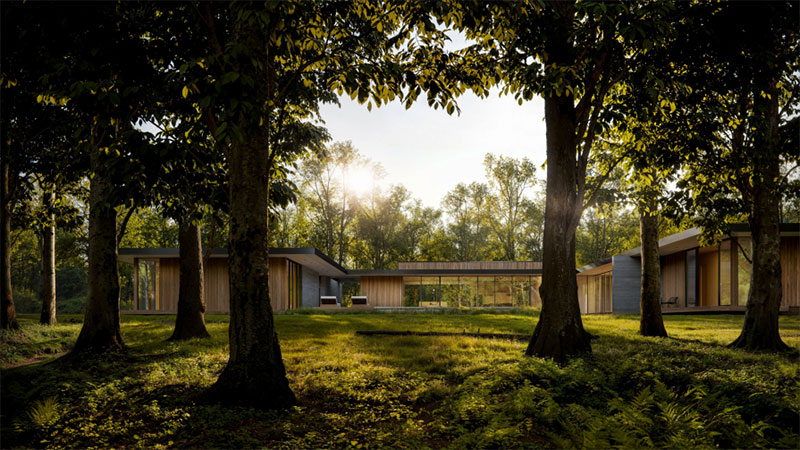
Fortes Vision is an emerging studio with a cinematic approach to high-end rendering. It is less publicly profiled than some competitors, and its work centers on luxury, narrative and bespoke design.
It operates like a visual atelier, with a curated, collaborative process, especially in premium real estate and architectural branding. Clients take part in the creative direction, and the studio controls lighting, camera work and the final finish. Its strength is atmosphere over scale, helping brands create experiences instead of just images.
Dbox

Dbox merges digital imagery with brand communication and has offices in the US and the UK. It has specialized in real estate marketing for premium developments for years, with projects such as Hudson Yards in New York and One Thousand Museum in Miami.
Its content spans still renderings, film, motion graphics and interactive platforms. Unlike studios focused only on 3D accuracy, Dbox works at the intersection of storytelling, strategy and visualization, so its output is meant to inform and connect. Developers who want to present a property as an immersive experience are its natural clients.
The Boundary
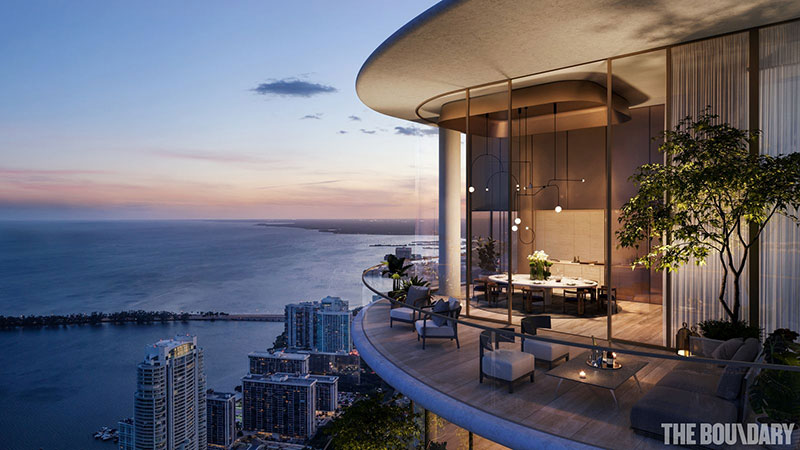
Based in the UK, The Boundary is known for architectural images that blur the line between digital and photographic. It targets high-end property, resort and hospitality markets, where detail and realism matter.
It works in stills and in immersive formats such as virtual tours, and it calibrates texture, material behavior and lighting for sensory impact while respecting the architectural concept. Its renders are often praised for production polish, especially on projects that need a strong first impression.
RealSpace 3D
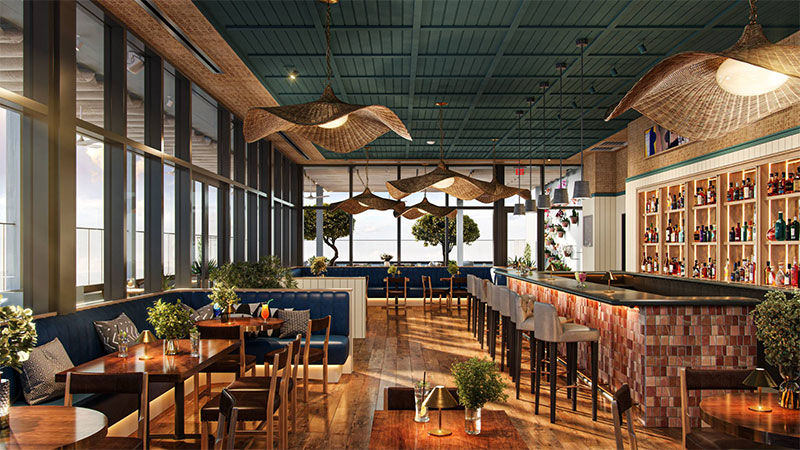
RealSpace 3D is based in Canada and provides commercial-ready visual assets for realtors and developers. It is built around three pillars: speed, budget and service.
It handles everything from residential towers to retail interiors, producing content for online listings and sales materials. Its animated walkthroughs and static images are tailored to sales cycles and investor presentations. It is known for fast turnarounds and clear communication, and it focuses on practical value over visual experimentation.
Luxigon
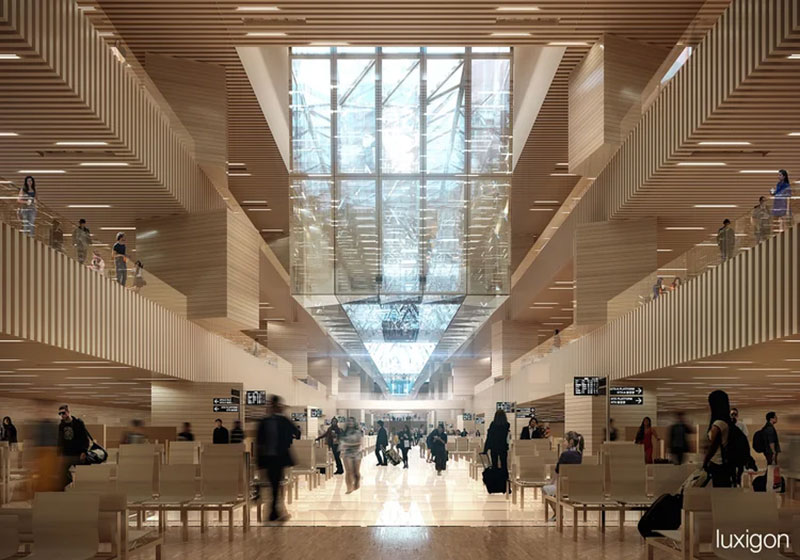
Luxigon is based in France and treats rendering as a medium for mood. Instead of classical photorealism, its visuals lean into atmosphere, narrative and emotional tone, with shadowy streets, glowing windows and rainy facades.
Designers and architects who want more than technical visuals favor it, and its images often look like digital paintings. Its work has been featured in art journals and exhibitions, which sets it apart in a field often judged by software benchmarks.
Vyonyx
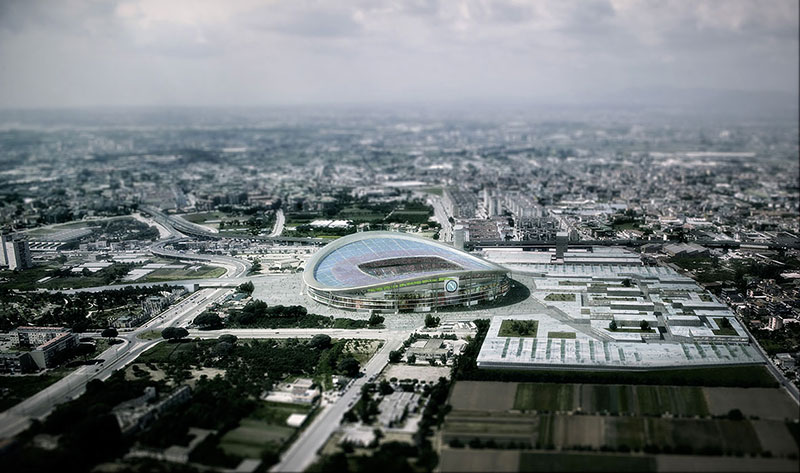
Vyonyx, based in the UK, specializes in high-fidelity renderings for high-end architecture firms. Its work shows commitment to material authenticity, spatial logic and composition.
It handles commercial, civic and institutional projects, producing images that are clean, structured and brand-aligned. Each visual balances design sharpness with production accuracy, which suits pitch decks and public competitions. Architecture studios that want consistent, high-end images that respect their design intent are its core audience.
Arqui9 Visualisation

Arqui9 is based in the UK and is recognized for pairing architectural accuracy with cinematic styling. It approaches each project as a mini-film, managing framing, lighting and mood to build story into structure.
Multiple awards back up its ability to merge visual appeal with conceptual depth. Architects and developers who want visuals that go beyond static images often turn to it for scenes that feel alive and meaningful.
MIR
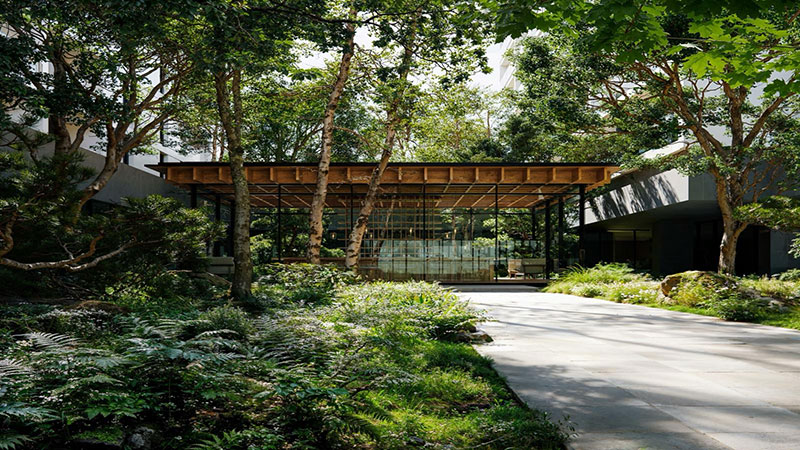
MIR is based in Norway and focuses on visual minimalism and emotional depth. Its renderings often strip away detail to highlight atmosphere, contrast and tone, and they can look more like editorial art than standard CGI.
It produces less but with more control, taking on projects through curated intake so each scene gets time and attention. It is considered one of the most artistic studios in the field, showing that visual storytelling can be quiet, contemplative and human even in rendering.
Which studio fits which kind of project?
| Need | Studios to look at |
| Full-service real estate launch with digital twins | Marygold Studio, Dbox |
| Strong photorealism on a sensible budget | NoTriangle Studio, RealSpace 3D |
| Product CGI alongside architecture | The Motion Tree |
| Cinematic, emotional or mood-led imagery | Fortes Vision, Luxigon, Arqui9 Visualisation, Brick Visual |
| Hospitality and high-end property realism | The Boundary, Vyonyx |
| Minimal, editorial visuals | MIR |
The table is a starting point, not a verdict. Review each studio’s recent work against your project before you request a quote.
Frequently asked questions
How much does 3D architectural rendering cost?
Pricing depends on scope, number of views and format, so ask each studio for a quote based on your own brief. Stills, films and interactive digital twins are priced very differently.
What files does a studio need to start?
Many studios can work from early sketches, CAD files or BIM models. Marygold Studio, for example, lists all three as starting points.
Do I need photorealism or a more artistic style?
Choose photorealism for design reviews and approvals, and a more cinematic or atmospheric style when you want to sell a feeling, such as for a luxury launch.
How do you pick a studio from this list?
Shortlist two or three studios whose style matches your purpose, ask for recent projects in your property type, and compare how each handles communication and timing. Send the same brief to each and judge the answers, not just the portfolio images.

Renowned for his expertise in logo design and visual branding, Bogdan has developed a multitude of logos for various clients.
His skills extend to creating posters, vector illustrations, business cards, and brochures. Additionally, Bogdan's UI kits were featured on marketplaces like Visual Hierarchy and UI8.
He also wrote in the past years on sites like Design Your Way, WebDesignerDepot, WPDean, Designmodo, Speckyboy, Slider Revolution, and more.

Bogdan Sandu is a seasoned designer who has been designing websites since 2008. Renowned for his expertise in logo design and visual branding, Bogdan has developed a multitude of logos for various clients. His skills extend to creating posters, vector illustrations, business cards, and brochures. Additionally, Bogdan's UI kits were featured on marketplaces like Visual Hierarchy and UI8. He also wrote in the past years on sites like Design Your Way, WebDesignerDepot, WPDean, Designmodo, Speckyboy, Slider Revolution, and more.
You Might Also Like