Have you ever stopped to think about how much visual content we consume daily? From the cereal box on your breakfast table to the sleek smartphone in your hand, graphic design is everywhere. However, a quiet revolution is underway behind the scenes, one that’s reshaping how these visuals are created and perceived: the rise of 3D rendering services.
It’s no longer just about flat images; designers are now stepping into a dynamic, three-dimensional world, and it’s changing everything. Working with a skilled 3d visualization company has become a game-changer, pushing the boundaries of what’s possible in design and offering an unparalleled level of realism and flexibility.
The Evolution of Graphic Design and the Rise of 3D Rendering
Graphic design has evolved significantly since its early days, characterized by hand-drawn illustrations and letterpress printing. For decades, it was a two-dimensional realm, constrained by the limitations of paper and screens. Then came the digital age, bringing with it powerful software that allowed for more intricate layouts and vibrant colors. But even then, creating realistic product mockups or dynamic branding visuals often required expensive photography shoots or painstaking manual illustration.
However, everything changed with the advent of 3D rendering services. At its core, 3D rendering is the process of generating a photorealistic or non-photorealistic image from a 2D or 3D model using a computer program. Think of it as building something virtually, then taking a “picture” of it from any angle, with any lighting, and with any material. This isn’t just a fancy trick; it’s a fundamental shift in how designers approach their work.
It provides an almost limitless canvas for creativity, allowing designers to transcend the limitations of reality and bring their wildest ideas to life with stunning accuracy. What once took days of physical prototyping can now be accomplished in hours, all within the digital sphere. This efficiency and boundless potential are precisely why it’s become an indispensable tool for designers across various industries.
Understanding 3D Rendering in Graphic Design
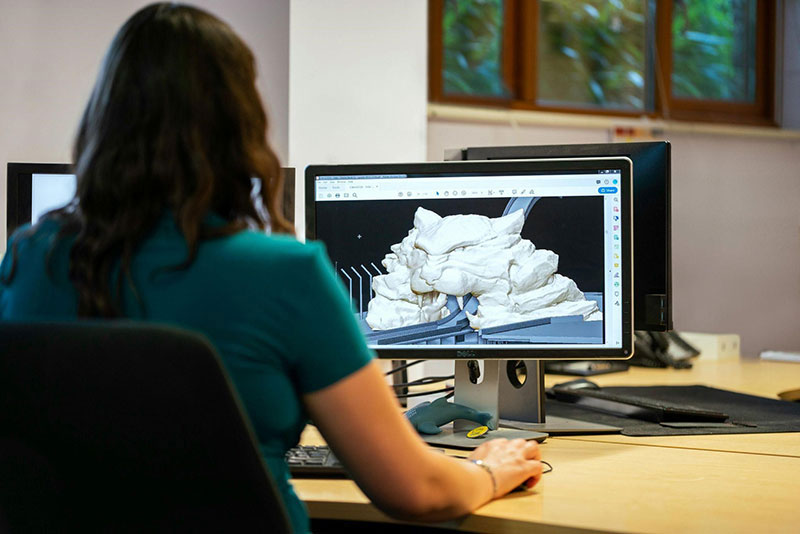
3D rendering relies on a few key elements. First, you have the 3D model, which is the digital representation of an object or scene. This model is a collection of points, lines, and surfaces that define its shape. Then come the materials or textures, which tell the software how the surface of the model should look – is it glossy plastic, rough concrete, or shimmering metal?
Next, we add lighting. Just like in real life, good lighting is crucial for creating depth, mood, and realism. Finally, the “rendering” part is where the computer crunches all this data – the model, materials, and lighting – to generate a final 2D image. It’s a complex computational process, but the result is often indistinguishable from a photograph. When you engage a 3d visualization studio, they handle all these intricate steps, ensuring that the final output perfectly matches your vision.
Key Applications of 3D Rendering in Modern Graphic Design
The applications of 3D rendering in graphic design are incredibly diverse, spanning across various industries and transforming how products are marketed, brands are established, and concepts are communicated. From consumer goods to architecture, the impact is profound.
Product Packaging Visualization
Remember the days of costly mockups and endless photoshoots for product packaging? Those days are rapidly fading. With 3D rendering services, designers can create incredibly realistic and highly customizable visualizations of product packaging without ever needing to produce a physical prototype. Imagine being able to see your new cereal box design from every angle, with different finishes and lighting conditions, all before a single piece of cardboard is cut. This not only saves immense amounts of time and money but also allows for rapid iteration.
A 3d rendering company can quickly generate multiple design options, allowing clients to make informed decisions with confidence. This efficiency means faster time-to-market for products and less waste, making it an environmentally conscious choice as well.
Digital Mockups and Prototypes
Beyond packaging, 3d render services are changing how designers create digital mockups and prototypes for a vast array of products. Think about furniture design, electronics, or even complex machinery. Instead of building expensive physical models, designers can create highly detailed 3D digital versions that can be manipulated, viewed from any angle, and even animated. This is especially vital for fields such as 3D architectural rendering services and architectural 3D rendering services, where visualizing a building before construction is crucial. A 3d architectural visualization studio can create incredibly immersive walkthroughs and exterior views, helping clients truly experience a space before it exists.
Enhanced Branding Visuals
Today, strong branding is paramount. 3D rendering services are empowering brands to create visuals that are more dynamic, engaging, and memorable than ever before. Forget flat, static logos; 3d rendering studio expertise can transform a simple logo into a living, breathing entity, complete with realistic textures, lighting, and animations.
This extends to marketing materials, advertisements, and even website design. An architecture rendering services firm, for instance, can create breathtaking visuals for a real estate developer, showcasing properties in the best possible light.
Whether it’s a sleek car advertisement or a high-end fashion campaign, 3D rendered visuals provide a level of sophistication and visual appeal that traditional methods often struggle to match. It’s about crafting an entire brand experience that resonates deeply with the audience.
Advantages of Integrating 3D Rendering into Graphic Design Workflows
The integration of 3D rendering services into graphic design workflows offers a plethora of benefits that extend far beyond aesthetics. It’s not just about making things look good; it’s about making the design process more efficient, cost-effective, and ultimately, more successful. Working with a dedicated 3D rendering agency or firm can unlock these advantages for designers and businesses alike.
Some key advantages include:
- Cost-Effectiveness: Say goodbye to expensive physical prototypes, elaborate photoshoots, and the logistical nightmares that come with them. 3D rendering significantly reduces these overheads, allowing for more budget to be allocated to other aspects of the project.
- Speed and Efficiency: Iteration is the name of the game in design. With 3D rendering, changes can be made swiftly, and new versions generated in minutes, not days. This significantly accelerates the design and approval processes.
- Realistic Visualization: The ability to create highly realistic and detailed representations is unparalleled. Clients can see exactly what they’re getting, minimizing misunderstandings and ensuring satisfaction.
- Flexibility and Customization: Do you need to change the material, color, or lighting of a product? No problem. 3D models are incredibly flexible, allowing for endless customization and experimentation.
- Versatility: From product design to 3d architectural visualization services and even intricate medical illustrations, 3D rendering is applicable across a vast spectrum of industries and design needs.
- Competitive Edge: In a visually saturated market, designers who leverage 3D rendering can offer more sophisticated, impactful, and innovative solutions, setting themselves apart from the competition.
Conclusion
The impact of 3D rendering services on modern graphic design is nothing short of revolutionary. We’ve journeyed from flat, static imagery to a dynamic, immersive world where designers can bring concepts to life with unprecedented realism and flexibility.
From creating stunning product packaging mockups to crafting compelling branding visuals and enabling exact digital prototypes, 3D rendering has become an indispensable tool. It’s not just a trend; it’s a fundamental shift in how we visualize and create, offering immense advantages in terms of cost, speed, and overall creative freedom. The future of graphic design, undoubtedly, is inextricably linked with the continued evolution and application of 3D rendering services.

Renowned for his expertise in logo design and visual branding, Bogdan has developed a multitude of logos for various clients.
His skills extend to creating posters, vector illustrations, business cards, and brochures. Additionally, Bogdan's UI kits were featured on marketplaces like Visual Hierarchy and UI8.
He also wrote in the past years on sites like Design Your Way, WebDesignerDepot, WPDean, Designmodo, Speckyboy, Slider Revolution, and more.
- The Windsurf Logo History, Colors, Font, And Meaning - 10 October 2026
- How to Remove Background From Product Photos (No Photoshop) - 10 October 2026
- How Designers can Build a Stronger Online Creative Identity - 9 October 2026

Bogdan Sandu is a seasoned designer who has been designing websites since 2008. Renowned for his expertise in logo design and visual branding, Bogdan has developed a multitude of logos for various clients. His skills extend to creating posters, vector illustrations, business cards, and brochures. Additionally, Bogdan's UI kits were featured on marketplaces like Visual Hierarchy and UI8. He also wrote in the past years on sites like Design Your Way, WebDesignerDepot, WPDean, Designmodo, Speckyboy, Slider Revolution, and more.
You Might Also Like