Startups should invest in branding early because identity shapes how customers, investors and partners judge a company before the product has a track record. A clear name, visual identity and voice make a young company look credible, easier to remember and easier to fund. Branding is not a logo and a color palette added after launch. It is the foundation of how people perceive the company, and early investment in identity and branding can influence trust, loyalty and even funding opportunities.
Why does branding matter for a startup from day one?
A startup has no reputation to lean on, so its brand does the talking. Three effects show up early.
Trust comes faster
People judge brands almost instantly. A cohesive identity helps a startup look credible before it has customers to point to. A fintech startup with a professionally designed identity is likely to win more trust than one using a generic template logo, because money products depend on a feeling of reliability.
You stand out in crowded markets
In a saturated category, branding is a shortcut to differentiation. A distinctive visual and verbal identity makes your product easier to remember and recommend. Companies such as Airbnb and Slack built distinct positions through consistent messaging and visual design, even where competitors were many.
Funding and partnerships get easier
Investors often read a strong brand as a sign of strategic thinking. A clear brand story helps in pitches for funding, partnerships and press. A SaaS startup with a polished brand deck usually looks more prepared than one that is still defining itself mid-presentation.
What are the core elements of a startup brand identity?
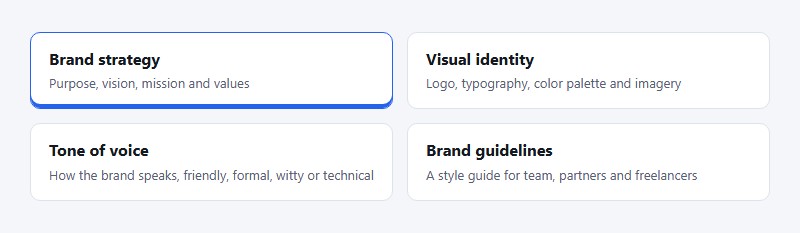
A startup brand has four parts that work together: strategy, visual identity, tone of voice and guidelines.
Brand strategy
Before designing anything, define the brand’s purpose, vision, mission and values. Strategy acts as the north star for every design and communication decision that follows.
Visual identity
The logo, typography, color palette and imagery should work together as a recognizable look, and the same look should appear on every platform. Color choices carry meaning, so read about the role of color psychology in brand identity before settling on a palette.
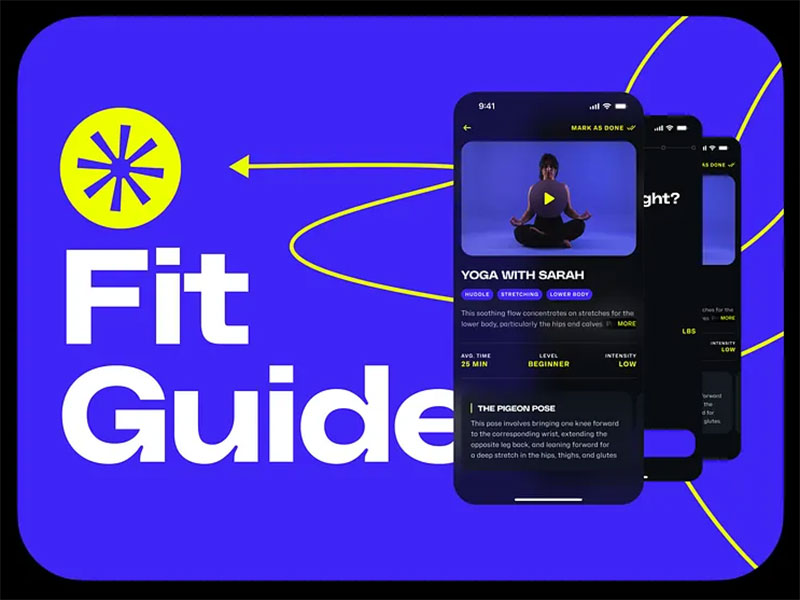
The example below, a fitness app identity by Shakuro, shows how a logo mark, type and interface style can share one visual language.
Tone of voice
The way a brand speaks should reflect its personality and values, whether friendly, formal, witty or technical. Consistency here matters as much as the visuals. Duolingo’s playful, humorous tone is nearly as recognizable as its green owl.
Brand guidelines
Write your decisions down in a style guide so the team, partners and freelancers stay aligned as you grow. A guide is never truly done, a point made in your style guide isn’t finished, and when it is time to pass assets to others, a clean brand identity handoff saves a lot of confusion.
How does poor branding hurt a startup?
- Mixed messages. Without a clear identity, startups send inconsistent signals, and users cannot tell what they offer or stand for.
- Weak emotional connection. People buy stories, values and identities as well as products. Thin branding gives them nothing to attach to.
- Wasted marketing spend. Ads without a brand foundation are like pouring water into a leaky bucket. You may drive traffic and still fail to convert or retain customers.
A simple test: show your homepage to a stranger for five seconds and ask what the company does and how it feels. Vague answers mean the brand is not doing its job yet. The distinctive digital identity guide covers how to sharpen that.
When should a startup invest in branding?

Before launch, at least at the essential level. Invest early in the core visuals, positioning and tone, and refine them as the company grows. Waiting for someday means your first customers meet an unfinished brand. A healthcare app, for example, should settle its compassionate, trust-centered identity before the first user signs up.
Should you hire professionals or do it yourself?
DIY branding is tempting and often lacks cohesion and scalability. Experienced website development and design teams help a brand grow in the right direction from the start. If you are comparing options, a shortlist of branding services for startups helps you find a team with early-stage experience.
How do you build brand equity from the start?
Treat every touchpoint as brand-building: each piece of content, product interaction and social media post should reinforce the identity. Startups that do this see compounding benefits over time.
Which startups built their brand early?
- Notion invested in minimalist, sophisticated branding that attracted professionals and teams before the product became mainstream.
- Glossier grew out of a beauty blog and built a community of loyal customers around its lifestyle brand before and while it launched products.
- Airbnb, Slack and Duolingo, mentioned above, show the same pattern: a consistent voice and look from the early days.
The point is the pattern, not any single case. Identity is part of how a startup grows, not a later task.
Frequently asked questions
How early should a startup start branding?
Before the public launch, at least the basics: name, logo, colors, typography and tone of voice.
Is a logo enough?
No. A logo is one part of the visual identity, and without strategy, voice and guidelines it will not make a company recognizable.
Can a startup rebrand later?
Yes, and many do. A solid early foundation makes later changes smaller and cheaper.
What should be done first, branding or the MVP?
Do both in parallel at a basic level. A light brand strategy shapes the product experience, and the MVP shows what the brand needs to say.
What is the first branding step for a startup?
Write your brand purpose, audience and three personality traits on a single page this week. Use that page to brief a designer or to build a first style guide before you create the next landing page.

Renowned for his expertise in logo design and visual branding, Bogdan has developed a multitude of logos for various clients.
His skills extend to creating posters, vector illustrations, business cards, and brochures. Additionally, Bogdan's UI kits were featured on marketplaces like Visual Hierarchy and UI8.
He also wrote in the past years on sites like Design Your Way, WebDesignerDepot, WPDean, Designmodo, Speckyboy, Slider Revolution, and more.

Bogdan Sandu is a seasoned designer who has been designing websites since 2008. Renowned for his expertise in logo design and visual branding, Bogdan has developed a multitude of logos for various clients. His skills extend to creating posters, vector illustrations, business cards, and brochures. Additionally, Bogdan's UI kits were featured on marketplaces like Visual Hierarchy and UI8. He also wrote in the past years on sites like Design Your Way, WebDesignerDepot, WPDean, Designmodo, Speckyboy, Slider Revolution, and more.
You Might Also Like