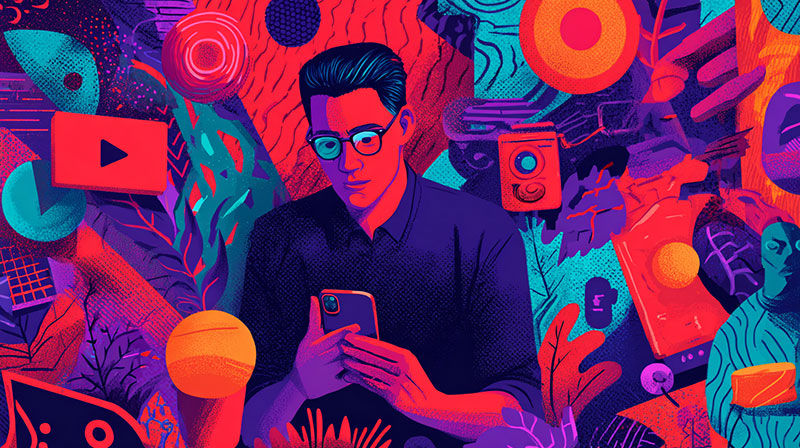
The digital marketing trends shaping strategy right now are AI-driven hyper-personalization, real-time and predictive analytics, voice and conversational search, AR and VR experiences, privacy-first data collection and IoT-based context, with blockchain and NFTs playing a smaller, more experimental role. Budgets are tight and customers expect relevant, instant answers on every channel, so the brands that do well treat these technologies as parts of one system rather than separate experiments.
The scale of the shift is already visible. TheeDigital’s 2025 research reports that AI-driven strategies now influence around 70 percent of digital marketing decisions and that millions of AI-generated ads are produced every month. Those figures come from the source, so treat them as directional, but they match what most teams see: automation is now a normal part of planning and execution.
What is hyper-personalization in digital marketing?

Hyper-personalization means adapting content, offers and timing to each individual in real time, using behavior, context and preferences rather than basic demographics. Modern AI systems analyze large numbers of data points to decide what a specific person sees.
In practice, that looks like website content that changes with visit history, location or device, emails that adjust subject lines and send times to each reader’s habits, and ads that rotate creative and messaging based on who is looking. Over several channels, the same systems build a profile that keeps messages consistent from one touchpoint to the next.
Setting this up well is difficult, and AI strategy consulting is one route for businesses that want help integrating machine learning models while keeping privacy compliance in view. The main trade-off to manage is depth of personalization against how much data customers are comfortable sharing.
How do real-time analytics and predictive insights help marketers?
Real-time analytics let marketers watch campaign performance and customer behavior as it happens and adjust immediately instead of waiting for a monthly report. Predictive models take this further by forecasting likely customer behavior and campaign outcomes, which supports better decisions about budget and timing.
The value comes from combining sources that were previously separate:
- Website analytics and user behavior tracking
- Social media metrics and engagement patterns
- CRM data
- External market and competitor data
- Live campaign performance indicators
With this data connected, messages, budgets and targeting can be tuned automatically as results come in, which reduces manual management. The customer journey is where those insights become actions, and mapping the customer journey for email marketing is a good example.
Why are voice search and conversational marketing growing?
People increasingly ask questions in natural language through smart speakers, phones and chat windows. That changes how content should be written: clear, direct answers to full questions instead of strings of keywords.
Chatbots and virtual assistants handle routine questions, guide purchases and collect feedback, and they give marketers behavioral data in return. For voice, content needs to be structured for featured snippets, local results and question-based queries, so assistants can pull out a short, authoritative answer. Voice commerce adds another requirement: simple product catalogs, clear descriptions and ordering flows that work without a screen.
How are AR and VR used in marketing?
AR and VR let customers try, explore or tour things that are not physically in front of them. They work best where seeing the product changes the buying decision, and common uses include:
- Furniture retailers letting customers place items in their own rooms.
- Automotive brands offering virtual test drives.
- Fashion brands providing virtual try-on for clothing and accessories.
- Real estate companies creating immersive property tours.
- Beauty brands offering virtual makeup and skincare testing.
AR filters on social platforms add a shareable layer, since users promote the brand by posting their own results. If you are interested in the shopping side of this, see how an AR viewer works for online stores, and how AI-generated visuals are changing AR and VR experiences.
Where do blockchain and NFTs fit in marketing?
Blockchain can make some marketing activity verifiable. Smart contracts can automate campaign execution and payments to influencers and partners, and records of activity are hard to alter afterward. NFTs have been used for digital collectibles, exclusive access programs and loyalty rewards, often to create scarcity and build community.
It is worth being realistic here. NFT interest cooled sharply after the 2021-2022 peak, and most brands now use them selectively, for example as access passes or loyalty tokens, rather than as a headline tactic. Decentralized marketing platforms promise direct brand-to-customer relationships with fewer intermediaries, but adoption is still limited. Treat this area as an experiment with a small budget.
What does privacy-first marketing involve?
Privacy rules and customer expectations have changed how data can be collected and used. Privacy-first marketing means collecting only the data you need, being clear about why, and giving people real control.
First-party data is central. Safari and Firefox already block third-party cookies by default, and even though Chrome has kept them, targeting based on external data keeps getting less reliable. Brands that offer something worth sharing data for, such as a useful tool or a personalized service, do better than those that depend on purchased data. Consent management and plain-language privacy policies help here, and they often increase willingness to share when done well.
Alternative methods include contextual advertising, cohort-based targeting and zero-party data, where customers tell you their preferences directly. These reach people without tracking individuals across the web.
How is IoT used in marketing campaigns?
Connected devices such as smart home gadgets, wearables and connected cars produce context-rich data about routines and needs. Marketers can use it to time messages, support products after purchase through updates and usage insights, and run location-based campaigns that respond to proximity to a store or event. For a simple version of that last idea, read this beginner’s guide to geofencing.
Combined with CRM data, IoT adds a view of physical behavior to digital behavior, which improves predictive models. Before starting, check these points:
- Privacy and security of device data
- Integration between IoT platforms and marketing systems
- Real-time processing needs for location-based campaigns
- Customer consent and transparency
- Capacity for growing numbers of devices and data volume
How do these trends work together?
Each trend is stronger when connected to the others. Personalization needs good data, analytics needs the same data in one place, and privacy rules decide what you can collect. Integrated platforms keep data flowing between systems and give customers a consistent experience across channels, which also lowers complexity and cost over time.
Teams need to stay flexible. Test new approaches in small steps, scale what works and invest in people as well as technology. Technology helps, but the basics stay the same: understand customers, create value and build relationships. For a counterweight to automation, see this guide to human-first digital marketing.
Frequently asked questions
Which digital marketing trend should a small business start with?
First-party data and basic personalization, such as segmented emails, give the best return for the least complexity. Add other trends once that foundation is working.
Are NFTs still useful for marketing?
Only in narrow cases, such as loyalty or access programs for an audience that already understands them. Do not build a campaign around them without testing demand first.
Is voice search worth optimizing for?
Writing clear, direct answers to common questions helps with voice, featured snippets and AI-generated answers alike, so it is rarely wasted effort.
How do I use AI without losing the human touch?
Use it for analysis, segmentation and drafts, and keep people in charge of strategy, tone and customer conversations.
What is a sensible next step?
Pick one trend that matches a real gap in your marketing, such as personalized email or better analytics, and run a small test for a quarter. Measure the result, then decide whether to scale it or move on.

Renowned for his expertise in logo design and visual branding, Bogdan has developed a multitude of logos for various clients.
His skills extend to creating posters, vector illustrations, business cards, and brochures. Additionally, Bogdan's UI kits were featured on marketplaces like Visual Hierarchy and UI8.
He also wrote in the past years on sites like Design Your Way, WebDesignerDepot, WPDean, Designmodo, Speckyboy, Slider Revolution, and more.

Bogdan Sandu is a seasoned designer who has been designing websites since 2008. Renowned for his expertise in logo design and visual branding, Bogdan has developed a multitude of logos for various clients. His skills extend to creating posters, vector illustrations, business cards, and brochures. Additionally, Bogdan's UI kits were featured on marketplaces like Visual Hierarchy and UI8. He also wrote in the past years on sites like Design Your Way, WebDesignerDepot, WPDean, Designmodo, Speckyboy, Slider Revolution, and more.
You Might Also Like