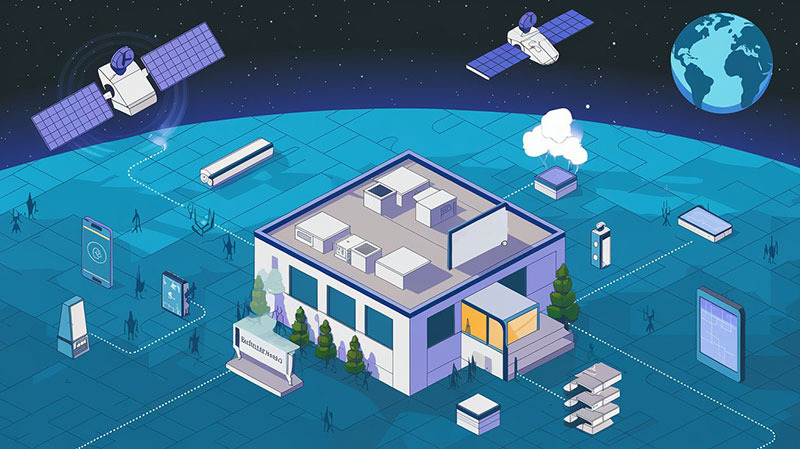
An online marketing tool known as geofencing has become increasingly popular among both businesses and individuals alike for its effectiveness in targeting locations and audiences digitally. It is essential for anyone seeking to improve their marketing tactics or adapt to the environment to have a grasp of this innovative technology. This featured article is designed to provide insights into geofencing by delving into its features and practical uses.
Exploring the Concept of Geofencing
So, what is Geofencing? Geofencing is a location-based service that establishes a boundary around a geographic area and interacts with devices, like smartphones, to initiate predetermined actions when someone enters or exits the assigned zone using GPS, Wi-Fi connections, or cellular data access points. This technology enables companies to connect with potential customers in a focused way.
The Operations of Geofencing
The first step is to outline a spot on a map. It could be anything from a tiny shop to a bustling metropolis. After setting this boundary in place, the system keeps an eye on devices entering and leaving this designated area. If anyone crosses this perimeter, alerts may be sent out, and targeted ads could be shown. This live engagement opens up a chance for companies to send tailored content directly to the customer.
Marketing Applications
Marketers have adopted geofencing as a strategy to connect with customers effectively by targeting specific locations and sending personalized messages to individuals in close proximity. For example, a local café could provide a discount to people nearby to attract customers and boost sales. This focused approach not only improves customer interaction but also boosts the chances of making a sale.
Improving Customer Satisfaction
Geofencing goes beyond marketing by enhancing customer engagement in meaningful ways. Retailers can leverage this technology to improve the shopping journey by sending alerts about in-store activities or exclusive deals. Moreover, service providers have the opportunity to deliver reminders or updates tailored to a client’s whereabouts, enabling personalized communication. Proactively engaging in this manner nurtures a bond and offers convenience to customers.
Addressing Privacy Concerns
Although geofencing has its advantages, both users and businesses alike must be mindful of the hidden threat of privacy issues that arise from it. Users are required to agree to have their location tracked, and companies are accountable for keeping data safe. Being clear about how data is gathered and utilized helps establish a bond of trust between companies and customers. It is crucial for companies to adhere to privacy laws in order to uphold this trust and respect the rights of users.
Engaging in Geofencing
When considering geofencing as an option for your business strategy and operations enhancement, there are some key steps that can lead to successful implementation. Firstly, determine the goals you aim to achieve through geofencing. This understanding will shape the design of the geofence and influence how interactions take place. Next, it is important to select the technology. There are platforms that offer geofencing features, and choosing one that meets your specific requirements is essential. Finally, it is crucial to assess performance. Checking on the results periodically enables you to make adjustments, maintain effectiveness, and keep in line with your business objectives.
When deploying location-aware apps to kiosks or staff devices, build resilience with regular system snapshots; Acronis disk imaging supports full-machine rollbacks if updates or configurations disrupt geofence performance.
Facing Obstacles and Finding Solutions
Despite the benefits it offers, geofencing comes with its share of difficulties. One issue is the reliability of accuracy, as it depends on the accuracy of device location services, which can sometimes be off. To address this concern, employing a mix of technologies like GPS and Wi-Fi can enhance the precision of geofencing. Moreover, it’s crucial for businesses to avoid bombarding users with notifications, as this might lead to them tuning out. Sending timely messages is key to keeping users engaged and fostering interactions.
Upcoming Trends in Geofencing Technology
Technology is constantly evolving, and so is geofencing, which is growing in both ability and reach with the integration of technologies like augmented reality and the Internet of Things (IoT). This advancement holds the potential to further improve its effectiveness for businesses by providing them with advanced methods to engage with customers and offer more immersive experiences.
Summary
Geofencing is a tool that has the potential to change how businesses engage with their customers. Its unique capability to provide personalized content based on location makes it a valuable asset in today’s business landscape. By familiarizing themselves with how geofencing works, its practical uses, and its hurdles, businesses can leverage this technology to improve customer interaction and achieve success. As geofencing advances over time, it will be crucial for businesses to stay updated and flexible in order to fully take advantage of its benefits.

Renowned for his expertise in logo design and visual branding, Bogdan has developed a multitude of logos for various clients.
His skills extend to creating posters, vector illustrations, business cards, and brochures. Additionally, Bogdan's UI kits were featured on marketplaces like Visual Hierarchy and UI8.
He also wrote in the past years on sites like Design Your Way, WebDesignerDepot, WPDean, Designmodo, Speckyboy, Slider Revolution, and more.
- The Windsurf Logo History, Colors, Font, And Meaning - 10 October 2026
- How to Remove Background From Product Photos (No Photoshop) - 10 October 2026
- How Designers can Build a Stronger Online Creative Identity - 9 October 2026

Bogdan Sandu is a seasoned designer who has been designing websites since 2008. Renowned for his expertise in logo design and visual branding, Bogdan has developed a multitude of logos for various clients. His skills extend to creating posters, vector illustrations, business cards, and brochures. Additionally, Bogdan's UI kits were featured on marketplaces like Visual Hierarchy and UI8. He also wrote in the past years on sites like Design Your Way, WebDesignerDepot, WPDean, Designmodo, Speckyboy, Slider Revolution, and more.
You Might Also Like