In the era of streaming media, viral short videos, and globalized content, design has long transcended mere visual presentation to become a cross-linguistic form of communication.
For UI and visual designers, this shift means their work no longer serves a single context but must resonate with users from diverse cultural and linguistic backgrounds.
As video, animation, and interactive design emerge as primary vehicles for brand storytelling, the relationship between visual design and language is fundamentally reshaped. Designers now face a new challenge: how to make videos resonate with everyone.
This is precisely the core of multilingual and localized design. It redefines the composition aesthetics, typography, and narrative techniques within dynamic visuals. These subtle design choices can significantly impact a brand’s message delivery.
Exceptional designers no longer pursue uniformity in form alone; they strategize how to maintain consistent visual rhythm and brand perception across different linguistic systems.
Why Multilingual Video Matters for Modern Designers
Video has become the world’s most universal narrative form-over 80% of internet traffic originates from video content. But with the rise of multilingual audiences, one-size-fits-all visual presentations no longer suffice.
For brands expanding into global markets, a single video often needs to be understood across multiple languages and cultures. This means designers must consider how visual elements interact with translated text, voiceovers, and subtitles while preserving the integrity of the original design.
Multilingual video design is more than just adding subtitles or voiceovers. It represents a fundamental shift in design thinking. Designers must re-examine every detail of visual composition-from typography, fonts, and color palettes to the rhythm of motion effects.
More crucially, it involves navigating interactions with diverse linguistic systems and cultural conventions. For instance:
- When subtitles occupy more screen space, does the visual focus need realignment?
- When right-to-left languages appear, does the interface layout remain fluid?
- When colors (like red and green) carry opposite symbolic meanings across regions, should adjustments be made to prevent misunderstandings?
These questions demand designers systematically integrate language, culture, and visuals into their creative process.
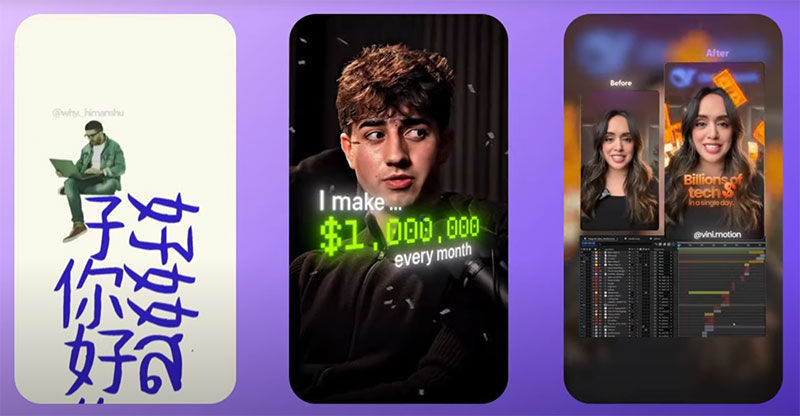
The Design Challenges of Global Video Localization
Designing for multilingual videos is far more than simple translation; it requires adaptive adjustments. Each language possesses its own unique rhythm, density, and visual balance.
The following design challenges frequently arise during video localization:
- Typography and Readability
Languages vary significantly in word length and character structure. English may fit neatly within a line, while Thai or Arabic text could overflow the frame. Languages like Japanese or Korean require more vertical space and distinct font weights.
Designers must anticipate these variations, building flexible layouts that maintain visual harmony while accommodating multiple language versions.
- Color and Cultural Symbolism
Colors carry emotional and cultural connotations. Red signifies passion in Western cultures but represents prosperity in East Asia. White conveys purity in some contexts while suggesting mourning in others.
When localizing videos for global markets, designers must evaluate whether color schemes and visual metaphors can transcend cultural barriers to convey core messages.
3. Motion and Timing
Motion design timing is often constrained by linguistic characteristics. For instance, CapCut’s subtitle animations flow smoothly in English, may appear rushed in Spanish, and could feel sluggish in Chinese.
Skilled designers adjust keyframes, duration, and transition effects to ensure each localized version maintains natural pacing.
4. Subtitles and Visual Balance
Subtitles enhance accessibility but can easily disrupt design layouts. Improperly positioned subtitles may obscure key visual elements or clash with typography.
Establish safe zones for subtitles by defining font, color, shadow, and transparency settings, and design a consistent subtitle style. This ensures readability without compromising aesthetics.
The Designer’s Role in Cross-Cultural Storytelling
Designers today are not just visual stylists-they are cultural translators.
A well-designed multilingual video communicates tone, emotion, and intent consistently, regardless of the spoken language.
To achieve this, design teams often collaborate with translators, local marketing teams, and AI tools. This intersection of human creativity and intelligent automation enables designers to work more efficiently while maintaining authenticity and nuance.
In short, designing for global audiences requires a shift in mindset: from creating visuals for one culture to orchestrating visual experiences that resonate universally.
How AI Tools Like VMEG Empower Global Video Design
While design sensitivity and cultural understanding remain human strengths, technology is making multilingual workflows faster and more seamless.
VMEG AI is an AI-powered video translation and localization platform designed to help creators and design teams deliver multilingual videos without compromising visual quality or brand consistency.

Instead of manually re-editing every version of a video, designers can use VMEG AI to:
- Translate and subtitle videos into multiple languages automatically, with accurate timing and style retention.
- Maintain consistent visuals-fonts, colors, and layouts remain stable across localized versions.
- Preview design balance instantly in different language versions before final export.
- Focus on creativity, letting the AI handle linguistic adaptation and synchronization.
Imagine a brand launching a global campaign in ten markets. With VMEG AI, the design team can produce localized versions that maintain the same typography, layout, and storytelling rhythm-ensuring every viewer experiences the same message, no matter their language.
By integrating tools like VMEG AI into the design workflow, creative professionals can spend less time managing technicalities and more time doing what they love: designing experiences that inspire.
Best Practices for Designing Multilingual Videos
Creating global-ready videos requires both technical preparation and creative foresight. Here are key practices every designer should follow:
1. Plan for Localization Early
Design your layout and timing with text expansion in mind. Leave flexible space for longer translations and variable word lengths.
2. Choose Universally Understandable Icons and Visuals
Avoid culturally specific symbols unless they are relevant to the target audience. Use neutral icons and imagery that convey meaning across regions.
3. Design Subtitle-Safe Zones
Keep essential visual elements away from the bottom third of the frame. Define subtitle placement areas to ensure readability.
4. Maintain Brand Consistency
Create a visual style guide for multilingual versions-define typefaces, caption backgrounds, and motion patterns that remain consistent across languages.
5. Use AI Tools for Efficiency
Leverage platforms like VMEG AI to streamline translation and subtitling while maintaining aesthetic control. AI can automate repetitive tasks and give designers more time for refinement.
6. Test Across Languages
Preview and test every localized version for text overflow, pacing, and visual balance. Subtle differences can affect the overall feel of the motion design.
Looking Ahead: The Future of Global Visual Communication
The line between design and technology is blurring fast. AI-powered tools are making it possible for creators to design adaptive videos that automatically adjust subtitles, layout, or even voiceover style based on the viewer’s language or region.
As design becomes more inclusive, multilingual communication will no longer be an afterthought-it will be an integral part of creative strategy.
Designers who understand both visual language and linguistic diversity will define the next generation of global storytelling.
Conclusion
The future of design lies in its ability to transcend borders. In this new era of visual communication, the most successful designers are those who can make their work speak fluently, visually and linguistically.
By embracing multilingual video design, creators open their work to the world.
And with intelligent tools like VMEG AI, the process becomes not only faster but also more creatively empowering.
As we move toward a more connected world, one truth stands out: great design doesn’t just look good, it speaks every language.

Renowned for his expertise in logo design and visual branding, Bogdan has developed a multitude of logos for various clients.
His skills extend to creating posters, vector illustrations, business cards, and brochures. Additionally, Bogdan's UI kits were featured on marketplaces like Visual Hierarchy and UI8.
He also wrote in the past years on sites like Design Your Way, WebDesignerDepot, WPDean, Designmodo, Speckyboy, Slider Revolution, and more.
- Canva AI Features Reviewed: Are They Actually Useful? - 4 October 2026
- The Substack Logo History, Colors, Font, And Meaning - 2 October 2026
- How UX Design Impacts SaaS User Retention and Churn - 1 October 2026

Bogdan Sandu is a seasoned designer who has been designing websites since 2008. Renowned for his expertise in logo design and visual branding, Bogdan has developed a multitude of logos for various clients. His skills extend to creating posters, vector illustrations, business cards, and brochures. Additionally, Bogdan's UI kits were featured on marketplaces like Visual Hierarchy and UI8. He also wrote in the past years on sites like Design Your Way, WebDesignerDepot, WPDean, Designmodo, Speckyboy, Slider Revolution, and more.
You Might Also Like