Durable book design means building a book so its binding, paper and cover keep working after years of handling, not just looking good on launch day. For creatives, it matters because a portfolio, art book or photo album is judged by touch and by how well it ages, and a spine that cracks or pages that yellow undercut the work inside. Durability also supports a book’s value on the shelf, its room for custom finishes, its range of uses and its environmental footprint.
What makes a book design durable?
Three parts decide how long a book lasts: the binding, the paper and the cover.
Binding
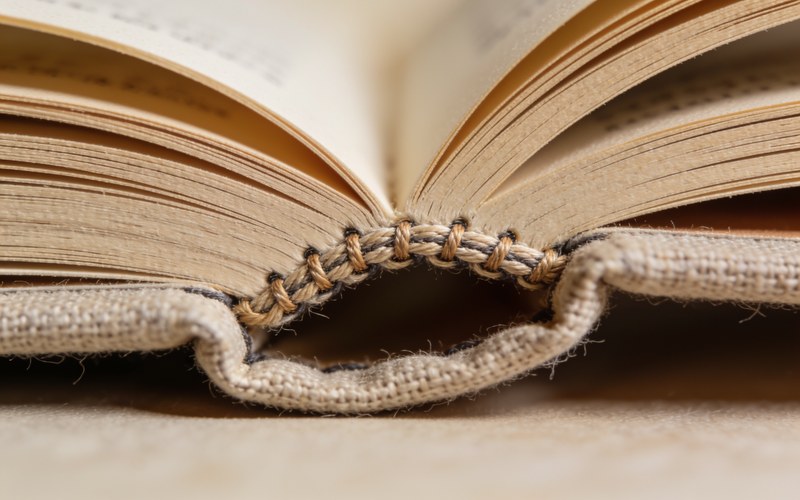
The binding takes the most stress. Sewn bindings, where folded sections of pages are stitched together, generally hold up better than glued-only bindings, because thread keeps pages attached even when adhesive ages. A hardcover (case binding) adds rigid boards and reinforced corners that protect the block from drops and daily handling.
Paper
Acid-free paper resists yellowing and becomes brittle more slowly, which matters for anything meant to be kept. Heavier stock also survives repeated page turns better than thin sheets.
Cover and finish
Laminates and coatings protect the cover from scuffs, fingerprints and light. A UV-coated or matte-laminated cover keeps its color longer than raw printed board.
Once you know which parts carry the load, the next question is why durability pays off for creative work in particular.
Why does durability matter for creative work?
A book is a container for ideas, art or stories meant to outlast the moment they were made. If the binding breaks or the pages deteriorate, the work inside is lost with it. This is most visible in portfolios, art books and projects with sentimental value.
Think of a photo album that tells a family’s story across decades. A weak spine or fading cover ruins that story long before the photos themselves fade. Strong materials such as reinforced spines and UV-coated covers protect against handling and light exposure, and they preserve what the creator meant to share.
How does durable design affect shelf appeal and sales?
For creatives who sell their work, durability signals value before anyone opens the book. On a crowded shelf, buyers reach for books that look sturdy and well made. A solid cover with a good finish, such as matte lamination or embossed titles, suggests professionalism and care.
It works like judging a suitcase by its material and zippers. Buyers connect outward strength with inner quality, so a firm binding and clean edges stand out against flimsy alternatives. This is also where cover design earns its keep. If you are working on the cover yourself, this guide on how to make a book cover in Canva is a practical starting point, as long as the finished file is paired with materials that can live up to it.
Which custom features work with a durable build?
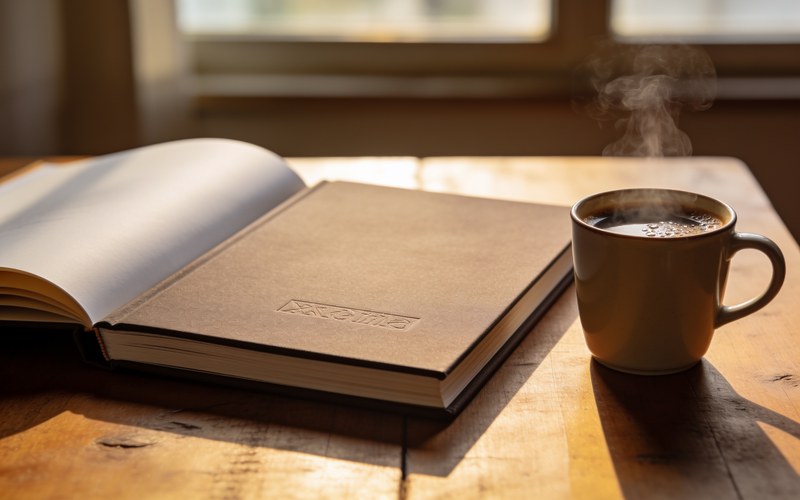
Most custom features are possible on a strong build, as long as the construction supports them. Lay-flat bindings let pages open fully while staying sturdy, which suits photography books, sketchbooks and spreads that run across the gutter. Debossed covers, embossed titles and specialty coatings add personality, but they only last when the board, wrap and adhesive underneath are good quality.
It is the same idea as a custom piece of furniture. Design flourishes need reliable craftsmanship to support them, otherwise they peel, crack or wear off first. Modern creatives use this combination to make books that reflect their style and still meet practical demands.
How do you match a durable book to its use?
Different uses stress a book in different ways, so the build should follow the job.
| Use | Main risk | What helps |
| Client portfolio | Frequent handling, corner damage | Hardcover with reinforced corners, scuff-resistant finish |
| Journal or sketchbook | Daily opening, flexing spine | Sewn or lay-flat binding, heavier paper |
| Photo album or art book | Light exposure, yellowing | Acid-free paper, UV-coated cover |
| Archive or keepsake | Time | Archival materials, sewn signatures, hard cover |
For everyday use, a hardcover with reinforced corners and durable pages protects against frequent handling, and smudge-resistant pages keep the work clean. That makes the book a tool for daily use and an artifact for archival storage at the same time.
How does durable book design support sustainability?
A well-made book lasts longer, so it needs replacing less often and creates less waste. Books built to last can be passed down, gifted or reused without losing their structure.
Material choices add to this. Using eco-friendly materials such as recycled paper or responsibly sourced covers fits the values of many creatives without lowering quality. The longevity and the environmental responsibility of a book work together: the less often it is replaced, the smaller its footprint over its lifetime.
What mistakes weaken a book’s durability?
- Choosing the cheapest glued binding for a book that will be opened daily, so the spine cracks within months.
- Pairing a heavy art-book layout with thin paper that creases and shows ink through the page.
- Using decorative finishes without checking that the cover board and adhesive can carry them.
- Ignoring light, which fades unprotected covers and yellows untreated paper.
- Treating the file as the finished product, when the print specification decides how the book ages.
Frequently asked questions
Is a hardcover always more durable than a softcover?
Usually, because rigid boards protect the pages. A well-bound softcover with a sewn or lay-flat spine can still outlast a poorly bound hardcover, so the binding method matters as much as the cover type.
What is acid-free paper and why does it matter?
It is paper made without acids that break down fibers over time. It resists yellowing and brittleness, which is why it is the standard choice for books meant to be kept.
Does a durable book cost more?
Often yes per copy, because better materials and sewn bindings cost more to produce. For portfolios, art books and gifts, the longer life usually justifies it, and it supports a higher selling price.
Can a durable book still be customized?
Yes. Embossing, debossing, specialty coatings and lay-flat bindings all work, provided the underlying build is strong enough to hold them.
Why should creatives plan for durability from the start?
Durability is part of the design, not an upgrade added at the end. It protects the work, strengthens its value on the shelf and cuts waste over time. Before your next print run, decide the binding, paper and cover finish together, and order a single test copy to check how it handles being opened fifty times.

Renowned for his expertise in logo design and visual branding, Bogdan has developed a multitude of logos for various clients.
His skills extend to creating posters, vector illustrations, business cards, and brochures. Additionally, Bogdan's UI kits were featured on marketplaces like Visual Hierarchy and UI8.
He also wrote in the past years on sites like Design Your Way, WebDesignerDepot, WPDean, Designmodo, Speckyboy, Slider Revolution, and more.
- How to Design Marketing Materials That People Actually Keep - 27 November 2026
- Behind the Logo: What Font Does Starbucks Use? - 26 November 2026
- Visual Hierarchy in Short Videos: How to Guide Attention Across a Sequence - 26 November 2026

Bogdan Sandu is a seasoned designer who has been designing websites since 2008. Renowned for his expertise in logo design and visual branding, Bogdan has developed a multitude of logos for various clients. His skills extend to creating posters, vector illustrations, business cards, and brochures. Additionally, Bogdan's UI kits were featured on marketplaces like Visual Hierarchy and UI8. He also wrote in the past years on sites like Design Your Way, WebDesignerDepot, WPDean, Designmodo, Speckyboy, Slider Revolution, and more.
You Might Also Like