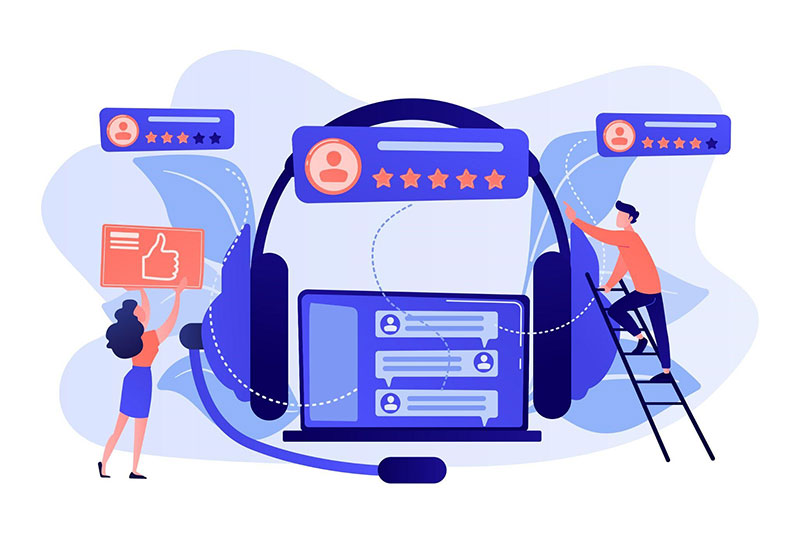
Interactive customer experience (CX) means giving people ways to take part in what they buy, learn about or use, instead of only reading about it. The most dependable tactics are short explainer videos, social media polls and live Q&As, gamified tutorials, augmented reality previews and personalized recommendations. When products look alike and every store ships fast, the way you sell often decides who gets the order and who gets the repeat order.
What is interactive customer experience?

It is the sum of every interaction a customer has with a brand, made more active by features that ask for a response: a poll, a quiz, a try-on, a question answered live. Static pages still matter, but shoppers now expect to get information in a clear, engaging way and in a form that suits them.
Think of a festival you remember well. It was not only the music but the whole atmosphere, the small moments that made you feel the organizers knew their audience. CX works the same way. People want to feel like valued customers, not a row in a spreadsheet, and interaction is the quickest way to show them they are. The tactics below start with video and move to social, games, AR and personalization.
How can AI video summarizers improve customer experience?
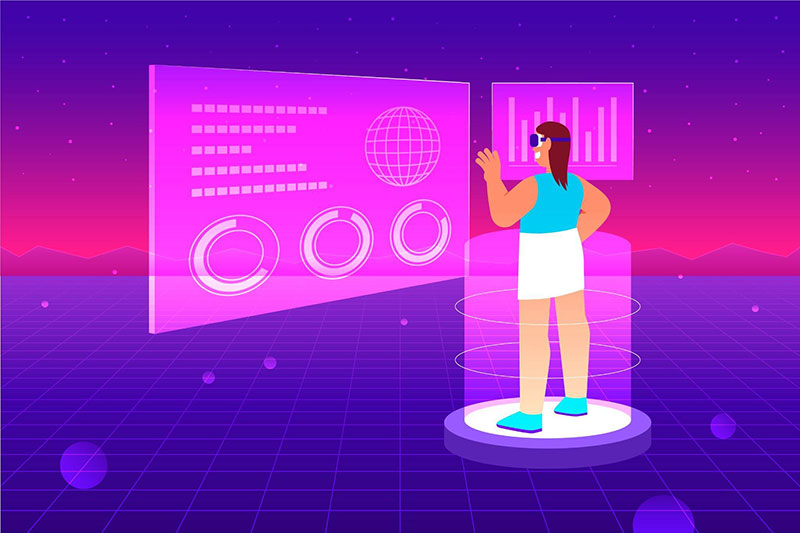
They turn long or technical material into short, clear explanations that customers will actually watch. An AI video summarizer condenses a long recording or a dense set of information into key points, which you can then turn into a short clip with voice narration or on-screen text. The result can cover product features, answer frequent questions or explain technical specifications in a compact form.
There are two practical benefits. Short clips with visuals are easier to understand and remember than a wall of specifications. And the same summary can be translated into several languages, which helps a store reach new markets.
Picture a store selling high-end cameras. Specifications such as low-light performance or image stabilization put casual buyers off. A thirty-second clip that shows the difference does the explaining, and shoppers who understand a product are more likely to buy it.
A custom avatar adds a branded presenter to these clips. It gives the videos a consistent face that is recognizably yours without needing a camera crew for every update. If you want a longer look at the summarizing side, see how designers use an AI summarizer in web and graphic design workflows.
How can social media make customer experience more interactive?
By making it a conversation instead of a broadcast. Social platforms are where customers already talk, so they are the cheapest place to start. Four formats work well:
- Polls and quizzes. Ask about product preferences, ideas or industry trivia. You collect useful insight and keep the audience engaged at the same time.
- Live Q&A sessions with experts. Employees or industry specialists answer customer questions directly, which feels like personal attention and shows your depth of knowledge.
- User-generated content. Invite customers to share photos or video challenges. People trust real people using a product more than polished ads.
- Fast, honest replies. Answer comments and messages promptly, deal with concerns openly and show that feedback is read. Loyal followings are built this way.
Social media also works well for informal learning, which leads to the next tactic: using game mechanics to teach customers about your product.
Can gamification improve customer experience?
Yes, especially for tutorials and product guides. Gamification applies game mechanics such as points, badges and leaderboards to non-game settings, which adds a sense of progress and friendly competition. A product tutorial built as a quiz, where users earn points for correct answers, holds attention far better than a page of instructions. So does a scavenger hunt that walks people through features and awards a badge for each one completed.
Rewards give the effort a purpose. Discounts or exclusive content for completing challenges or reaching a high score encourage return visits and push people to learn more about what you sell. Keep the mechanics light: the aim is to help customers learn the product, not to bury them in rules.
How does augmented reality improve customer experience?

AR lets customers see a product on themselves or in their own space before they buy. The most useful applications are virtual try-on for clothing, cosmetics and eyewear, which eases worries about fit and look, and room previews for furniture and appliances, such as checking whether a sofa suits the living room or a refrigerator fits the kitchen.
This builds trust as well as convenience. When customers can test fit, size and appearance in real conditions, there are fewer doubts at checkout. If you want the technical side, here is how an AR viewer works in a shopping context. AR also fits into the broader goal of creating memorable, immersive experiences.
How does personalization make customers feel seen?
It uses the data customers have already shared, such as what they browsed and bought, to make each visit more relevant. A returning visitor sees recommendations that match their taste instead of an endless product list. That saves time and signals that the store pays attention.
Recommendations are only the start. Offers that match known interests, or a birthday message with a discount code, show attentiveness in small ways. Personalization works best when it is useful and obvious in purpose. Use only the data customers expect you to use, and give them a way to change their preferences.
Frequently asked questions
What does CX stand for?
CX stands for customer experience, the overall impression a customer has of a brand across every interaction. Interactive CX focuses on the parts where the customer can take action or respond.
Is gamification suitable for every business?
It suits businesses where customers need to learn something, such as software, hardware or complex products. For simple, low-cost purchases, it may add friction, so test it before rolling it out widely.
Do small stores need AR?
No. AR pays off most for products where fit or placement is a concern. Small stores often get more from simple personalization and fast social replies first.
Which interactive CX tactic should you try first?
Pick the one that fits the data and content you already have. A store with a large catalog of technical products should start with explainer clips. A brand with an active audience should start with polls and live Q&A. A shop selling furniture, eyewear or cosmetics gets the most from AR.
Run one for a month, check what customers did with it, then expand. Small tests teach more than a big launch, and customers will tell you what they want if you ask in an interactive way.

Renowned for his expertise in logo design and visual branding, Bogdan has developed a multitude of logos for various clients.
His skills extend to creating posters, vector illustrations, business cards, and brochures. Additionally, Bogdan's UI kits were featured on marketplaces like Visual Hierarchy and UI8.
He also wrote in the past years on sites like Design Your Way, WebDesignerDepot, WPDean, Designmodo, Speckyboy, Slider Revolution, and more.
- How to Design Marketing Materials That People Actually Keep - 27 November 2026
- Behind the Logo: What Font Does Starbucks Use? - 26 November 2026
- Visual Hierarchy in Short Videos: How to Guide Attention Across a Sequence - 26 November 2026

Bogdan Sandu is a seasoned designer who has been designing websites since 2008. Renowned for his expertise in logo design and visual branding, Bogdan has developed a multitude of logos for various clients. His skills extend to creating posters, vector illustrations, business cards, and brochures. Additionally, Bogdan's UI kits were featured on marketplaces like Visual Hierarchy and UI8. He also wrote in the past years on sites like Design Your Way, WebDesignerDepot, WPDean, Designmodo, Speckyboy, Slider Revolution, and more.
You Might Also Like