


Metro Boomin doesn’t miss on album covers. From Pen & Pixel throwbacks to Pink Floyd references, every project he releases comes with artwork that gets people talking before they even hit play.
That’s rare for a producer. Most beatmakers let the label handle the visuals. Metro treats his album cover design like an extension of the music itself, building visual identities that hold up next to anything from Drake or other top rappers.
This breakdown covers the best Metro Boomin album covers across his full discography. You’ll find the visual concepts, hidden details, design credits, and cultural references behind each one, from Savage Mode in 2016 all the way through A Futuristic Summa in 2025.
The Best Metro Boomin Album Covers
Heroes & Villains (2022)
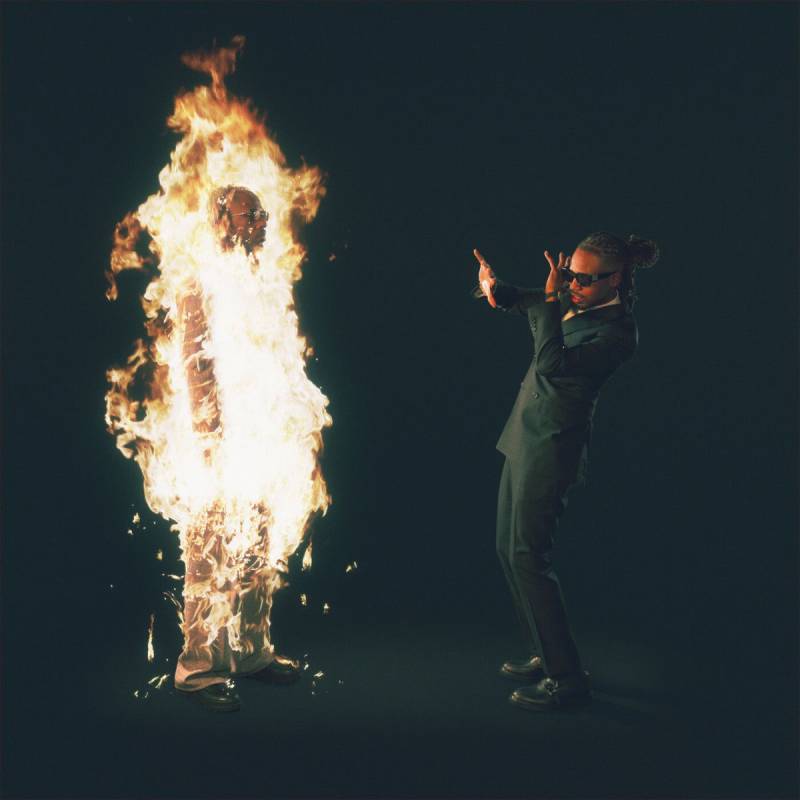
Visual Concept
Metro Boomin stands in a suit shaking hands with an identical version of himself engulfed in flames. The whole thing is a direct reference to Pink Floyd’s 1975 record Wish You Were Here, which used an almost identical setup.
The duality idea runs deep here. Hero meets villain. Light meets fire. It’s the kind of cover that tells you exactly what the album is about before you press play.
Art Direction and Design Credits
Metro rolled this one out with a full cinematic campaign. There was a trailer, a short film featuring Lakeith Stanfield and Morgan Freeman, and comic book-style depictions of every featured artist cast as either a hero or a villain.
The cover came alongside alternate comic book variants by artists Terre Pennel and Tokio Aoyama for the vinyl release. That’s three different cover versions for one project.
Color Palette and Mood
Bold shades of pink, orange, sky blue, and black. The contrast between the calm, suited Metro and the burning figure beside him creates immediate visual tension.
The warm tones from the fire against the cooler background give the artwork a cinematic, almost poster-like quality. Think movie one-sheet more than album cover.
Symbolism and Hidden Details
The handshake between self and shadow self. Your worst enemy is yourself, basically. The superhero and villain theme runs through the entire album, starting with ASAP Rocky’s narration on the intro track.
It was the second part of a planned trilogy that started with Not All Heroes Wear Capes.
Cultural and Musical References
Pink Floyd’s Wish You Were Here is the obvious one. But the comic book concept also ties into Metro’s growing “Metroverse” brand, which later became an actual comic book series.
Cover Art Variations
Three versions total:
- Standard cover (handshake with burning twin)
- Terre Pennel comic variant
- Tokio Aoyama comic variant
Fan Reception
Fans were split at first. Some loved the Pink Floyd nod. Others felt the artwork didn’t match the boldness of the music inside. But over time, it became one of the most recognizable hip hop album covers of 2022.
The comic book variants became collector’s items almost immediately.
Not All Heroes Wear Capes (2018)
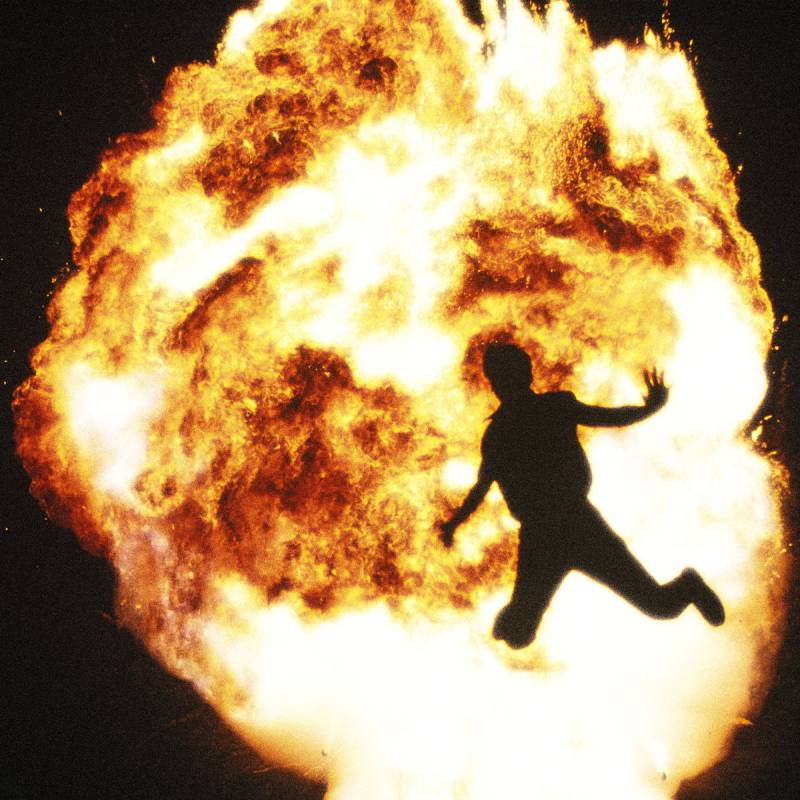
Visual Concept
A figure is launched into the air by a massive explosion behind them. That’s it. One person, one blast, total chaos. The simplicity is what makes it stick.
It sets up Metro’s whole visual identity going forward. Dark, cinematic, larger than life.
Art Direction and Design Credits
Metro’s team at Boominati Worldwide handled the rollout. Before the cover even dropped, mysterious “missing person” billboards appeared in Atlanta and New York City featuring Metro’s face. That guerrilla marketing move turned the album announcement into a full event.
Released through Republic Records, the cover design leaned into the superhero origin story idea. First chapter of the trilogy.
Color Palette and Mood
Dark, fiery tones. Lots of black, with the explosion bringing in oranges and yellows. The color palette matches the album’s production perfectly. Brooding, intense, with bursts of energy.
Symbolism and Hidden Details
The explosion represents Metro’s return from a brief retirement. He stepped away from music in spring 2018, and the blast on the cover reads like a comeback statement.
The lone figure flying through the air suggests a hero being forged. Not yet wearing a cape, but built by fire.
Cultural and Musical References
The album debuted at number one on the Billboard 200 with 99,000 units. It was Metro’s first chart-topping project and the start of what became a streak of number-one records.
Features from Travis Scott, 21 Savage, Gunna, Young Thug, and Drake made this a who’s-who of Atlanta trap music.
Cover Art Variations
Standard and deluxe editions shared the same cover. The deluxe added instrumental versions of all tracks but kept the artwork consistent.
Fan Reception
This cover became iconic for Metro’s brand. The explosion image was instantly meme-able and poster-worthy. Fans connected the raw energy of the visual with the dark production style inside.
Savage Mode II (2020)
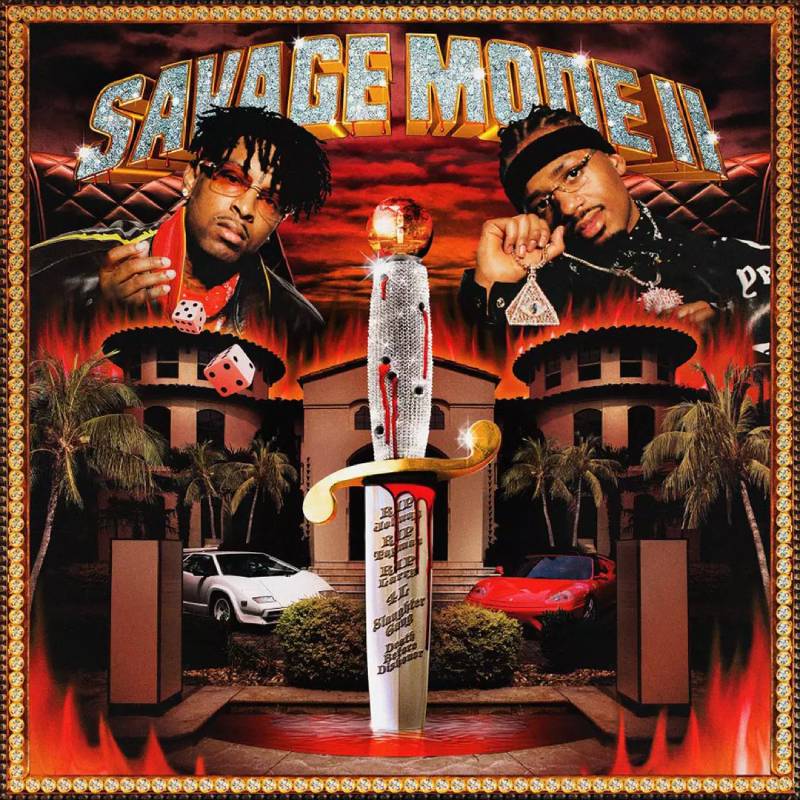
Visual Concept
Rolling dice, Lamborghinis, a mansion, crystal-studded knives, bullet holes dripping blood, and 21 Savage and Metro Boomin front and center dripping in jewelry. This was a full throwback to 1990s Southern rap album packaging.
It looks like it could have dropped in 1998. And that’s the whole point.
Art Direction and Design Credits
Pen & Pixel, the legendary Houston-based graphic design firm, came out of retirement for this project. Well, sort of. Co-founder Shawn Brauch created the initial sketches and designs, but the final cover was modified by Metro’s team after some last-minute creative differences.
The result is Pen & Pixel-inspired rather than a pure Pen & Pixel creation. Brauch later confirmed he was surprised by the changes when he saw the released version.
Color Palette and Mood
Gold, green, and deep reds dominate. Heavy saturation everywhere. The entire color theory behind it screams excess and wealth, which is exactly what those old Cash Money and No Limit Records covers were going for.
Symbolism and Hidden Details
Metro unveiled the cover on social media with the caption “Boominati Slaughter Gang taking over for the 2020 and the 21.” That line directly references Juvenile’s classic bar about Cash Money Records taking over the ’99 and the 2000.
The cover is stacked with symbols of Southern rap culture. Cars, diamonds, weapons. It’s a love letter to a very specific era.
Cultural and Musical References
Pen & Pixel designed covers for No Limit Records, Cash Money Records, and Suave House Records throughout the ’90s. They worked with over 8,000 clients and completed more than 19,000 album covers before closing in 2003.
This was their return. The album itself was narrated by Morgan Freeman, and the trailer played like a short horror film.
Cover Art Variations
The vinyl pressing featured an alternate cover. A chopped and screwed version of the album by OG Ron C and Slim K also used different artwork.
Fan Reception
Polarizing at first. Younger fans didn’t immediately get the reference. But older hip hop heads loved it. The cover sparked a renewed interest in Pen & Pixel’s legacy and vintage rap artwork as a design style.
The album debuted at number one on the Billboard 200 with 171,000 units.
We Don’t Trust You (with Future, 2024)
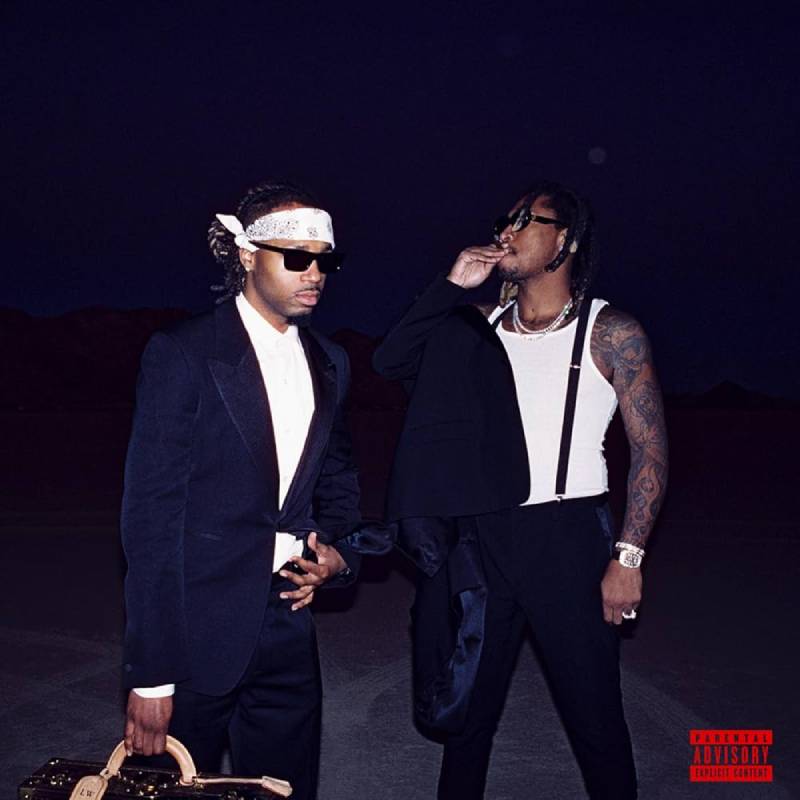
Visual Concept
Future and Metro Boomin standing in a desert, dressed in full suits. Future smokes while holding his jacket casually. Metro stands in front with a large duffle bag, dark shades, and a white bandana.
Clean. Confident. Two guys who clearly don’t need your approval.
Art Direction and Design Credits
The cover dropped alongside a trailer that featured audio from the late Prodigy and a voiceover from Tupac Shakur. The desert setting and suited styling gave the whole thing a crime drama feel, like a modern-day Scorsese poster.
Released through Freebandz, Epic Records, Boominati Worldwide, and Republic.
Color Palette and Mood
Warm desert tones. Sandy golds, muted blues in the sky, dark suit fabric. The analogous color range keeps everything feeling cohesive and grounded.
No flash. No bling. Just two people standing their ground.
Symbolism and Hidden Details
The duffle bag Metro carries suggests business. The desert location strips everything down to raw confidence and partnership. No studio, no city, no distractions.
The matching white SUVs in the trailer added another layer. Two vehicles, two albums, two sides of the same coin.
Cultural and Musical References
This album produced “Like That” featuring Kendrick Lamar, which debuted at number one on the Billboard Hot 100. That track became the centerpiece of a major rap beef in 2024.
The project debuted with 251,000 units, the biggest opening week of 2024 at the time.
Cover Art Variations
Two alternate CD covers were sold through Metro’s official shop. The vinyl release used a color variant of the standard artwork.
Fan Reception
Fans appreciated the understated approach after years of more elaborate Metro covers. The simplicity felt earned. These two didn’t need visual gimmicks at this point in their careers.
Without Warning (with 21 Savage & Offset, 2017)
Visual Concept
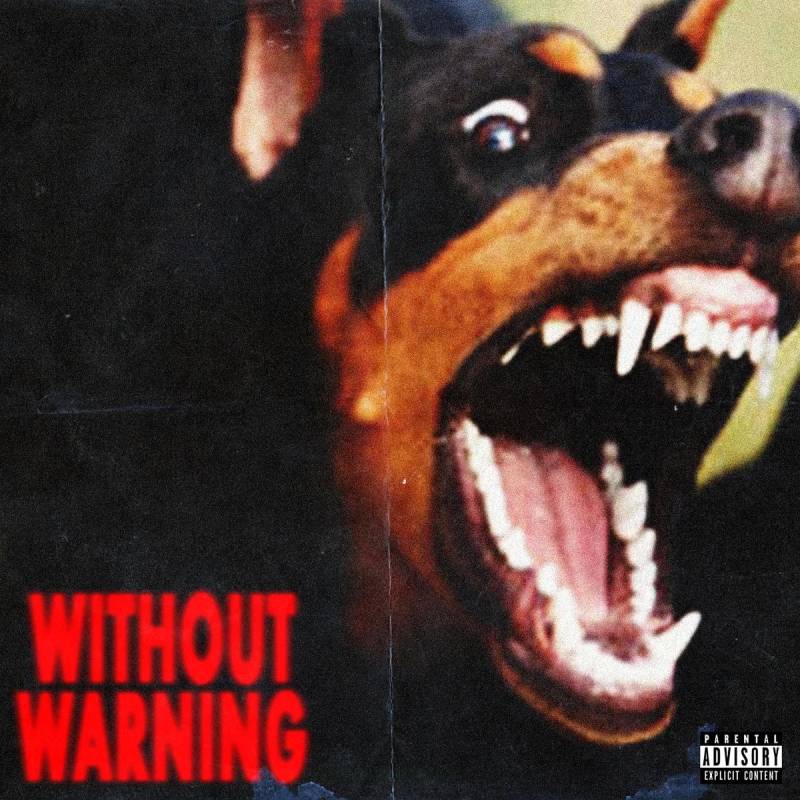
A snarling Doberman on a dark background, baring its teeth. Aggressive, minimal, and perfectly timed for a Halloween release. The dog looks like it’s about to charge directly at you.
No text clutter. No artist photos. Just a threat.
Art Direction and Design Credits
This was a surprise drop. The album was announced barely an hour before it went live on October 31, 2017. Epic Records shared the cover art the same night.
The minimalist approach to the artwork matched the no-warning rollout strategy. There were Instagram story teasers throughout the day, but nothing else.
Color Palette and Mood
Mostly black and dark grays, with the Doberman’s eyes and teeth catching the light. It’s a monochrome palette that works perfectly for the Halloween release date.
The mood is horror. Not supernatural horror, but the kind where you feel watched.
Symbolism and Hidden Details
The Doberman represents the project’s attack-dog energy. 21 Savage’s deadpan delivery, Offset’s rapid-fire flows, and Metro’s eerie production all come at you the same way that dog does.
Track titles like “Ghostface Killers,” “Nightmare,” and “Darth Vader” continued the menacing theme.
Cultural and Musical References
Metro’s production drew heavily from horror movie scores. Reviewers compared his synth work to John Carpenter’s soundtrack for the original Halloween. The album became synonymous with the holiday itself.
“Ric Flair Drip” peaked at number 13 on the Hot 100 and became one of the biggest trap songs of the decade.
Fan Reception
This cover is a fan favorite. The simplicity and timing made it memorable. It gets shared across social media every October without fail.
Savage Mode (with 21 Savage, 2016)
Visual Concept
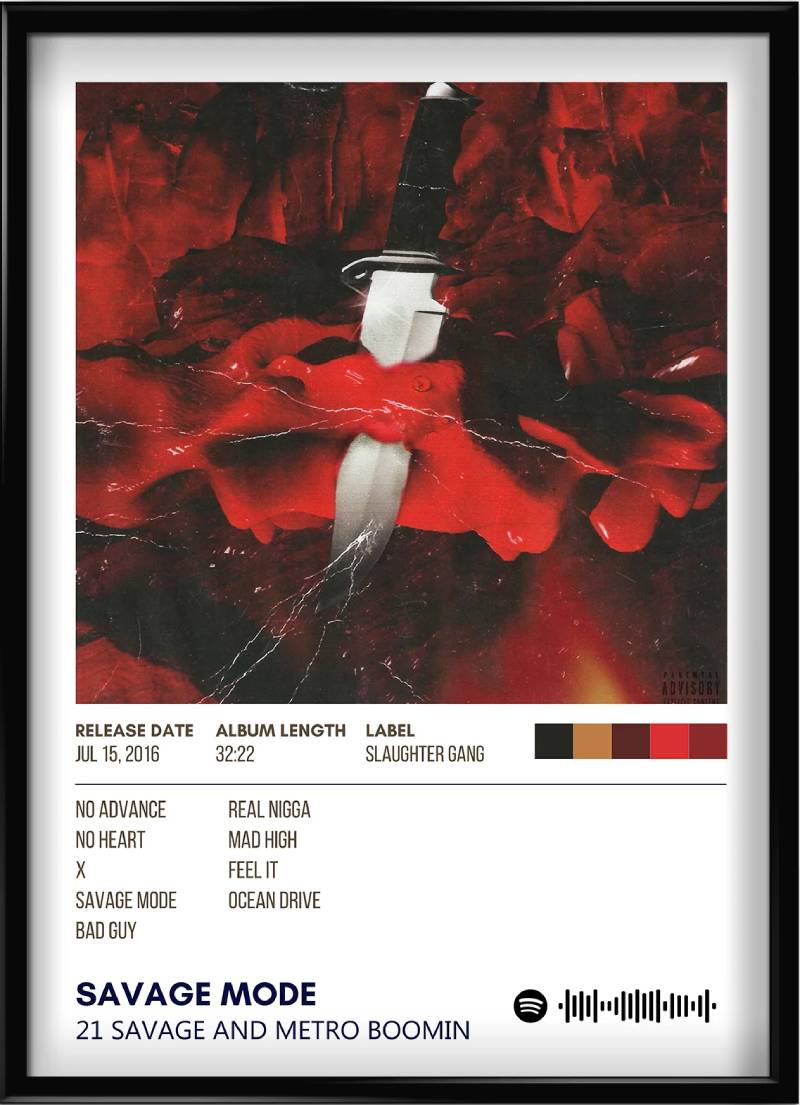
21 Savage sits on a curb in a hoodie, head down, with a dark red and black backdrop. The setting is deliberately stripped back. Gritty. Street-level. Nothing glamorous about it.
This is before the big budgets and cinematic trailers. It’s raw.
Art Direction and Design Credits
Self-released with no label support at the time. The artwork reflected that DIY approach. No flashy design studio, no elaborate concept. Just a photo that captured the mood of the music.
Color Palette and Mood
Deep reds and blacks. The limited color range creates a claustrophobic feeling that matches 21 Savage’s bleak storytelling and Metro’s brooding beats.
Symbolism and Hidden Details
The seated position and downward gaze suggest someone in their own world. Not performing for anyone. That isolation is key to 21 Savage’s entire persona, and this cover nailed it before he became a household name.
Cultural and Musical References
Pitchfork called it 21 Savage’s strongest and bleakest work. Complex described it as a “minor masterpiece in sound design.” The EP peaked at number 23 on the Billboard 200 and produced the double-platinum single “X” featuring Future.
Fan Reception
Looking back, this cover is where Metro’s visual identity started taking shape. Fans regularly point to Savage Mode as the beginning of a signature aesthetic. Dark, moody, and always tied directly to the music’s tone.
We Still Don’t Trust You (with Future, 2024)
Visual Concept
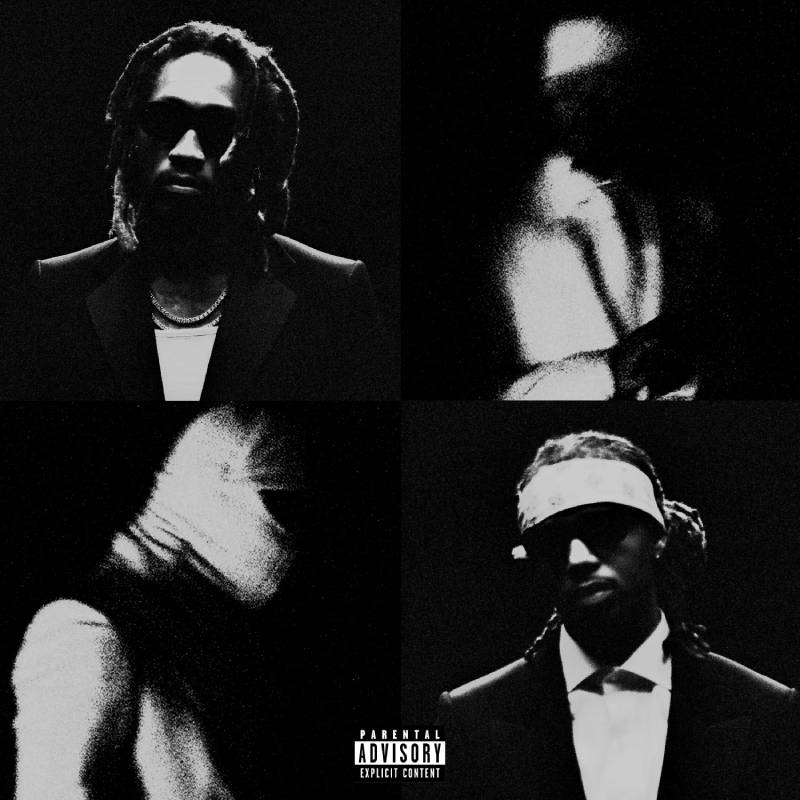
A black and white grid split into four squares. Two panels show Future and Metro in suits. The other two show them wearing masks. It’s a split-personality concept, pushing the trust theme even further.
Art Direction and Design Credits
The cover was revealed on April 10, 2024, just two days before release. Metro confirmed on Twitter that this was a completely separate album from We Don’t Trust You, not a deluxe edition.
A trailer showed the duo in white suits, matching the cover’s formal tone.
Color Palette and Mood
Strictly black and white. No color at all. The monochromatic treatment gives the whole thing a surveillance camera or mugshot quality. Paranoid and controlled at the same time.
Symbolism and Hidden Details
Suits suggest professionalism. Masks suggest deception. Together, they say: we’re capable of both, and you won’t know which version you’re getting.
The four-panel grid layout also mirrors the album’s two-disc structure.
Cultural and Musical References
The album expanded beyond typical trap into R&B, synth-pop, and melodic territory. The title track featured The Weeknd. It debuted at number one on the Billboard 200 with 124,500 units.
Fan Reception
Some fans found the grid layout too simple compared to the first album’s desert shoot. Others liked the spy-thriller energy. The black and white choice made it instantly distinct on streaming platforms where everything else was in full color.
Spider-Man: Across the Spider-Verse Soundtrack (2023)
Visual Concept
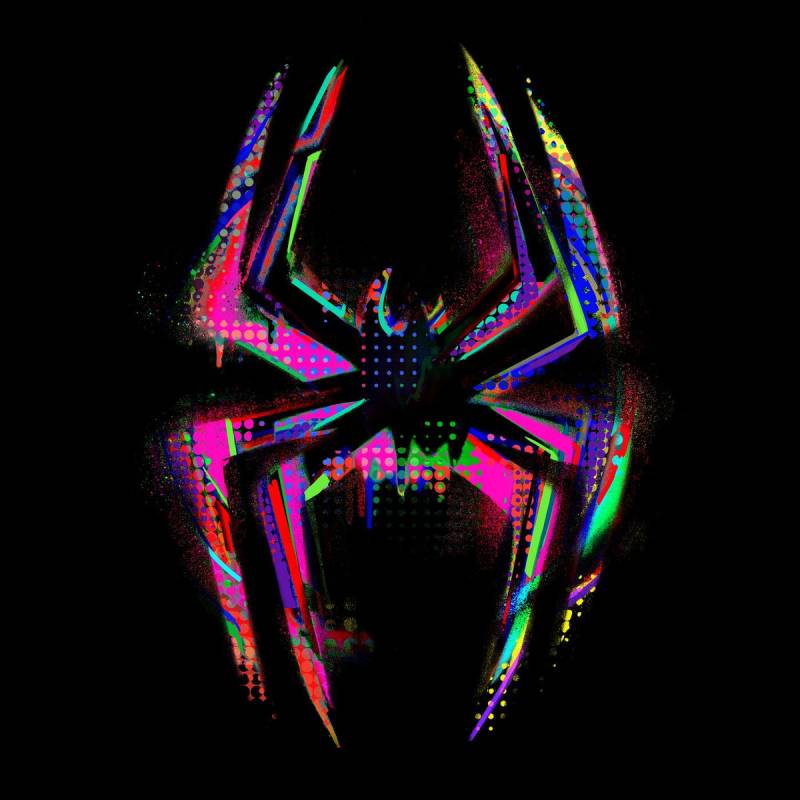
A multicolored Spider-Man logo against a solid black backdrop. Simple, but that color treatment made it pop on every streaming service and shelf.
The logo uses the film’s signature glitchy, multi-dimensional art style. Colors bleed and overlap, matching the movie’s multiverse concept.
Art Direction and Design Credits
Produced through Boominati Worldwide and Republic Records. The cover aligned with Sony Pictures Animation’s visual branding for the film. Metro announced the soundtrack on social media in May 2023, sharing the artwork alongside the June 2 release date.
Color Palette and Mood
The logo cycles through reds, blues, yellows, and purples against black. The gradient blending between colors mirrors the multiverse-hopping visuals from the film.
Bright and optimistic. A shift from Metro’s usual dark aesthetic.
Symbolism and Hidden Details
Metro’s involvement wasn’t just musical. He became a character in the Metroverse comic book universe, blurring the line between his real-world producer identity and the Spider-Man franchise.
Cover Art Variations
Multiple versions were available:
- Standard Spider-Man logo cover
- Miles Morales alternate cover for CD
- Heroes Version vinyl with different artwork
- Art Album Edition (indie exclusive)
Fan Reception
This project introduced Metro to a wider audience beyond hip hop. The soundtrack reached number five on the Billboard 200 with 66,000 units. Fans of both the film and Metro’s production praised the crossover.
A Futuristic Summa (2025)
Visual Concept
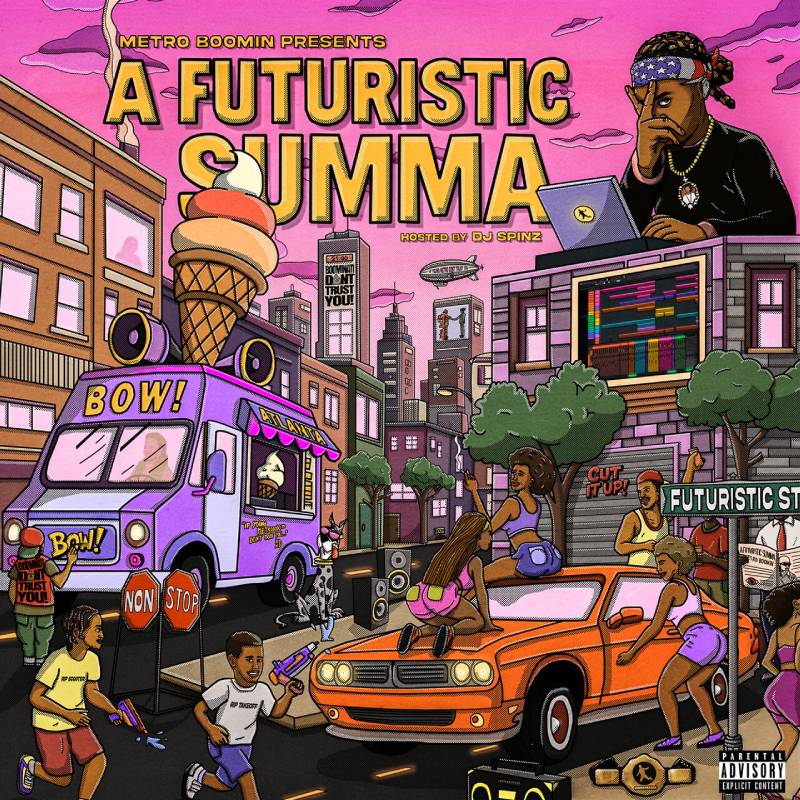
An illustrated Atlanta streetscape with kids playing, ice cream trucks, and hidden references packed into every corner. It looks like a detailed comic panel or a vintage mixtape cover brought to life with modern illustration techniques.
This one rewards close inspection. There’s something new every time you look at it.
Art Direction and Design Credits
Metro dropped the cover art on July 15, 2025. The mixtape, hosted by DJ Spinz, was released through Boominati Worldwide, Mercury, and Republic Records on August 1, 2025. It was his first solo mixtape in nearly twelve years.
Color Palette and Mood
Warm summer tones. Bright blues, greens, and oranges. The whole thing feels like a hot Atlanta afternoon. It’s the most vibrant and lighthearted cover in Metro’s entire discography.
Symbolism and Hidden Details
Fans who looked closely spotted several Easter eggs:
- A pixelated version of the Heroes & Villains cover hidden among the buildings
- A “Boominati Don’t Trust You” reference on a building wall
- Two kids wearing tribute tees for the late Takeoff and Young Scooter
- A championship belt lying on the ground
Cultural and Musical References
The entire mixtape pays tribute to 2010s Atlanta hip hop. Every featured artist is from Atlanta: Gucci Mane, Young Thug, Lil Baby, T.I., 21 Savage, Future, Quavo, Waka Flocka Flame, 2 Chainz, and more.
The cover’s old-school mixtape aesthetic matches that nostalgic direction perfectly.
Fan Reception
Fans loved the detail-heavy approach. The hidden references sparked social media threads where people pointed out things others missed. It was the kind of cover that generated its own conversation, separate from the music.
Double or Nothing (with Big Sean, 2017)
Visual Concept
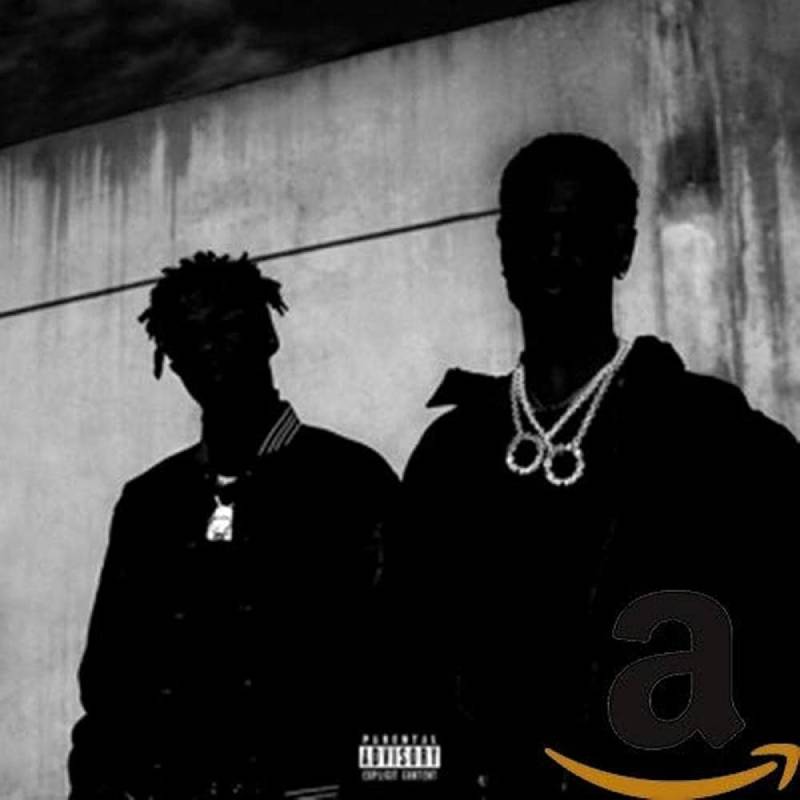
Metro Boomin and Big Sean sitting at a casino table, chips stacked, cards dealt. The gambling theme runs through the entire visual presentation. It’s a high-stakes poker game, and both players look like they’re holding winning hands.
Art Direction and Design Credits
Released through Getting Out Our Dreams (G.O.O.D. Music), Def Jam, Boominati Worldwide, and Republic Records. The cover matched the album title literally, playing the “double or nothing” concept straight with casino imagery.
Color Palette and Mood
Dark greens and golds, like a dimly lit poker room. The lighting feels like a scene from a heist movie. Warm but shadowy. The emphasis falls squarely on the two figures and the table between them.
Symbolism and Hidden Details
The casino metaphor works on two levels. Musically, this was a gamble for both artists. Big Sean was stepping away from his usual solo lane. Metro was testing collaborative album waters before committing to the format with later projects.
Chips on the table. All in.
Cultural and Musical References
The album reached number six on the Billboard 200. It featured Travis Scott, Young Thug, 2 Chainz, 21 Savage, Swae Lee, and Kash Doll. This was peak collaborative-album era for hip hop, and Double or Nothing was right in the middle of it.
Fan Reception
The cover is probably the least discussed among Metro’s major projects, but it still holds up. The straightforward concept and clean execution gave it a timeless quality. It doesn’t try too hard, which is exactly why it works.
FAQ on Metro Boomin Album Covers
Who designs Metro Boomin’s album covers?
Metro works with different artists depending on the project. Pen & Pixel handled elements of the Savage Mode II artwork. Heroes & Villains featured comic book variants by Terre Pennel and Tokio Aoyama. His team at Boominati Worldwide oversees the overall creative direction.
What is the meaning behind the Heroes & Villains cover?
Metro shakes hands with a burning version of himself. It references Pink Floyd’s 1975 album Wish You Were Here. The duality concept ties into the album’s superhero and villain theme, representing the internal battle between light and darkness.
Why did Pen & Pixel design the Savage Mode II cover?
Metro Boomin wanted to pay tribute to 1990s Southern rap album artwork from Cash Money and No Limit Records. Pen & Pixel, the Houston design firm behind those classic covers, came out of retirement for the project. The final version was modified from their original design.
What are the hidden details in the A Futuristic Summa cover?
The 2025 mixtape cover contains several Easter eggs. There’s a pixelated Heroes & Villains reference, tribute tees for Takeoff and Young Scooter, a “Boominati Don’t Trust You” sign, and a championship belt on the ground.
How many alternate cover versions does Metro Boomin release?
It varies by project. Heroes & Villains had three versions. The Spider-Man: Across the Spider-Verse soundtrack had four, including an indie exclusive Art Album Edition. We Don’t Trust You had two alternate CD covers sold through his official shop.
What makes Metro Boomin’s visual style different from other producers?
Most producers don’t control their own visual identity. Metro treats every cover like a creative project with references, hidden details, and thematic consistency. His artwork connects across releases, building a recognizable brand from Savage Mode through A Futuristic Summa.
What is the Without Warning album cover?
A snarling Doberman against a dark background. The 2017 collaboration with 21 Savage and Offset dropped on Halloween as a surprise release. The aggressive, minimal cover matched the horror-inspired trap production and the no-warning rollout strategy.
Are Metro Boomin album covers available as posters?
Yes. Official prints and vinyl artwork are sold through Metro’s Boominati shop. Third-party sellers on Amazon and Etsy also carry canvas and framed versions. The Heroes & Villains and Savage Mode II covers are among the most popular choices.
What size are Metro Boomin’s album covers for streaming?
Standard streaming cover art displays at 3000 x 3000 pixels for platforms like Spotify and Apple Music. Physical formats vary. Vinyl sleeves typically measure 12.375 x 12.375 inches, while CD booklets run at standard jewel case dimensions.
Did Metro Boomin create artwork for the Spider-Man soundtrack?
Yes. Metro curated the entire Spider-Man: Across the Spider-Verse soundtrack in 2023. The cover features a multicolored Spider-Man logo against black, matching the film’s glitchy multiverse art style. It reached number five on the Billboard 200.
Conclusion
Every Metro Boomin album cover tells its own story. From the Pen & Pixel nostalgia on Savage Mode II to the Pink Floyd nod on Heroes & Villains, Leland Tyler Wayne approaches album artwork with the same care he puts into his trap production.
That consistency is what separates him from other producers in the Atlanta hip hop scene. The visual branding across his discography with 21 Savage, Future, and his solo projects builds something bigger than any single release.
Whether you’re studying the hidden details in A Futuristic Summa or grabbing a vinyl pressing of the Spider-Man soundtrack, the art direction always matches the music.
Few producers on Republic Records or anywhere else treat packaging design as part of the creative process the way Metro does. His covers aren’t afterthoughts. They’re part of the project.

Renowned for his expertise in logo design and visual branding, Bogdan has developed a multitude of logos for various clients.
His skills extend to creating posters, vector illustrations, business cards, and brochures. Additionally, Bogdan's UI kits were featured on marketplaces like Visual Hierarchy and UI8.
He also wrote in the past years on sites like Design Your Way, WebDesignerDepot, WPDean, Designmodo, Speckyboy, Slider Revolution, and more.
- Jujutsu Kaisen Font Generator - 12 October 2026
- The Windsurf Logo History, Colors, Font, And Meaning - 10 October 2026
- How to Remove Background From Product Photos (No Photoshop) - 10 October 2026

Bogdan Sandu is a seasoned designer who has been designing websites since 2008. Renowned for his expertise in logo design and visual branding, Bogdan has developed a multitude of logos for various clients. His skills extend to creating posters, vector illustrations, business cards, and brochures. Additionally, Bogdan's UI kits were featured on marketplaces like Visual Hierarchy and UI8. He also wrote in the past years on sites like Design Your Way, WebDesignerDepot, WPDean, Designmodo, Speckyboy, Slider Revolution, and more.
You Might Also Like


