Mix a dab of red into yellow and watch it bloom into a warm glow. So what color do red and yellow make? The answer is orange, a secondary color that sits right between its two parents on the color wheel.
That simple mix hides real depth. The exact shade swings from fiery red-orange to soft golden amber, decided by your ratio and pigments.
This guide breaks down the why behind the result, from subtractive mixing to basic color theory.
By the end, you will know:
- Why red and yellow make orange
- How different ratios shift the shade
- How paint, light, and hex codes each differ
What Color Do Red and Yellow Make
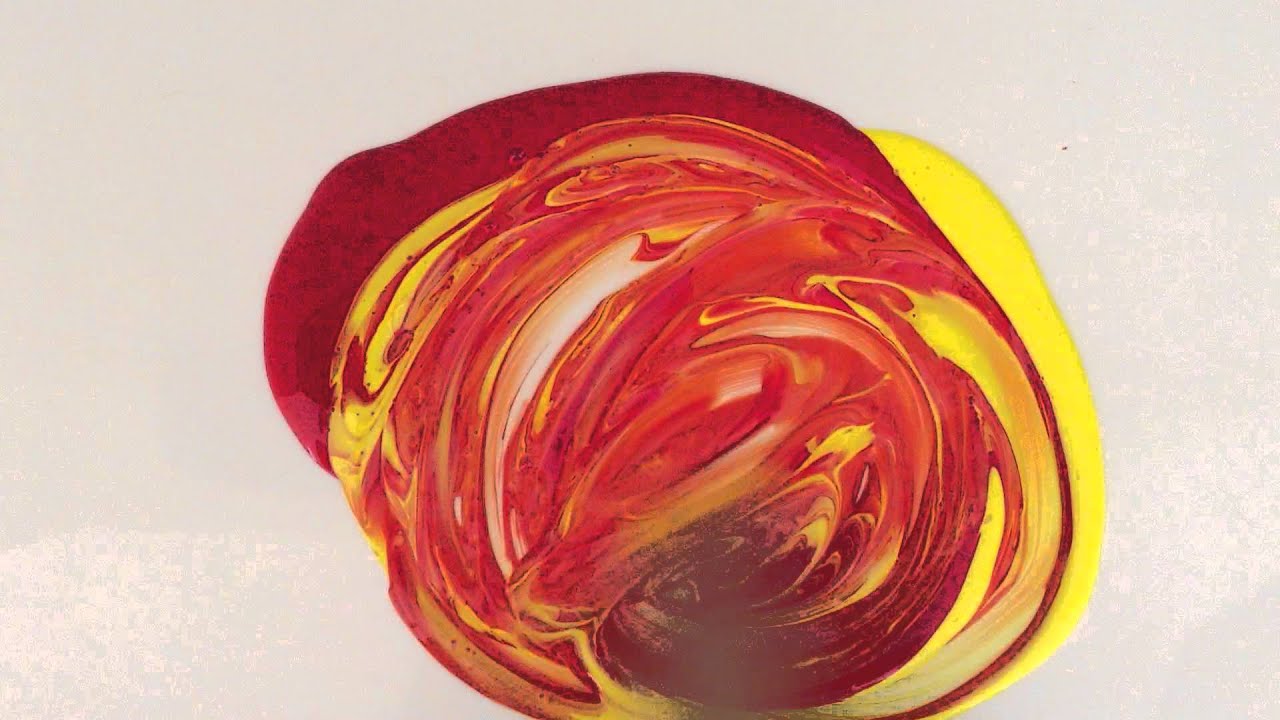
Red and yellow make orange. Combined as paint or pigment, these two colors produce orange, a secondary color that sits directly between them on the color wheel.
The exact result is not one fixed orange.
Push in more red and it deepens. Add more yellow and it brightens toward gold.
This is the classic pigment answer most people want when they blend two colors by hand.
Quick version: red plus yellow equals orange in every paint set, from cheap kids’ tempera to artist-grade orange acrylics.
Mixing red and yellow light runs on a different system than paint. More on that below.
Why Do Red and Yellow Make Orange

Red and yellow make orange because of subtractive mixing. Each pigment absorbs part of the visible spectrum, and the wavelengths both pigments leave alone reflect back to your eye as orange, roughly 585 to 620 nanometers.
Orange lands between red and yellow on the spectrum. Britannica places orange light in the 585 to 620 nm range, right next to red, which holds the longest visible wavelengths.
How Subtractive Color Mixing Works
Pigments subtract light. A red pigment soaks up most green and blue wavelengths and reflects red. Yellow absorbs blue and reflects both red and green.
Layer them and the overlapping absorption cancels the cooler wavelengths. What survives reads as orange.
Paint mixing sits inside subtractive color theory. The pigment removes light instead of adding it.
Red and Yellow as Primary Colors on the RYB Wheel
In the RYB model, red and yellow are two of the three primary colors, alongside blue.
Mix any two primaries and you get a secondary. Red and yellow give orange, yellow and blue give green, red and blue give purple.
- Painter Jacob Christoph Le Blon documented that red plus yellow makes orange back in 1725
- The RYB wheel later anchored the Bauhaus color curriculum through Johannes Itten
Orange, green, and purple are the three secondaries on any standard color wheel.
What Shades of Orange Do Different Red and Yellow Ratios Make

The red-to-yellow ratio decides the shade.
More red makes a deep red-orange. More yellow makes a light golden orange, and equal parts sit in the middle.
Same two tubes, a dozen possible oranges. The mixing ratio does the heavy lifting.
| Mix Ratio | Result | Reads As |
|---|---|---|
| 2 red : 1 yellow | Red-orange | Warm, fiery |
| 1 red : 1 yellow | True orange | Balanced |
| 1 red : 2 yellow | Yellow-orange | Golden, soft |
Red-Orange, True Orange, and Yellow-Orange
Red-orange: red-dominant, leaning into red-orange and vermilion territory.
True orange: the even split, the pure secondary hue on the wheel.
Yellow-orange: yellow-dominant, sliding toward yellow-orange and warm amber.
How Warm vs Cool Reds and Yellows Change the Result
The pigment you pick shifts the final orange as much as the ratio does.
Warm reds and warm yellows, like the cadmium versions, mix a clean bright orange.
Cool, blue-leaning pigments like alizarin crimson and lemon yellow mix a muddier, grayer orange.
Blue is orange’s complement, so any hidden blue drags the hue toward brown.
What Color Do Red and Yellow Light Make
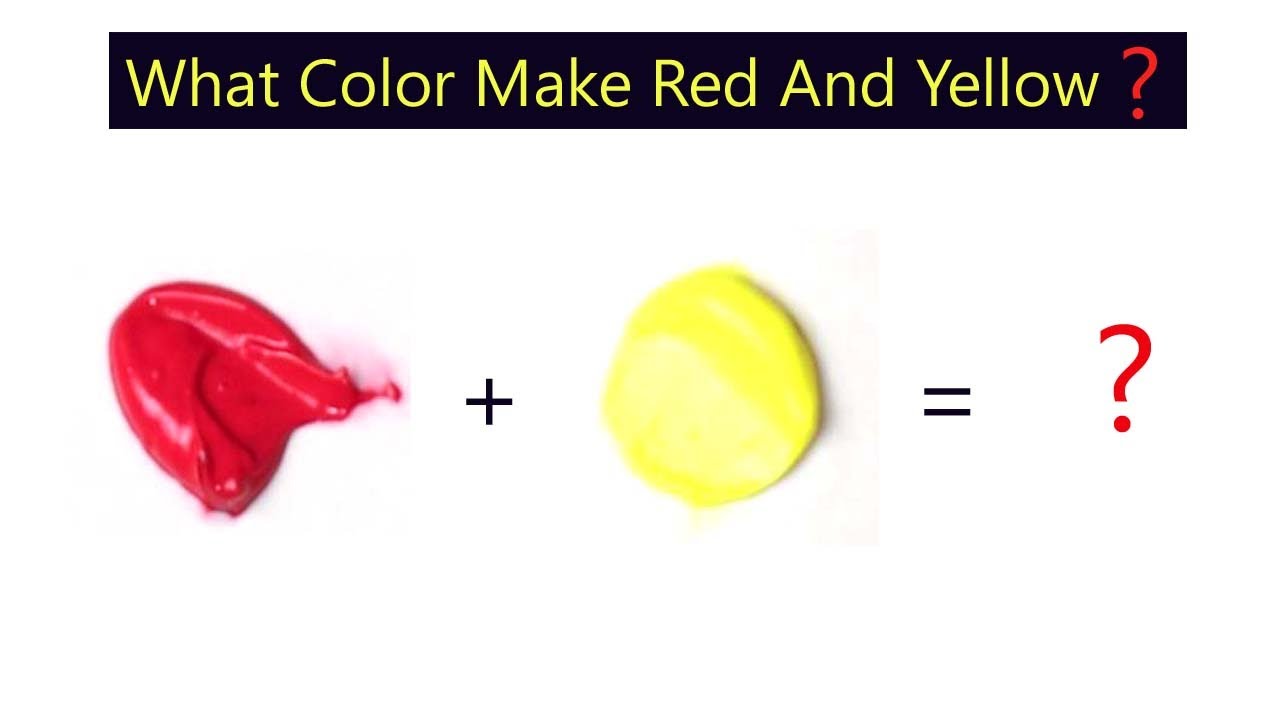
Red and yellow light do not mix like paint.
Screens and stage lights use additive RGB, where red light plus green light already makes yellow. No separate yellow primary exists in light, so the two systems diverge.
Overlap red and yellow beams and you land somewhere in the orange-to-yellow zone. The model underneath is nothing like pigment.
Additive vs Subtractive Mixing Compared
| Factor | Subtractive (Paint) | Additive (Light) |
|---|---|---|
| Primaries | Red, yellow, blue | Red, green, blue |
| Mixing action | Absorbs wavelengths | Emits wavelengths |
| All combined | Muddy brown to black | White |
Your phone and monitor never blend pigment. They fire RGB light at your eyes, which is why a painted orange and a screen orange rarely match.
What Are the Hex and RGB Codes for the Orange You Get
The web-standard orange is #FFA500, which is RGB 255, 165, 0. That is full red, mid green, zero blue, the CSS color literally named “orange.”
Mixed paint almost never matches a screen hex exactly. Codes are still the fastest way to lock a shade in design tools.
| Shade | Hex | RGB |
|---|---|---|
| Orange | #FFA500 | 255, 165, 0 |
| Red-orange | #FF4500 | 255, 69, 0 |
| Yellow-orange | #FFAE42 | 255, 174, 66 |
Designers reach for these in Figma, Photoshop, and CSS. To jump between formats, an RGB to hex converter or a hex to RGB converter skips the manual math.
For print work, orange also carries a Pantone reference and a CMYK breakdown of 0, 35, 100, 0.
How to Mix Red and Yellow Paint to Make Orange
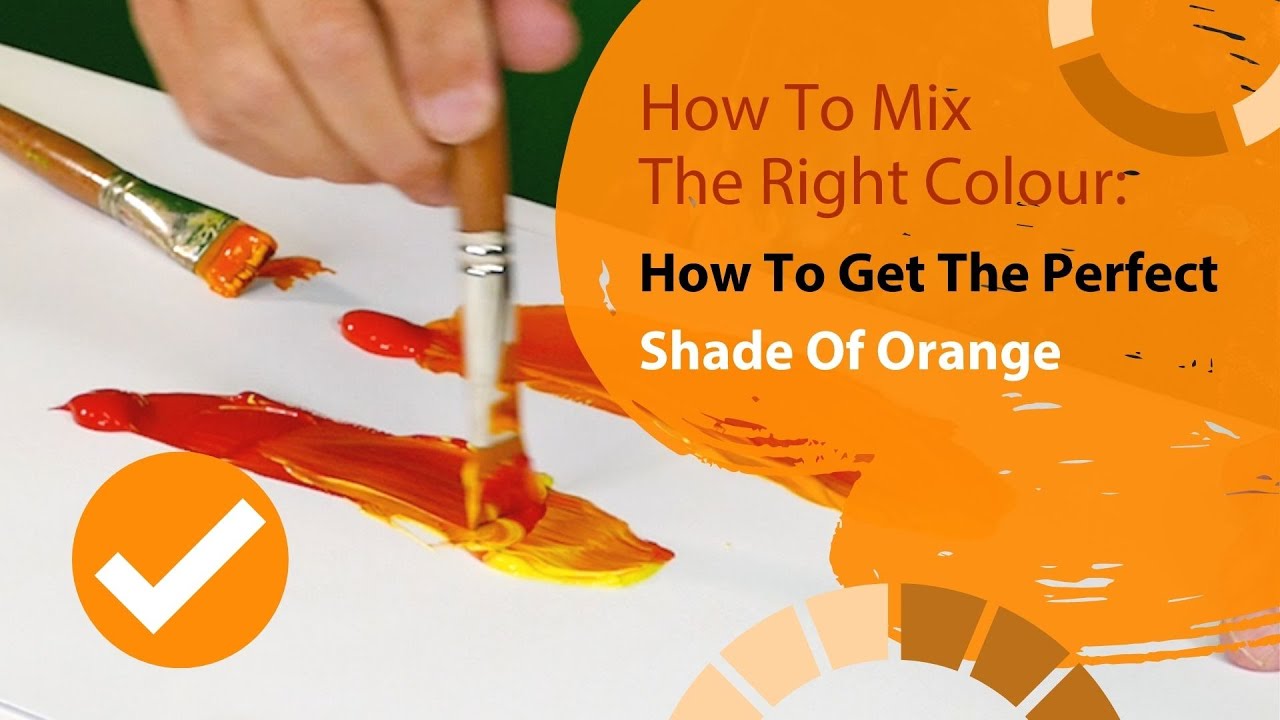
Start with yellow, then add red in small amounts. Red overpowers fast, so a yellow base with gradual red keeps you in control and stops the mix skipping straight to brown.
This holds across acrylic, oil, watercolor, and gouache.
- Base: squeeze out more yellow than red to begin
- Adjust: add red drop by drop until the orange looks right
- Common mistake: dumping in too much red at once
Adjusting the Orange Lighter, Darker, or Muted
Add white and the orange softens toward peach or apricot.
Add a touch of blue or black and it drops toward terracotta and earthy brown.
To rescue a dull mix, push saturation back up by working from cleaner, purer primaries instead of overworked paint.
Where Orange Appears From Red and Yellow in the Real World

Orange shows up anywhere red and yellow wavelengths overlap. Sunsets, fire, autumn leaves, and ripe fruit all read as orange for the same reason two paints do.
Sunsets: low-angle sunlight scatters short blue wavelengths away, leaving red and yellow to blend across the sky. Designers bottle that range in sunset color palettes.
Autumn leaves: red and yellow leaf pigments sit side by side, and the canopy reads orange. That look drives most autumn color palettes.
Fruit: a ripe tangerine gets its color from carotene pigments that reflect the red-yellow band.
Brands: Nickelodeon built an entire identity on one loud orange, picked to pop against almost anything on screen.
What Colors Can You Make From Orange, Red, and Yellow Together

Orange, red, and yellow build the entire warm family. Orange plus red gives red-orange, orange plus yellow gives yellow-orange, white opens up peach and coral, and black or blue drops you into brown and terracotta.
Every result stays anchored to the red-yellow mix. You are just nudging the same orange lighter, darker, or warmer.
| Add to Orange | You Get | Family |
|---|---|---|
| Red | Red-orange | Fiery, warm |
| Yellow | Yellow-orange | Golden |
| White | Peach, coral | Soft pastel |
| Black or blue | Brown, terracotta | Earthy |
Orange plus red: the mix slides back toward red, the same shift you get blending orange and red straight from the tube.
Orange plus white: tints open up fast. A generous dose of white lands on peach, and a touch of pink pushes it into coral or salmon.
Orange plus black or blue: shades go earthy. A little blue, orange’s complement, mutes it toward burnt orange, and more of it settles into brown.
Brown is not really its own color. Wikipedia describes it as orange at low brightness, a deep shade of the same warm hue.
Designers group the whole spread into warm color palettes because every tone traces back to red and yellow.
Real use: the Cleveland Browns and the University of Texas both built their identity on burnt orange, a red-yellow mix knocked back with brown.
FAQ on What Color Do Red And Yellow Make
What color do red and yellow make?
Red and yellow make orange. As pigments, they blend into orange, a secondary color sitting between them on the color wheel. The exact shade depends on how much red versus yellow you use.
Why do red and yellow make orange?
They make orange through subtractive mixing. Each pigment absorbs part of the visible spectrum, and the wavelengths both leave behind reflect back as orange, roughly 585 to 620 nanometers. Pigment removes light instead of adding it.
Do red and yellow make orange in light too?
Not the same way. Screens use additive RGB light, where red plus green already makes yellow. Overlapping red and yellow beams lands near orange, but the underlying model differs completely from paint.
What happens if you add more red than yellow?
More red pushes the mix toward a deep red-orange, close to vermilion. Add red gradually, since it overpowers yellow fast. Too much at once skips past orange into a dull, brownish tone.
What color do red and yellow make with white added?
White creates lighter tints. A little gives peach, more gives a pale creamsicle orange, and a touch of pink shifts it toward coral or salmon. White softens the color without changing its core hue.
Are red and yellow primary colors?
Yes, in the RYB model. Red, yellow, and blue are the three traditional primary colors used in painting. You cannot mix them from other colors, but you can mix them into secondaries like orange.
What is the hex code for the orange red and yellow make?
The web-standard orange is #FFA500, or RGB 255, 165, 0. That is full red, medium green, and zero blue. Mixed paint rarely matches this exact screen value.
Why does my red and yellow mix look brown or muddy?
Muddy orange usually means hidden blue. Cool pigments like alizarin crimson or lemon yellow carry a bluish undertone, and blue is orange’s complement, so it grays the mix. Use warm cadmium colors instead.
What color do red and yellow make when you add blue?
Blue mutes orange toward earthy tones. A small amount gives burnt orange and terracotta, while more pushes it into brown. Blue and orange are complements, so together they cancel toward neutral.
Is orange a primary or secondary color?
Orange is a secondary color, not primary. In the RYB model it comes from mixing two primaries, red and yellow. On a screen using RGB light, orange counts as a tertiary color instead.
Conclusion
So what color do red and yellow make? Orange, every single time you blend these two primary colors as pigment.
The result is a warm secondary hue, but never one fixed version. Your ratio, plus warm or cool pigments, decides whether it leans golden or fiery.
Add white for soft tints like peach. Drop in a little blue for muted, earthy shades like terracotta.
On a screen, that same orange reads as #FFA500, or RGB 255, 165, 0.
Paint absorbs wavelengths while light emits them, so the two systems rarely match perfectly.
Now you can mix orange on purpose, control its saturation, and predict the shade before your brush ever touches the palette.

Renowned for his expertise in logo design and visual branding, Bogdan has developed a multitude of logos for various clients.
His skills extend to creating posters, vector illustrations, business cards, and brochures. Additionally, Bogdan's UI kits were featured on marketplaces like Visual Hierarchy and UI8.
He also wrote in the past years on sites like Design Your Way, WebDesignerDepot, WPDean, Designmodo, Speckyboy, Slider Revolution, and more.
- Canva vs PowerPoint: Which Is Better for Presentations? - 22 September 2026
- How to Install Fonts on Mac (Step-by-Step Guide) - 20 September 2026
- From Mockup to Code: How AI-Augmented Development Speeds Up the Design Handoff - 19 September 2026

Bogdan Sandu is a seasoned designer who has been designing websites since 2008. Renowned for his expertise in logo design and visual branding, Bogdan has developed a multitude of logos for various clients. His skills extend to creating posters, vector illustrations, business cards, and brochures. Additionally, Bogdan's UI kits were featured on marketplaces like Visual Hierarchy and UI8. He also wrote in the past years on sites like Design Your Way, WebDesignerDepot, WPDean, Designmodo, Speckyboy, Slider Revolution, and more.
You Might Also Like