Ask ten people what color do teal and red make and you will get two answers that both sound right. That is because both are correct, just for different mediums.
Mix them as paint and you get brown. Combine them as light on a screen and you get a soft pink.
The reason comes down to subtractive versus additive mixing, plus where teal and red sit on the color wheel as near-complementary colors.
This guide breaks down every angle:
- Why pigment turns muddy brown while RGB light goes salmon
- Exact hex and RGB values for each result
- How different teal shades shift the outcome
- Mixing tricks that avoid dead, gray mud
By the end, you will know exactly what to expect before you ever touch a brush or a color picker.
What Color Do Teal and Red Make?
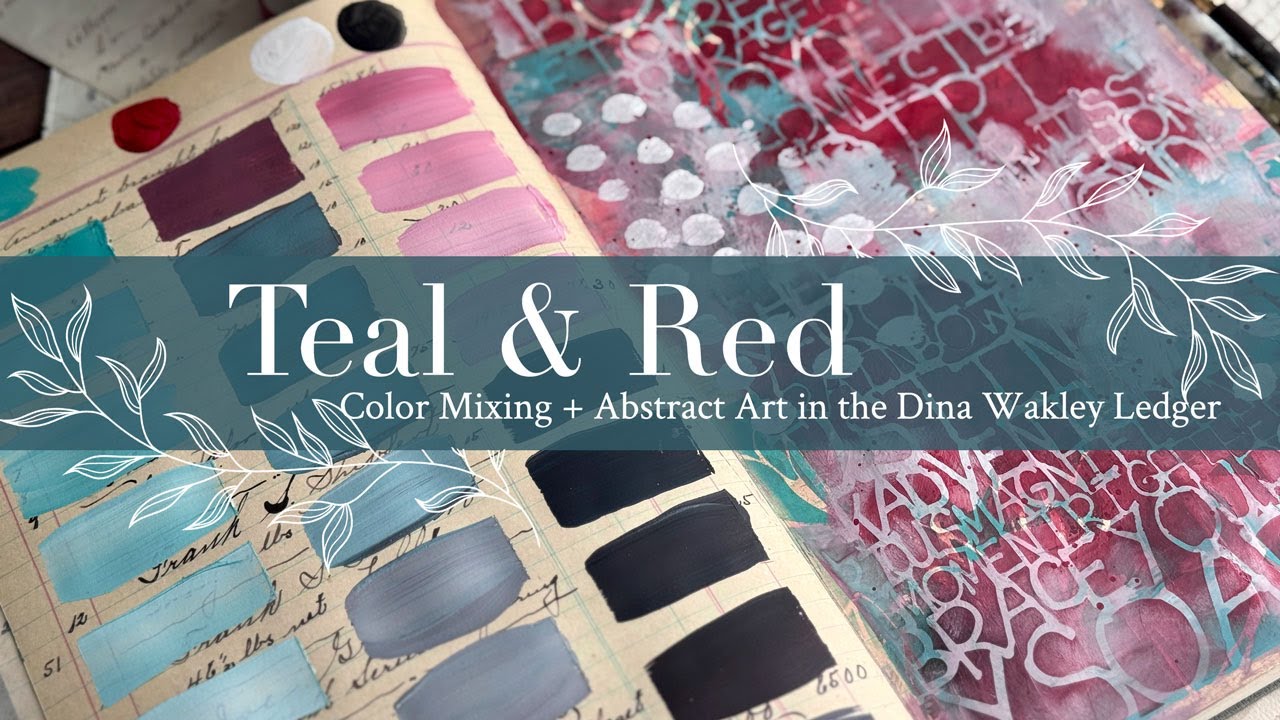
Teal and red make brown when you mix them as paint or pigment. Usually a muddy, grayish-brown.
Mix them as light on a screen and you get something totally different. A pale pink or salmon.
The medium decides the answer. That is the part most people miss.
| Medium | Mixing type | Result |
|---|---|---|
| Paint / pigment | Subtractive | Muddy brown |
| Light / screen (RGB) | Additive | Pale pink / salmon |
Here is the short version of why. Teal sits close to red’s opposite on the wheel, so blended pigment cancels toward a neutral brown.
Basic color theory handles the rest, and the sections below break down each case.
Why Do Teal and Red Make Brown in Paint?
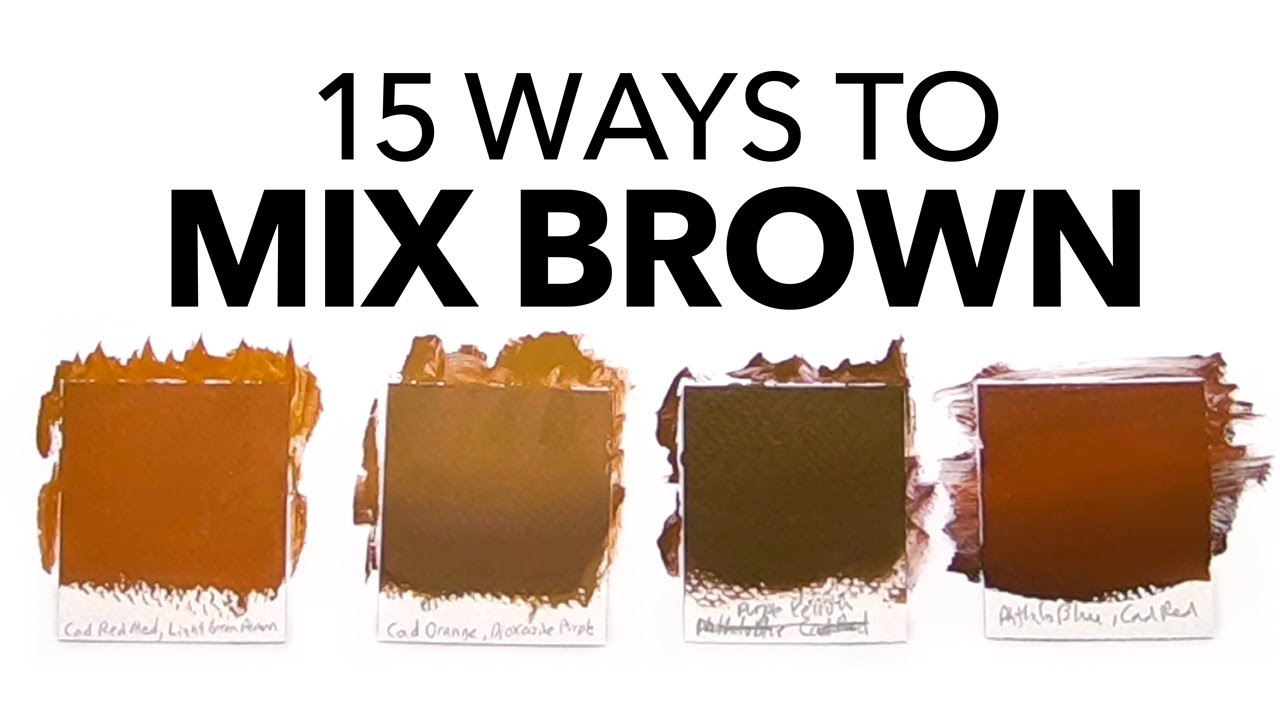
Teal and red make brown in paint because you are combining all three primaries at once. Teal already holds blue and green. Add red, and the mix has every primary present, which pulls the result toward brown.
Subtractive mixing: pigment absorbs wavelengths instead of adding them, so overlapping teal and red subtracts most of the reflected light.
Near-opposite cancel: teal and red sit close to complementary, so they kill each other’s saturation and drop toward a dull neutral.
Try it with real pigment. Phthalo Green (blue shade) plus Cadmium Red is a common test pair, and it lands on a deep, low-saturation brown almost every time.
How the Ratio Changes the Brown
The mix ratio steers where the brown lands.
- More red: warm reddish-brown or maroon
- More teal: cool olive or grayish-brown
- Equal parts: flat, neutral brown
What Color Do Teal and Red Make in Light (RGB)?
In light, teal and red make a pale pink or salmon. Screens brighten a mix instead of dulling it.
Additive mixing adds wavelengths together. Teal light (0, 128, 128) plus red light (255, 0, 0) climbs toward a warm, washed-out pink.
Where you see this play out:
- Monitor and phone pixels
- LED panels
- Stage and concert lighting
Same two colors, opposite result. Paint drops to mud, RGB light lifts to pink. That split trips up a lot of people learning digital color for the first time.
What Are the Exact Hex and RGB Values?
Standard teal is #008080. Standard red is #FF0000. What they produce depends on the model.
| Model | Approx. result | Hex |
|---|---|---|
| Paint (subtractive) | Muddy brown | ~#5A4A3A |
| Light (additive) | Salmon pink | ~#FF8080 |
One catch. “Teal” is not a single fixed value, so the input hex shifts the output. A darker teal drags the brown deeper.
For the digital side, Adobe Color and Coolors preview blends fast. A hex-to-RGB converter helps when you need the raw channel numbers, and Pantone references matter if the result heads to print.
Are Teal and Red Complementary Colors?
Teal and red are near-complementary, not exact opposites. Teal is a blue-green, so its true complement is a red-orange, which sits right next to pure red on the wheel.
That near-opposite relationship is the whole reason the paint mix turns muddy. Colors this far apart cancel saturation when blended.
Flip the context, though, and the same pairing works in your favor.
Blended: saturation dies, result goes brown.
Placed side by side: high contrast, bold, eye-catching.
If you want to see the exact spacing, a look at how the color wheel works makes the near-complementary gap obvious, and the difference in hue between teal and true red is smaller than most people assume.
How Does the Shade of Teal Change the Result?
“Teal” covers a whole range, and each version pushes the brown somewhere new.
| Teal input | Hex | Mixed with red |
|---|---|---|
| Standard teal | #008080 | Neutral brown |
| Dark teal | #004D4D | Near-black brown |
| Light teal | #4DB6AC | Lighter, warmer brown |
The undertone matters just as much as the depth. A blue-leaning teal grays the result out. A green-leaning teal shoves it toward olive.
Bright teal keeps more warmth in the final brown. Dark teal swallows it.
What Colors Are Similar to the Teal-Red Mix?
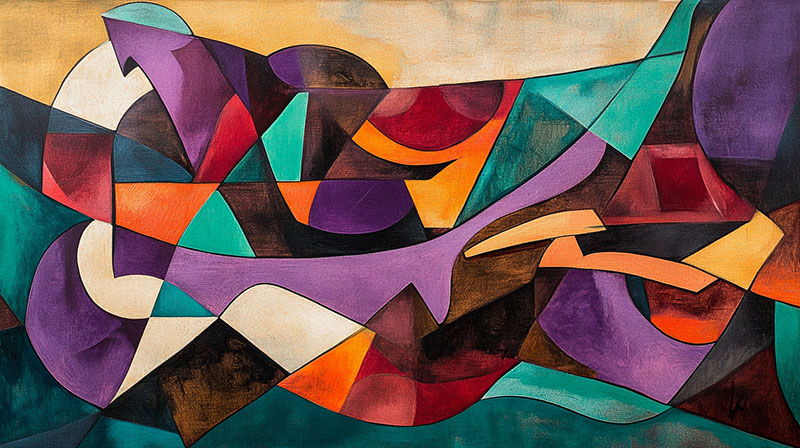
Because teal is green-heavy, its blend with red behaves a lot like other green-plus-red mixes.
Closest match: red mixed with green also lands on brown, since teal carries so much green.
Key contrast: red mixed with blue makes purple, which shows how teal’s green content redirects the whole outcome away from purple.
All of these sit in the same muddy-neutral family. Where each one lands on the warm-to-cool scale is the real difference.
- Red + green: warm-leaning brown
- Teal + red: cool, grayed brown
- Orange + teal: dull, earthy neutral
Add white to any of them and you drift toward taupe or tan, which is honestly where these mixes get useful for real palettes.
How Do You Mix Teal and Red Without Getting Mud?
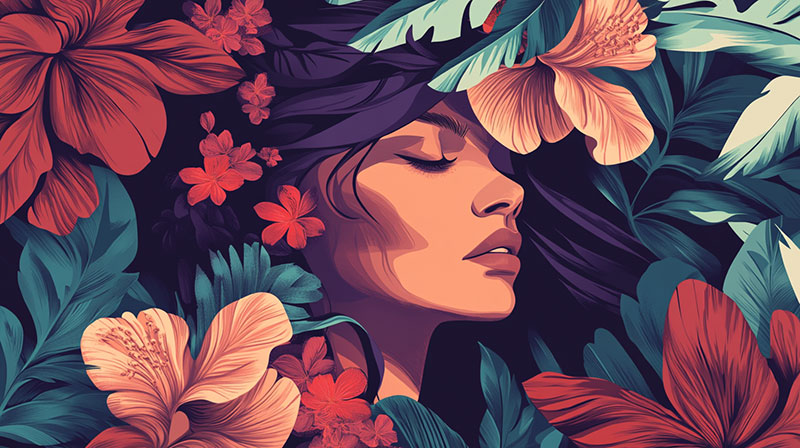
Bias the mix toward one color instead of splitting it 50/50. That keeps some life in the brown instead of killing it flat.
Skip the exact halfway point: pure equal parts gives you the deadest, grayest result possible.
Lift with white: a little white pulls a dull brown up into taupe or a soft tan.
Warm it with yellow: a touch of yellow rescues a cold, grayed-out mix.
One more thing I learned the hard way. Teal is a strong tinter and overpowers red fast, so mix tiny test swatches before you commit a big batch.
Where Do You See Teal and Red Used Together?
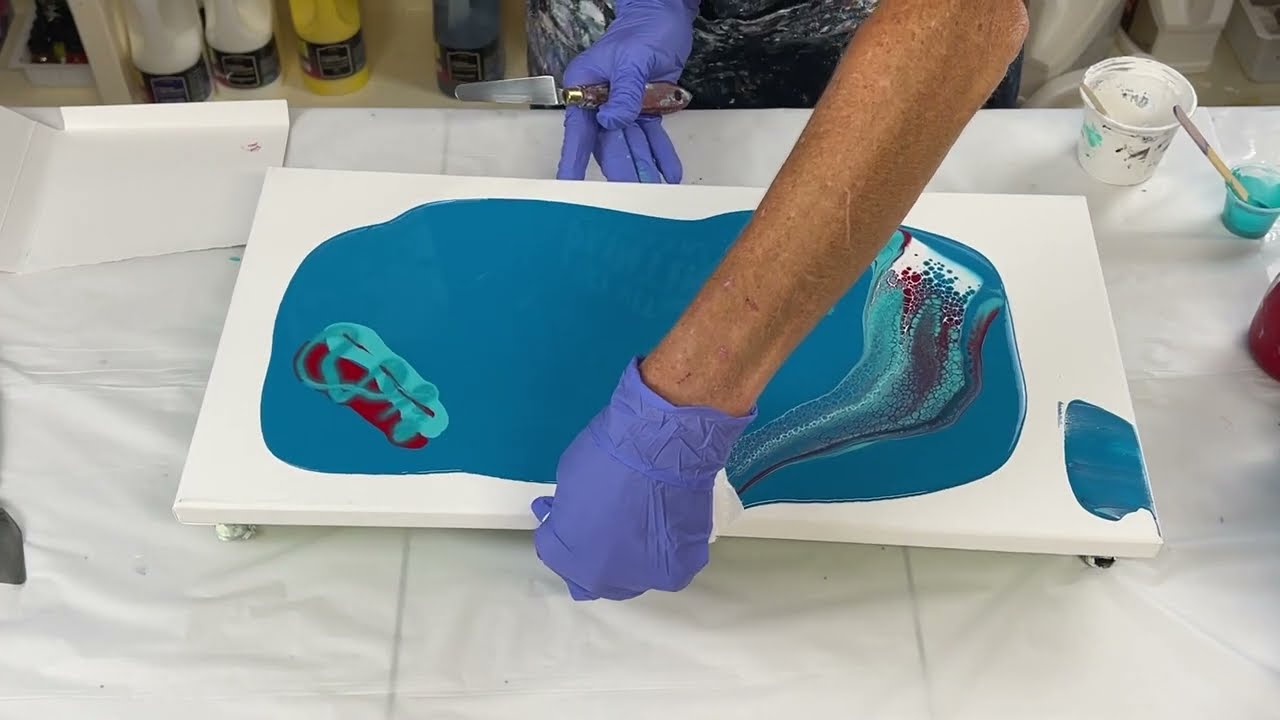
Designers rarely blend these two. They place them side by side, where the near-opposite pairing creates real punch.
| Context | How they’re used | Why it works |
|---|---|---|
| Branding / posters | Unmixed, high contrast | Bold visual pop |
| Film color grading | Teal shadows, warm skin | Faces separate from background |
| Fashion / interiors | Paired accents | Striking complementary look |
The film trick: the teal-and-orange grade leans on red-adjacent skin tones against cool teal-heavy palettes. Most Hollywood blockbusters ride this look.
The warning: keep them apart on shared surfaces. Blend them on the same layer and you are back to mud.
Poster and cover work loves the contrast, which is why so many poster design layouts pair a red headline against a teal ground. The two complementary color zones hold their own space instead of muddying each other.
FAQ on What Color Do Teal And Red Make
What color do teal and red make in paint?
Teal and red make brown in paint. Usually a muddy, grayish-brown. Teal holds blue and green, so adding red combines all three primaries, and the near-opposite pair cancels saturation down toward a dull neutral.
Why does teal and red make brown instead of a bright color?
Brightness dies because teal and red sit close to opposite on the color wheel. Near-complementary colors cancel each other’s saturation when blended, which drops the mix toward a low-saturation neutral instead of a vivid hue.
What color do teal and red make in light or RGB?
In light, teal and red make a pale pink or salmon. Additive mixing adds wavelengths together instead of subtracting them, so the result brightens rather than muddies. Screens and LED panels work this way.
Are teal and red complementary colors?
They are near-complementary, not exact. Teal is a blue-green, so its true complement is a red-orange sitting right beside pure red. That close relationship still drives the muddy result when you mix them.
What is the hex code for teal mixed with red?
The paint result lands near #5A4A3A, a muddy brown. The light result sits around #FF8080, a salmon pink. Standard teal is #008080 and standard red is #FF0000 as inputs.
Does the shade of teal change the mixed color?
Yes. Dark teal (#004D4D) deepens the brown toward near-black. Light teal (#4DB6AC) keeps more warmth. A blue-leaning teal grays the result, while a green-leaning teal pushes it toward olive.
How do you mix teal and red without getting mud?
Bias the mix toward one color instead of 50/50. Add white to lift it toward taupe, or a little yellow to warm a cold result. Test small swatches first, since teal overpowers fast.
What colors are similar to the teal-red mix?
Red mixed with green also makes brown, since teal carries heavy green. Red mixed with blue makes purple instead, showing how teal’s green content redirects the outcome toward brown.
What ratio of teal to red makes the best brown?
More red gives a warm reddish-brown or maroon. More teal gives a cool, grayish-brown. Equal parts lands on the flattest neutral brown, so nudge the ratio for a livelier tone.
Why do designers place teal and red side by side?
Unmixed, the near-opposite pairing creates high contrast and visual pop. Film color grading uses teal shadows against warm skin tones, and poster layouts pair a red headline against a teal ground.
Conclusion
So what color do teal and red make? The honest answer is two colors, and the medium picks which one.
Blend them as pigment and you land on brown, most often a muddy, grayish tone. Combine them as light and the same pair brightens into a soft salmon pink.
The split traces back to subtractive versus additive mixing, plus the near-complementary gap between teal and red on the wheel.
Once you know the ratio rules, you can steer the brown warm or cool on purpose. More red pushes reddish. More teal pulls toward olive.
Keep them side by side for contrast, blend them for neutrals, and test small swatches before any big batch. That is the whole trick.

Renowned for his expertise in logo design and visual branding, Bogdan has developed a multitude of logos for various clients.
His skills extend to creating posters, vector illustrations, business cards, and brochures. Additionally, Bogdan's UI kits were featured on marketplaces like Visual Hierarchy and UI8.
He also wrote in the past years on sites like Design Your Way, WebDesignerDepot, WPDean, Designmodo, Speckyboy, Slider Revolution, and more.
- The Windsurf Logo History, Colors, Font, And Meaning - 10 October 2026
- How to Remove Background From Product Photos (No Photoshop) - 10 October 2026
- How Designers can Build a Stronger Online Creative Identity - 9 October 2026

Bogdan Sandu is a seasoned designer who has been designing websites since 2008. Renowned for his expertise in logo design and visual branding, Bogdan has developed a multitude of logos for various clients. His skills extend to creating posters, vector illustrations, business cards, and brochures. Additionally, Bogdan's UI kits were featured on marketplaces like Visual Hierarchy and UI8. He also wrote in the past years on sites like Design Your Way, WebDesignerDepot, WPDean, Designmodo, Speckyboy, Slider Revolution, and more.
You Might Also Like