The Twitter Logo is one of the most recognized brand marks in social media history. It started as a simple blue wordmark in 2006, grew into a bird icon that billions of people could identify on sight, and then got replaced by a stark “X” in 2023 after Elon Musk’s acquisition. Few logos in tech have gone through this kind of dramatic shift.
What makes the Twitter Logo interesting is how quickly it built brand equity. In less than a decade, the blue bird became shorthand for real-time conversation online. The bird didn’t need text beside it. People just knew. That level of recognition usually takes brands decades to build, and Twitter pulled it off with a $15 stock illustration as its starting point.
The logo’s story also doubles as a case study in how logos function at scale. Every version reflected where the company was headed, from scrappy startup to global communication platform to whatever X is trying to become now.
—
What Is the Twitter Logo?
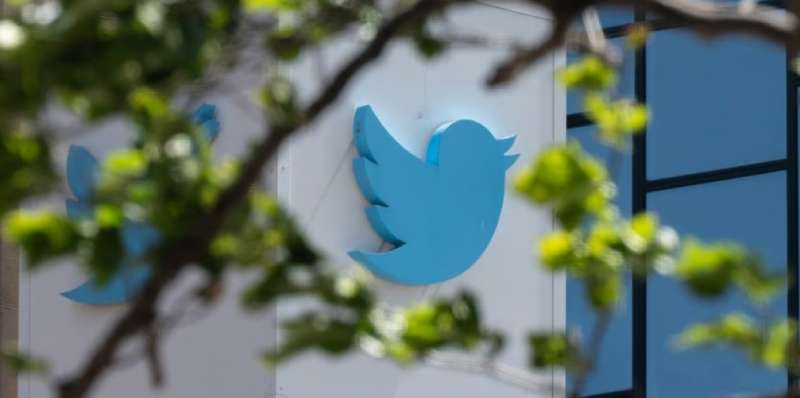
The Twitter Logo is a stylized blue bird icon facing right with wings spread upward, officially introduced on June 6, 2012. Designed by Martin Grasser using 15 overlapping circles, it represents freedom, communication, and connectivity. The bird became the sole brand mark after Twitter dropped its wordmark entirely.
Key Attributes
- Design Type: Combination mark (2006-2012), standalone icon/symbol (2012-2023), abstract lettermark (2023-present)
- Primary Elements: A right-facing hummingbird silhouette with three wing feathers and an open beak, constructed from 15 overlapping circles. The current X logo is a geometric letterform.
- Official Introduction Date: The bird-only logo launched on June 6, 2012. The X replacement went live on July 24, 2023.
- Designer/Agency: Martin Grasser designed the 2012 bird logo shortly after graduating from the Art Center College of Design. Doug Bowman, Twitter’s Creative Director, led the project. The X logo came from community submissions, with credit given to Sawyer Merritt.
- Trademark Status: X Corp still claims ownership over both the Twitter and X trademarks. As of late 2025, a startup called Operation Bluebird filed a petition with the USPTO seeking cancellation of X’s federal registrations for “Twitter” and “Tweet,” arguing the marks were abandoned after the rebrand.
- Color Palette: Twitter Blue (#1DA1F2) served as the primary brand color from 2012 to 2023. The X logo uses Black (#000000) on White (#FFFFFF) or reversed.
- Usage Context: The logo appeared across the mobile app, website, marketing campaigns, developer API branding, merchandise, and third-party share buttons on millions of websites worldwide.
—
How Has the Twitter Logo Evolved Over Time?
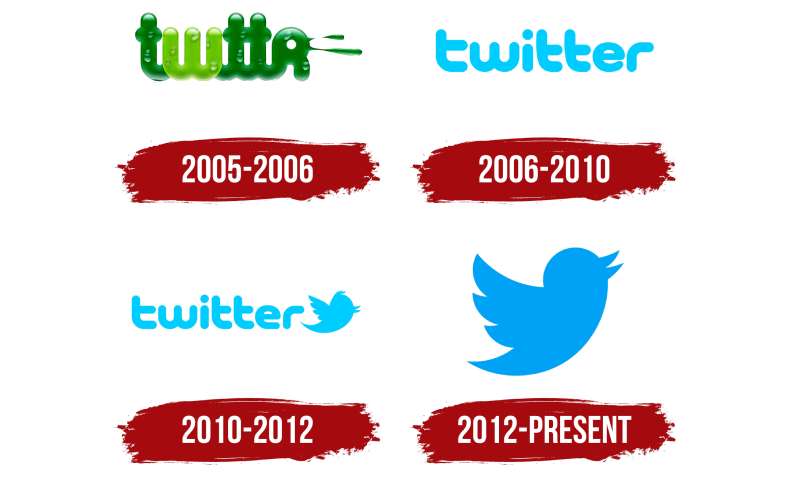
The Twitter Logo went through roughly six major versions between 2005 and 2023. It started as green bubble text spelling “twttr,” shifted to a blue wordmark, added a bird, dropped the text, refined the bird, and finally replaced everything with a black X.
Each redesign lined up with a shift in how the company saw itself. The progression from playful startup lettering to a standalone icon to a single letter tells you a lot about the people running the show at each stage.
The “twttr” Logo (2005-2006)
- Years Active: 2005-2006 (internal use only)
- Design Description: Green, bubbly 3D text spelling “twttr” without vowels. Noah Glass and Biz Stone experimented with several styles, including one with condensation drops on the letters and a retro Atari-inspired multicolor version.
- Color Scheme: Dark and light green, with some variations in magenta and multicolor
- Designer: Biz Stone created several early iterations. Noah Glass pushed for the green bubble style.
- Context: The platform was still an internal project at the podcasting company Odeo. Jack Dorsey had pitched the idea of an SMS-based social messaging service, and the team was still figuring out if it had legs.
- Cultural Significance: These logos never went public. They’re collector’s items for design nerds, basically. But they show just how far the brand traveled visually in a short time.
The First Official Twitter Wordmark (2006-2010)
- Years Active: 2006-2010
- Design Description: A lowercase “twitter” wordmark in a rounded sans-serif font with a light blue color. White outlines around the letters merged together to create a bubble effect. Clean, simple, very mid-2000s web aesthetic.
- Color Scheme: Light aquamarine/sky blue
- Designer: Linda Gavin. She reportedly had just one day to create it before the official launch.
- Context: Twitter launched publicly in July 2006. The logo needed to feel approachable and casual, matching the platform’s personality of quick, short messages. Blue was chosen for its associations with trust and calm.
- Key Changes from Previous: Complete departure from the green experiments. The vowels came back. The style went from 3D and playful to flat and legible.
- Cultural Significance: This was the logo most early adopters remember. It set the blue color identity that would define Twitter for the next 17 years.
The Wordmark Plus Bird (2010-2012)
- Years Active: 2010-2012
- Design Description: The “twitter” wordmark in a darker shade, now paired with a small blue bird icon placed to its right. The bird featured a tuft of feathers on its head, a rounded body, and visible wings. The white outlines on the wordmark were removed for a cleaner look.
- Color Scheme: Darker blue for the wordmark, light blue for the bird
- Designer: Biz Stone redesigned the bird after the original $15 iStock illustration by Simon Oxley couldn’t be used as an official logo due to licensing restrictions.
- Context: Twitter was growing fast. The company wanted something more identifiable than just text. The bird, nicknamed “Larry” after NBA player Larry Bird, was meant to capture the idea of quick, short bursts of communication, like a bird tweeting.
- Key Changes from Previous: Addition of the bird mascot. Wordmark lost its white outlines. Overall look became more polished and professional.
- Cultural Significance: This was the moment Twitter started building its identity around the bird. People began associating the icon with the act of “tweeting,” which helped the brand bleed into everyday language.
The Standalone Bird Logo (2012-2023)
- Years Active: June 6, 2012 – July 23, 2023
- Design Description: A refined, upward-facing bird built entirely from 15 overlapping circles. No text. Three wing feathers instead of four. No head tuft. The beak points upward. The proportions between the larger and smaller circles follow the golden ratio, giving the whole thing a naturally pleasing feel.
- Color Scheme: Twitter Blue (#1DA1F2)
- Designer: Martin Grasser, who reportedly drew over a thousand bird variations before presenting 24 sketches to Jack Dorsey. Dorsey picked the winner immediately.
- Context: By 2012, the bird was already so well-known that the company decided the wordmark was unnecessary. Doug Bowman, Twitter’s Creative Director at the time, put it simply: “Twitter is the bird, the bird is Twitter.” This was a major confidence move. Few brands can ditch their name entirely and still be recognized.
- Key Changes from Previous: Wordmark completely removed. Bird redesigned with geometric precision. Head tuft gone. Beak tilted upward. Color updated to the now-famous #1DA1F2.
- Cultural Significance: This became one of the most iconic tech company logos of the 2010s. It reached the level of brand recognition where people could identify it from a silhouette alone, right up there with the Nike swoosh or Apple’s apple. The bird’s upward gaze was meant to suggest hope and progress.
The X Logo (2023-Present)
- Years Active: July 24, 2023 – present
- Design Description: A geometric, angular letter “X” in black on a white (or reversed) background. The design uses straight lines and sharp angles, a complete opposite to the circle-based bird. It resembles a Unicode Mathematical Double-Struck Capital X.
- Color Scheme: Black (#000000) and White (#FFFFFF)
- Designer: Based on community submissions via Twitter itself. Credited to designs by Sawyer Merritt, built from a publicly available font style.
- Context: Elon Musk acquired Twitter in October 2022 for $44 billion. By July 2023, he replaced the bird with X as part of a broader vision to turn the platform into an “everything app.” The rebrand was sudden and polarizing.
- Key Changes from Previous: Everything changed. Curves became angles. Blue became black. A beloved mascot was swapped for a single letter. The monochrome color scheme replaced the signature blue entirely.
- Cultural Significance: The rebrand triggered widespread backlash. Analysts estimated that the Twitter brand carried between $4 billion and $20 billion in equity. Many users and media outlets continued calling the platform “Twitter” months (and years) after the change. Multiple trademark lawsuits followed from companies already using “X” in their branding.
—
What Do the Design Elements of the Twitter Logo Mean?
The Twitter bird was built from circles, and that was the whole point. Circles represent connection, community, and completeness.
The bird faces right and upward, which in Western visual language suggests forward motion and optimism. Its open beak implies active communication, not just listening.
The 15 overlapping circles that form its shape aren’t just a construction trick. They create smooth, organic curves that make the logo feel alive and approachable, even though it’s mathematically precise.
Why Did Twitter Choose These Specific Colors?
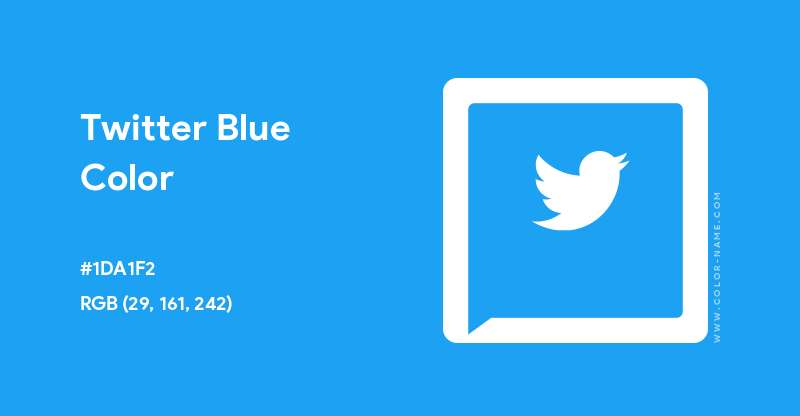
Twitter Blue (#1DA1F2) was the defining color from 2012 to 2023. In color psychology, blue communicates trust, reliability, and openness.
It’s also the most universally liked color across demographics, which matters when your platform serves hundreds of millions of people globally.
The Pantone equivalent is 2382 C. In CMYK it breaks down to (69, 26, 0, 0), and the RGB values are (29, 155, 240).
When Musk switched to the X, the palette went to pure black and white. Black conveys authority and seriousness. It’s a stark departure from the friendly, inviting blue that defined Twitter’s personality for over a decade.
What Typography Style Is Used in the Twitter Logo?
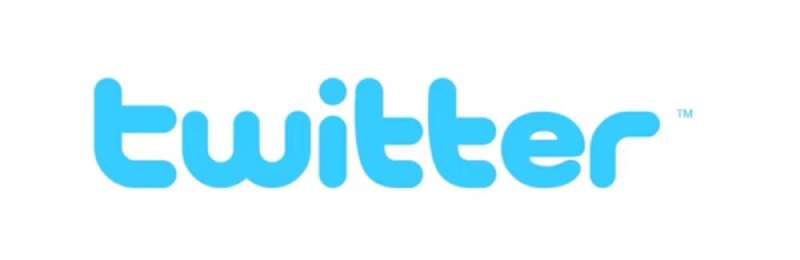
The original Twitter wordmark used Pico Alphabet Black, a rounded font designed by Masayuki Sato at Maniackers Design. It was created in 2001, years before Twitter existed.
The font’s soft, bubbly letterforms gave the logo a friendly and casual feel. Pico Alphabet was used directly for the letters t, w, i, and r, with a different source for the “e.”
After 2012, typography became irrelevant to the main logo since the bird stood alone. The X logo reportedly draws from Monotype’s Special Alphabets 4 for its letterform.
What Are the Hidden Meanings in the Twitter Logo?
Martin Grasser said the bird was inspired by a hummingbird in flight. Hummingbirds beat their wings incredibly fast, which maps nicely to the rapid-fire nature of tweets.
The bird doesn’t represent any specific species, though some people have noted it resembles a mountain bluebird native to North America.
The upward-pointing beak was a deliberate choice. It suggests aspiration and positivity. Earlier versions of the bird faced left or straight ahead, which felt more static by comparison.
—
How Does the Twitter Logo Compare to Competitor Logos?
Most social media logos in the 2010s and early 2020s followed a similar pattern. They went flat, they went simple, and most of them leaned on blue. Facebook, LinkedIn, Telegram. Blue everywhere.
Twitter stood out because it dropped its name entirely. Facebook kept its wordmark for years (even the Meta rebrand held onto text). Instagram simplified but kept the camera shape. Twitter went pure symbol.
The bird logo achieved something that most blue logos in tech couldn’t: it became a verb. People didn’t say “post on Twitter.” They said “tweet.” That’s branding at its deepest level, where the logo and the action become the same thing.
The X rebrand broke this connection. Where the bird was unique and ownable, the letter X is shared across hundreds of trademarks. Microsoft’s Xbox has used an X since 2003. Meta owned an X-branded trademark since 2019. The switch traded distinctiveness for something generic, and the market noticed.
—
What Are the Technical Specifications of the Twitter Logo?
Official Color Codes
Twitter Blue (2012-2023):
- Hex: #1DA1F2
- RGB: (29, 155, 240)
- CMYK: (69, 26, 0, 0)
- Pantone: 2382 C
X Black (2023-present):
- Hex: #000000
- RGB: (0, 0, 0)
- CMYK: (0, 0, 0, 100)
White:
- Hex: #FFFFFF
- RGB: (255, 255, 255)
- CMYK: (0, 0, 0, 0)
Secondary grays used in the Twitter interface:
-
- Dark Gray: #14171A
- Medium Gray: #657786
- Light Gray: #AAB8C2
- Extra Light Gray: #E1E8ED
Dimensions and Proportions
- Construction: The 2012 bird was built from 15 overlapping circles of varying sizes. The proportions between the larger and smaller circles approximate the golden ratio (1:1.618).
- Minimum Size: Twitter’s brand guidelines specified minimum display sizes to keep the bird legible at small scales, particularly for favicons and app icons.
- Clear Space: The official guidelines required a clear zone around the logo equal to approximately 150% of the bird’s height on all sides. No other graphic elements or text were allowed within that buffer.
- File Formats: Available in vector formats (SVG, EPS, PDF) for scalability and raster formats (PNG) for web use. The brand toolkit is hosted at about.twitter.com.
—
What Cultural Impact Has the Twitter Logo Had?
The Twitter bird became more than a logo. It became a cultural symbol for public discourse, breaking news, and grassroots movements.
During events like the Arab Spring, the blue bird showed up on protest signs and graffiti. It stood for something beyond the platform itself: the idea that anyone could have a voice.
“Tweet” entered the dictionary. News anchors said it on television without explanation. The bird appeared on business cards, storefronts, and billboards worldwide.
The abruptness of the X rebrand in 2023 actually proved how deep the cultural roots went. Years after the change, people still say “Twitter.” Media outlets still reference “tweets.” The bird might be gone from the platform, but it lives on in how people talk about it. That’s the kind of lasting impression most brands only dream about.
—
How Does the Twitter Logo Fit Into the Overall Brand Identity?
The bird didn’t exist in a vacuum. Twitter built an entire visual system around it. The blue color palette, the clean interface, the sparse use of white space on the platform. Everything pointed back to the same idea: simplicity, speed, openness.
The logo shaped how the product felt. The bird’s upward energy matched the platform’s promise of amplifying individual voices. The minimalist design approach made it instantly scalable, from a 16×16 pixel favicon to a highway billboard.
A solid brand style guide kept everything consistent. The visual hierarchy across Twitter’s marketing always let the bird take center stage, with supporting elements stepping back.
The X rebrand tried to reset all of this. New contrast system, new tone, new everything. But rebranding a product that hundreds of millions of people use daily is different from changing a name on a website. The old identity keeps bleeding through, which is why even X Corp’s own terms of service still reference “Twitter” for trademark protection.
—
How Should the Twitter Logo Be Used?
Official Usage Rules
Do:
- Use the logo in its official colors only (Twitter Blue on white, or white on dark backgrounds for the bird era; black on white or white on black for X)
- Maintain the required clear space around the logo
- Download official assets from X’s brand toolkit at about.twitter.com
- Use the provided SVG or PNG files without modification
Don’t:
- Alter the logo’s colors, proportions, or orientation
- Add effects like shadows, gradients, or outlines
- Place the logo over busy backgrounds that reduce legibility
- Animate, rotate, or distort the mark
- Use the old Twitter bird logo to represent the current platform (X Corp’s guidelines explicitly prohibit this)
Licensing and Trademark Details
Both the Twitter bird and the X mark are trademarked by X Corp. You need written permission from trademarks@x.com to use them outside of the approved guidelines. The company reserves the right to revoke permission at any time.
X Corp’s updated Terms of Service (effective January 2026) now explicitly state that users have no right to use the X or Twitter name, logos, or branding without authorization. This update came in response to the Operation Bluebird trademark challenge.
If you’re embedding tweets or X posts on your website, use the official embed codes provided by the platform. These automatically render the correct branding without you needing to handle the logo files directly.
FAQ on The Twitter Logo
What does the Twitter Logo look like?
The Twitter Logo is a solid blue bird silhouette facing right with its beak pointed upward and wings spread back. It features three feather points. The bird uses Twitter Blue (#1DA1F2) and sits on a white background with no accompanying text.
Who designed the Twitter bird logo?
Martin Grasser designed the final 2012 bird logo after graduating from the Art Center College of Design. He drew over a thousand variations before presenting 24 sketches to Jack Dorsey.
Doug Bowman, Twitter’s Creative Director, led the overall project.
Why did Twitter change its logo to X?
Elon Musk replaced the bird with an X on July 24, 2023, as part of his plan to turn the social media platform into an “everything app.” The rebrand dropped the iconic blue bird entirely.
It was one of the most controversial corporate logo redesigns in recent memory.
What is the Twitter bird called?
The bird was originally nicknamed Larry the Bird, after NBA legend Larry Bird of the Boston Celtics. Co-founder Biz Stone, a Boston native, chose the name.
After the 2012 redesign, Twitter officially called it simply “the Twitter Bird.”
What font did Twitter use in its logo?
The Twitter wordmark used Pico Alphabet Black, a rounded sans-serif typeface created by Masayuki Sato at Maniackers Design. The letters t, w, i, and r came directly from this font, with the “e” sourced separately.
What are the official Twitter Logo colors?
Twitter Blue is hex #1DA1F2, with RGB values of (29, 155, 240). The Pantone match is 2382 C. The current X logo uses pure black (#000000) and white (#FFFFFF) instead.
The shift from blue to black changed the brand’s entire emotional tone.
How was the Twitter bird logo constructed?
The bird was built from 15 overlapping circles of different sizes. The proportions between larger and smaller circles approximate the golden ratio. This geometric approach created smooth, organic curves in the beak, head, wings, and chest.
Can I use the Twitter Logo on my website?
You can use official logo assets from X’s brand toolkit at about.twitter.com. Don’t alter colors, proportions, or add effects like shadows. Written permission from X Corp is required for any use outside their approved guidelines.
Where did the original Twitter bird come from?
The very first bird was a stock illustration bought from iStock for $15. British graphic designer Simon Oxley created it. Due to iStock licensing terms, Twitter couldn’t use it as an official logo and had to redesign it completely.
Is the old Twitter bird logo still trademarked?
X Corp claims ownership of both the Twitter and X trademarks. Their updated Terms of Service (effective January 2026) state users cannot use either brand without permission. A legal challenge from Operation Bluebird is currently testing whether the Twitter marks were abandoned.
Conclusion
The Twitter Logo remains a case study in how a simple bird icon can become a global symbol for real-time communication. From Linda Gavin’s one-day wordmark to Martin Grasser’s circle-based masterpiece, every version reflected the platform’s growth and logo design principles done right.
The 2023 X rebrand proved something unexpected. Brand recognition built over 17 years doesn’t just vanish because someone swaps the icon.
People still say “tweet.” They still picture the blue bird. That kind of staying power is rare in brand storytelling, and it shows what happens when strong graphic design principles meet cultural timing.

Renowned for his expertise in logo design and visual branding, Bogdan has developed a multitude of logos for various clients.
His skills extend to creating posters, vector illustrations, business cards, and brochures. Additionally, Bogdan's UI kits were featured on marketplaces like Visual Hierarchy and UI8.
He also wrote in the past years on sites like Design Your Way, WebDesignerDepot, WPDean, Designmodo, Speckyboy, Slider Revolution, and more.
- Canva vs PowerPoint: Which Is Better for Presentations? - 22 September 2026
- How to Install Fonts on Mac (Step-by-Step Guide) - 20 September 2026
- From Mockup to Code: How AI-Augmented Development Speeds Up the Design Handoff - 19 September 2026

Bogdan Sandu is a seasoned designer who has been designing websites since 2008. Renowned for his expertise in logo design and visual branding, Bogdan has developed a multitude of logos for various clients. His skills extend to creating posters, vector illustrations, business cards, and brochures. Additionally, Bogdan's UI kits were featured on marketplaces like Visual Hierarchy and UI8. He also wrote in the past years on sites like Design Your Way, WebDesignerDepot, WPDean, Designmodo, Speckyboy, Slider Revolution, and more.
You Might Also Like