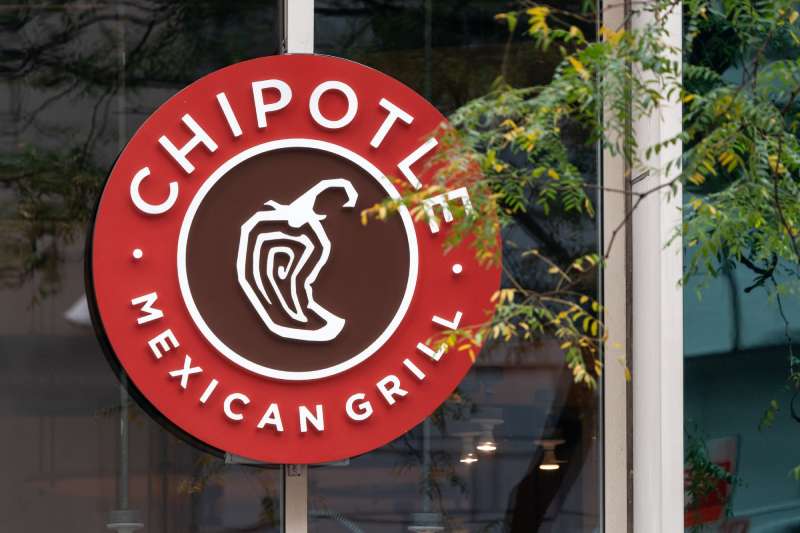
The Chipotle logo represents one of the most recognizable brand marks in the fast casual restaurant industry. It combines a stylized chili pepper icon with custom wordmark typography that reflects the company’s Mexican-inspired menu and commitment to fresh ingredients.
Founded in 1993 by Steve Ells in Denver, Colorado, Chipotle Mexican Grill has maintained a relatively consistent visual identity. The current logo iteration has been in use since 2009, making it one of the more stable brand marks among fast food logos.
The company has gone through approximately three major logo versions since its founding. Each version refined the pepper symbol and typography while staying true to the brand’s roots.
What is the Chipotle Logo?

The Chipotle logo is a combination mark featuring a stylized red chili pepper positioned above a custom sans-serif wordmark. Introduced in its current form in 2009, the design emphasizes simplicity and warmth. The pepper symbol directly references the chipotle chili, a smoke-dried jalapeno central to Mexican cuisine.
Design Attributes:
- Design Type: Combination mark (icon plus wordmark)
- Primary Elements: Stylized chili pepper, custom typography, warm color scheme
- Official Introduction Date: 2009 (current version)
- Designer/Agency: Internal design team with agency collaboration
- Trademark Status: Registered trademark of Chipotle Mexican Grill, Inc.
- Color Palette: Chipotle Red (#A81612), Chipotle Brown (#4A1F1A), White (#FFFFFF)
- Usage Context: Restaurant signage, packaging, mobile app, digital platforms, merchandise, marketing materials
How Has the Chipotle Logo Evolved Over Time?

Original Chipotle Logo (1993-2009)
- Years Active: 1993-2009
- Design Description: A simple black logotype on white background featuring uneven, handwritten-style letters spelling “Chipotle” with “Mexican Grill” written below in uppercase letters
- Color Scheme: Black and white (sometimes inverted to white on black)
- Designer: Original founding team/in-house
- Context: Created when Chipotle was a single Denver location; the text-only wordmark established the brand name without visual symbols
- Cultural Significance: Simple, papyrus-like font mimicked fine dining restaurant aesthetics, focusing on the name rather than imagery
Current Chipotle Logo (2009-Present)
- Years Active: 2009-present
- Design Description: Circular medallion design with concentric circles – red outer circle containing white text “Chipotle Mexican Grill” and brown inner circle (or red in alternate version) featuring a white stylized pepper icon with thin white outline
- Color Scheme: Chipotle Red (
#A81612or#8C1505), Chipotle Brown (#4A1A1A), and white - Designer: Sequence design bureau (San Francisco)
- Context: Major redesign marking the first introduction of the pepper icon; coincided with post-McDonald’s independence era and “Food With Integrity” campaign
- Key Changes from Previous: Complete redesign – introduced the pepper icon for the first time, moved from simple wordmark to medallion format, added vibrant colors, created both circular and rectangular variations
- Cultural Significance: The pepper icon finally visualized the brand name; reflects modern minimalist design trends while establishing a bold, recognizable symbol. Also created a rectangular variation with pepper in brown square and wordmark on red rectangle for design flexibility
What Do the Design Elements of the Chipotle Logo Mean?
The chili pepper isn’t just decoration. It’s the literal translation of the brand name.
Chipotle refers to a smoke-dried jalapeno pepper used in Mexican cooking. The icon makes this connection immediate and visual.
The warm colors evoke fire, spice, and the cooking process itself.
Why Did Chipotle Choose These Specific Colors?
The color palette does a lot of heavy lifting here.
Chipotle Red (#A81612 or #AC2318) represents passion, energy, and love Hatchwise. Red is charged with appetite, a psychological nudge toward warmth and craving, a universal symbol of bold flavors Design Your Way. Red is known to increase consumers’ appetite Hatchwise, which makes it common among red logos in food service.
Chipotle Brown (#451400 or #441500, also called maroon) grounds the design. Brown represents the earth, and since the pepper is shown inside the brown, the idea is freshness for the brand, with the pepper coming fresh out of the earth Hatchwise. Brown is another color that stimulates the appetite and represents health and nature Hatchwise, so it’s a perfect choice for a fast food chain. You see similar tones across brown logos that want to feel organic and authentic.
Together, these colors work with color psychology principles to make you hungry while suggesting quality ingredients and the brand’s commitment to natural, ethically-sourced food.
What Typography Style Is Used in the Chipotle Logo?
The wordmark uses a custom sans-serif typeface. It’s clean but not cold.
Letter spacing is generous. This gives the logo room to breathe and improves readability on everything from napkins to highway billboards.
The lowercase lettering feels approachable. Uppercase would have been too corporate for a brand selling itself on casual dining.
Understanding font psychology helps explain why this works. The friendly letterforms match the counter-service experience.
What Are the Hidden Meanings in the Chipotle Logo?
There’s no arrow hidden in the negative space here. No secret messages.
What you see is what you get, and that’s actually the point.
The straightforward design reflects the brand’s “Food With Integrity” philosophy. Transparency in ingredients, transparency in branding.
Some have noted the pepper’s curved shape suggests a smile. Whether intentional or not, it adds warmth to the overall impression.
How Does the Chipotle Logo Compare to Competitor Logos?

In the fast casual space, Chipotle’s logo stands out through restraint.
Qdoba uses busier graphics. Moe’s Southwest Grill leans heavily on illustration. Taco Bell went abstract with its bell icon.
Chipotle kept things simple. The single pepper icon and clean wordmark feel premium compared to competitors.
Look at how the DoorDash logo also embraces simplicity for digital-first recognition. Chipotle anticipated this trend years before delivery apps dominated.
The limited color palette also differentiates. While others pile on colors, Chipotle sticks to two main tones. This creates stronger visual hierarchy and instant recognition.
What Are the Technical Specifications of the Chipotle Logo?

Official Color Codes:
Chipotle Red
Chipotle Brown/Maroon
- Hex:
#441500(alternate:#451400) - RGB: (68, 21, 0)
- CMYK: (45, 80, 84, 70)
- Pantone: PMS 4625 C
White (Secondary)
- Hex:
#FFFFFF - RGB: (255, 255, 255)
- CMYK: (0, 0, 0, 0)
ns:
- Aspect Ratio: Approximately 3:1 (horizontal lockup)
- Minimum Size: 0.75 inches wide for print, 72 pixels for digital
- Clear Space: Height of the pepper icon on all sides
- File Formats: Available in vector graphics (AI, EPS, SVG) and raster (PNG, JPG)
What Cultural Impact Has the Chipotle Logo Had?

The logo helped define what “fast casual” looks like visually.
Before Chipotle’s rise, quick service restaurants favored busy, colorful branding. Chipotle proved you could look premium without fine dining prices.
The clean aesthetic influenced countless imitators. Sweetgreen, CAVA, and dozens of others followed this template.
The pepper icon became so recognizable that Chipotle can use it alone, without the wordmark, and people still know the brand.
How Does the Chipotle Logo Fit Into the Overall Brand Identity?

The logo anchors a complete visual system. It connects to restaurant interiors, packaging, uniforms, and digital experiences.
Store designs echo the logo’s warm palette. Exposed materials and simple layouts mirror the mark’s honesty.
The brand guidelines ensure consistency across thousands of locations.
Marketing campaigns extend the storytelling established by the visual identity. Ingredient sourcing stories, farmer partnerships, and sustainability initiatives all trace back to what that simple pepper promises.
How Should the Chipotle Logo Be Used?
Usage Guidelines:
- Do: Maintain clear space around the logo, use approved color variations, scale proportionally
- Don’t: Stretch or distort, add effects like shadows or gradients, place on busy backgrounds, alter colors
Accessing Official Assets:
Chipotle provides brand assets through their corporate communications team. Media inquiries can access press kits with approved logo files.
Trademark Information:
The Chipotle name and pepper logo are registered trademarks. Unauthorized commercial use is prohibited. The company actively protects its intellectual property.
For franchise or partnership inquiries involving logo usage, contact Chipotle’s legal department through official corporate channels.
FAQ on The Chipotle Logo
What Does the Chipotle Logo Represent?
The logo represents the chipotle pepper, a smoke-dried jalapeno central to Mexican cuisine.
It connects the brand name directly to its food. The psychology of shapes plays a role here. The curved pepper form feels organic and approachable.
Simple. Direct. Memorable.
What Are the Official Chipotle Logo Colors?
Chipotle uses two primary colors. Chipotle Red (#A81612) and Chipotle Brown (#4A1F1A).
White serves as a secondary color for backgrounds and reversed applications.
The warm hue choices reflect heat, spice, and natural ingredients. Understanding color theory explains why these tones trigger appetite.
Who Designed the Chipotle Logo?
The original 1993 logo came from founder Steve Ells and the founding team in Denver.
Later refinements involved internal design teams and agency collaborations. The current version emerged in 2009.
Unlike work from some famous graphic designers, there’s no single credited creator for the modern iteration.
When Was the Current Chipotle Logo Introduced?
The current version launched in 2009.
It coincided with Chipotle’s independence from McDonald’s ownership. The timing mattered.
The refreshed brand identity emphasized the “Food With Integrity” campaign. Clean lines and simplified graphics matched this messaging perfectly.
What Font Does Chipotle Use in Its Logo?
Chipotle uses a custom typeface for its wordmark. It’s a lowercase sans-serif with generous tracking.
The letterforms feel friendly, not corporate.
Good font spacing ensures readability across restaurant signage, mobile apps, and packaging design.
Can I Download the Chipotle Logo for Free?
Official logo files require permission from Chipotle’s corporate communications team.
Media outlets can request press kits. The trademark protects unauthorized commercial use.
For personal reference, low-resolution versions exist online. But using them commercially? That’s a legal problem waiting to happen.
Has the Chipotle Logo Changed Over Time?
Yes. Three major versions exist.
The 1993 original was decorative with sun-ray elements. The 1998 version simplified things. The 2009 redesign stripped it down further.
Each evolution followed logo design principles favoring clarity and balance.
What Is the Meaning Behind the Pepper Symbol?
The pepper is literal. “Chipotle” means smoke-dried jalapeno in Spanish.
No hidden meanings here. The focal point is the ingredient itself.
This straightforward approach reflects the brand’s transparency philosophy about food sourcing and preparation methods.
Is the Chipotle Logo Trademarked?
Absolutely. Both the wordmark and pepper icon hold registered trademark status with the United States Patent and Trademark Office.
Chipotle Mexican Grill, Inc. actively enforces these protections.
Unauthorized reproduction on merchandise or marketing materials will get you a cease and desist letter.
What File Formats Is the Chipotle Logo Available In?
Official assets come in vector formats (AI, EPS, SVG) and raster formats (PNG, JPEG).
Vector files scale infinitely for print design and large signage.
Raster versions work for web design and digital marketing. High DPI versions ensure crisp reproduction.
Conclusion
The Chipotle logo proves that simplicity works. A single pepper icon and clean wordmark built one of the most recognized brand marks in fast casual dining.
Every element serves a purpose. The warm color scheme triggers appetite. The custom lettering feels approachable without being childish.
Strong contrast between the red pepper and brown text creates instant recognition. The unity across all brand touchpoints reinforces trust.
This visual identity shaped how an entire restaurant category looks today. Sometimes the best design decisions are the ones you stick with.

Renowned for his expertise in logo design and visual branding, Bogdan has developed a multitude of logos for various clients.
His skills extend to creating posters, vector illustrations, business cards, and brochures. Additionally, Bogdan's UI kits were featured on marketplaces like Visual Hierarchy and UI8.
He also wrote in the past years on sites like Design Your Way, WebDesignerDepot, WPDean, Designmodo, Speckyboy, Slider Revolution, and more.
- Canva vs PowerPoint: Which Is Better for Presentations? - 22 September 2026
- How to Install Fonts on Mac (Step-by-Step Guide) - 20 September 2026
- From Mockup to Code: How AI-Augmented Development Speeds Up the Design Handoff - 19 September 2026

Bogdan Sandu is a seasoned designer who has been designing websites since 2008. Renowned for his expertise in logo design and visual branding, Bogdan has developed a multitude of logos for various clients. His skills extend to creating posters, vector illustrations, business cards, and brochures. Additionally, Bogdan's UI kits were featured on marketplaces like Visual Hierarchy and UI8. He also wrote in the past years on sites like Design Your Way, WebDesignerDepot, WPDean, Designmodo, Speckyboy, Slider Revolution, and more.
You Might Also Like