The Papa John’s logo stands as one of the most recognizable marks in the pizza delivery industry. It represents a company built on the promise of quality ingredients and straightforward branding.
Within the competitive landscape of fast food logos, Papa John’s has maintained a consistent visual identity since its founding. The current version debuted in 2019, created during a significant rebranding effort.
John Schnatter founded the company in 1984 in Jeffersonville, Indiana. Since then, the logo has gone through roughly four major versions, each reflecting shifts in company strategy and design trends.
What is the Papa John’s Logo?
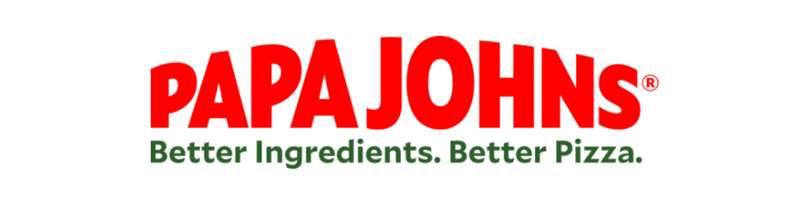
The Papa John’s logo is a combination mark featuring bold red and green typography spelling out the brand name, paired with the tagline “Better Ingredients. Better Pizza.” The 2019 redesign introduced a cleaner, modernized look while keeping the brand’s signature colors intact.
Design Type: Combination mark (wordmark with tagline)
Primary Elements:
- Custom sans-serif lettering for “PAPA JOHN’S”
- Apostrophe integrated into the wordmark
- Tagline positioned below the main text
Official Introduction Date: Current version launched in 2019
Designer/Agency: The rebrand was handled internally with external agency consultation
Trademark Status: Registered trademark of Papa John’s International, Inc.
Color Palette:
- Papa John’s Red: #C8102E
- Papa John’s Green: #006341
- White and black for supporting elements
Usage Context: Pizza boxes, delivery vehicles, storefronts, digital platforms, uniforms, and all marketing materials
How Has the Papa John’s Logo Evolved Over Time?
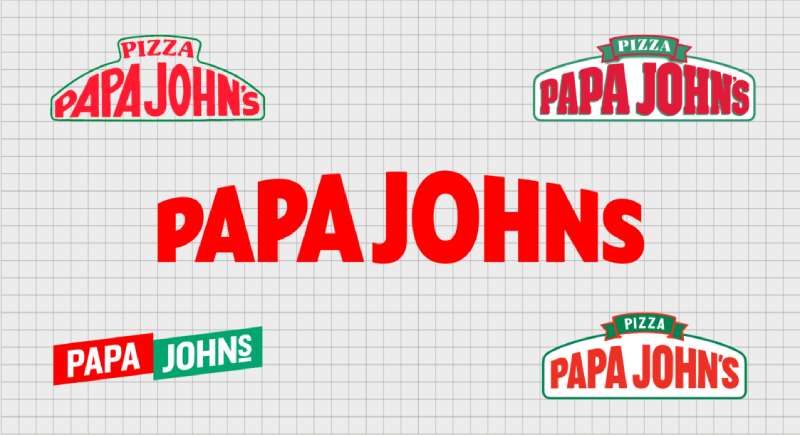
Papa John’s has refreshed its visual identity multiple times since 1984. Each version reflected the company’s growth from a single location to a global pizza chain.
The most dramatic change came in 2019 when the company distanced itself from founder imagery.
Original Papa John’s Logo (1984-1994)
Years Active: 1984-1994
Design Description: The first logo was simple and homemade in feel. It featured basic lettering with minimal refinement, typical of small businesses at the time.
Color Scheme: Red and green, establishing the brand’s signature palette from day one
Context: John Schnatter started selling pizzas from a broom closet in his father’s tavern. The logo matched that scrappy, local pizza joint vibe.
Cultural Significance: It represented the American entrepreneurial dream. A guy with a recipe and a dream.
Second Generation Logo (1994-1999)
Years Active: 1994-1999
Design Description: As the company expanded nationally, the logo became more polished. Cleaner lines and better typography appeared.
Color Scheme: Same red and green, but with more defined shades
Key Changes from Previous: Professional typesetting replaced the original handmade look. The apostrophe became more prominent.
Context: Papa John’s went public in 1993. The logo needed to look like a serious national brand, not a local shop.
Third Generation Logo (1999-2019)
Years Active: 1999-2019
Design Description: This version introduced John Schnatter’s image into the branding. His face appeared alongside the wordmark in various marketing materials.
Color Scheme: Deeper red and green tones with more sophisticated application
Key Changes from Previous: The founder became the face of the brand. “Better Ingredients. Better Pizza.” tagline gained prominence.
Cultural Significance: The personal branding approach worked well for years. Until it didn’t.
Current Logo (2019-Present)
Years Active: 2019-Present
Design Description: A clean, modern wordmark without founder imagery. The sans-serif font feels contemporary and accessible.
Color Scheme: Refreshed red (#C8102E) and green (#006341)
Key Changes from Previous: Complete removal of John Schnatter’s image following his departure from the company
Context: The rebrand came after controversy surrounding the founder. The company needed a fresh start.
What Do the Design Elements of the Papa John’s Logo Mean?
The Papa John’s logo communicates freshness, tradition, and quality through its visual choices. Red and green dominate because they connect directly to pizza ingredients.
These colors show up on tomatoes and fresh basil. It’s not subtle, but it works.
Why Did Papa John’s Choose These Specific Colors?
Red (#C8102E)
- Symbolic meaning: Tomato sauce, passion, appetite stimulation
- Psychological impact: Creates urgency and hunger
- Brand connection: Directly references the “Better Ingredients” promise
The principles of color psychology explain why red appears in so many food brands. It triggers appetite.
Green (#006341)
- Symbolic meaning: Fresh ingredients, basil, quality produce
- Psychological impact: Suggests natural, wholesome food
- Brand connection: Reinforces the fresh ingredient messaging
Together, these colors form something close to complementary colors, creating strong visual contrast.
What Typography Style Is Used in the Papa John’s Logo?
The current logo uses a custom typeface based on geometric sans-serif forms. It’s bold and readable from a distance.
The letterforms have uniform stroke widths. This makes them work well on everything from tiny app icons to massive billboards.
Previous versions used more traditional serif fonts that felt dated by comparison.
What Are the Hidden Meanings in the Papa John’s Logo?
There’s no hidden arrow like FedEx. No secret bear like Toblerone. Papa John’s keeps things straightforward.
The apostrophe in “John’s” creates a subtle visual break. Some designers note it resembles a comma, suggesting there’s more to come.
The real meaning sits in plain sight. Red for tomatoes. Green for fresh herbs. Simple.
How Does the Papa John’s Logo Compare to Competitor Logos?
In the pizza wars, visual identity matters. Papa John’s competes against some heavy hitters with very different design approaches.
The Domino’s Pizza logo uses a domino tile symbol with red and blue. It’s playful and abstract.
Pizza Hut’s logo features a red roof icon that’s been around since 1967. Iconic but dated to some eyes.
Little Caesars logo takes the mascot approach with their toga-wearing character. Very different energy.
Papa John’s sits in the middle. No mascot, no abstract symbol. Just a clean wordmark that says “we’re serious about pizza.”
The green sets Papa John’s apart. Most pizza competitors stick to red, blue, or orange. That green screams “fresh ingredients” in a way competitors don’t.
What Are the Technical Specifications of the Papa John’s Logo?
Official Color Codes:
Primary Red
Primary Green
- Hex: #006341
- RGB: (0, 99, 65)
- CMYK: (100, 0, 75, 45)
- Pantone: 349 C
Dimensions and Proportions:
- Aspect ratio: Approximately 4:1 for horizontal lockup
- Minimum size: 1 inch wide for print applications
- Clear space: Minimum of “P” height on all sides
- The logo should never be distorted, recolored, or placed on busy backgrounds
For digital use, the logo works as both vector graphics and raster formats depending on application.
What Cultural Impact Has the Papa John’s Logo Had?
Papa John’s visual identity became deeply tied to American sports culture. NFL stadiums displayed that red and green logo for years during their partnership.
The 2019 rebrand attracted significant media attention. Removing a founder’s image from a brand named after him? That’s rare.
The logo now represents a company that survived a public relations crisis. It’s a case study in corporate identity management.
How Does the Papa John’s Logo Fit Into the Overall Brand Identity?
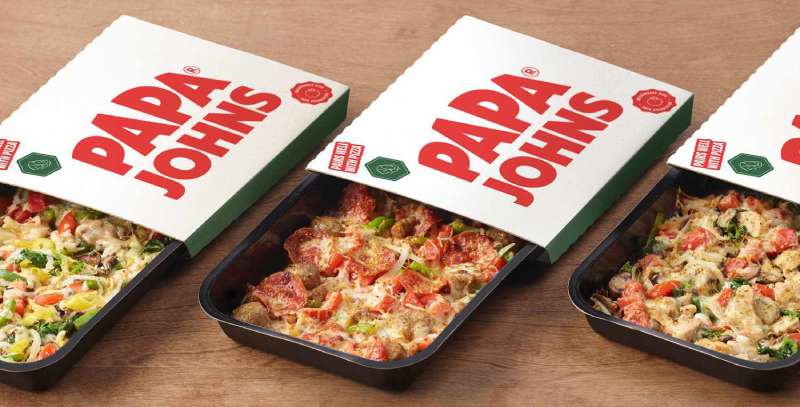
The logo anchors everything Papa John’s does visually. It sets the tone for store design, packaging, uniforms, and advertising.
The company’s brand guidelines ensure consistent application across thousands of locations worldwide.
Red and green extend to pizza boxes, delivery bags, and the website. Even the app icon uses a simplified version of the wordmark.
The “Better Ingredients. Better Pizza.” tagline works as a companion element. Together with the logo, they form a complete brand message.
How Should the Papa John’s Logo Be Used?
Official Usage Guidelines:
- Always maintain the established color palette
- Never stretch, rotate, or modify the logo proportions
- Ensure adequate clear space around the logo
- Use approved logo files from official brand resources
Where to Access Official Logos:
- Franchisees receive brand assets through internal portals
- Media inquiries can request logo files from the corporate communications team
- Unauthorized use of the logo may result in trademark enforcement action
Trademark Protection:
The Papa John’s name, logo, and “Better Ingredients. Better Pizza.” tagline are all registered trademarks. Using them without permission isn’t just frowned upon. It’s illegal.
FAQ on The Papa John’s Logo
What Font Does the Papa John’s Logo Use?
Papa John’s uses a custom font based on geometric sans-serif letterforms. The typeface features bold, uniform strokes designed for maximum readability.
It works across pizza boxes, storefronts, and digital platforms. The kerning is tight but balanced.
What Are the Official Papa John’s Logo Colors?
The official color palette includes Papa John’s Red (#C8102E) and Papa John’s Green (#006341).
These colors reference tomato sauce and fresh basil. The combination supports their “Better Ingredients” brand promise through strong contrast.
When Did Papa John’s Change Their Logo?
The most recent logo redesign happened in 2019. The company removed founder John Schnatter’s image following his departure.
Previous updates occurred in 1994 and 1999. Each version reflected the pizza chain’s growth and evolving brand identity.
Who Designed the Current Papa John’s Logo?
The 2019 rebrand was handled through internal teams with external agency support. Papa John’s International hasn’t publicly credited a specific designer.
The approach follows solid logo design principles. Clean, simple, memorable.
Why Is the Papa John’s Logo Red and Green?
Red and green connect directly to pizza ingredients. Red represents tomatoes and appetite stimulation. Green signals fresh herbs and quality produce.
Understanding color theory explains why this works. Food brands choose colors that trigger hunger responses.
What Does the Papa John’s Logo Represent?
The logo represents quality ingredients and straightforward pizza delivery. No mascots. No gimmicks. Just a clean wordmark.
The visual identity reinforces their tagline promise. It creates unity across all brand touchpoints.
Can I Download the Papa John’s Logo for Use?
Official logo files are available only through Papa John’s corporate channels. Franchisees access assets via internal portals.
Media requests go through their communications team. Unauthorized use violates trademark protections and could result in legal action.
Why Did Papa John’s Remove John Schnatter From Their Branding?
The company removed Schnatter’s image in 2019 following controversial statements. The founder resigned as chairman in 2018.
The rebrand represented a fresh start. Keeping the name while dropping the face was a calculated brand strategy decision.
What Is the Papa John’s Slogan That Appears With the Logo?
“Better Ingredients. Better Pizza.” serves as the official tagline. It appears below the wordmark in most applications.
This slogan has remained consistent for decades. The visual hierarchy places it secondary to the main logo.
Is the Papa John’s Logo Protected by Trademark?
Yes. Papa John’s International holds registered trademarks on the logo, name, and tagline. These protections cover the United States and international markets.
The design elements cannot be reproduced without explicit permission from the company.
Conclusion
The Papa John’s logo tells a story of evolution, crisis management, and smart visual branding. From a broom closet pizza shop to a global franchise, the mark has adapted while keeping its core identity intact.
Red and green remain the foundation. The typography got cleaner. The founder’s face disappeared.
What stays consistent is the message. Better ingredients, better pizza, better logo design.
For anyone studying restaurant branding or corporate identity shifts, this pizza chain offers real lessons in storytelling through design.

Renowned for his expertise in logo design and visual branding, Bogdan has developed a multitude of logos for various clients.
His skills extend to creating posters, vector illustrations, business cards, and brochures. Additionally, Bogdan's UI kits were featured on marketplaces like Visual Hierarchy and UI8.
He also wrote in the past years on sites like Design Your Way, WebDesignerDepot, WPDean, Designmodo, Speckyboy, Slider Revolution, and more.
- Canva vs PowerPoint: Which Is Better for Presentations? - 22 September 2026
- How to Install Fonts on Mac (Step-by-Step Guide) - 20 September 2026
- From Mockup to Code: How AI-Augmented Development Speeds Up the Design Handoff - 19 September 2026

Bogdan Sandu is a seasoned designer who has been designing websites since 2008. Renowned for his expertise in logo design and visual branding, Bogdan has developed a multitude of logos for various clients. His skills extend to creating posters, vector illustrations, business cards, and brochures. Additionally, Bogdan's UI kits were featured on marketplaces like Visual Hierarchy and UI8. He also wrote in the past years on sites like Design Your Way, WebDesignerDepot, WPDean, Designmodo, Speckyboy, Slider Revolution, and more.
You Might Also Like