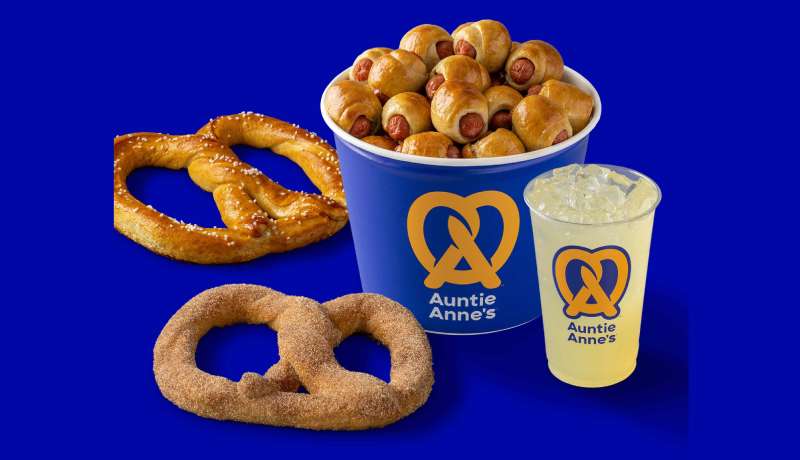
The Auntie Anne’s logo stands as one of the most recognized symbols in the quick-service pretzel industry. Founded in 1988 by Anne Beiler in a Pennsylvania farmers’ market, this brand has grown into a global franchise phenomenon.
The current logo features a distinctive blue and white color scheme with cursive lettering. It communicates warmth, homemade quality, and approachability.
Throughout its history, the brand has undergone several visual updates. Each iteration refined the identity while maintaining that signature friendly feel customers associate with fresh-baked pretzels.
The mark sits comfortably among other fast food logos while carving out its own niche. It represents both the nostalgia of the original farmers’ market stand and the polished look of a modern franchise operation.
What Is the Auntie Anne’s Logo?
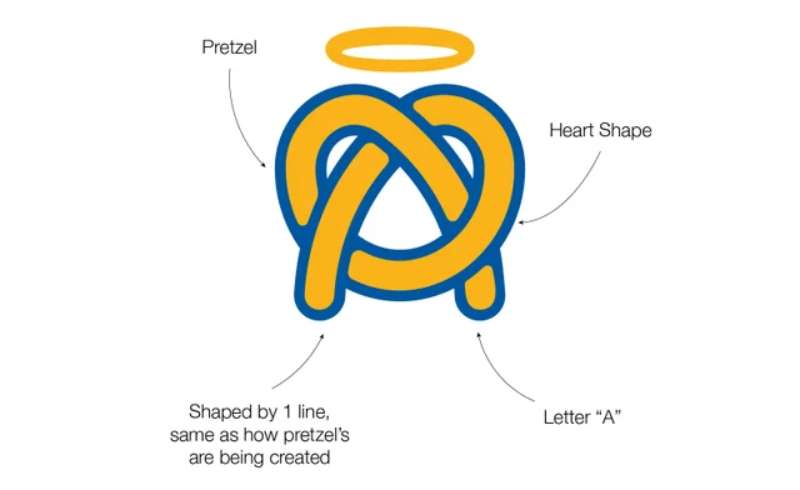
The Auntie Anne’s logo is a combination mark featuring stylized script typography spelling “Auntie Anne’s” alongside a twisted pretzel icon. Officially standardized in the early 1990s, the design was developed internally as the franchise expanded. It symbolizes handcrafted quality and homestyle baking traditions.
Core Attributes:
- Design Type: Combination mark (wordmark plus icon)
- Primary Elements: Cursive “Auntie Anne’s” text, twisted pretzel symbol, apostrophe styling
- Official Introduction: Early 1990s (refined versions followed)
- Designer/Agency: Internal design team with subsequent agency refinements
- Trademark Status: Registered trademark of Focus Brands LLC
- Color Palette: Primary Blue (#003DA5), White (#FFFFFF), Accent Gold/Brown for pretzel imagery
- Usage Context: Store signage, packaging, uniforms, digital platforms, franchise materials, merchandise
How Has the Auntie Anne’s Logo Evolved Over Time?
The Auntie Anne’s logo has gone through approximately three major design phases since 1988.
Each version built upon the last. The brand moved from a simple homemade aesthetic to a polished franchise identity.
Changes remained subtle rather than dramatic. Customer recognition was always the priority.
Original Auntie Anne’s Logo (1988-1995)
- Years Active: 1988-1995
- Design Description: Simple hand-drawn style lettering with basic pretzel imagery. The look reflected the farmers’ market origins.
- Color Scheme: Brown and cream tones, earthy palette
- Designer: Created informally as the business started
- Context: Anne Beiler opened her first stand in Downingtown, Pennsylvania. The logo needed to feel approachable and homemade.
- Cultural Significance: Represented authentic small-business beginnings and Amish Country heritage
Transitional Auntie Anne’s Logo (1995-2010)
- Years Active: 1995-2010
- Design Description: Refined cursive lettering with a more standardized pretzel icon. Blue began appearing as the dominant color.
- Color Scheme: Introduction of navy blue and white
- Key Changes from Previous: More professional appearance, consistent sizing, cleaner lines
- Context: Franchise expansion required a more reproducible, scalable mark
- Cultural Significance: Marked the shift from regional favorite to national chain
Modern Auntie Anne’s Logo (2010-Present)
- Years Active: 2010-present
- Design Description: Crisp blue wordmark with refined script. The pretzel icon appears cleaner with defined twist details.
- Color Scheme: Bright blue (#003DA5) and white, occasional gold accents
- Key Changes from Previous: Brighter blue shade, modernized script curves, digital-ready formatting
- Context: Focus Brands acquisition brought updated brand guidelines and consistency standards
- Cultural Significance: Represents the mature, globally recognized franchise
What Do the Design Elements of the Auntie Anne’s Logo Mean?
The twisted pretzel icon directly represents the core product.
It creates instant recognition. You know exactly what this company sells.
The cursive script adds personality and warmth. It feels like a signature from a real person, which it technically is.
Why Did Auntie Anne’s Choose These Specific Colors?
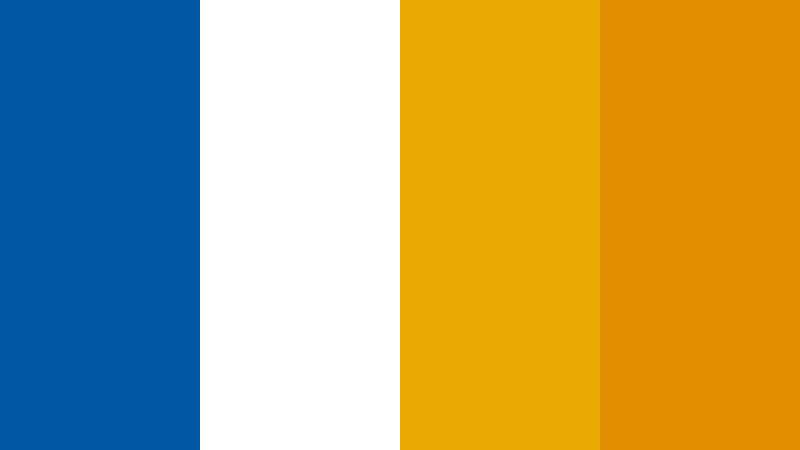
Blue dominates because it builds trust. It also stands out in crowded food court environments where warm colors like red and yellow are everywhere.
Most pretzel competitors use brown and gold. Auntie Anne’s went the opposite direction.
- Primary Blue (#003DA5): Represents trust, cleanliness, and reliability. Creates strong contrast against typical food service color schemes.
- White (#FFFFFF): Signals freshness and purity. Reinforces the “hand-rolled” and “fresh-baked” messaging.
- Gold/Brown Accents: Used sparingly in pretzel imagery. Connects to the actual product color and baked goods associations.
The color psychology here is smart. Blue makes people feel safe about food quality.
What Typography Style Is Used in the Auntie Anne’s Logo?
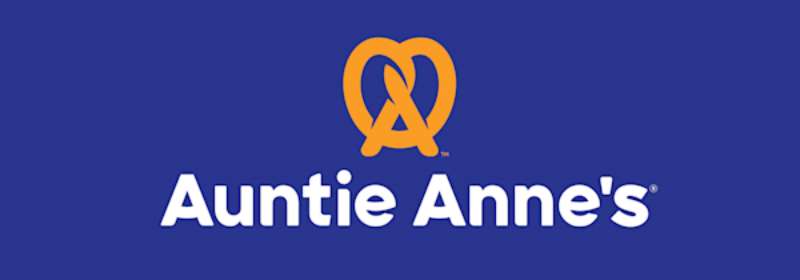
The brand uses a custom script font that mimics handwriting.
It feels personal. Like Anne herself signed every box.
The letters connect smoothly with consistent stroke weights. Curves are rounded rather than sharp, which matches the soft pretzel product perfectly.
Readability stays high even at smaller sizes. The x-height is generous enough to work on packaging and signage alike.
What Are the Hidden Meanings in the Auntie Anne’s Logo?
The pretzel twist forms a subtle heart shape if you look closely. This was intentional.
Anne Beiler started the business partly to fund charitable work. The heart connection matters to the brand story.
The apostrophe in “Anne’s” uses a distinctive styling. It reinforces the personal, possessive nature of the brand name.
Nothing about this logo is accidental. Every curve serves the message.
How Does the Auntie Anne’s Logo Compare to Competitor Logos?
In the pretzel category, Auntie Anne’s dominates visually.
Wetzel’s Pretzels uses warmer colors and a more playful approach. Auntie Anne’s feels more established.
Against broader quick-service competitors like Subway or Dunkin, the blue palette helps Auntie Anne’s stand apart.
The script typography differentiates it from blocky sans-serif marks common in fast food. Compare it to the Wendy’s logo or Arby’s logo and you see a completely different personality.
Mall food court placement means competing for attention against Panda Express, Chick-fil-A, and others. The blue acts as a visual pattern interrupt.
What Are the Technical Specifications of the Auntie Anne’s Logo?
Official Color Codes:
- Primary Blue: Hex #003DA5, RGB (0, 61, 165), CMYK (100, 63, 0, 35), Pantone 293 C
- White: Hex #FFFFFF, RGB (255, 255, 255), CMYK (0, 0, 0, 0)
- Accent Gold: Hex #C5A253, RGB (197, 162, 83), used in select applications
Dimensions and Proportions:
- Aspect Ratio: Approximately 3:1 for horizontal lockup
- Minimum Size: 1 inch width for print, 72 pixels for digital
- Clear Space: Minimum padding equal to the height of the letter “A” on all sides
- File Formats: Available in vector formats (AI, EPS, SVG) and raster formats (JPEG, PNG)
What Cultural Impact Has the Auntie Anne’s Logo Had?
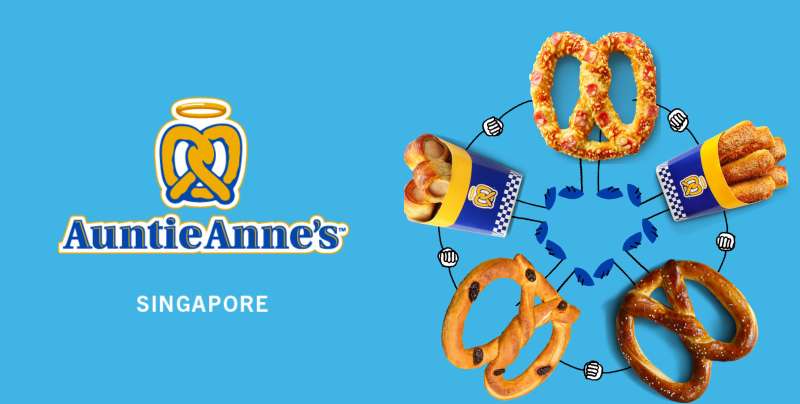
The logo became synonymous with the American mall experience. For an entire generation, that blue sign meant one thing: warm pretzels.
It helped legitimize the pretzel as a standalone snack category. Before Auntie Anne’s scaled up, pretzels were mostly street vendor territory or ballpark concessions.
The brand proved that specialty snack shops could compete in food courts dominated by burger and pizza chains.
Today the logo appears in over 1,800 locations across 25+ countries. That kind of reach shapes food culture.
How Does the Auntie Anne’s Logo Fit Into the Overall Brand Identity?
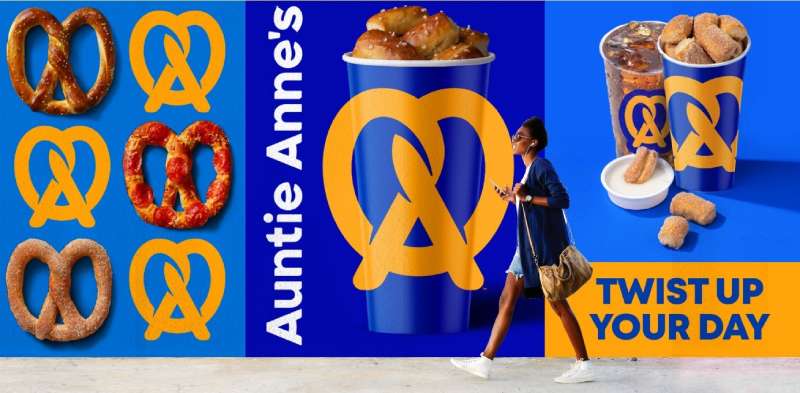
The logo anchors a complete visual system. Store interiors, packaging, uniforms, and marketing all pull from the same foundation.
Blue dominates the in-store experience. White counters and displays keep things feeling clean.
The script typography appears on menus, bags, and cups. Consistency is tight across every touchpoint.
Under Focus Brands ownership, the visual identity aligns with sister brands like Cinnabon and Jamba while maintaining distinct personality.
How Should the Auntie Anne’s Logo Be Used?
Official Usage Guidelines:
- Do: Use approved color versions only. Maintain clear space requirements. Download from official franchise resources.
- Don’t: Stretch or distort proportions. Apply unapproved color combinations. Place on busy backgrounds without contrast.
- Approved Versions: Full-color primary, white knockout, single-color blue
Access and Licensing:
- Franchisees: Access through Focus Brands franchise portal
- Media: Press kit available through corporate communications
- Trademark Protection: Registered with USPTO. Unauthorized commercial use prohibited.
- Licensing: Controlled through Focus Brands legal team. Third-party use requires written approval.
The brand style guide covers all approved applications in detail.
FAQ on The Auntie Anne’s Logo
What Font Is Used in the Auntie Anne’s Logo?
The Auntie Anne’s logo uses a custom script typeface designed specifically for the brand.
It mimics handwritten cursive lettering. The flowing strokes create warmth and approachability that fits the homestyle pretzel concept perfectly.
No publicly available font matches it exactly.
What Are the Official Colors of the Auntie Anne’s Logo?
The primary color palette features blue (#003DA5) and white.
Gold and brown appear as accent colors in pretzel imagery. This blue logo approach sets the brand apart from competitors who rely on warm tones.
The combination signals trust and freshness.
When Was the Auntie Anne’s Logo Created?
Anne Beiler founded the company in 1988 at a Pennsylvania farmers’ market.
The original logo emerged that same year. It looked handmade and simple.
The current refined version took shape during the 1990s franchise expansion and received updates around 2010.
Who Designed the Auntie Anne’s Logo?
The original mark was created internally when Anne Beiler launched her first pretzel stand in Lancaster County.
Later refinements came through agency partnerships as the franchise grew. Focus Brands now manages all visual identity standards for consistency.
What Does the Pretzel Symbol Mean in the Auntie Anne’s Logo?
The twisted pretzel icon represents the core product. Pretty straightforward.
Look closer and you might spot a subtle heart shape in the twist. This connects to Anne Beiler’s charitable mission when founding the company.
The psychology of shapes plays a role here.
Has the Auntie Anne’s Logo Changed Over Time?
Yes. The brand has gone through roughly three major versions.
Early designs felt rustic and homemade. The 1990s brought standardization for franchise use.
The modern version features brighter blue and cleaner lines optimized for digital platforms and packaging design.
Where Can I Download the Auntie Anne’s Logo?
Franchisees access official files through the Focus Brands portal.
Media professionals can request assets from corporate communications. Public download sites exist but may offer outdated or incorrect versions.
Always verify you have the current approved artwork.
Is the Auntie Anne’s Logo Trademarked?
Absolutely. The logo is a registered trademark held by Focus Brands LLC.
Unauthorized commercial use is prohibited. The USPTO registration covers the wordmark, pretzel symbol, and combination lockups used across all franchise locations.
What Type of Logo Is Auntie Anne’s?
It qualifies as a combination mark. This means it pairs a wordmark (the script text) with an icon (the pretzel).
This approach follows proven logo design principles. The elements work together or separately depending on the application.
Why Is the Auntie Anne’s Logo Blue Instead of Brown?
Most bakery and pretzel brands use brown, gold, or warm earth tones.
Auntie Anne’s chose blue to stand out. In mall food courts packed with red and yellow signage, blue acts as a focal point.
The color also builds trust around food quality and cleanliness.
Conclusion
The Auntie Anne’s logo tells the story of a brand that grew from a single farmers’ market stand into a global pretzel franchise.
That blue and white color scheme was a bold choice. It works because it breaks from bakery industry norms.
The cursive lettering maintains the personal touch Anne Beiler established in 1988. Every design decision supports the visual hierarchy and brand recognition that made this soft pretzel company a mall food court icon.
Simple design elements executed consistently over decades. That is what builds a lasting franchise identity.

Renowned for his expertise in logo design and visual branding, Bogdan has developed a multitude of logos for various clients.
His skills extend to creating posters, vector illustrations, business cards, and brochures. Additionally, Bogdan's UI kits were featured on marketplaces like Visual Hierarchy and UI8.
He also wrote in the past years on sites like Design Your Way, WebDesignerDepot, WPDean, Designmodo, Speckyboy, Slider Revolution, and more.
- Minecraft Font Generator - 8 October 2026
- How photo recovery software works and when to use it - 7 October 2026
- Top Source Sans Pro Font Pairing for Clean UIs - 6 October 2026

Bogdan Sandu is a seasoned designer who has been designing websites since 2008. Renowned for his expertise in logo design and visual branding, Bogdan has developed a multitude of logos for various clients. His skills extend to creating posters, vector illustrations, business cards, and brochures. Additionally, Bogdan's UI kits were featured on marketplaces like Visual Hierarchy and UI8. He also wrote in the past years on sites like Design Your Way, WebDesignerDepot, WPDean, Designmodo, Speckyboy, Slider Revolution, and more.
You Might Also Like