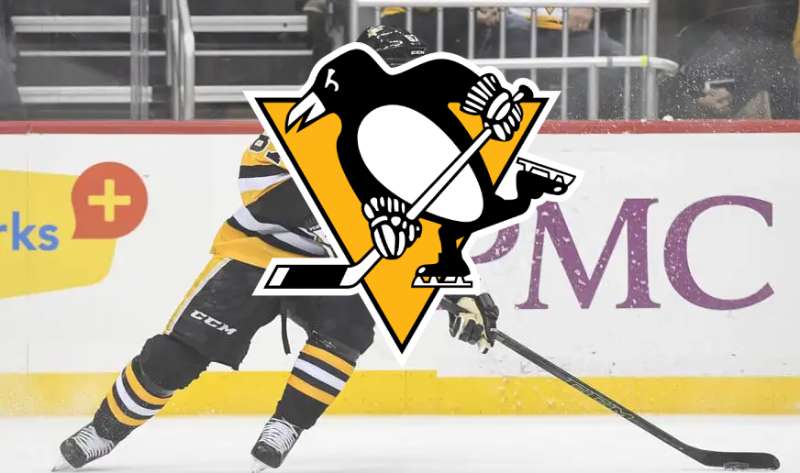
The Pittsburgh Penguins logo stands as one of the most recognizable marks in professional hockey. A skating penguin holding a hockey stick. Simple enough, right? But there’s more going on here than meets the eye.
Since joining the NHL in 1967, Pittsburgh has cycled through several logo versions. Some worked. Others… well, we’ll get to that.
The current design returned in 2016, bringing back the classic triangular shape that fans actually wanted. It connects directly to Pittsburgh’s Golden Triangle district where three rivers meet. The black and gold color palette matches every major Pittsburgh sports team. That’s not an accident.
Five distinct logo eras have shaped this franchise’s visual identity over nearly six decades of hockey.
What Is the Pittsburgh Penguins Logo?
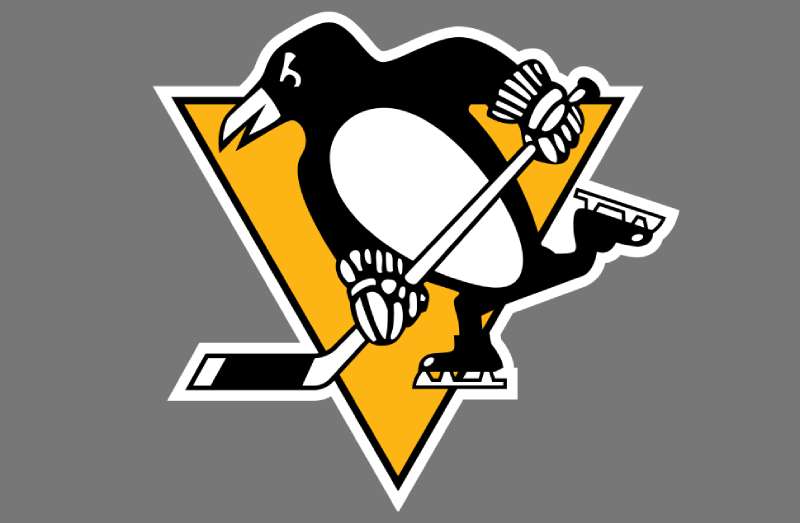
The Pittsburgh Penguins logo features a skating penguin inside a triangular frame, officially reintroduced in 2016 after fan demand brought back the classic design that debuted in 1967.
Design Type: Combination mark (mascot-based emblem with integrated wordmark on alternate versions)
Primary Elements:
- Cartoon penguin in skating pose
- Hockey stick held in flippers
- Triangle shape representing Pittsburgh’s Golden Triangle
- Scarf detail on current version
Official Introduction Date: Original in 1967, current version October 2016
Designer/Agency: Original concept attributed to team ownership group; 2016 return designed in-house
Trademark Status: Registered trademark of Pittsburgh Penguins, LP under NHL licensing
Color Palette:
- Pittsburgh Gold (primary accent)
- Black (primary base)
- White (detail and background elements)
Usage Context: Center ice, jerseys, merchandise, arena signage, digital platforms, broadcast graphics, and licensed products worldwide
How Has the Pittsburgh Penguins Logo Evolved Over Time?
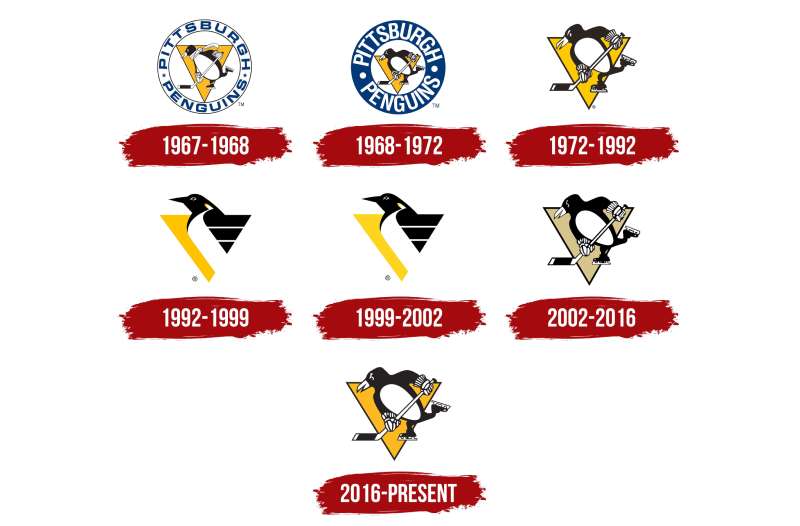
The Penguins have gone through five major logo designs since 1967.
Each shift reflected either a design trend of its era or a deliberate callback to tradition.
The most controversial change came in 1992 with the “Robo Penguin,” which divided fans for over two decades before the team finally listened.
Original Pittsburgh Penguins Logo (1967-1968)
Years Active: 1967-1968 (one season only)
Design Description: A simple skating penguin wearing a blue scarf inside a triangle. The penguin held a hockey stick and wore ice skates. Clean lines, straightforward presentation.
Color Scheme: Light blue, dark blue, and white. No gold yet. The team actually shared colors with the original St. Louis Blues during this brief period.
Designer: Created by the founding ownership group
Context: The NHL expanded from six to twelve teams in 1967. Pittsburgh needed a logo fast. The penguin made sense for a city with cold winters and a zoo that featured penguins. The triangle honored Pittsburgh’s geography.
Key Changes from Previous: This was the first logo. No predecessor existed.
Cultural Significance: Established the penguin as the franchise mascot and connected the team to Pittsburgh’s three-rivers identity from day one.
Classic Gold Era Logo (1968-1972)
Years Active: 1968-1972
Design Description: Same skating penguin, but now sporting Pittsburgh’s signature black and gold. The scarf changed from blue to gold. The triangle remained.
Color Scheme: Black, gold, and white. This change aligned Pittsburgh with its Steelers and Pirates.
Designer: In-house modification
Context: Team management recognized the power of unified city colors. Pittsburgh fans responded positively to the switch.
Key Changes from Previous: Complete color overhaul from blue tones to black and gold
Cultural Significance: Created the color foundation that would define Pittsburgh sports for generations
Refined Classic Logo (1972-1992)
Years Active: 1972-1992
Design Description: The penguin got thicker outlines and bolder features. The overall shape stayed consistent, but details became more defined for better reproduction on merchandise and broadcast.
Color Scheme: Black, gold, and white continued
Designer: In-house refinement
Context: Television broadcasting improved throughout the 1970s and 1980s. Logos needed to read better on screen. The Penguins thickened their mark accordingly.
Key Changes from Previous: Heavier line weights, more defined penguin features, improved scalability
Cultural Significance: This version carried the team through the Mario Lemieux draft and early dynasty years. It’s what many long-time fans picture first.
Robo Penguin Logo (1992-2002)
Years Active: 1992-2002
Design Description: A dramatic departure. The cute cartoon penguin became an aggressive, angular bird with sharp edges and a menacing expression. The triangle disappeared entirely.
Color Scheme: The team introduced “Vegas Gold” alongside black and white. This lighter gold looked cheaper to many fans.
Designer: External design agency following 1990s sports design trends
Context: The early 1990s saw aggressive rebranding across professional sports. Sharp angles, fierce expressions, and intimidating imagery dominated. The Penguins followed the trend.
Key Changes from Previous: Removed the triangle, changed gold shade, transformed friendly penguin into aggressive version, added gradient effects
Cultural Significance: Despite winning Stanley Cups in 1991 and 1992 with the classic logo, the team debuted this controversial redesign during their championship window. Fans remained divided. The “Robo Penguin” nickname stuck, and it wasn’t meant as a compliment.
Current Pittsburgh Penguins Logo (2016-Present)
Years Active: 2016-present
Design Description: A return to the 1967-1992 design philosophy. Friendly skating penguin back in the triangle. Modern refinements for digital reproduction, but clearly honoring the original vision.
Color Scheme: “Pittsburgh Gold” replaced Vegas Gold. Back to the richer, deeper gold that matches the Steelers and Pirates. Black and white remained.
Designer: Internal creative team working with fan feedback
Context: After years of fan petitions and vocal criticism of the Robo Penguin, Pittsburgh listened. The franchise hosted fan votes and surveys. The message was clear: bring back the classic.
Key Changes from Previous: Triangle returned, softer penguin design, richer gold tone, cleaner lines optimized for modern vector graphics reproduction
Cultural Significance: Represents one of the few times a major sports franchise completely reversed a rebrand based on fan demand. The team won Stanley Cups in 2016 and 2017 wearing this logo.
What Do the Design Elements of the Pittsburgh Penguins Logo Mean?
Every element in this logo connects to Pittsburgh’s identity.
The triangle represents the Golden Triangle downtown district where three rivers converge.
The penguin symbolizes resilience in cold conditions, which feels right for a hockey team in a steel city.
Why Did Pittsburgh Choose These Specific Colors?
Pittsburgh gold isn’t just any gold. It’s a specific shade that unifies the city’s major sports teams.
The Steelers established this tradition. The Pirates followed. The Penguins joined in 1968.
According to color psychology, gold communicates success, quality, and prestige. Black adds power and sophistication.
Together, they create a contrast that commands attention while honoring Pittsburgh’s industrial heritage.
Pittsburgh Gold
- Hex: #FCB514
- Represents excellence and championship tradition
- Connects to the city’s golden age of steel production
Black
- Hex: #000000
- Symbolizes strength and Pittsburgh’s coal and steel history
- Provides maximum contrast for visibility
White
- Hex: #FFFFFF
- Represents ice and clean detail separation
- Allows logo elements to breathe
What Typography Style Is Used in the Pittsburgh Penguins Logo?
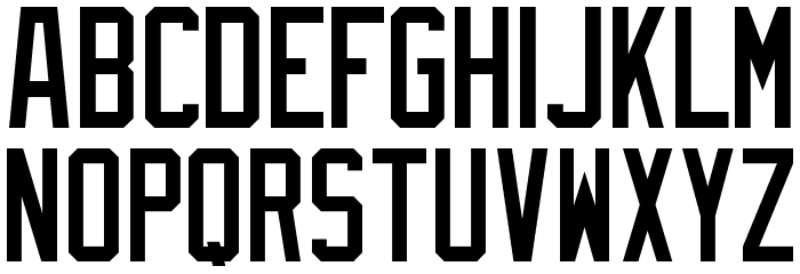
The primary logo relies on imagery rather than text.
When typography appears on alternate marks, the team uses custom lettering.
Bold, italicized characters suggest forward motion and speed. The letters lean right, implying a skating stride.
This approach matches what you see across NHL logos generally. Athletic, dynamic, readable at distance.
What Are the Hidden Meanings in the Pittsburgh Penguins Logo?
The triangle does double duty. It’s both the Golden Triangle and a subtle nod to the three Stanley Cup championships from the original dynasty era.
Look closer at the penguin’s posture. The forward lean suggests motion and determination. It’s not standing still.
Some fans see the hockey stick angle as pointing toward victory. Whether the original designers intended that remains unclear.
The scarf detail connects to cold weather hockey traditions. Penguins in nature don’t wear scarves, obviously, but it humanizes the mascot.
How Does the Pittsburgh Penguins Logo Compare to Competitor Logos?
Among NHL Eastern Conference teams, Pittsburgh runs with a friendly mascot approach.
The Philadelphia Flyers logo uses an abstract winged P. More aggressive. Less approachable.
The Washington Capitals logo features bold lettering with minimal imagery. Clean but less memorable.
Pittsburgh’s skating penguin falls somewhere between intimidating and likable. Kids want the merchandise. Adults respect the heritage.
Compare this to Western Conference animal logos like the San Jose Sharks logo, which goes full aggressive with a shark biting a hockey stick. Different philosophy entirely.
The Detroit Red Wings logo takes the simplest approach. Just a winged wheel. No mascot, no elaborate imagery. It works through pure recognition and history.
Pittsburgh found middle ground that honors tradition while maintaining broad appeal.
What Are the Technical Specifications of the Pittsburgh Penguins Logo?
Official Color Codes:
Pittsburgh Gold (Primary)
Black (Primary)
- Hex: #000000
- RGB: (0, 0, 0)
- CMYK: (0, 0, 0, 100)
- Pantone: Black C
White (Secondary)
- Hex: #FFFFFF
- RGB: (255, 255, 255)
- CMYK: (0, 0, 0, 0)
Dimensions and Proportions:
- Aspect ratio approximately 1:1 within triangular frame
- Minimum reproduction size: 0.5 inches for print, 50 pixels for digital
- Clear space requirement: minimum distance equal to height of penguin’s head on all sides
- The triangle border must remain proportional when scaling
What Cultural Impact Has the Pittsburgh Penguins Logo Had?
The Penguins logo transcends hockey in Pittsburgh.
It appears alongside Steelers and Pirates marks as part of the city’s unified sports identity. You’ll see it in restaurants, bars, and businesses that have nothing to do with hockey.
The five Stanley Cup championships (1991, 1992, 2009, 2016, 2017) cemented this logo in championship memory. When Pittsburgh fans think of winning, they picture this penguin.
The Robo Penguin era proved something interesting. Fans genuinely care about logo design. The backlash against that 1992 change showed that team identity matters beyond wins and losses.
How Does the Pittsburgh Penguins Logo Fit Into the Overall Brand Identity?
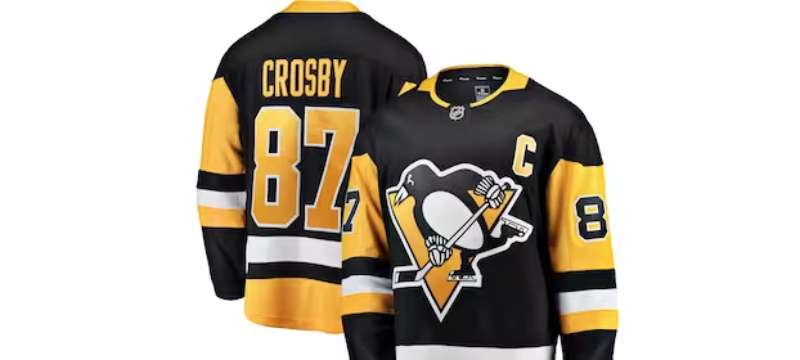
The logo anchors everything visual about this franchise.
Jersey designs build outward from the central penguin mark. Alternate uniforms may shift colors slightly, but the core identity stays consistent.
PPG Paints Arena features the logo prominently at center ice, on scoreboards, and throughout concourse areas.
Team brand guidelines dictate exact usage across broadcast graphics, social media, merchandise, and partner materials.
The Penguins Foundation uses a modified version, maintaining visual connection while distinguishing charitable operations from hockey operations.
How Should the Pittsburgh Penguins Logo Be Used?
Official Usage Guidelines:
Do:
- Use official vector files from NHL licensing
- Maintain minimum clear space around the logo
- Keep proportions locked when scaling
- Use approved color combinations only
Don’t:
- Stretch or distort the logo
- Change official colors without approval
- Add effects, shadows, or modifications
- Place on busy backgrounds that reduce visibility
- Use for commercial purposes without licensing
Where to Access Official Logos: NHL media resources portal (credentialed media only), official licensing partners, Pittsburgh Penguins media relations department
Licensing Information: All commercial use requires licensing through NHL Enterprises, LP. Fan use for non-commercial purposes follows standard NHL fan conduct policies.
Trademark Protection: The Pittsburgh Penguins logo is a registered trademark. Unauthorized commercial reproduction may result in legal action. The team actively monitors and enforces trademark rights globally.
FAQ on The Pittsburgh Penguins Logo
When Was the Pittsburgh Penguins Logo Created?
The original Pittsburgh Penguins logo debuted in 1967 when the NHL expanded from six to twelve teams.
Pittsburgh joined alongside five other franchises. The skating penguin inside a triangle became their identity from day one.
What Does the Pittsburgh Penguins Logo Represent?
The triangle honors Pittsburgh’s Golden Triangle district where three rivers meet. The penguin connects to the city’s cold winters and the Pittsburgh Zoo.
It’s geography and local identity wrapped into one team crest.
Why Did the Penguins Change Their Logo in 1992?
Sports branding trends in the early 1990s pushed teams toward aggressive imagery. The Penguins followed suit with the angular “Robo Penguin” design.
Fans hated it. The team kept it anyway for over two decades.
What Colors Are in the Pittsburgh Penguins Logo?
Black and Pittsburgh Gold define the current color scheme. White provides detail separation.
These match the Steelers and Pirates. Understanding color theory explains why unified city colors create stronger regional brand recognition.
Who Designed the Original Pittsburgh Penguins Logo?
The founding ownership group created the original 1967 concept. No single designer gets credit.
The 2016 return to classic styling came from the team’s internal creative department working directly with fan feedback.
What Is the Robo Penguin Logo?
Fans nicknamed the 1992-2016 logo “Robo Penguin” because of its sharp, mechanical appearance. The friendly mascot became an aggressive, angular bird.
It won Stanley Cups. Fans still wanted the old one back.
Why Is There a Triangle in the Penguins Logo?
The triangle represents Pittsburgh’s downtown peninsula. The Allegheny, Monongahela, and Ohio rivers create this distinctive shape.
It serves as the focal point that frames the entire hockey team emblem.
When Did the Penguins Bring Back the Classic Logo?
October 2016 marked the official return. The team unveiled it before the season opener.
Pittsburgh won back-to-back Stanley Cup championships immediately after. Coincidence? Fans don’t think so.
Can I Use the Pittsburgh Penguins Logo for My Business?
No. Commercial use requires official licensing through NHL Enterprises.
The trademark protects against unauthorized reproduction. Fan use for non-commercial purposes follows different guidelines, but selling merchandise without approval brings legal consequences.
Where Can I Download the Official Pittsburgh Penguins Logo?
Credentialed media access official files through the NHL media portal. Licensed partners receive assets directly.
Public downloads typically offer lower resolution versions. For print design work, you need proper licensing and high DPI files from official sources.
Conclusion
The Pittsburgh Penguins logo tells a story of fan loyalty winning out over corporate design trends. Five logo versions across nearly six decades. Only one truly stuck.
That skating penguin inside the triangle connects Sidney Crosby’s championships to Mario Lemieux’s dynasty years. Same symbol. Different generations.
The return to classic styling in 2016 proved something. Fans care about team identity beyond wins and losses.
PPG Paints Arena displays this mark proudly at center ice. Jersey designs build around it. The Metropolitan Division knows it well.
Black and gold. A penguin with a hockey stick. Pittsburgh through and through.

Renowned for his expertise in logo design and visual branding, Bogdan has developed a multitude of logos for various clients.
His skills extend to creating posters, vector illustrations, business cards, and brochures. Additionally, Bogdan's UI kits were featured on marketplaces like Visual Hierarchy and UI8.
He also wrote in the past years on sites like Design Your Way, WebDesignerDepot, WPDean, Designmodo, Speckyboy, Slider Revolution, and more.
- The Windsurf Logo History, Colors, Font, And Meaning - 10 October 2026
- How to Remove Background From Product Photos (No Photoshop) - 10 October 2026
- How Designers can Build a Stronger Online Creative Identity - 9 October 2026

Bogdan Sandu is a seasoned designer who has been designing websites since 2008. Renowned for his expertise in logo design and visual branding, Bogdan has developed a multitude of logos for various clients. His skills extend to creating posters, vector illustrations, business cards, and brochures. Additionally, Bogdan's UI kits were featured on marketplaces like Visual Hierarchy and UI8. He also wrote in the past years on sites like Design Your Way, WebDesignerDepot, WPDean, Designmodo, Speckyboy, Slider Revolution, and more.
You Might Also Like