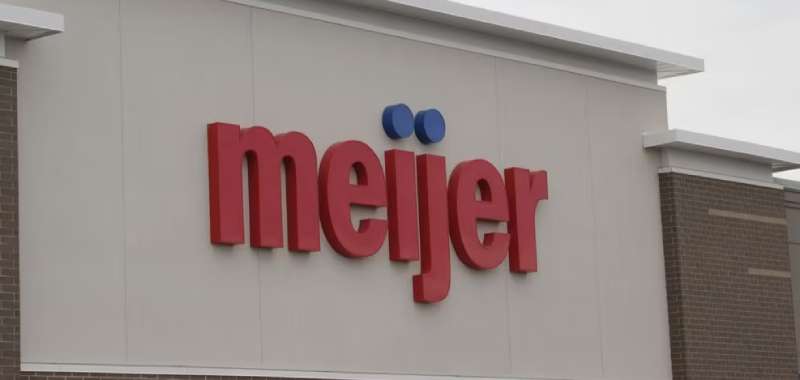
The Meijer logo is the visual mark representing Meijer, Inc., a privately held American supercenter chain headquartered in Grand Rapids, Michigan. It serves as the primary brand identifier across the company’s 500+ store locations throughout the Midwest. Meijer was founded in 1934 by Hendrik Meijer, and the brand’s visual identity has gone through several updates since then. The current logo is a clean, bold red wordmark that reflects the company’s positioning as a trusted, no-frills Midwestern retailer.
Meijer sits in an interesting spot in retail branding history. It pioneered the one-stop shopping supercenter format before Walmart made it mainstream, and its logo has always leaned toward practicality over flash. Among grocery store logos, Meijer’s mark stands out for its consistency and its strong regional identity.
What Is the Meijer Logo?
The Meijer logo is a red wordmark using bold, rounded sans-serif typography. The current version was refined in the early 2000s and presents the company name in a confident, all-lowercase style. No external design agency has been officially credited publicly for the current iteration.
Design Type: Wordmark
Primary Elements: Bold, lowercase sans-serif lettering in red, with no accompanying icon or symbol in the primary mark
Official Introduction Date: Current version refined circa early 2000s; original wordmark dates to the mid-20th century
Designer/Agency: Not publicly disclosed
Trademark Status: Registered trademark of Meijer, Inc.
Color Palette:
- Meijer Red: #D2232A (primary)
- White: #FFFFFF (background and contrast use)
Usage Context: Storefront signage, packaging, shopping bags, digital platforms, marketing materials, uniforms, and weekly ad circulars
How Has the Meijer Logo Evolved Over Time?
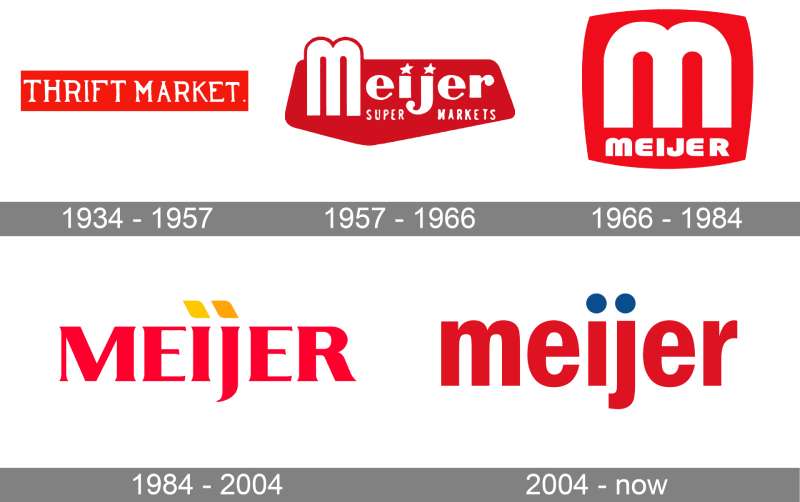
The Meijer logo has gone through a gradual simplification over the decades, moving from more decorative early marks toward the clean, bold red wordmark used today. Each change tracked closely with shifts in the company’s scale and retail positioning.
Original Meijer Logo (1934-1960s)
- Years Active: 1934 to approximately the mid-1960s
- Design Description: Early signage and branding reflected the look of a regional thrift grocery store, with more ornate lettering styles typical of mid-century American retail
- Color Scheme: Red and white, with some black in early print applications
- Designer: Unknown
- Context: Hendrik Meijer opened his first store in Greenville, Michigan during the Great Depression, so early branding was functional above everything else
- Key Changes from Previous: N/A – first version
- Cultural Significance: Represented a scrappy, value-focused Midwestern grocery that served working-class families
Mid-Century Meijer Logo (1960s-1980s)
- Years Active: Approximately 1960s to 1980s
- Design Description: As Meijer expanded into the supercenter format (they launched Thrifty Acres supercenters in 1962), the logo became more structured and display-ready for large-format signage
- Color Scheme: Red and white
- Designer: Unknown
- Context: Meijer was aggressively expanding across Michigan and into neighboring Midwest states, and the brand needed to scale visually
- Key Changes from Previous: More uniform lettering, better suited to large exterior signage
- Cultural Significance: Became a recognizable Midwest symbol during a period of significant suburban retail growth
Modern Meijer Logo (1990s-2000s Refinement)
- Years Active: Approximately late 1990s to present
- Design Description: Clean, bold, lowercase red wordmark. Rounded letterforms, strong weight, high legibility at any size
- Color Scheme: Meijer Red (#D2232A) on white
- Designer: Not publicly disclosed
- Context: As big-box retail competition intensified (Walmart, Target, Kroger), Meijer modernized its visual identity to feel cleaner and more contemporary
- Key Changes from Previous: Removed any decorative elements, tightened letterforms, standardized the red across all applications
- Cultural Significance: Cemented Meijer’s identity as a clean, reliable, Midwest-first brand
What Do the Design Elements of the Meijer Logo Mean?
The Meijer logo communicates reliability and accessibility through its design choices. The bold red wordmark signals energy and confidence without being aggressive.
The all-lowercase format keeps the mark approachable. It does not feel corporate or distant.
The rounded letterforms soften what could otherwise be a very blunt, heavy mark. That balance between strength and warmth is not accidental.
What Symbolic Meaning Does the Meijer Wordmark Carry?
The wordmark puts the family name front and center. That is a deliberate choice for a company that has remained family-owned for 90 years.
The simplicity of the mark signals that Meijer is not trying to be trendy. It is just there, consistently, which is exactly the brand promise.
No abstract icons or symbols. The name alone is the brand.
Why Did Meijer Choose These Specific Colors?
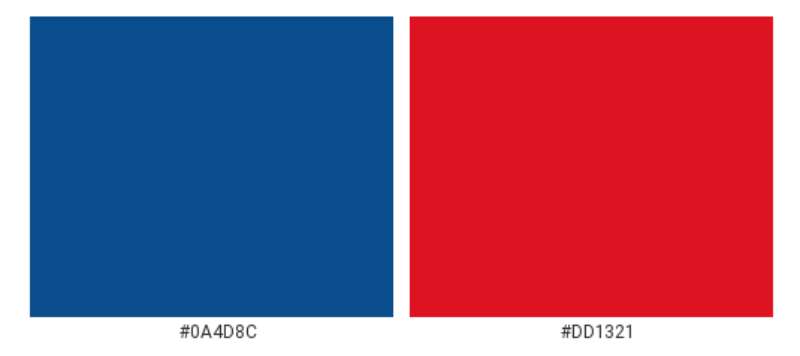
Meijer Red (#D2232A)
- Color Name: Meijer Red
- Hex Code: #D2232A
- Pantone: Pantone 485 C (approximate)
- Symbolic Meaning: Energy, urgency, value, action
- Psychological Impact: Red is well-documented in color psychology as a driver of impulse and appetite, both useful in a grocery and retail context
- Brand/Industry Connection: Red is one of the most common colors in retail and grocery branding globally. Among red logos, Meijer’s sits in strong company alongside Target and Kroger
White (#FFFFFF)
- Color Name: White
- Symbolic Meaning: Cleanliness, clarity, openness
- Psychological Impact: Creates contrast that makes the red wordmark pop, especially on signage
- Brand/Industry Connection: Standard contrast color in retail branding for legibility
What Typography Style Is Used in the Meijer Logo?
The Meijer wordmark uses a bold, rounded sans-serif font. The exact typeface has not been officially disclosed, and it appears to be a custom or heavily modified version of a standard sans-serif.
The letterforms are thick and even-weighted, with no dramatic thick-to-thin transitions. That gives the mark strong legibility at small sizes and extreme distances on store signs.
Lowercase styling keeps it from feeling stiff. That is a recurring trend in retail typography since the 1990s.
Earlier versions used more traditional mixed-case or display-style lettering. The shift to a consistent, lowercase bold mark came with the broader modernization of the identity.
What Are the Hidden Meanings in the Meijer Logo?
Honestly, the Meijer logo does not lean heavily on hidden symbolism. What you see is largely what you get.
There are no embedded arrows, smiling faces, or geometric shapes inside the letterforms (unlike FedEx or Amazon). The brand’s approach to design has always been straightforward.
The one intentional layer worth noting is the use of the family name as the sole visual element. For a privately held, family-run company that has resisted going public for decades, that choice is meaningful.
The logo effectively says: this is a family business, and we are proud of it.
How Does the Meijer Logo Compare to Competitor Logos?
Meijer’s red wordmark is clean and direct. Compared to Walmart’s blue spark icon or Target’s bullseye, it is more restrained. That restraint works for a regional chain that competes on familiarity rather than national flash.
Looking at similar retailers side by side:
- Meijer vs. Walmart: Walmart uses a combination mark (wordmark plus icon) in blue and yellow. Meijer sticks to a pure wordmark in red. Walmart feels corporate and national; Meijer feels local and dependable.
- Meijer vs. Kroger: Kroger also uses a wordmark-forward approach with a blue and red palette. Both brands lean into Midwest/national grocery familiarity, but Kroger’s mark is more stylized with a cursive-influenced letterform.
- Meijer vs. Target: Target’s bullseye icon is one of the most recognized retail symbols in the US. Meijer has no equivalent icon, which limits instant visual recognition but keeps things simple.
- Meijer vs. Costco: Costco uses a red and blue wordmark. Both brands share a no-nonsense visual approach that reflects their value-focused retail models.
- Meijer vs. Aldi: Aldi’s mark is more geometric and modern. Meijer’s is warmer and more traditional by comparison.
The pattern here is clear. Meijer sits in the “straightforward wordmark” category of grocery and supercenter branding, which keeps it legible and familiar without demanding attention.
What Are the Technical Specifications of the Meijer Logo?
Official Color Codes:
- Primary Color: Meijer Red
- Hex: #D2232A
- RGB: (210, 35, 42)
- CMYK: (0, 83, 80, 18)
- Pantone: 485 C (approximate)
- Secondary Color: White
- Hex: #FFFFFF
- RGB: (255, 255, 255)
- CMYK: (0, 0, 0, 0)
Dimensions and Proportions:
- Aspect Ratio: Approximately 4:1 (width to height) for the standard horizontal wordmark
- Minimum Size Requirements: Not publicly specified; standard practice for retail logos is a minimum of 1 inch wide in print to maintain legibility
- Clear Space: Standard brand practice requires clear space equal to the cap height of the wordmark on all sides
- File Formats Available: The official logo is available in vector graphics formats (EPS, SVG) for brand partners and press use, plus PNG and JPEG for digital applications. Raster formats like bitmap versions exist but are not recommended for large-format print due to resolution limits. For print, a minimum of 300 DPI is standard practice.
- Usage Guidelines: Official usage guidelines are managed by Meijer’s internal brand team and are not publicly distributed
What Cultural Impact Has the Meijer Logo Had?
In the Midwest, the Meijer logo carries a weight that goes well beyond retail branding. For millions of people across Michigan, Ohio, Indiana, Illinois, Kentucky, and Wisconsin, it is a genuinely familiar symbol tied to weekly routines and family life.
The brand has been in operation for over 90 years, which means multiple generations have grown up with it. That kind of longevity builds cultural association that no marketing campaign can manufacture.
Meijer is also closely tied to Midwest identity in a way that national chains like Walmart or Target are not. It is a regional brand that locals are proud of, which gives the logo an emotional weight beyond simple commercial recognition.
The logo appears consistently on community sponsorships, charity partnerships, and local events, which has deepened that regional connection over time.
How Does the Meijer Logo Fit Into the Overall Brand Identity?
The Meijer logo anchors a broader identity system built around accessibility, value, and Midwest familiarity. It connects directly to the company’s store design, product packaging, digital presence, and advertising voice.
The brand guidelines tie the red wordmark to a consistent visual language used across every customer touchpoint.
The mPerks loyalty program, Meijer’s private label products, and its weekly ad circular all carry the same red-forward identity.
Store signage, employee uniforms, shopping bags, and the Meijer app all use the wordmark consistently. That repetition across physical and digital channels is what builds genuine brand recognition over time.
The logo also works well within the company’s brand style guide, which governs how colors, typography, and the wordmark are applied across print, digital, and environmental contexts. Consistency at that level is what separates a strong retail brand from one that feels fragmented.
How Should the Meijer Logo Be Used?
Official Usage Guidelines:
- Do: Use the logo on white or light neutral backgrounds for maximum legibility
- Do: Maintain proper clear space around the wordmark at all times
- Do: Use official vector files for any print or large-format application
- Do: Access official logo assets through Meijer’s press/media resources or by contacting their communications team directly
- Don’t: Stretch, distort, or alter the proportions of the wordmark
- Don’t: Change the logo color outside of approved brand applications
- Don’t: Place the logo on busy backgrounds or images that reduce legibility
- Don’t: Recreate the logo from scratch using generic fonts
Where to Access Official Logos: Meijer provides press assets and brand resources through its official newsroom at newsroom.meijer.com. Media and brand partners can request official files through Meijer’s corporate communications team.
Licensing and Trademark Protection: The Meijer name and logo are registered trademarks of Meijer, Inc. Unauthorized commercial use is prohibited. Any co-branded or partnership use requires written approval from Meijer’s legal and brand teams. This applies to print, digital, merchandise, and any other commercial application.
FAQ on The Meijer Logo
What does the Meijer logo look like?
It is a bold, lowercase red wordmark. No icon, no symbol. Just the family name in thick, rounded sans-serif lettering on a white background.
Clean and direct. That has always been the approach.
What color is the Meijer logo?
The primary color is Meijer Red, with a hex code of #D2232A. It sits close to Pantone 485 C.
White is used as the background and contrast color across signage, packaging, and digital platforms.
Has the Meijer logo ever changed?
Yes, several times. The Meijer logo evolution tracks closely with the company’s growth from a single Michigan grocery store in 1934 to a Midwest supercenter chain with 500+ locations.
Each update moved toward simpler, bolder typography.
Who designed the Meijer logo?
Meijer has never publicly credited a specific designer or agency for the current wordmark. That is pretty common for large retail chains that manage brand updates internally.
The current version was refined in the early 2000s.
Is the Meijer logo trademarked?
Yes. The Meijer name and corporate logo are registered trademarks of Meijer, Inc. Unauthorized commercial use is not permitted without written approval from their legal team.
What font does the Meijer logo use?
The exact typeface has never been officially disclosed. It appears to be a custom or heavily modified sans-serif font with rounded letterforms and consistent stroke weight.
It prioritizes legibility at large sizes.
Where can I download the official Meijer logo?
Official logo assets are available through Meijer’s press newsroom at newsroom.meijer.com. Media contacts and brand partners can request high-resolution vector files directly from Meijer’s communications team.
How does the Meijer logo compare to other grocery store logos?
It is more restrained than most. The color palette is simpler than Kroger’s blue and red combo, and it lacks the iconic symbol that makes Target or Walmart instantly recognizable from a distance.
What makes the Meijer logo effective?
Consistency and simplicity. The Meijer visual identity has stayed true to its red wordmark approach for decades, which builds the kind of brand recognition that only comes with time.
Familiarity is its biggest asset.
What do the design elements of the Meijer logo represent?
The red signals energy and value, both relevant in grocery retail. The lowercase wordmark keeps it approachable rather than corporate.
Using only the family name reflects the company’s identity as a privately held, family-owned business since 1934.
Conclusion
The Meijer logo is a solid example of retail branding that has held up over decades without needing a dramatic overhaul.
Its red wordmark, consistent color palette, and clean sans-serif typography have made it one of the more recognizable Midwest retail brand marks in American grocery history.
No hidden icons, no trendy rebrands. Just a family name, done well, applied consistently across Meijer store signage, packaging, and digital platforms.
For a privately held supercenter chain that has competed against national giants since the 1930s, that kind of brand recognition is worth more than any logo redesign.

Renowned for his expertise in logo design and visual branding, Bogdan has developed a multitude of logos for various clients.
His skills extend to creating posters, vector illustrations, business cards, and brochures. Additionally, Bogdan's UI kits were featured on marketplaces like Visual Hierarchy and UI8.
He also wrote in the past years on sites like Design Your Way, WebDesignerDepot, WPDean, Designmodo, Speckyboy, Slider Revolution, and more.
- Canva vs PowerPoint: Which Is Better for Presentations? - 22 September 2026
- How to Install Fonts on Mac (Step-by-Step Guide) - 20 September 2026
- From Mockup to Code: How AI-Augmented Development Speeds Up the Design Handoff - 19 September 2026

Bogdan Sandu is a seasoned designer who has been designing websites since 2008. Renowned for his expertise in logo design and visual branding, Bogdan has developed a multitude of logos for various clients. His skills extend to creating posters, vector illustrations, business cards, and brochures. Additionally, Bogdan's UI kits were featured on marketplaces like Visual Hierarchy and UI8. He also wrote in the past years on sites like Design Your Way, WebDesignerDepot, WPDean, Designmodo, Speckyboy, Slider Revolution, and more.
You Might Also Like