The Detroit Red Wings logo stands as one of the most recognizable emblems in professional hockey. It’s been around since 1932, and honestly, not much has changed since then. That says something.
The winged wheel symbol connects directly to Detroit’s identity as the Motor City. Within NHL logos, it holds a special place as an Original Six design that has survived decades without major overhauls.
The current version maintains the same basic structure introduced over 90 years ago. There have been minor refinements along the way, but the core design? Untouched. The franchise has seen roughly three subtle iterations, each keeping the winged wheel intact while cleaning up small details.
What Is the Detroit Red Wings Logo?
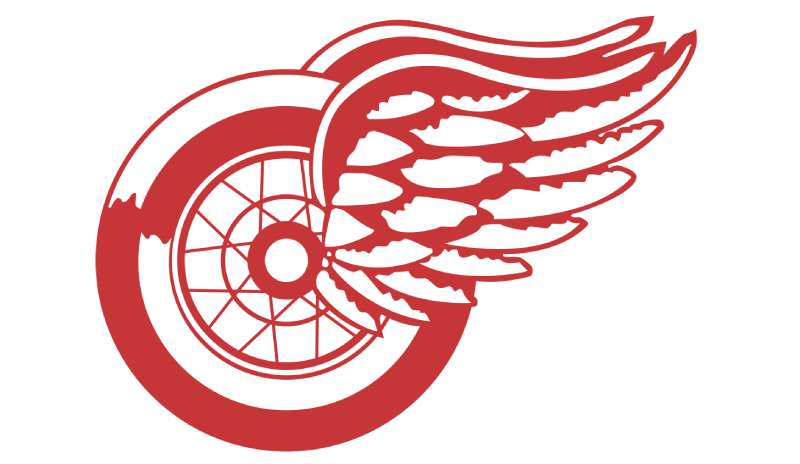
The Detroit Red Wings logo features a red spoked wheel with a single white wing extending from its side. Introduced in 1932 when the team became the Red Wings, this emblem was designed under owner James E. Norris. It symbolizes speed, power, and Detroit’s automotive heritage.
Design Type: Emblem (combination of symbol and implied brand identity)
Primary Elements:
- Red spoked wheel (six spokes visible)
- Single white wing with detailed feathering
- Circular hub at wheel center
Official Introduction Date: 1932
Designer/Agency: The design concept came from James E. Norris, who borrowed inspiration from the Montreal Amateur Athletic Association’s winged wheel. No specific design agency credited.
Trademark Status: Registered trademark of the Detroit Red Wings Hockey Club, protected under NHL licensing agreements.
Color Palette:
- Red (Primary): Hex #CE1126
- White (Secondary): Hex #FFFFFF
Usage Context: Jerseys, merchandise, Little Caesars Arena branding, digital platforms, official communications, and all team-related marketing materials.
How Has the Detroit Red Wings Logo Evolved Over Time?
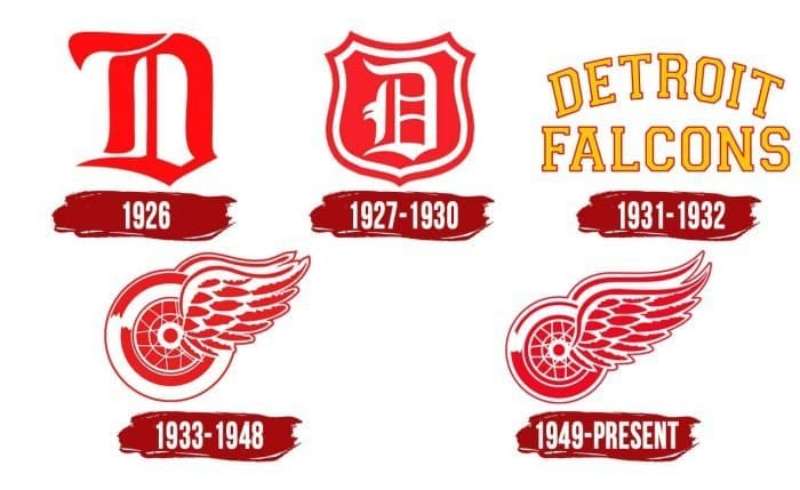
The logo has remained remarkably stable since 1932. Minor adjustments to line weight and proportions occurred over the decades.
The 1948 version cleaned up some details. The 1984 update refined the wing feathers slightly.
But if you put the 1932 original next to today’s version, you’d struggle to spot major differences. That’s rare in professional sports.
Detroit Cougars Era (1926-1930)
Years Active: 1926-1930
Design Description: The franchise started as the Detroit Cougars. Their original logo featured a cougar head design, nothing like what came later.
Color Scheme: Red and white were already present.
Context: The team relocated from Victoria, British Columbia. New city, new identity. The cougar name came from the Victoria Cougars championship team.
Cultural Significance: This era established the franchise in Detroit but left no lasting visual legacy.
Detroit Falcons Era (1930-1932)
Years Active: 1930-1932
Design Description: A brief transitional period. The team became the Falcons with a corresponding bird-themed emblem.
Color Scheme: Red remained constant.
Context: Financial struggles during the Great Depression led to ownership changes. The falcon identity didn’t stick around long.
Key Changes from Previous: Complete departure from the cougar imagery.
Original Winged Wheel (1932-1948)
Years Active: 1932-1948
Design Description: James Norris purchased the team and introduced the winged wheel. Thicker lines, slightly rougher execution compared to modern versions.
Color Scheme: Red wheel, white wing, white background.
Designer: Concept attributed to James E. Norris.
Context: Norris wanted something connected to Detroit’s auto industry. The wing added speed and dynamism. Perfect fit.
Cultural Significance: This became the foundation for everything that followed.
Refined Winged Wheel (1948-1984)
Years Active: 1948-1984
Design Description: Cleaner lines. The wing feathers became more defined. The wheel spokes tightened up.
Key Changes from Previous: Subtle refinements rather than redesign. Better reproduction quality for merchandise and broadcasts.
Modern Winged Wheel (1984-Present)
Years Active: 1984-Present
Design Description: Current version with precise line work. The wing has sharper feather details. Colors standardized for digital and print consistency.
Key Changes from Previous: Technical improvements for modern media requirements. The essence remains identical.
What Do the Design Elements of the Detroit Red Wings Logo Mean?
The winged wheel carries straightforward symbolism. The wheel represents Detroit’s automotive manufacturing history. The wing suggests speed, flight, and competitive drive.
Together, they create an image of motion and power. Nothing complicated, nothing hidden. It just works.
What Does the Wheel Represent?
Detroit earned the nickname Motor City for a reason. Ford, General Motors, Chrysler. The wheel connects the hockey team to that industrial identity.
It’s not subtle symbolism. It’s direct acknowledgment of what built the city.
The six visible spokes create symmetry and visual stability. Looks mechanical. Feels sturdy.
Why Did Detroit Choose These Specific Colors?
Red:
- Hex: #CE1126
- Pantone: PMS 186 C
Red signals intensity, passion, and aggression. For a hockey team, those associations matter. It’s also highly visible on the ice and in arena settings.
The color psychology here is straightforward: red commands attention and suggests competitive fire.
White:
- Hex: #FFFFFF
White provides contrast and clean separation. The wing pops against the red wheel. Simple but effective.
What Typography Style Is Used in the Detroit Red Wings Logo?
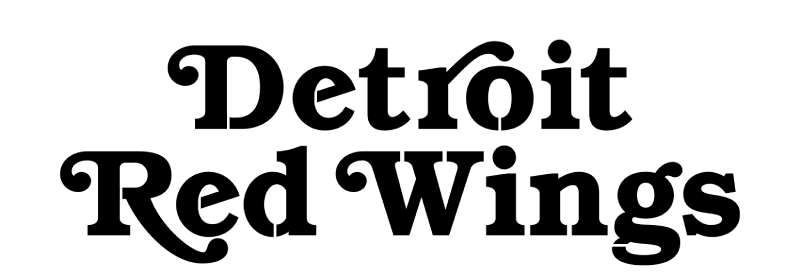
Here’s the thing: the primary logo doesn’t include text. It’s purely symbolic.
When the team name appears alongside the emblem, they use custom lettering. Bold, slightly angular, designed for readability at distance.
The typography in secondary marks leans traditional. Nothing flashy. Matches the timeless quality of the winged wheel itself.
What Are the Hidden Meanings in the Detroit Red Wings Logo?
Honestly? There aren’t many hidden elements here. The logo is remarkably literal.
Some fans point out the single wing rather than a pair. This wasn’t a deep symbolic choice. It just looked better compositionally.
The wheel’s spokes don’t represent anything specific. They just make it look like a wheel. Sometimes simple design is just… simple.
How Does the Detroit Red Wings Logo Compare to Competitor Logos?
Among Original Six teams, the Red Wings logo stands out for consistency. The Chicago Blackhawks logo has faced more scrutiny and discussion. The Toronto Maple Leafs logo has gone through numerous redesigns.
Detroit’s approach? Keep what works.
Compared to newer franchises like the Vegas Golden Knights logo or Tampa Bay Lightning logo, the winged wheel feels vintage but not dated. It has that “classic sports logo” quality that many modern teams try to manufacture.
The Montreal Canadiens logo shares this timeless approach. Both teams understood something early: when your logo works, don’t mess with it.
What Are the Technical Specifications of the Detroit Red Wings Logo?
Official Color Codes:
Primary Color (Red):
Secondary Color (White):
- Hex: #FFFFFF
- RGB: (255, 255, 255)
- CMYK: (0, 0, 0, 0)
Dimensions and Proportions:
- Aspect ratio: Approximately 1.3:1 (width to height)
- Minimum size: 0.5 inches for print applications
- Clear space: Minimum margin equal to wheel radius on all sides
The logo works as vector graphics for scalability. This matters for everything from arena signage to social media avatars.
What Cultural Impact Has the Detroit Red Wings Logo Had?
The winged wheel transcends hockey in Detroit. You see it on bumper stickers, tattoos, bar signs. It represents the city itself as much as the team.
During the team’s dynasty years in the 1950s and again in the late 1990s through 2000s, the logo became synonymous with championship success.
“Hockeytown” branding wouldn’t work without that iconic symbol anchoring everything.
The logo appears in Detroit-set films, TV shows, and music videos as visual shorthand for the city’s identity.
How Does the Detroit Red Wings Logo Fit Into the Overall Brand Identity?
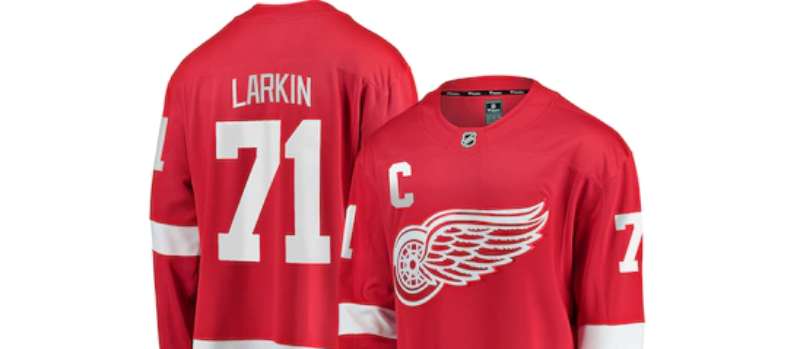
The winged wheel sits at the center of everything. Secondary marks, wordmarks, and promotional materials all orbit around it.
Little Caesars Arena incorporates the logo into architectural elements. Merchandise ranges from traditional jerseys to lifestyle apparel, all anchored by the emblem.
The brand guidelines prioritize consistency. Same red, same proportions, same placement rules across all applications.
It connects to the broader NHL identity while maintaining distinct regional character. Detroit, hockey, automotive heritage, all in one symbol.
How Should the Detroit Red Wings Logo Be Used?
Official Usage Guidelines:
- Never alter the proportions or colors
- Maintain required clear space around the logo
- Don’t place on busy backgrounds that reduce visibility
- Use only official color versions (full color, single color white, single color red)
Where to Access Official Logos:
- Detroit Red Wings official website media section
- NHL media resources portal (for credentialed media)
- Licensed merchandise partners
Licensing Information:
Commercial use requires licensing through NHL Enterprises. Fan art and personal use fall under different guidelines. When in doubt, check with official team representatives.
Trademark Protection:
The winged wheel is federally registered. Unauthorized commercial use can result in legal action. The NHL actively protects its team trademarks.
FAQ on The Detroit Red Wings Logo
What Does the Detroit Red Wings Logo Represent?
The winged wheel represents Detroit’s automotive manufacturing heritage. The wheel connects to the Motor City identity.
The wing symbolizes speed and competitive drive. Together, these elements form one of hockey’s most recognized team emblems.
When Was the Detroit Red Wings Logo Created?
The logo debuted in 1932 when James Norris purchased the franchise. He renamed the team from the Falcons to the Red Wings.
That makes it over 90 years old. Few NHL team logos have remained this consistent for so long.
Who Designed the Detroit Red Wings Logo?
Owner James E. Norris developed the concept. He drew inspiration from the Montreal Amateur Athletic Association’s winged wheel design.
No specific design agency gets credit. Norris himself shaped the visual identity that still exists today.
Why Is There a Wheel in the Detroit Red Wings Logo?
Detroit built America’s auto industry. Ford, General Motors, Chrysler. The wheel pays tribute to that manufacturing legacy.
It creates instant geographic recognition. You see the wheel, you think Detroit. The psychology of shapes works perfectly here.
What Colors Are in the Detroit Red Wings Logo?
Red and white. That’s it. The color palette stays intentionally simple.
Red carries the primary visual weight. White provides separation and clarity. This monochrome color approach keeps the design clean and timeless.
Has the Detroit Red Wings Logo Changed Over Time?
Barely. Minor refinements occurred in 1948 and 1984. Line weights got cleaner. Feather details sharpened slightly.
The core design? Untouched since 1932. Most logo design principles suggest evolution, but Detroit proves consistency works too.
What Is the Meaning of the Wing in the Detroit Red Wings Logo?
The wing suggests flight, speed, and forward motion. It adds movement to what would otherwise be a static wheel.
Some connect it to the team’s aggressive playing style. Others see it as pure aesthetic choice. Both readings work.
Is the Detroit Red Wings Logo Trademarked?
Yes. The NHL protects all team logos through federal trademark registration. Unauthorized commercial use brings legal consequences.
Personal fan use follows different rules. But selling merchandise or using it commercially requires proper licensing agreements.
Where Can I Download the Official Detroit Red Wings Logo?
The team’s official website offers media resources. NHL media portals provide assets for credentialed journalists.
Licensed partners access files through official channels. Random downloads from the internet often have incorrect colors or proportions.
Why Hasn’t the Detroit Red Wings Logo Changed Much?
Because it works. The balance between wheel and wing creates strong visual hierarchy.
Original Six franchises like the Boston Bruins logo and New York Rangers logo share this approach. Heritage matters in hockey. Why fix something that isn’t broken?
Conclusion
The Detroit Red Wings logo proves that great design doesn’t need constant reinvention. Ninety years and counting. Still works.
This iconic hockey emblem ties together Motor City pride, NHL history, and Stanley Cup championship memories. The winged wheel speaks to Hockeytown fans across generations.
Few professional hockey team symbols achieve this level of recognition. The unity between wheel and wing creates something instantly identifiable.
Detroit’s approach offers a lesson in graphic design principles. Sometimes the best strategy is knowing when to leave things alone.

Renowned for his expertise in logo design and visual branding, Bogdan has developed a multitude of logos for various clients.
His skills extend to creating posters, vector illustrations, business cards, and brochures. Additionally, Bogdan's UI kits were featured on marketplaces like Visual Hierarchy and UI8.
He also wrote in the past years on sites like Design Your Way, WebDesignerDepot, WPDean, Designmodo, Speckyboy, Slider Revolution, and more.
- The Cursor Logo History, Colors, Font, And Meaning - 24 September 2026
- Top 7 Web Design Subscription Services That Replace Full-Time Hires - 24 September 2026
- Canva vs PowerPoint: Which Is Better for Presentations? - 22 September 2026

Bogdan Sandu is a seasoned designer who has been designing websites since 2008. Renowned for his expertise in logo design and visual branding, Bogdan has developed a multitude of logos for various clients. His skills extend to creating posters, vector illustrations, business cards, and brochures. Additionally, Bogdan's UI kits were featured on marketplaces like Visual Hierarchy and UI8. He also wrote in the past years on sites like Design Your Way, WebDesignerDepot, WPDean, Designmodo, Speckyboy, Slider Revolution, and more.
You Might Also Like