The Pittsburgh Steelers logo stands as one of the most recognizable symbols in American professional sports. Based on the Steelmark, a symbol originally created by U.S. Steel Corporation, this emblem connects a football franchise directly to its city’s industrial heritage.
Within NFL branding history, the Steelers logo holds a unique position. It remains the only NFL logo displayed on just one side of the helmet.
The current version was introduced in 1963, designed by Cleveland-based firm Lippincott & Margulies in partnership with Republic Steel, Armco Steel, and U.S. Steel. The franchise itself was founded in 1933 by Art Rooney Sr., and the team has used approximately four distinct logo variations throughout its history.
What Is the Pittsburgh Steelers Logo?
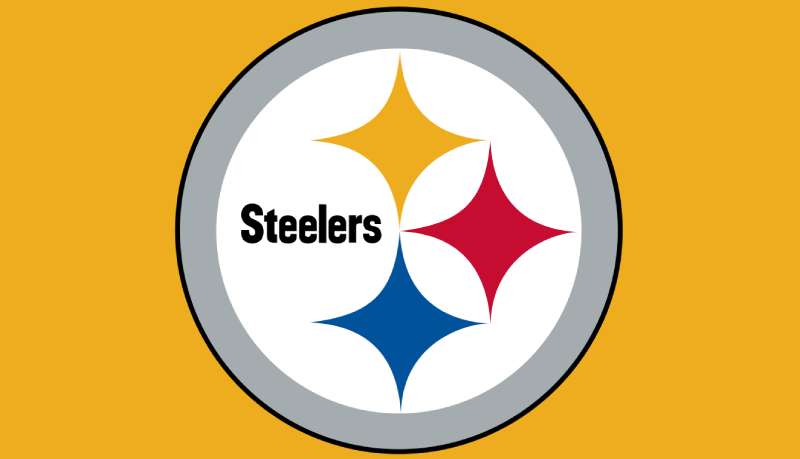
The Pittsburgh Steelers logo is a circular emblem featuring three hypocycloid shapes (four-pointed stars called astroids) in yellow, red, and blue against a black background with the word “Steelers” in white. It was officially adopted in 1963, adapted from the American Iron and Steel Institute’s Steelmark by Lippincott & Margulies. The design symbolizes the steel-making process and Pittsburgh’s industrial identity.
Design Attributes
- Design Type: Combination mark (emblem with wordmark)
- Primary Elements: Three hypocycloids (astroids), circular border, “Steelers” wordmark
- Official Introduction Date: 1963
- Designer/Agency: Lippincott & Margulies (adapted from AISI Steelmark)
- Trademark Status: Registered trademark of the Pittsburgh Steelers LLC
- Color Palette: Black (#000000), Gold (#FFB612), Red (#C60C30), Blue (#00539B), White (#FFFFFF)
- Usage Context: Helmets (right side only), merchandise, marketing materials, digital platforms, stadium signage
How Has the Pittsburgh Steelers Logo Evolved Over Time?
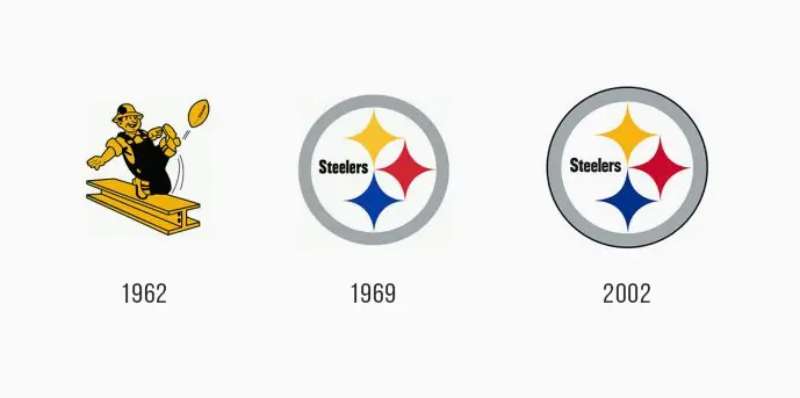
The Steelers logo has gone through four main phases since 1933.
The team started without a formal logo, then adopted a basic wordmark in the 1940s.
The modern Steelmark-based design arrived in 1963 and has remained largely unchanged for over six decades.
Original Pittsburgh Pirates/Steelers Era (1933-1945)
- Years Active: 1933-1945
- Design Description: No official logo. Team originally named “Pittsburgh Pirates” and used minimal branding
- Color Scheme: Black and gold (established from the start)
- Designer: Unknown
- Context: Art Rooney founded the team during the Great Depression. Resources for elaborate branding were limited
- Key Changes from Previous: N/A (founding era)
- Cultural Significance: Established the black and gold identity that connected to Pittsburgh’s city colors
Early Steelers Wordmark (1945-1962)
- Years Active: 1945-1962
- Design Description: Simple text-based wordmark reading “Steelers”
- Color Scheme: Black and gold
- Designer: Unknown
- Context: Team renamed from Pirates to Steelers in 1940, reflecting Pittsburgh’s steel industry dominance
- Key Changes from Previous: Introduction of formal team name and basic text logo
- Cultural Significance: First direct link between team identity and Pittsburgh’s primary industry
Steelmark Era (1963-Present)
- Years Active: 1963-present
- Design Description: Circular emblem featuring three colored hypocycloids with “Steelers” text, adapted from the AISI Steelmark
- Color Scheme: Black, gold, red, blue, white
- Designer: Lippincott & Margulies (original Steelmark); adapted for Steelers use
- Context: Cleveland’s Republic Steel offered the design to the team. The Steelers became the only NFL franchise to use an industry trade association symbol
- Key Changes from Previous: Complete redesign incorporating the three-diamond hypocycloid symbol
- Cultural Significance: Created permanent visual connection between football franchise and steel industry heritage. Became one of the most stable logos in professional sports
What Do the Design Elements of the Pittsburgh Steelers Logo Mean?
The three hypocycloids represent the raw materials used in steel production: yellow for coal, red for iron ore, and blue for steel scrap.
This industrial symbolism directly ties the franchise to Pittsburgh’s economic foundation.
The psychology behind shapes like these creates strong associations with strength and precision.
Why Did Pittsburgh Steelers Choose These Specific Colors?
Black and gold serve as the primary colors, matching Pittsburgh’s official city colors since 1900.
The gold represents the city’s historic wealth from industry. Black conveys power and toughness, which fits football perfectly.
Understanding how colors affect perception shows why this combination works so well.
- Black: Hex #000000 – Represents strength, power, and the coal used in steelmaking
- Gold (Yellow): Hex #FFB612 – Symbolizes coal and Pittsburgh’s prosperity
- Red: Hex #C60C30 – Represents iron ore (lightens the steel)
- Blue: Hex #00539B – Represents steel scrap (brightens the steel)
What Typography Style Is Used in the Pittsburgh Steelers Logo?
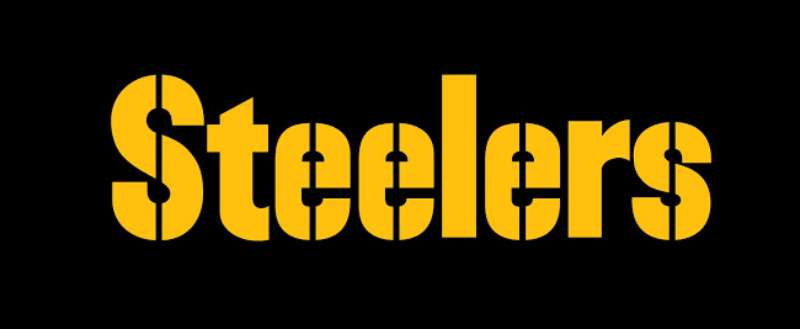
The “Steelers” wordmark uses a custom sans-serif typeface with bold, blocky letterforms.
The letters have minimal spacing and thick strokes. This creates a sturdy, industrial feel that matches the team’s identity.
Good typographic choices like these make logos instantly readable even at small sizes.
What Are the Hidden Meanings in the Pittsburgh Steelers Logo?
The original Steelmark word “Steel” was changed to “Steelers” when the team adopted it.
The three hypocycloids were not chosen randomly. They specifically represent the steel-making process stages.
Some fans believe the single-helmet placement represents unity, though this started as a practical test that the team simply never changed.
How Does the Pittsburgh Steelers Logo Compare to Competitor Logos?
Most NFL teams use mascot imagery or aggressive lettering. The Steelers took a completely different path with an industrial symbol.
This sets them apart in a league full of animal mascots and fierce characters.
Compare this to the Baltimore Ravens logo or the Cincinnati Bengals logo, both AFC North rivals that use animal-based designs.
The Cleveland Browns logo is the only other NFL emblem that avoids a mascot, using just a helmet.
The Steelers design has more visual complexity through its hypocycloids while maintaining simplicity in concept. It creates strong contrast between the bright colored elements and the black background.
What Are the Technical Specifications of the Pittsburgh Steelers Logo?
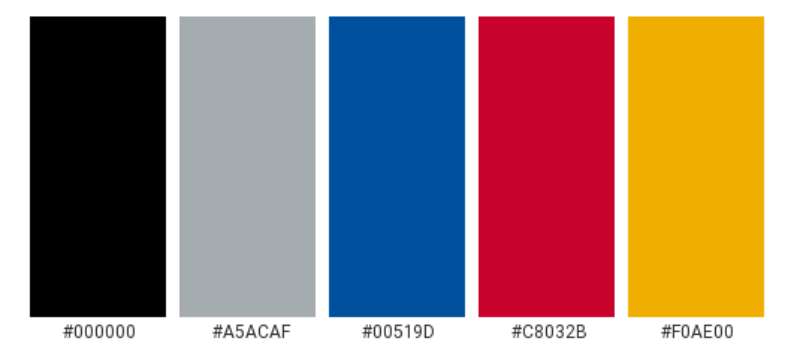
Official Color Codes
- Black (Primary): Hex #000000, RGB (0, 0, 0), CMYK (0, 0, 0, 100)
- Gold (Primary): Hex #FFB612, RGB (255, 182, 18), CMYK (0, 29, 93, 0), Pantone 1235 C
- Red (Accent): Hex #C60C30, RGB (198, 12, 48), CMYK (0, 94, 76, 22)
- Blue (Accent): Hex #00539B, RGB (0, 83, 155), CMYK (100, 46, 0, 39)
- White (Secondary): Hex #FFFFFF, RGB (255, 255, 255), CMYK (0, 0, 0, 0)
Dimensions and Proportions
- Aspect Ratio: 1:1 (circular format)
- Minimum Size: 0.5 inches diameter for print applications
- Clear Space: Minimum clear space equal to the height of the “S” in Steelers around all edges
- Helmet Placement: Right side only (unique among all NFL teams)
What Cultural Impact Has the Pittsburgh Steelers Logo Had?
The Steelers logo became a symbol of working-class pride during Pittsburgh’s industrial decline in the 1970s and 1980s.
As steel mills closed, the logo preserved that heritage.
Four Super Bowl wins in six years during the 1970s turned the emblem into a national symbol of excellence. The “Steeler Nation” fan base spread across the country, taking the logo with them.
Today, it represents resilience and blue-collar values far beyond football.
How Does the Pittsburgh Steelers Logo Fit Into the Overall Brand Identity?
The logo anchors a consistent visual system that includes the Terrible Towel, uniform design, and stadium branding.
Everything connects back to black and gold.
The team’s brand guidelines maintain strict consistency across all applications. The hypocycloid shapes appear in secondary graphics and environmental design throughout Acrisure Stadium.
This creates a unified brand experience that few NFL franchises match.
How Should the Pittsburgh Steelers Logo Be Used?
Official Usage Guidelines
- Do: Maintain proper clear space, use official color values, preserve aspect ratio
- Don’t: Stretch or distort the logo, place on busy backgrounds, alter colors, add effects
- Official Assets: Available through NFL licensing partners and the official Pittsburgh Steelers media portal
- Licensing: Commercial use requires NFL Properties licensing agreement
- Trademark Protection: The logo is a registered trademark. Unauthorized commercial use is prohibited
For personal fan use, the team permits logo display on non-commercial items. Any merchandise sales require proper licensing through NFL channels.
FAQ on The Pittsburgh Steelers Logo
What Do the Three Symbols on the Steelers Logo Mean?
The three hypocycloid shapes represent materials in steel production. Yellow stands for coal. Red represents iron ore. Blue symbolizes steel scrap.
This design came from the American Iron and Steel Institute’s Steelmark. It directly connects the franchise to Pittsburgh’s industrial heritage.
Why Is the Steelers Logo Only on One Side of the Helmet?
The team added the logo to just the right side in 1962 as a test. They planned to add it to both sides later.
After winning games, they kept it. Now it’s tradition. The Steelers remain the only NFL team with a one-sided helmet logo.
Who Designed the Pittsburgh Steelers Logo?
Lippincott & Margulies created the original Steelmark for the steel industry in the late 1950s.
Cleveland’s Republic Steel, along with U.S. Steel and Armco Steel, offered it to the team. The Steelers simply changed “Steel” to “Steelers” in the design.
When Was the Current Steelers Logo Introduced?
The current Steelers emblem debuted in 1963. That makes it over 60 years old.
It’s one of the longest-running unchanged logos in professional football. The team has made only minor adjustments to proportions since then.
What Are the Official Pittsburgh Steelers Colors?
Black and gold serve as primary colors. These match Pittsburgh’s official city colors established in 1900.
The logo also includes red and blue from the original Steelmark. Many brands using gold aim for similar associations with prestige and tradition.
Is the Pittsburgh Steelers Logo Trademarked?
Yes. The logo is a registered trademark of Pittsburgh Steelers LLC and NFL Properties.
Commercial use requires licensing. Fan merchandise sold without authorization violates trademark law. The team logo receives full intellectual property protection.
Why Did the Steelers Choose an Industrial Symbol?
Pittsburgh was America’s steel capital when the team adopted the logo. The connection felt natural.
No other NFL franchise ties its identity so directly to local industry. Understanding how logos communicate meaning shows why this choice worked.
What Is the Steelmark and How Does It Relate to the Team?
The Steelmark was a promotional symbol created for the American Iron and Steel Institute. Steel companies used it on products meeting quality standards.
The Steelers adapted it with permission. They’re the only pro sports team using an industry trade association mark.
Has the Pittsburgh Steelers Logo Ever Changed?
The basic design hasn’t changed since 1963. Minor refinements to line weights and proportions occurred over decades.
Before 1963, the team used simple wordmarks. The dramatic shift to the hypocycloid symbol represented their only major visual identity change.
What Font Is Used in the Pittsburgh Steelers Logo?
The wordmark uses a custom sans-serif typeface with thick, blocky letters. It’s not a commercially available font.
The heavy strokes create an industrial feel. This matches the steel-related imagery in the rest of the team branding.
Conclusion
The Pittsburgh Steelers logo tells a story that goes beyond football. It captures an entire city’s identity.
From the steel mills along the three rivers to six Super Bowl championships, this emblem carries real weight. Steeler Nation recognizes those three hypocycloids instantly.
The black and gold scheme ties directly to Pittsburgh, Pennsylvania’s civic pride. Few sports logos achieve this level of cultural connection.
What started as an industry trademark became an AFC North icon. The design proves that authentic storytelling creates lasting brand recognition.
Sixty years later, the Steelmark still works.

Renowned for his expertise in logo design and visual branding, Bogdan has developed a multitude of logos for various clients.
His skills extend to creating posters, vector illustrations, business cards, and brochures. Additionally, Bogdan's UI kits were featured on marketplaces like Visual Hierarchy and UI8.
He also wrote in the past years on sites like Design Your Way, WebDesignerDepot, WPDean, Designmodo, Speckyboy, Slider Revolution, and more.
- Minecraft Font Generator - 8 October 2026
- How Top Meta Ad Creative Is Designed for E-commerce Brands - 8 October 2026
- How photo recovery software works and when to use it - 7 October 2026

Bogdan Sandu is a seasoned designer who has been designing websites since 2008. Renowned for his expertise in logo design and visual branding, Bogdan has developed a multitude of logos for various clients. His skills extend to creating posters, vector illustrations, business cards, and brochures. Additionally, Bogdan's UI kits were featured on marketplaces like Visual Hierarchy and UI8. He also wrote in the past years on sites like Design Your Way, WebDesignerDepot, WPDean, Designmodo, Speckyboy, Slider Revolution, and more.
You Might Also Like