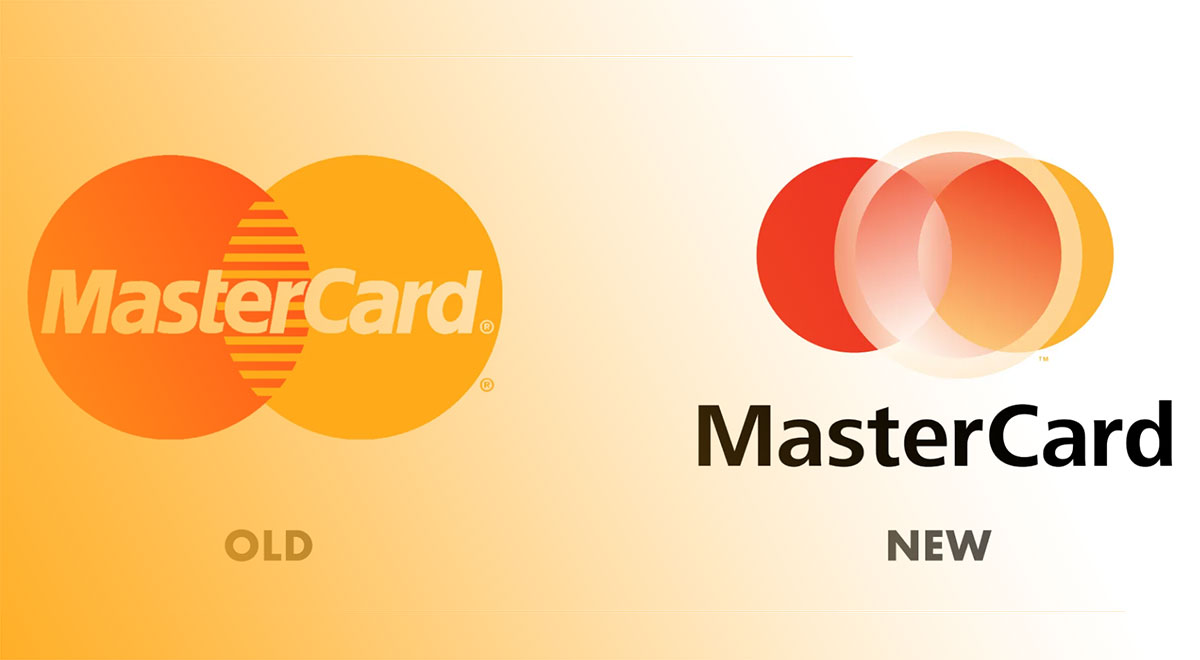
Most rebrands fail because companies start designing before they start thinking. The right rebranding questions separate a strategic brand identity change from an expensive mistake.
Gap reversed its logo redesign in six days. Tropicana lost $30 million in two months. Both skipped the hard questions about customer perception, brand equity, and market positioning.
This guide covers what to ask before, during, and after a rebrand. You’ll find the specific questions that brand strategists at firms like Interbrand and Siegel+Gale use to evaluate whether a company actually needs a full rebrand, a brand refresh, or just a visual identity update.
Budget, timeline, risk factors, trademark registration, SEO impact, and what rebranding actually costs at different company sizes. All covered.
What is Rebranding

Rebranding is the process of changing a company’s corporate identity, including its name, logo, visual identity, messaging, or market positioning to shift how customers, investors, and competitors perceive the brand.
It goes beyond swapping a logo file. A full company rebrand touches everything from packaging design and signage to internal culture and customer communication.
There are three distinct types. A brand refresh updates existing visual elements without changing the core identity. A partial rebrand changes specific components like the name or color palette. A full rebrand rebuilds the entire brand architecture from scratch.
Dunkin’ dropping “Donuts” from its name in 2018 was a partial rebrand. Meta replacing the entire Facebook corporate identity in October 2021 was a full rebrand. Two very different scopes, two very different budgets.
The distinction matters because it determines timeline, cost, and risk. Most companies asking rebranding checklist questions are really trying to figure out which type they actually need.
Why Do Companies Rebrand
Companies rebrand when their current identity no longer matches their market position, audience expectations, business model, or competitive reality. The trigger is always a gap between what the brand says and what the company actually does.
Here are the most common business triggers:
- Mergers and acquisitions create conflicting brand identities that need unification
- Reputation damage forces a clean break from negative public perception
- Market repositioning requires new messaging and visuals to match a shifted audience
- Outdated visual identity signals stagnation to customers and investors
- Legal disputes over trademark conflicts demand a name or logo change
- Geographic expansion into new markets where the current name carries unwanted meaning
Kia redesigned its entire brand identity in 2021 to shed its budget-car reputation. The new logo, dealer redesigns, and brand messaging repositioned Kia as a technology-forward automaker.
Weight Watchers changed its name to WW in 2018 because the word “weight” clashed with its broader wellness positioning. The rebrand cost them short-term brand recognition but aligned the company with health-conscious consumers who rejected diet culture language.
Twitter became X in July 2023 under Elon Musk’s ownership. That one still divides brand strategists at firms like Interbrand and Landor & Fitch over whether it destroyed decades of built-up brand equity.
The pattern is clear. When the gap between brand perception and business direction gets too wide, a rebrand becomes unavoidable.
How Does the Rebranding Process Work
A rebranding process follows a structured sequence: research, strategy, design execution, internal rollout, and external launch. Skipping any phase increases the chance of a costly misfire.
How Do Companies Plan a Rebrand
Planning starts with a brand audit that evaluates current brand perception, competitive positioning, and customer sentiment. Nielsen and similar consumer research firms run quantitative perception studies; brand consultancies like Siegel+Gale handle qualitative stakeholder interviews.
The audit feeds into a positioning strategy. This is where leadership defines the new brand positioning, target audience, and messaging framework before any design work begins.
What Does a Rebranding Timeline Look Like
Small to mid-size companies typically complete a rebrand in 4 to 6 months. Enterprise-level rebrands with global rollouts take 12 to 18 months.
The phases break down roughly like this:
- Research and brand audit: 4-6 weeks
- Strategy and positioning: 3-5 weeks
- Design and brand identity creation: 6-10 weeks
- Internal rollout and training: 2-4 weeks
- External launch and marketing: 2-6 weeks
These compress or expand based on how many brand touchpoints need updating. A company with 500 retail locations and multilingual print design assets needs significantly more time than a SaaS startup with a website and social accounts.
What Roles Are Involved in a Rebrand
The Chief Marketing Officer owns the rebrand strategically. A brand strategist defines positioning. The creative director leads visual execution across logo, typography, and color systems.
A trademark attorney handles registration through the USPTO, EUIPO, or WIPO depending on operating regions. The PR lead manages the rebrand announcement and external communications.
Took me forever to realize that the most overlooked role is internal communications. If employees don’t understand the new brand before customers see it, the whole rollout feels disjointed.
What is the Difference Between a Rebrand and a Brand Refresh
A rebrand changes the fundamental identity of a company, including its name, positioning, values, or target market. A brand refresh updates the visual execution while keeping the core identity intact.
Here’s how they compare across specific dimensions:
- Scope: Rebrand changes strategy + visuals; refresh changes visuals only
- Cost: Rebrands run $50,000-$500,000+; refreshes cost $10,000-$75,000
- Timeline: Rebrands take 6-18 months; refreshes take 2-4 months
- Risk level: Rebrands carry high risk of customer confusion; refreshes carry low risk
- Brand equity: Rebrands can sacrifice existing equity; refreshes preserve it
Dunkin’ dropping “Donuts” in 2018 was a refresh. Same brand personality, same color palette, same core audience. Just a tighter name for a company expanding beyond donuts.
Burberry’s full repositioning under CEO Marco Gobbetti was a rebrand. New creative direction, new target demographic, new price positioning, new brand typography with a custom typeface by Peter Saville. The entire brand architecture shifted.
Mailchimp’s 2018 update sits somewhere in between. They overhauled their brand guidelines, illustration style, and color theory approach but kept the name and Freddie mascot. Your mileage may vary on how you’d classify that one.
The deciding factor: if you’re changing who you serve or why you exist, that’s a rebrand. If you’re changing how you look while serving the same people the same way, that’s a refresh.
How Much Does Rebranding Cost
Rebranding costs range from $5,000 for a freelance logo redesign to over $1 million for a global corporate rebrand with full implementation across all brand touchpoints.
The price depends on company size, scope, and how many assets need replacing.
What Are the Main Cost Categories in a Rebrand
- Agency or consultant fees: Strategy, naming, logo design, and brand style guide creation
- Trademark search and registration through the USPTO ($250-$750 per class) or international filings through WIPO
- Marketing collateral replacement: business cards, brochure design, letterheads, presentation templates
- Digital asset updates: web design overhaul, social media design assets, email templates, app interfaces
- Signage and physical space updates for retail, offices, and vehicles
- Employee training and internal brand launch events
- External launch campaign across paid, owned, and earned media
What Do Rebrands Cost by Company Size
A startup or small business with under 20 employees can rebrand for $5,000 to $25,000. That covers a new logo, basic brand guidelines, website refresh, and core collateral.
Mid-market companies ($10M-$500M revenue) typically spend $50,000 to $250,000. This includes full strategy work from a branding agency, comprehensive mood board development, design systems, and a multi-channel launch.
Enterprise rebrands blow past $500,000 quickly. Accenture reportedly spent $100 million on its rebrand from Andersen Consulting in 2001. That number included everything from global advertising to replacing signage across offices in 47 countries.
The cost of a logo alone varies wildly. Pepsi paid $1 million for its 2008 redesign. BP spent $211 million on its Helios rebrand. And the Nike Swoosh originally cost $35 in 1971.
Budget for at least 20% more than your initial estimate. Took me three client projects to learn that hidden costs in rebranding always show up after the contracts are signed.
What Are the Risks of Rebranding

Every rebrand carries risk. The bigger the brand equity you’ve built, the more you stand to lose if the transition goes wrong.
Tropicana’s 2009 packaging redesign wiped out roughly $30 million in sales within two months. Customers couldn’t find the product on shelves. PepsiCo reversed the design within 30 days.
Gap’s 2010 logo swap lasted exactly six days before public backlash forced a full reversal. The company spent money on a redesign, then more money undoing it. A textbook rebranding failure.
The most common risks:
- Customer confusion when the new identity breaks recognition patterns built over years
- Loss of brand equity, especially when changing a well-known name or established logo
- Internal resistance from employees who feel disconnected from the new direction
- SEO traffic drops during domain changes, URL migrations, and brand name SERP volatility
- Trademark conflicts discovered too late in the process
- Negative public reception amplified by social media speed
RadioShack tried rebranding multiple times across two decades, never finding a brand positioning that stuck. Each attempt cost money and eroded what little customer trust remained.
HBO’s repeated rebranding from HBO Max back to just “Max” confused subscribers who had barely adjusted to the previous name change. Constant renaming signals instability, not innovation.
The risk multiplies when companies skip customer perception research or rush the timeline to meet an arbitrary launch date.
How Does Rebranding Affect Search Rankings
A rebrand that includes a domain name change will temporarily disrupt organic search traffic. Google Search Console’s Change of Address tool handles the technical migration, but rankings still fluctuate for weeks or months during reindexing.
The core technical steps:
- Implement 301 redirects from every old URL to its new equivalent
- Update Google Search Console with the new domain verification
- Resubmit XML sitemaps for the new domain structure
- Monitor crawl errors daily for the first 60 days
- Update all internal links, canonical tags, and structured data references
Brand name searches take the hardest hit. If someone searches your old name and Google returns competitors or outdated pages, you lose clicks during a critical transition window.
Link equity transfers through properly configured 301 redirects, but not at 100%. Expect some loss. Sites with strong topical authority in their niche recover faster because their content relevance signals remain intact regardless of the domain name.
Uber’s 2018 rebrand kept the same domain, which eliminated migration risk entirely. If you can rebrand without changing your URL structure, your SEO exposure drops significantly.
What Are the Steps to Rebrand a Company
A structured rebranding process prevents expensive mistakes. Each step builds on the previous one, so the sequence matters.
How to Conduct a Brand Audit Before Rebranding
Evaluate current brand perception through customer surveys, social listening, and competitive analysis. Brand valuation firms like Brand Finance and Interbrand provide benchmarking data against industry peers.
How to Choose a New Brand Name
The brand naming process starts with linguistic screening across target markets, followed by trademark availability searches through the USPTO and WIPO. Test shortlisted names with focus groups before committing.
How to Build the New Visual Identity
Start with a mood board that captures the intended direction. From there, develop the new logo, color psychology strategy, and typeface selection.
Your font choices carry psychological weight. A serif font signals tradition and authority. A clean sans-serif font reads as modern and accessible. Script fonts suggest elegance but sacrifice readability at small sizes.
Lock in font licensing early. I’ve seen projects delayed by weeks because someone picked a typeface without checking commercial use rights.
How to Handle Trademark Registration During a Rebrand
File trademark applications before any public announcement. A standard USPTO filing takes 8-12 months for approval; international registration through WIPO’s Madrid Protocol covers multiple countries in a single application. Budget $2,000-$5,000 for legal fees per trademark class, and always register the logo separately from the wordmark.
How to Announce a Rebrand to Customers
Internal first, external second. Always. Employees hear about the rebrand before any press release or social post goes live.
Structure the external rollout in phases: teaser campaign, official announcement, detailed explanation of the “why” behind the change. Airbnb’s 2014 rebrand launch included a dedicated microsite explaining the new Belo symbol and letting users customize their own version.
Address the brand narrative directly. Customers want to know what changes for them, not just what the new logo looks like.
What Makes a Rebrand Successful
A successful rebrand produces measurable improvements in brand recall, customer sentiment, revenue trajectory, or market share within 12 to 24 months of launch.
Success criteria worth tracking:
- Brand awareness lift measured through aided and unaided recall surveys
- Net Promoter Score changes in the first 6 months post-launch
- Organic search volume for the new brand name vs. the old one
- Social media sentiment shift tracked through brand monitoring tools
- Customer retention rate during and after the transition period
- Revenue impact in the first two fiscal quarters
Old Spice’s repositioning campaign turned a fading brand into a cultural reference point. Sales jumped 125% within six months of the 2010 “The Man Your Man Could Smell Like” launch.
The Peloton rebrand attempted to broaden its audience beyond premium fitness consumers. The list of companies that have rebranded successfully share one trait: they solved a real business problem instead of just changing how things looked.
FedEx has maintained one of the most recognized brand identities in logistics for decades. The hidden arrow in its negative space logo became a case study in logo design psychology. Sometimes the best rebrand is the one you did right the first time.
How Do You Know When It’s Time to Rebrand

Not every brand problem requires a rebrand. Sometimes a focused rebranding strategy adjustment or visual refresh handles the issue at a fraction of the cost.
But certain signals are hard to ignore:
- Your brand consistently gets confused with a competitor
- Customer surveys reveal a perception gap between what you offer and what people think you offer
- A merger or acquisition has created two conflicting identities under one roof
- Your visual identity looks dated compared to every other player in your space
- You’ve expanded into new markets or product categories that your current brand doesn’t cover
- A brand crisis has permanently damaged your name recognition
Look at companies that need rebranding and you’ll spot these patterns repeating. The brand says one thing, the business does another.
Measuring brand performance quarterly gives you early warning signs before the gap becomes a crisis. Track brand sentiment, customer loyalty metrics, and competitive positioning data.
If three or more of those signals apply to your business right now, start the brand audit. Waiting only makes the eventual rebrand more expensive and more disruptive.
FAQ on Rebranding Questions
What is the first question to ask before rebranding?
Ask why the current brand no longer works. A rebrand without a clear business trigger, like a merger, reputation damage, or market repositioning, is just a cosmetic change. Define the problem before spending money on a new logo or visual identity.
How long does a full company rebrand take?
Small businesses complete a rebrand in 4 to 6 months. Enterprise rebrands with global rollouts take 12 to 18 months. The timeline depends on how many brand touchpoints need updating, from website design to physical signage and employee training.
What is the difference between a rebrand and a brand refresh?
A rebrand changes core identity: name, positioning, target audience, and values. A brand refresh updates visual elements like the logo, color palette, and typography while keeping the fundamental brand strategy intact.
How much does rebranding cost for a small business?
A small business rebrand typically costs $5,000 to $25,000. That covers a new logo, basic brand guidelines, website refresh, and core marketing collateral. Agency-led projects with full strategy work push costs above $50,000.
Does rebranding affect SEO rankings?
A rebrand with a domain change temporarily disrupts organic traffic. Proper 301 redirects, Google Search Console updates, and XML sitemap resubmission reduce the impact. Sites with strong topical authority in their niche recover faster than those without.
What are the biggest rebranding risks?
Customer confusion, lost brand equity, internal resistance, and negative public reception are the top risks. Tropicana lost $30 million in sales after its 2009 packaging change. Gap reversed its logo within six days of launch due to backlash.
When is the right time to rebrand?
Rebrand when customer perception no longer matches business reality. Common triggers include mergers, outdated brand identity, geographic expansion, or reputation damage. If three or more of these apply, start a brand audit.
What roles are needed for a rebranding project?
A Chief Marketing Officer owns strategy. A brand strategist defines positioning. The creative director handles visual execution. A trademark attorney manages legal filings through the USPTO or WIPO. A PR lead controls the external rebrand announcement.
How do you measure rebranding success?
Track brand recall surveys, Net Promoter Score shifts, organic search volume for the new brand name, social media sentiment, and customer retention rates. Meaningful results take 12 to 24 months to show. Brand Finance and Interbrand provide valuation benchmarks.
Can you rebrand without changing your company name?
Yes. Many successful rebrands keep the name and change everything else. Kia’s 2021 rebrand kept the name but overhauled its logo, color system, and dealer experience to reposition from budget to premium.
Conclusion
The right rebranding questions protect you from burning budget on a direction that doesn’t fit your business. Every decision, from pairing fonts to choosing between a full rebrand or a brand refresh, needs to start with a clear answer to “why.”
Run the brand audit. Define your new market positioning. Lock down trademark registration before going public.
Test customer sentiment at every stage. Companies like Airbnb and Kia got this right because they treated rebranding as a business strategy problem, not a design problem.
Measure results through brand recall, retention data, and organic search performance for at least 12 months post-launch. A rebrand that looks great but loses customers is just expensive decoration.
Ask the hard questions first. The answers save you time, money, and years of built-up brand equity.

Renowned for his expertise in logo design and visual branding, Bogdan has developed a multitude of logos for various clients.
His skills extend to creating posters, vector illustrations, business cards, and brochures. Additionally, Bogdan's UI kits were featured on marketplaces like Visual Hierarchy and UI8.
He also wrote in the past years on sites like Design Your Way, WebDesignerDepot, WPDean, Designmodo, Speckyboy, Slider Revolution, and more.
- How to Install Fonts on Mac (Step-by-Step Guide) - 20 September 2026
- From Mockup to Code: How AI-Augmented Development Speeds Up the Design Handoff - 19 September 2026
- The Beehiiv Logo History, Colors, Font, And Meaning - 18 September 2026

Bogdan Sandu is a seasoned designer who has been designing websites since 2008. Renowned for his expertise in logo design and visual branding, Bogdan has developed a multitude of logos for various clients. His skills extend to creating posters, vector illustrations, business cards, and brochures. Additionally, Bogdan's UI kits were featured on marketplaces like Visual Hierarchy and UI8. He also wrote in the past years on sites like Design Your Way, WebDesignerDepot, WPDean, Designmodo, Speckyboy, Slider Revolution, and more.
You Might Also Like