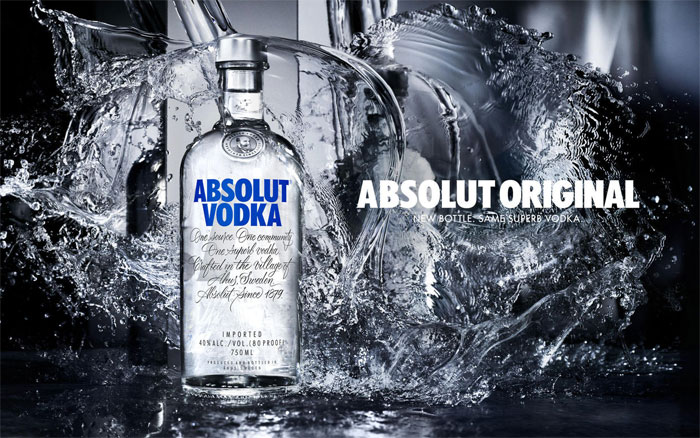
A gecko selling insurance, talking babies promoting investment apps, and celebrities doing ridiculous stunts for chips. Funny ads examples dominate our screens because humor cuts through the noise faster than any other advertising technique.
Brands spend millions crafting hilarious commercials that stick in our minds long after the credits roll. From Old Spice’s absurd campaigns to Geico’s memorable mascots, comedy has become the secret weapon for building brand awareness and driving consumer engagement.
Why does humor work so well in advertising? Simple. People share content that makes them laugh. They remember brands that entertain them. They buy from companies that brighten their day.
This collection showcases the most effective comedic advertising campaigns that have shaped modern marketing. You’ll discover what makes certain brands masters of humor, how wit translates into sales, and why some of the funniest commercials become cultural phenomena.
Get ready to laugh while learning what separates memorable marketing from forgettable fluff.
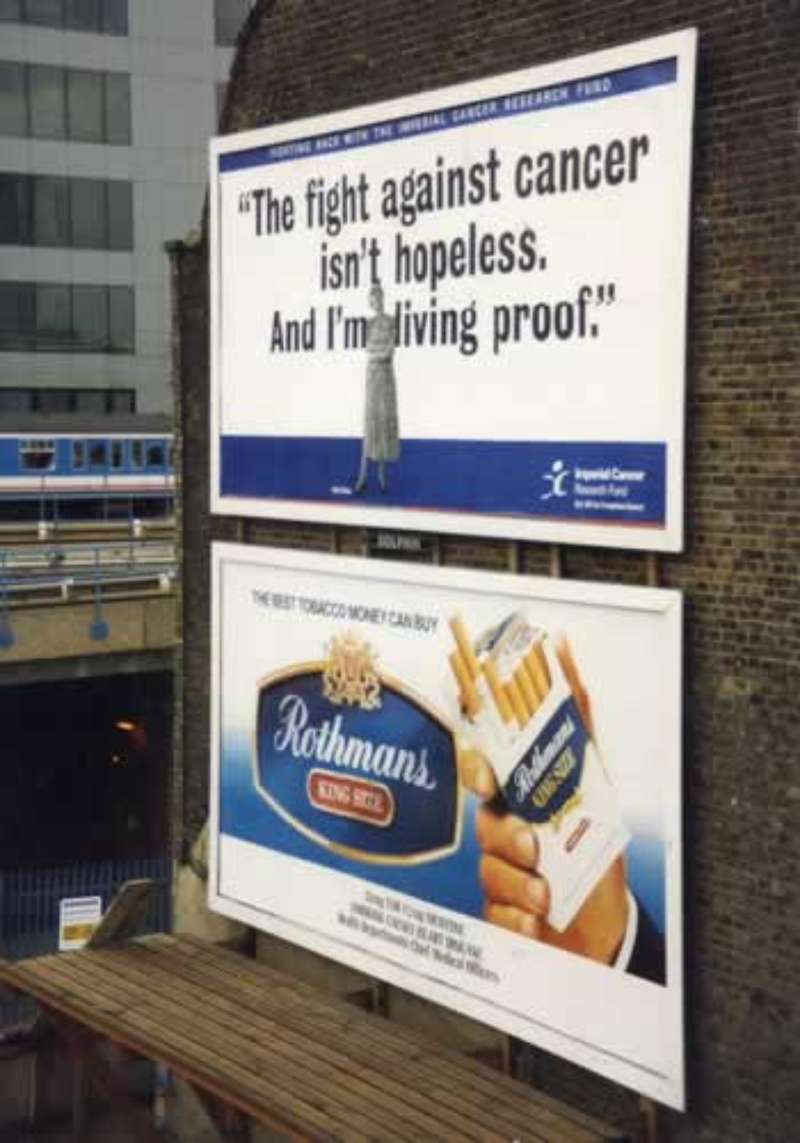
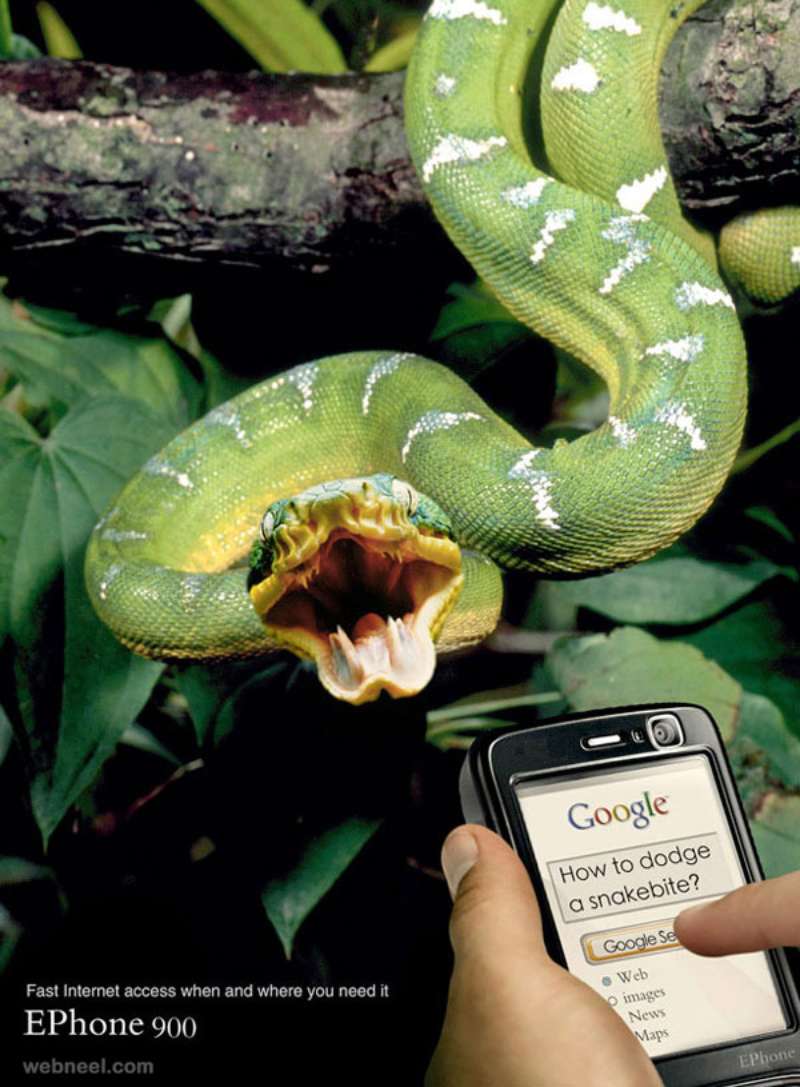
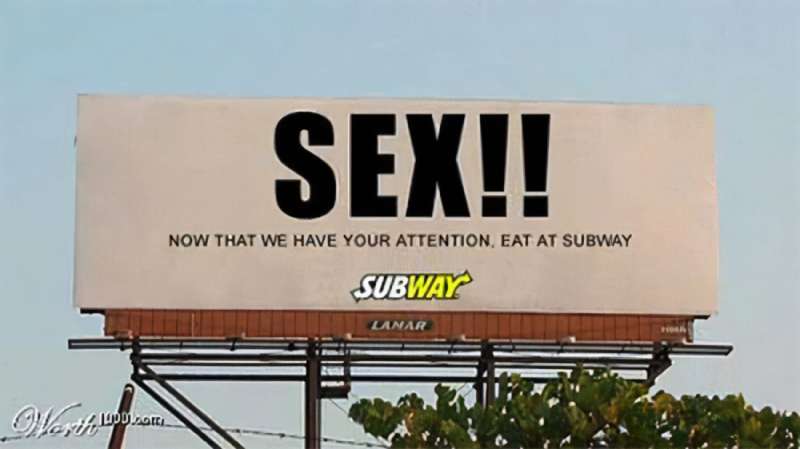
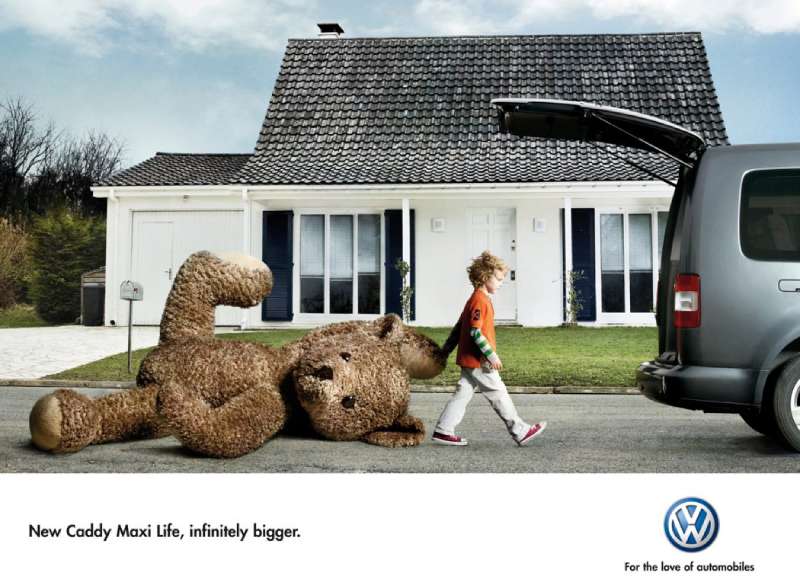
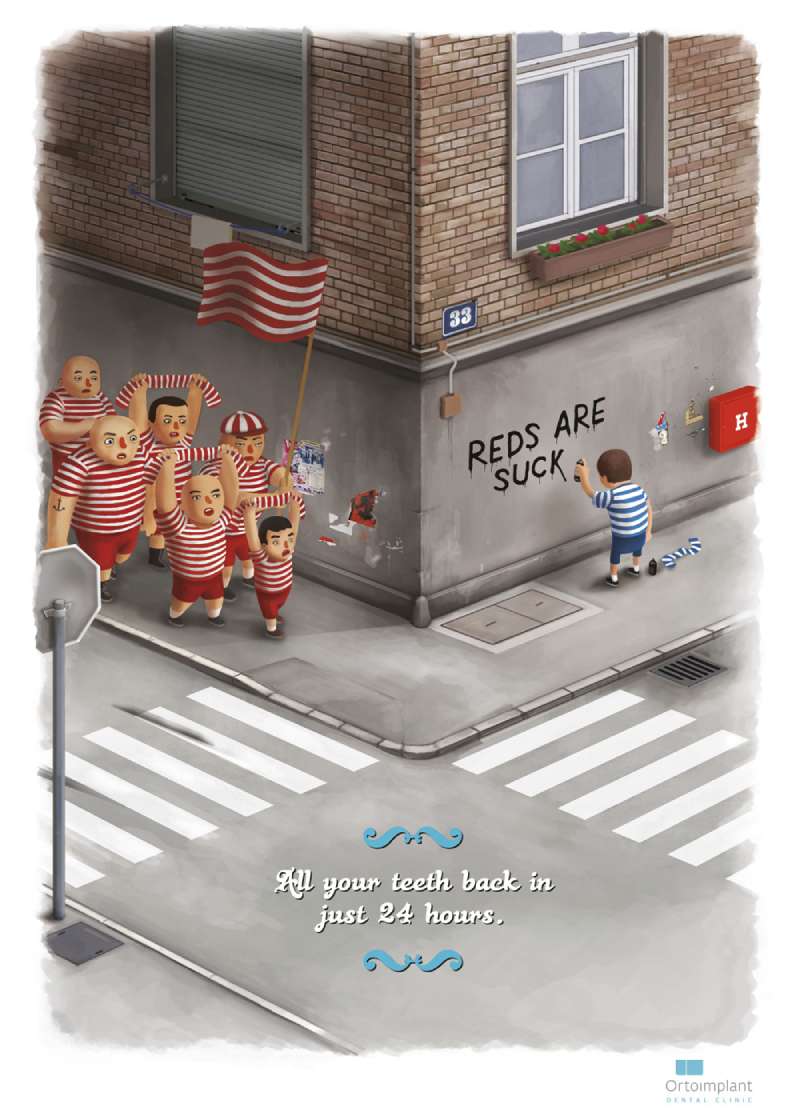
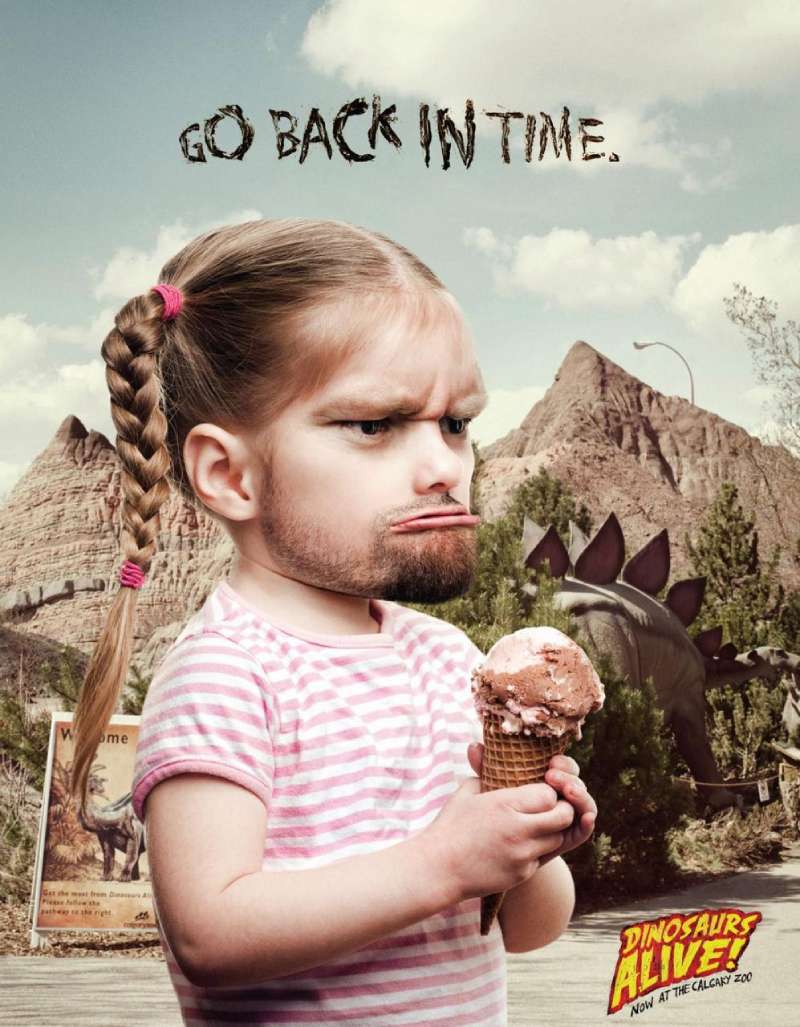
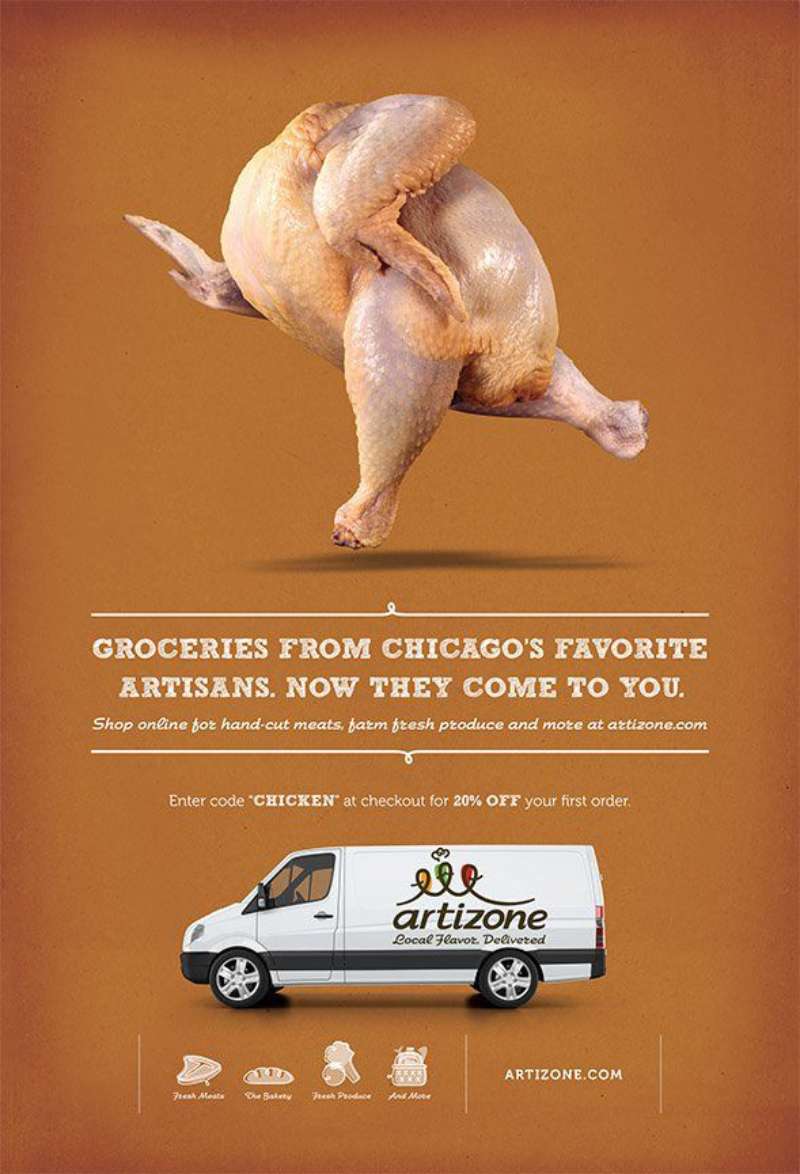
Funny Ads Examples
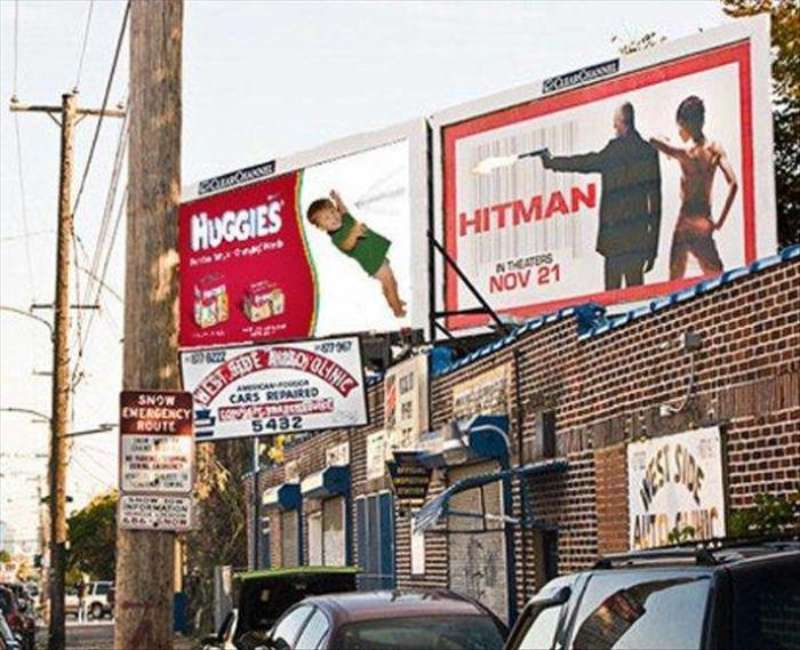


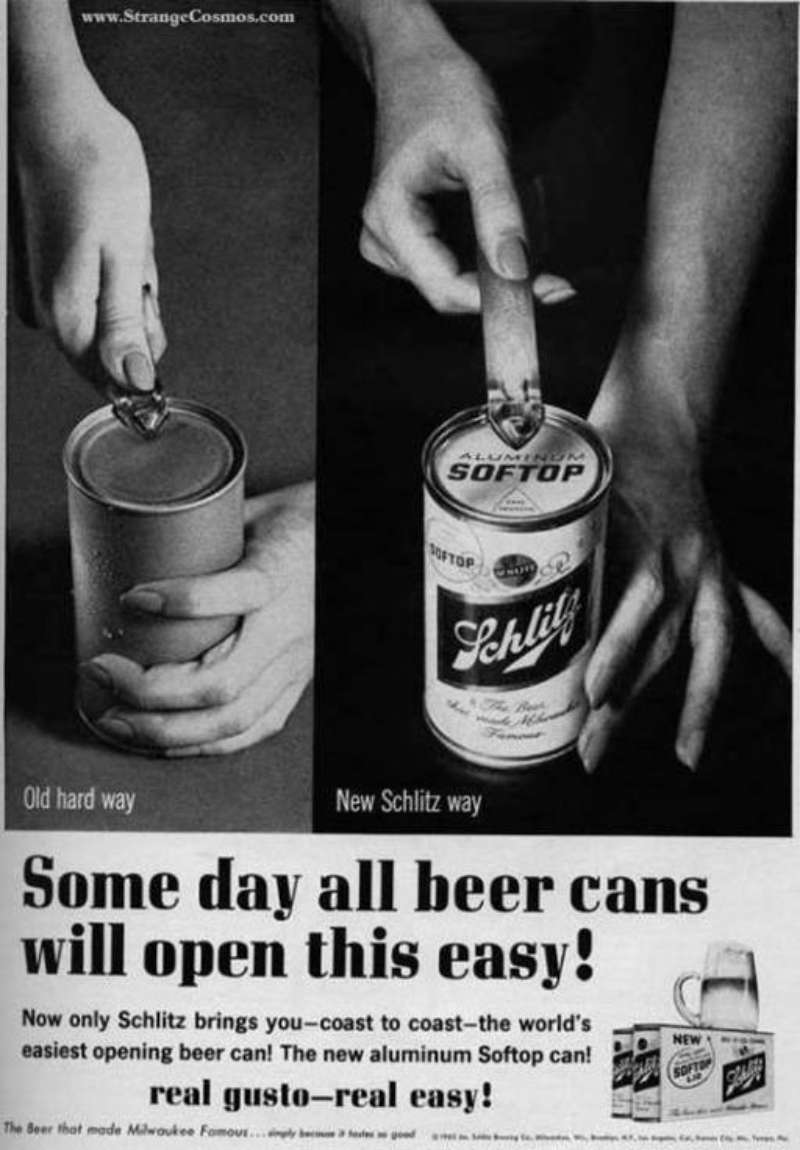
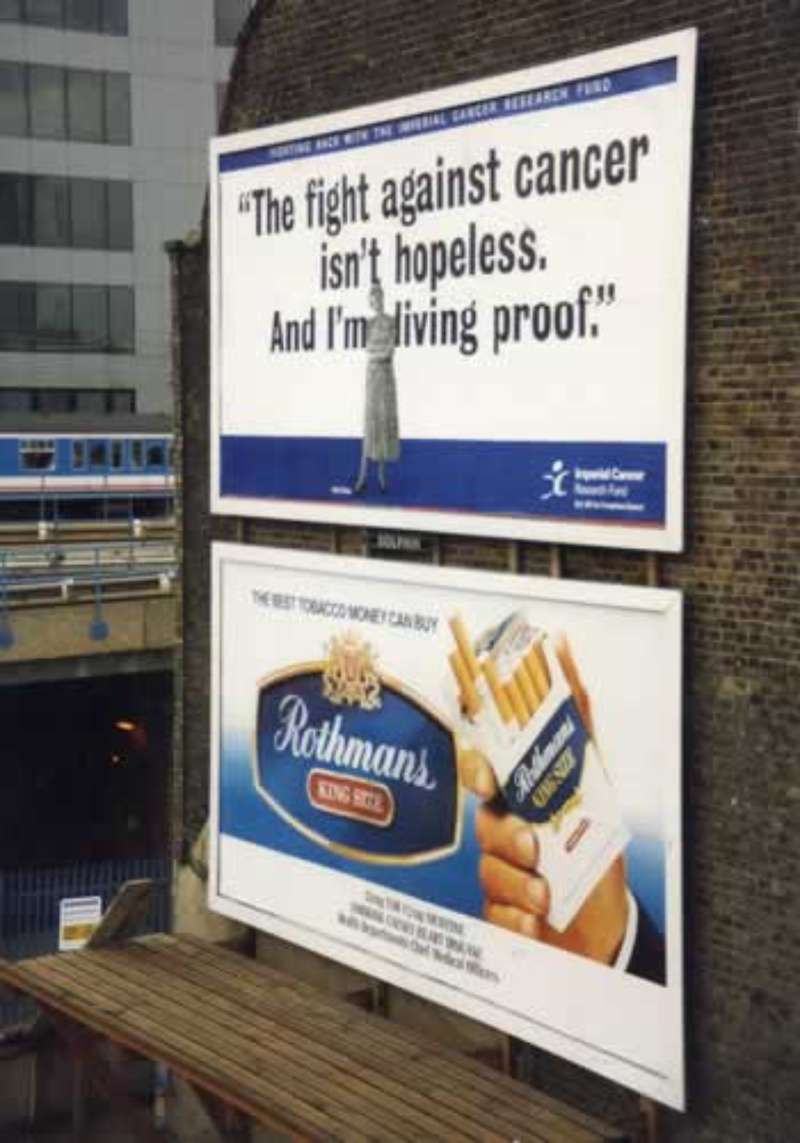
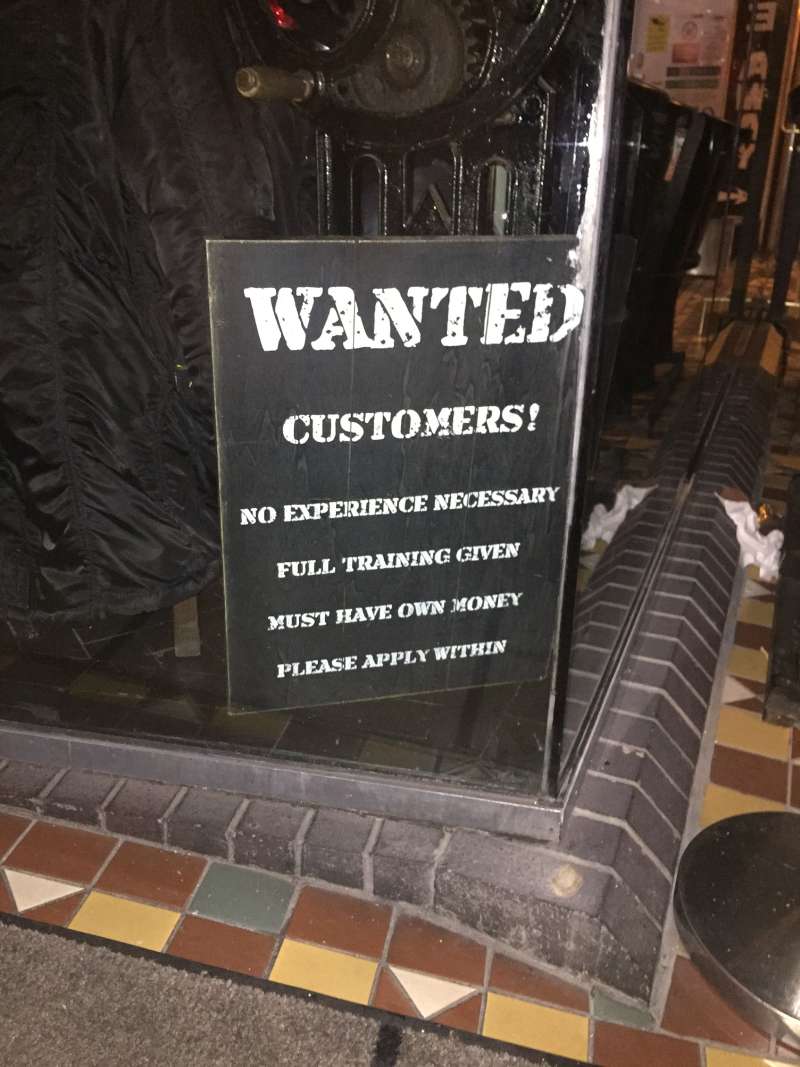

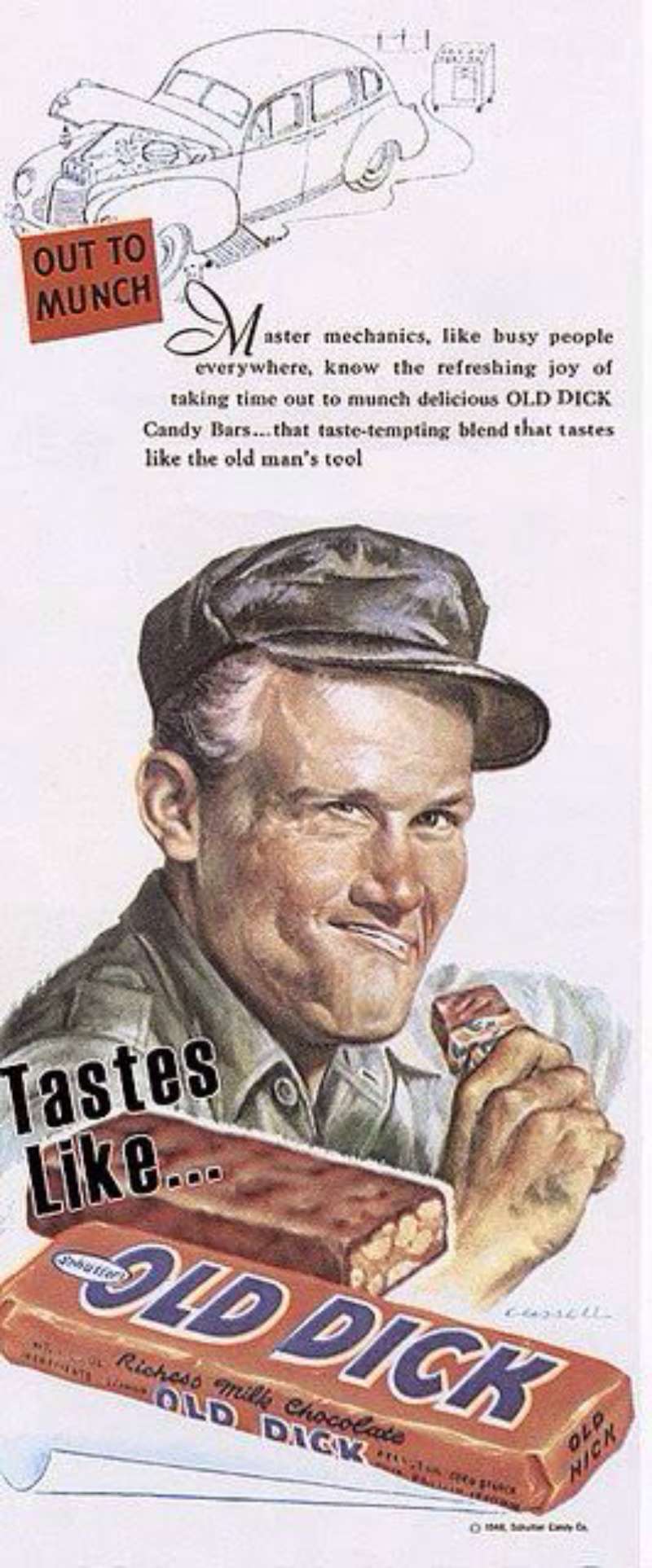


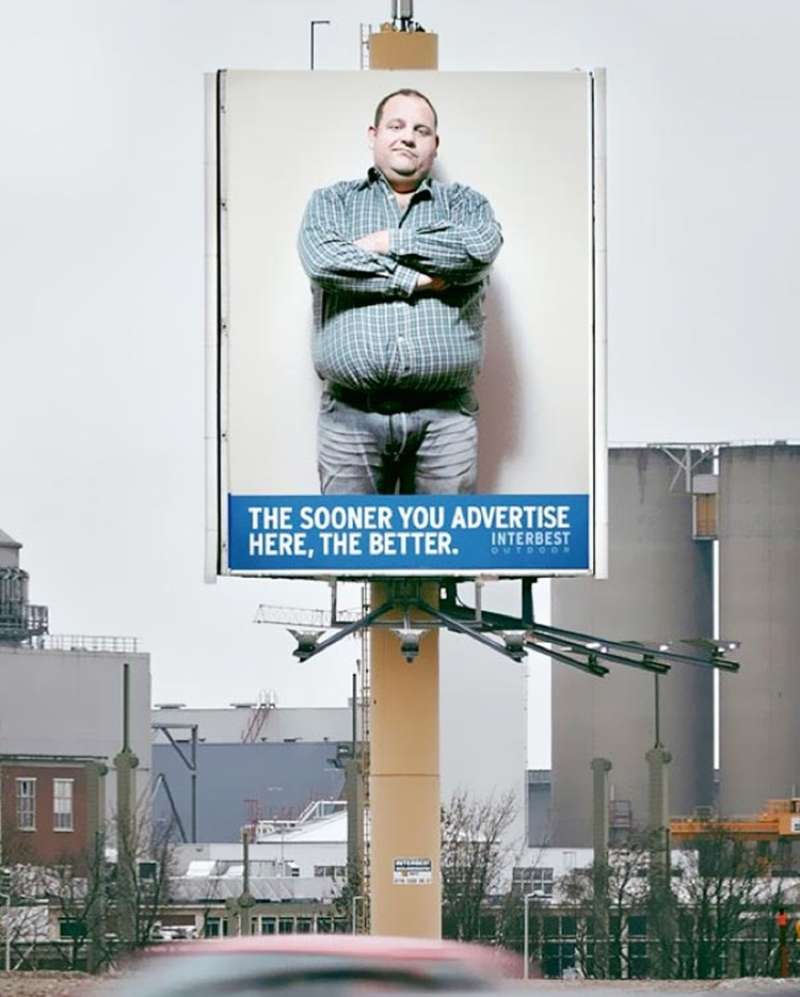
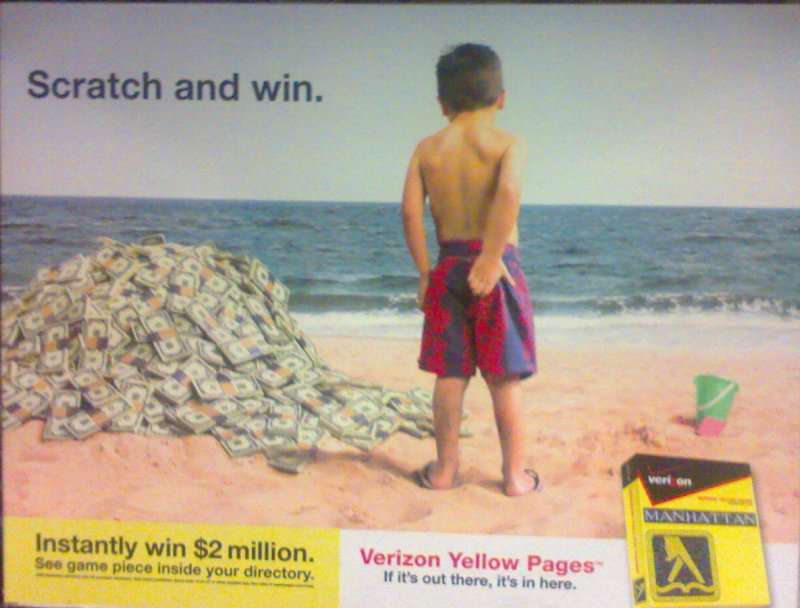
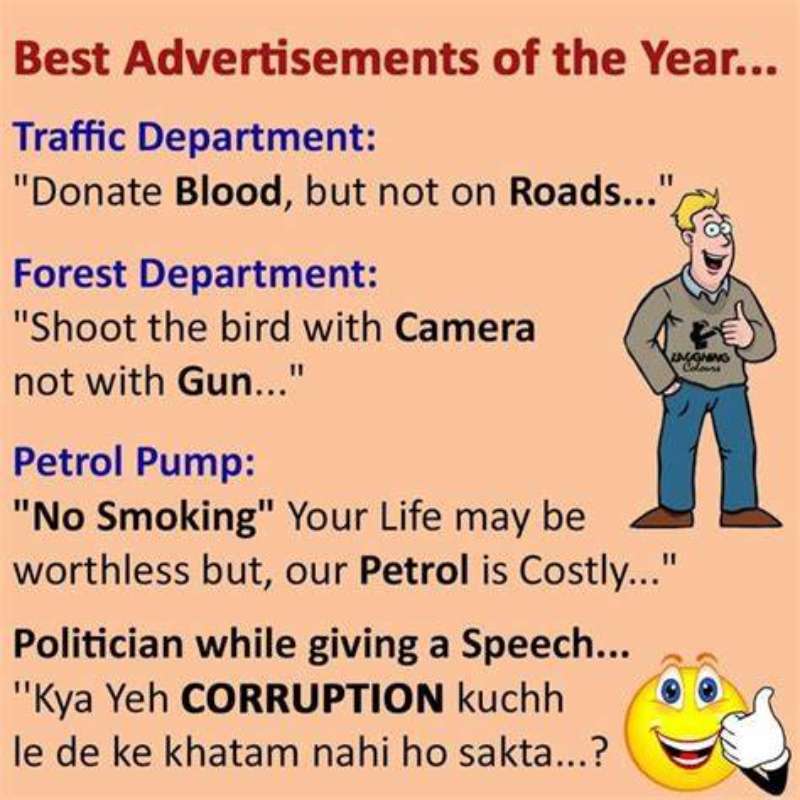






FAQ on Funny Ads Examples
What makes advertising campaigns effective at using humor?
Timing, relatability, and brand alignment. Successful comedic brand messaging connects with target audiences through shared experiences. The best hilarious commercials balance entertainment with clear product benefits, creating memorable associations that drive consumer behavior.
Which brands are known for consistently funny advertisements?
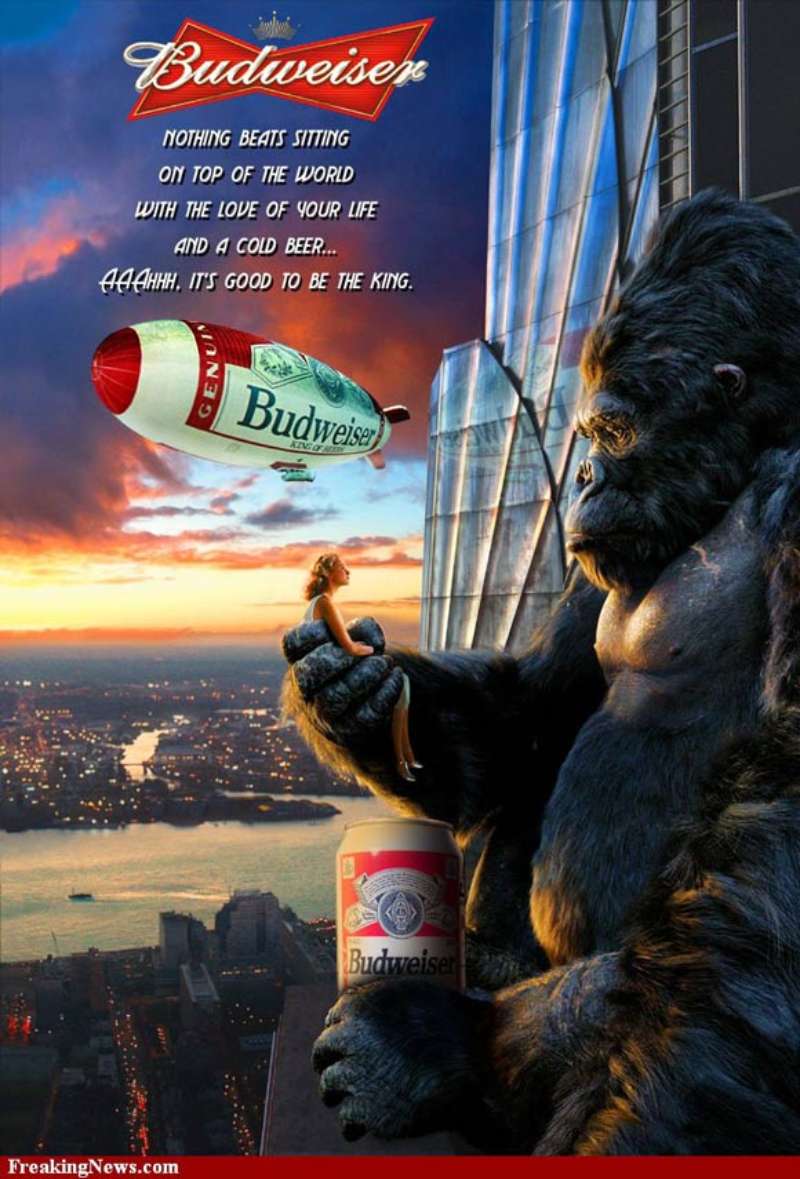
Geico, Old Spice, and Doritos lead the pack. Progressive Insurance built an empire around quirky characters. Budweiser ads and Coca-Cola ads have delivered laughs for decades. These companies understand their brand personality perfectly.
Do humorous marketing campaigns actually increase sales?
Absolutely. Viral advertising content generates higher engagement rates, shares, and recall. Comedy creates positive emotional connections that influence purchasing decisions. Studies show funny commercials outperform serious ones in brand awareness metrics.
What are common mistakes in comedic advertising?
Forcing humor that doesn’t fit the brand. Offensive content that alienates audiences. Prioritizing laughs over product benefits. Creative advertising campaigns fail when humor overshadows the actual message or creates negative associations.
How do Super Bowl commercials set humor standards?
Super Bowl commercials represent advertising’s biggest stage. Brands invest millions in witty marketing strategies because massive audiences expect entertainment. These spots often become cultural touchstones, setting trends for the entire industry.
What role does storytelling play in amusing advertisements?
Storytelling transforms simple product pitches into engaging narratives. Entertaining brand storytelling creates characters and situations audiences remember. The best amusing promotional videos feel like mini-movies rather than traditional sales pitches.
Can small businesses create effective funny marketing content?
Yes, with creativity over budget. Clever ad copywriting and authentic brand voices often outperform expensive productions. Social media platforms level the playing field for comedic social media ads that can go viral overnight.
How has digital marketing changed humorous advertising?
Funny digital marketing allows for immediate feedback and sharing. Brands can test content quickly, adapt messaging, and create interactive experiences. Satirical marketing content spreads faster online than traditional broadcast methods ever could.
What makes certain commercial formats naturally funnier?
Unexpected situations, exaggerated characters, and surprise endings. Formats like testimonials, product demonstrations, and slice-of-life scenarios provide natural comedy setups. The best entertaining advertisements subvert viewer expectations while maintaining authenticity.
How do companies measure the success of humorous campaigns?
Through engagement metrics, brand recall studies, and sales data. Advertising effectiveness includes social shares, comment sentiment, and earned media coverage. Companies track how memorable commercials translate into actual consumer actions and loyalty.
Conclusion
Funny ads examples prove that laughter remains advertising’s most powerful currency. These campaigns demonstrate how brands can forge emotional connections while delivering memorable messages that resonate long after viewing.
Smart companies understand that humor in marketing requires strategic thinking, not just creative execution. Whether it’s Nike marketing campaigns that surprise audiences or Apple advertising that cleverly showcases features, successful brands balance entertainment with clear value propositions.
The evolution of advertising creativity continues reshaping how we consume content. From amusing marketing stunts to witty advertising slogans, comedy helps brands stand out in oversaturated markets while building authentic relationships with consumers.
Key takeaways:
- Comedy creates instant brand differentiation
- Playful advertising approaches generate higher engagement
- Authentic humor builds lasting customer loyalty
Great comedic campaigns don’t just sell products. They create cultural moments that people eagerly share, discuss, and remember for years.
If you liked this article about Funny ads, you should check out this article about Vintage ads.
There are also similar articles discussing Sexist ads, Verizon ads, Uber ads, and AT&T ads.
And let’s not forget about articles on Colgate ads, Valentine’s Day ads, Gap ads, and H&M ads.

Renowned for his expertise in logo design and visual branding, Bogdan has developed a multitude of logos for various clients.
His skills extend to creating posters, vector illustrations, business cards, and brochures. Additionally, Bogdan's UI kits were featured on marketplaces like Visual Hierarchy and UI8.
He also wrote in the past years on sites like Design Your Way, WebDesignerDepot, WPDean, Designmodo, Speckyboy, Slider Revolution, and more.
- The Windsurf Logo History, Colors, Font, And Meaning - 10 October 2026
- How to Remove Background From Product Photos (No Photoshop) - 10 October 2026
- How Designers can Build a Stronger Online Creative Identity - 9 October 2026

Bogdan Sandu is a seasoned designer who has been designing websites since 2008. Renowned for his expertise in logo design and visual branding, Bogdan has developed a multitude of logos for various clients. His skills extend to creating posters, vector illustrations, business cards, and brochures. Additionally, Bogdan's UI kits were featured on marketplaces like Visual Hierarchy and UI8. He also wrote in the past years on sites like Design Your Way, WebDesignerDepot, WPDean, Designmodo, Speckyboy, Slider Revolution, and more.
You Might Also Like