Car dealership websites look nothing like a typical business site once you look past the homepage. Behind the scenes there’s a live inventory feed pushing prices and photos in and out, a connection to the dealer management system, and a manufacturer style guide dictating what colors and layouts are even allowed. That combination, inventory feed, DMS connection, brand rules, is basically what dealer website design means as a discipline.
Most franchise and independent dealers don’t build any of this from scratch. They license it from platform providers like Dealer.com, DealerOn, and Dealer Inspire.
The new-vehicle buying process ran more than 13.5 hours in 2024, with the added time concentrated in online research, according to Cox Automotive’s Car Buyer Journey Study (2024).
What Is Dealer Website Design
Ask ten web designers what makes a car dealer’s site different from a florist’s or a law firm’s, and none of them will start with pricing pages or contact forms. The differences sit underneath: a live feed that swaps out vehicle photos and prices the moment something sells, detail pages that get generated automatically rather than hand-built, a direct pipe into the dealership’s DMS and CRM, and templates locked down by whatever the manufacturer allows.
It’s a subset of web design, technically, but the constraints it answers to don’t show up anywhere else in the field.
Industry research puts online research participation at roughly 95% of vehicle buyers before they set foot on a lot, a widely cited figure that traces back to Google’s consumer data rather than Cox Automotive’s own survey. Cox Automotive’s 2024 Car Buyer Journey Study separately measured the time side of that behavior, logging close to 14 hours total spent across the buying process.
That research happens mostly on dealer websites, third-party marketplaces, and manufacturer pages, which is why the design of that first stop carries so much weight.
Core Features Every Dealer Website Needs
Inventory display, mobile behavior, visual organization, a way to compare vehicles side by side. Skip any one of those and the path from click to lead just breaks down somewhere in the middle.
| Feature | What it does | Why it matters |
|---|---|---|
| Vehicle detail page | Shows specs, photos, price for one vehicle | Where most buying decisions happen |
| Inventory search filter | Narrows results by make, price, mileage | Cuts through hundreds of listings fast |
| Vehicle comparison tool | Places two or more vehicles side by side | Speeds up cross-shopping on one site |
| Mobile-first layout | Reflows content for small screens first | Most research happens on a phone |
Good VDP design leans on the same visual hierarchy principles used on any product page: price and photo first, financing and specs second.
Search result pages depend on clean grid systems too, so a shopper can scan forty vehicles without losing their place.
There’s more sitting around the edges of the VDP that most shoppers barely notice consciously: a hero banner introducing current offers, staff bios that put an actual face on the sales and service teams, review widgets pulled in from Google or DealerRater, and 360-degree views on higher-trim or used inventory. None of it drives the sale by itself, but pull any of it out and the page feels thinner.
Dealer Inspire’s platform advertises a 0.2-second vehicle search on its inventory pages, a benchmark aimed squarely at shoppers who won’t wait for a spinner to finish.
How Dealer Websites Connect to DMS and CRM Systems
The inventory pages on a dealer site are only as good as the dealer management system behind them. The DMS supplies pricing, options, and status, and the website’s job is turning that raw feed into pages someone can actually browse.
Three feeds do most of the work. The DMS feed refreshes vehicle pricing, VIN data, and stock status automatically. The CRM connection catches lead form submissions and routes them to a salesperson. Service data pulls open appointment slots into the scheduling page.
Dealer Inspire, for one, integrates with CRM platforms including VinSolutions and ELEAD, alongside DMS partners like CDK Global and Reynolds and Reynolds.
When that pipe breaks, the damage shows up fast. Stale prices sit on vehicles that already sold, duplicate leads land in two systems at once, or a trade-in tool quotes against a VIN the dealer doesn’t even own anymore.
Lead Generation Tools Built Into Dealer Websites
Local Search Association data shows 61% of vehicle shoppers call a dealership after researching online, which is one reason click-to-call placement still matters on a modern site even in an era of chat widgets.
A trade-in calculator estimates value before a shopper ever commits to visiting. A payment estimator turns the sticker price into a monthly number, which is honestly what most people are actually trying to figure out. And a credit application can start the financing paperwork before anyone’s even scheduled a test drive.
Live chat and text widgets round things out, and they’re usually run by tools like Gubagoo or CarNow rather than built in-house, since maintaining a real-time chat system isn’t something most dealer web teams want to own.
Trade-in valuations frequently run through AccuTrade, and checkout flows through Roadster, both plugged into the site rather than built from scratch.
Placement follows the same logic as any conversion page. The eye needs a clear focal point, usually the payment estimator or the chat bubble, not a wall of competing buttons.
Bury these tools three clicks deep and the shopper is gone before the tool ever loads.
OEM Compliance and Brand Standards in Dealer Website Design
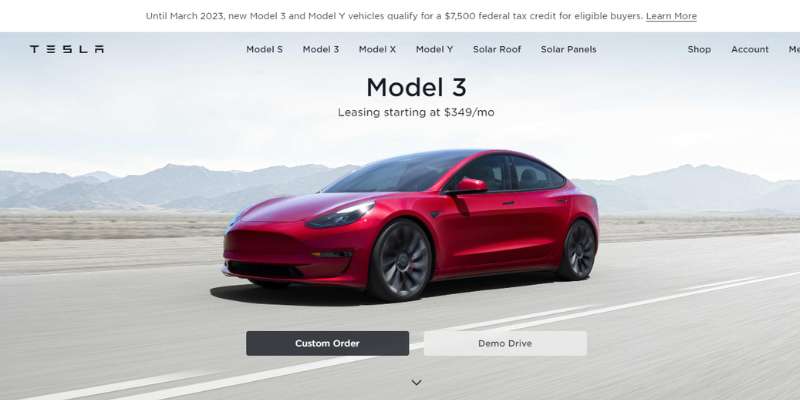
Manufacturers decide how far a dealer can push their own website design, and for most franchise stores that decision is basically final.
Every OEM keeps its own list of approved providers, and templates on that list follow the brand’s brand guidelines down to the pixel.
General Motors kept a single approved vendor, Sincro, for years before opening the door to Dealer.com, DealerOn, and Dealer Inspire after pressure from dealers wanting more choice. Toyota and Lexus still default to Sincro as their standard platform.
Compliance mostly means logo placement, color values, and typography locked to the manufacturer’s standards, plus required disclosures on pricing, incentives, and financing offers showing up where the OEM wants them. It also means co-op advertising rules that only reimburse marketing spend on approved templates, which is the detail that actually keeps most dealers in line.
Most of that first part traces back to a single document, the OEM’s own brand style guide, which a platform vendor has to rebuild inside its own templates for every model year.
A dealer who builds outside the approved list risks losing co-op reimbursement, even if the resulting site looks better.
Accessibility and ADA Requirements for Dealer Websites
Dealer websites have become a frequent target for accessibility lawsuits.
UsableNet’s 2024 year-end tracking counted more than 4,000 digital ADA lawsuits filed against websites and apps that year alone.
Courts lean on the Web Content Accessibility Guidelines, specifically WCAG 2.0 or 2.1 Level AA, as the practical benchmark, even though the ADA itself names no specific technical standard.
On an actual dealer site that plays out as alt text on every vehicle photo for screen reader users, a visible signal other than color alone flagging sold or pending vehicles, keyboard navigation through the inventory filter without touching a mouse, and captions on any walkaround or test-drive video.
Most of that second point comes down to contrast, since a sold banner in pale gray on white fails a screen reader just as often as it fails a colorblind shopper.
Legible type matters too. Dealers picking from fonts for accessibility tend to avoid the thin, condensed styles that look sharp on a mockup and unreadable on a phone in direct sunlight.
Dealer.com states its sites are built with WCAG alignment in mind, covering screen reader compatibility as a baseline rather than an add-on.
Accessibility overlays marketed as instant fixes don’t reliably stop lawsuits either. They patch the surface without touching the underlying code, which is exactly what a lawsuit tends to go after.
SEO and Page Speed Factors in Dealer Website Design
Google’s Core Web Vitals measure loading, responsiveness, and visual stability on real visits, and they sit right alongside two other technical pieces that decide whether a dealer’s inventory actually shows up in search: schema markup, which tells search engines the make, model, price, and mileage on a given VDP, and Vehicle Listing Ads, Google’s ad format that pulls straight from the same inventory feed powering the website.
Bounce probability rises 32% as load time goes from one second to three, according to Google and SOASTA Research, and that curve gets steeper past the three-second mark.
A VDP loaded with high-resolution photos and three chat scripts routinely misses that window. It’s probably the single most common speed complaint leveled at legacy platforms.
DealerOn markets built-in keyword tracking and meta tag management as standard features, a rare case of a website provider treating SEO as part of the platform rather than a bolt-on service.
Template rigidity is the tradeoff, though. A platform fast enough to pass Core Web Vitals on day one can still fall behind once a dealer piles on third-party widgets.
Comparing the Top Dealer Website Platforms
Five platforms cover most of the franchise market, and each one leans into a different strength rather than trying to be everything.
Picking between them usually comes down to OEM approval, SEO depth, or how much design flexibility a dealer principal actually wants to deal with.
| Platform | Owner | Known for | Starting price |
|---|---|---|---|
| Dealer.com | Cox Automotive | OEM breadth, ecosystem depth | $1,500/month+ |
| DealerOn | Independent | Native SEO tooling | $1,200/month+ |
| Dealer Inspire | Cars Commerce | Digital retailing, buyer experience | $1,299/month+ |
| Sincro | DealerOn | Bundled OEM offering | Contact for pricing |
| Fox Dealer | Independent | Design flexibility | Contact for pricing |
DealerOn has grown into the largest independent option, with more than 7,000 dealers across the US, Mexico, and South America.
Founded in 2004 and later acquired by NexPhase Capital, the company built that scale while staying independent as CDK, Cox, and Cars Commerce absorbed most of its rivals. DealerOn has since expanded through acquisition itself, buying Sincro from Ansira in 2024. Sincro had spent the prior four years under Ansira after CDK Global sold off the business in 2020.
Fox Dealer took the opposite route, staying small and pitching design range as its main differentiator against the bigger, more templated players.
Custom-Built vs Platform-Based Dealer Websites
Most franchise stores never actually get to make this decision, since OEM approval lists tend to force the platform choice for them.
Independent groups and a handful of large retailers do get to choose, and the tradeoffs are sharp.
Custom-Built Websites
Full design control means nothing about the layout or checkout flow is templated. It also means owning the entire codebase and hosting outright, skipping the monthly platform fee in favor of development and hosting costs, and being free to build features no platform offers yet.
Even the typography can move off any OEM’s approved system entirely, which no templated platform allows.
The tradeoff sits on the other side of the ledger. Inventory feed integration has to be built and maintained in-house. There’s no built-in OEM compliance, so franchise brands rarely allow it in the first place. And ongoing developer time replaces what would otherwise be a vendor support line.
CarMax runs its own custom-built platform rather than a franchise-style template, a scale only a handful of used-car retailers can actually justify.
Platform-Based Websites
Speed to launch is the main draw here. A platform hands a dealer an inventory feed and VDP generation that’s already built, OEM compliance baked into the approved templates, and vendor support for whatever outages, bugs, and updates come up.
The cost is sameness. Two dealers on the same platform and template often run visually identical sites, right down to the button placement.
A 12 month or multi year contract is standard across the major providers, which limits how fast a dealer can switch if service quality drops.
What Dealer Websites Cost
Pricing scales with store size, inventory volume, and how many add-ons get bundled onto the base subscription.
According to The State of Automotive (2026), an entry-level platform subscription runs around $800 per month, covering basic inventory display and lead forms. A full-feature subscription with merchandising tools and dedicated SEO support can run up to $2,500 per month.
A custom-built site costs $25,000 to $75,000 upfront, plus $500 to $1,500 per month in hosting and maintenance afterward. A standalone chat widget alone, layered on top of whatever base platform a dealer is already paying for, runs $300 to $800 per month.
Add-ons rarely show up on the sales sheet. Trade-in valuation widgets, service scheduling integrations, and payment processing each carry their own line item, and they multiply fast across a multi-store group.
Multi-store operators can usually negotiate a group discount, since the marginal cost of adding a rooftop to an existing platform contract is low for the vendor.
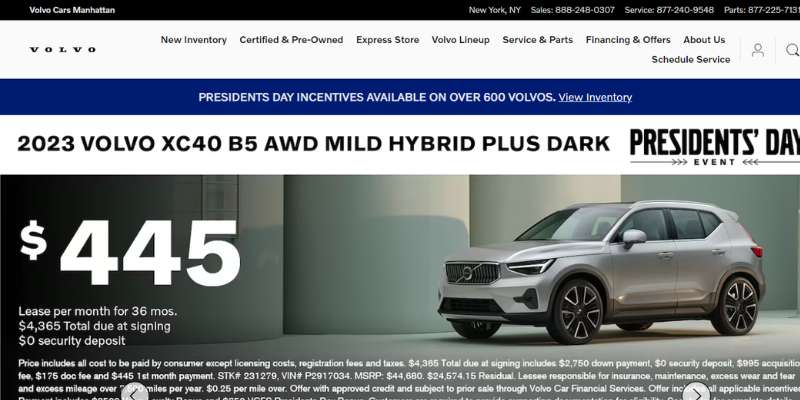
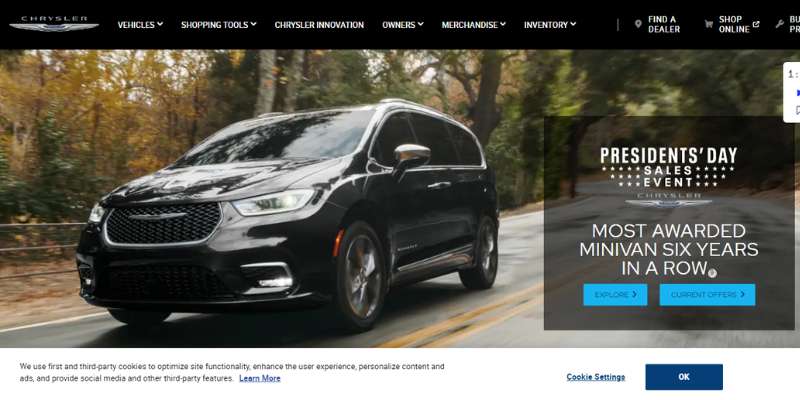
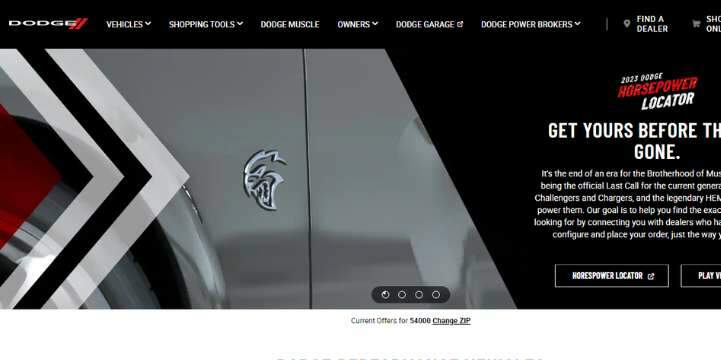
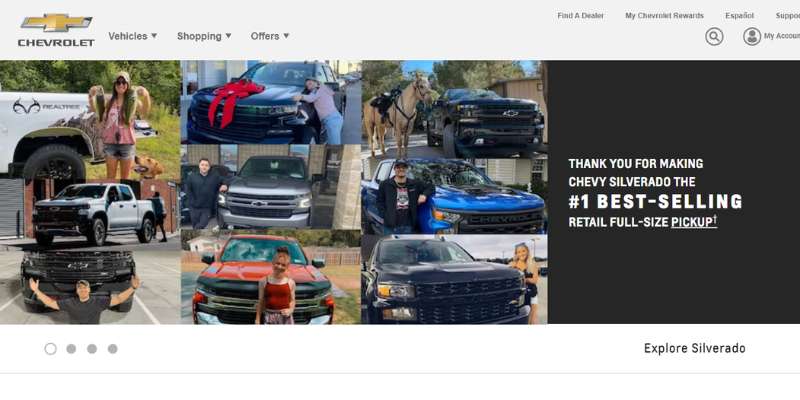
Dealer Website Design Examples
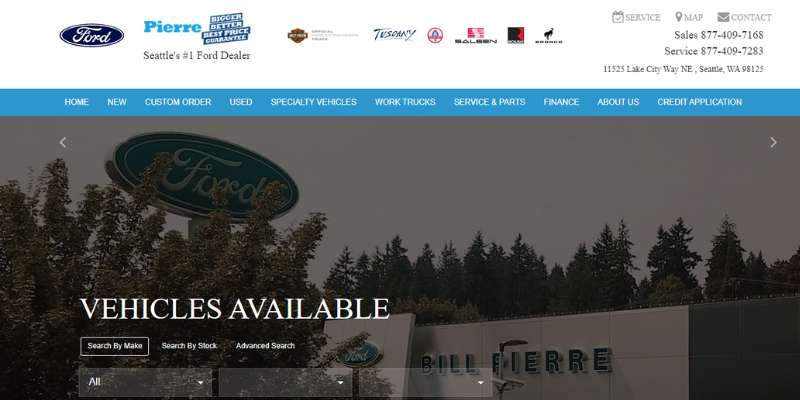
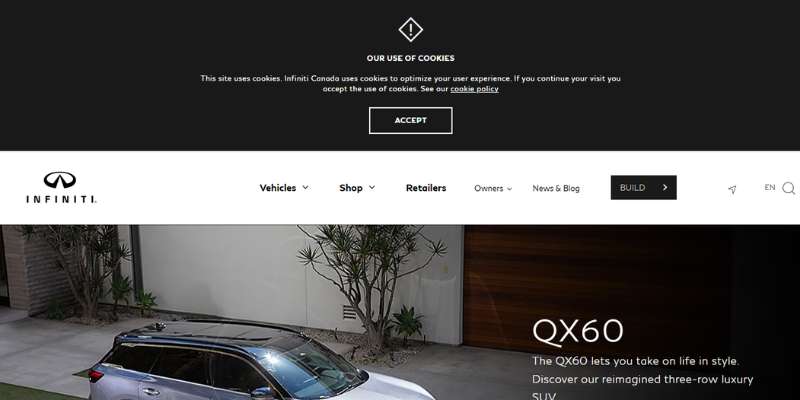
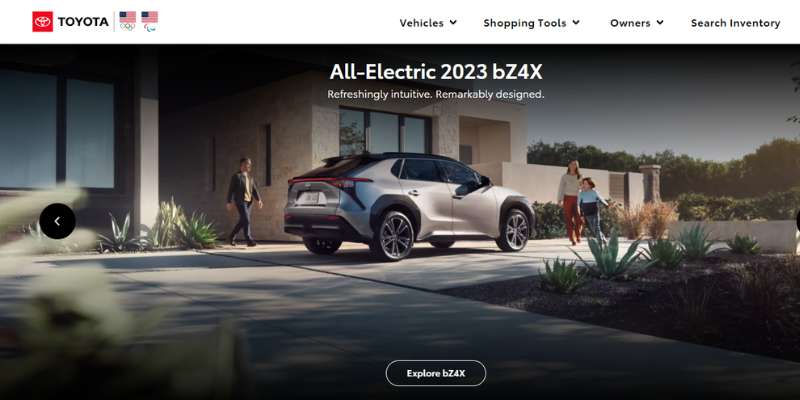
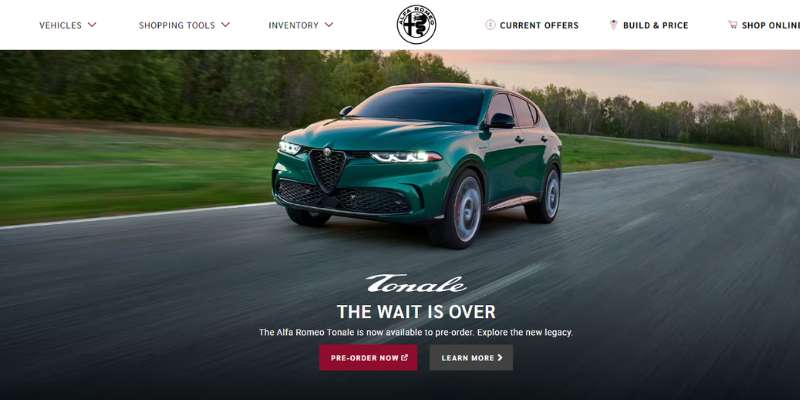
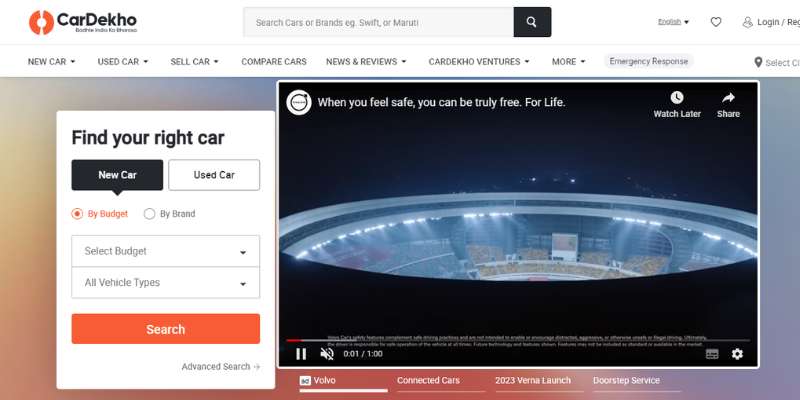
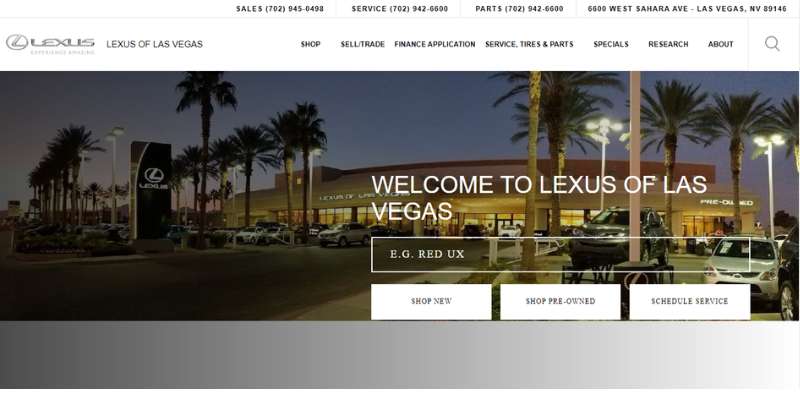
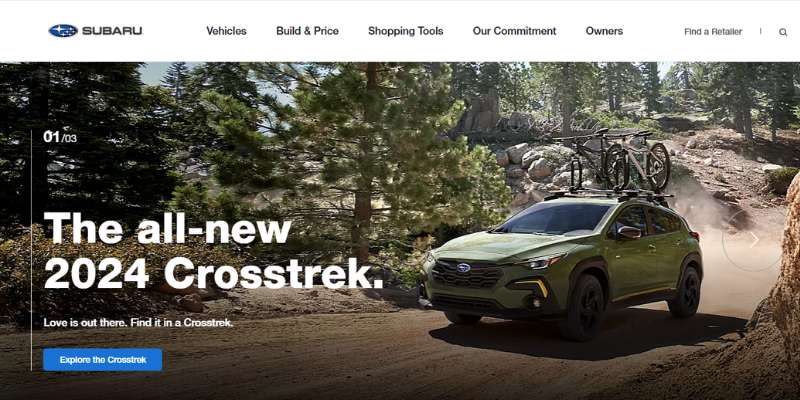
Design differences between platforms show up fastest on the homepage, on the VDP layout, and in how tightly the OEM template locks things down.
Creamfields
Infiniti
Toyota
Volvo Cars New York
Chrysler
Dodge
Chevrolet
USA Alfa Romeo
Royce Automobiles

CarDekho
Las Vegas Lexus
Subaru
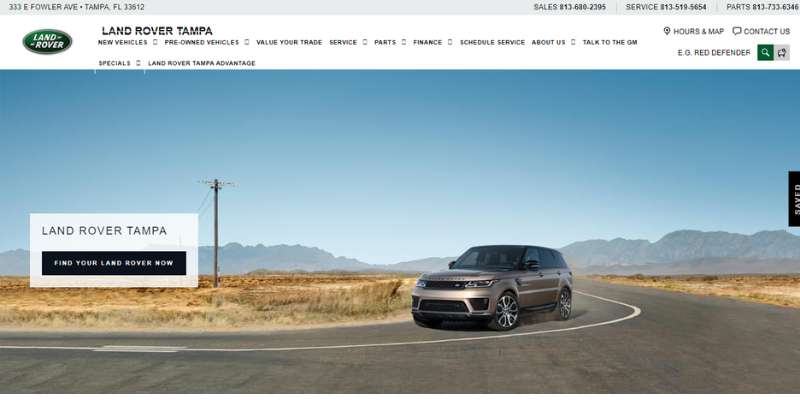
Land Rover Tampa
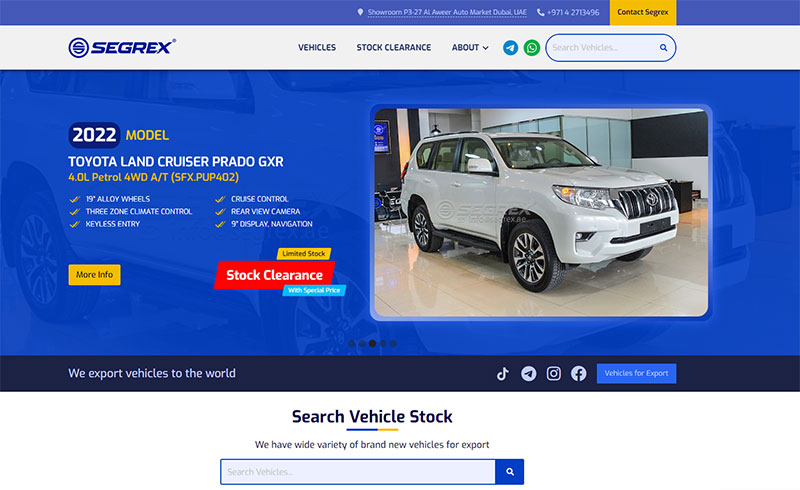
Segrex
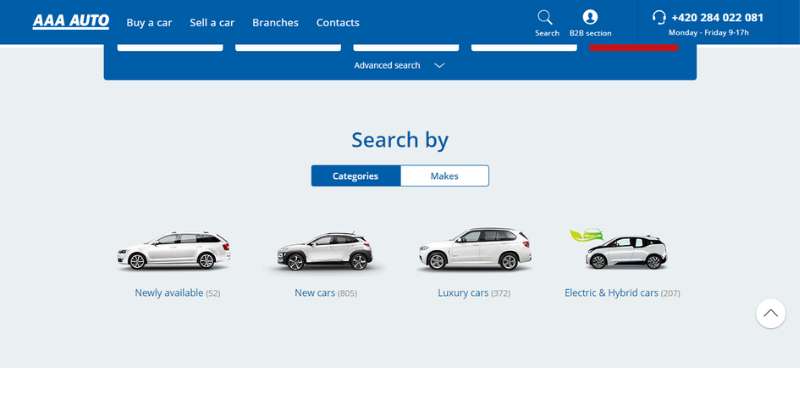
AAA Auto
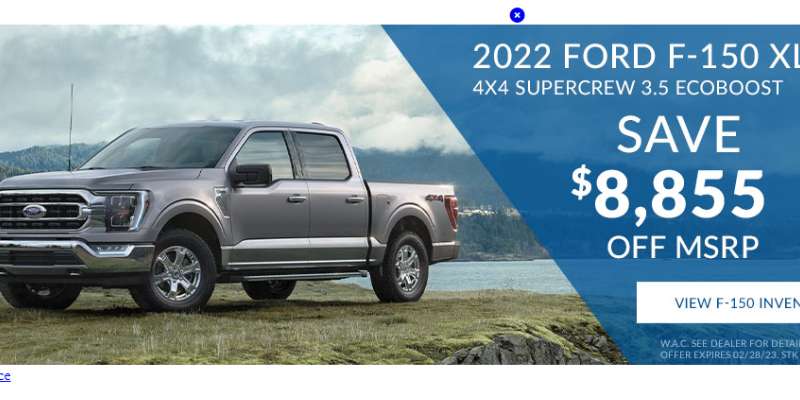
Anderson Lincoln
How to Plan a Dealer Website Redesign
A redesign or platform migration follows a fairly fixed sequence, regardless of which provider a dealer ends up picking.
- Audit the current site for page speed, inventory feed accuracy, and lead volume by source
- Shortlist platforms against OEM approval status and required integrations
- Negotiate contract terms, including setup fees and the cancellation clause
- Migrate content and connect the DMS and CRM feeds
- Train staff on the new content management tools
- Launch with redirect mapping from every old URL to its new equivalent
- Monitor rankings, page speed, and lead volume for the first 90 days
Website-focused migrations, such as a move to DealerOn, typically run 30 to 60 days for design and content work, according to Demand Local (2026).
CRM-only migrations run longer. Data migration and staff training alone can take 60 to 90 days when a new CRM enters the picture.
Skipping the redirect mapping step is the single most common mistake, and it can erase months of accumulated search rankings overnight.
When Dealer Website Templates Fail or Don’t Apply
Standard platforms cover the vast majority of franchise and independent dealers well.
A handful of situations still fall outside what a templated platform can actually do. Exotic and boutique dealers, for one, whose inventory and buyer expectations don’t fit a mass-market VDP layout at all. Multi-brand dealer groups run into it too, needing one consistent design across OEM lines that each enforce different brand rules. High-volume used-car retailers can strain a platform built around a single-rooftop franchise store, and dealers whose OEM has decertified their current provider mid-contract get forced into an unplanned switch whether they wanted one or not.
Page weight is the quieter failure mode. A template loaded with third-party chat, trade-in, and review widgets can slip past Google’s speed thresholds even on a platform that ships fast by default, costing leads the setup fee never accounted for.
None of this makes templates the wrong choice generally. It just means the standard platform stops being the obvious answer once a dealer’s scale or brand structure moves outside what the template was built for.
FAQ on Dealer Website Design
What makes dealer website design different from a standard business website?
A standard business site rarely changes. A dealer site updates constantly through a live inventory feed, connects to the DMS and CRM, and follows OEM template rules no bakery or law firm site has to meet.
What third-party tools commonly integrate with dealer websites?
Trade-in valuation often runs through Kelley Blue Book or Black Book. Service scheduling frequently runs on Xtime from Cox Automotive, and chat tools like ActivEngage handle live conversations outside the core platform.
How long does a dealer website migration take?
Duration depends on scope. A template swap on the same DMS connection moves fastest, while a full platform change paired with a new CRM adds data migration and staff training time on top.
Can an independent used-car dealer use the same platforms as franchise dealers?
Independents face no OEM approval requirement, so they can use Dealer.com, DealerOn, or Fox Dealer. Many drop to budget tiers instead, such as Jazel Auto or flat-rate builders charging under fifty dollars a month.
Does a dealer website need a blog or content section for SEO?
Inventory pages alone rarely rank for research-stage searches. A content section covering local buying guides and service topics gives Google pages to index beyond the VDP, supporting rankings the inventory feed can’t carry on its own.
What Should You Fix First in Dealer Websites
Dealer website design fixes payment speed and lead capture before layout, since a slow vehicle detail page or a buried trade-in tool costs a sale long before a color scheme or a font choice ever does.
Page speed and Core Web Vitals come first. Lead capture placement, the trade-in tool, chat, click-to-call, comes second. Visual layout and OEM template polish comes last, once the first two are actually working.
Combine the 13.5-hour research window Cox Automotive logged for 2024 with the 61 percent phone-conversion rate from Local Search Association, and the click-to-call button matters through nearly the entire buying cycle, not just at the end.
Prioritizing speed over polish has a real cost: launch arrives before every animation or custom illustration gets built, trading visual richness for a working lead form sooner.
Dealers refining that visual layer eventually run into the same foundation covered in graphic design principles, since hierarchy and contrast do the same job on a vehicle detail page as anywhere else.

Renowned for his expertise in logo design and visual branding, Bogdan has developed a multitude of logos for various clients.
His skills extend to creating posters, vector illustrations, business cards, and brochures. Additionally, Bogdan's UI kits were featured on marketplaces like Visual Hierarchy and UI8.
He also wrote in the past years on sites like Design Your Way, WebDesignerDepot, WPDean, Designmodo, Speckyboy, Slider Revolution, and more.
- Iconic Helvetica Font Pairing Ideas That Always Work - 30 October 2026
- Designing One Flutter App for Phones, Tablets, Mac and Vision Pro - 30 October 2026
- The Clickup Logo History, Colors, Font, And Meaning - 28 October 2026

Bogdan Sandu is a seasoned designer who has been designing websites since 2008. Renowned for his expertise in logo design and visual branding, Bogdan has developed a multitude of logos for various clients. His skills extend to creating posters, vector illustrations, business cards, and brochures. Additionally, Bogdan's UI kits were featured on marketplaces like Visual Hierarchy and UI8. He also wrote in the past years on sites like Design Your Way, WebDesignerDepot, WPDean, Designmodo, Speckyboy, Slider Revolution, and more.
You Might Also Like