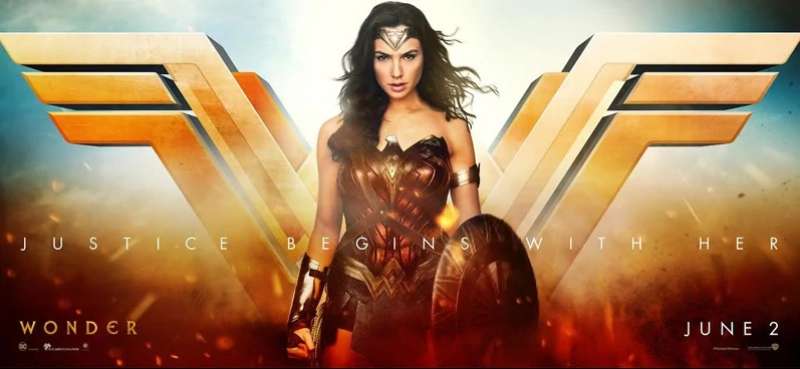
The Wonder Woman logo is one of the most recognizable symbols in comic book history. It represents strength, justice, and female empowerment through a bold golden eagle emblem paired with the iconic “WW” monogram. As a core part of DC Comics’ visual identity, it sits alongside superhero logos that have shaped pop culture for decades.
Since her debut in 1941, Wonder Woman’s visual identity has gone through multiple redesigns across print, television, and film. Each version reflects the era it was created in, from Golden Age comic art to modern blockbuster branding. The logo has become a global symbol far beyond its comic book origins.
What is the Wonder Woman Logo?
The Wonder Woman logo is a stylized “WW” monogram or golden eagle emblem representing Diana Prince, the Amazonian warrior princess of DC Comics. First formalized in comic branding in the 1940s, it uses bold gold and red tones to signal power, mythological heritage, and heroism.
- Design Type: Combination mark (emblem + monogram variations)
- Primary Elements: Stylized double-W letterform, golden eagle motif, star accents, bold geometric lines
- Official Introduction Date: 1941 (original comic debut); current cinematic version introduced 2016
- Designer/Agency: Original design attributed to H.G. Peter; 2016 DCEU version developed in-house at Warner Bros. with costume designer Lindy Hemming
- Trademark Status: Registered trademark of DC Comics (Warner Bros. Discovery)
- Color Palette:
- Gold: #D4AF37
- Red: #B22222
- Dark Navy/Black: #1A1A2E
- Usage Context: Comic books, film merchandise, apparel, digital platforms, theme parks, and promotional materials
How Has the Wonder Woman Logo Evolved Over Time?
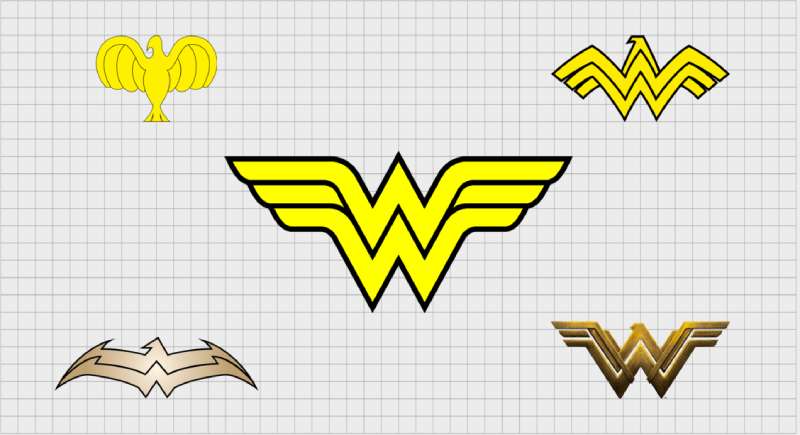
The Wonder Woman logo has shifted dramatically across eight decades. It started as a simple comic book emblem, moved through a TV-era interpretation in the 1970s, and reached its most refined cinematic form in 2016.
Each era brought distinct changes in style, color depth, and symbolism.
Original Wonder Woman Logo (1941-1950s)
- Years Active: 1941-late 1950s
- Design Description: Simple eagle motif on the chest plate, paired with a red and gold star-spangled costume; no standalone “WW” letterform yet
- Color Scheme: Flat red, gold, and blue (printing limitations of the era)
- Designer: H.G. Peter (original comic artist)
- Context: Created during World War II as a direct response to male-dominated superhero comics
- Key Changes from Previous: N/A (original version)
- Cultural Significance: First major female superhero symbol in American comics; immediately linked to wartime feminism
Silver Age Wonder Woman Logo (1960s-1970s)
- Years Active: Late 1950s-1974
- Design Description: More stylized eagle, cleaner lines, brighter color treatments reflecting Silver Age comic aesthetics
- Color Scheme: Brighter reds and golds as printing technology improved
- Designer: Various DC Comics in-house artists
- Context: DC’s Silver Age brought tighter visual standards across all character branding
- Key Changes from Previous: Cleaner linework, more consistent eagle proportions
- Cultural Significance: Cemented Wonder Woman as a visual peer to Superman and Batman in the DC roster
Lynda Carter TV Era Logo (1975-1979)
- Years Active: 1975-1979
- Design Description: Logo adapted for live-action television; the eagle breastplate became a physical costume piece, bold and theatrical
- Color Scheme: Saturated TV-friendly reds, golds, and blues
- Designer: Costume designer Donfeld
- Context: The CBS/ABC television series brought Wonder Woman to mass mainstream audiences for the first time
- Key Changes from Previous: Real-world material constraints replaced flat illustration; more literal eagle representation
- Cultural Significance: Lynda Carter’s version became the defining visual reference for a generation
Modern Comics “WW” Monogram (1980s-2000s)
- Years Active: 1980s-2000s
- Design Description: The double-W letterform became more prominent as a standalone logo device; eagle motif simplified or removed in many applications
- Color Scheme: Gold and red, with increasing use of dark outlines
- Designer: Various DC Comics redesigns across multiple runs
- Context: Comics market shifted toward darker, more graphic storytelling; logos needed to work on merchandise, not just comic covers
- Key Changes from Previous: Letterform takes priority over illustrative eagle
- Cultural Significance: Made the “WW” shorthand instantly recognizable outside comic book readers
DCEU Cinematic Logo (2016-Present)
- Years Active: 2016-present
- Design Description: Highly detailed golden eagle chest emblem with intricate feather etching, deep metallic gold tones, and a battle-worn texture; “WW” letterform refined into a sharp angular monogram
- Color Scheme: Deep metallic gold (#D4AF37), dark bronze, rich red
- Designer: Warner Bros. in-house team, Lindy Hemming (costume), Gal Gadot’s DCEU portrayal as visual reference
- Context: Introduced in Batman v Superman: Dawn of Justice (2016), fully realized in the 2017 standalone film
- Key Changes from Previous: Far more detailed and three-dimensional; built for film close-ups and merchandise at scale
- Cultural Significance: First major female-led superhero film logo in the modern blockbuster era; globally recognized feminist symbol
What Do the Design Elements of the Wonder Woman Logo Mean?
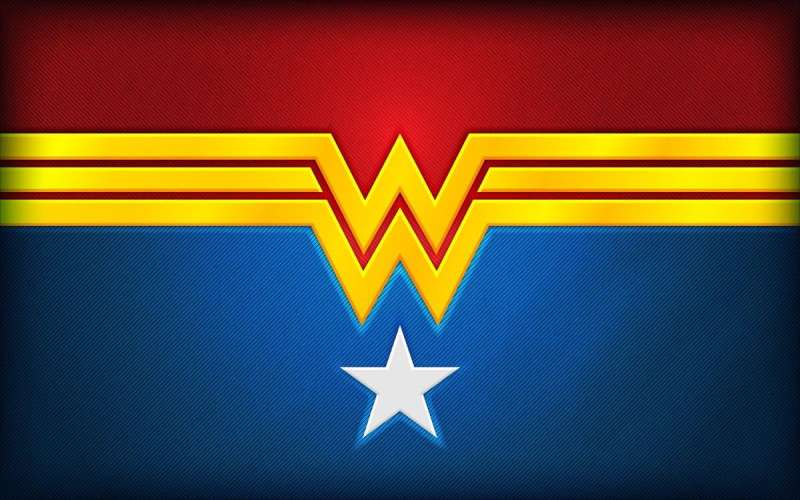
Every element in the Wonder Woman logo carries deliberate meaning. The eagle represents divine power and Amazonian heritage. The double-W monogram signals identity and strength through angular, warrior-like geometry.
The gold color ties the character directly to Greek mythology and godlike status.
Nothing in this logo is decorative for decoration’s sake.
What Does the Eagle Symbol in the Wonder Woman Logo Represent?
The eagle connects Wonder Woman to both American patriotism and Greek mythological power.
In early designs, it referenced the American wartime context of her creation. Over time, it shifted to represent the Amazonian warrior tradition and the goddess Athena.
The eagle is a cross-cultural symbol of authority. It works on multiple levels simultaneously, which is part of why it has survived every redesign.
What Is the Historical Context Behind the Logo’s Visual Language?
William Moulton Marston created Wonder Woman in 1941 with a specific agenda: a hero whose power came from love and truth, not violence.
The logo reflected that. Gold over silver. Curves over sharp edges (in early versions). Stars referencing both the American flag and celestial divinity.
By the time the DCEU version arrived, the visual language had hardened into something more battle-ready, reflecting how the character’s story had evolved.
What Cultural References Are Built Into the Design?
Greek mythology runs through every version of this logo. The eagle ties to Zeus. The golden accessories echo Athena. The tiara connects to royalty within Amazonian culture.
There’s also a clear thread of second-wave feminism woven into the visual identity, especially in the 1970s TV era and the 2017 film branding.
The logo has been adopted as a real-world symbol at political marches and feminist movements. That’s rare for any fictional character’s emblem.
Why Did Wonder Woman’s Designers Choose These Specific Colors?
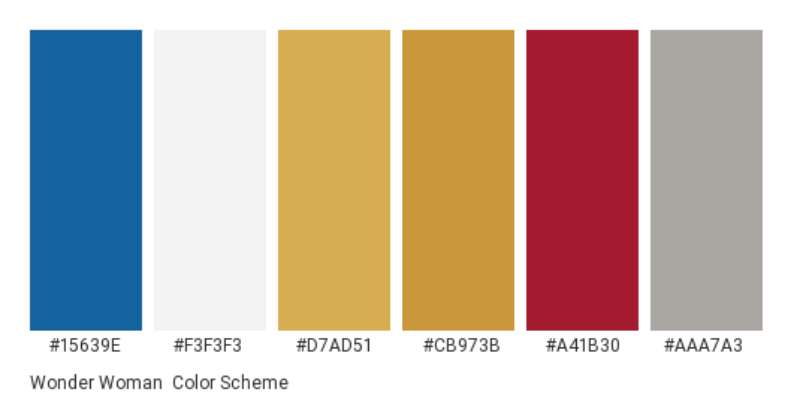
- Gold (#D4AF37)
- Symbolic Meaning: Divine power, Amazonian royalty, mythological heritage
- Psychological Impact: Signals prestige, warmth, and authority; stands out against dark backgrounds
- Brand Connection: Differentiates Wonder Woman from the blue/red of Superman and the black of Batman within DC’s gold logo visual tradition
- Red (#B22222)
- Symbolic Meaning: Courage, combat readiness, passion
- Psychological Impact: High energy, urgency, and strength; one of the most attention-grabbing colors in color psychology
- Brand Connection: Consistent with action hero branding across both Marvel and DC universes; see also red logos across entertainment brands
- Dark Navy/Black (#1A1A2E)
- Symbolic Meaning: Depth, seriousness, the shadow side of war
- Psychological Impact: Grounds the warmer tones, adds gravitas
- Brand Connection: Used primarily in the DCEU version to signal a darker, more grounded tone than earlier comic iterations
What Typography Style Is Used in the Wonder Woman Logo?
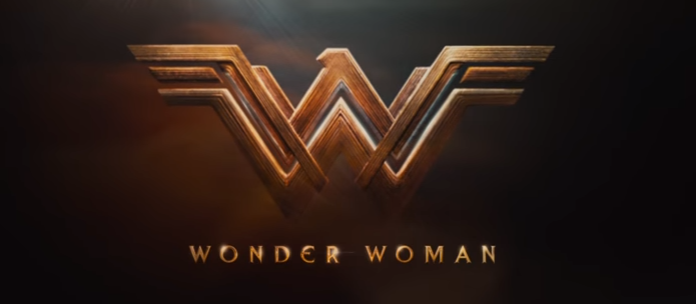
The “WW” monogram isn’t tied to a standard commercial typeface. It’s a custom letterform, designed specifically for the character.
The letterforms are wide, angular, and bold. Sharp serifs in some versions, cleaner cuts in others.
In the DCEU version, the typography leans into a geometric, almost ancient-looking structure that references both Greek inscriptions and Art Deco design. The Art Deco influence shows up in the symmetry and the precise angularity of each stroke.
Readability isn’t really the point here. Recognition is. And it works.
What Are the Hidden Meanings in the Wonder Woman Logo?
The double-W letterform, when examined closely, contains an implied “M” in the negative space between the letters. Some designers have pointed to this as an unintentional reference to “woman” beyond the character’s name.
The eagle’s wings in the DCEU version are positioned to frame the “WW” mark below, creating a protective arch. That’s intentional.
Marston’s original design choices were also influenced by his personal beliefs around female strength and psychological dominance theory. The tiara doubling as a weapon, the lasso of truth, these weren’t random. The logo’s visual weight was always meant to feel authoritative, not decorative.
How Does the Wonder Woman Logo Compare to Competitor Logos?
Within DC’s own lineup, the Wonder Woman logo holds its own against the Superman “S” shield and the Batman cowl symbol. It’s more complex than either, but that complexity carries meaning rather than visual noise.
Compared to Marvel’s female hero branding, Wonder Woman’s logo is significantly stronger as a standalone device.
The Captain Marvel logo relies heavily on the star motif and costume color blocking rather than a distinct emblem. The Black Widow logo is even more minimal, often just an hourglass symbol. Wonder Woman’s eagle-plus-monogram combination gives it more visual depth than either.
Across the broader world of superhero logo design, the Wonder Woman mark is one of the few that reads as both a character symbol and a genuine emblem of something larger than the character herself. That’s harder to achieve than it looks.
Compare it to the Flash logo or the Aquaman logo: both are strong, but neither carries the same cultural weight outside of comic book audiences. Wonder Woman’s logo crossed over into real-world symbolism decades ago.
What Are the Technical Specifications of the Wonder Woman Logo?
Official Color Codes
- Primary Color: Gold
- Hex: #D4AF37
- RGB: (212, 175, 55)
- CMYK: (0, 17, 74, 17)
- Pantone: PMS 130 C (approximate)
- Secondary Color: Red
- Hex: #B22222
- RGB: (178, 34, 34)
- CMYK: (0, 81, 81, 30)
- Pantone: PMS 485 C (approximate)
- Accent Color: Dark Navy/Black
- Hex: #1A1A2E
- RGB: (26, 26, 46)
- CMYK: (43, 43, 0, 82)
- Pantone: PMS 2767 C (approximate)
Dimensions and Proportions
- Aspect Ratio: Approximately 1:1 for the emblem; wider ratio (roughly 3:1) for the full “WW” monogram lockup
- Minimum Size Requirements: DC guidelines recommend no smaller than 1 inch wide for print; 72px wide for digital use
- Clear Space: Minimum clear space equal to the height of the “W” letterform on all sides
- Official Usage Guidelines: Governed by Warner Bros. Discovery brand standards; commercial use requires licensing through DC’s official channels
What Cultural Impact Has the Wonder Woman Logo Had?
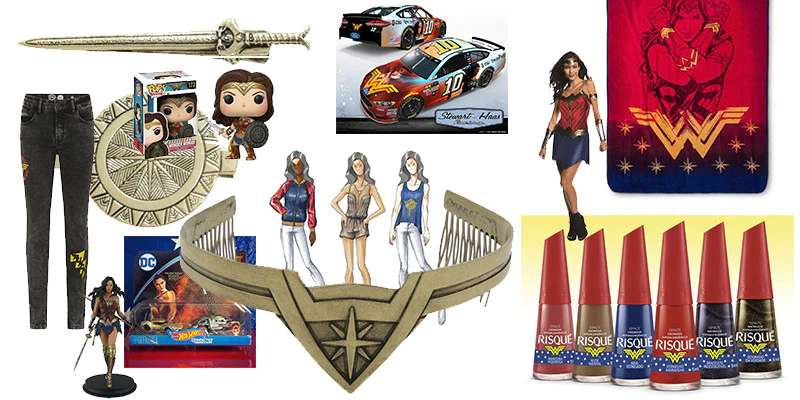
Few fictional character logos have crossed from entertainment into real-world activism. The Wonder Woman emblem has.
It appeared on protest signs during the 2017 Women’s March, months after the character’s DCEU debut. It’s been used in campaigns for gender equality, women in military service, and female leadership in corporate environments.
The United Nations briefly named Wonder Woman an Honorary Ambassador for the Empowerment of Women and Girls in 2016. The logo was central to that campaign’s visual materials.
Beyond activism, the emblem has driven billions in merchandise revenue. It’s consistently one of DC’s top-selling logo designs across apparel, accessories, and product packaging.
It also shifted expectations for how female superhero characters are branded. Before 2016, female hero logos were often treated as secondary to their male counterparts. The DCEU Wonder Woman logo changed that standard, at least partially, for both DC and Marvel’s subsequent releases.
How Does the Wonder Woman Logo Fit Into the Overall Brand Identity?
The Wonder Woman logo doesn’t exist in isolation. It’s part of a much larger visual system spanning DC Comics, the DCEU film franchise, animated series, merchandise, and theme park experiences.
Within DC’s brand guidelines, each character has a distinct visual lane. Superman owns blue and red with a shield shape. Batman owns black with a bat silhouette. Wonder Woman owns gold with the eagle and WW monogram.
These three form DC’s core visual trinity, and Wonder Woman’s logo is the most symbolically layered of the three.
The logo also connects directly to the broader visual identity of the Justice League as a unit. When all three emblems appear together, Wonder Woman’s gold acts as the warm center between Superman’s cool blue and Batman’s neutral black. That’s not accidental. It reflects her narrative role as the moral and emotional anchor of the team in many storylines.
Her logo also feeds into a network of related visual entities: the Amazonian shield design, the tiara shape, the lasso motif. Each of these appears across merchandise and media as supporting brand elements, all consistent with the core logo’s visual language.
How Should the Wonder Woman Logo Be Used?
Official Usage Guidelines
- Do’s:
- Use official files sourced directly from DC Comics or Warner Bros. licensed partners
- Maintain the correct color relationships between gold, red, and dark accents
- Respect minimum size requirements to preserve detail in the eagle emblem
- Keep clear space around the logo as specified in DC’s brand documentation
- Don’ts:
- Do not alter the proportions of the “WW” monogram or eagle elements
- Do not place the logo on busy backgrounds that reduce legibility
- Do not use unauthorized color variations outside the official palette
- Do not use the logo for commercial purposes without a proper DC/Warner Bros. license
Where to Access Official Logos
Official logo files are available through Warner Bros.’ licensed merchandise program. Approved partners receive brand asset packages directly. For fan or editorial use, DC Comics’ press kit materials are occasionally made available through official PR channels.
Licensing and Trademark Details
Wonder Woman is a registered trademark of DC Comics, a subsidiary of Warner Bros. Discovery. Any commercial use of the logo, emblem, or character likeness requires a licensing agreement. Unauthorized use constitutes trademark infringement under U.S. and international intellectual property law.
Fan art and non-commercial editorial use generally fall under fair use guidelines, but this varies by jurisdiction. When in doubt, consult a legal professional familiar with intellectual property and entertainment licensing.
FAQ on The Wonder Woman Logo
What does the Wonder Woman logo represent?
The Wonder Woman logo represents Amazonian warrior heritage, female empowerment, and mythological power rooted in Greek legend.
The golden eagle emblem connects Diana Prince to divine authority, while the WW monogram serves as a direct character identifier across comics, film, and merchandise.
How many times has the Wonder Woman logo changed?
The logo has gone through at least five major redesigns since 1941.
Each version reflected its era, from flat Golden Age comic art to the detailed metallic cinematic emblem introduced in the 2016 DC Extended Universe.
What is the golden eagle symbol in the Wonder Woman logo?
The golden eagle is the central element of Wonder Woman’s chest plate design.
It references both American patriotic imagery from her 1941 wartime origins and Greek mythological symbolism tied to Zeus and Athena within Amazonian warrior iconography.
Who designed the original Wonder Woman logo?
Artist H.G. Peter illustrated the original Wonder Woman character and costume in 1941, working directly with creator William Moulton Marston.
The cinematic version used in the DCEU was developed by Warner Bros. in collaboration with costume designer Lindy Hemming.
What colors are used in the Wonder Woman logo?
The core color palette consists of metallic gold, deep red, and dark navy or black.
Gold carries mythological and royal significance. Red signals courage and combat. The dark background tones ground the warmer colors and add visual weight to the overall emblem design.
Is the Wonder Woman logo a wordmark or an emblem?
It functions as both, depending on the application.
The standalone eagle chest plate is a classic emblem. The stylized WW letterform operates as a monogram. Many merchandise and logo applications use both elements together as a combination mark.
How does the Wonder Woman logo compare to other DC superhero logos?
It’s more symbolically layered than the Superman shield or Batman cowl silhouette.
Compared to the Green Lantern logo or the Hawkeye logo, Wonder Woman’s emblem carries stronger cross-cultural recognition well outside comic book audiences.
What font or typography is used in the Wonder Woman logo?
The WW monogram uses a custom letterform, not a standard commercial typeface.
The letterforms are angular, wide, and geometric, drawing loosely from Art Deco design principles. Recognition drives the typography choices here, not readability.
What cultural impact has the Wonder Woman logo had outside of comics?
The emblem appeared on protest signs at the 2017 Women’s March and was central to the UN’s female empowerment ambassador campaign.
It’s one of the few fictional character logos to function as a genuine real-world feminist icon symbol beyond entertainment branding.
Can I use the Wonder Woman logo for my own project?
Not without proper licensing. The logo is a registered trademark of DC Comics, a subsidiary of Warner Bros. Discovery.
Commercial use requires an official licensing agreement. Non-commercial fan or editorial use may qualify under fair use, but this varies significantly by jurisdiction and context.
Conclusion
The Wonder Woman logo is more than a comic book emblem. It’s a piece of visual identity that has held up across eight decades, multiple media formats, and real-world cultural movements.
From H.G. Peter’s original Amazonian warrior crest to the detailed cinematic golden eagle of the DCEU, every iteration has carried deliberate meaning.
The WW monogram and eagle motif together form one of the most recognizable pieces of superhero branding in DC Comics history, sitting alongside the most iconic fictional character logos ever created.
That kind of staying power doesn’t happen by accident.

Renowned for his expertise in logo design and visual branding, Bogdan has developed a multitude of logos for various clients.
His skills extend to creating posters, vector illustrations, business cards, and brochures. Additionally, Bogdan's UI kits were featured on marketplaces like Visual Hierarchy and UI8.
He also wrote in the past years on sites like Design Your Way, WebDesignerDepot, WPDean, Designmodo, Speckyboy, Slider Revolution, and more.
- The Windsurf Logo History, Colors, Font, And Meaning - 10 October 2026
- How to Remove Background From Product Photos (No Photoshop) - 10 October 2026
- How Designers can Build a Stronger Online Creative Identity - 9 October 2026

Bogdan Sandu is a seasoned designer who has been designing websites since 2008. Renowned for his expertise in logo design and visual branding, Bogdan has developed a multitude of logos for various clients. His skills extend to creating posters, vector illustrations, business cards, and brochures. Additionally, Bogdan's UI kits were featured on marketplaces like Visual Hierarchy and UI8. He also wrote in the past years on sites like Design Your Way, WebDesignerDepot, WPDean, Designmodo, Speckyboy, Slider Revolution, and more.
You Might Also Like