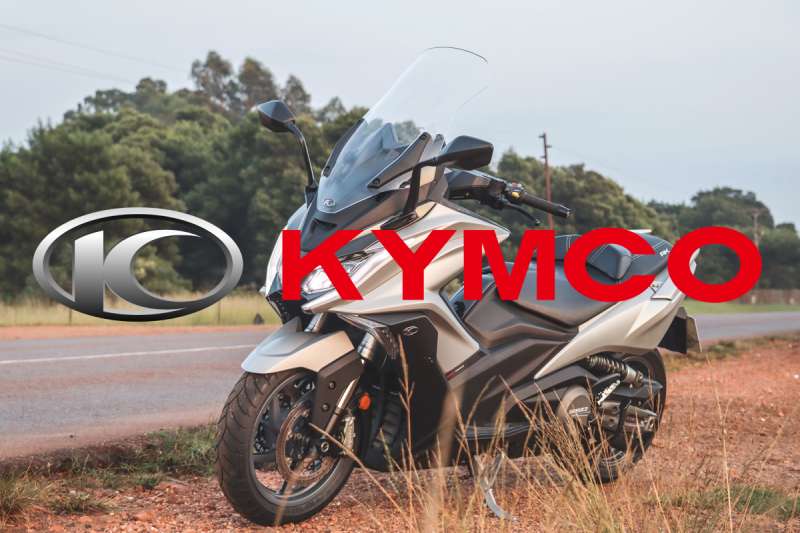
The KYMCO logo is the official brand mark of Kwang Yang Motor Co., Ltd., a Taiwanese powersports manufacturer founded in 1963. It represents the company’s identity across scooters, motorcycles, ATVs, and utility vehicles sold in over 100 countries. The current logo uses a bold, modern wordmark that reflects KYMCO’s push toward a more global, performance-oriented image. The brand has refined its visual identity several times since its early years, with the most recognized version emerging in the 2000s.
What Is the KYMCO Logo?
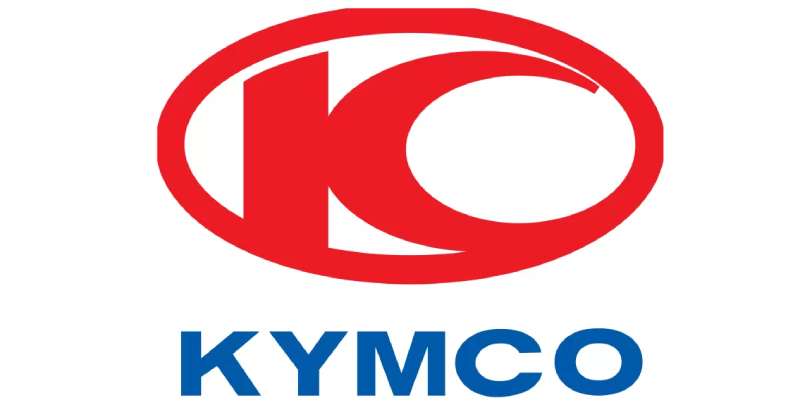
The KYMCO logo is a custom bold wordmark in red and black, officially updated in the early 2000s. It features strong sans-serif lettering designed for high visibility on vehicles and marketing materials. The design signals performance and reliability, core values the brand has built its reputation on.
- Design Type: Wordmark (text-based logo)
- Primary Elements: Bold custom lettering, rectangular red background block on some versions, clean typographic layout
- Official Introduction Date: Current version circa 2000s; brand established 1963
- Designer/Agency: Developed in-house by Kwang Yang Motor Co.; no third-party agency publicly credited
- Trademark Status: Registered trademark under Kwang Yang Motor Co., Ltd., with protections across major international markets
- Color Palette: Primary red (#CC0000 approx.), black (#000000), white (#FFFFFF)
- Usage Context: Vehicle badges, product packaging, dealership signage, digital platforms, motorsport sponsorships, merchandise
How Has the KYMCO Logo Evolved Over Time?
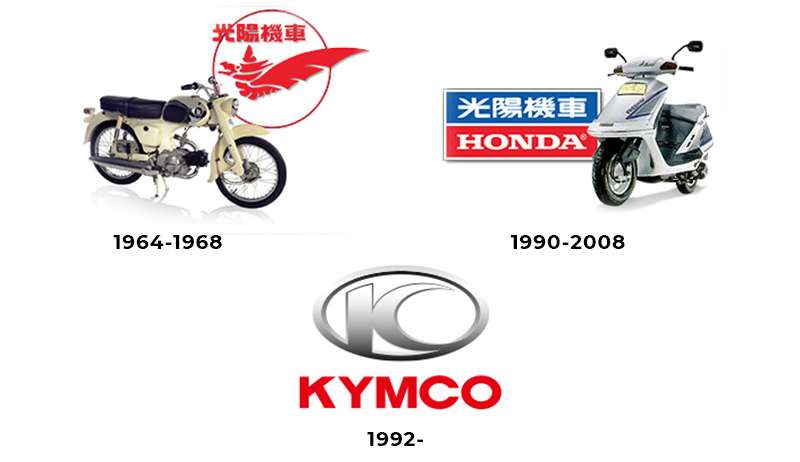
KYMCO’s visual identity has gone through several shifts since 1963, moving from early utilitarian lettering to a sharper, more globally competitive mark. The biggest change came as the brand expanded aggressively into European and American markets in the 1990s and 2000s.
Original KYMCO Logo (1963-1980s)
- Years Active: 1963 to late 1980s
- Design Description: Basic wordmark with simple, utilitarian letterforms typical of Asian manufacturing brands of that era
- Color Scheme: Primarily black and white, with occasional red accents
- Designer: Unknown; developed internally
- Context: KYMCO launched in 1963 as a Honda licensee in Taiwan. The early logo reflected a manufacturing-focused identity rather than a consumer brand
- Key Changes from Previous: N/A (first version)
- Cultural Significance: Represented Taiwan’s growing role in the global two-wheel manufacturing industry
Transitional KYMCO Logo (Late 1980s-1990s)
- Years Active: Late 1980s to early 2000s
- Design Description: Refined wordmark with slightly more structured letterforms; red begins appearing more consistently as a brand color
- Color Scheme: Red and black
- Designer: Internal design team
- Context: KYMCO ended its Honda licensing agreement and started building its own independent brand identity for international expansion
- Key Changes from Previous: More polished typography, stronger use of red as a brand signal
- Cultural Significance: Marked KYMCO’s shift from OEM supplier to independent global brand
Modern KYMCO Logo (2000s-Present)
- Years Active: Early 2000s to present
- Design Description: Bold, custom sans-serif wordmark with tight letter spacing. Red rectangular block often frames the text on vehicle badges
- Color Scheme: Red (#CC0000), black (#000000), white (#FFFFFF)
- Designer: Internal brand team; no public agency credit
- Context: Introduced as KYMCO aggressively expanded in Europe, North America, and Southeast Asia
- Key Changes from Previous: Heavier weight, more confident letterforms, stronger contrast and badge-style application on vehicles
- Cultural Significance: Positions KYMCO as a serious global competitor alongside Japanese brands
What Do the Design Elements of the KYMCO Logo Mean?
The KYMCO logo uses bold, compact lettering to communicate strength and reliability. Every choice, from the weight of the type to the red color, connects directly to how the brand wants to be seen: tough, fast, dependable.
The tight letter spacing signals precision. The lack of decorative elements keeps the focus on the name itself, which is a deliberate choice for a brand competing in a crowded market where recognition matters.
Why Did KYMCO Choose These Specific Colors?
- Red
- Hex: #CC0000 (approximate)
- Pantone: Pantone 485 C (approximate)
- Symbolic meaning: Energy, speed, power
- Psychological impact: Triggers urgency and excitement, both relevant in the powersports market
- Brand connection: Red is used widely across car and vehicle brand logos to signal performance
- Black
- Hex: #000000
- Symbolic meaning: Authority, durability, professionalism
- Psychological impact: Adds weight and seriousness to the mark
- Brand connection: Common in premium and performance vehicle branding
- White
- Hex: #FFFFFF
- Symbolic meaning: Clarity, clean engineering
- Psychological impact: Provides contrast and improves legibility on dark surfaces
- Brand connection: Used as a background and reverse version for flexible application
What Typography Style Is Used in the KYMCO Logo?
The KYMCO wordmark uses a custom bold sans-serif style. The letterforms are heavy and compact, with minimal stroke variation.
Readability at small sizes was clearly a priority. The thick strokes hold up well on vehicle badges, even at the scale of a small scooter panel.
The sans-serif approach keeps the logo modern and functional. It avoids anything decorative that might date the mark, which is smart for a brand operating across such different markets and decades.
Earlier logo versions used thinner, more neutral letterforms. The shift to heavier type in the modern version reflects a deliberate move toward a more assertive, performance-brand identity.
What Are the Hidden Meanings in the KYMCO Logo?
There are no widely documented subliminal elements in the KYMCO logo. The design is direct: a bold wordmark built for recognition, not symbolism.
That said, the red block framing used on vehicle badges does create a visual anchor that draws the eye immediately. It functions almost like a racing stripe in miniature.
KYMCO has not publicly stated any hidden design intentions. The mark prioritizes brand recognition and legibility over conceptual layering, which is actually a deliberate strategy for global markets where the brand name itself needs to build familiarity.
How Does the KYMCO Logo Compare to Competitor Logos?
KYMCO’s logo sits in an interesting position among two-wheel brands. It’s bolder than some, more restrained than others. The heavy red wordmark is recognizable, but it doesn’t yet carry the same instant global recognition as the marks it competes against.
Compared to the Yamaha logo, KYMCO’s mark is less iconic. Yamaha’s tuning fork symbol gives it a distinct graphical element that works independently of the text.
The Kawasaki logo uses a similar bold approach but has decades more brand equity behind it in Western markets. KYMCO is still building that recognition outside Asia.
The Suzuki logo uses a stylized “S” mark that gives it strong standalone recognition. KYMCO’s pure wordmark approach means it relies entirely on name recognition, which works well in markets where the brand is established.
Among newer competitors, the CFMoto logo takes a similar wordmark-first approach. Both brands are in the same position: building international name recognition from a strong Asian manufacturing base.
The Piaggio logo and Aprilia logo lean more into heritage and Italian design tradition. KYMCO’s mark is more functional by comparison, but that’s not necessarily a weakness in the value-focused segments where it competes most aggressively.
What Are the Technical Specifications of the KYMCO Logo?
Official Color Codes
- Primary Color: Red
- Hex: #CC0000 (approximate)
- RGB: (204, 0, 0)
- CMYK: (0, 100, 100, 20)
- Pantone: Pantone 485 C (approximate)
- Secondary Color: Black
- Hex: #000000
- RGB: (0, 0, 0)
- CMYK: (0, 0, 0, 100)
- Pantone: Pantone Process Black
- Accent Color: White
- Hex: #FFFFFF
- RGB: (255, 255, 255)
- CMYK: (0, 0, 0, 0)
Note: KYMCO has not published an official public brand standards document with confirmed color codes. The values above are based on analysis of official materials and should be verified against current brand guidelines for professional use.
Dimensions and Proportions
- Aspect ratio: Approximately 4:1 (width to height) for the standard horizontal wordmark
- Minimum size requirements: Not publicly specified; standard practice for vehicle badges suggests minimum 15mm height for legibility
- Clear space: Recommended clear space of at least the height of the “K” letterform on all sides
- Official usage guidelines: Not publicly released; dealerships and partners receive brand assets through official KYMCO distributor channels
What Cultural Impact Has the KYMCO Logo Had?

KYMCO’s logo has become a familiar sight across Southeast Asia, Southern Europe, and increasingly in North America. In Taiwan, it carries the weight of a national manufacturing success story.
The brand built strong recognition in markets like the Netherlands, Italy, and Spain during the 2000s scooter boom. In those markets, the red KYMCO badge became as recognizable on city streets as many Japanese competitors.
In the ATV and mobility scooter segments, KYMCO has developed a distinct reputation. The logo appears on products used in medical mobility contexts, which has added an unexpected dimension to how the brand is perceived beyond pure motorsport.
KYMCO’s motorsport involvement, particularly in electric racing and the RevoNEX electric motorcycle concept, has started associating the logo with forward-thinking engineering. That’s a newer layer of meaning the mark is still earning.
How Does the KYMCO Logo Fit Into the Overall Brand Identity?
The logo sits at the center of a broader brand system that includes vehicle design language, dealership visuals, and marketing materials. It works across a wide product range, from entry-level scooters to performance ATVs.
KYMCO’s brand guidelines (distributed internally to dealers) specify consistent logo placement on vehicles, ensuring the badge appears in the same position across product lines.
The color system ties directly into vehicle colorways. Red accent panels on KYMCO bikes frequently echo the logo color, creating a consistent visual link between the mark and the product itself.
The wordmark-only approach means the logo scales cleanly from a tiny scooter panel badge to a full dealership fascia sign. That flexibility is genuinely useful for a brand operating across such different contexts and product categories.
How Should the KYMCO Logo Be Used?
Official Usage Guidelines
- Do: Use the logo on authorized KYMCO products, dealership materials, and official marketing with assets sourced directly from KYMCO or its distributors
- Do: Maintain clear space around the mark and avoid placing it on busy backgrounds that reduce legibility
- Do: Use the approved color versions (full color, black, white reverse) as appropriate for the application
- Don’t: Stretch, rotate, recolor, or add effects to the logo
- Don’t: Use the logo to imply endorsement or official partnership without authorization
- Don’t: Recreate the logo from scratch using generic fonts; the wordmark uses custom-modified letterforms
Where to Access Official Logos
- Official logo files are available through KYMCO’s regional distributor networks and authorized dealer portals
- Press and media assets may be available through KYMCO’s official press contact channels by request
- Consumer-facing logo downloads are not officially provided on KYMCO’s public website
Licensing and Trademark Details
- The KYMCO name and logo are registered trademarks of Kwang Yang Motor Co., Ltd.
- Commercial use of the logo requires explicit written permission from KYMCO or its authorized representatives
- Trademark protections are active across the EU, USA, Taiwan, and major Asian markets
- Unauthorized reproduction for commercial purposes constitutes trademark infringement
FAQ on The KYMCO Logo
What does the KYMCO logo represent?
The KYMCO logo represents the brand identity of Kwang Yang Motor Co., a Taiwanese powersports manufacturer.
The bold red wordmark signals speed, reliability, and engineering confidence. It’s a straightforward mark built for recognition across global markets, from scooters to ATVs.
What colors are used in the KYMCO logo?
The logo uses red, black, and white. Red is the dominant brand color, approximately Pantone 485 C.
Black adds weight and authority to the wordmark design. White works as a background or reverse version for flexible application across vehicle badges and signage.
Has the KYMCO logo changed over time?
Yes. The original logo from 1963 was a simple utilitarian mark. It evolved through the 1980s and 1990s as KYMCO ended its Honda licensing deal and built an independent brand.
The modern logo emerged in the early 2000s, featuring heavier letterforms and a more confident visual identity suited for international markets.
What font is used in the KYMCO logo?
KYMCO uses a custom bold sans-serif wordmark. It’s not a standard off-the-shelf typeface.
The letterforms are tight and heavy, designed for high visibility on vehicle panels and badges. The typography prioritizes legibility at small sizes over decorative styling.
Who designed the KYMCO logo?
No external design agency has been publicly credited. The logo was developed by KYMCO’s internal brand team at Kwang Yang Motor Co. in Kaohsiung, Taiwan.
This is fairly common among Asian motorcycle manufacturers, who often handle brand identity work in-house.
How does the KYMCO logo compare to other motorcycle brand logos?
It’s a pure wordmark, unlike Harley-Davidson, which uses a shield emblem, or Ducati, which pairs a wordmark with a strong graphic symbol.
KYMCO’s approach relies entirely on name recognition, which works well in established markets but requires consistent brand exposure to build equity in new ones.
What is the meaning behind the name KYMCO in the logo?
KYMCO stands for Kwang Yang Motor Co. The name itself carries the brand’s full corporate identity compressed into a five-letter mark.
There’s no hidden acronym meaning beyond the company name. The KYMCO wordmark is straightforward branding built around corporate name recognition rather than conceptual symbolism.
Can I download the KYMCO logo for free?
KYMCO does not offer official logo downloads on its public website. Files are distributed through authorized dealer and distributor portals.
Using the KYMCO trademark without permission for commercial purposes is a trademark infringement. For press use, contact KYMCO’s regional media relations team directly.
What file formats is the KYMCO logo available in?
Official assets are typically available as vector graphics in AI or EPS format, plus PNG for digital use.
High-resolution files are distributed to authorized partners. Consumer-facing downloads in formats like SVG or JPEG are not officially provided through public channels.
Where is the KYMCO logo used?
The logo appears on vehicle badges, dealership signage, helmets, apparel, and digital platforms.
It’s also used across motorsport sponsorships and the brand’s electric vehicle lineup. As KYMCO expands into mobility scooters and electric powersports, the logo is appearing in entirely new product contexts.
Conclusion
The KYMCO logo is a clean, functional brand mark that has grown alongside a company building serious global presence in the powersports market.
Its bold red wordmark, custom typography, and consistent color palette reflect a brand that knows what it stands for.
From its early days as a Honda licensee in Kaohsiung to competing directly with established motorcycle brands worldwide, KYMCO’s visual identity has kept pace with that growth.
Simple, direct, and built to last.

Renowned for his expertise in logo design and visual branding, Bogdan has developed a multitude of logos for various clients.
His skills extend to creating posters, vector illustrations, business cards, and brochures. Additionally, Bogdan's UI kits were featured on marketplaces like Visual Hierarchy and UI8.
He also wrote in the past years on sites like Design Your Way, WebDesignerDepot, WPDean, Designmodo, Speckyboy, Slider Revolution, and more.
- The Windsurf Logo History, Colors, Font, And Meaning - 10 October 2026
- How to Remove Background From Product Photos (No Photoshop) - 10 October 2026
- How Designers can Build a Stronger Online Creative Identity - 9 October 2026

Bogdan Sandu is a seasoned designer who has been designing websites since 2008. Renowned for his expertise in logo design and visual branding, Bogdan has developed a multitude of logos for various clients. His skills extend to creating posters, vector illustrations, business cards, and brochures. Additionally, Bogdan's UI kits were featured on marketplaces like Visual Hierarchy and UI8. He also wrote in the past years on sites like Design Your Way, WebDesignerDepot, WPDean, Designmodo, Speckyboy, Slider Revolution, and more.
You Might Also Like