The Chicago Bulls logo stands as one of professional basketball’s most recognizable symbols. Created by designer Dean P. Wessel in 1966, this fierce red bull emblem has remained virtually unchanged for nearly six decades.
The Bulls compete in the NBA’s Eastern Conference Central Division, playing home games at the United Center. Founded on January 16, 1966, the franchise saw its greatest success during the 1990s, winning six championships between 1991 and 1998.
The logo’s stability reflects intentional design excellence. Few NBA teams maintain their original identity this long.
What is the Chicago Bulls Logo?
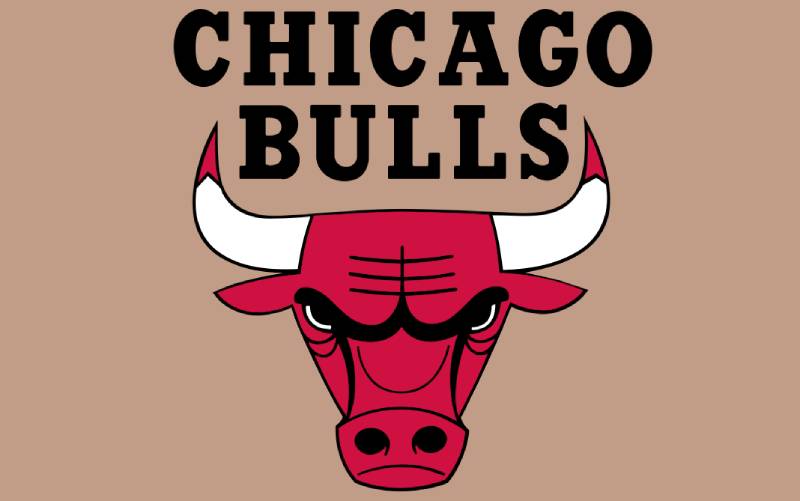
The Bulls logo depicts an angry red bull’s head with furrowed brows, flared nostrils, and blood-tipped horns. Designed by Dean P. Wessel in 1966, it features the wordmark “CHICAGO BULLS” in black lettering above the bull’s head using a collegiate-style typeface.
Primary Visual Elements:
- Design Type: Mascot-based emblem with integrated wordmark
- Central Image: Forward-facing bull’s head in aggressive stance
- Primary Color: Bulls Red (intense crimson)
- Secondary Colors: Black and white accents
- Typography: Geometric slab serif font similar to Stymie Black
- Notable Detail: White horns with red-tipped ends suggesting blood
Dick Klein, the team’s founder, requested the red and black color scheme based on his school team colors. The designer incorporated these specifications into a symbol meant to evoke aggression and strength.
Usage Context:
The logo appears on team uniforms, court floors, merchandise, digital platforms, and promotional materials. It functions as both the primary and secondary mark depending on application needs.
Designer Credit:
Dean P. Wessel, an American commercial designer who lived north of Chicago, created the logo. Some historical sources mention Ted Drake as a possible contributor, though most evidence points to Wessel as the primary designer.
How Has the Chicago Bulls Logo Evolved Over Time?
The Bulls are unique in that they have used the same logo with very little change since the team’s inception. The franchise represents the only NBA team to maintain its original visual identity without major redesigns.
Original Chicago Bulls Logo (1966-1972)
Years Active: 1966-1972
Design Description: The debut version featured thinner line work compared to later iterations. The bull’s facial expression showed the same aggressive characteristics but with slightly different stroke weights.
Color Scheme: Red, black, and white
Designer: Dean P. Wessel
Dick Klein approached Wessel as a neighbor and fellow Little League coach, commissioning the logo in exchange for free game tickets.
Context: Klein wanted a team name that denoted strength and power while tying into Chicago’s meatpacking tradition and the Chicago Amphitheater’s proximity to the famous Chicago Stockyards.
Key Features: The original featured a baseline alignment with the bull’s head positioned below the team name. The original appearance was noticeably different from the revision adopted six years later, with thinner lines and a different Stymie typeface.
Refined Chicago Bulls Logo (1972-Present)
Years Active: 1972-Present
Design Description: The refined version strengthened line weights and adjusted proportional relationships between elements. The bull’s facial features became more defined with bolder outlines.
Color Scheme: Bulls Red (#CE1141), Black (#000000), White
Key Changes from Previous: Thicker line work, refined horn shapes, adjusted typographic weight, more pronounced facial features
Cultural Significance: This version accompanied the team through its dynasty years (1991-1998) and became globally recognizable during the Michael Jordan era.
The logo achieved iconic status as the Bulls dominated basketball throughout the 1990s. Six championships cemented its place in sports history.
Alternate Logo Variations (1970s)
Years Active: Early 1970s (limited use)
The Bulls had an alternate logo during the early 1970s featuring the same bull with a cloud below the nose containing the words “Windy City.” This variation saw limited application and never replaced the primary mark.
The team ultimately abandoned this alternate design, returning emphasis to the classic bull head.
What Do the Design Elements of the Chicago Bulls Logo Mean?
The Bulls logo communicates aggression, strength, and readiness for competition through deliberate symbolic choices. Each element reinforces the team’s identity as fierce competitors.
What Does the Bull Represent?
Bulls symbolize raw power, determination, and unwavering force. The animal choice connects directly to Chicago’s historical identity as a meatpacking hub.
Chicago was once known as the “hog butcher of the world” with massive stockyards that defined the city’s industrial character. Though the industry declined by the 1960s, the cultural memory remained strong.
The bull’s facial expression intensifies this symbolism. Half-closed eyes beneath a pronounced brow ridge create a menacing glare. Flared nostrils and wrinkled forehead lines suggest fury barely contained.
Klein wanted blood on the horns after reviewing the initial design, telling Wessel: “I want blood on the horns. Blood!” This detail suggests the bull has already conquered one opponent and stands ready for the next challenge.
The forward-facing composition creates direct eye contact with viewers. This confrontational stance mirrors basketball’s competitive nature.
Why Did Chicago Bulls Choose These Specific Colors?
Bulls Red (Primary Color)
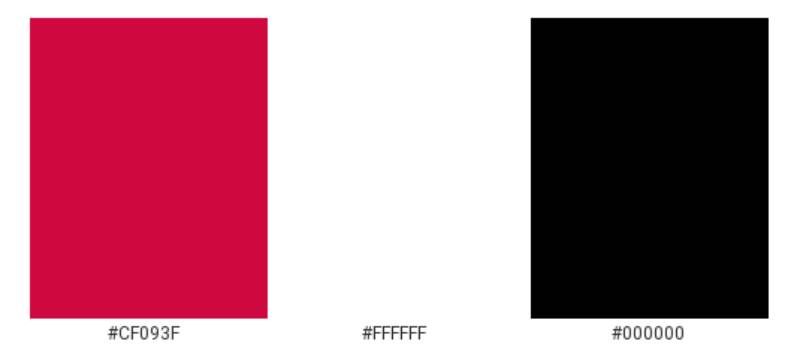
- Name: Bulls Red
- Hex Code: #CE1141
- RGB: (206, 17, 65)
- CMYK: (0, 100, 65, 15)
- Pantone: PMS 200 C
Red drives the logo’s aggressive character. The hue suggests energy, passion, and danger. Bulls are traditionally associated with red in cultural imagery, from bullfighting to warning signals.
The color scheme came from Dick Klein’s school team colors. This personal connection grounded the design in authentic experience rather than market research.
Red also ensures visibility across applications. Whether on white home jerseys or black alternate uniforms, the crimson bull head maintains strong contrast and readability.
Black (Secondary Color)
- Name: Black
- Hex Code: #000000
- RGB: (6, 25, 34)
- CMYK: (30, 0, 0, 100)
- Pantone: PMS Black 6 C
Black provides structural definition and sophistication. The color creates sharp outlines around the bull’s features, establishing clear visual hierarchy. It signals power, authority, and intimidation.
The combination of red and black generates maximum visual impact. These colors sit at opposite ends of the psychological spectrum (passion versus restraint) while maintaining aggressive energy.
White (Accent Color)
White appears on the horns, creating the blood-tipped effect that defines the logo’s most distinctive feature. The stark color palette ensures the design reads clearly at any size, from arena jumbotrons to mobile device screens.
What Typography Style Is Used in the Chicago Bulls Logo?

The wordmark uses Stymie Black, a geometric slab serif font. This typeface family was designed by Morris Fuller Benton and published by URW++.
Font Characteristics:
The lettering features thick, block-like forms with heavy serifs. Each character maintains consistent stroke width, creating a solid, immovable appearance. The geometric construction reflects stability and strength.
Capital letters spell out “CHICAGO BULLS” in two lines. This arrangement positions “CHICAGO” above and “BULLS” between the horn tips, creating natural framing through the logo’s architecture.
Readability Considerations:
Experts describe the font as symmetric, clear, and deliberately notched. The bold weight ensures legibility even when reproduced at small sizes or viewed from arena seating distances. Some sources suggest similarities to Rockwell Extra Bold as an alternative identification.
The typography complements rather than competes with the bull imagery. By using a straightforward collegiate style, the design maintains balance between text and graphic elements.
What Are the Hidden Meanings in the Chicago Bulls Logo?
One unintentional interpretation has gained traction among fans. When flipped upside down, the logo appears to resemble a robot sitting on a crab while reading a book. This optical illusion was never intentional but has become part of the logo’s folklore.
There was no such thing as an Easter egg in 1966, yet this might be one of the first examples.
Some fans claim the bull’s expression changed over time. Urban legend suggests the animal’s stare “lost its steadiness” after Michael Jordan left the team. This myth persists despite no actual design modifications occurring.
The blood on the horn tips carries dual meaning. While suggesting violence and conquest, it also symbolizes the team’s pursuit of “young blood” (recruiting fresh talent and maintaining competitive edge rather than literal combat).
The designer’s stated intention focused on creating maximum aggression within acceptable branding parameters. Wessel tried to make the logo as aggressive as possible, though he felt he didn’t fully achieve that goal, resulting in an emblem that proved adequate and relevant across all eras.
How Does the Chicago Bulls Logo Compare to Other NBA Logos?
The Bulls logo stands alone as the only NBA franchise identity that has never undergone rebranding or significant redesign. This permanence contrasts sharply with league-wide trends toward modernization and refresh cycles.
Comparative Analysis:
Most NBA logos have evolved multiple times. The Los Angeles Lakers logo incorporated script lettering and color adjustments. The Boston Celtics logo refined its leprechaun mascot repeatedly. The Miami Heat logo went through complete overhauls.
Bulls identity remained static by design choice and fortunate timing. The logo’s introduction in 1966 preceded the franchise’s greatest success by 25 years. When the dynasty era arrived (1991-1998), the established symbol gained rather than lost relevance.
Design Approach Differences:
Many contemporary NBA logos favor abstract symbolism or minimal letterforms. The Brooklyn Nets logo uses simple geometric shapes. The Toronto Raptors logo evolved from cartoonish dinosaur to aggressive claw marks.
The Bulls maintained literal representation. An actual bull’s face, rendered in straightforward illustration style. This directness creates immediate recognition without requiring interpretation.
Color Strategy:
While teams like the Golden State Warriors logo employ multiple colors (blue, gold), the Bulls stick with their red-black-white trinity. This restraint strengthens brand consistency across merchandise categories.
The Phoenix Suns logo changed color schemes multiple times seeking fresh appeal. Bulls proved that staying power trumps trend-chasing.
Cultural Penetration:
Few sports logos achieve recognition beyond their fan base. The Bulls emblem transcends basketball. Compare this to the Sacramento Kings logo or Memphis Grizzlies logo, which remain largely unknown outside NBA circles.
Global fashion embraced the Bulls mark as an icon separate from team affiliation. Streetwear culture adopted it alongside luxury brands. This crossover rarely happens with sports franchises.
What Are the Technical Specifications of the Chicago Bulls Logo?

Professional reproduction requires precise adherence to official specifications. The team maintains strict guidelines for logo design principles compliance.
Official Color Codes:
Bulls Red (Primary)
- Hex: #CE1141
- RGB: (206, 17, 65)
- CMYK: (0, 100, 65, 15)
- Pantone: PMS 200 C
Black (Secondary)
- Hex: #000000
- RGB: (6, 25, 34)
- CMYK: (30, 0, 0, 100)
- Pantone: PMS Black 6 C
White (Accent)
- Hex: #FFFFFF
- RGB: (255, 255, 255)
- CMYK: (0, 0, 0, 0)
Dimensions and Proportions:
The logo maintains specific aspect ratios ensuring proper reproduction. The bull’s head width-to-height ratio creates a roughly square composition with the wordmark adding vertical extension.
Clear space requirements mandate minimum distances between the logo and other graphic elements. This breathing room prevents visual clutter and maintains impact.
Minimum size specifications prevent degradation at small scales. Digital applications require minimum 72 DPI resolution. Print materials demand 300 DPI for professional quality.
File Format Standards:
Official assets exist in multiple formats serving different needs:
- Vector graphics (EPS, SVG) for scalable applications
- Raster formats (JPEG, PNG) for digital use
- CMYK versions for print production
- RGB versions for screen display
Usage Guidelines:
The logo cannot be stretched, distorted, or recolored without authorization. It must appear on solid backgrounds providing adequate contrast. Unofficial color theory experiments violate trademark protection.
Rotation beyond standard orientations is prohibited. The bull must face forward in its intended position.
What Cultural Impact Has the Chicago Bulls Logo Had?
The logo transcended sports to become a cultural icon during the team’s 1990s dynasty, fueled by Michael Jordan’s global phenomenon and six championship runs. Basketball’s worldwide popularization coincided directly with Bulls dominance.
The 1990s saw unprecedented merchandise sales. Bulls apparel became fashion statements rather than just fan gear. Hip-hop culture embraced the logo, placing it in music videos, album covers, and artist wardrobes.
The logo has moved beyond courts to streetwear royalty, appearing on sneakers, caps, and tees as fashion statements rather than mere sports logos. High-end fashion brands incorporated Bulls imagery into runway collections.
International reach expanded dramatically. People wearing Bulls merchandise in Tokyo, Paris, London often had no connection to Chicago or even basketball fandom. The symbol represented excellence and success broadly defined.
Media Presence:
The 2020 documentary “The Last Dance” reignited global interest. The documentary about the 1997-1998 season introduced the team’s greatness to new generations of fans. Merchandise sales spiked following the series release.
Community Connection:
The logo appears in social programs and campaigns the franchise supports, worn by kids in schools and community centers where the team makes impact through outreach efforts. This dual role as commercial success and community symbol demonstrates multi-dimensional power.
Design Influence:
The Bulls proved static branding could succeed in dynamic markets. This validation inspired other organizations to resist constant redesign pressure. Famous graphic designers cite it as evidence that timeless execution beats trend-following.
How Does the Chicago Bulls Logo Fit Into Overall Brand Identity?
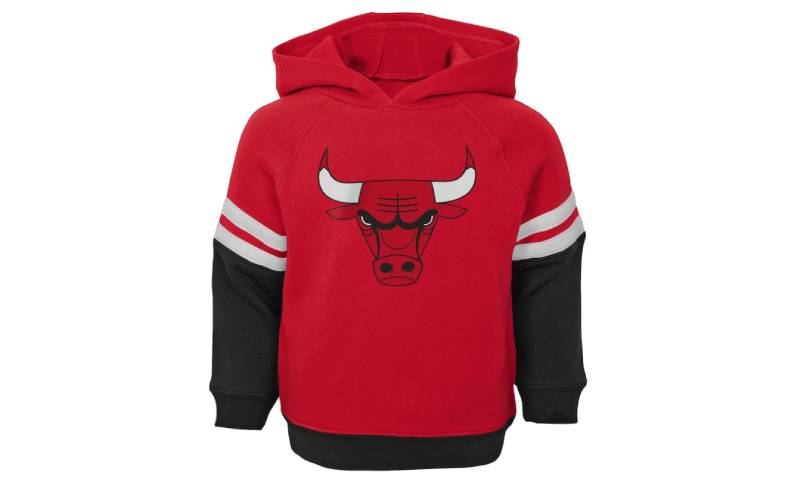
The logo anchors a comprehensive visual system extending across all touchpoints. While the mark itself remained unchanged, applications evolved with media technology.
Jersey Integration:
Three primary uniform styles showcase logo flexibility:
Association (white), Icon (red), and Statement (black) uniforms each feature the logo with adjusted color treatments. The mark adapts without losing recognition.
Arena Branding:
United Center features the logo prominently at center court, on basket stanchions, and throughout concourse areas. Digital displays animate the static mark, adding motion graphics elements while respecting core identity.
Digital Presence:
Web design standards evolved from 1990s HTML to responsive mobile interfaces. The logo’s simple geometry translates perfectly across devices and resolutions. Its recognition factor means smaller reproductions still communicate brand identity effectively.
Social media profile images rely almost exclusively on the bull head without wordmark, proving the icon’s standalone power.
Merchandise System:
Product categories span from traditional jerseys to lifestyle apparel, accessories, and home goods. The logo’s versatility allows placement on virtually any item while maintaining brand guidelines compliance.
Licensed manufacturers receive detailed specifications through comprehensive brand style guide documentation ensuring consistency across thousands of products.
Marketing Materials:
Poster design, billboard campaigns, and program covers all build from the logo foundation. Its strong focal point creates instant visual anchors in busy advertising environments.
The identity system succeeds because core elements remain non-negotiable while application methods stay flexible.
How Should the Chicago Bulls Logo Be Used?
Official Usage Guidelines:
The Bulls logo is trademarked intellectual property protected under federal law. Unauthorized commercial use constitutes trademark infringement and faces legal consequences.
Approved Applications:
- Personal, non-commercial projects (fan art, school presentations)
- Editorial use in news coverage and sports reporting
- Licensed merchandise through authorized manufacturers
- Fair use contexts (commentary, criticism, education)
Prohibited Uses:
- Commercial products without licensing agreements
- Alterations changing colors, proportions, or design elements
- Combinations with other brands suggesting false endorsement
- Applications implying official team affiliation when none exists
Where to Access Official Logos:
The NBA and Bulls organization provide official logo files for media and licensing partners. General public access to high-resolution files is restricted to protect trademark value.
Fans seeking logos for personal use can find lower-resolution versions through official team websites. These files include embedded usage restrictions in metadata.
Licensing Information:
Businesses interested in using the Bulls logo on products must secure licensing through NBA Properties. Fees vary based on product category, distribution scope, and exclusivity terms.
The licensing process includes design approval stages ensuring proper logo application. Manufacturers receive official specifications and ongoing compliance monitoring.
Trademark Protection:
The Bulls logo maintains active trademark registration with the United States Patent and Trademark Office. Registration covers various classification categories including entertainment services, clothing, and sports equipment.
Trademark enforcement protects brand value and prevents consumer confusion. The organization actively monitors unauthorized usage and pursues infringement cases.
FAQ About the Chicago Bulls Logo
When was the Chicago Bulls logo created?
The Chicago Bulls logo was created in 1966 when Dean P. Wessel designed it for the franchise’s inaugural season. The team first took the court during the 1966-67 NBA season with this identity already established.
Who designed the Chicago Bulls logo?
Dean P. Wessel, an American graphic designer and commercial design firm owner, designed the logo. He created it as a favor to Dick Klein, the team’s founder, in exchange for free game tickets. Some historical sources also credit Ted Drake, though most evidence supports Wessel as the primary creator.
What do the colors in the Chicago Bulls logo mean?
Red and black were chosen because they were the colors of Dick Klein’s school team. Red symbolizes passion, energy, and aggression associated with both bulls and competitive sports. Black represents power, sophistication, and intimidation. Together they create maximum visual impact and psychological intensity.
How many times has the Chicago Bulls logo been redesigned?
The Bulls logo has never been redesigned. They are the only NBA team to maintain their original logo without significant changes. Minor refinements in line weight occurred around 1972, but the fundamental design remained identical. This consistency represents an anomaly in professional sports branding.
Where can I download the official Chicago Bulls logo?
Official high-resolution logo files are restricted to media partners and licensed manufacturers. Lower-resolution versions for personal use appear on the team’s official website and NBA media resources. Commercial applications require licensing through NBA Properties. Unauthorized high-resolution files circulating online do not guarantee color accuracy or proper specifications.
Is the Chicago Bulls logo trademarked?
Yes. The Chicago Bulls logo maintains active trademark protection with the United States Patent and Trademark Office. Registration covers multiple classification categories. The NBA and Bulls organization actively enforce trademark rights, pursuing unauthorized commercial usage through legal channels. This protection extends globally through international trademark registrations.
What font is used in the Chicago Bulls logo?
The logo uses Stymie Black, a geometric slab serif typeface. Morris Fuller Benton designed this font family. Some experts suggest similarities to Rockwell Extra Bold as well. The bold, blocky characters create strong readability and reinforce the logo’s powerful presence.
Why did Chicago Bulls choose a bull for their logo?
Dick Klein wanted a name denoting strength and power that tied into Chicago’s meatpacking tradition and the Chicago Amphitheater’s proximity to the famous Chicago Stockyards. According to team legend, Klein’s son responded to potential names like “Matadors” or “Toreadors” by saying “Dad, that’s a lot of bull,” inspiring the final choice. Bulls symbolize raw power, determination, and fighting spirit.
Conclusion
The Chicago Bulls logo represents rare achievement in brand design. Created in 1966 by Dean P. Wessel, this fierce red bull emblem has endured without significant modification for nearly six decades.
Its staying power stems from multiple factors: timeless design execution, fortunate association with the 1990s dynasty era, and deep symbolic resonance with Chicago’s industrial heritage. The combination of aggressive imagery, bold color psychology, and straightforward composition created an instantly recognizable mark.
Within NBA branding history, the Bulls logo stands alone as the only original franchise identity still in active use. This consistency helped build global recognition that transcends basketball fandom, making the symbol a cultural icon recognized worldwide.
The logo demonstrates that exceptional design doesn’t require constant reinvention. When foundational elements align perfectly from inception, longevity becomes the strategy. The Bulls proved that great branding can stay relevant across generations without chasing trends.

Renowned for his expertise in logo design and visual branding, Bogdan has developed a multitude of logos for various clients.
His skills extend to creating posters, vector illustrations, business cards, and brochures. Additionally, Bogdan's UI kits were featured on marketplaces like Visual Hierarchy and UI8.
He also wrote in the past years on sites like Design Your Way, WebDesignerDepot, WPDean, Designmodo, Speckyboy, Slider Revolution, and more.
- Canva vs PowerPoint: Which Is Better for Presentations? - 22 September 2026
- How to Install Fonts on Mac (Step-by-Step Guide) - 20 September 2026
- From Mockup to Code: How AI-Augmented Development Speeds Up the Design Handoff - 19 September 2026

Bogdan Sandu is a seasoned designer who has been designing websites since 2008. Renowned for his expertise in logo design and visual branding, Bogdan has developed a multitude of logos for various clients. His skills extend to creating posters, vector illustrations, business cards, and brochures. Additionally, Bogdan's UI kits were featured on marketplaces like Visual Hierarchy and UI8. He also wrote in the past years on sites like Design Your Way, WebDesignerDepot, WPDean, Designmodo, Speckyboy, Slider Revolution, and more.
You Might Also Like