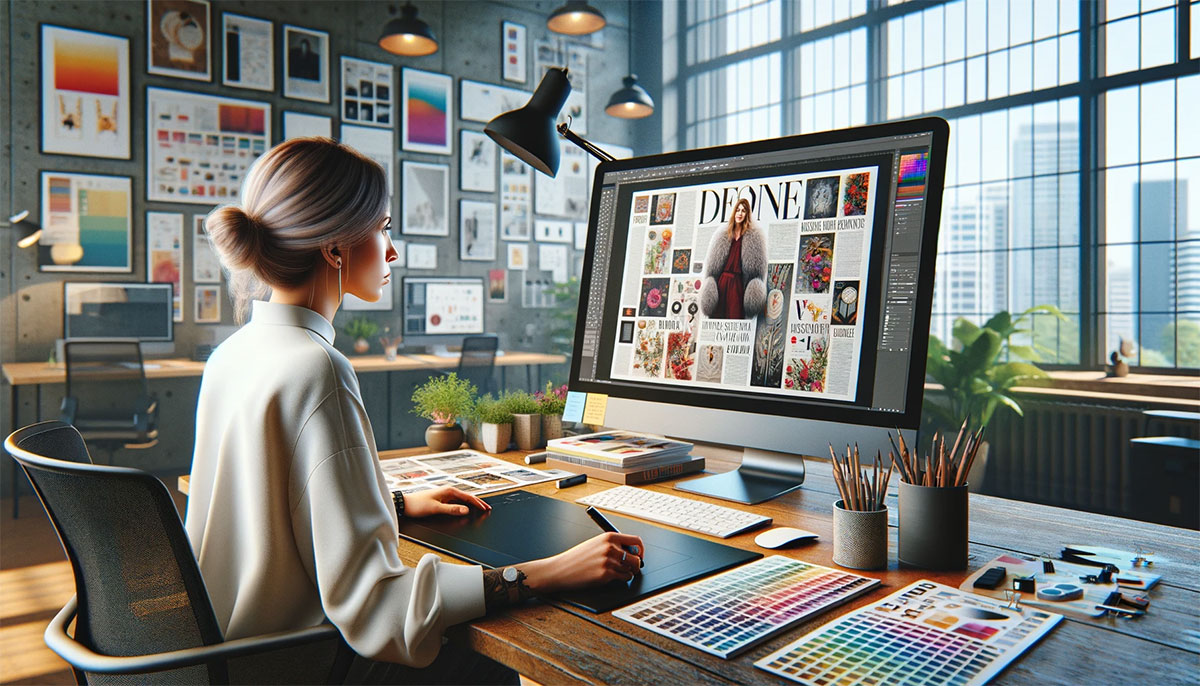
Have you ever flipped through a magazine and been captivated by its visual appeal? That’s editorial design at work!
But what is editorial design? Editorial design is the art that brings stories to life in magazines, books, and digital publications.
It’s not just about making pages look pretty; it’s a sophisticated dance of typography, layout aesthetics, and visual storytelling.
In this deep dive, we’ll explore the what, why, and how of editorial design.
Whether you’re a budding designer, a curious reader, or someone interested in the magic behind the pages, you’re in the right place. We’ll unpack everything from the fundamentals of page composition to the nuances of design principles in publishing.
Expect to learn about:
- The evolution from traditional print media design to interactive design for ebooks.
- How tools like Adobe InDesign shape the world of editorial design.
- The impact of design elements like color theory in print design on reader engagement.
By the end of this article, you’ll have a solid understanding of editorial design and why it’s crucial in shaping how we consume information in our daily lives.
Table of Contents
- Historical Context of Editorial Design
- Principles of Editorial Design
- Editorial Design Process
- Editorial Design vs. Graphic Design
- Role of Technology in Editorial Design
- Building a Portfolio in Editorial Design
- Editorial Design Examples
What is Editorial Design?
Editorial design is the craft of integrating text, images, and design elements to enhance the presentation and readability of written content, primarily in magazines, newspapers, and books. This discipline focuses on layout, typography, and visual storytelling to effectively communicate the message of the text to the reader.
Historical Context of Editorial Design
Ever wondered about the roots of all those eye-catching layouts in magazines and ebooks?
That’s the realm of editorial design, and its history is as rich as its designs are vibrant.
So, let’s dive into the backstory of what editorial design is and how it became a cornerstone of the way we digest information today.
Early Beginnings
Editorial design didn’t just pop up out of nowhere. It has deep roots, stretching back to ancient civilizations like Mesopotamia and Egypt.
Picture this: ancient scribes meticulously crafting symbols on clay tablets or papyrus. That was the early form of layout aesthetics, a rudimentary version of what editorial design is today.
Fast forward to a game-changing moment in history: the impact of Gutenberg’s printing press.
This invention revolutionized how information was shared and consumed. It wasn’t just about printing words; it was about how those words were arranged-how typography, one of the key keywords in editorial design, started to take shape.
This moment marked the transition from hand-crafted pages to mass-produced books, setting the stage for the evolution of editorial design.
Evolution in the 20th Century
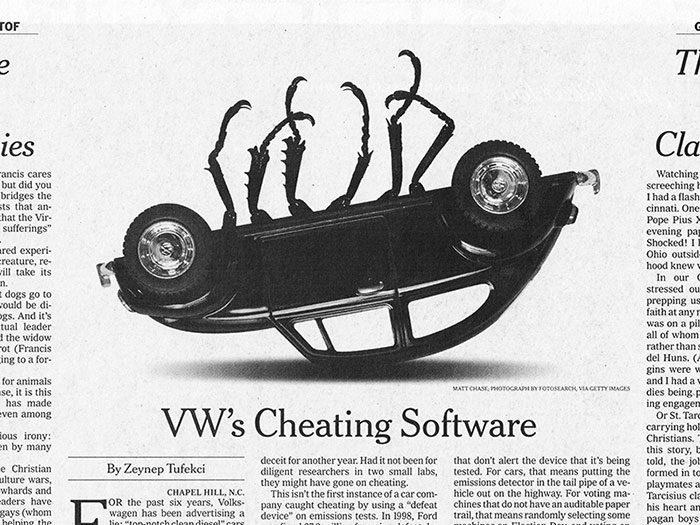
The 20th century was a time of explosive creativity in editorial design. Influential designers like Wyndham Lewis, Mehemed Fehmy Agha, and Herb Lubalin stepped onto the scene.
They weren’t just designers; they were pioneers who reimagined what editorial design could be. Their work brought in a mix of bold typography, innovative layout aesthetics, and a keen eye for visual storytelling in media.
But the biggest twist in the tale? The transition from print to digital media.
This wasn’t just a small step; it was a giant leap. The introduction of digital publishing platforms and software tools like Adobe InDesign and QuarkXPress changed the game.
It opened up a world where design principles in publishing could be applied in new, dynamic ways.
Interactive design for ebooks and online magazines became the new frontier, pushing what editorial design is to new heights.
Principles of Editorial Design

Ever catch yourself staring at a magazine or a website and just thinking, “Wow, this looks amazing”?
That’s the magic of editorial design at play. It’s not just about making things look good; it’s a whole science, an art form.
So, let’s break down what editorial design is really about-the principles that make it tick.
Key Elements
First things first, let’s talk about the core stuff. Editorial design is like a puzzle, and these are the pieces:
- Layout: It’s the backbone. How things are placed on a page, how your eyes move from one thing to another, that’s all layout.
- Typography: This is about fonts, but not just any fonts. It’s choosing the right style to speak to you, to make the words jump off the page.
- Color: It’s not just for looks. Colors set the mood, they tell a story.
- Imagery: Pictures, graphics, icons-they’re not just fillers; they’re storytellers.
Each of these elements works together.
Design Techniques
Now, let’s jazz things up with some techniques. These are the tricks of the trade, the skills that make what editorial design is truly stand out.
- Color Contrast and White Space: Think of it like breathing room for your designs. It’s not about cramming stuff onto a page; it’s about balance.
- Rule of Thirds: It’s an old photography trick, but it works wonders in design too. It’s all about dividing your page into thirds and using those lines to align things.
- Illustrations and Appropriate Typography: Matching the vibe of the content with the right illustrations and fonts, that’s the key.
Editorial Design Process
Alright, let’s talk about how the magic happens in editorial design. It’s not just throwing things on a page and hoping it looks good.
It’s a process, a thoughtful journey from a blank canvas to a masterpiece that tells a story.
Understanding the Audience
First up, who are we designing for? This is where it all starts. In editorial design, it’s crucial to get into the minds of the readers.
Are they young, tech-savvy folks who dig cool, edgy designs? Or are they professionals looking for something sleek and informative?
Knowing this shapes everything – from the choice of colors to the style of typography.
- We look at reader preferences, like what catches their eye. Is it bold imagery? Or maybe it’s minimalist design that speaks to them.
- Then, we think about expectations. Like, if it’s a fashion magazine, readers might expect a certain level of glamour and sophistication.
Creative Approach
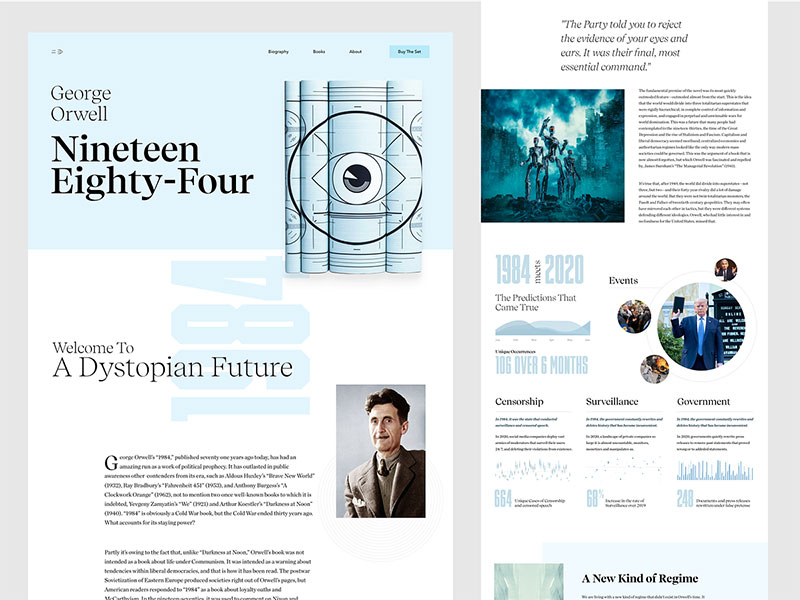
Now the fun part: getting creative with it! This is where what editorial design is really shines through.
- Developing a Style: It’s all about creating a vibe, a personality for the piece. Is it going to be funky and colorful? Or maybe classy and understated? This is where those terms like layout aesthetics and visual storytelling come into play.
- Balancing Act: We’ve got our content – the words, the stories. And then we have our design elements – images, fonts, colors. The trick is to balance them. You don’t want the design to overshadow the content or vice versa.
Editorial Design vs. Graphic Design
So, let’s break it down: what is editorial design and how is it different from graphic design?
It’s like comparing a chef to a baker. Both work in the kitchen, but their crafts have different flavors.
Distinctive Features
The main dish vs. the side dish. That’s one way to think about editorial design versus graphic design.
- Evolving Content: In editorial design, it’s all about the story. The design evolves with the content, whether it’s for a magazine, a book, or an online article. It’s like a visual narrative.
- Adaptability: Editorial design is like water; it changes shape based on the container. The design molds itself around the content, making sure the story gets the spotlight.
Graphic design, on the other hand, is more like the seasoning. It enhances the overall experience but doesn’t necessarily change with each dish.
Editorial design is like a chameleon. It adapts to the content, changing its colors to match the mood, the tone, and the voice of the story.
Graphic design is more like a peacock, showing its colors in a consistent, standalone manner.
Focus and Flexibility
- Content-Centric: What is editorial design without content? Just a pretty shell. Editorial design is built around the words, the stories. It’s like a dance partner to the content, following its lead.
- Flexibility: In editorial design, you’re often juggling multiple elements – typography, imagery, layout. And all these need to play well with the content. It’s a balancing act.
In contrast, graphic design can be a solo act. It’s more about creating standalone visuals – logos, branding, posters. Sure, there’s content, but it’s more about making a visual statement.
Role of Technology in Editorial Design
Okay, let’s talk tech and its role in editorial design. It’s like the secret sauce that spices up what editorial design is all about.
Software Tools
First off, the tools of the trade. Imagine trying to build a house without a hammer and nails. That’s what trying to do editorial design without the right software is like.
- Adobe InDesign and QuarkXPress: These are the big guns in the world of editorial design. They’re like the Swiss Army knives for designers, packed with features for layout, typography, and more.
- Digital Publishing Tools: Then there are tools that turn designs into digital formats. Think eBooks and online magazines. It’s like taking a paper plane and turning it into a jet.
These software tools are not just helpers; they’re the engines that drive the whole editorial design process.
Adapting to Digital Platforms
Now, the digital playground. This is where editorial design puts on its futuristic glasses.
- From Print to Pixels: It’s not just about paper anymore. Editorial design has jumped into the screens – smartphones, tablets, laptops. The game has changed. It’s faster, more dynamic.
- Challenges and Opportunities: Sure, it’s challenging. Screen sizes change, attention spans shrink. But it’s also exciting. Interactive elements, animations – the possibilities are endless.
In a world where scrolling is the new turning the page, technology has transformed what editorial design is and can be. It’s like opening a door to a room you never knew existed.
Building a Portfolio in Editorial Design
Alright, let’s dive into how you build a killer portfolio in editorial design. Think of it as your own personal art gallery, where each piece tells a story about what editorial design is to you.
Showcasing Skills
First up, showing off what you’ve got. It’s not just about slapping together your best work; it’s about telling a story.
- Demonstrating Design Process: It’s like a behind-the-scenes tour. Show how you start from a blank page and end up with a stunning layout. It’s about revealing the magic behind what editorial design is.
- Versatility: Mix it up. Show a range of styles – from clean, minimalist designs to vibrant, image-heavy layouts. It’s like a chef showing off a diverse menu.
Your portfolio is your voice in the world of editorial design. It’s your chance to show the world how you see things, how you solve design puzzles.
Tips for Creating an Effective Digital Portfolio
Now, let’s talk smart portfolio strategies. It’s not just what you show; it’s how you show it.
- Online Presence: Think of your digital portfolio like your own little corner of the internet. Make it easy to navigate, visually appealing, and mobile-friendly. Remember, people might be looking at it on their phones.
- Storytelling: Each project in your portfolio should tell a story. What was the challenge? How did you approach it? What was the outcome? It’s like each project is a mini-movie, with you as the director.
- Feedback and Iteration: Don’t be afraid to evolve. Add new projects, tweak old ones. Your portfolio should grow with you.
Editorial Design Examples
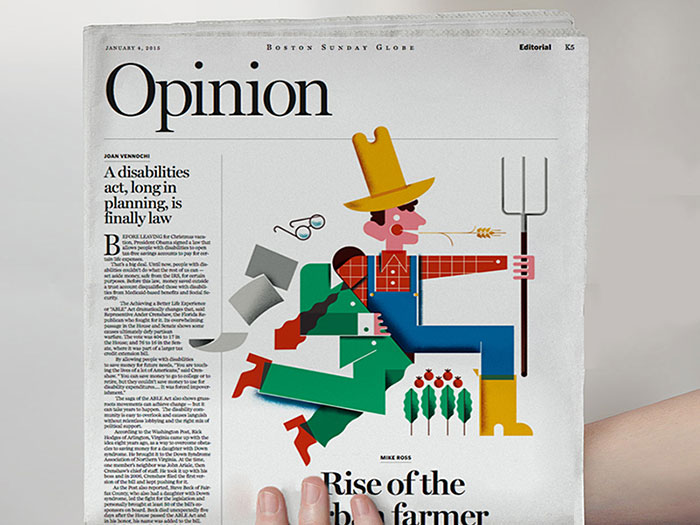
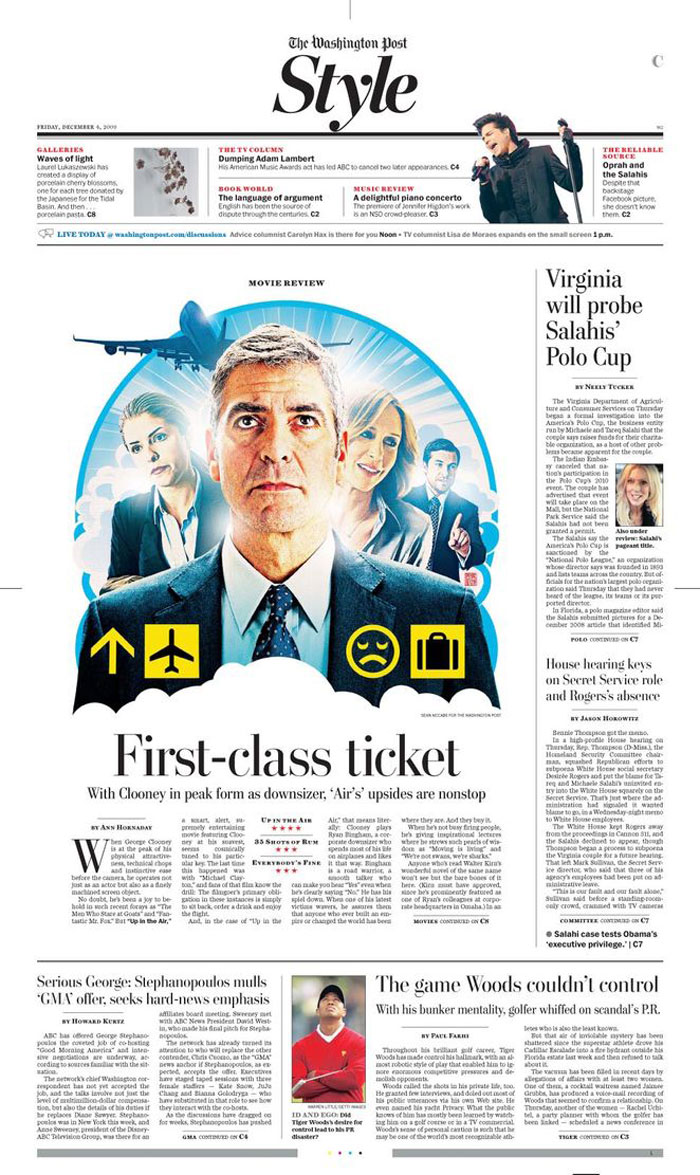
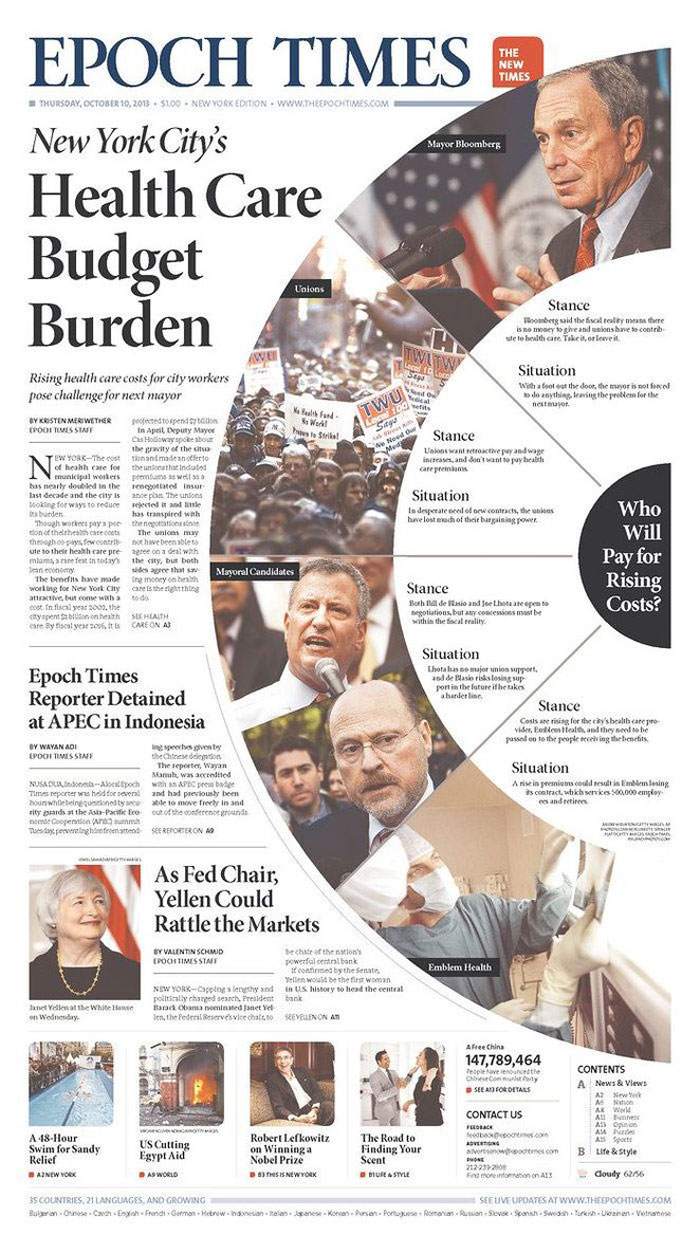
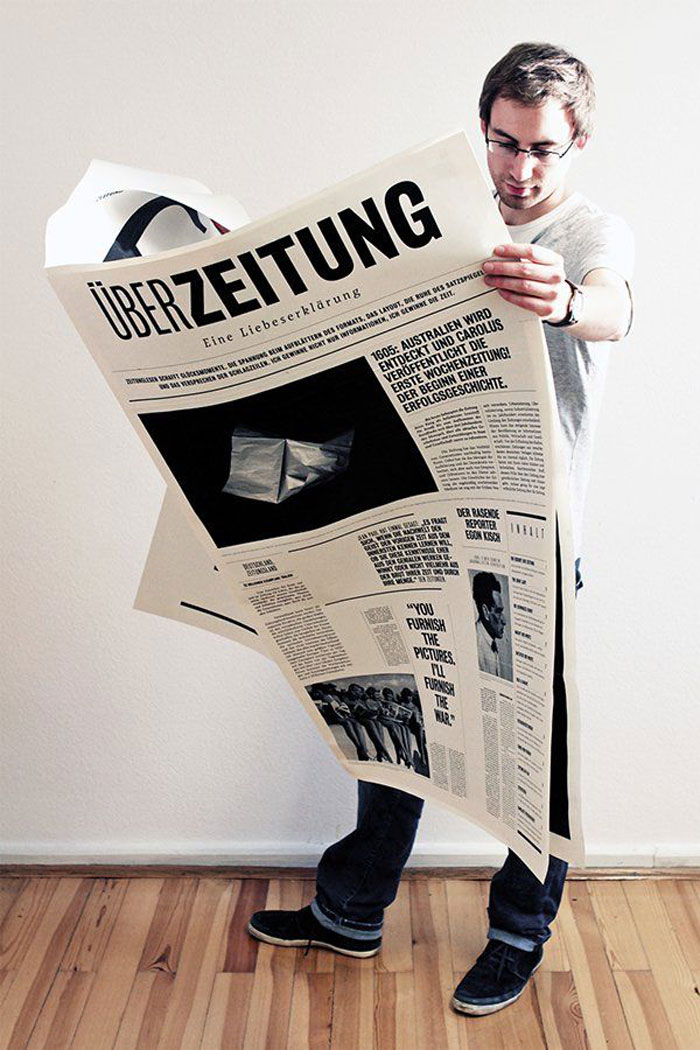
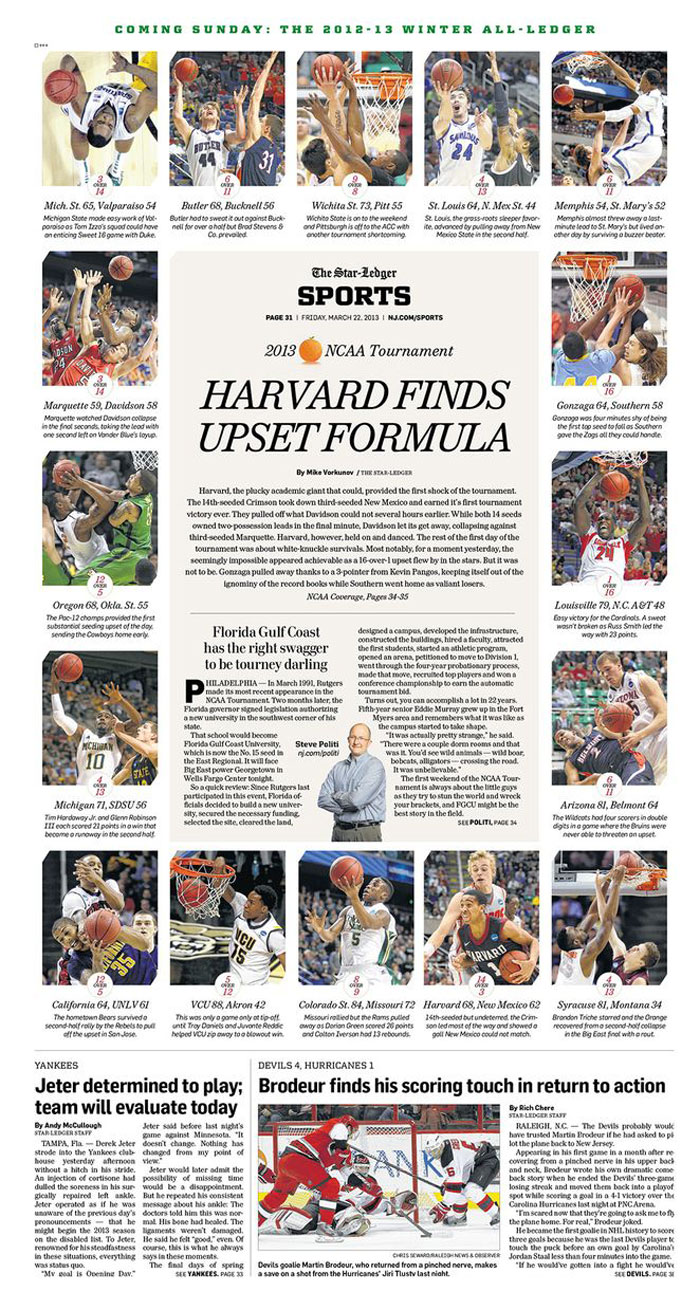
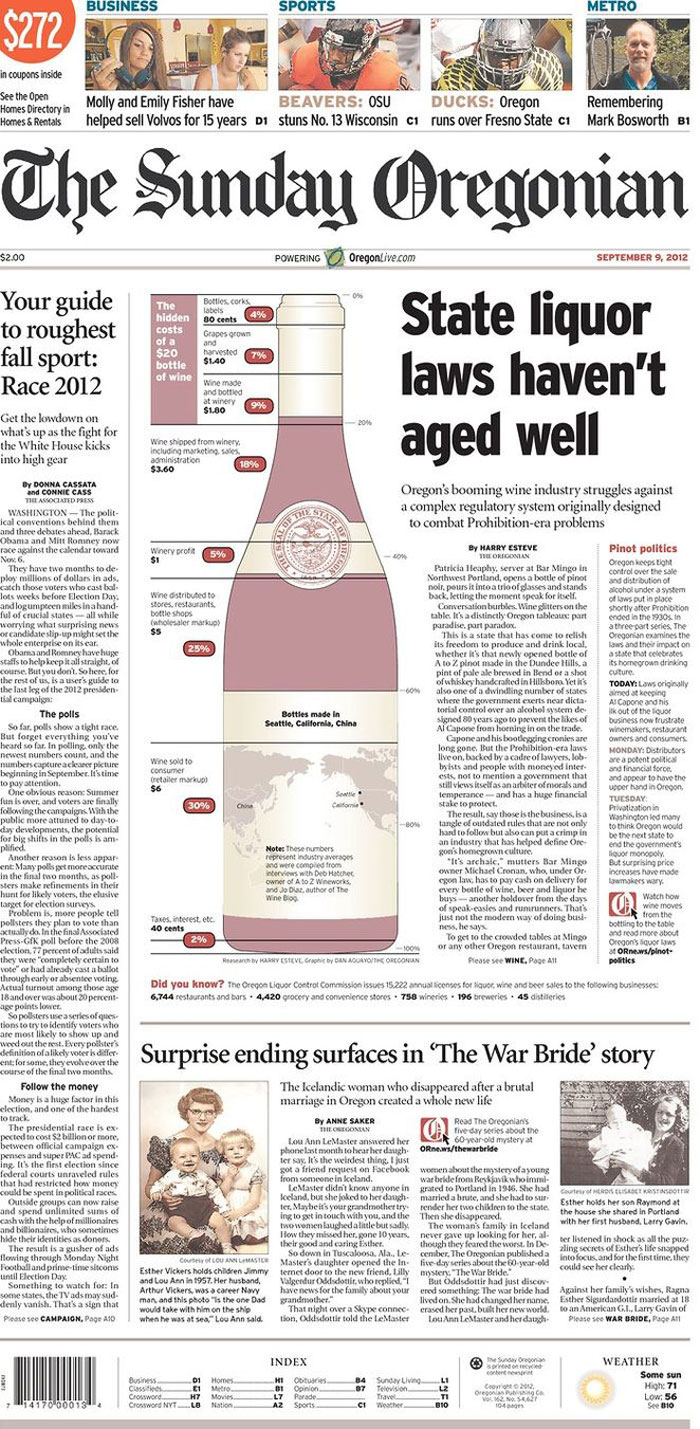
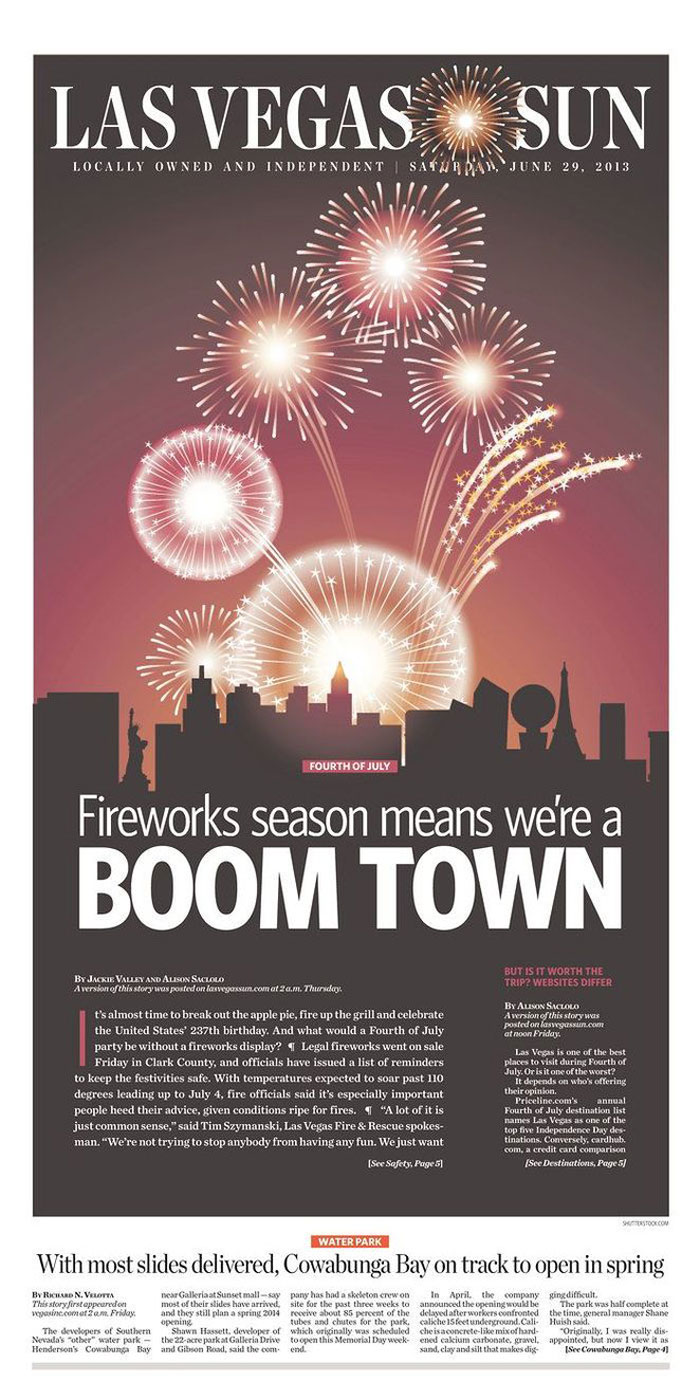
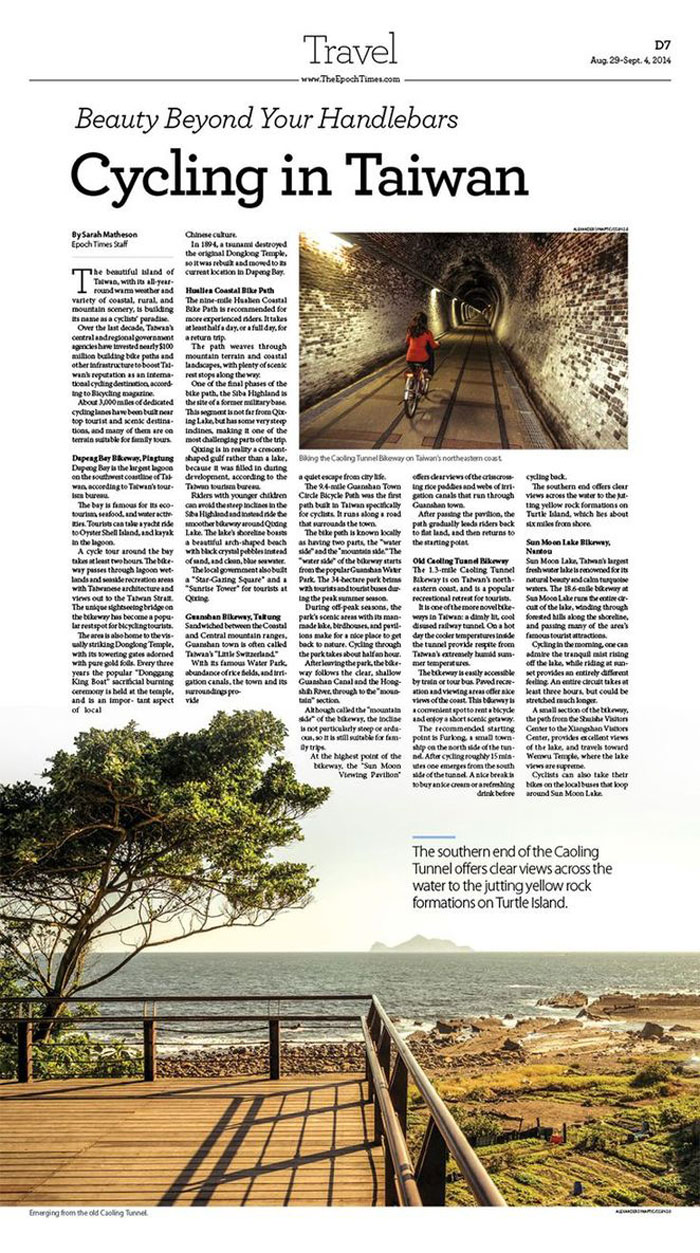
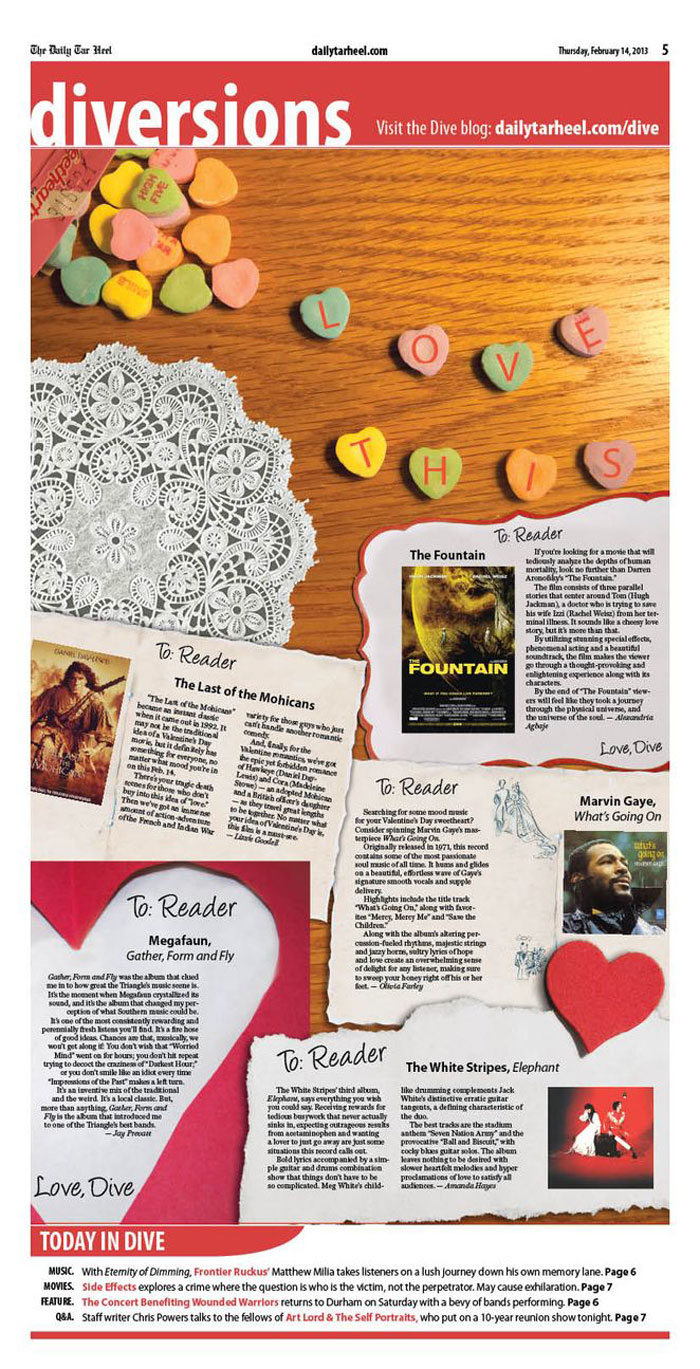
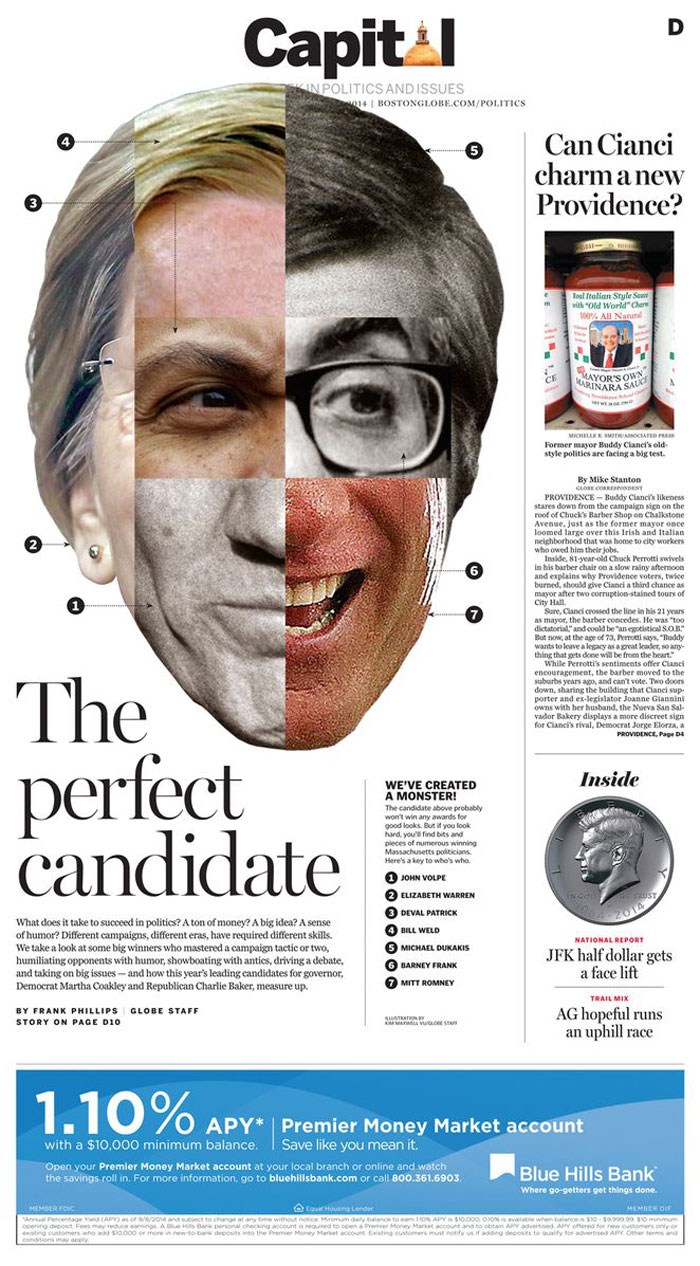
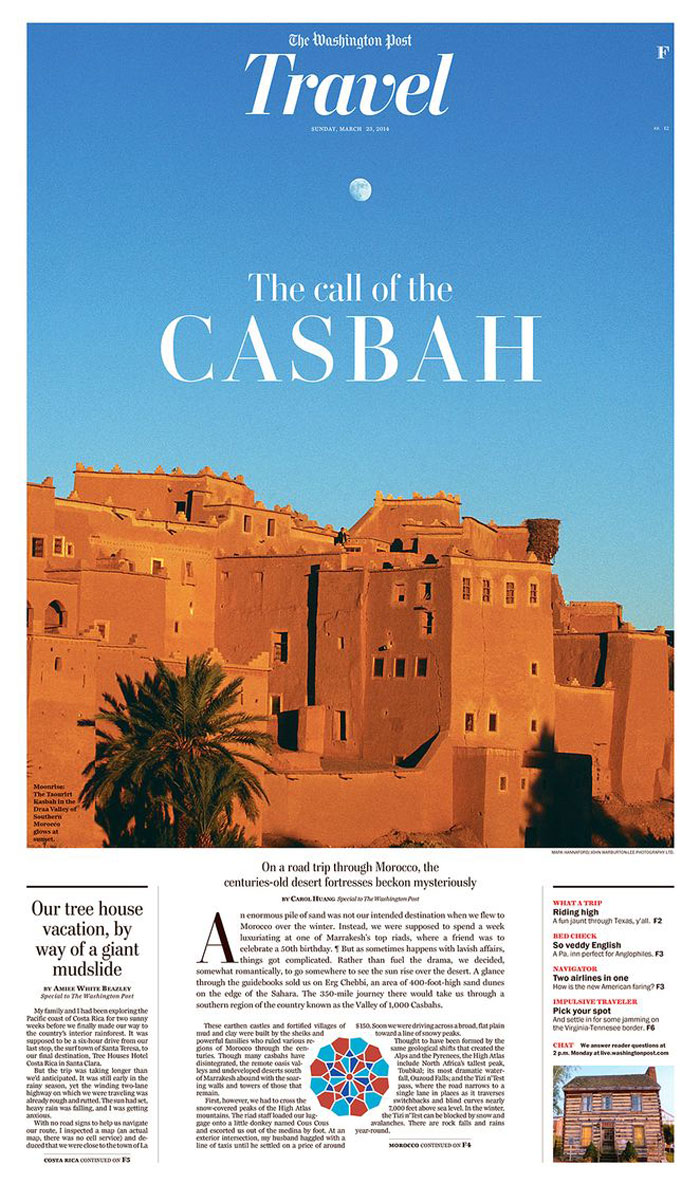
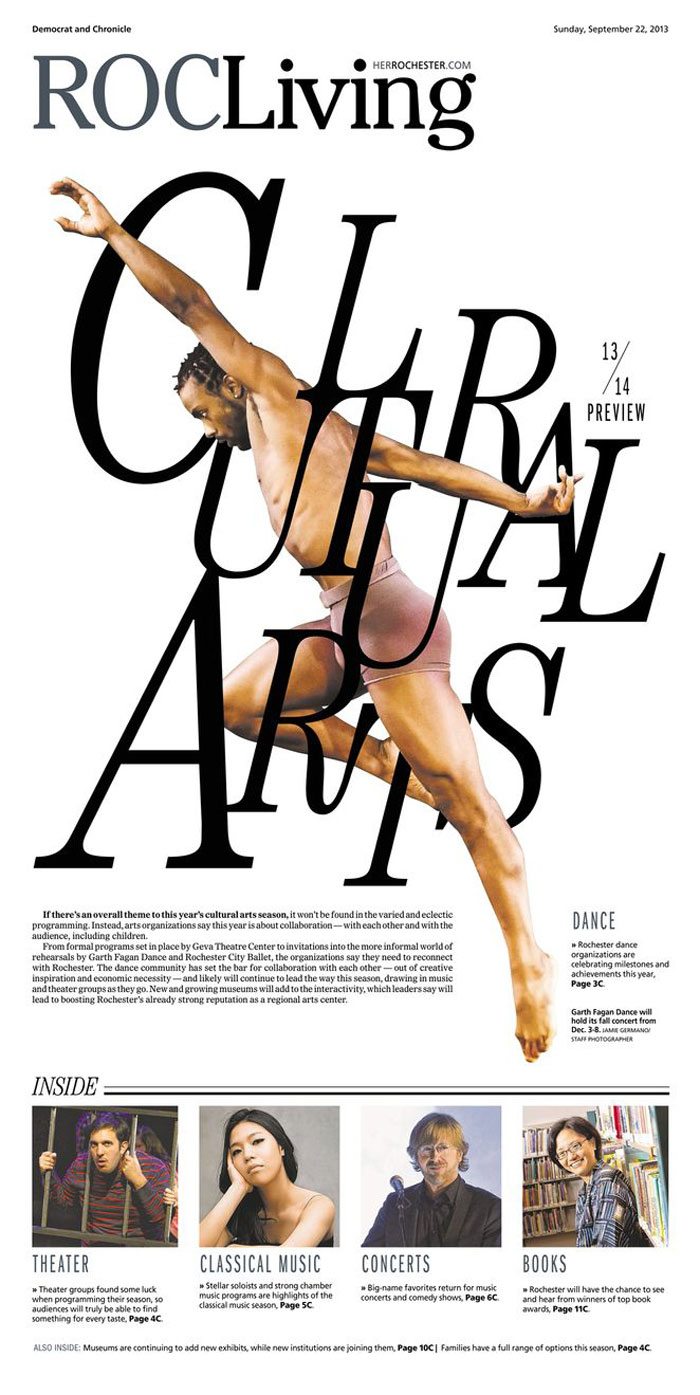
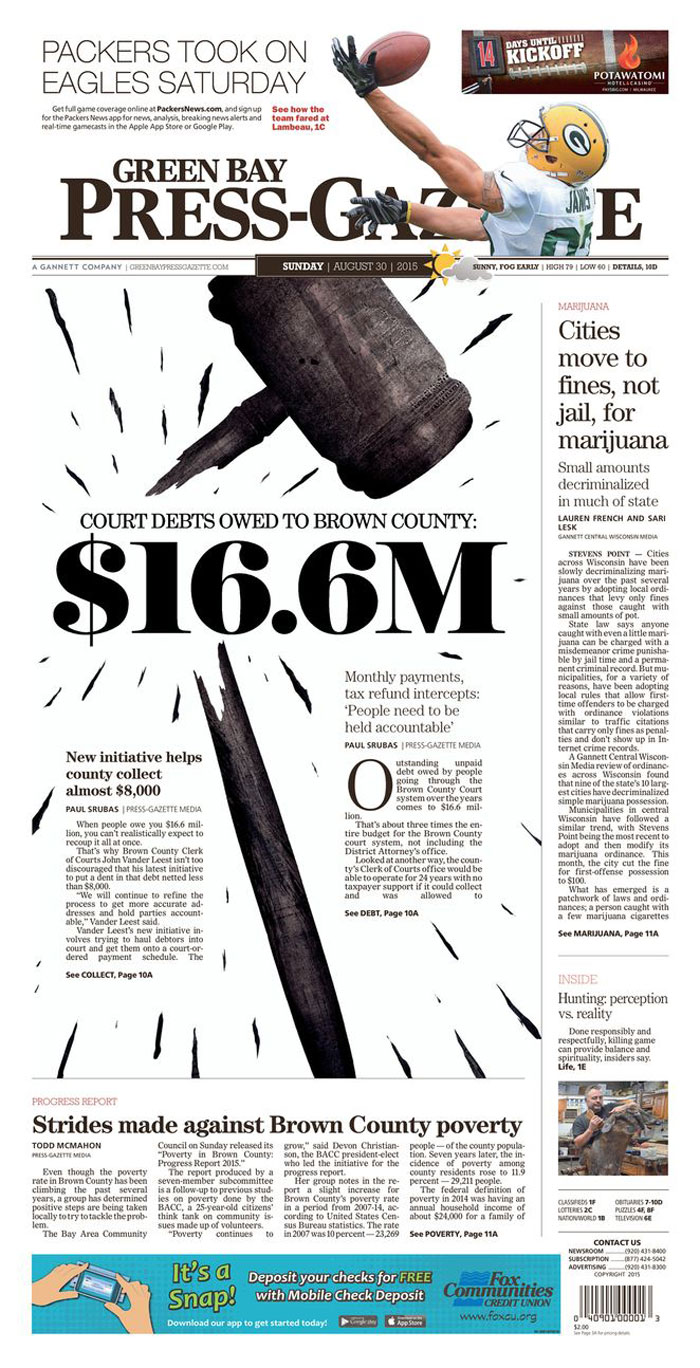
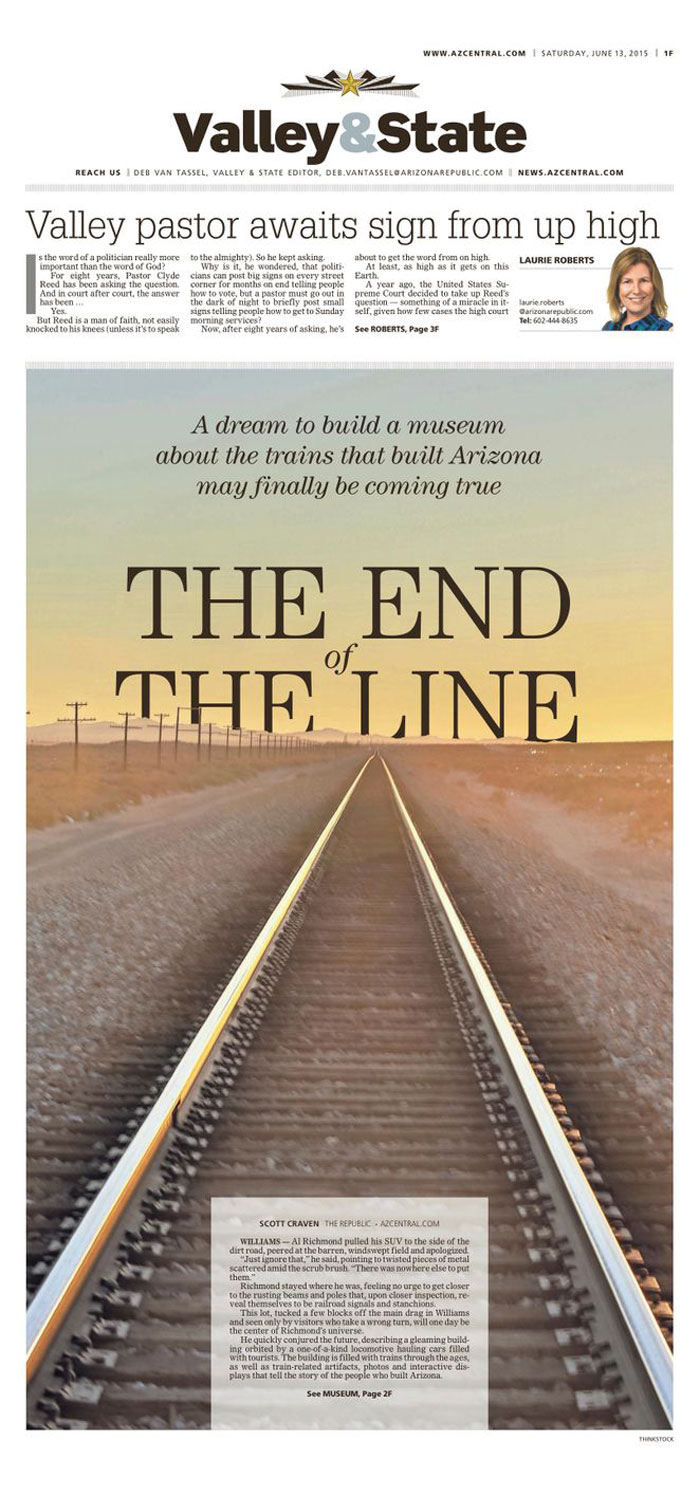
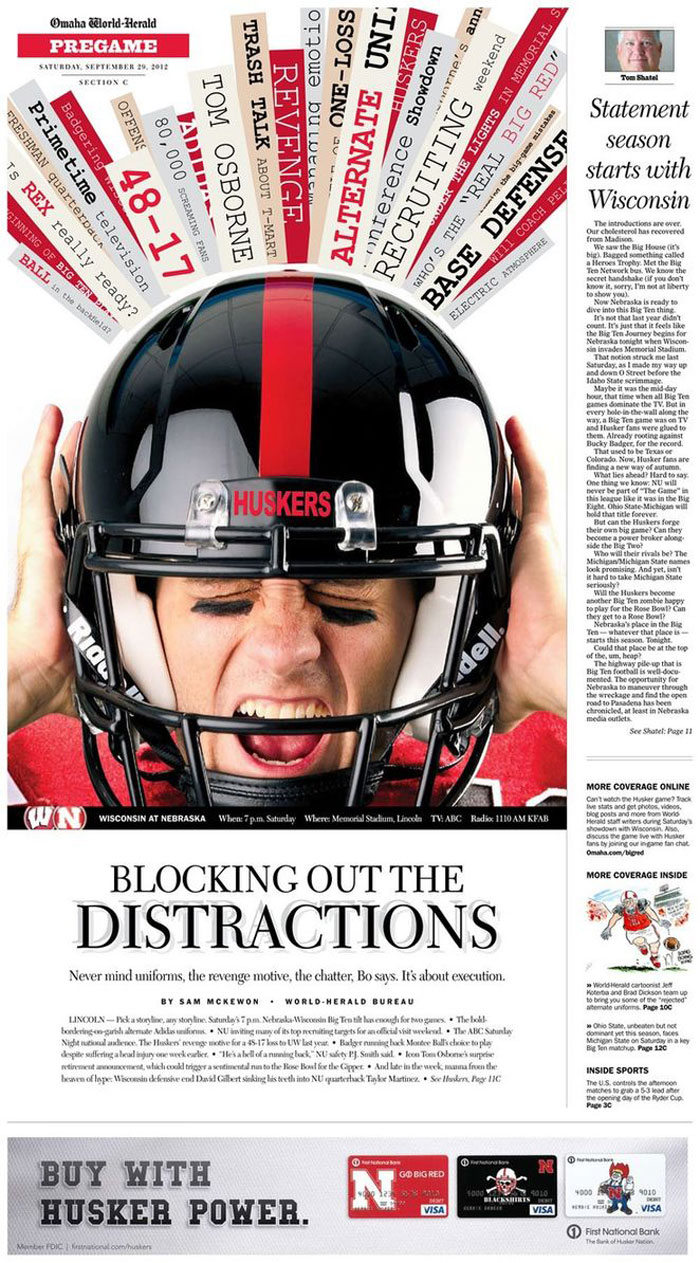
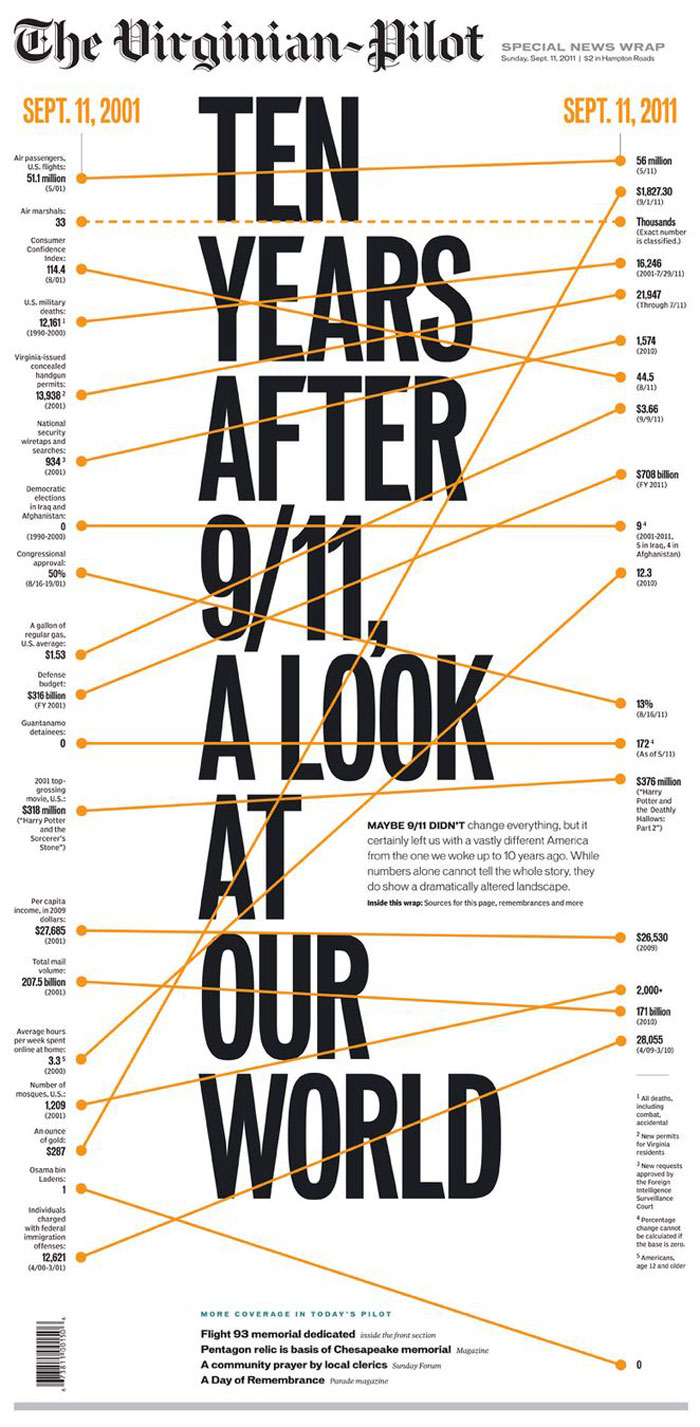
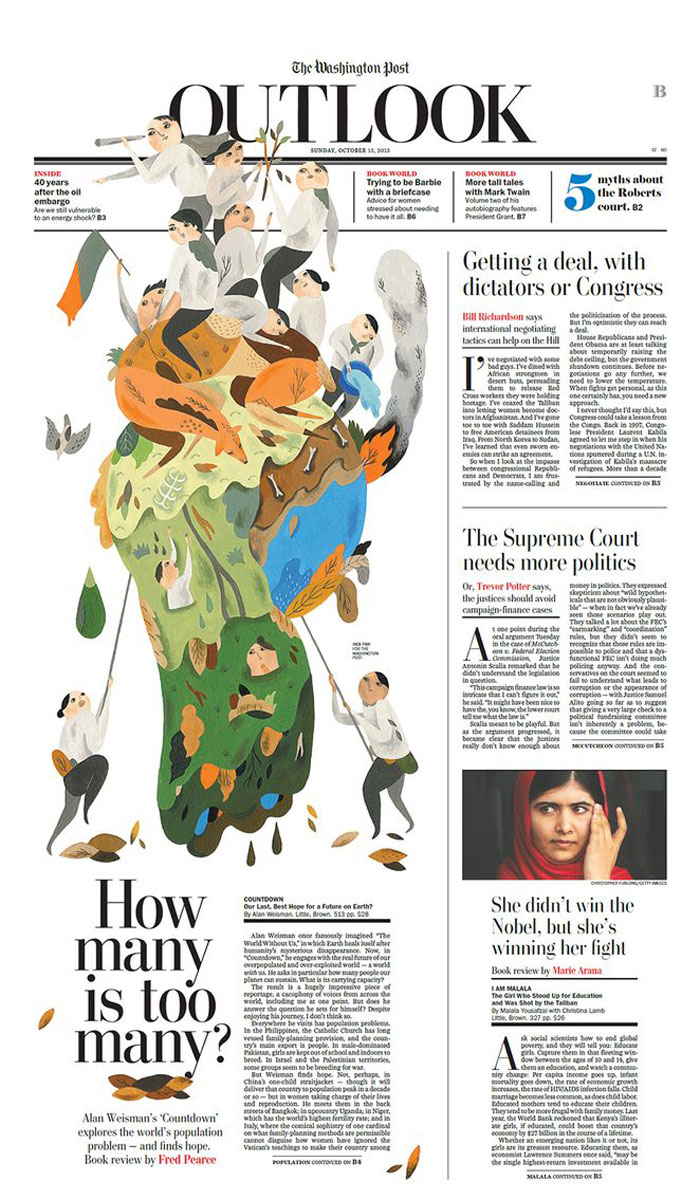
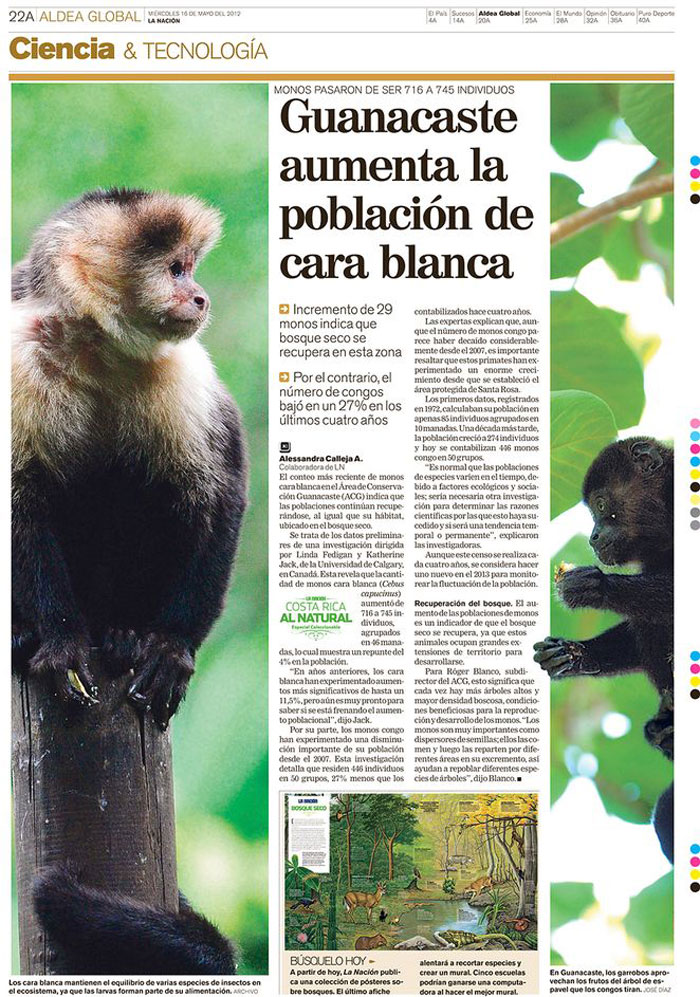
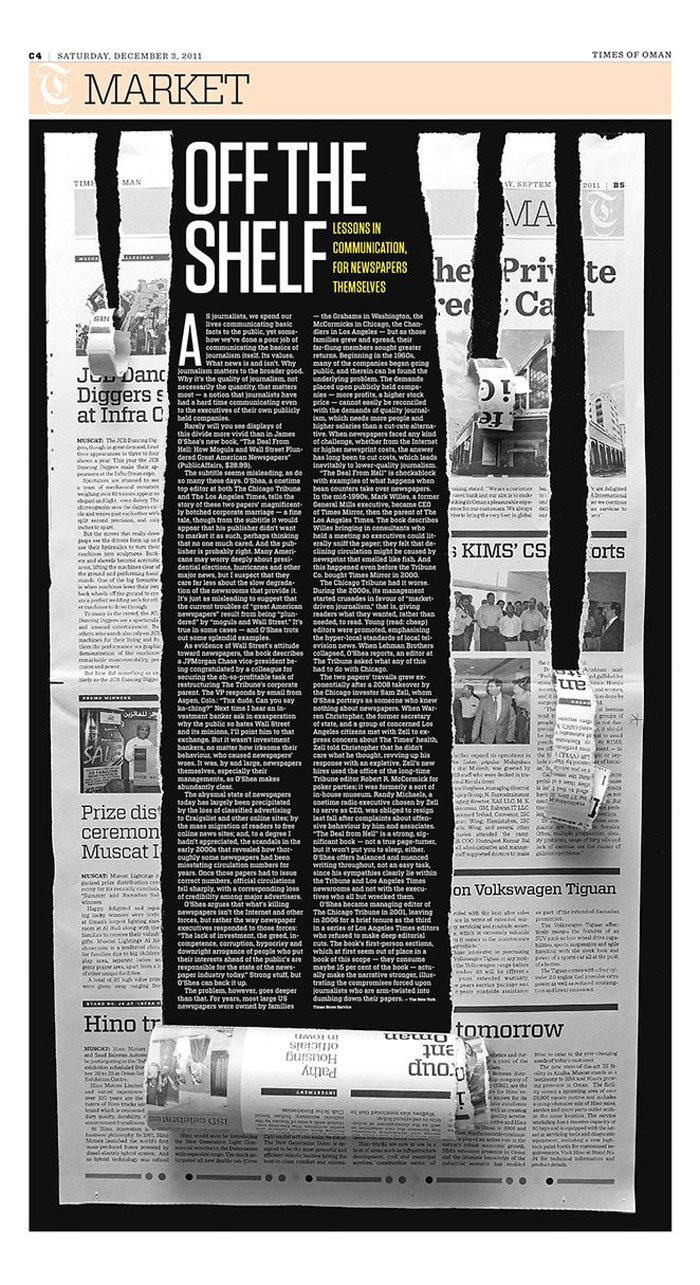
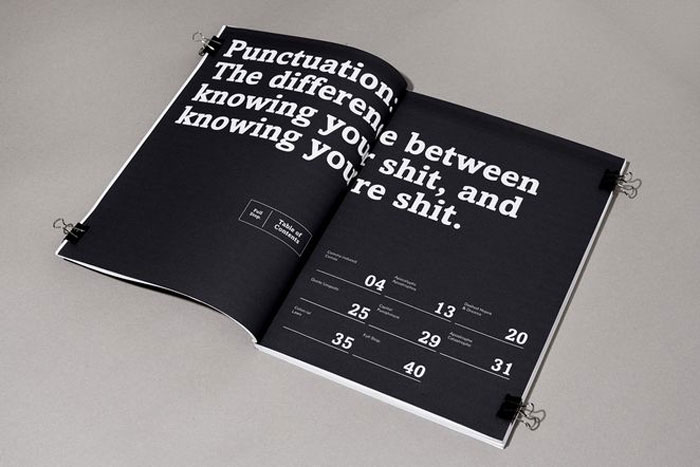
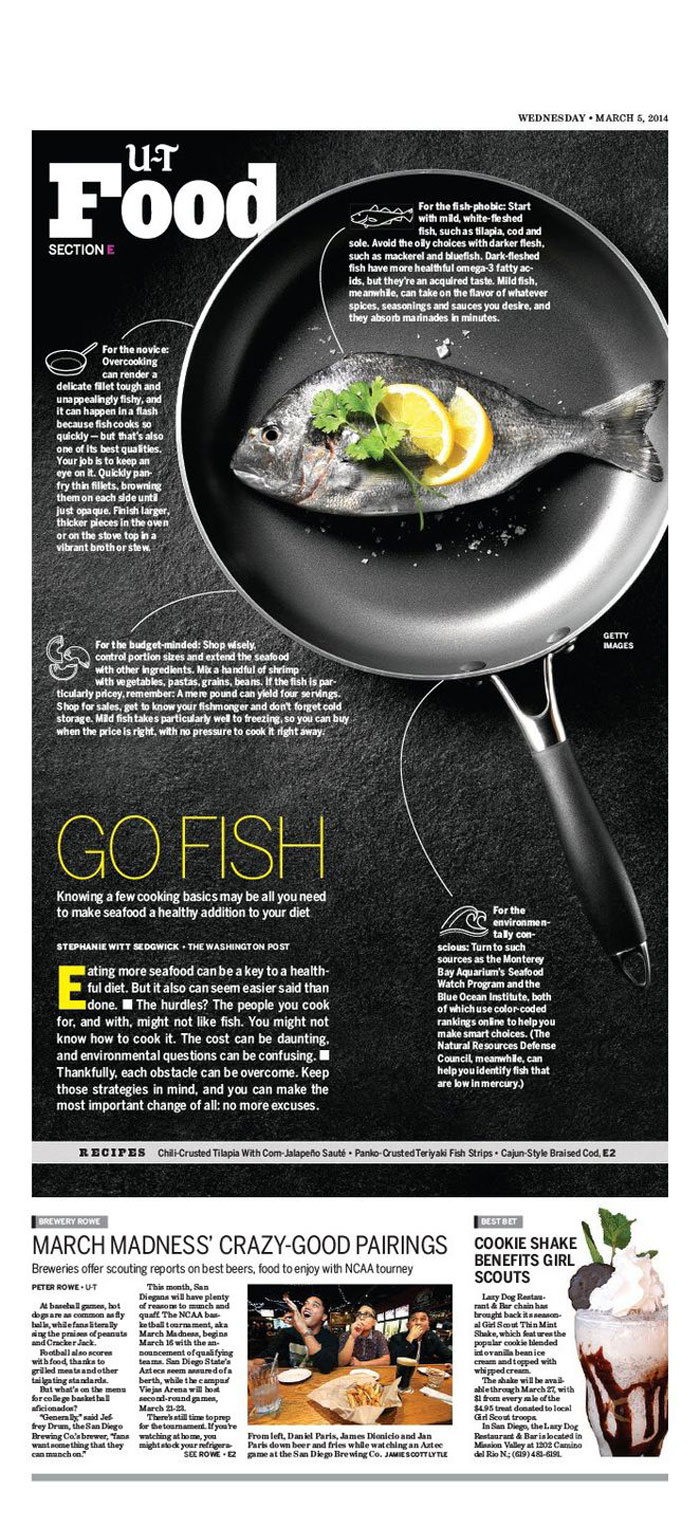
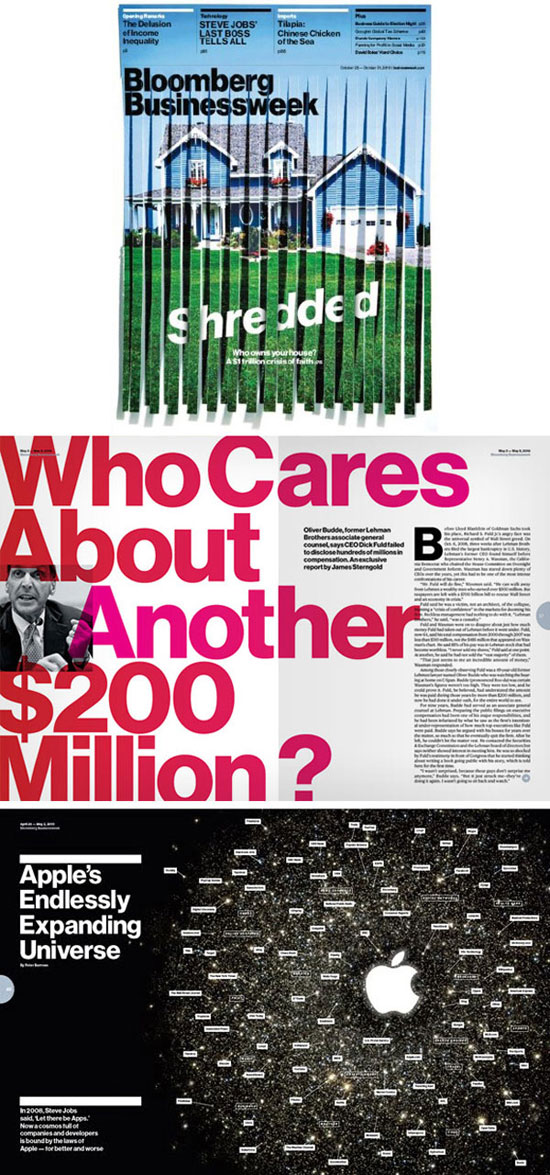
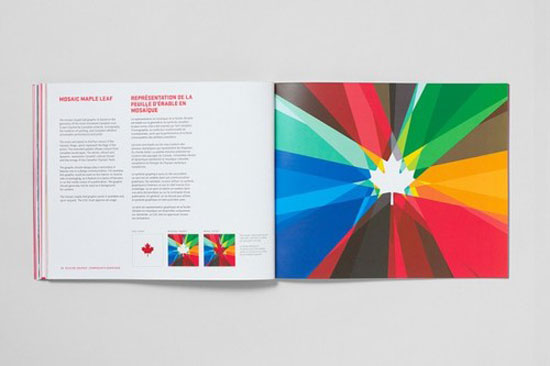
Bloomberg Businessweek
Design by Ben Hulse, Greg Durrell, Adam Bognar e Andrew Simpson
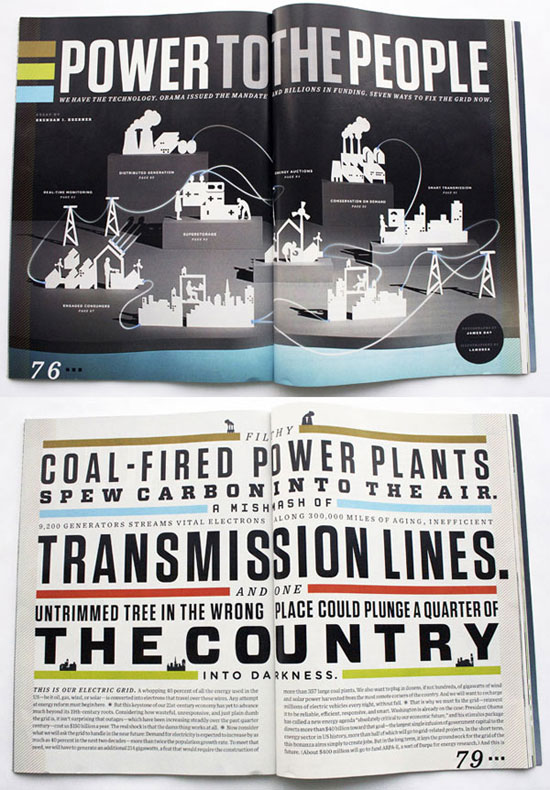
Wired Magazine
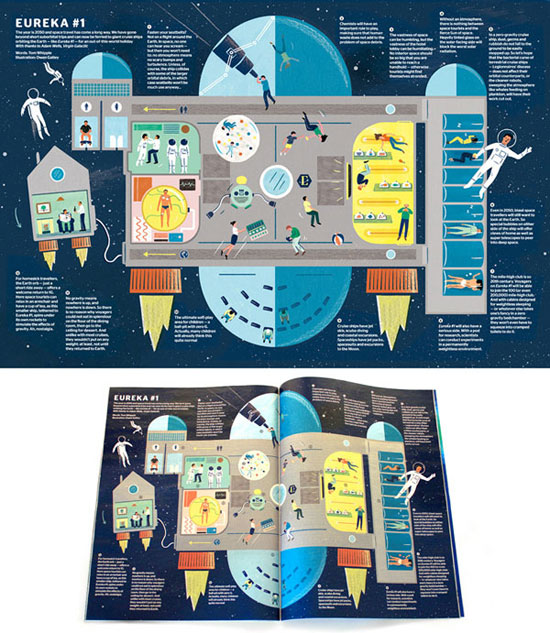
Eureka Magazine
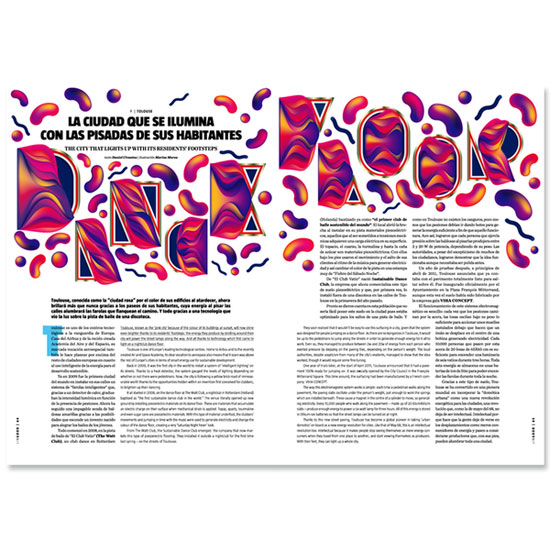
Ling Magazine Issue 12
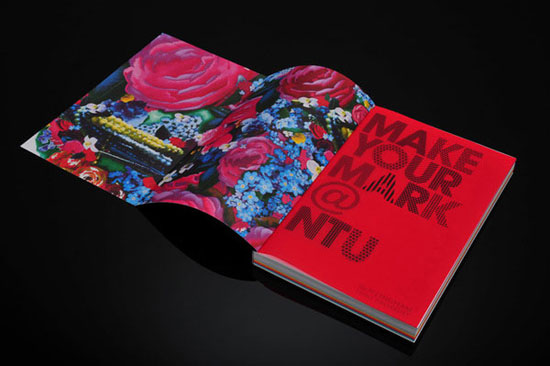
NTU Art & Design Prospectus
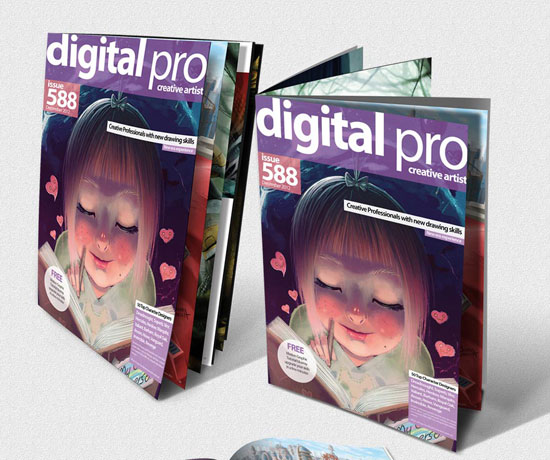
Digital Pro Graphic design magazine v1
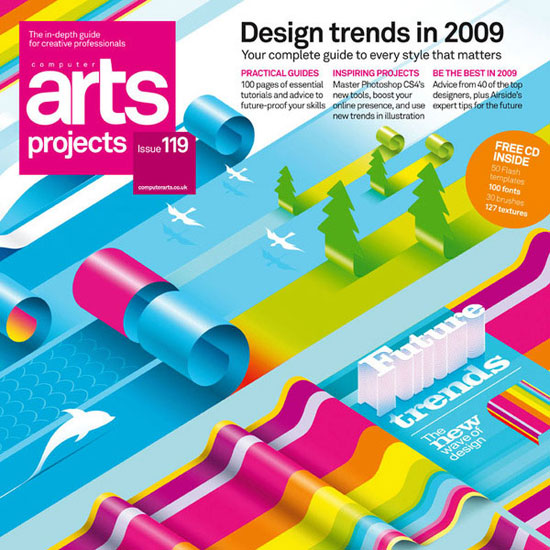
Computer Arts Projects Covers
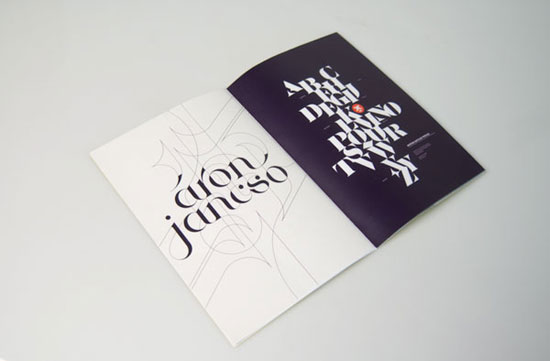
BOOK RESEARCH
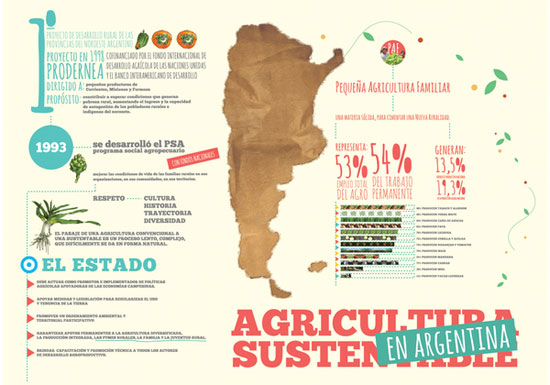
INFOGRAFIAS. TALLER DE DISEÑO. 3
Annual Report
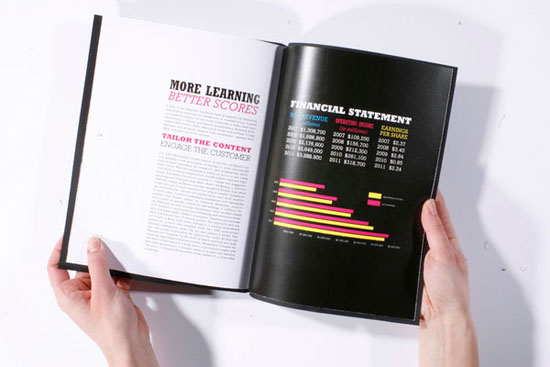
Freiheit Newspaper
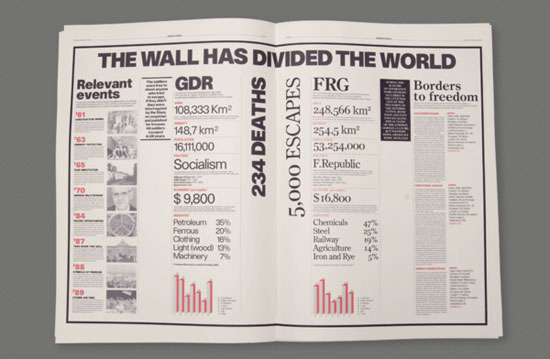
WIRED Magazine (ita)
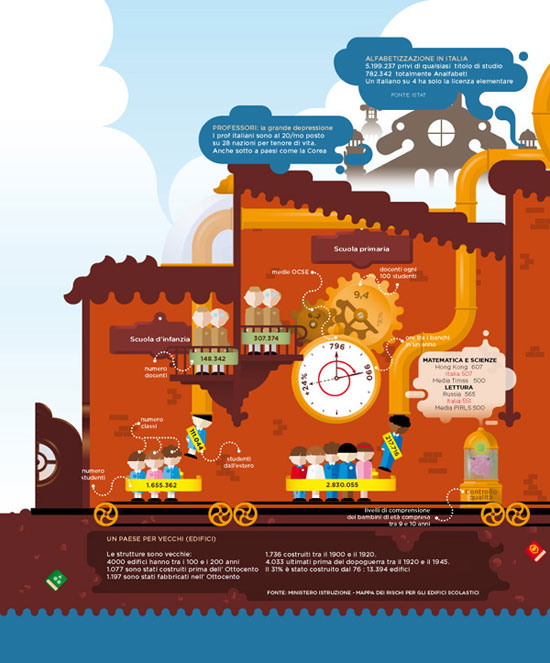
H: Armin Hoffman
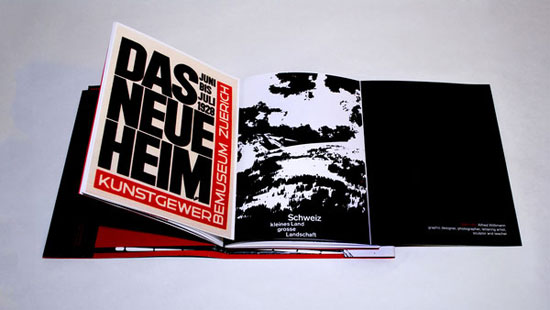
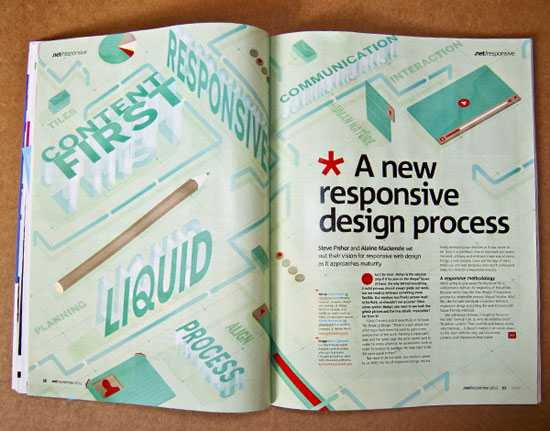
.NET MAGAZINE
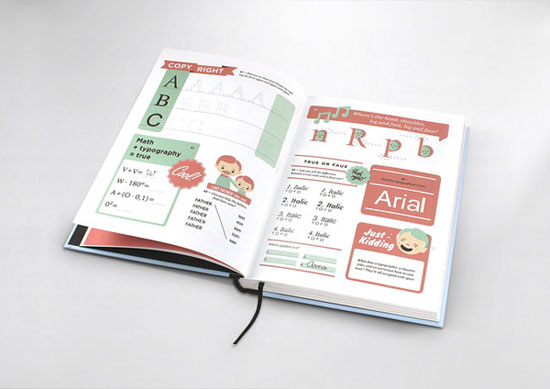
Hyperactivitypography from A to Z
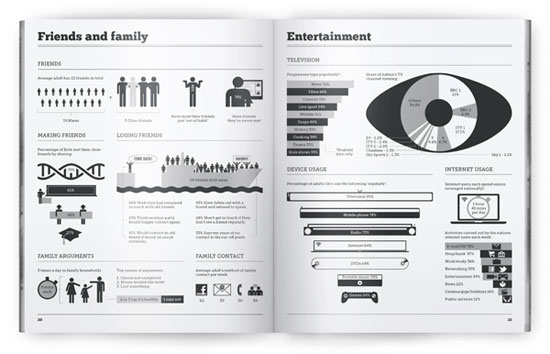
Britistics – UK Infographic
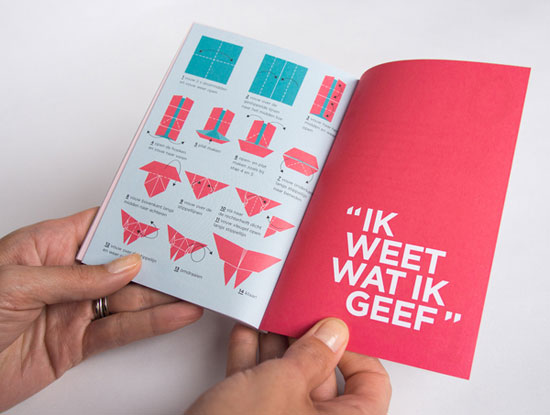
Vrijwilligersacademie Amsterdam Annual Report
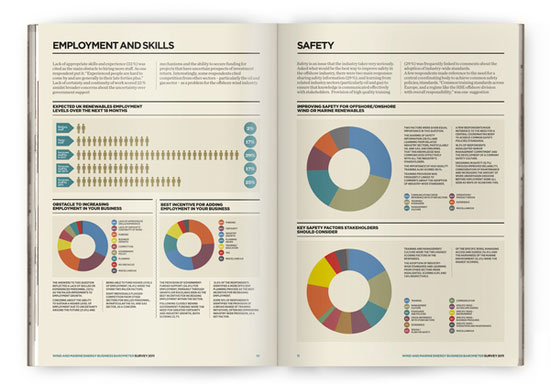
Wind and Marine Energy Survey
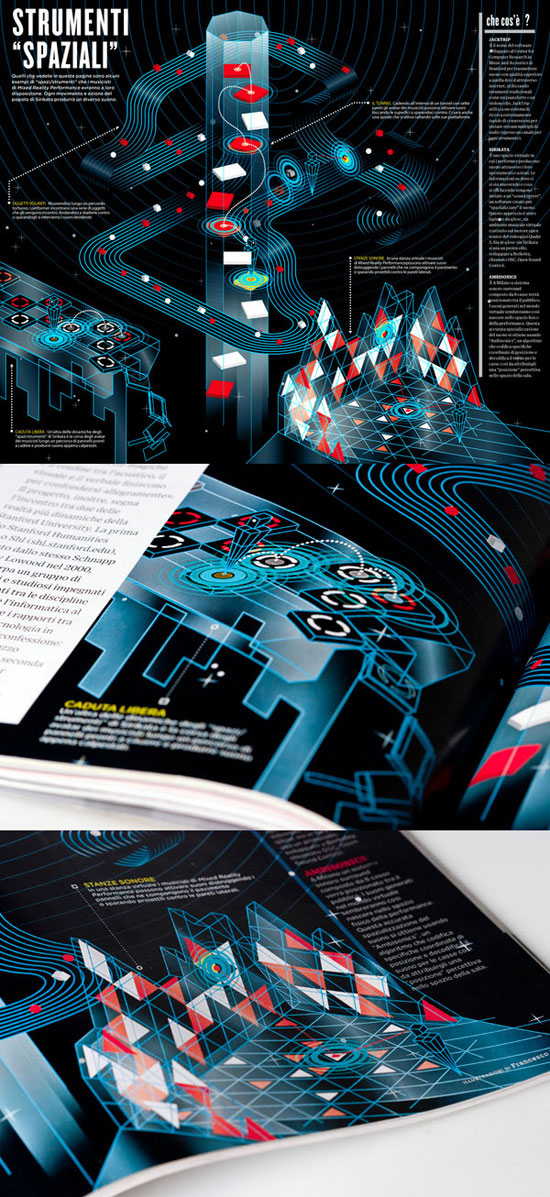
Strumenti Spaziali
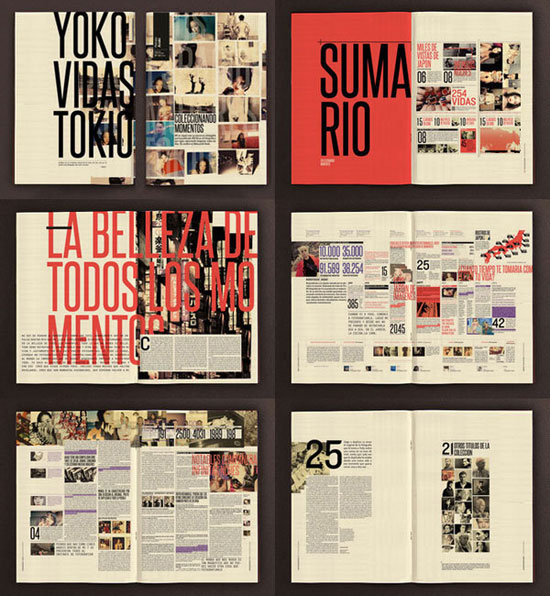
Araki – editorial project
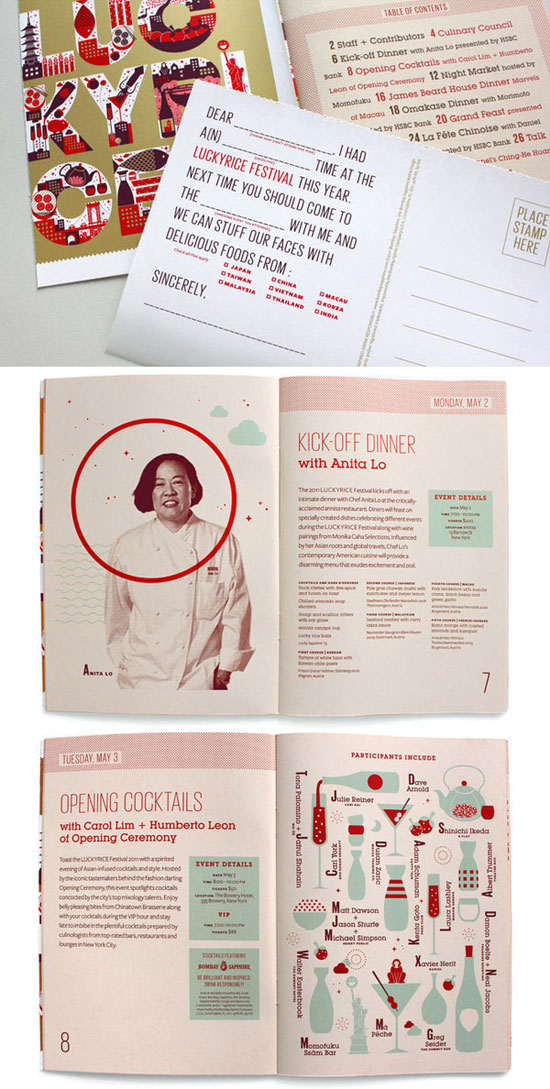
LuckyRice Festival
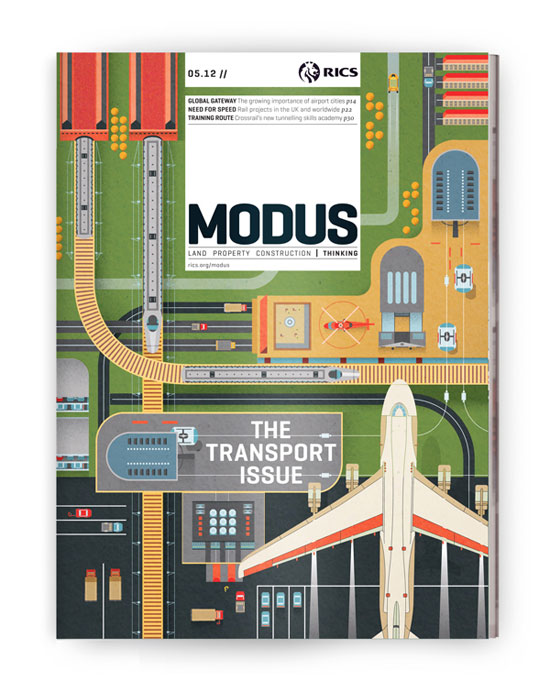
Modus
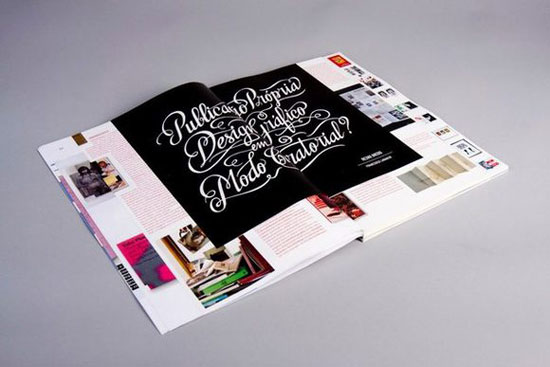
PLI* Arte & Design nº2/3
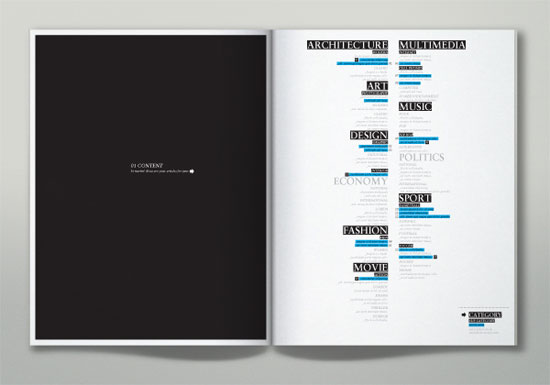
Mag on demand concept
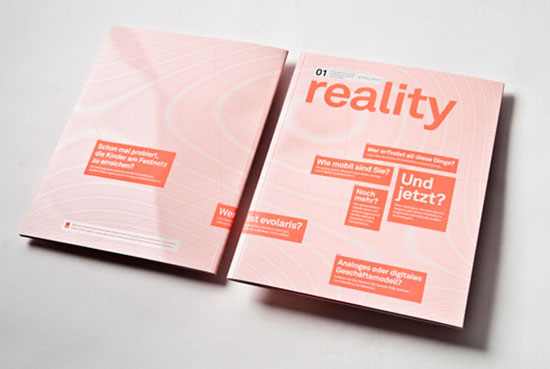
Evolaris magazine reality
Brockhaus Encyclopedia Infographics
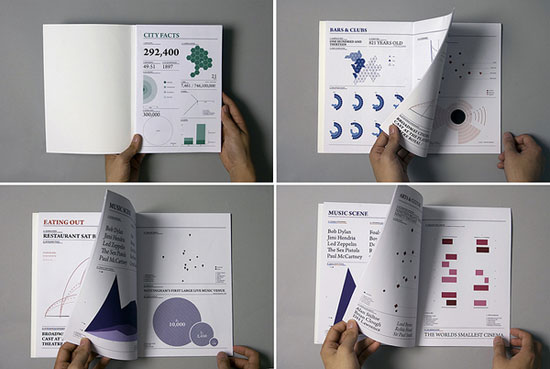
Nottingham: An Infographic City Guide
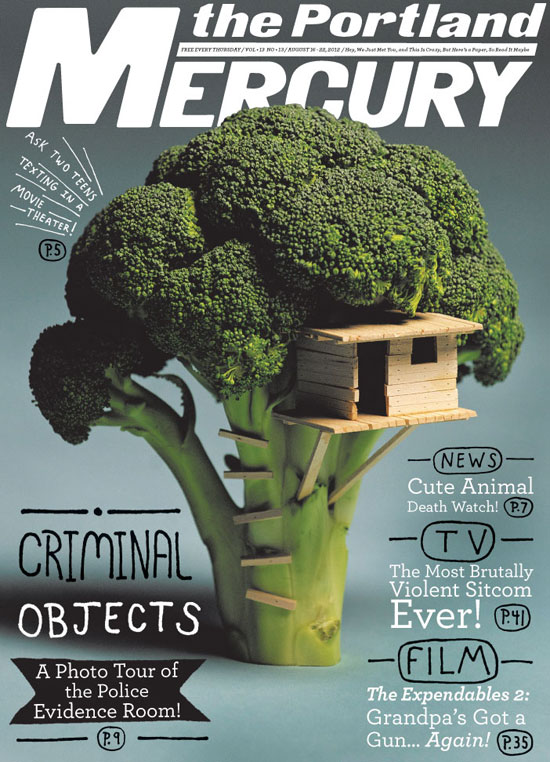
The Portland Mercury
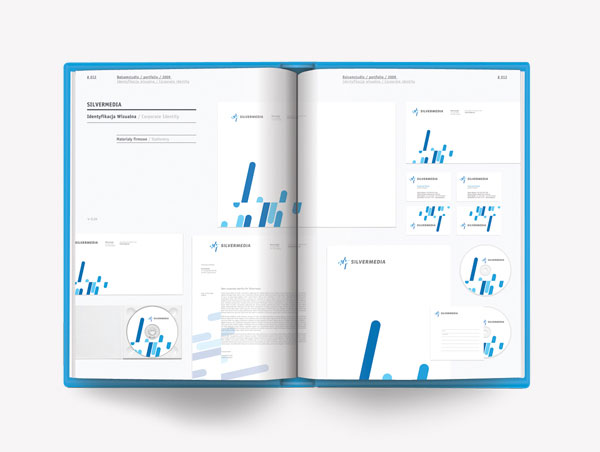
Balsamstudio promotional book
Mag on demand concept
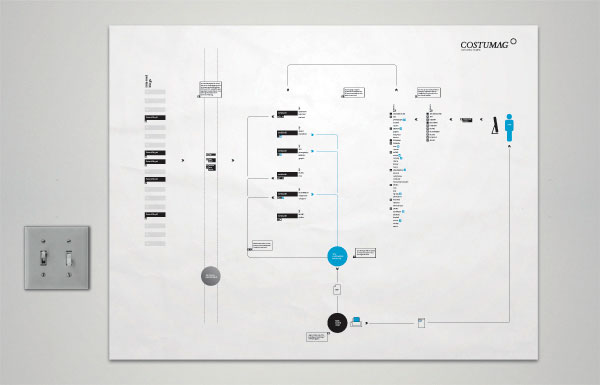
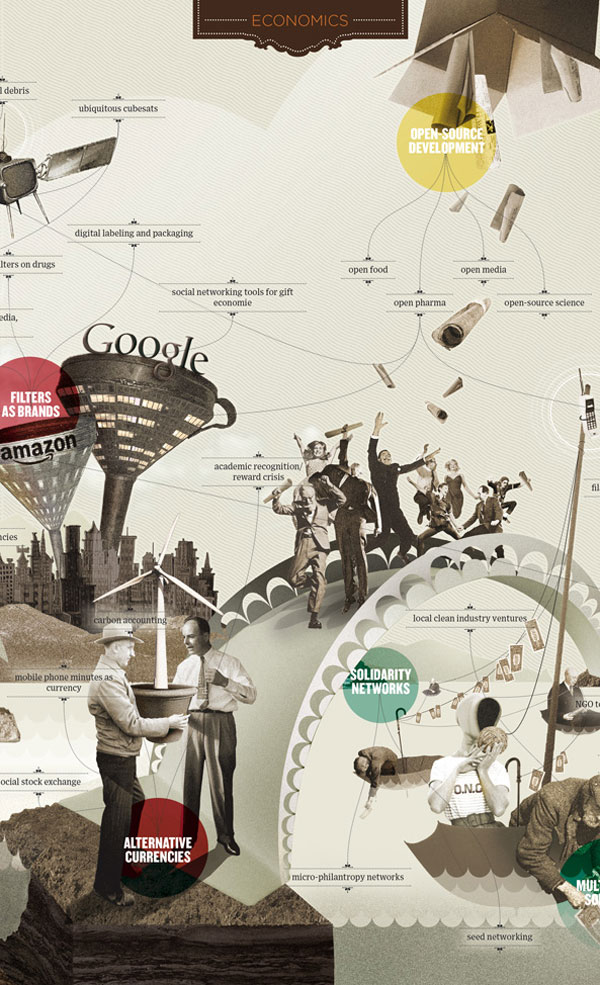
The map of the future
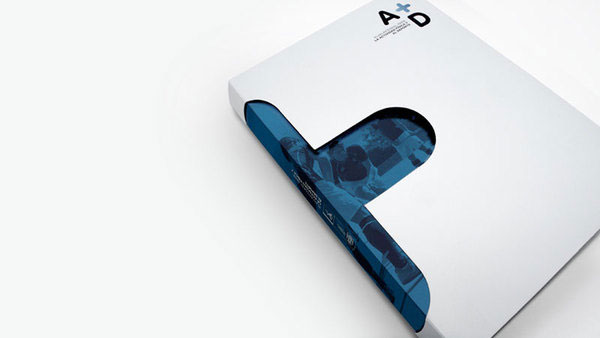
Plan A+D
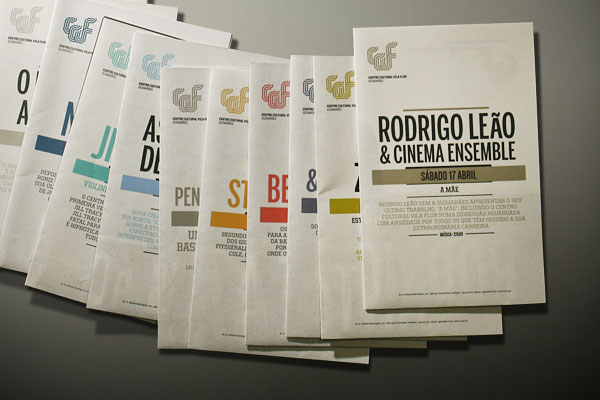
Matrix for Regular Events 2010/11
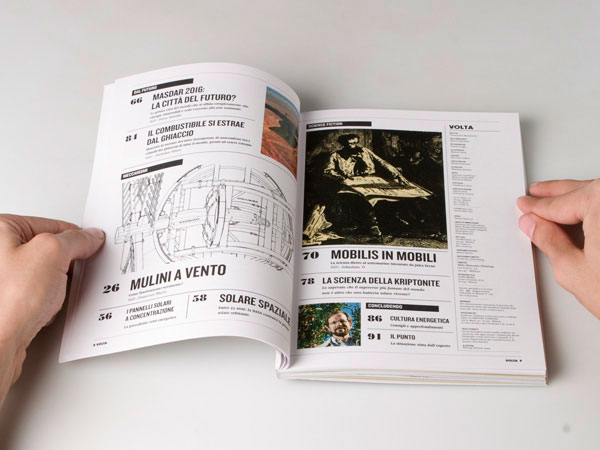
VOLTA
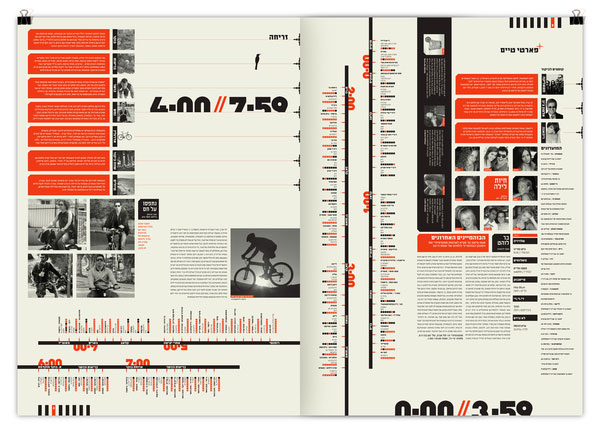
24//7 – Tel Aviv based Magazine
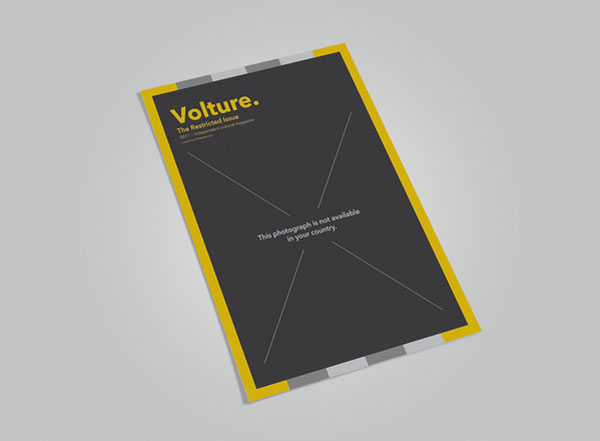
Volture Magazine
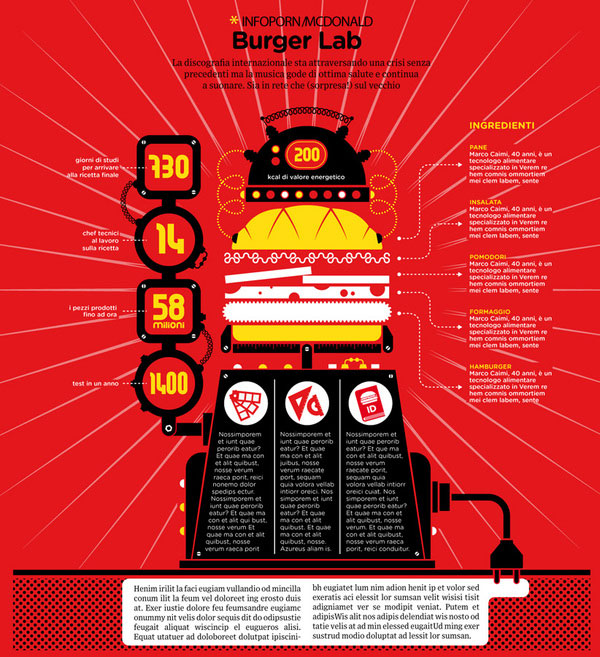
WIRED Magazine
World Gesture Guide

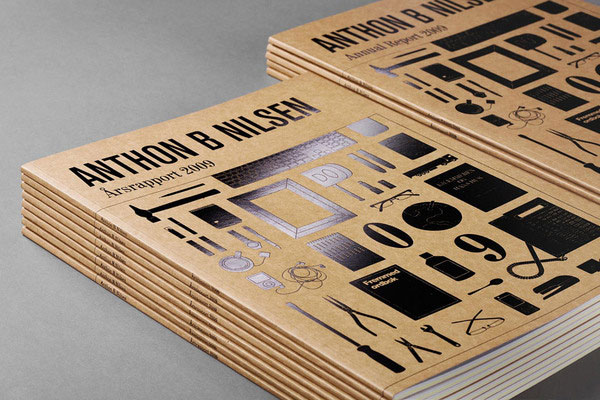
Anthon B Nilsen
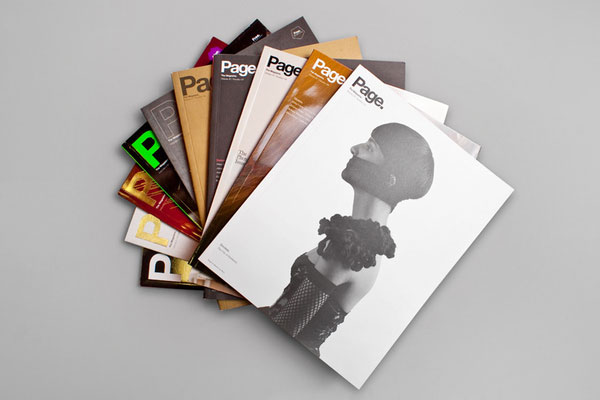
Page. 01 – 10
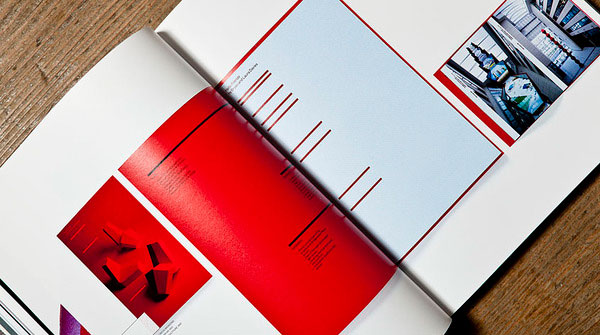
RGB – Reviewing Graphics in Britain
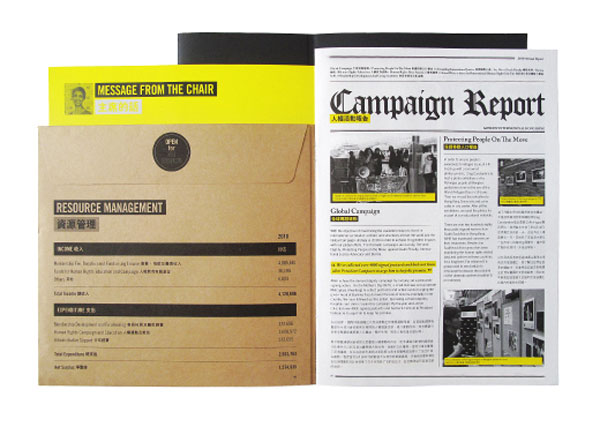
Amnesty International Hong Kong Annual Report
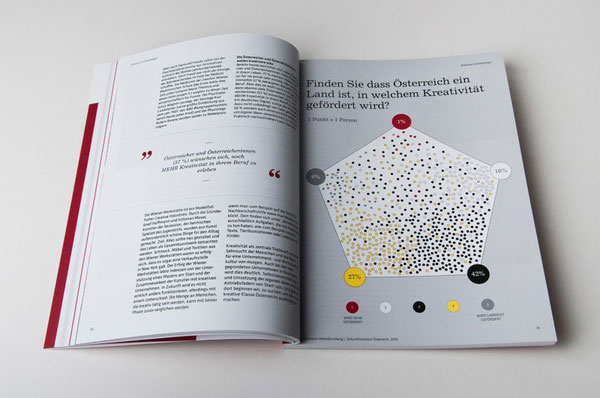
Österreich 2025
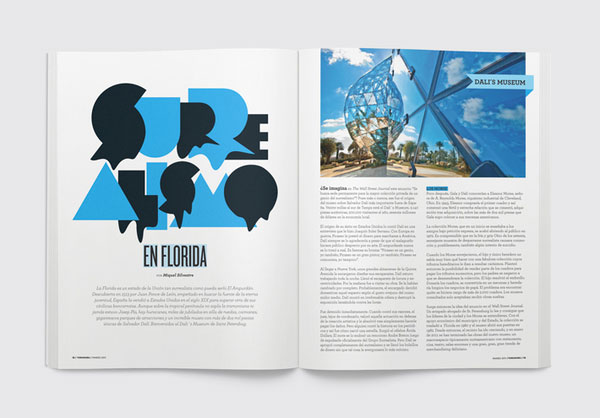
YOROKOBU Magazine
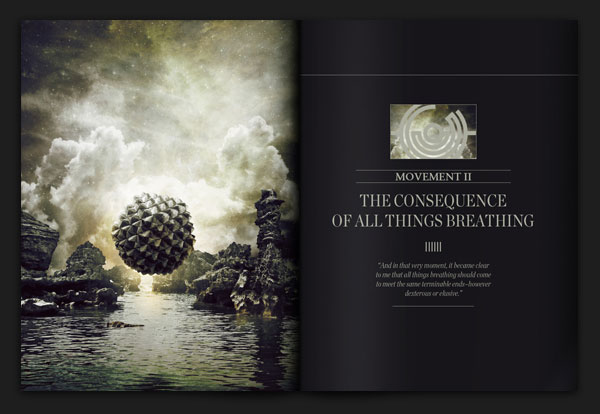
Do You Remember When This World Was Ours?
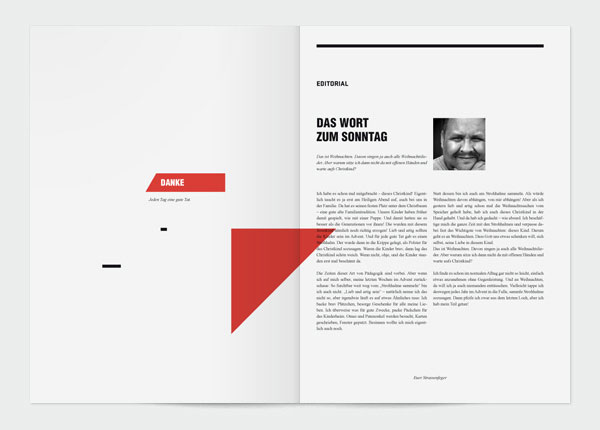
Visual identity concept / Strassenfeger
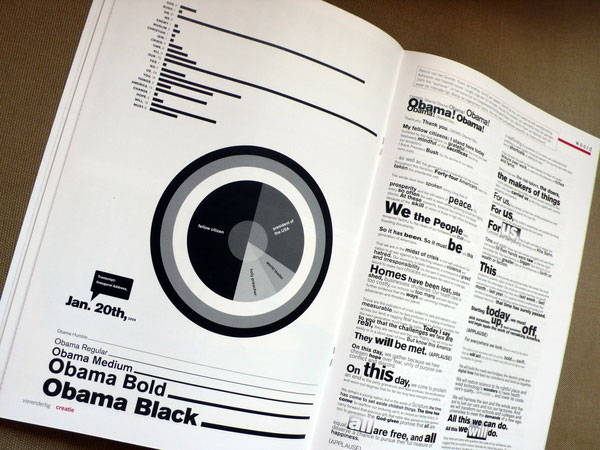
Obama’s speech: a typographic interpretation
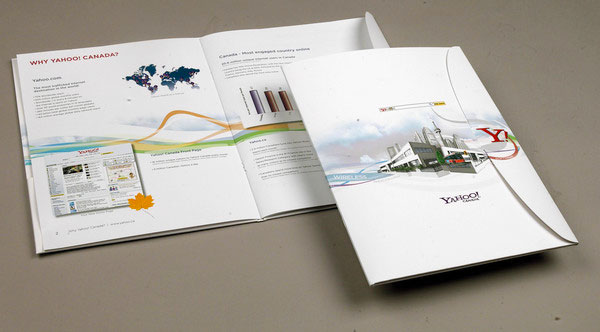
Yahoo Search Marketing Brochure
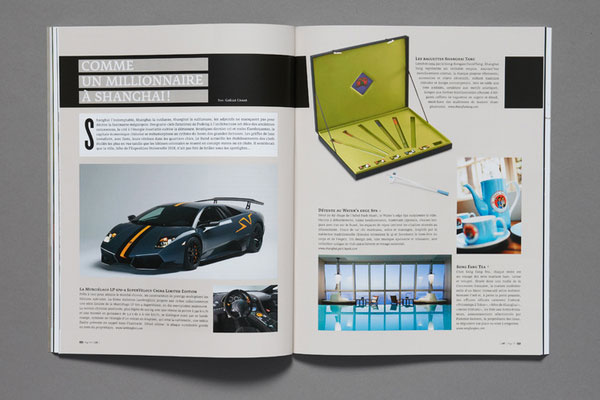
L.A magazine
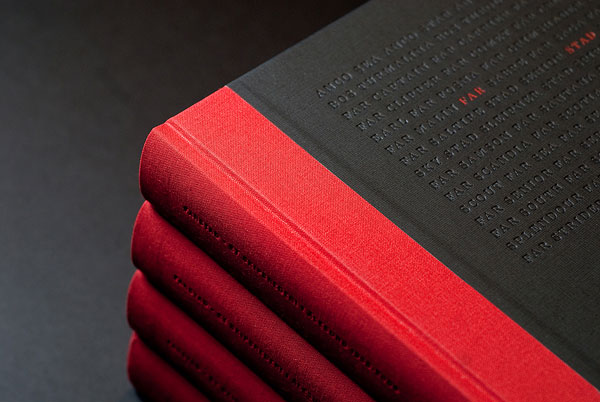
The years are sailing by
MAID IN CHINA – The story behind your stuff
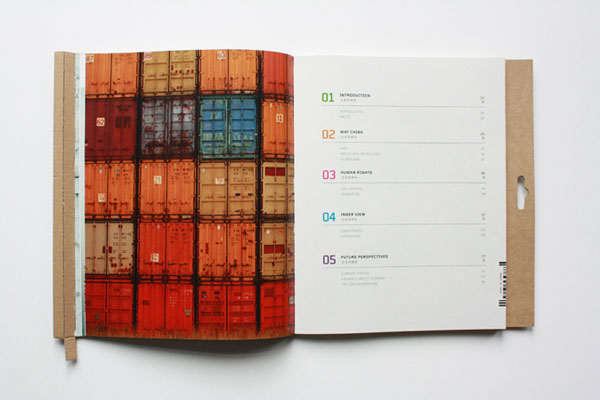
Bachelor Thesis
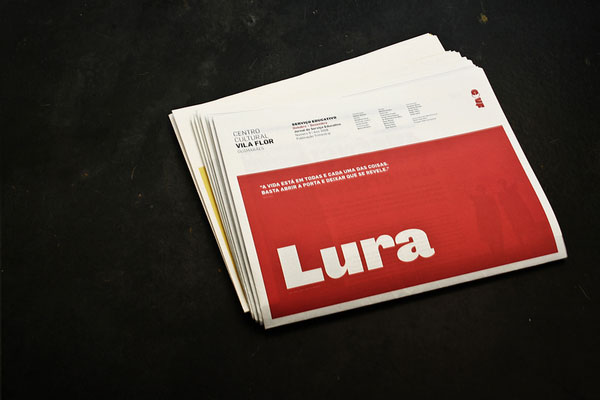
Lura
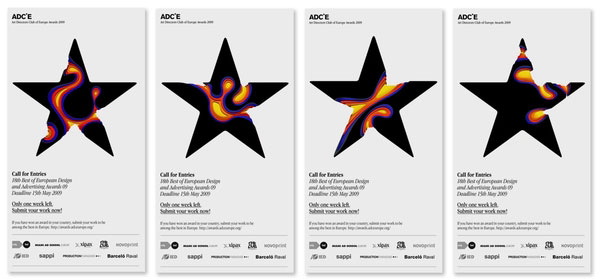
ADCE
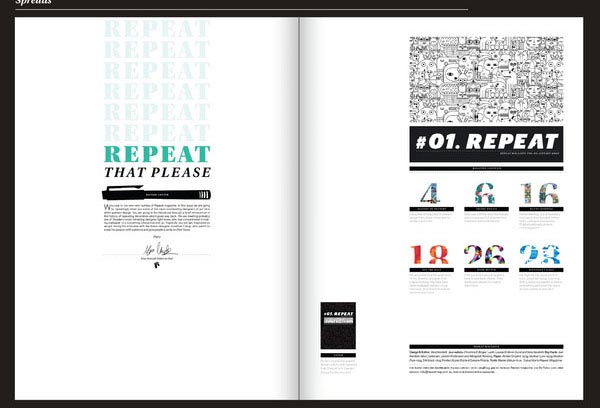
Repeat magazine
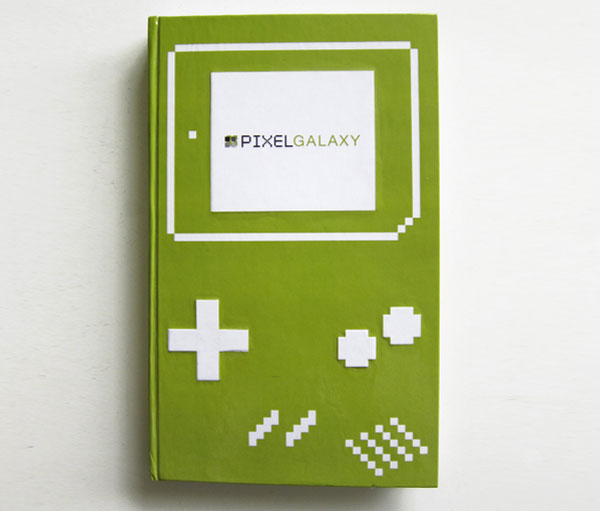
Pixel Galaxy
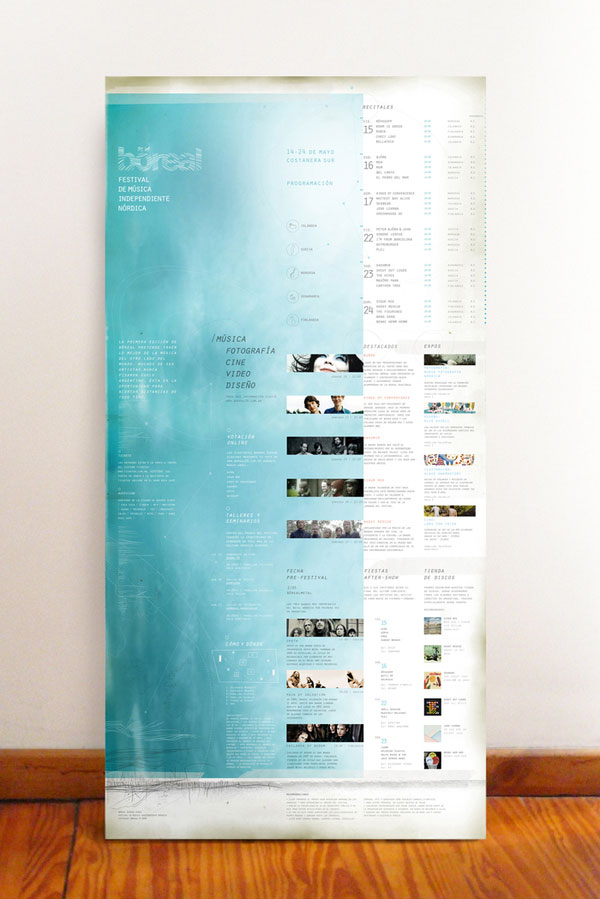
böreal festival posters
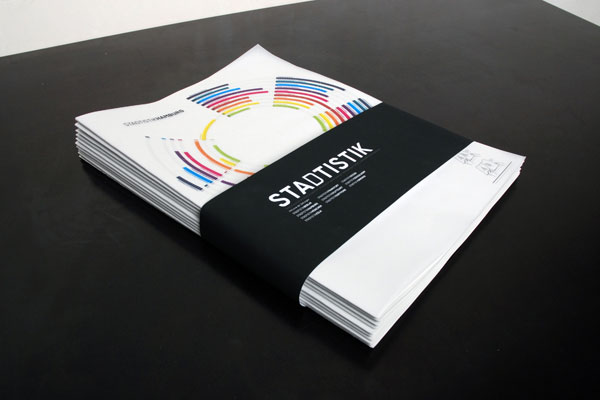
Stadtistik – City Statistics
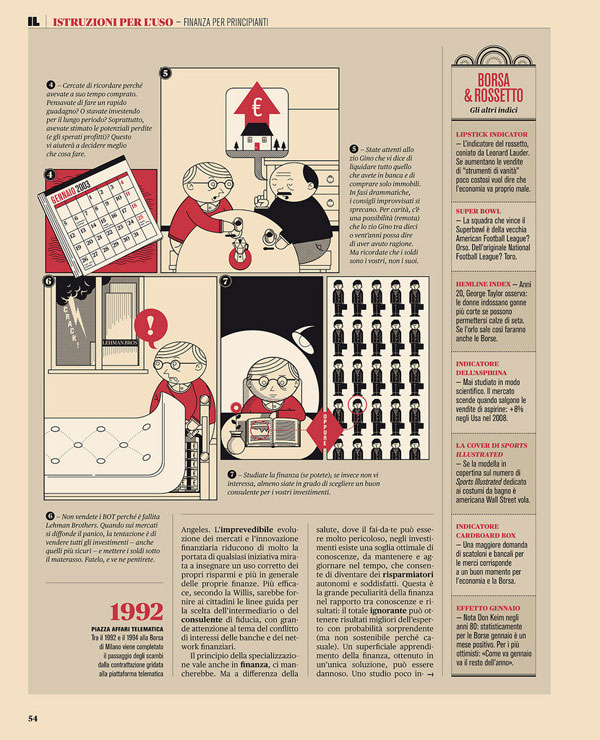
IL – Istruzioni per l’uso
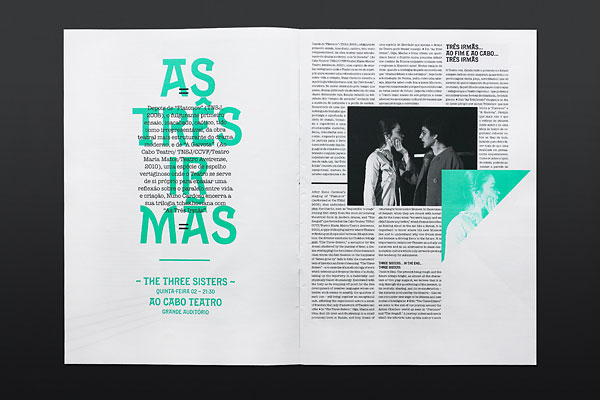
Festivais Gil Vicente 2011
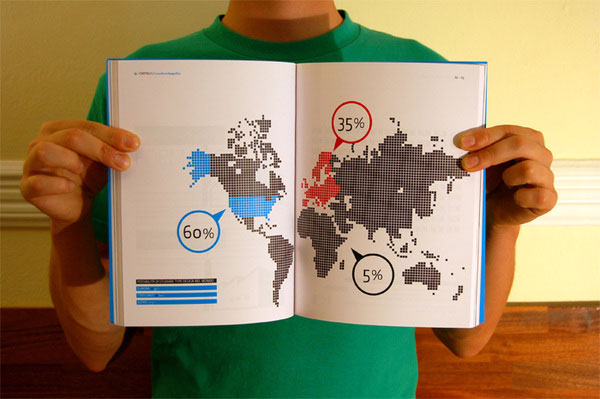
Lazydog
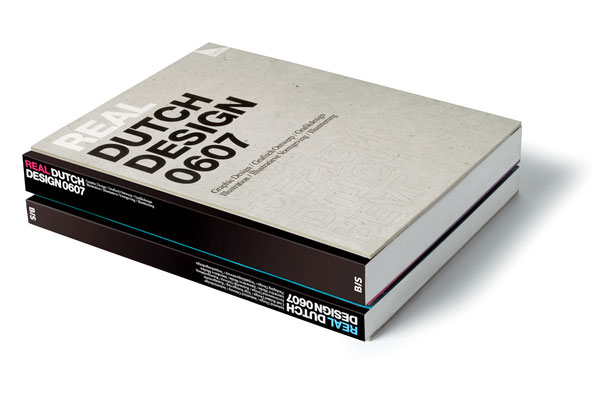
Real Dutch Design books
Oscar Wilde Retrospective
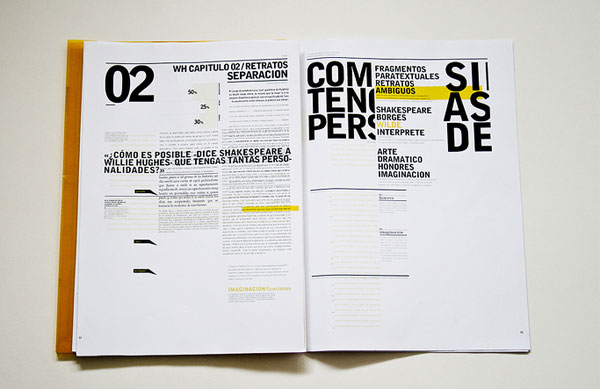
MOD – Editorial Design
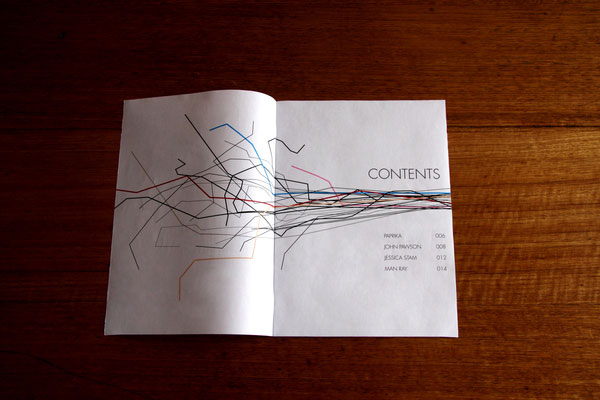
Modern Design Magazine 13
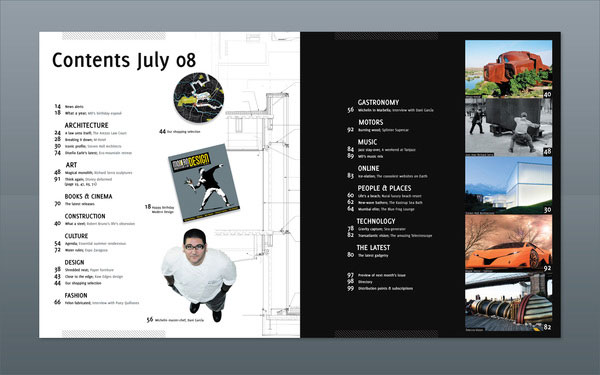
LADOS MAGAZINE

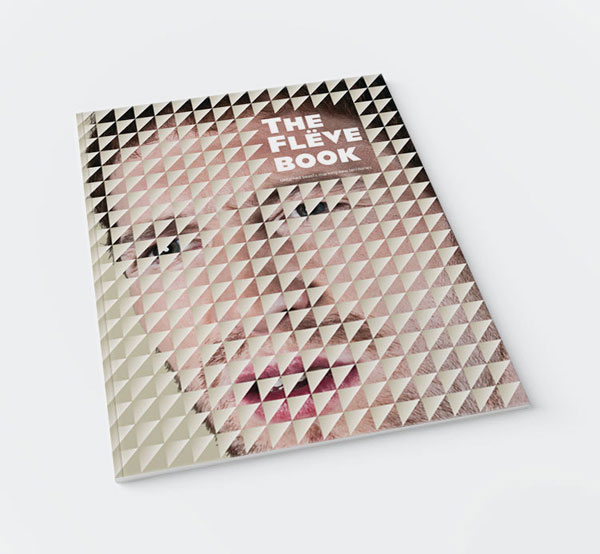
The Flëve book
FAQ about Editorial Design
How Does Editorial Design Differ from Graphic Design?
Graphic design is a broad field, right? But editorial design, that’s more specialized. It’s focused on publication content – arranging text, images, typography in a way that guides readers through a story. It’s not just about looking good; it’s about making content engaging and easy to digest.
What Skills are Essential for Editorial Design?
For starters, you need a good eye for layout and typography. Understanding how to balance visuals and text on a page is key. Then, there’s knowledge of software like Adobe InDesign. And don’t forget creativity! You need to bring fresh ideas to the table.
What’s the Role of Typography in Editorial Design?
Typography in editorial design is huge! It’s not just picking fonts. It’s about creating a visual hierarchy, guiding the reader’s eye. The right font can set the tone, evoke emotions. It’s a powerful tool in the designer’s kit.
How Has Technology Impacted Editorial Design?
Oh, technology has totally revolutionized editorial design. With digital publishing, designs can be more interactive, dynamic. Software like Adobe InDesign has made complex layouts easier to achieve. And let’s not forget the shift to digital platforms – it’s changed how we approach design.
What’s the Importance of Layout in Editorial Design?
Layout is the backbone of editorial design. It’s how you arrange elements on a page – text, images, graphics. A good layout ensures readability and keeps the reader engaged. It’s about creating a flow that makes content not just readable but enjoyable.
Can Editorial Design Influence Reader Engagement?
Absolutely! Great editorial design can make content more compelling. It’s like a visual journey that complements the text. If your design resonates with the audience, they’re more likely to stick around, read more, and engage with the content.
What are Common Challenges in Editorial Design?
Staying fresh and relevant is a big one. Trends change, and so do reader preferences. Balancing creativity with readability is another challenge – you want to be innovative but not at the cost of clarity. And of course, meeting tight deadlines in a fast-paced industry.
How Does Editorial Design Translate to Digital Platforms?
In the digital world, editorial design needs to be responsive and interactive. It’s not just about how it looks on paper but also on screens of various sizes. Digital platforms offer more possibilities – like animations and hyperlinks – but also require a different approach to layout and design.
What Future Trends are Emerging in Editorial Design?
We’re seeing more integration of interactive elements, like AR and VR, in digital publications. Personalization is another trend – designs that adapt to reader preferences. Sustainability in print design is also becoming important. It’s an exciting time with lots of innovation on the horizon.
Conclusion
Wrapping up our journey through the vibrant world of editorial design, it’s clear this field is more than just arranging texts and images on a page. It’s a dynamic blend of art and storytelling, where layout aesthetics, typography, and color theory play crucial roles. From the tactile feel of a magazine to the interactive experience of an eBook, editorial design shapes how we interact with content in our daily lives.
In this era of digital media, the boundaries of what editorial design is are constantly being pushed. Tools like Adobe InDesign have revolutionized the process, making it easier to bring creative visions to life. The transition from print to digital platforms has opened up new possibilities, from incorporating interactive elements to adapting designs for various screen sizes.
If you liked this article about editorial design, you should check out these as well:
- Nike Print Magazine Ads That Boosted The Brand’s Popularity
- How To Make A Comic Book: Design, Characters, And Cover

Renowned for his expertise in logo design and visual branding, Bogdan has developed a multitude of logos for various clients.
His skills extend to creating posters, vector illustrations, business cards, and brochures. Additionally, Bogdan's UI kits were featured on marketplaces like Visual Hierarchy and UI8.
He also wrote in the past years on sites like Design Your Way, WebDesignerDepot, WPDean, Designmodo, Speckyboy, Slider Revolution, and more.
- The Coda Logo History, Colors, Font, And Meaning - 20 October 2026
- How Can Designers Turn AI Image Prompts Into Polished Visuals? A Practical Workflow - 20 October 2026
- Top Military and Defense UI/UX Design Services Companies: A 2026 Buyer’s Guide - 19 October 2026

Bogdan Sandu is a seasoned designer who has been designing websites since 2008. Renowned for his expertise in logo design and visual branding, Bogdan has developed a multitude of logos for various clients. His skills extend to creating posters, vector illustrations, business cards, and brochures. Additionally, Bogdan's UI kits were featured on marketplaces like Visual Hierarchy and UI8. He also wrote in the past years on sites like Design Your Way, WebDesignerDepot, WPDean, Designmodo, Speckyboy, Slider Revolution, and more.
You Might Also Like