The Reebok Logo stands as one of the most recognized symbols in athletic footwear and apparel. What started as a small British running shoe company has grown into a global fitness brand, and its logo tells that story.
The current delta symbol replaced the classic vector mark in 2014, signaling a major shift toward fitness-focused branding. Reebok was founded in 1958 in Bolton, England, by Joe and Jeff Foster. The brand has gone through roughly five major logo changes since then.
Today, under Authentic Brands Group ownership (acquired from Adidas in 2021), the logo continues representing physical transformation and human potential.
What is the Reebok Logo?
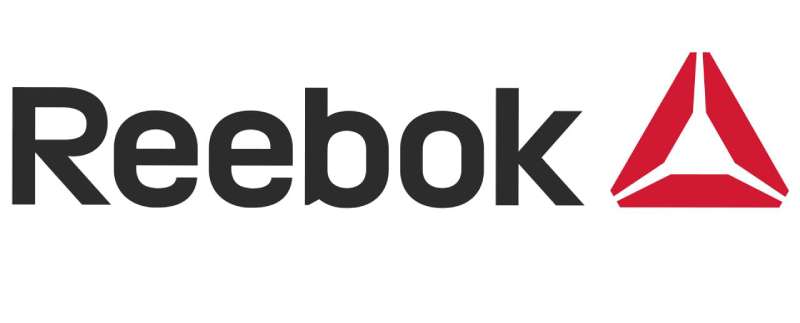
The Reebok Logo is a red delta triangle symbol representing physical, mental, and social transformation. Introduced in 2014 and designed in collaboration with CrossFit branding efforts, it replaced the classic vector mark. The three sides symbolize the changes people experience through fitness.
Design Specifications
- Design Type: Abstract symbol with wordmark (combination mark)
- Primary Elements: Delta triangle, custom sans-serif wordmark
- Official Introduction Date: February 2014
- Designer/Agency: Internal Reebok design team
- Trademark Status: Registered trademark globally
- Color Palette: Reebok Red (#E41E26), Black (#000000), White (#FFFFFF)
- Usage Context: Athletic footwear, CrossFit apparel, fitness equipment, digital marketing, retail spaces
How Has the Reebok Logo Evolved Over Time?
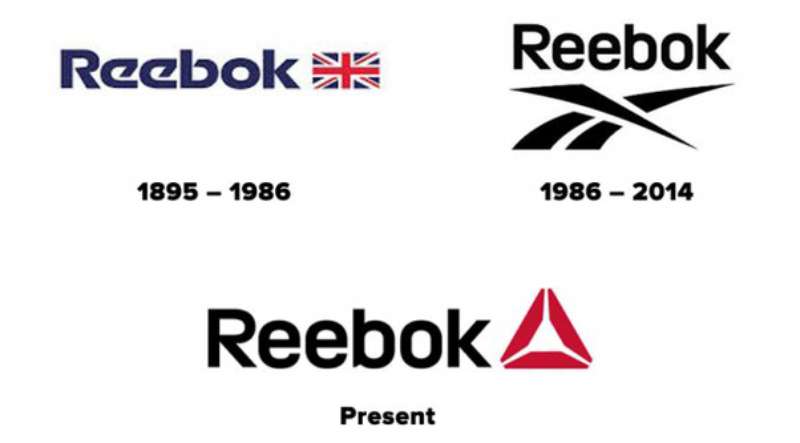
Reebok’s visual identity has shifted dramatically across six decades. The brand moved from text-based marks to abstract symbols, reflecting changes in both ownership and market positioning.
Each redesign corresponded with major business pivots. The most recent change came with the CrossFit partnership era.
Original Reebok Logo (1958-1977)
- Years Active: 1958-1977
- Design Description: Simple text-based wordmark reading “Reebok” in a clean, straightforward typeface. No symbol or icon accompanied the text.
- Color Scheme: Blue and white primarily
- Designer: Unknown (internal)
- Context: The Foster brothers renamed their grandfather’s company (J.W. Foster and Sons) to Reebok, inspired by the grey rhebok antelope. This logo represented their British running shoe heritage.
- Key Changes: First official Reebok branding after company rename
- Cultural Significance: Established the brand name recognition in UK athletics
Union Jack Era Logo (1977-1986)
- Years Active: 1977-1986
- Design Description: Wordmark with British flag element, emphasizing UK origins
- Color Scheme: Red, white, and blue
- Designer: Internal team
- Context: Paul Fireman acquired North American distribution rights in 1979. The British heritage became a selling point in American markets.
- Key Changes: Added national identity element
- Cultural Significance: Positioned Reebok as premium import brand during US expansion
Classic Vector Logo (1986-2014)
- Years Active: 1986-2014
- Design Description: The iconic side-striped vector mark. Two intersecting lines creating a distinctive angular shape, paired with bold wordmark.
- Color Scheme: Red and white primary, blue secondary
- Designer: Internal design team
- Context: Introduced during Reebok’s aerobics boom. The Freestyle sneaker and this logo became synonymous with 1980s fitness culture.
- Key Changes: First abstract symbol added to wordmark
- Cultural Significance: Defined an era. This version appeared on Allen Iverson’s Question Mid, Shaq’s sneakers, and countless NBA jerseys.
Delta Logo (2014-Present)
- Years Active: 2014-present
- Design Description: Bold triangular delta symbol with simplified wordmark. Clean geometric shape with sharp angles.
- Color Scheme: Reebok Red (#E41E26), black, white
- Designer: Reebok internal team
- Context: Launched alongside deepened CrossFit partnership. Represented Reebok’s pivot from lifestyle brand back to performance fitness.
- Key Changes: Complete departure from vector mark. Entirely new symbol and updated wordmark.
- Cultural Significance: Signals fitness transformation philosophy. Each side represents physical, mental, and social change.
What Do the Design Elements of the Reebok Logo Mean?
The delta triangle carries specific meaning beyond aesthetics. It represents three types of transformation that fitness brings to life.
Physical change. Mental change. Social change. These three concepts form the foundation of Reebok’s current brand philosophy.
Why Did Reebok Choose These Specific Colors?
Red dominates the Reebok palette for good reason. Understanding color psychology explains why athletic brands gravitate toward this shade.
Reebok Red (#E41E26) triggers energy and urgency. It connects to physical exertion and competitive drive.
Black provides grounding and sophistication. White offers contrast and clean readability across applications.
The combination places Reebok among other red logos in sports. It signals action without being aggressive.
What Typography Style Is Used in the Reebok Logo?
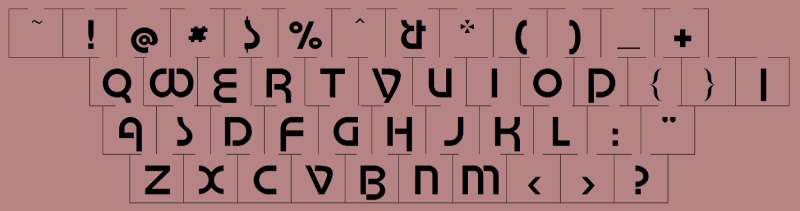
Reebok uses a custom sans-serif font for its wordmark. The letters are bold, geometric, and slightly condensed.
No serifs. No decorative elements. Just clean, readable typography that works at any size.
The letterforms have subtle rounded corners. This softens the industrial feel while maintaining strength.
What Are the Hidden Meanings in the Reebok Logo?
The delta shape has mathematical roots. In science and math, delta represents change. Reebok leaned into this directly.
Some see an upward arrow suggesting progress. Others notice the triangle’s stability as a geometric form.
The psychology of shapes tells us triangles convey direction and energy. Reebok’s designers clearly understood this.
How Does the Reebok Logo Compare to Competitor Logos?
Athletic footwear logos tend to follow patterns. Most use abstract motion symbols or bold wordmarks. Reebok sits somewhere in between.
Nike’s swoosh suggests speed. The Adidas logo (three stripes or trefoil) emphasizes heritage and sport categories.
Looking at various shoe brand logos reveals common threads. The Puma logo uses a leaping cat for obvious athletic associations.
The Under Armour logo combines letters into an abstract mark. New Balance’s logo keeps things simple with an “NB” monogram.
Reebok’s delta stands out for its conceptual weight. Few competitor symbols carry such explicit philosophical meaning.
What Are the Technical Specifications of the Reebok Logo?
Official Color Codes
Primary Color: Reebok Red
- Hex: #E41E26
- RGB: (228, 30, 38)
- CMYK: (0, 95, 85, 0)
- Pantone: 185 C
Secondary Color: Black
- Hex: #000000
- RGB: (0, 0, 0)
- CMYK: (0, 0, 0, 100)
Tertiary Color: White
- Hex: #FFFFFF
- RGB: (255, 255, 255)
- CMYK: (0, 0, 0, 0)
Dimensions and Proportions
- Aspect Ratio: The delta symbol maintains a roughly equilateral triangle proportion
- Minimum Size: 0.5 inches (12.7mm) for print applications
- Clear Space: Minimum clear space equals the height of the “R” in the wordmark on all sides
- File Formats: Available as vector graphics (AI, EPS, SVG) and raster formats (PNG, JPG)
What Cultural Impact Has the Reebok Logo Had?
The classic vector logo defined 1980s and 1990s athletic fashion. It appeared on the feet of NBA legends and aerobics instructors alike.
Reebok Classics (Freestyle, Club C, Classic Leather) still carry nostalgic weight. The old logo triggers memories for an entire generation.
The delta mark hasn’t achieved the same cultural penetration yet. But it’s building recognition through CrossFit communities and fitness enthusiasts worldwide.
How Does the Reebok Logo Fit Into the Overall Brand Identity?
Reebok positions itself as a fitness transformation brand. Not just shoes. Not just apparel. A lifestyle philosophy.
The delta logo anchors this identity. It appears across product lines, gym partnerships, athlete endorsements, and digital content.
Proper brand guidelines ensure the delta and wordmark maintain consistency. Every touchpoint reinforces the transformation message.
Under Authentic Brands Group, Reebok continues licensing its identity globally. The logo appears on everything from training shoes to gym equipment to lifestyle apparel.
How Should the Reebok Logo Be Used?
Official Usage Guidelines
- Do: Maintain minimum clear space around the logo
- Do: Use official color codes for accurate reproduction
- Do: Scale proportionally without distortion
- Don’t: Rotate or tilt the delta symbol
- Don’t: Add effects like shadows, gradients, or outlines
- Don’t: Change the relationship between delta and wordmark
Access and Licensing
Official logos are available through Reebok’s media portal for authorized partners. Licensing inquiries go through Authentic Brands Group, the current IP owner.
The Reebok name and delta symbol are registered trademarks. Unauthorized commercial use violates trademark protection and can result in legal action.
For personal projects, educational content, or editorial use, standard fair use guidelines typically apply. When in doubt, reach out to the brand directly.
FAQ on The Reebok Logo
What Does the Reebok Logo Mean?
The delta symbol represents three types of transformation: physical, mental, and social change.
Reebok chose this shape deliberately. In mathematics and science, delta means change.
The triangle points upward, suggesting progress and personal growth through fitness.
When Was the Reebok Delta Logo Introduced?
Reebok launched the delta logo in February 2014. It replaced the classic vector mark that had defined the brand since 1986.
The timing aligned with Reebok’s deeper partnership with CrossFit. The company wanted a fresh symbol for its fitness-first positioning.
Who Designed the Reebok Logo?
The internal Reebok design team created both major logo versions. No external agency handled the delta redesign.
The original vector logo from 1986 also came from in-house designers. Reebok has kept its brand identity work close.
What Are the Official Reebok Logo Colors?
Reebok Red (#E41E26) serves as the primary brand color. Black and white complete the official color palette.
The red carries high saturation for maximum visual impact. You’ll find Pantone 185 C specified in official guidelines.
Why Did Reebok Change Its Logo?
Market positioning drove the change. Reebok needed to separate from lifestyle sneaker brands and reclaim its fitness brand identity.
The Adidas acquisition in 2006 pushed Reebok toward performance categories. The delta symbol communicated this pivot clearly to consumers.
What Is the Difference Between the Old and New Reebok Logo?
The classic vector featured two intersecting angular lines. It looked like motion streaks on a shoe side panel.
The delta is a solid geometric triangle. Completely different visual language.
One suggested speed. The other suggests transformation.
Is the Reebok Logo Trademarked?
Yes. Both the delta symbol and Reebok wordmark hold registered trademark status globally.
Authentic Brands Group owns the intellectual property after acquiring Reebok from Adidas in 2021. They enforce trademark protection actively.
What Font Does Reebok Use in Its Logo?
Reebok uses a custom typeface designed specifically for the brand. It’s a bold, geometric sans-serif with slightly rounded corners.
Understanding font psychology explains the choice. Bold letterforms project strength and athletic confidence.
Where Does the Name Reebok Come From?
Joe and Jeff Foster named the company after the grey rhebok, a South African antelope. They found the word in a dictionary won as a running prize.
The Fosters founded Reebok in Bolton, England in 1958. Their grandfather started J.W. Foster and Sons decades earlier.
Can I Use the Reebok Logo for Personal Projects?
Fair use typically covers editorial and educational purposes. Commercial use requires licensing through Authentic Brands Group.
Check official brand style guide documentation for specific rules. When uncertain, contact the company directly before proceeding.
Conclusion
The Reebok Logo tells a story of reinvention. From Bolton running shoes to global fitness icon, the brand visual identity has shifted with the times.
The delta symbol carries weight. It connects athletic heritage with modern fitness lifestyle philosophy.
Whether you prefer the classic vector or the current triangle, both marks represent decades of sportswear branding history. Reebok Classic sneakers like the Club C and Freestyle still carry that nostalgic logo recognition.
For designers studying logo design principles, Reebok offers a masterclass in brand evolution done right.

Renowned for his expertise in logo design and visual branding, Bogdan has developed a multitude of logos for various clients.
His skills extend to creating posters, vector illustrations, business cards, and brochures. Additionally, Bogdan's UI kits were featured on marketplaces like Visual Hierarchy and UI8.
He also wrote in the past years on sites like Design Your Way, WebDesignerDepot, WPDean, Designmodo, Speckyboy, Slider Revolution, and more.
- The Windsurf Logo History, Colors, Font, And Meaning - 10 October 2026
- How Designers can Build a Stronger Online Creative Identity - 9 October 2026
- Minecraft Font Generator - 8 October 2026

Bogdan Sandu is a seasoned designer who has been designing websites since 2008. Renowned for his expertise in logo design and visual branding, Bogdan has developed a multitude of logos for various clients. His skills extend to creating posters, vector illustrations, business cards, and brochures. Additionally, Bogdan's UI kits were featured on marketplaces like Visual Hierarchy and UI8. He also wrote in the past years on sites like Design Your Way, WebDesignerDepot, WPDean, Designmodo, Speckyboy, Slider Revolution, and more.
You Might Also Like