The New Balance Logo stands as one of the most recognizable marks in athletic footwear. It’s a logo that doesn’t scream for attention, and maybe that’s exactly why it works.
Within the broader context of shoe brand logos, New Balance has carved out a distinct position. The company was founded in 1906 in Boston, Massachusetts. Since then, the logo has gone through several iterations, though fewer than you might expect for a brand over a century old.
The current version features the iconic “NB” stacked monogram alongside the full wordmark. It was refined in recent decades to reflect a cleaner, more modern aesthetic while keeping the heritage intact.
What is the New Balance Logo?
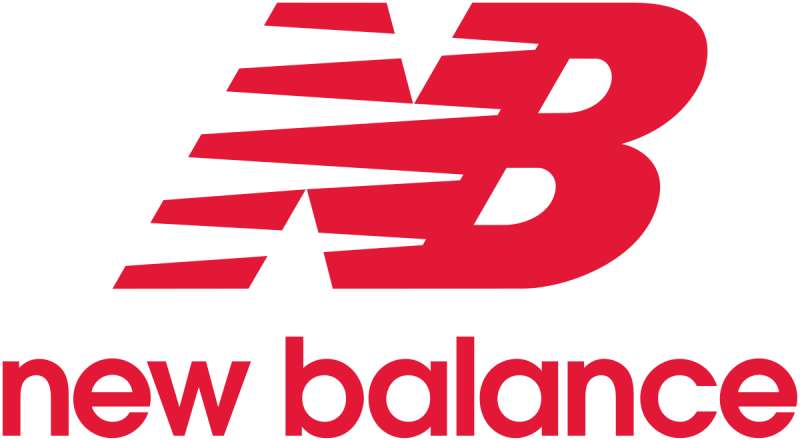
The New Balance Logo is a combination mark featuring a stacked “NB” monogram and the full “New Balance” wordmark. Introduced in its current refined form during the 2000s, the design represents athletic performance, quality craftsmanship, and American manufacturing heritage.
Design Type: Combination mark (monogram plus wordmark)
Primary Elements:
- Stacked “NB” monogram with the N placed above the B
- Full “New Balance” wordmark in custom typography
- Bold, italicized letterforms suggesting forward motion
Official Introduction Date: The stacked NB monogram emerged in the 1970s. Refinements continued through the 2000s and 2008.
Designer/Agency: In-house design team. The 2008 refresh involved external consultants, though New Balance handled most brand evolution internally.
Trademark Status: Registered trademark in the United States and internationally. The “N” mark on shoes is separately trademarked.
Color Palette:
- Primary Red: #CF0A2C
- White: #FFFFFF
- Black: #000000 (secondary applications)
Usage Context: Athletic footwear, apparel, retail signage, digital platforms, sponsorship materials, and product packaging.
How Has the New Balance Logo Evolved Over Time?
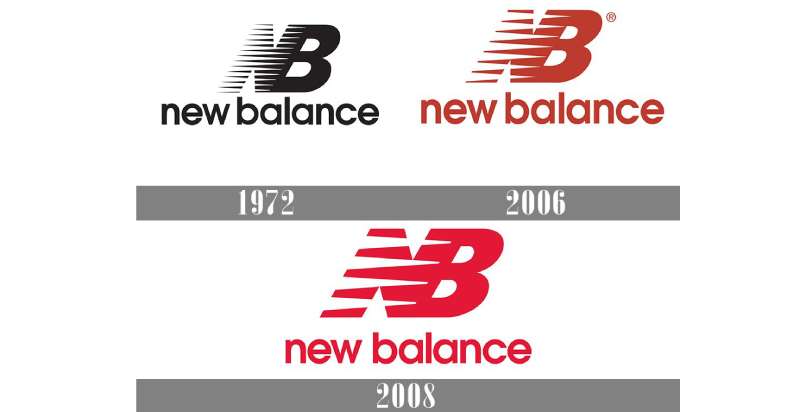
New Balance has refined its logo gradually rather than making dramatic overhauls. The brand maintained visual consistency while adapting to modern design standards.
Early versions were simpler. The stacked monogram emerged in the 1970s and became the anchor of the brand’s visual identity.
Original New Balance Logo (1906-1960s)
Years Active: 1906 to approximately 1960
Design Description: Text-based marks without a distinctive symbol. The company operated primarily as “New Balance Arch Support Company” with straightforward logotypes.
Color Scheme: Black and white, typical of early 20th century branding.
Designer: Unknown. Likely created by founders or local print shops.
Context: New Balance started as an arch support company. The branding reflected its medical and orthopedic origins rather than athletic positioning.
Cultural Significance: Represented the company’s commitment to foot health and proper fit, which remains central to the brand today.
Transitional New Balance Logo (1960s-1972)
Years Active: 1960s to 1972
Design Description: Updated wordmarks as the company shifted toward athletic footwear. Still primarily text-based.
Color Scheme: Black text on white backgrounds. Red began appearing in product applications.
Context: Jim Davis purchased New Balance in 1972. The brand needed stronger visual identity to compete in the growing running shoe market.
Key Changes from Previous: More athletic styling. Less medical, more sport-focused.
Stacked NB Monogram Era (1972-2008)
Years Active: 1972 to 2008
Design Description: Introduction of the stacked “NB” monogram with italicized letters. The N sits above the B, both leaning forward.
Color Scheme: Red and white became the primary combination. The red conveyed energy and passion.
Designer: Developed internally as New Balance expanded its athletic footwear line.
Context: Running boom of the 1970s. New Balance needed instant recognition on shoe tongues and heels.
Cultural Significance: Established New Balance as a serious athletic brand. The forward lean suggested motion and performance.
Modern New Balance Logo (2008-Present)
Years Active: 2008 to present
Design Description: Refined version of the stacked monogram with cleaner lines. Updated wordmark with improved kerning and letter spacing.
Color Scheme: Maintained red (#CF0A2C) and white. Black versions for certain applications.
Key Changes from Previous: Sharper edges on the NB monogram. More consistent stroke weights. Better digital optimization.
Cultural Significance: Positioned New Balance for the lifestyle market while maintaining athletic credibility. The clean design works across streetwear and performance contexts.
What Do the Design Elements of the New Balance Logo Mean?
The stacked NB monogram communicates forward momentum through its italic lean. This simple choice transforms static letters into a dynamic mark that suggests speed and athletic performance.
The vertical stacking creates visual balance between the two letterforms.
Why Did New Balance Choose These Specific Colors?
Primary Red (#CF0A2C)
New Balance red sits in the warm spectrum. It’s energetic without being aggressive.
The psychology behind colors tells us red conveys passion, energy, and determination. For an athletic brand, these associations make sense.
This particular shade has enough warmth to feel approachable. It doesn’t lean toward the cooler, more corporate reds.
White (#FFFFFF)
White provides contrast and creates breathing room around the red elements.
It also suggests cleanliness and precision, values that align with New Balance’s manufacturing reputation.
Black (#000000)
Used in secondary applications. Black versions appear in contexts where red would clash or where a more subdued presence is needed.
What Typography Style Is Used in the New Balance Logo?
The New Balance wordmark uses a custom sans-serif font. It’s bold and slightly condensed.
The letters have a subtle forward lean. This matches the italic angle of the NB monogram, creating consistency across the brand identity.
Readability was clearly a priority. The x-height is generous, making the wordmark legible even at smaller sizes on shoe tags and labels.
Over time, the typography has been refined for digital use. Current versions render crisply on screens.
What Are the Hidden Meanings in the New Balance Logo?
The forward lean isn’t accidental. It suggests movement and progress, which matters for a running shoe company.
The stacking of N over B creates a compact mark. Some see it as letters supporting each other, which could reflect the brand’s emphasis on support and stability in footwear.
There’s no hidden arrow or clever negative space trick here. New Balance kept things straightforward.
The simplicity itself communicates something. It says the brand doesn’t need gimmicks.
How Does the New Balance Logo Compare to Competitor Logos?
Athletic footwear logos tend toward abstraction or iconic symbols. New Balance went a different direction with its lettermark approach.
The Adidas logo uses its famous three stripes. Instantly recognizable, highly abstract.
The Puma logo features its leaping cat. Animal mascots create immediate visual interest and emotional connection.
Nike’s swoosh is perhaps the most minimal of all. Just a single curved shape that’s become synonymous with athletic performance.
The Reebok logo has changed frequently, most recently moving to a delta symbol.
New Balance’s approach feels more traditional. The lettermark grounds the brand in its actual name rather than an abstract symbol.
This works for their audience. New Balance customers often value substance over flash. The straightforward logo reflects that mindset.
What Are the Technical Specifications of the New Balance Logo?
Official Color Codes:
Primary Red
White
- Hex: #FFFFFF
- RGB: (255, 255, 255)
- CMYK: (0, 0, 0, 0)
Black
- Hex: #000000
- RGB: (0, 0, 0)
- CMYK: (0, 0, 0, 100)
Dimensions and Proportions:
- The NB monogram maintains a roughly square aspect ratio
- Clear space around the logo should equal the height of the “N” in the monogram
- Minimum size for print: 0.5 inches wide
- Minimum size for digital: 40 pixels wide
The logo is distributed as vector graphics for scalability across applications.
What Cultural Impact Has the New Balance Logo Had?
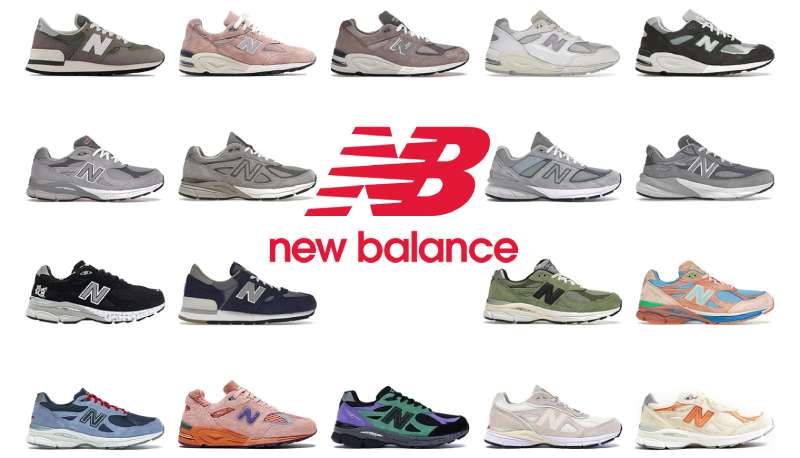
New Balance became a streetwear staple in the 2010s. The logo appeared on feet in fashion contexts far removed from running tracks.
In certain communities, particularly among “dad shoe” enthusiasts and sneaker collectors, the NB mark carries genuine credibility.
The brand’s commitment to American manufacturing gave the logo additional meaning. When you see it, there’s an association with domestic production that competitors can’t claim.
Athletes from various sports have worn the logo. From baseball players to professional runners, the mark spans disciplines.
How Does the New Balance Logo Fit Into the Overall Brand Identity?
The logo anchors a broader visual system. It works alongside consistent color usage, photography styles, and messaging.
New Balance’s brand guidelines specify how the logo interacts with other elements. The red-and-white scheme extends to packaging, retail environments, and advertising.
White space plays a significant role in their visual identity. Marketing materials tend toward clean layouts that let products speak for themselves.
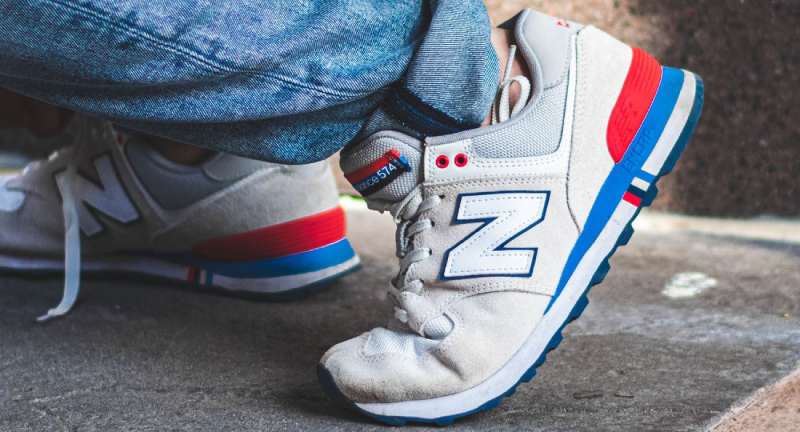
The “N” that appears on the side of New Balance shoes functions as a secondary mark. It’s not technically the logo but has become equally recognizable.
How Should the New Balance Logo Be Used?
Official Usage Guidelines:
Do:
- Maintain clear space around the logo
- Use approved color combinations (red on white, white on red, black on white)
- Scale proportionally without distortion
- Use official logo files from New Balance media resources
Don’t:
- Alter the logo’s colors outside approved palettes
- Rotate or skew the logo
- Add effects like drop shadows or gradients
- Place the logo on busy backgrounds that reduce legibility
- Recreate the logo using substitute fonts
Accessing Official Logos:
Licensed partners and media outlets can request official logo files through New Balance’s corporate communications team. Press kits are available for approved editorial use.
Trademark Protection:
The New Balance name, NB monogram, and the “N” shoe mark are all registered trademarks. Unauthorized commercial use will result in legal action. The company actively protects its intellectual property, particularly against counterfeit products.
For personal or editorial use, standard fair use guidelines apply. When in doubt, contact New Balance directly.
FAQ on The New Balance Logo
What Does the New Balance Logo Look Like?
The New Balance logo features a stacked NB monogram with the letters leaning forward in italic style.
The N sits directly above the B. Both letters share the same bold weight and angle.
A full wordmark reading “New Balance” often accompanies the monogram. The combination mark works across athletic footwear, apparel, and marketing materials.
What Does NB Stand for in the Logo?
NB simply stands for New Balance. Nothing cryptic here.
The company started as the New Balance Arch Support Company in 1906. The abbreviated monogram emerged decades later when the brand shifted toward running shoes.
It’s a straightforward approach to brand identity that prioritizes recognition over hidden meanings.
When Was the New Balance Logo Created?
The stacked NB monogram first appeared in the 1970s after Jim Davis purchased the company in 1972.
Earlier versions used simple text-based marks. The running boom created demand for a more distinctive athletic brand symbol.
Refinements continued through 2008 when the current version was finalized.
Who Designed the New Balance Logo?
New Balance developed most logo iterations through their in-house design team.
Unlike competitors who hired famous graphic designers, New Balance kept brand evolution internal. The 2008 refresh involved outside consultants, but core design decisions stayed in Boston.
What Colors Are in the New Balance Logo?
The primary color palette consists of red and white.
New Balance red (#CF0A2C) carries energy and athletic intensity. White provides clean contrast.
Black versions exist for specific applications. The brand occasionally uses monochrome colors in lifestyle product lines and collaborations.
Why Does New Balance Put an N on Their Shoes?
The N mark on shoe sides serves as a secondary brand identifier. It’s separate from the official logo but equally recognizable.
Practical reasons drove this choice. The full logo wouldn’t fit cleanly on shoe panels.
The single letter creates instant brand recognition from a distance, which matters in retail environments and on running tracks.
Has the New Balance Logo Changed Over the Years?
Yes, though changes have been gradual rather than dramatic.
The brand has gone through several logo iterations since 1906. Early marks were purely typographic. The iconic NB stack arrived in the 1970s.
Recent updates focused on digital optimization and cleaner line weights following modern logo design principles.
What Font Does New Balance Use?
New Balance uses a custom typeface for its wordmark. You won’t find it in standard font libraries.
The letterforms are bold, slightly condensed, and carry a forward lean. This italic angle mirrors the NB monogram.
Good tracking keeps the text readable at small sizes.
Is the New Balance Logo Trademarked?
Absolutely. The NB monogram, wordmark, and shoe N are all registered trademarks.
New Balance actively defends its intellectual property. Counterfeit products remain a constant battle.
The company has filed numerous lawsuits protecting its brand mark, particularly in international markets where knockoffs proliferate.
What Does the New Balance Logo Symbolize?
The forward-leaning letters suggest movement and athletic progress.
Beyond that, the logo represents quality manufacturing and fit-focused footwear. New Balance built its reputation on width sizing and American-made products.
The straightforward design reflects brand values. No gimmicks. Just performance.
Conclusion
The New Balance Logo proves that athletic brand identity doesn’t require complexity. A stacked monogram, consistent colors, and clear visual hierarchy have served the company for decades.
What makes it work? Restraint.
While competitors chase trends, New Balance sticks to core graphic design principles. The forward-leaning letters communicate motion. The red and white palette stays memorable.
For a brand built on quality footwear and American manufacturing, this straightforward visual identity fits perfectly. No hidden tricks. Just solid design elements executed well.
Sometimes simple wins.

Renowned for his expertise in logo design and visual branding, Bogdan has developed a multitude of logos for various clients.
His skills extend to creating posters, vector illustrations, business cards, and brochures. Additionally, Bogdan's UI kits were featured on marketplaces like Visual Hierarchy and UI8.
He also wrote in the past years on sites like Design Your Way, WebDesignerDepot, WPDean, Designmodo, Speckyboy, Slider Revolution, and more.
- Versatile Work Sans Font Pairing for Every Project - 16 September 2026
- How to Set Up a Digital Menu Board: Hardware to Layout - 15 September 2026
- The Arc Browser Logo History, Colors, Font, And Meaning - 14 September 2026

Bogdan Sandu is a seasoned designer who has been designing websites since 2008. Renowned for his expertise in logo design and visual branding, Bogdan has developed a multitude of logos for various clients. His skills extend to creating posters, vector illustrations, business cards, and brochures. Additionally, Bogdan's UI kits were featured on marketplaces like Visual Hierarchy and UI8. He also wrote in the past years on sites like Design Your Way, WebDesignerDepot, WPDean, Designmodo, Speckyboy, Slider Revolution, and more.
You Might Also Like