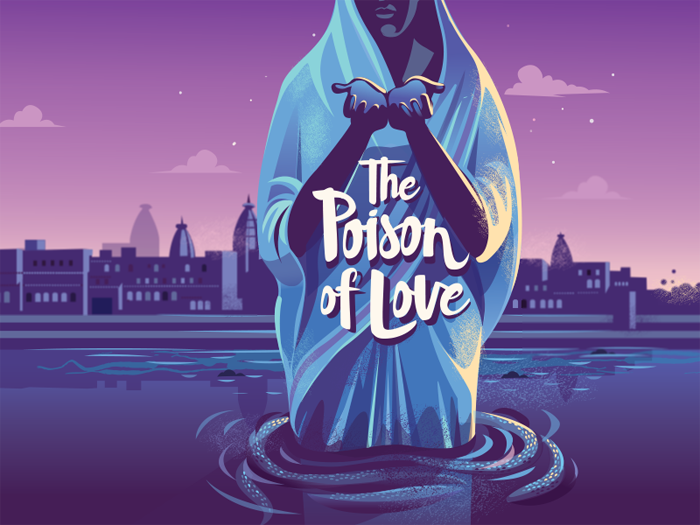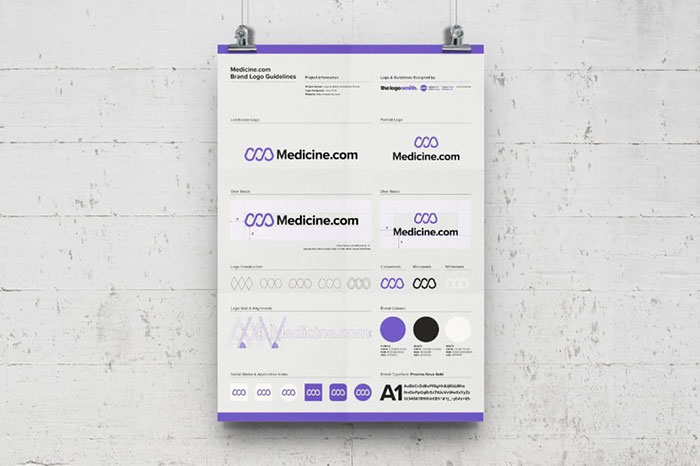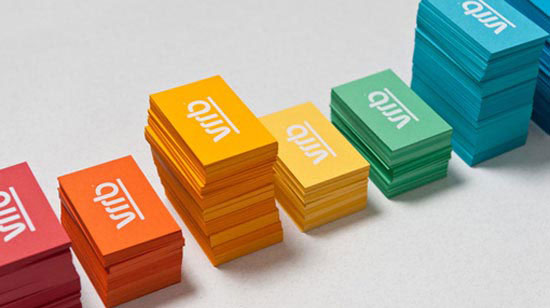
Business cards can contribute significantly to an efficient marketing plan.
Designing a business card is not difficult and it doesn’t cost too much, which makes it one of the most powerful tools of marketing strategists.
Remember – you cannot place all important information about your company on that card. What you need is an excellent design that will create a memorable, professional impression of your work. However, you can add QR Codes on business cards and link them to a page or pdf that conveys more information about you and your business.
Impression – that’s the right word! For many customers, a business card will be the first and most important impression of your activity. Running a well-organized business with poorly designed business cards is like wearing an elegant suit with a poor briefcase.
How to design a business card – make it cool!
Design your business card in a way that will respond to the futuristic requirements of the market.
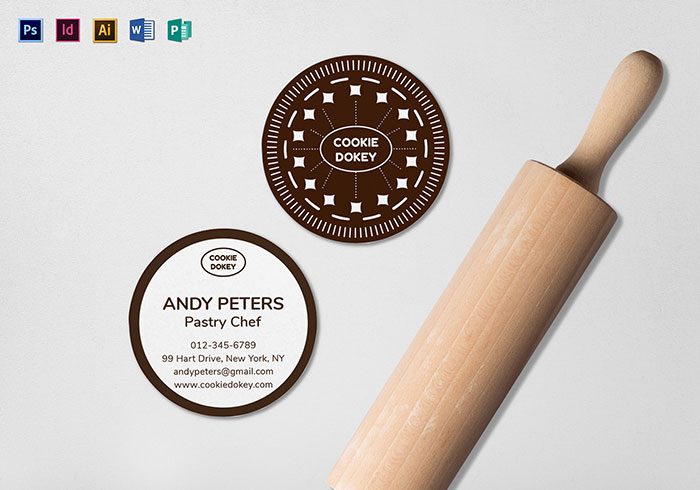
As we all know, graphic design is developing with a rocket speed, and the updated business card design is the lucrative proof of it.
The best way to decide how to design a business card is to follow the example of big corporations, which employ a professional approach and use cards as opportunities to draw attention to their products/services.
Why should you create your own business cards?
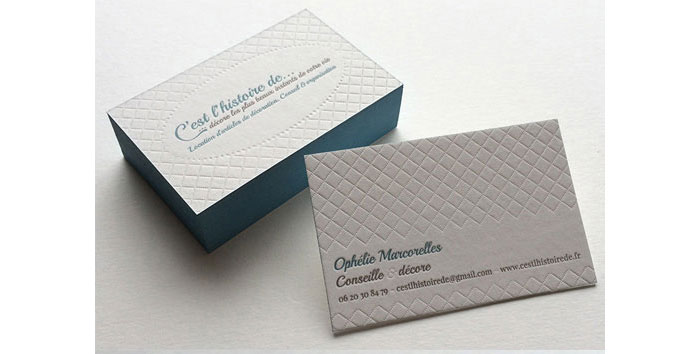
We must admit though, that business card usage had a major drawback in recent years-people decide more and more to use technology and to store contacts in their phones, instead of collecting cards.
Let me give you two reasons to design your business card:
- Business cards reflect your identity. If properly designed, they will certainly draw attention and they will make people remember who you are and which your business branch is.
- Business cards are time savers. As much as a person may like to use his new smart phone, he will not always be able to spend time inserting all of your data in it. Handing a business card will save time (both for you and your potential customer) and it would mean you gave them a carbon-copy of all the information you want them to know.
Make it stylish!
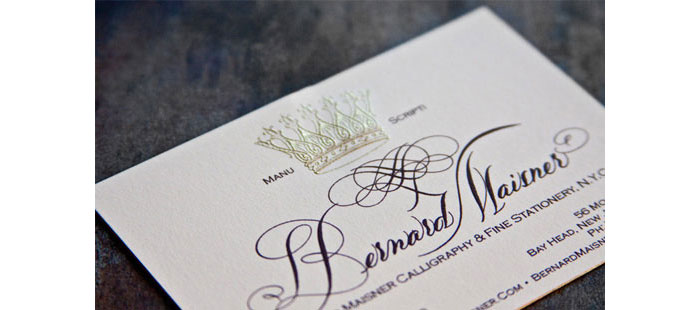
We could all agree that most business cards are not interesting. Perhaps, it is not their purpose to be so.
However, outstanding industries handle this problem quite well, as they employ excellent designers to make their brand stand out.
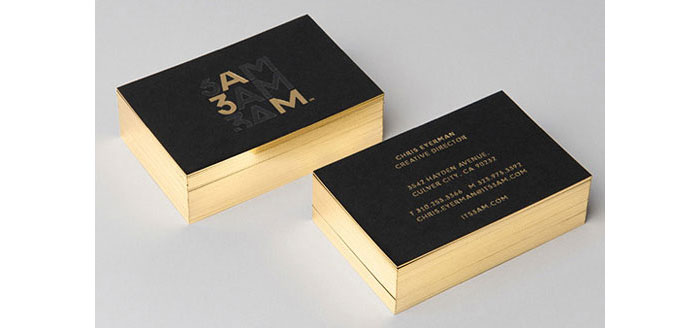
Image source: Hype Type Studio & Mash Creative
We are not discussing shiny, overdone and unrealistic cards, but rather something that looks sophisticated and can brag with excellent functionality.
The main point is to balance looks and performance in order to create the best business card designs.
A sneak-peak into basics
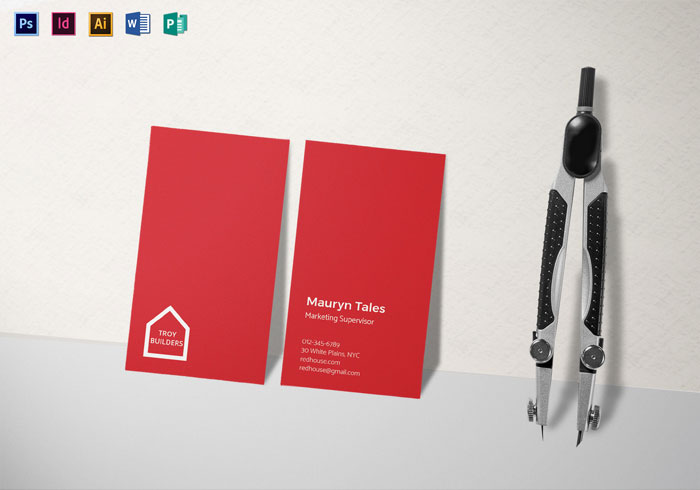
Basic business cards usually contain a plain white/beige background and bold black text.
As simple as it sounds, this approach guarantees utility.
It is a great idea for those responding to basic market needs, whose customers could hardly be impressed by fancy looks and excessive information.
Go basic if you think that your customers want nothing, but the essential information.
Imagery cards
Sometimes, putting your photo on a business card (or even a caricature, when your business allows it) can be helpful for people to remember you and to recognize your work.
Applying images of photos and services can be even better, as it helps people associate your company with a particular sector and to understand your work even without further explaining.
Black and white cards could also use bold color splashes, so that people would understand you’re there to make a difference.
Non standard cards
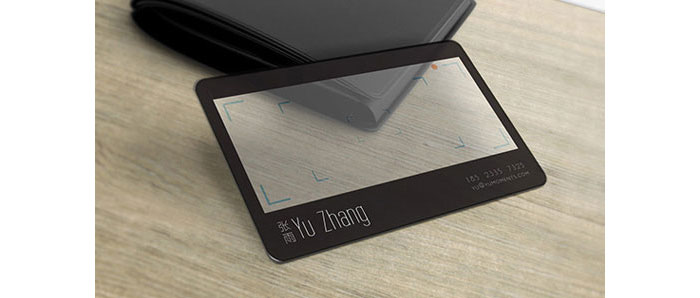
Image source: Georgi Grancharov
This is a wide-choice area that provides a lot of space to employ creativity.
You want to be unique?
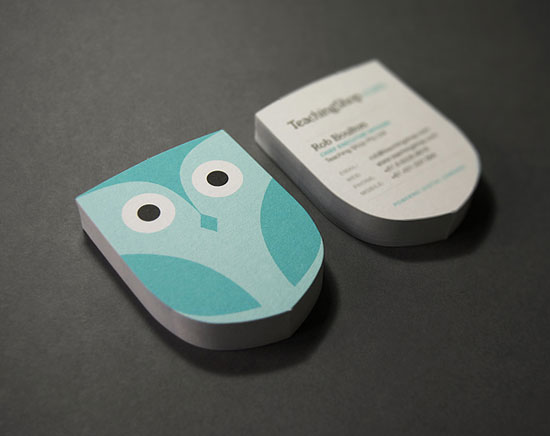
Pay attention to how the card feels, rather than how it looks. Use non standard materials (wood, cotton) or design some interesting shapes (rounded edges, folds, etc).
However, have in mind these cards can be really costly, compared to the normal ones.
Multifunctional cards
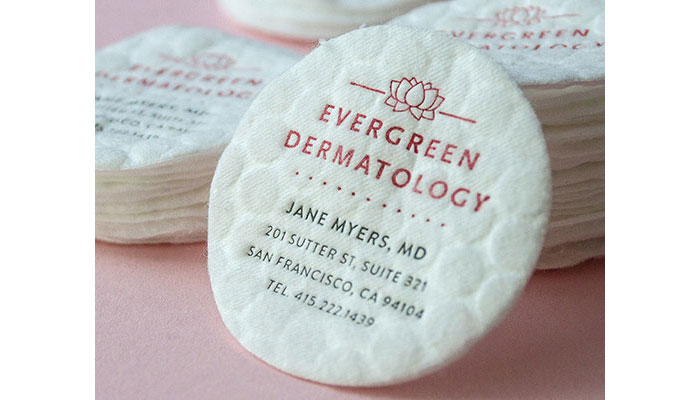
It’s true-most people will throw the card in some corner and they will not remember to use it when the time comes. That’s why you have to consider multifunctional cards, which promote your brand but serve another purpose at the same time.
You can provide cards with valuable information (calendars, timetables), discount coupons, or currency lists. Long story short-think about everything your customer may need.
Look at some valuable examples-hotels encourage people to visit them with a location map, while gas stations include a list of all additional services they provide. The more purposeful your card is, the more interesting it will become.
Original cards
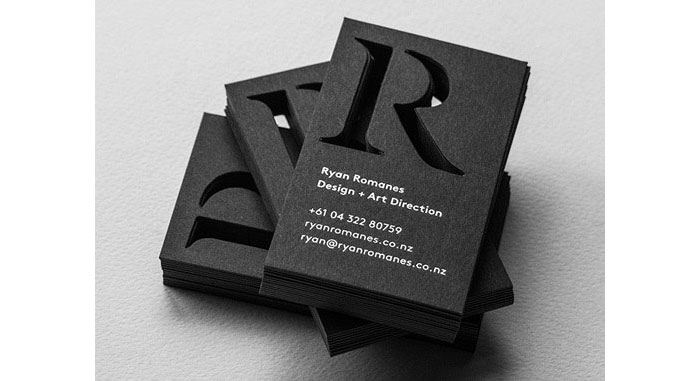
Image source: Ryan Romanes
Originality is something everybody desires.
Your business card can be the excellent tool, as long as you’re passionate enough to design it properly.
You can employ a well thought business card layout with fancy details, extravagant means or rich colors-as long as it keeps up with your budget, there are no restrictions.
Time to create your own business card
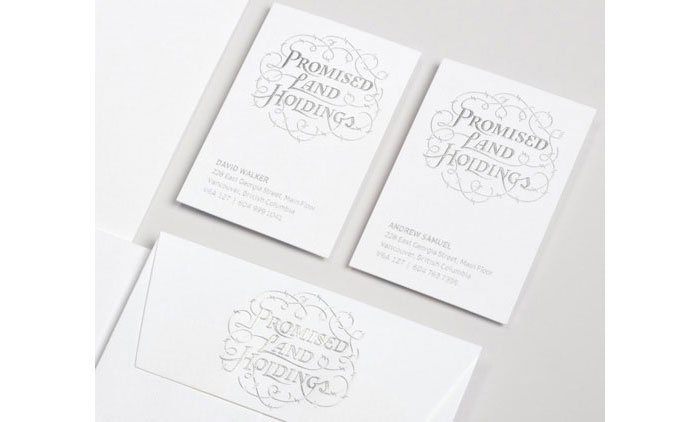
Image source: Saint Bernadine Mission Communications Inc.
Before you start, think that your business card is the personalization of your business-it has to reflect the quality of your work; the history of your brand; and it has to tell an interesting story that customers will like.
Basic tips for designing a business card
Think about size
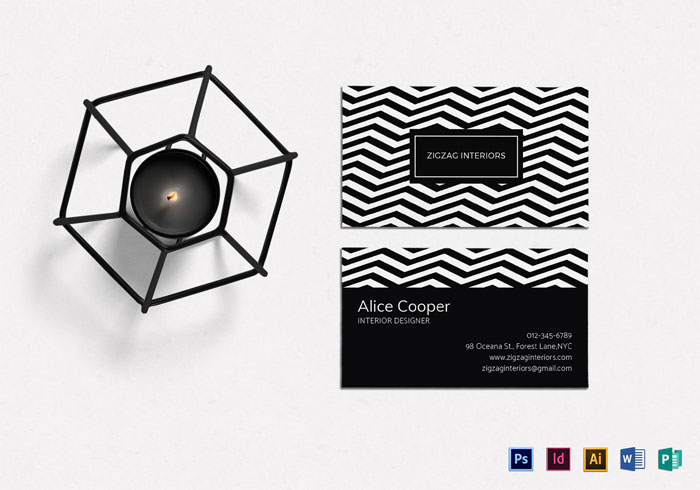
Take a standard format (3.5 x 2 inches) which can easily fit inside the wallet. Making a smaller one (if you wish to include less information) could be a good idea, but including a larger one will hardly make users want to keep it.
Include readable information
It’s not enough to include all the basic information-use fonts and sizes that are readable, and can help potential customers to locate and to contact you.
Find a way to impress customers
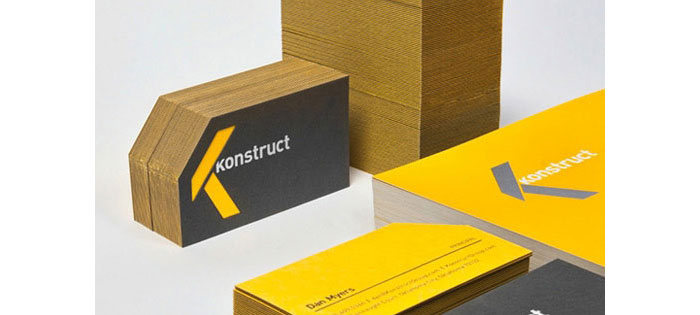
Think about it – does your card look as professional and passionate as you are? What would you think if you saw the same card coming from another brand? Is it the real card for your business? Is there something you can do to improve it?
The initial 10 seconds make it or break it. It is the very moment when clients build long-lasting opinions about your work. Sounds ungrateful, but that’s how it is-we’re humans and we judge the book by its cover.
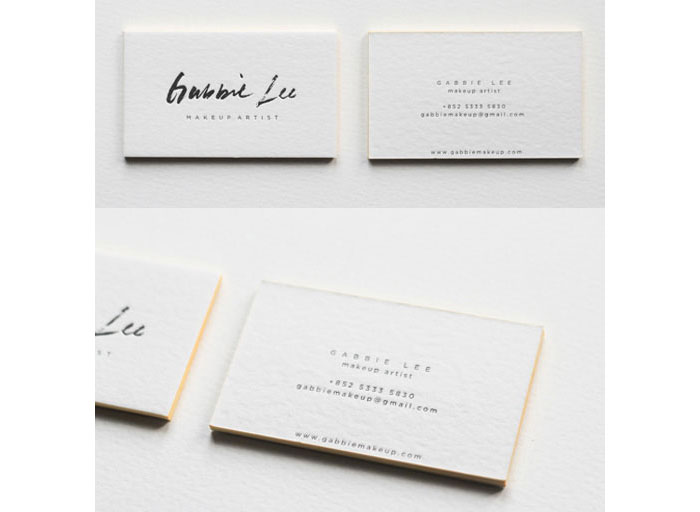
Image source: Belinda Love Lee
Don’t worry – it is not Mission impossible. There are tricks and tactics to use to create a professional business cards and which can make your card interesting and could even distract customers from flaws you don’t want to be seen.
The W-set: What, Who, Where, Why?
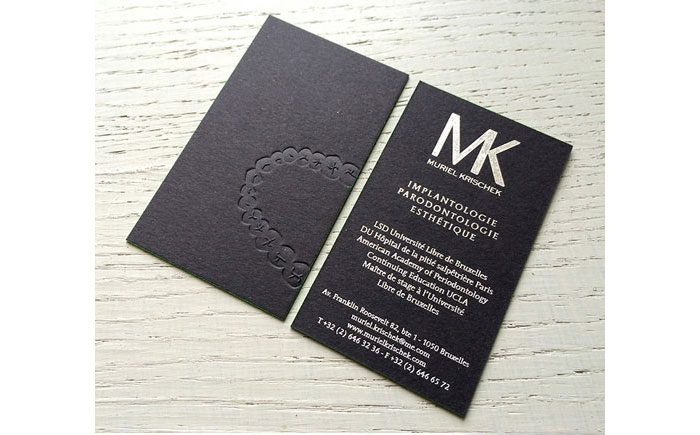
We might be repeating this, but it is very important-the essential factor of a good card is the information it contains. The best way is to pack names, addresses, logos and job titles; and to display them in an understandable manner.
Once again, don’t exaggerate with information-you want to balance between contact data and clear, beautiful appearances. If not sure, stick to the essentials: Name, website, email address, and phone number/s.
Trends don’t necessarily concern you
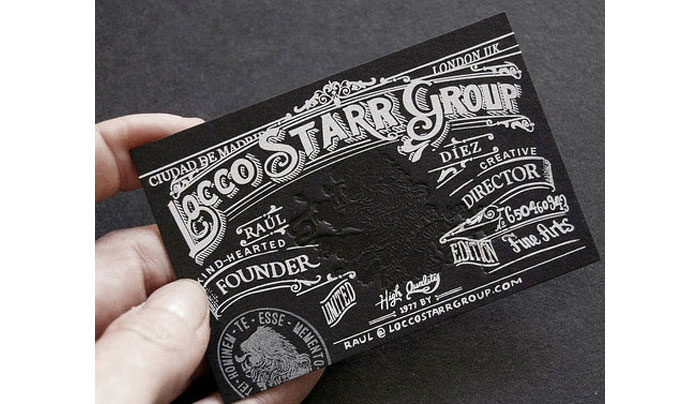
Image source: Loco Starr Group
There are many trends, pitfalls, and even misconceptions people tend to follow when designing a business card.
For instance, you may think that a 3mm bleed, as provided by the printer, is your solution. Don’t do it right away, but check whether it actually suits your style and whether you can do it.
A commonly followed approach is to design cards with sharp borders, in order to avoid misalignment, Guess what? If you did the alignment properly, borders really don’t play a role.
Readability
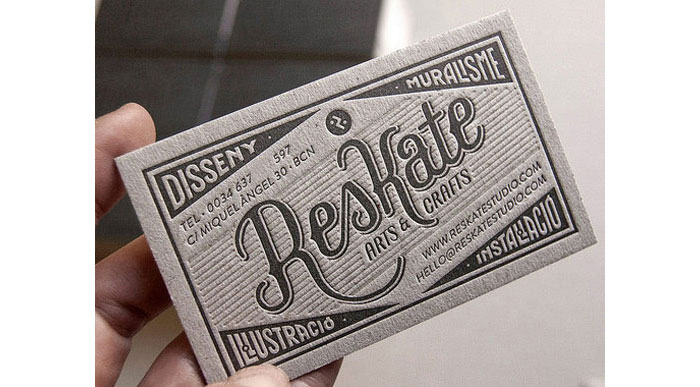
Image source: ResKate Arts & Crafts
Between too much information and too small typeface, the typeface size is not the thing you should cut.
Resist this temptation and exclude information you think is not so essential.
Be careful with it-text will look more readable on screen than it does on paper, and you don’t want corrections once it is done. Let’s say that the best option is 8pt.
No borders
If you can, avoid borders completely.
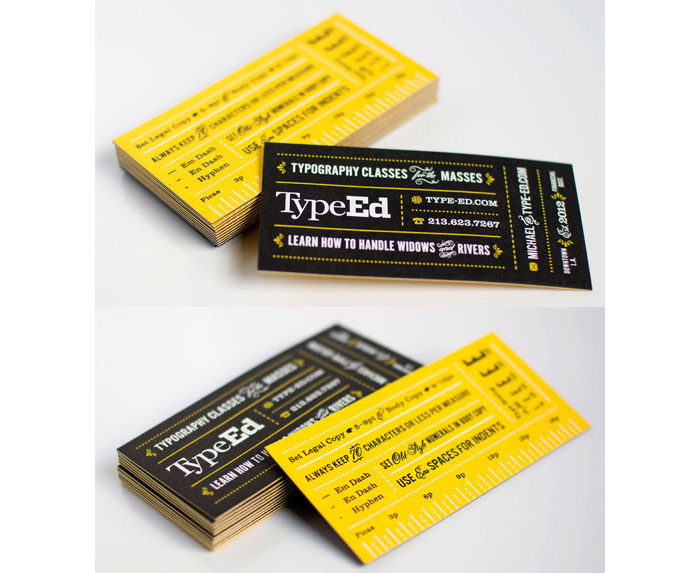
Image source: Ramp Creative
They may look stylish and elegant, but they can produce a ‘lop-sided’ effect once they are cut.
Most printers have an already established margin for separating your cards, and it might happen that just few millimeters will destroy the visual result you were expecting.
Colors or no colors?
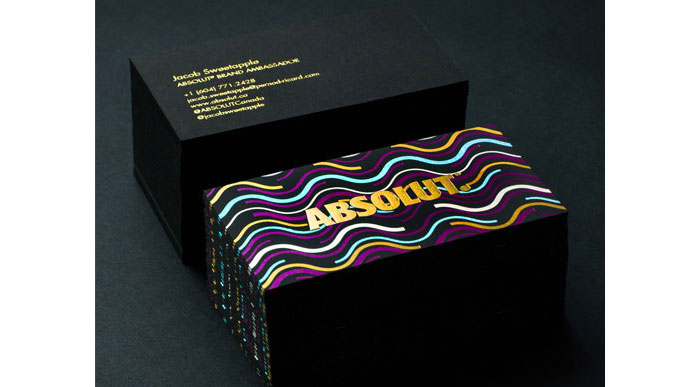
The same as in other design branches, bright colors can be a helpful tool to stand out and to deliver successful messages, Besides, they can make people recognize you and distinct you from all similar providers on the market. However, brave color games are only for those who professionalized in them, and they are the only ones that can create something exiting and original, and not kitschy.
It doesn’t mean, however, that simplicity has no advantages. A powerful black and white contrast can even be more memorable, and it is often perceived as more sophisticated.
More information
That is why you have the back side of your card-write everything you think would be useful for your customer. Put your personal data or social media links, or define precisely your job space.
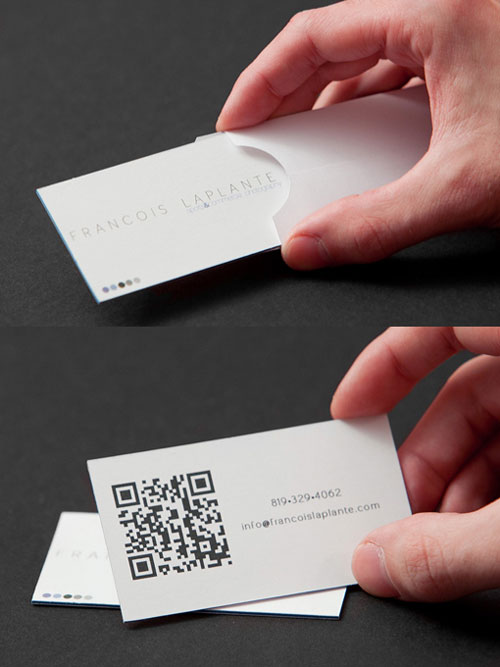
You’re absolutely free to organize this information however you like. When it comes to content, don’t forget email addresses, phone numbers, websites, etc. You can also use QR codes, to make the web information look good and accessible.
Imagery
An image is worth 1000 words. That’s especially correct when it comes to awesome business cards. Assuming you already included vital information, you can use the other side to apply more visual tools.
It could be a photo of your product, resources, or whatever that is related to your business. If you have a logo, don’t forget to include it. At the end of the day, the important thing is to fill the space, because people are very likely to look at it too.
Hiring professional help
Hiring a professional for designing the coolest business cards is obviously the best choice, but it’s not like all of us could afford it. In fact, with some modest knowledge and big-time motivation, and you could create a personal card on your own.
Double-checking
It’s not just about cards; it is about every paper masterpiece! Check it as many times as you repute necessary, before you send it for printing. You certainly don’t want to notice there was a tying mistake once you’ve printed and delivered it.
How To Create A Brand Image With A Business Card
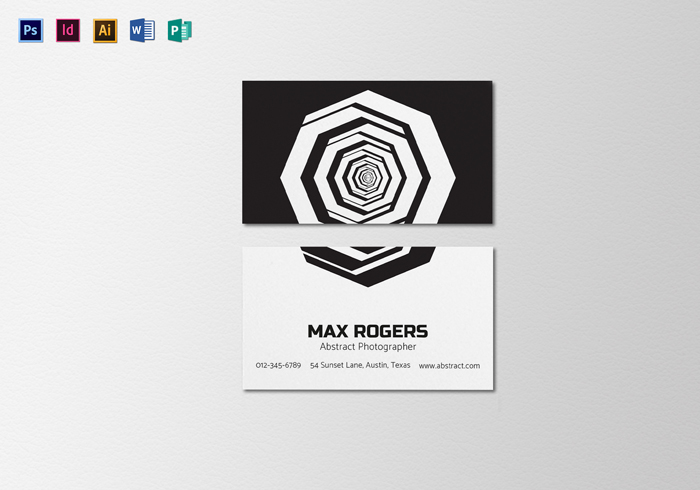
As you probably know already, the brand is the sum of all experiences with a particular product or service which is building both reputation and future expectations of benefit.
Building your brand as a designer isn’t an easy task and you should be very careful about it because your image and your future income depend on it.
One way of branding yourself is through a business card which isn’t just a calling card, but a snapshot of your brand.
People are aware that business cards tell a story and they are influenced by that story about you and your work. If you do it right, you will transmit the essence of your brand and it can be a sales piece, a mini ad for your services. However, if you fail at creating a good business card, yours will just be one of many that are forgotten or thrown in the garbage.
You should know, if you don’t already, that a memorable card creates a memorable brand. If you are the kind of person who goes at conferences or meets with various people you should have a memorable business card. The people that you are giving cards to already have dozens of them at the end of the day and you have to give them a reason to keep yours or remember you.
Most of the times, during a so called networking session a person will be unable to associate the faces of the people that he met with the business cards he received. Of those many cards, he will remember only a few which are standing out from the crowd.
Developing a great brand
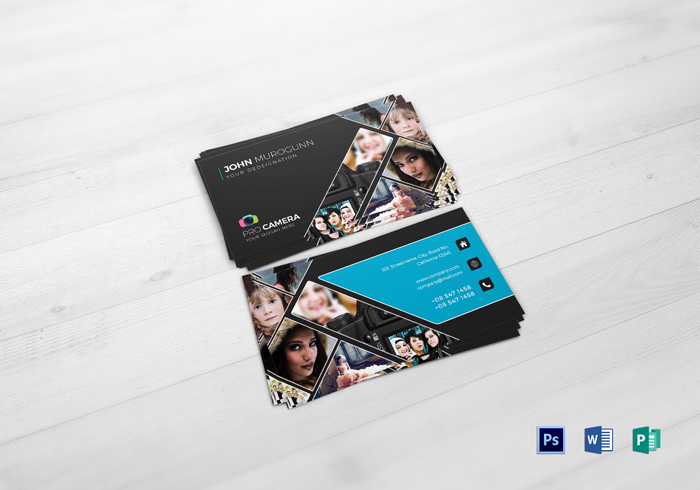
A vital role in how a market perceives your brand is played by the mixture of colors, fonts and style. The visual elements of the brand need to be considered very carefully if you want them to have a positive impact on your potential clients.
The visual element that you should start with is color because it plays a big role in the decision that your potential clients will make. The colors that you choose will resonate and create an association with your brand.
The meaning of colors are generally the same, but they can be radically different in some places of the world, like the Asian countries. If the people that you are giving business cards to are from North America, Europe or Australia, then you should know the meaning of colors for your audience:
- Red: Passion, enthusiasm, energy
- Green: Success, growth, honesty
- Blue: Knowledge, loyalty, intelligence
- Yellow: Wisdom, optimism, joy
- Purple: Luxury, sophistication, nobility
- Orange: Creativity, vibrancy, activity
- Black: Power, authority, seriousness
- White: cleanliness, innocence, simplicity
Another element that is important in building your brand is the font selection. Fonts are important in establishing the brand image and promoting the brand personality. Each font has its unique way of generating an emotion and it is important to choose the right one for your audience.
For example, serif fonts have a serious style and can be used to transmit sophistication and strength. Sans-serif fonts are not perceived as serious as serif ones, but that doesn’t mean that they are frivolous. Instead their image that they are creating is sleek and modern.
There are people that are advocating for script or handwriting fonts and are stating that their usage on business cards delivers an interesting effect, but the truth is that a handwriting font will only make a business card harder to read.
Regular size or something totally different?
The standard size of business cards is 2″ x 3.5″ due to a lot of factors. People are generally conservative about the size of the card, especially because its size is recognizable as of a business card’s. The other reason for this size’s popularity is the lower price than of one’s with a strange shape.
If it is cheaper, it doesn’t mean you shouldn’t opt for an ordinary one. On the contrary, you should better pay a little bit more to get a more interesting card. There are modern printing and cutting techniques that can deliver even the weirdest shape that you can think of.
Printing
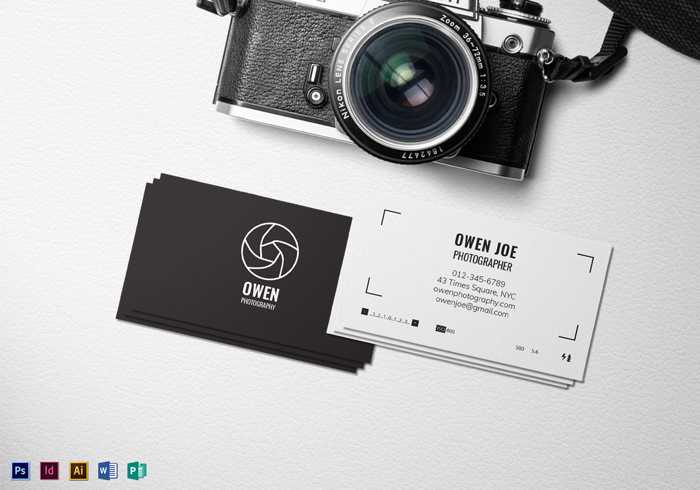
It won’t come as a shock when I’ll tell you that digital printing is the most common way of printing business card these days, being done with inkjet technology or laser printers.
Besides the digital printing methods, there are also other interesting methods which could deliver a really good results. One way of printing cards is with the help of a letterpress. This can be a little bit expensive, but it creates an insanely beautiful effect that will surely be remembered by a person who is used to seeing a lot of flat cards.
Contact information
You should try making your business card uncluttered. To do this you will have to avoid adding unnecessary details like your address. Nobody cares about that anymore because you won’t receive physical mails and if a meeting would take place, details like the location will be discussed over phone. The necessary fields should be:
- Your name
- Phone number
- Website
There are people who manage to squeeze fields like twitter username or a slogan, but that is either being done on the back of the business card or by sacrificing the space between the elements.
Business card examples and ideas
A person’s business card can be considered one of the most important marketing tools that he has.
With it, you are giving you contact information to potential clients or existing customers to make them loyal. In order for the business card to do its desired job, it must be professional, attractive and memorable.
This can be certainty if you make sure you follow a set of rules. For starters, your logo must be simple and symbolic to your company’s services and the industry that is associated with. Placing your website and email is a must.
People will be searching for a website where to look for more information about you and your business and also for an email if they want to contact you. If you’re missing these two, you would better keep the cards to yourself, cause handing them to people would be useless.
It is important for your card to be attractive and memorable.
Try to think about the fact that some people receive hundreds of business cards from various individuals and they rarely remember any of them. Making your business card memorable is really important.
Another thing that I’ve noticed people tend to appreciate in business cards is their quality. Your image is reflected by your one of your creative business cards and if you have one with a good paper quality and colors, the first impression of a possible client will be far better than from a regular business card.
You’ll find a lot of interesting business card examples below. Hopefully, one of these business card design ideas will help you design your own unique piece.
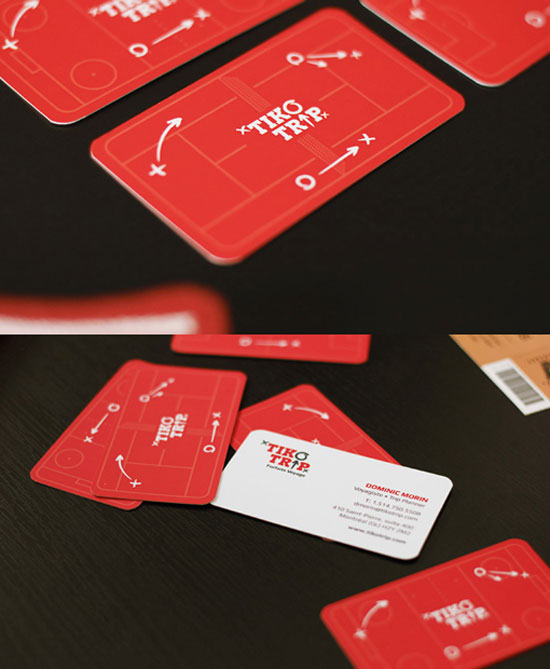
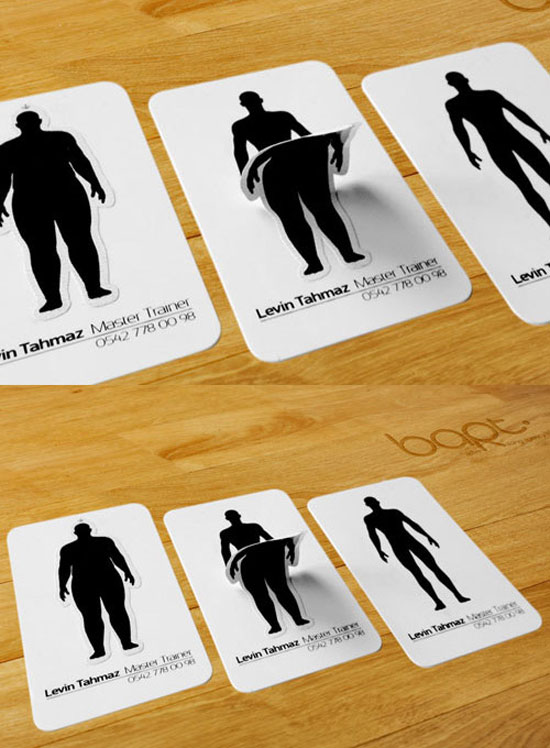
Tiko trip
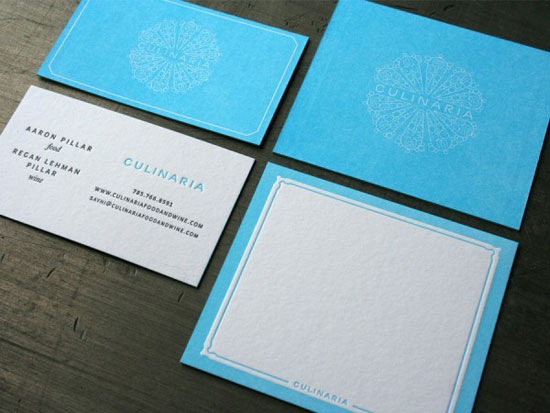
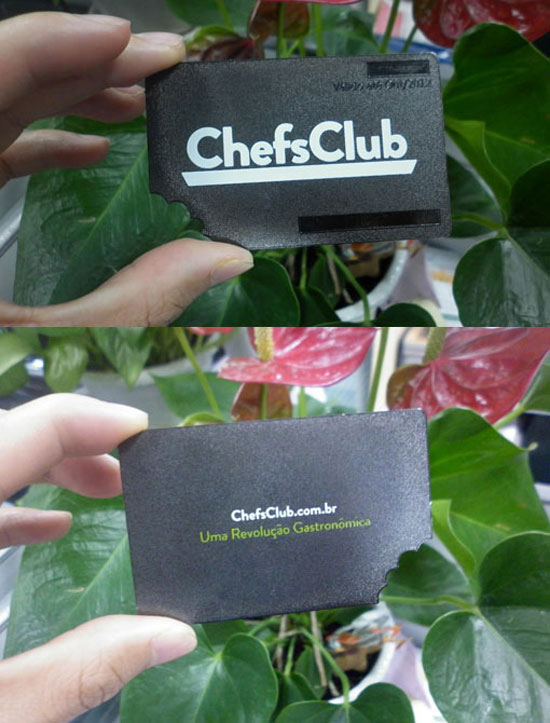
Culinaria
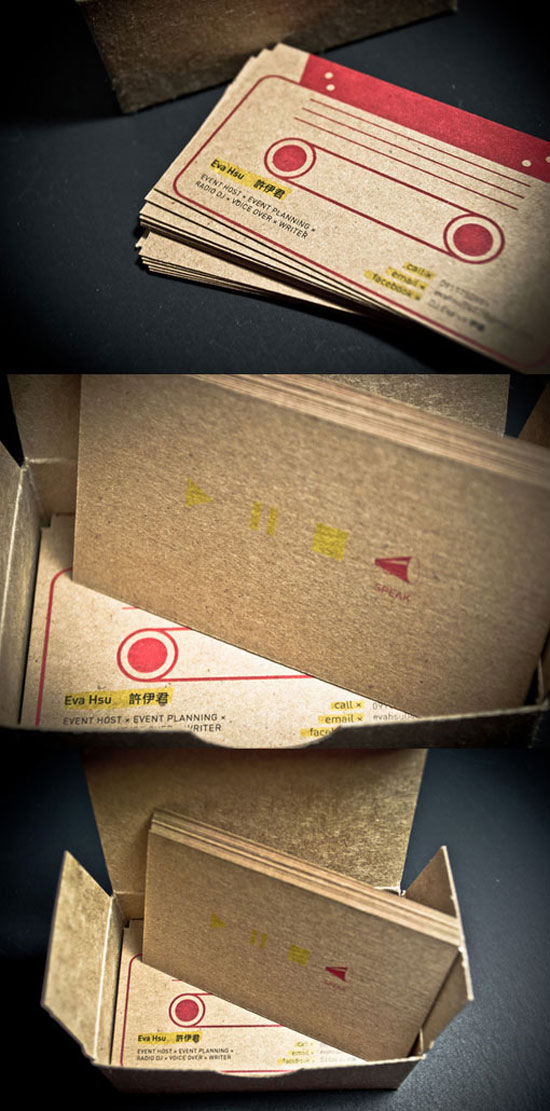
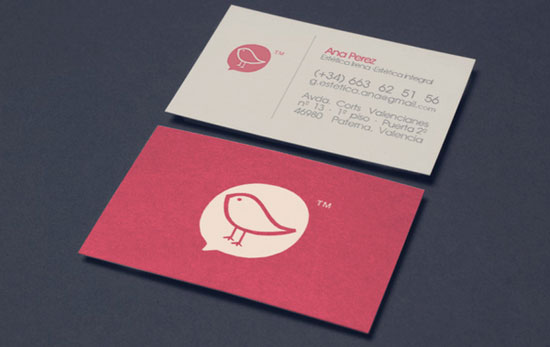
Ana Canedo
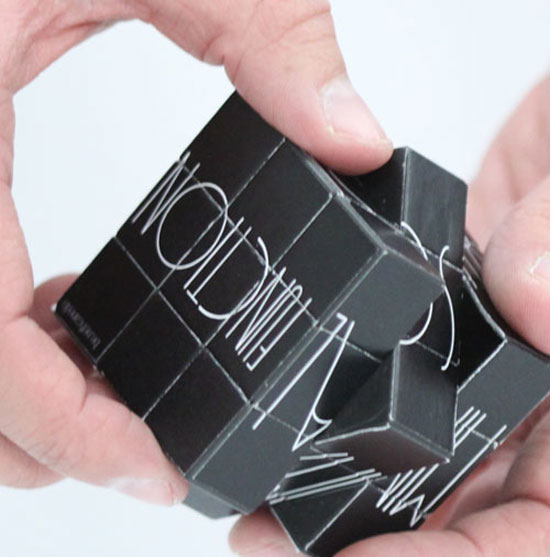
Fifth Street
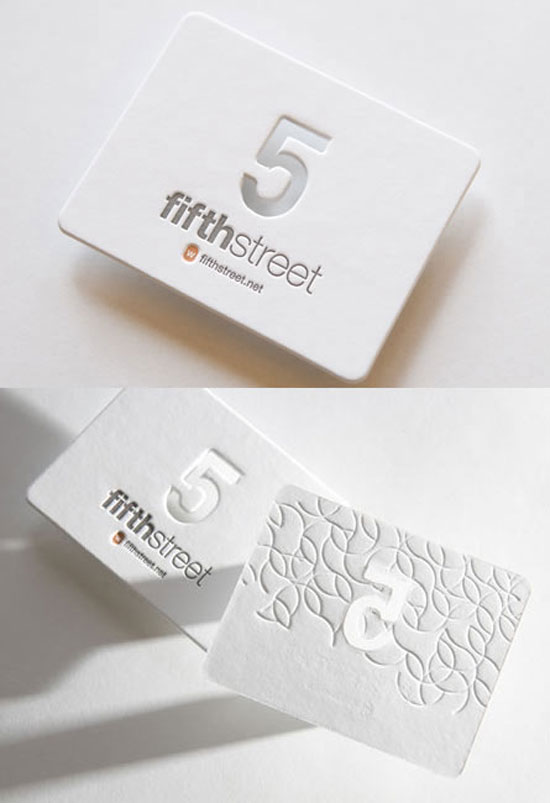
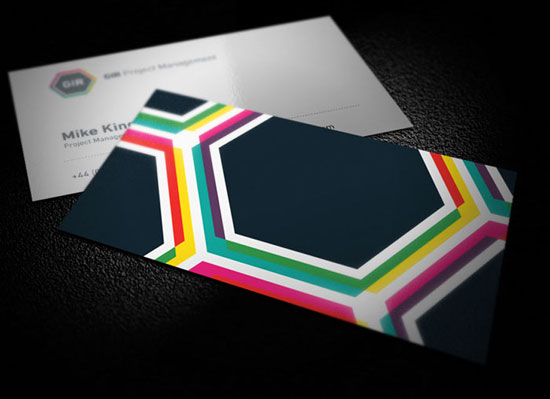
GIR Project Management
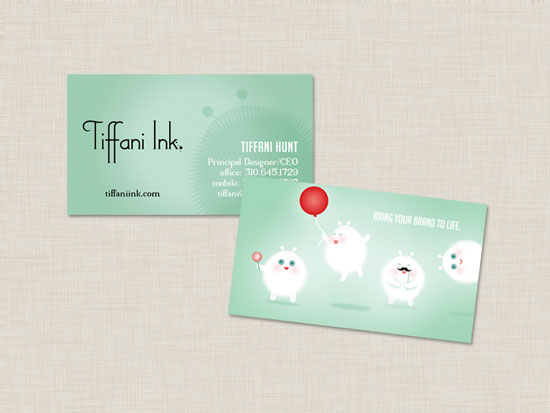
Tiffani Ink
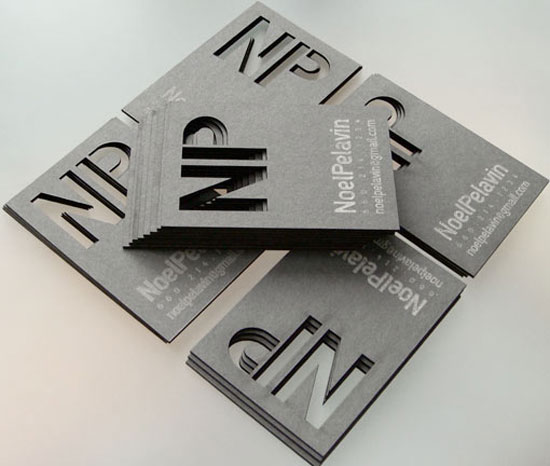
Noel Pelavin
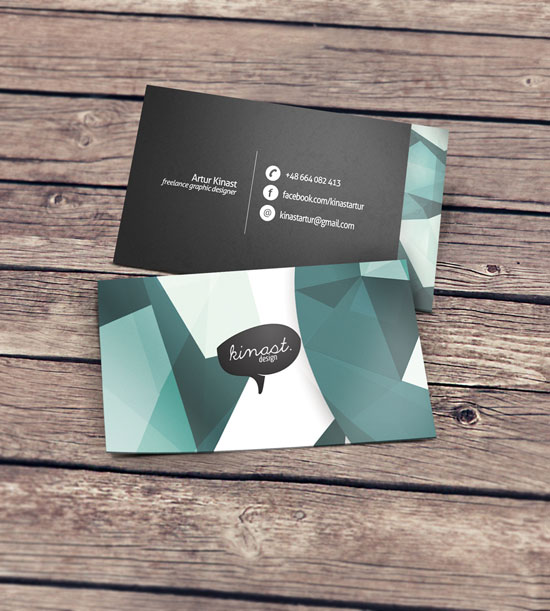
KinastDesign
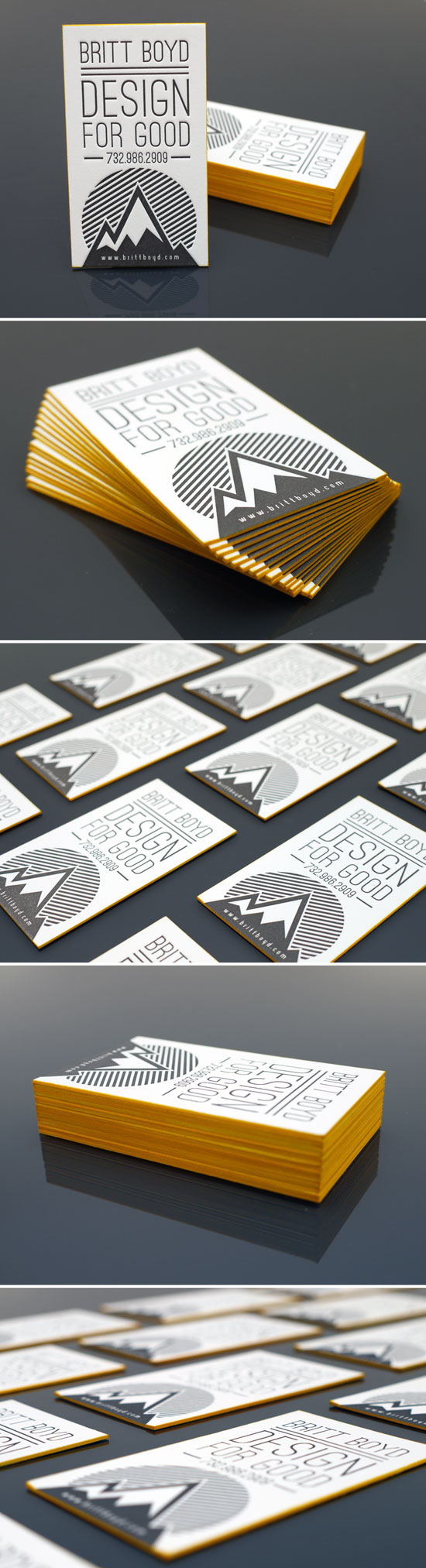
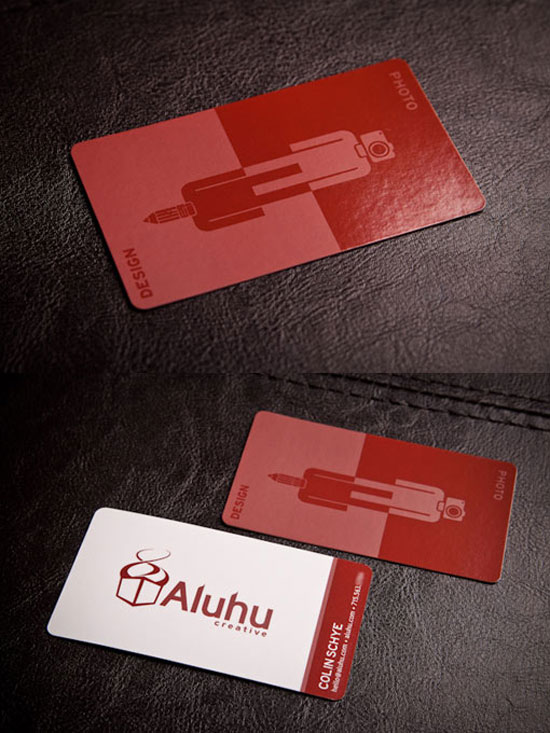
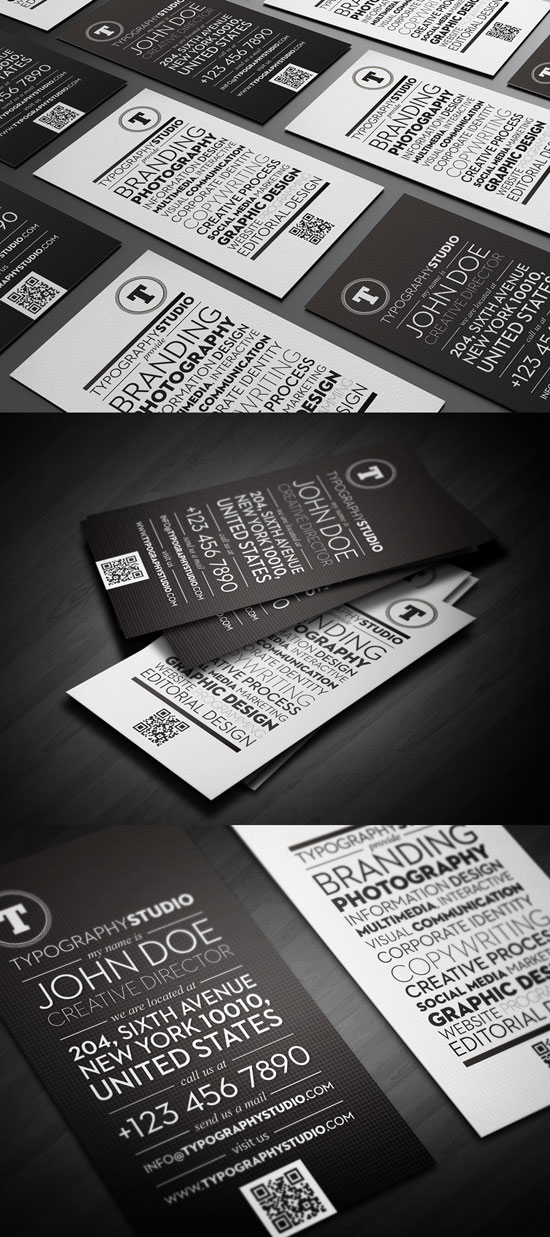
Typography Studio
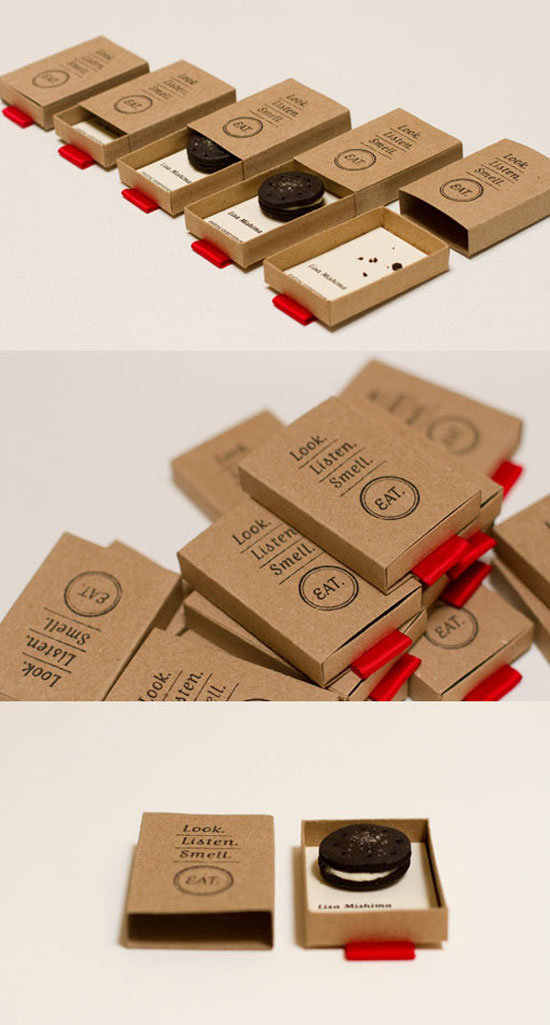
Look. Listen. Smell. Eat.
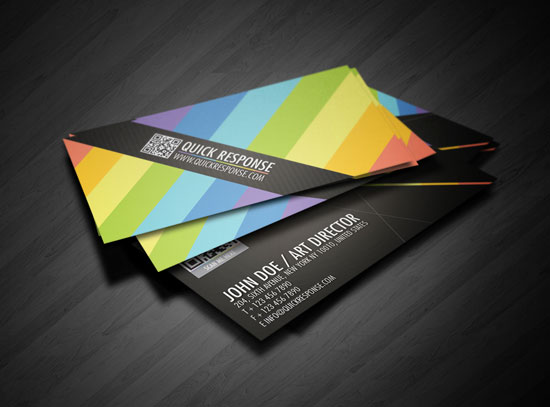
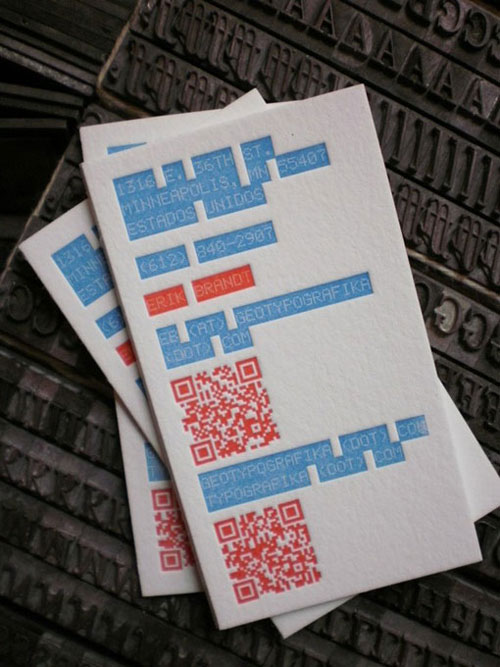
Quick response
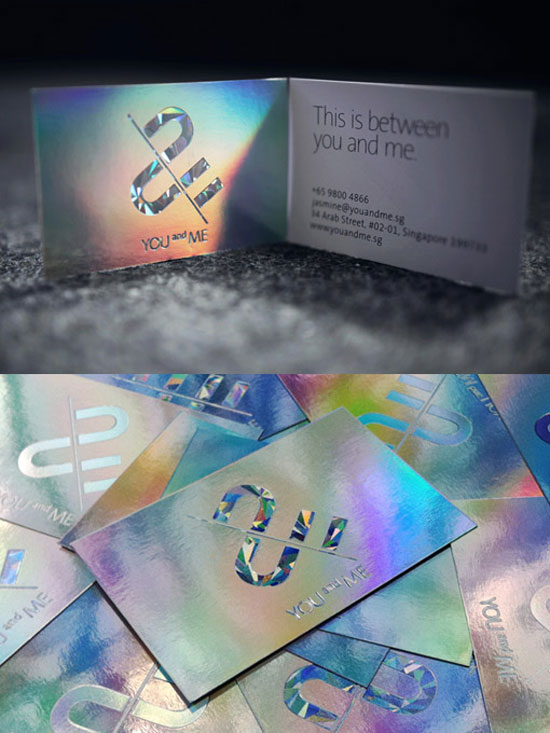
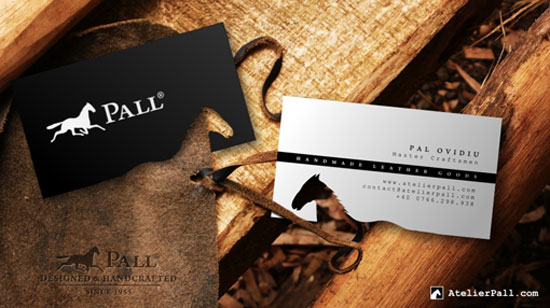
Atelier Pall
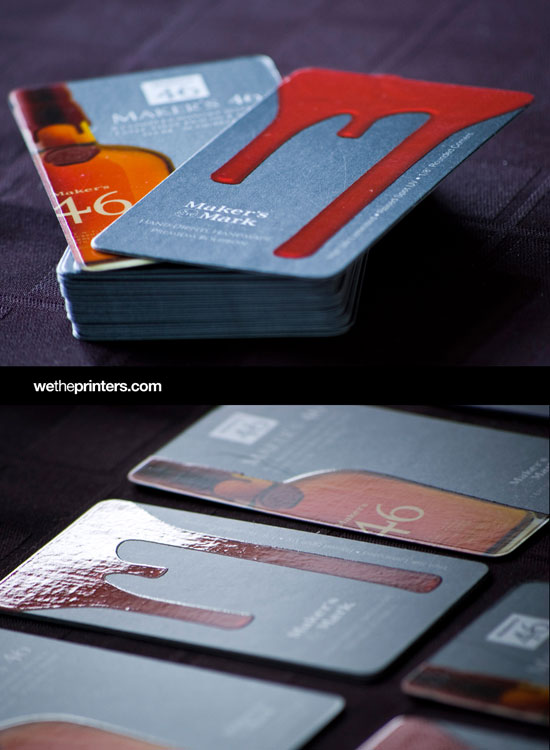
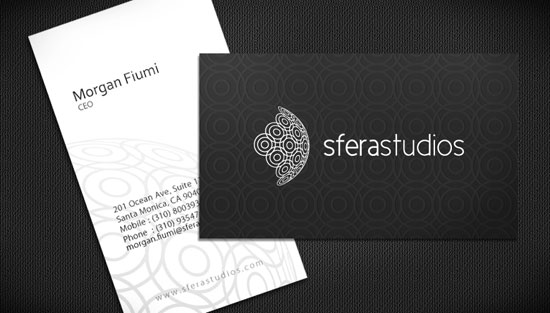
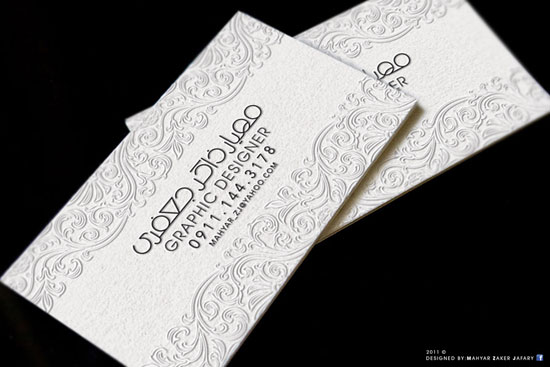
Mahyar Zaker Jafary
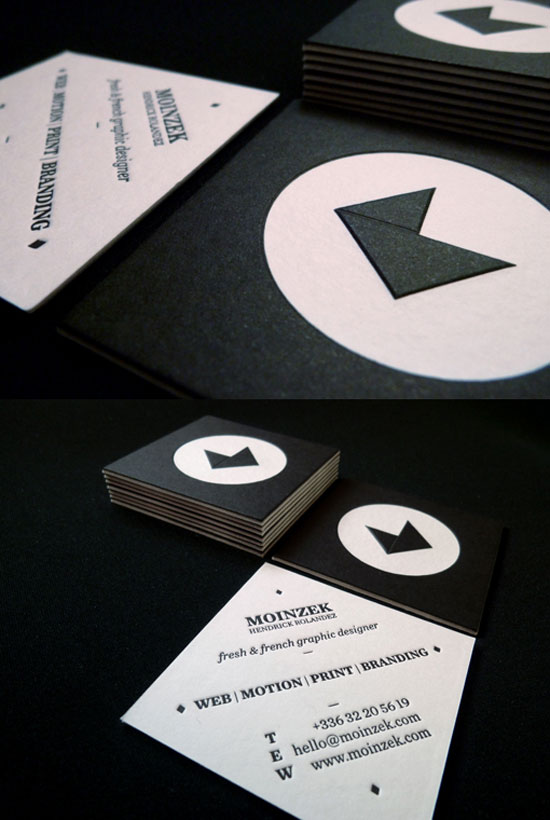
Hendrick Rolandez
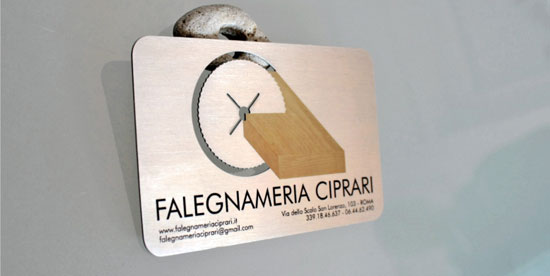
Falegnameria Ciprari
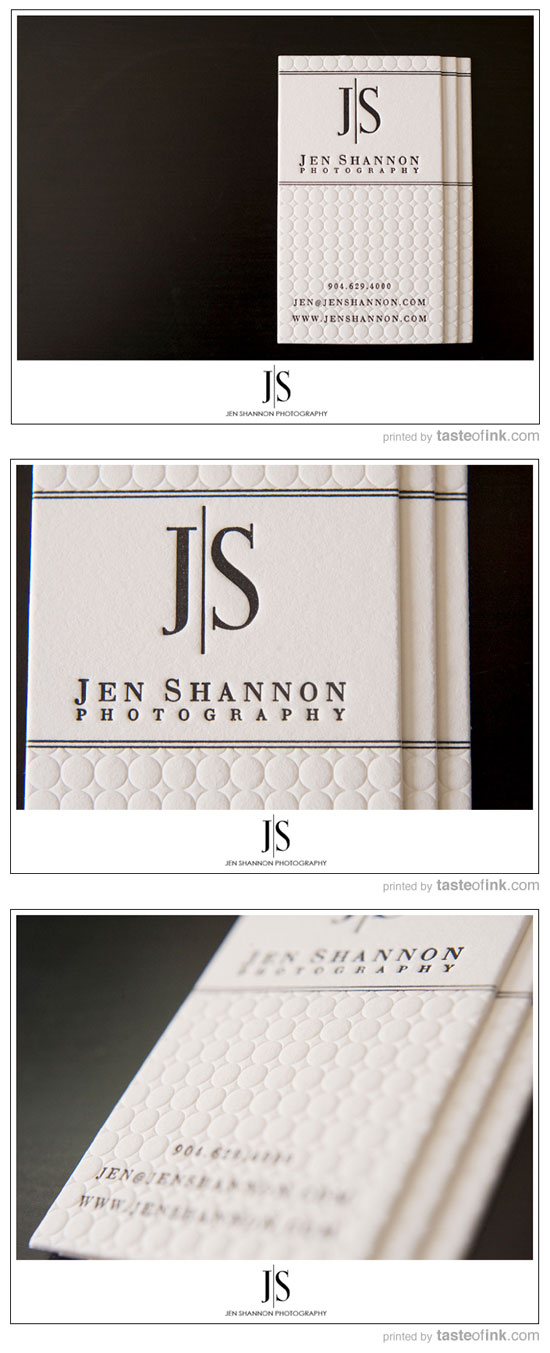
Rust and Martin Interior Design

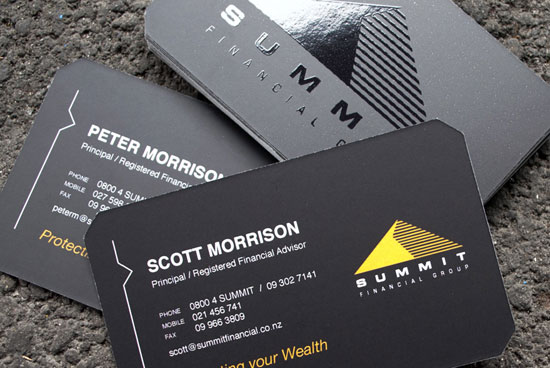
Summit Financial
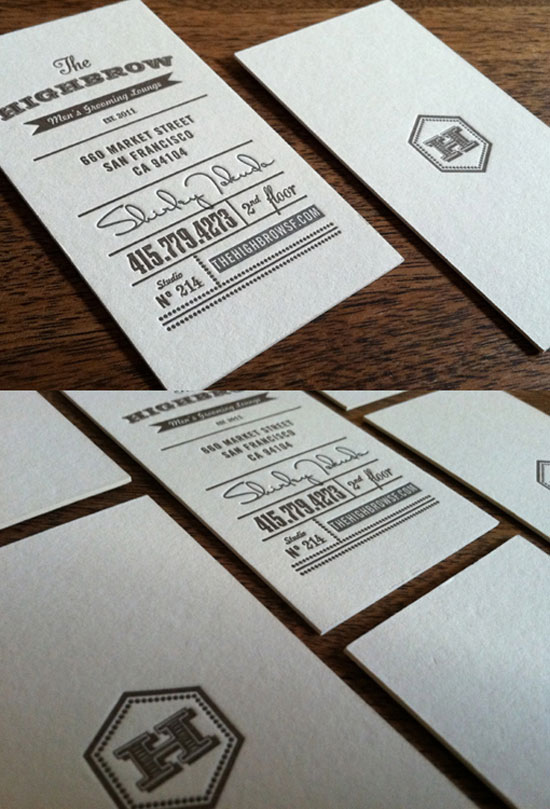
The Highbrow
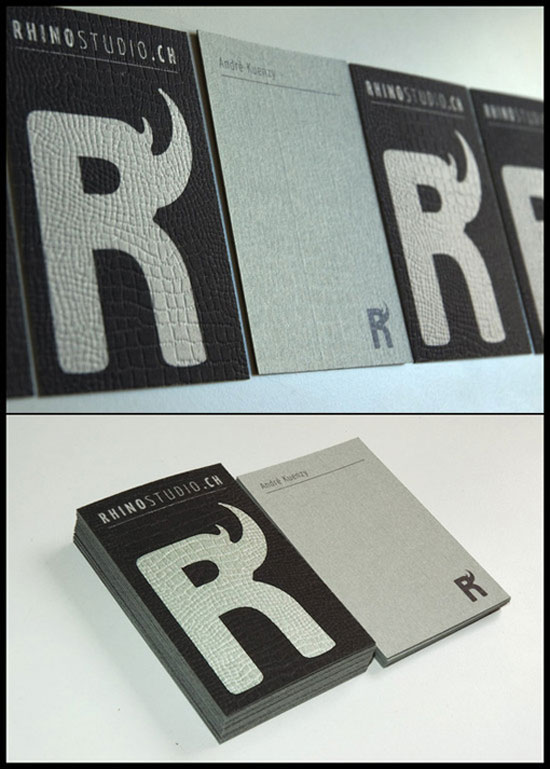
Rhino Studio
The Happy Salon
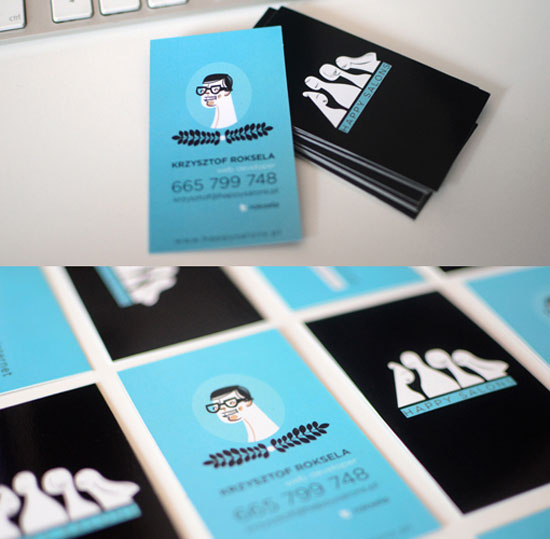
There are more hair salon business cards out there, not just this one we showed here.
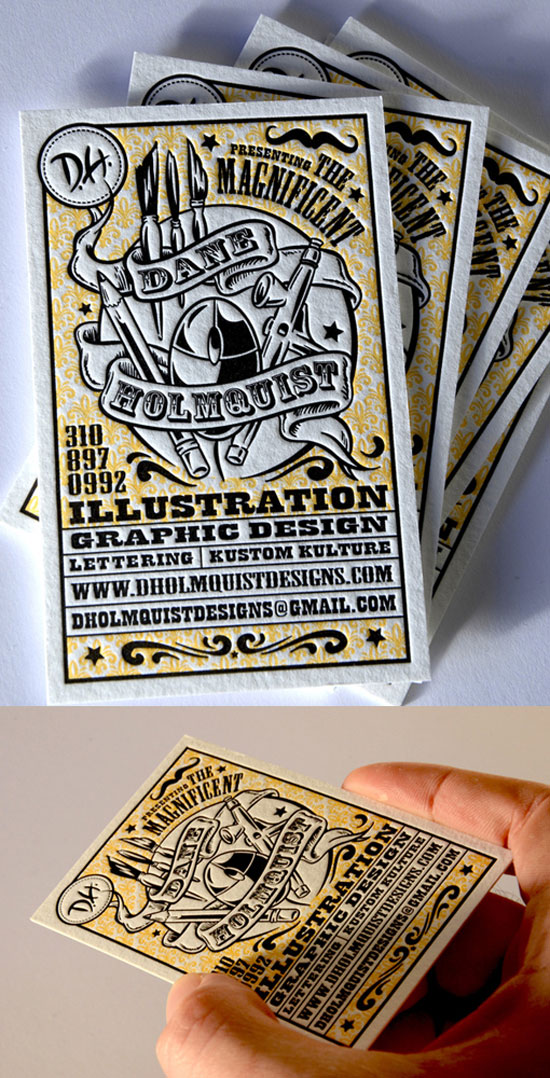
Dane Holmquist
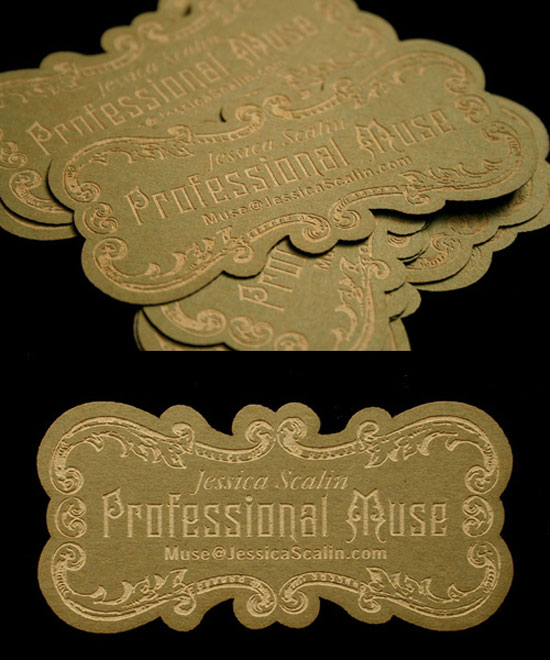
Jessica Scalin
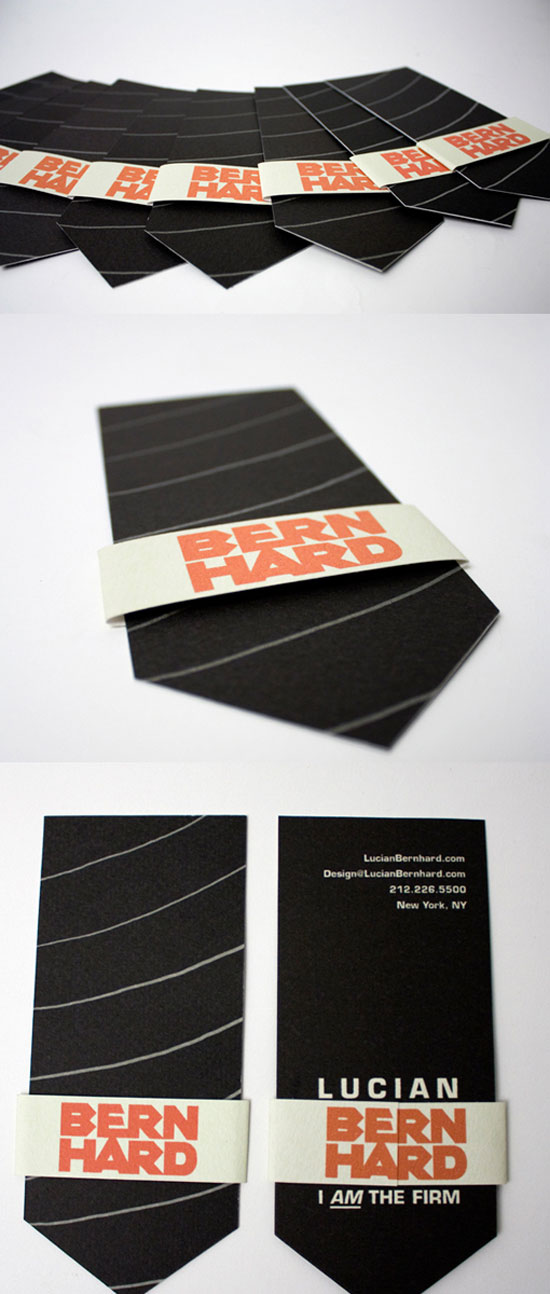
Lucian Bern Hard
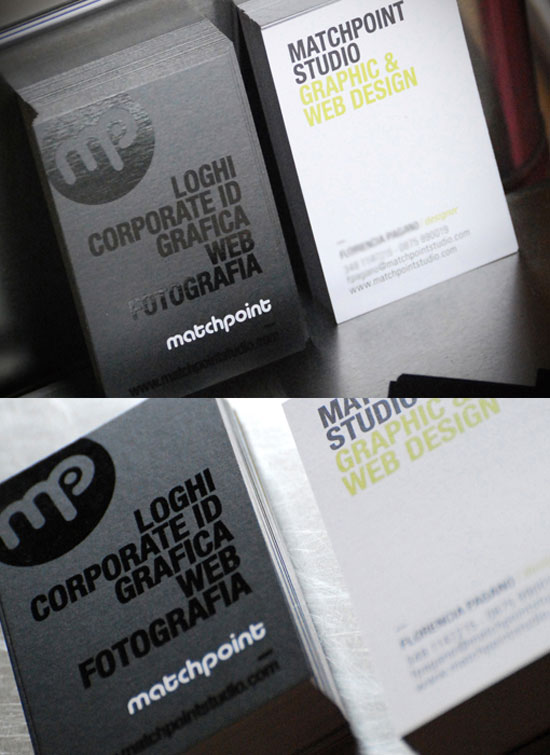
Match Point Studio
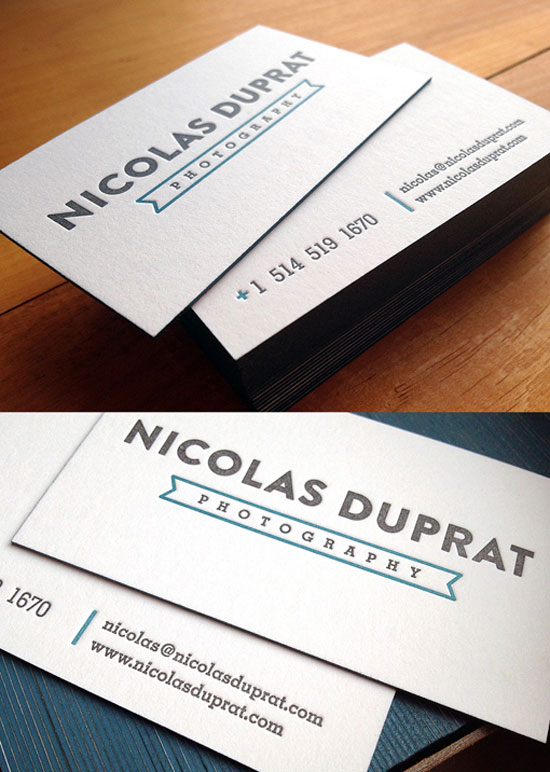
Nicolas Duprat Photography
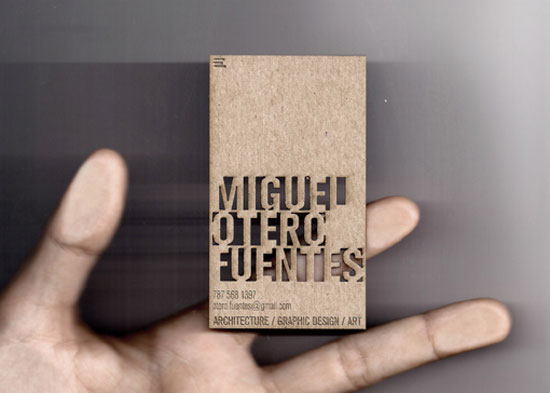
Miguel Otero Fuentes
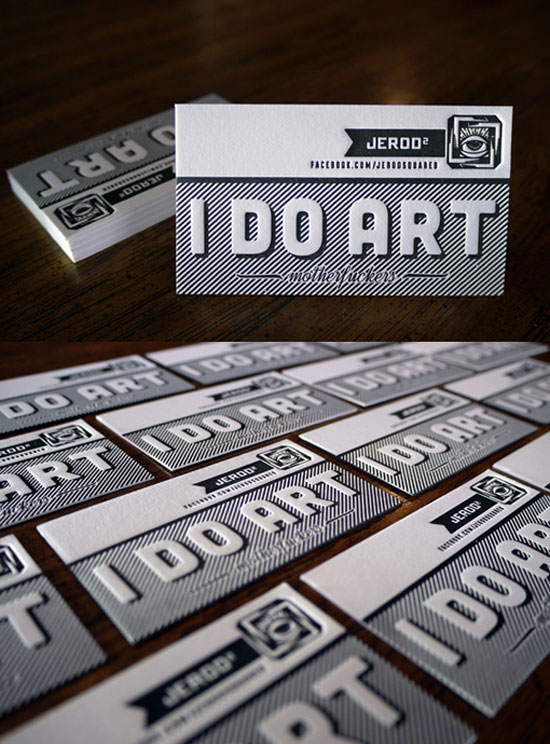
Jerod Squared
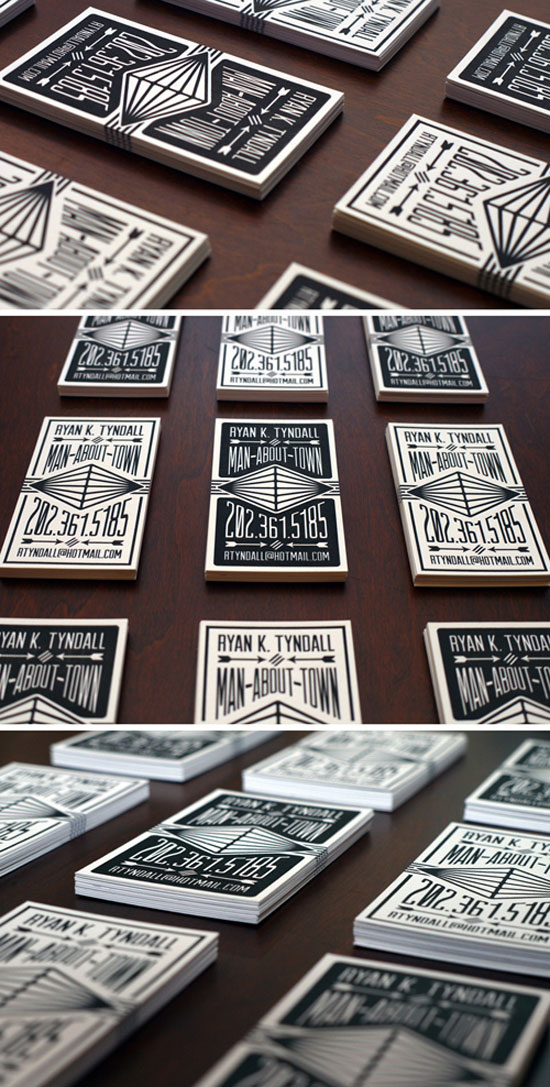
Man About Town
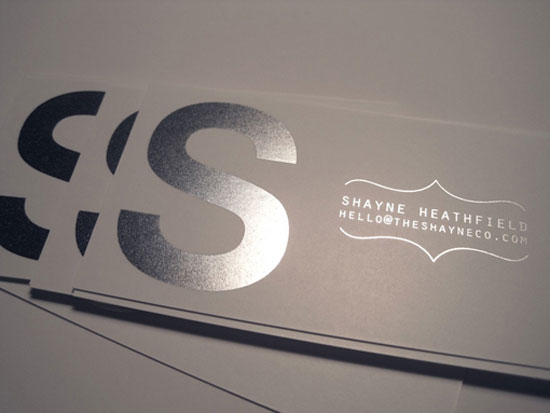
The Shayne Co
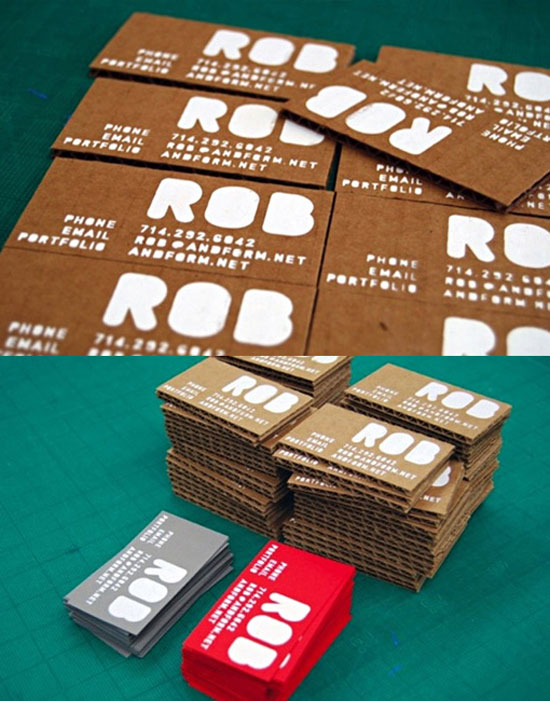
Robert Teague
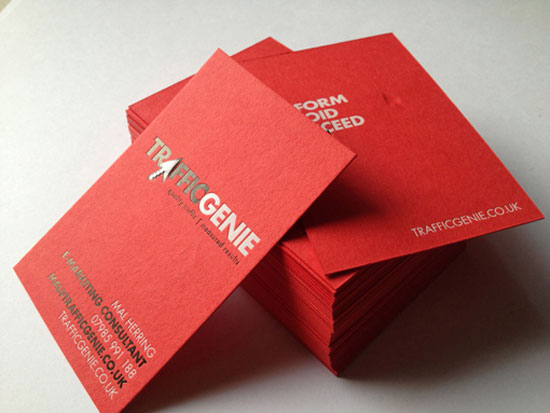
TrafficGenie
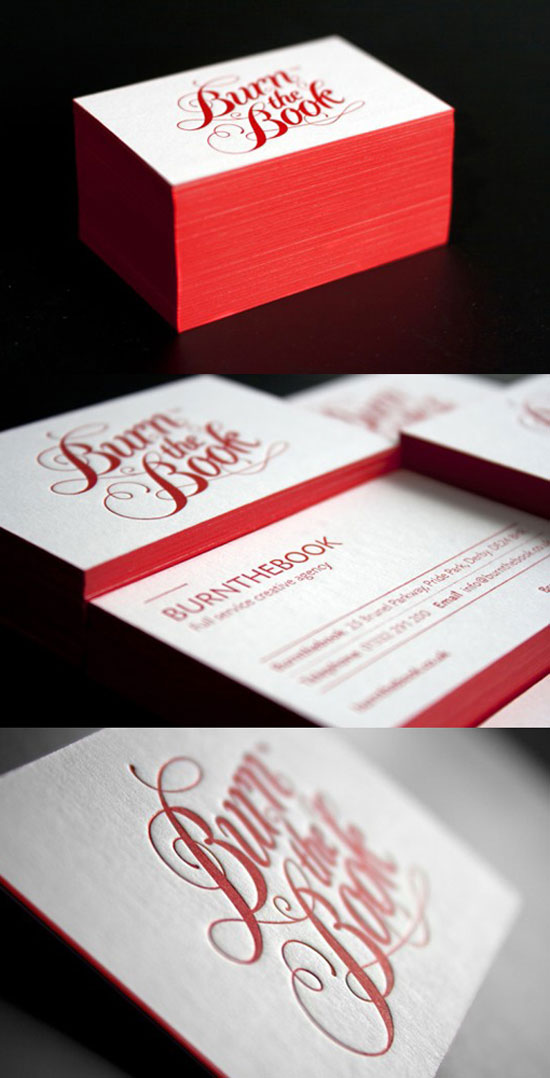
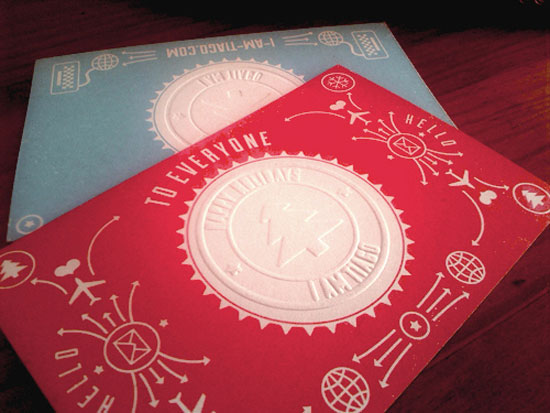
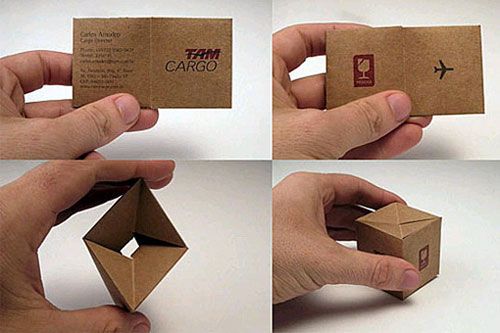
TAM Cargo
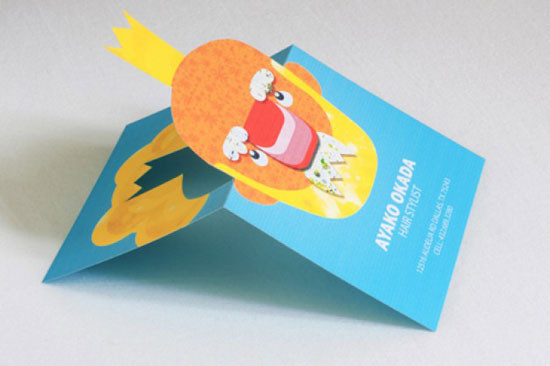
Ayako Okada
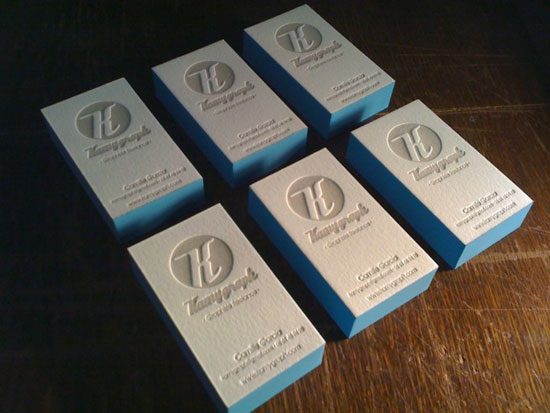
Kamygraph
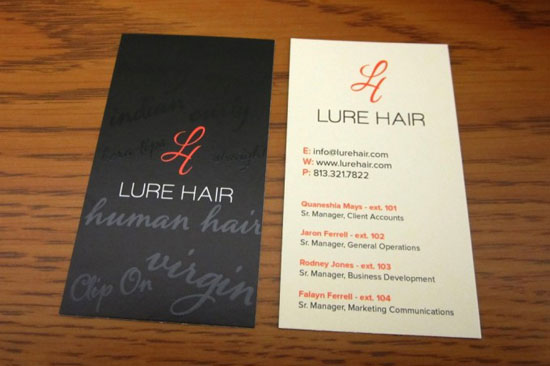
Lure Hair
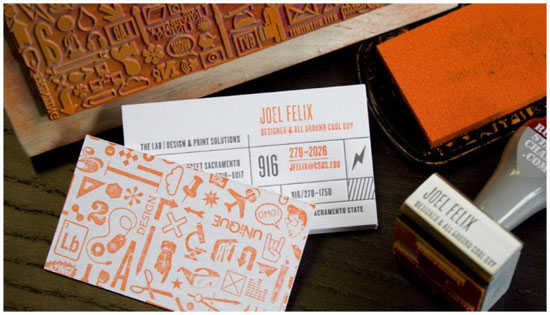
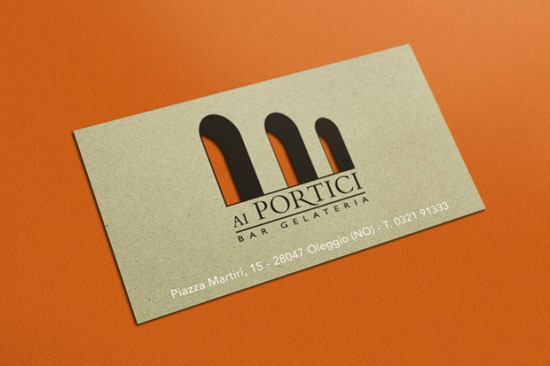
Ai Portici
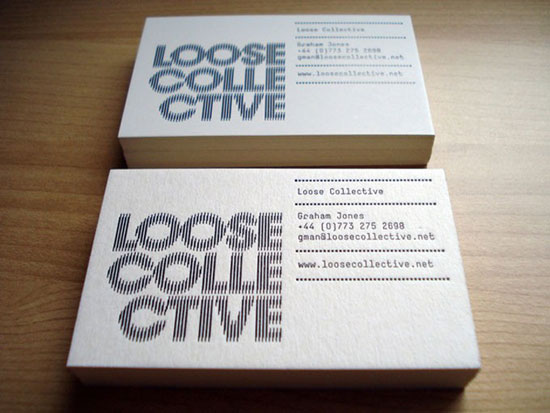
Loose Collective
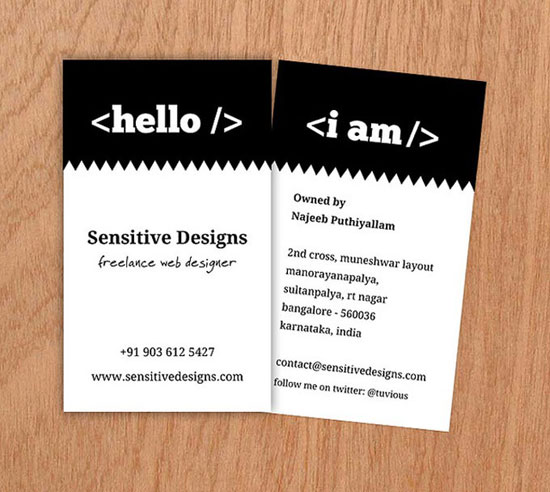
Sensitive Designs
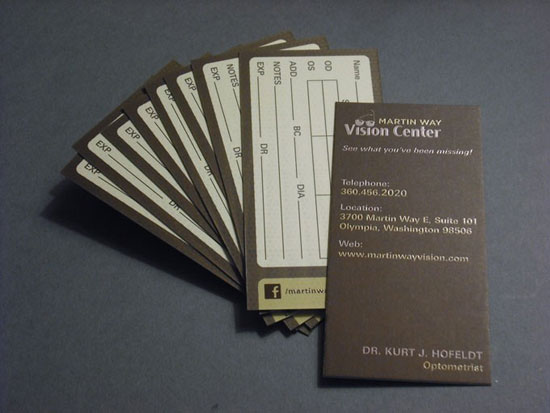
Vision Center
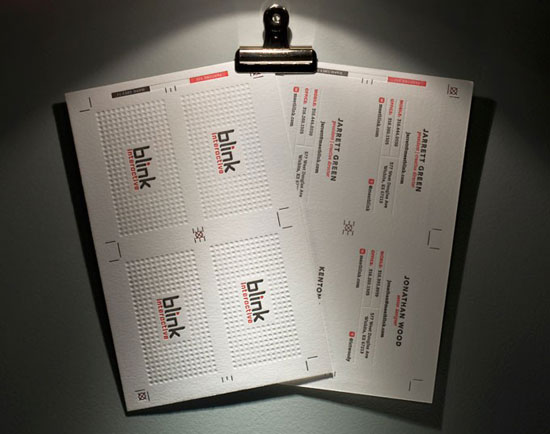
Blink
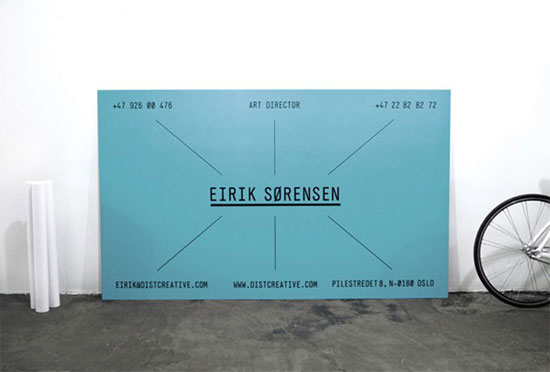
Eirik Sorensen
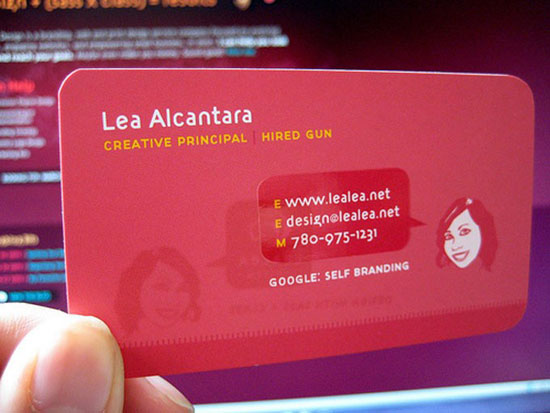
Lea Alcantara
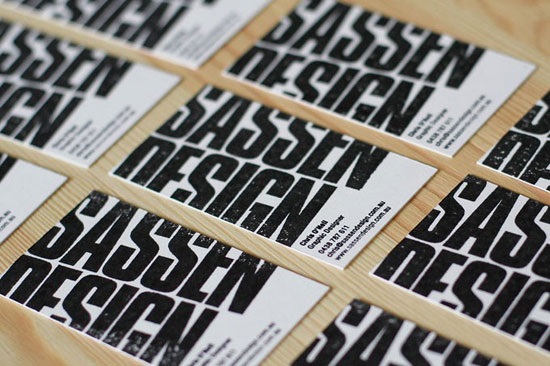
Sassen Design
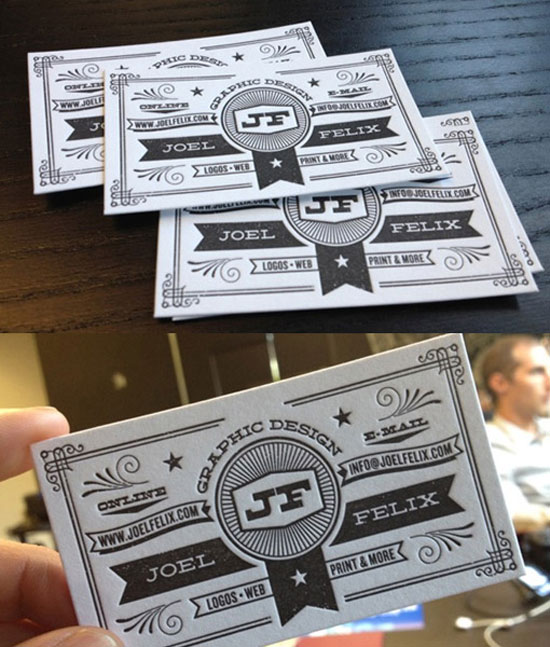
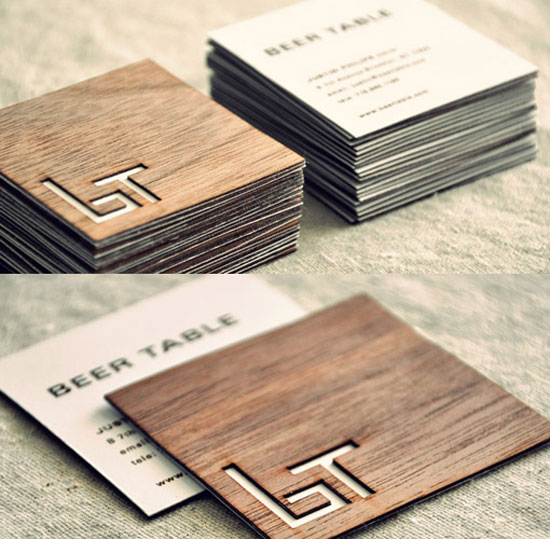
Beer Table In Brooklyn
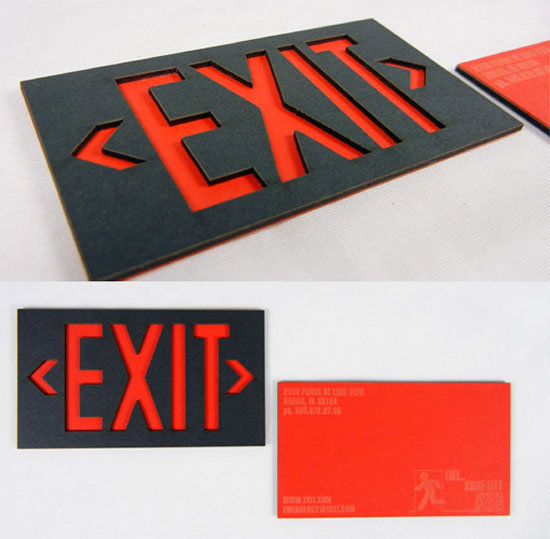
Exit
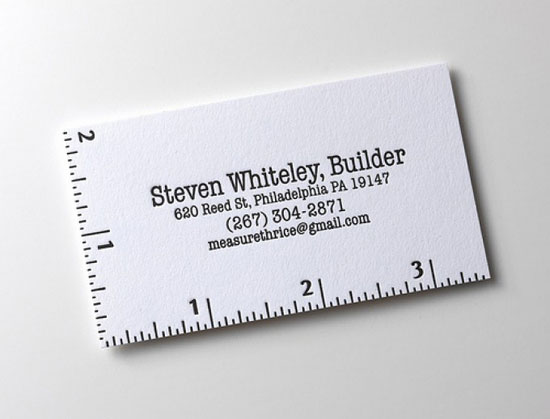
Steven Whiteley
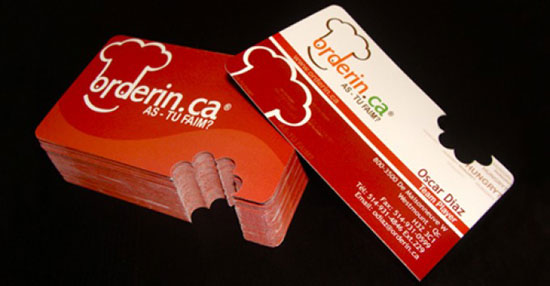
Orderin
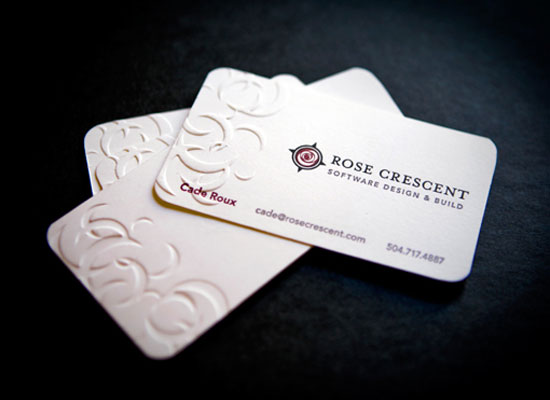
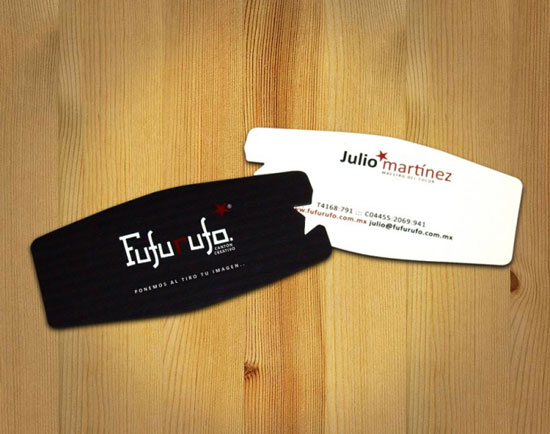
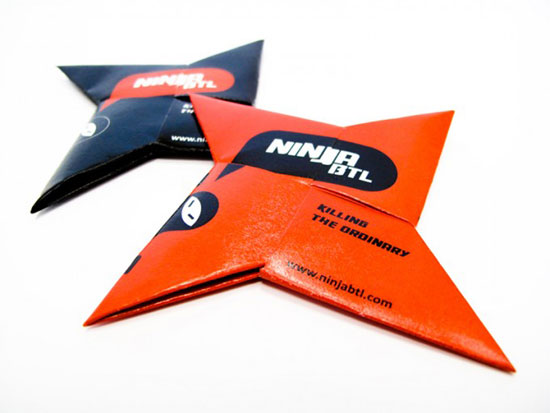
Ninja BTL

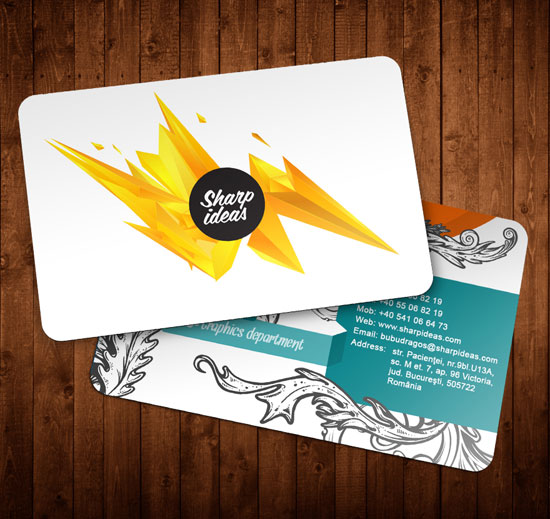
Sharp ideas
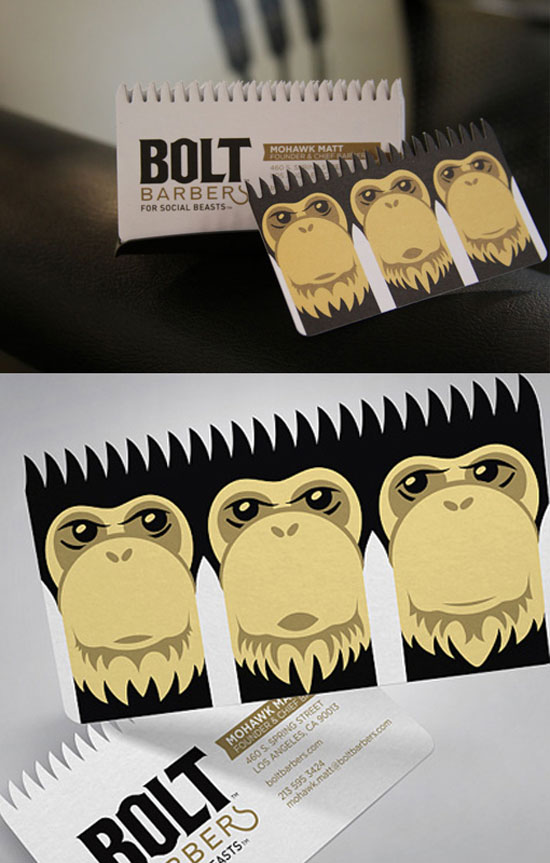
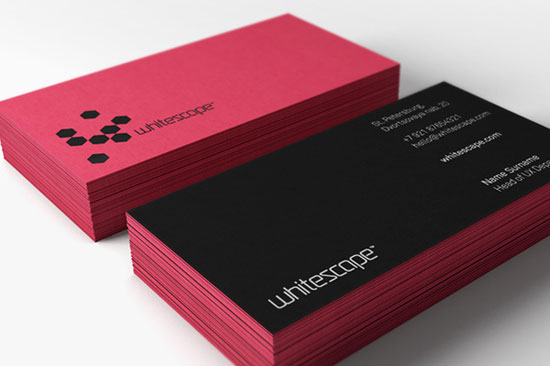
Savviva
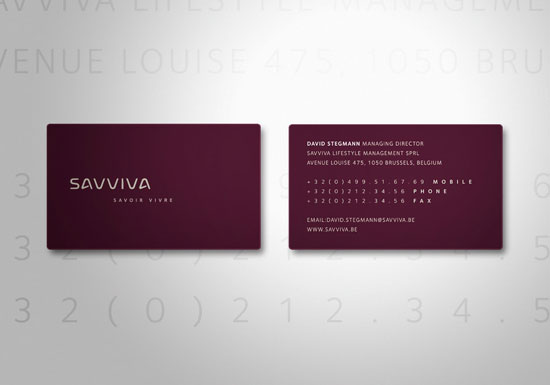
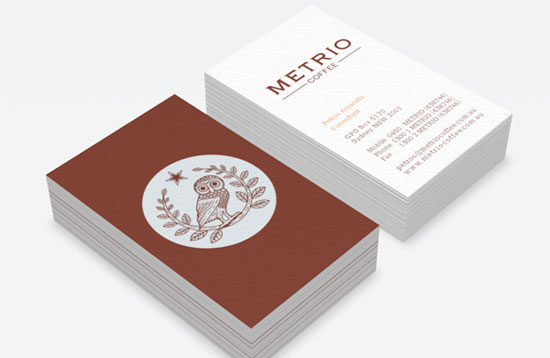
Nils Gustafsson
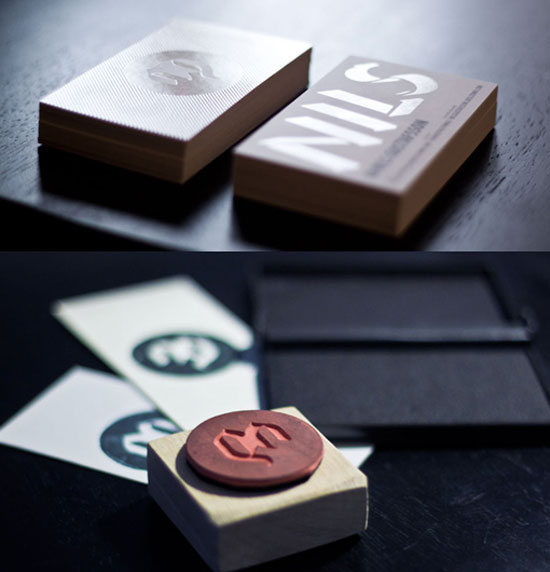
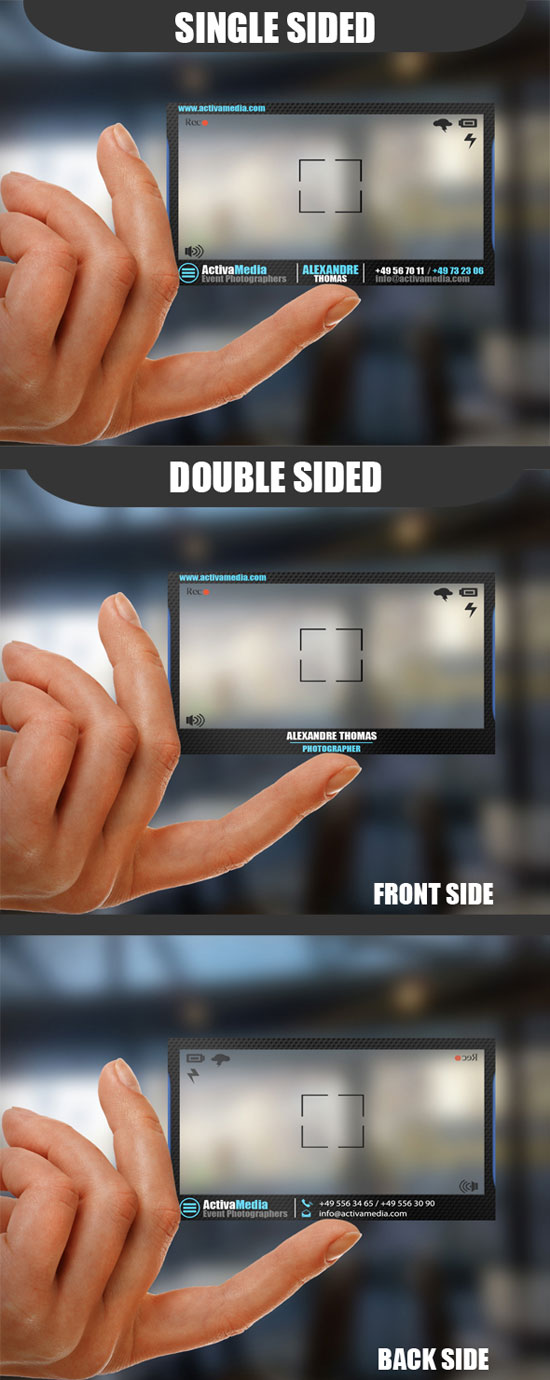
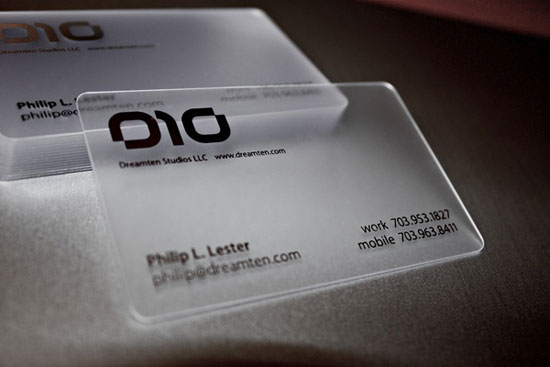
Translucent Photographer Business Card
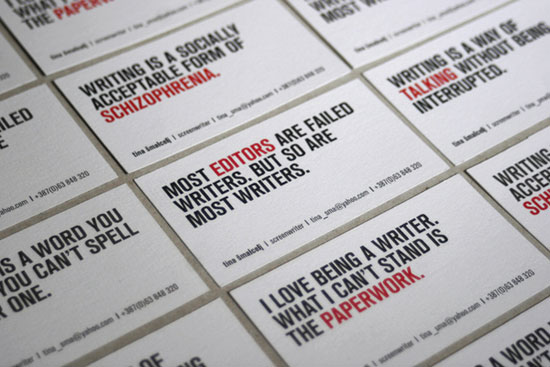
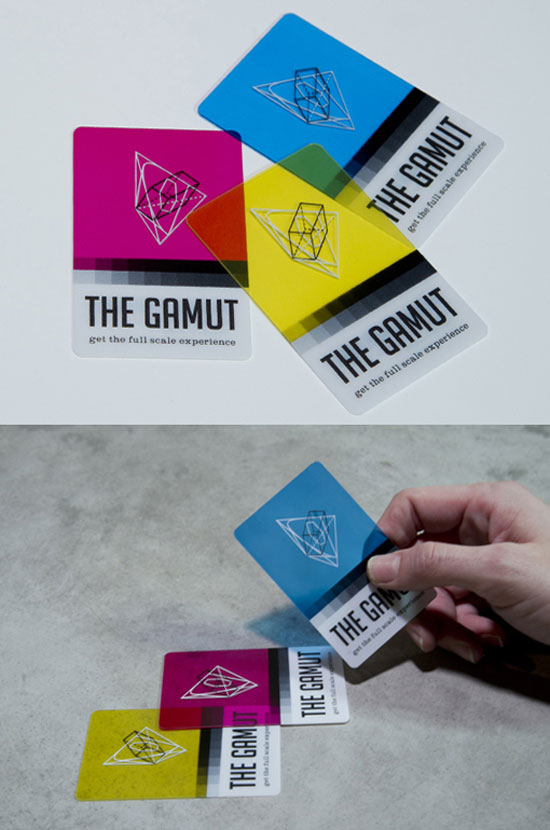
The Gamut
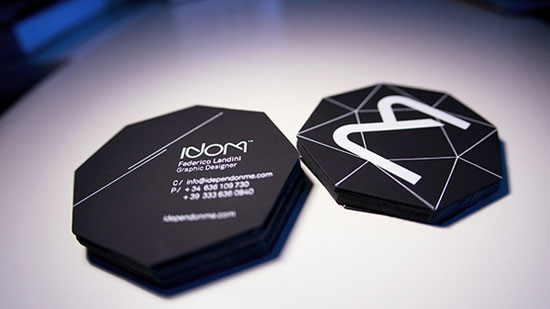
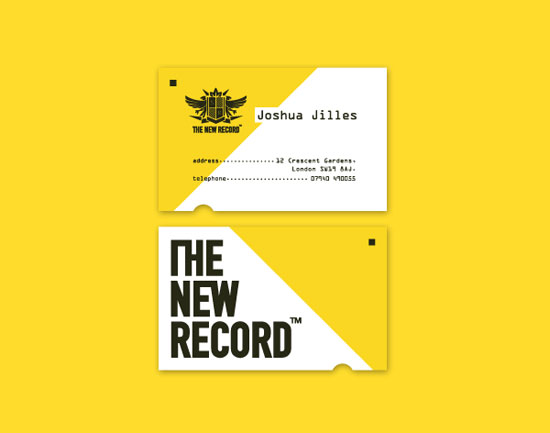
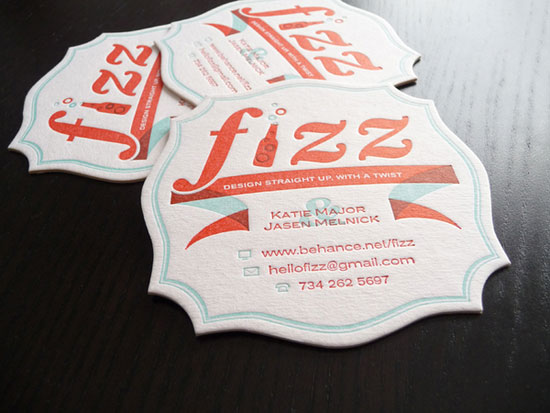
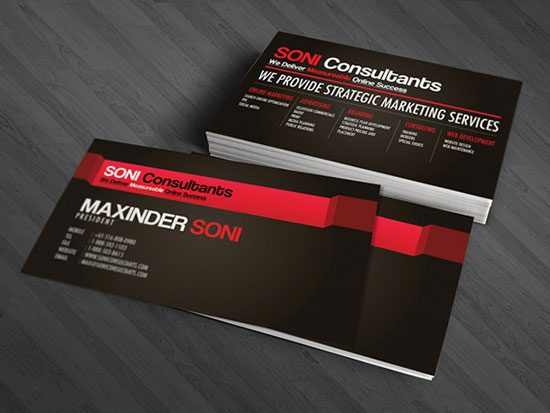
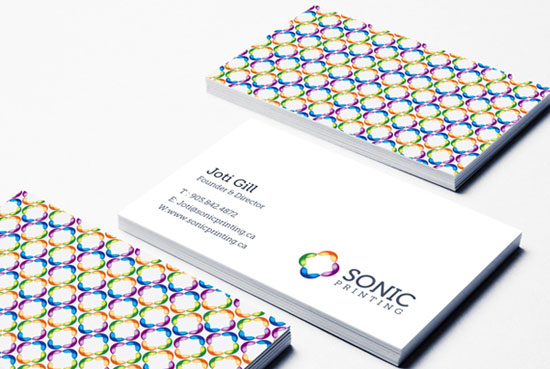
Sonic
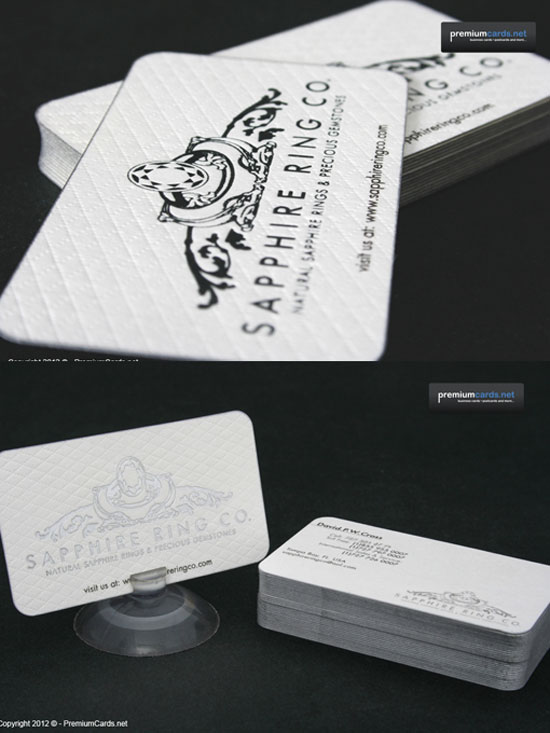
Sapphire Ring Co.
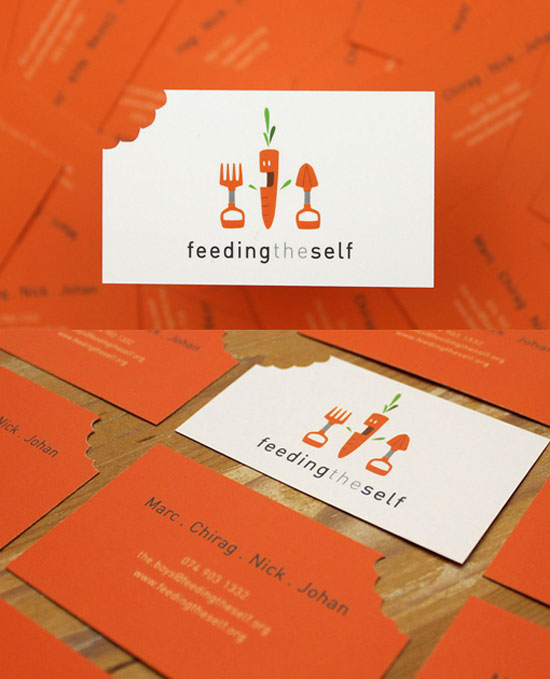
Feeding the Self
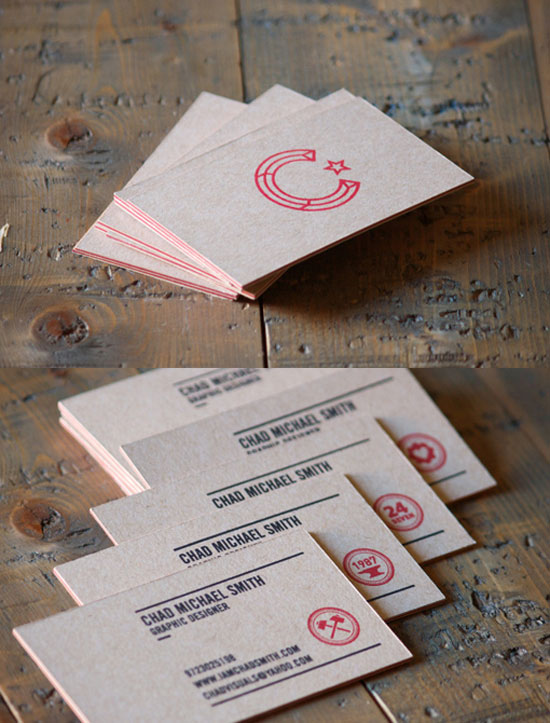
Chad Smith
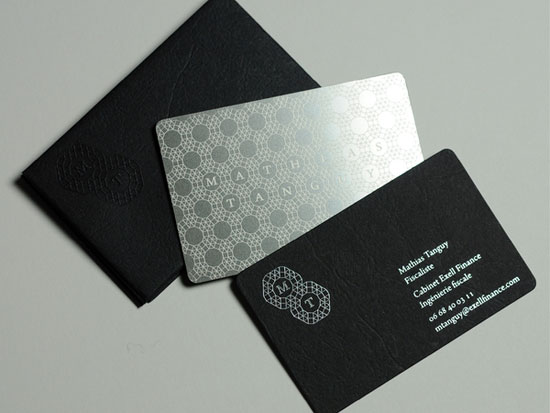
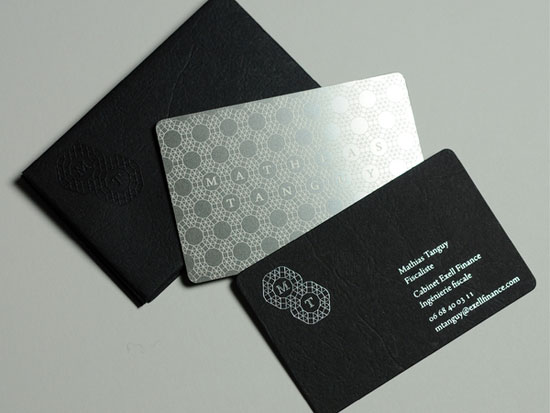
Mathias Tanguy
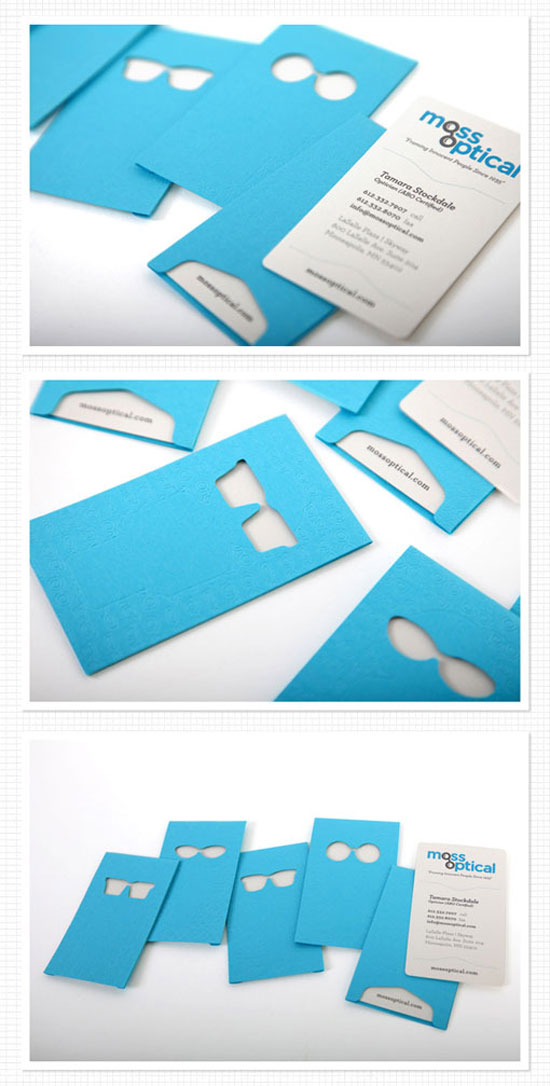
Moss Optical
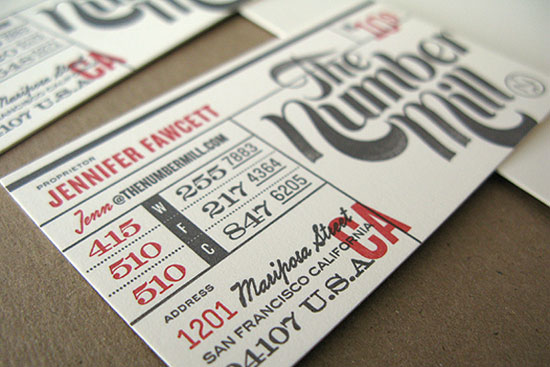
The Number Mill
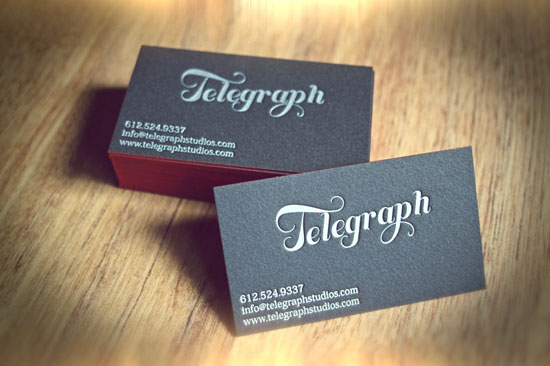
Telegraph
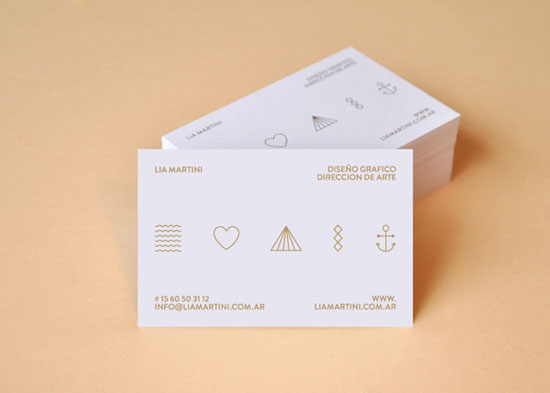
Lia Martini
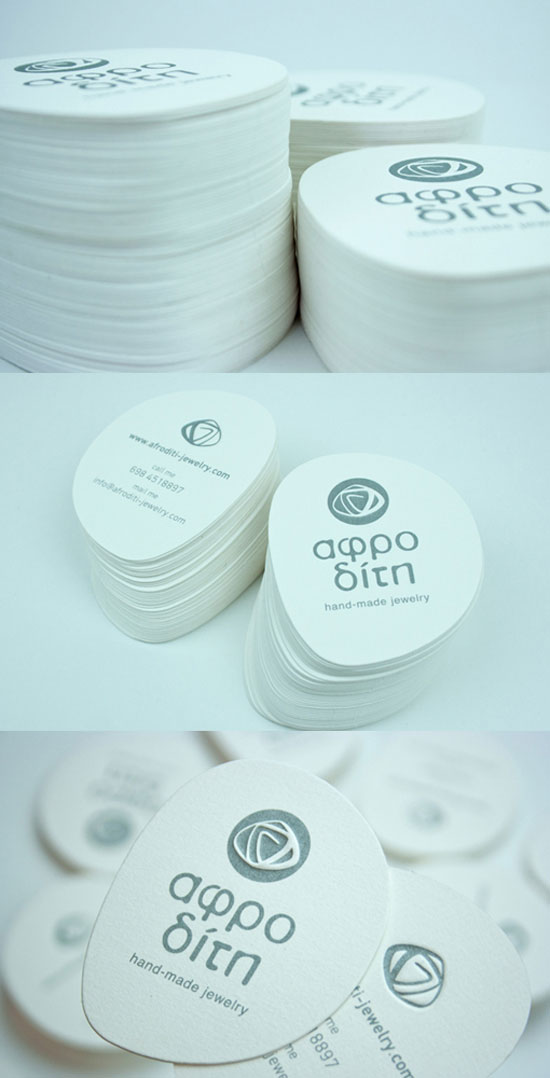
Afroditi Jewelry
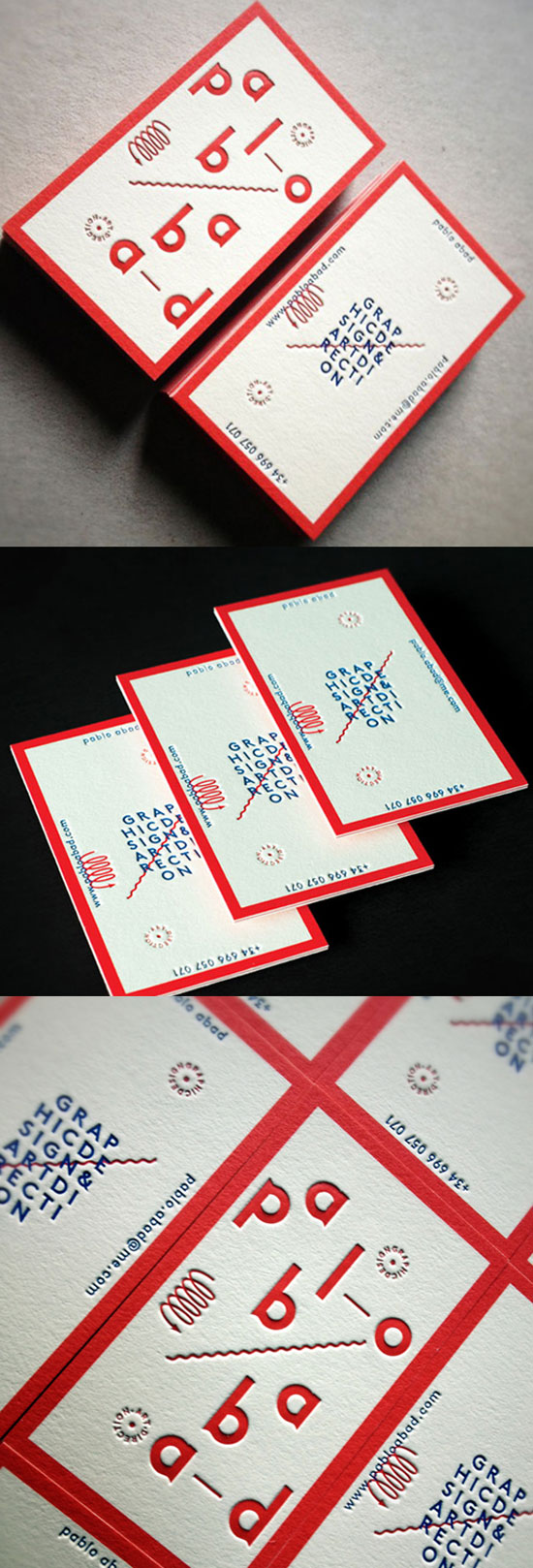
Pablo Abad
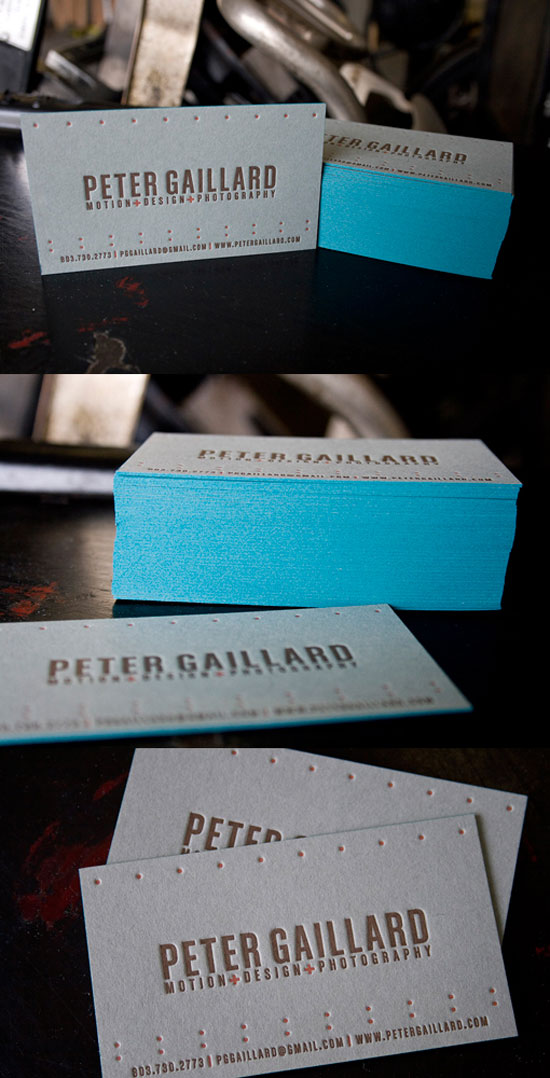
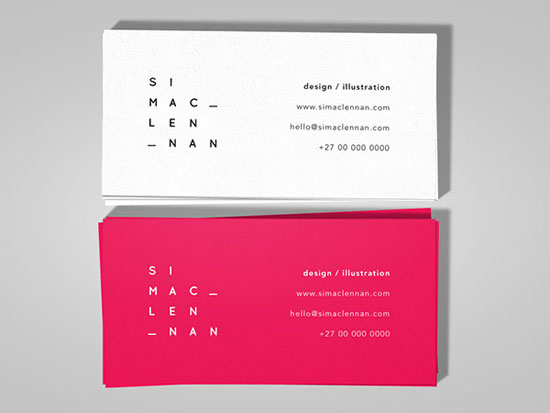
Si Maclennan
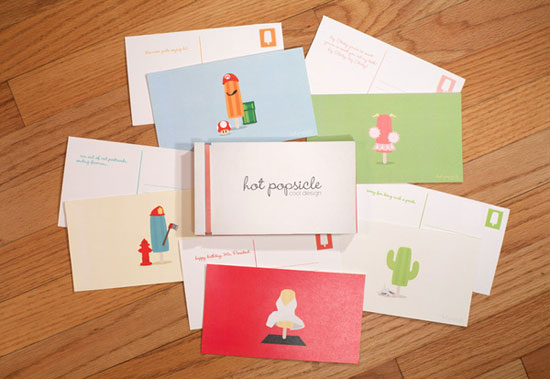
Hot Popsicle
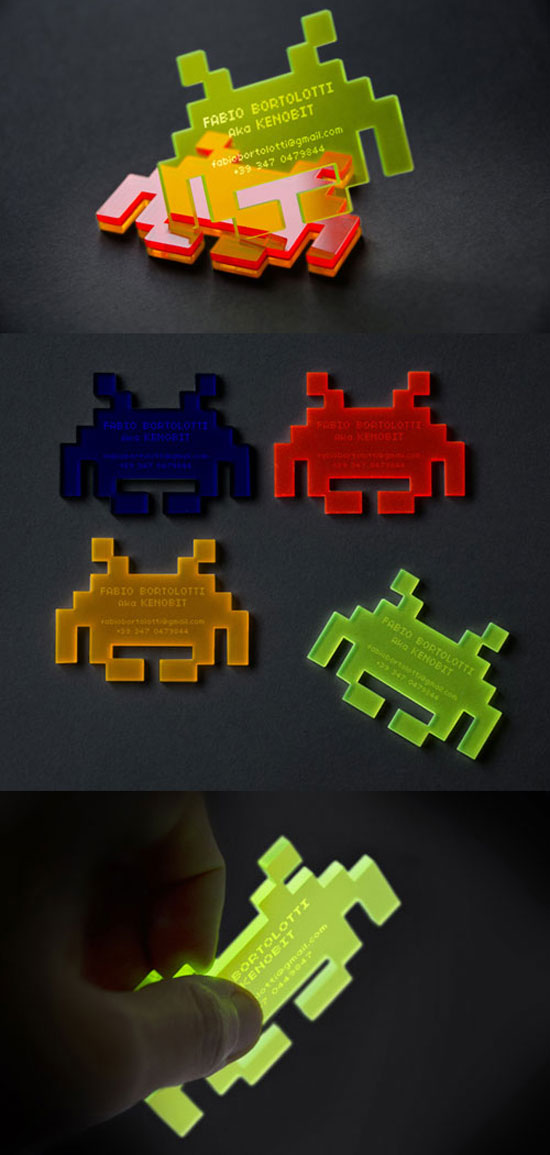
Space Invaders
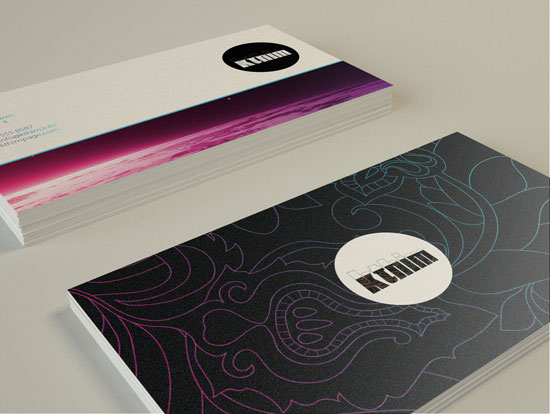
Kthim
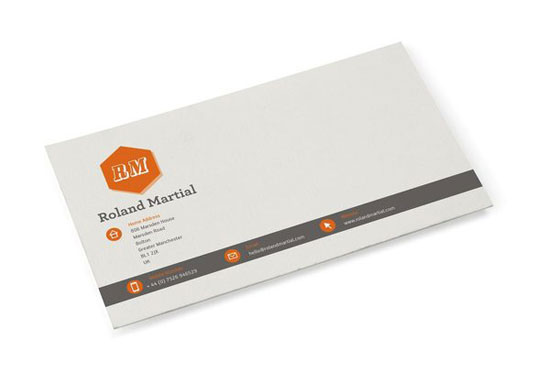
Roland Martial
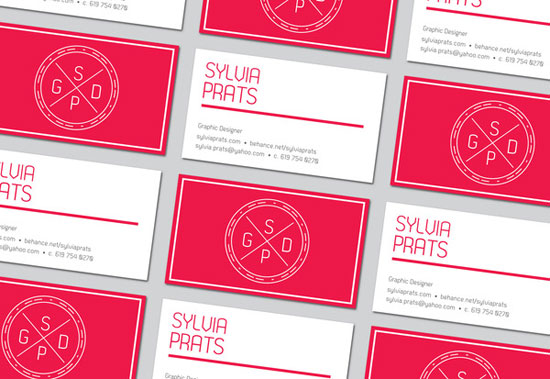
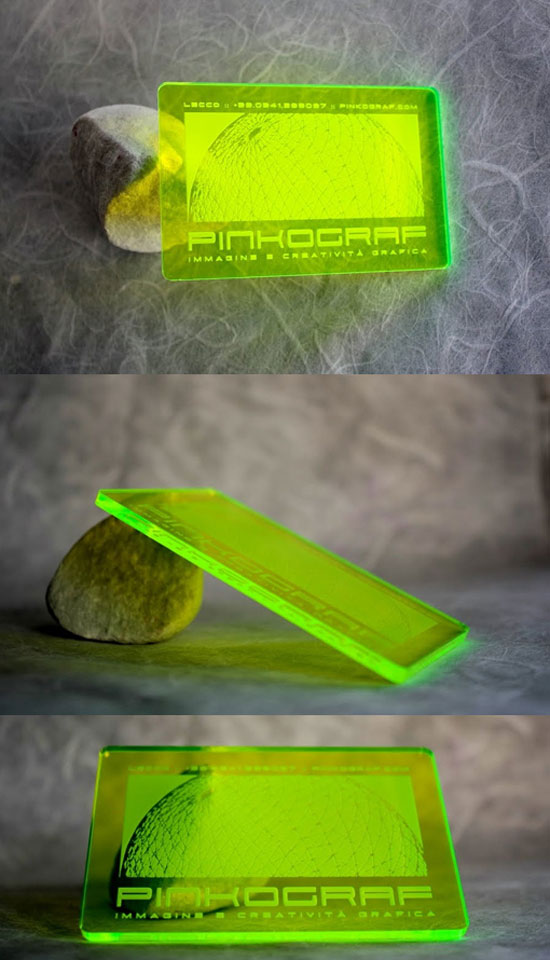
Pinkograf
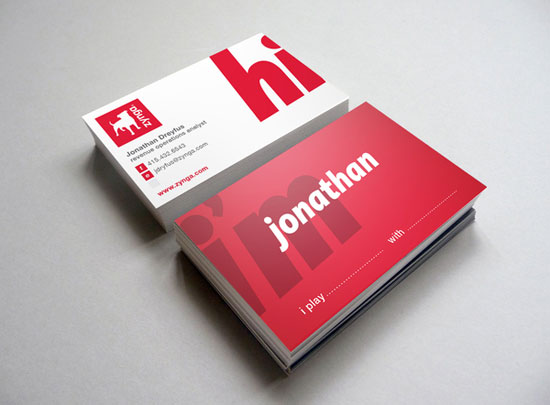
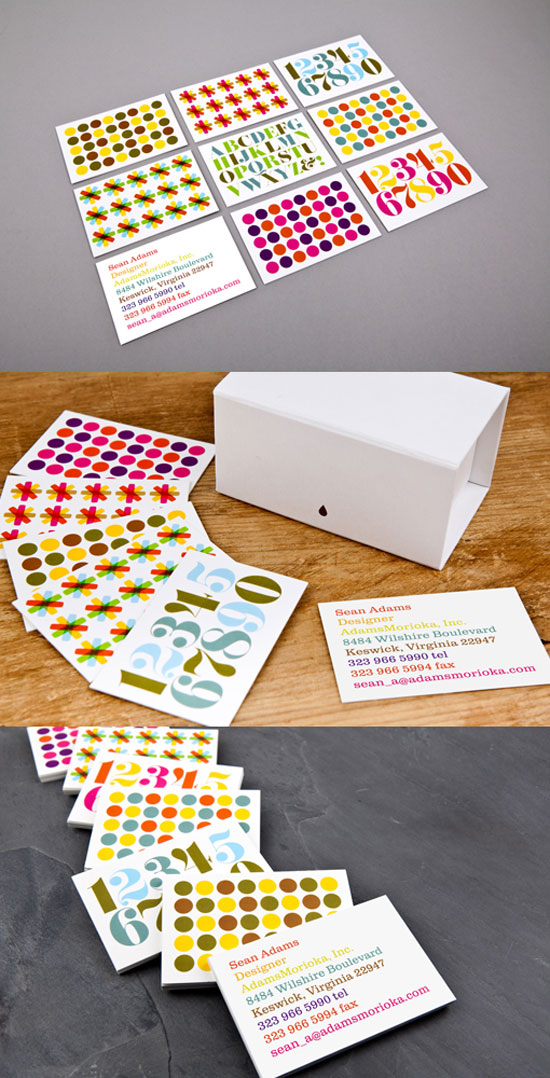
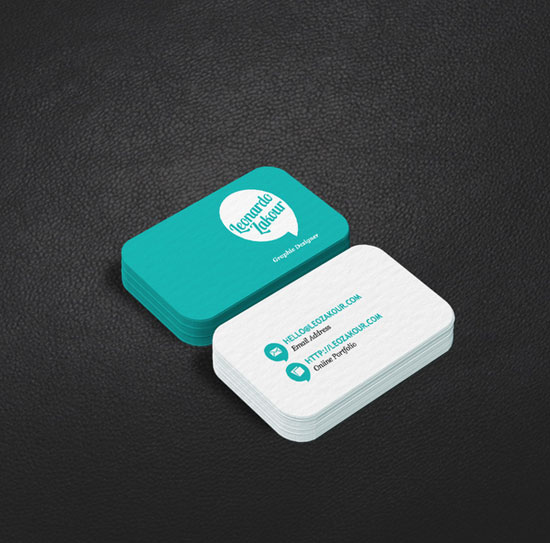
LEONARDO ZAKOUR
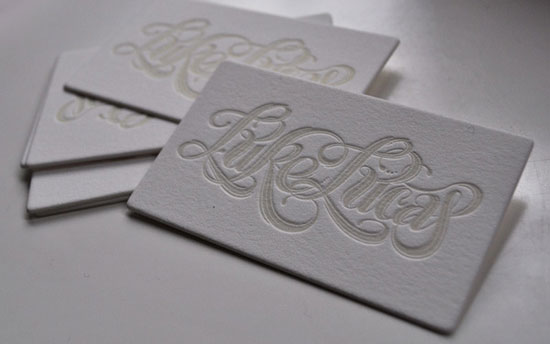
Luke Lucas
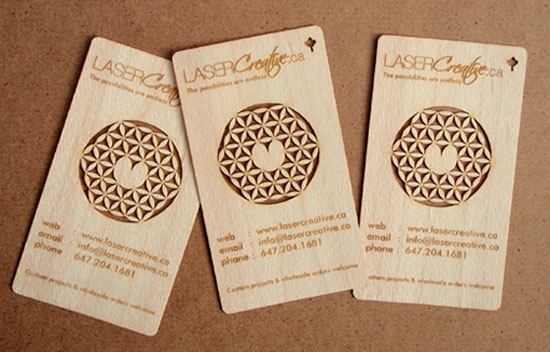
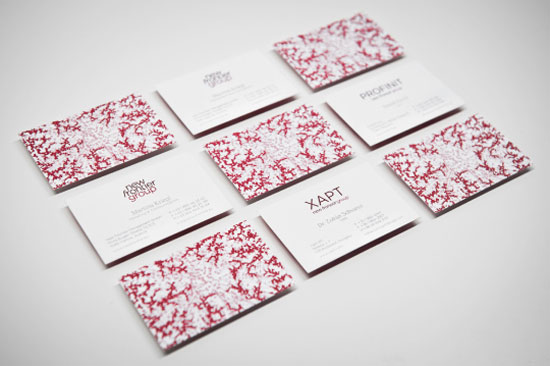
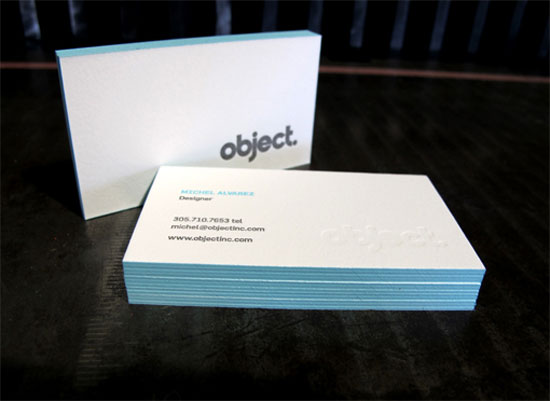
Object Inc.
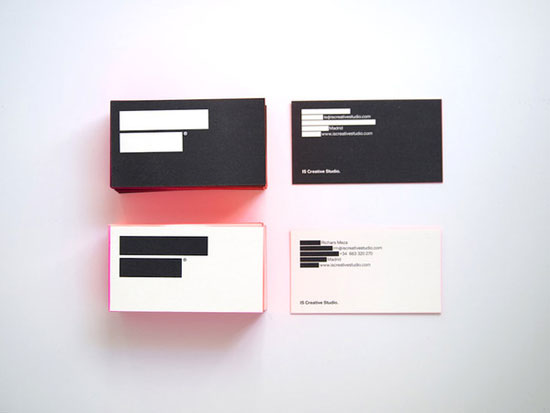
IS Creative Studio
Strange But Efficient Business Cards
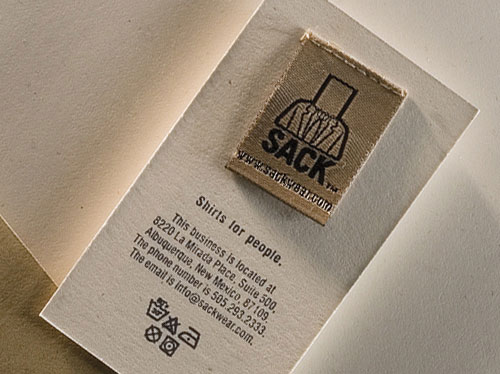
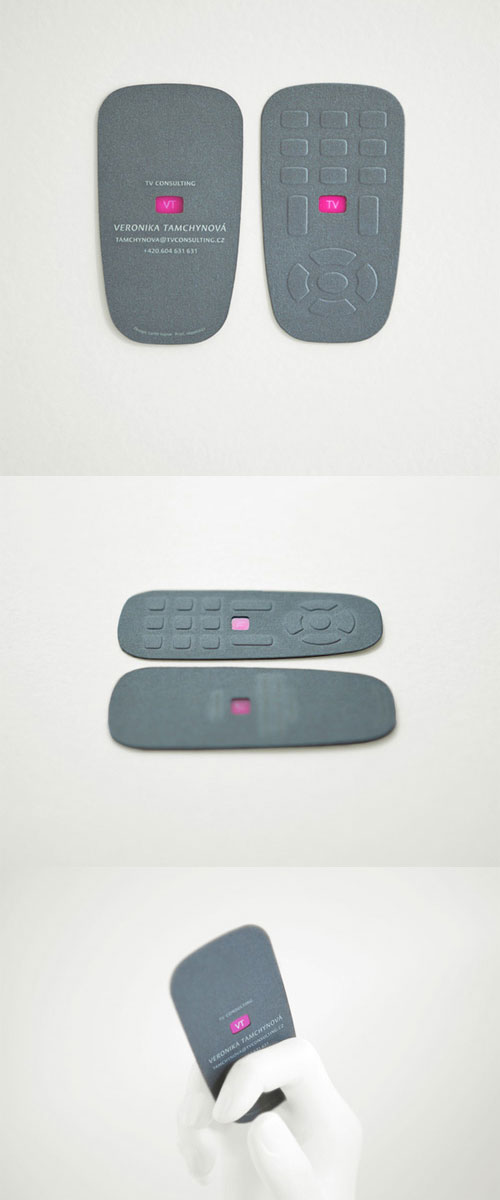
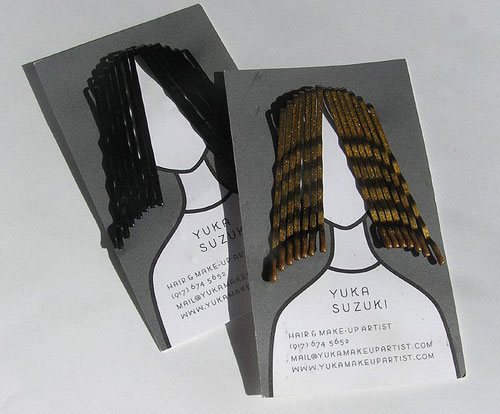
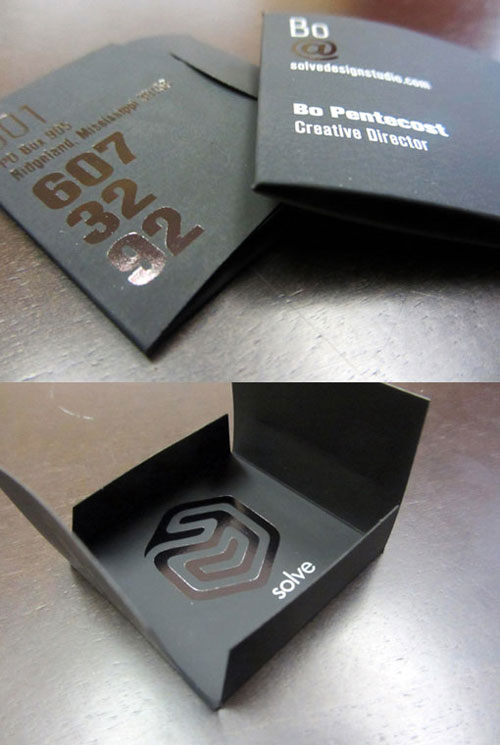
Most people forget about a person’s business card because in many cases you tend to see a dull, simple and common one.
But there are some people who don’t just make or ask for a creative custom design, but also for a creative shape or something that other people haven’t thought about when making a business card.
These examples of business cards that are out of the ordinary are a sure thing when it comes to business cards because you will definitely remember them and also the person who owns it.
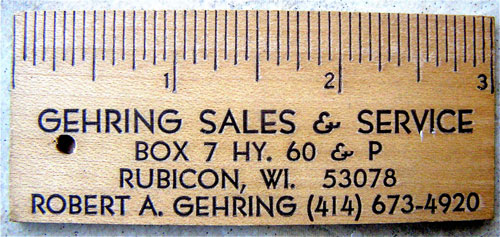
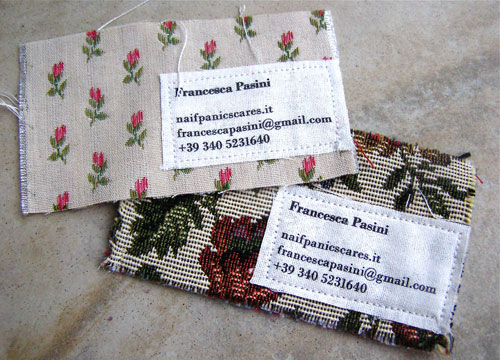
I have never thought in my early designing days that I’ll see good business cards design created from a different material than paper, but I’m happy that I was proven wrong later when I saw cards made of cloth, plastic, metal and even wood.
Out of the ordinary helps a lot for your business in this case and if you are in a creative domain, it will surely earn you some points, proving that you have imagination and a good source of business card design inspiration.
Enjoy the following cool business cards.
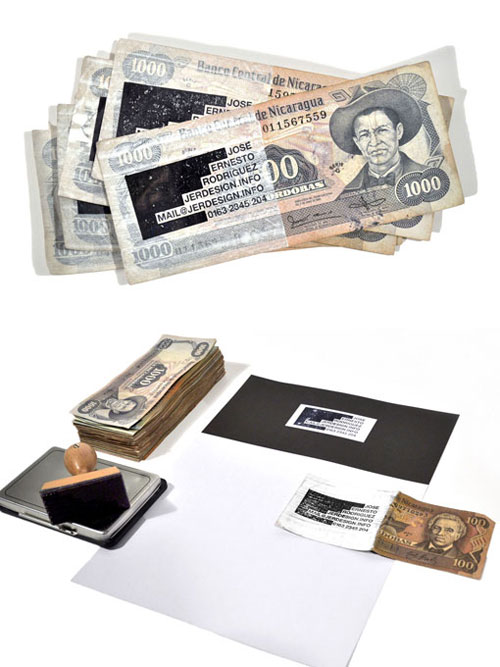
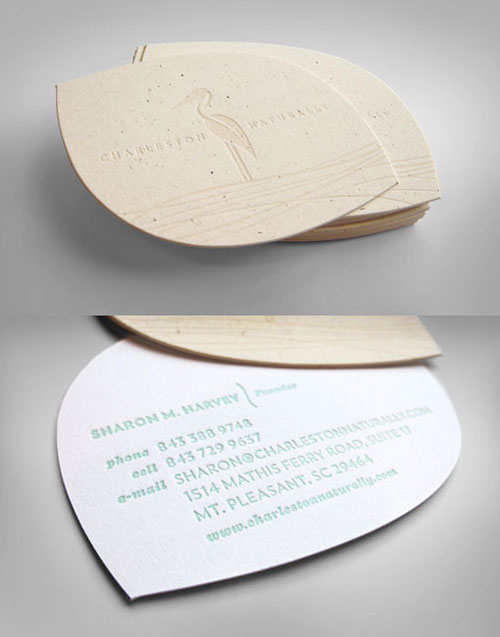
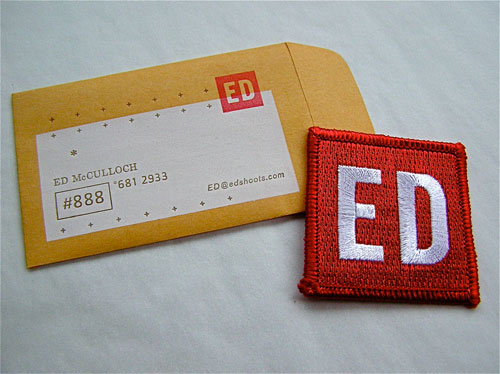
Jose Rodriguez
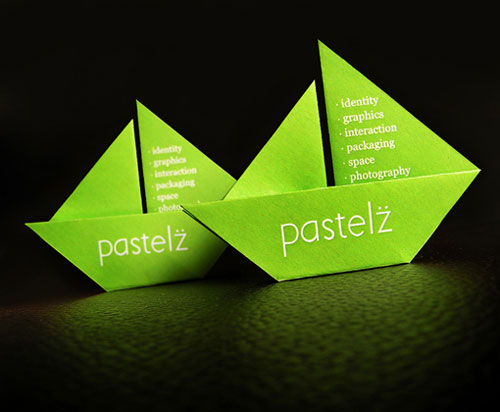
Pastelz
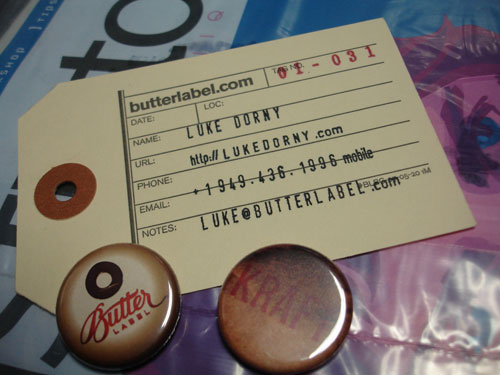
Butter Label
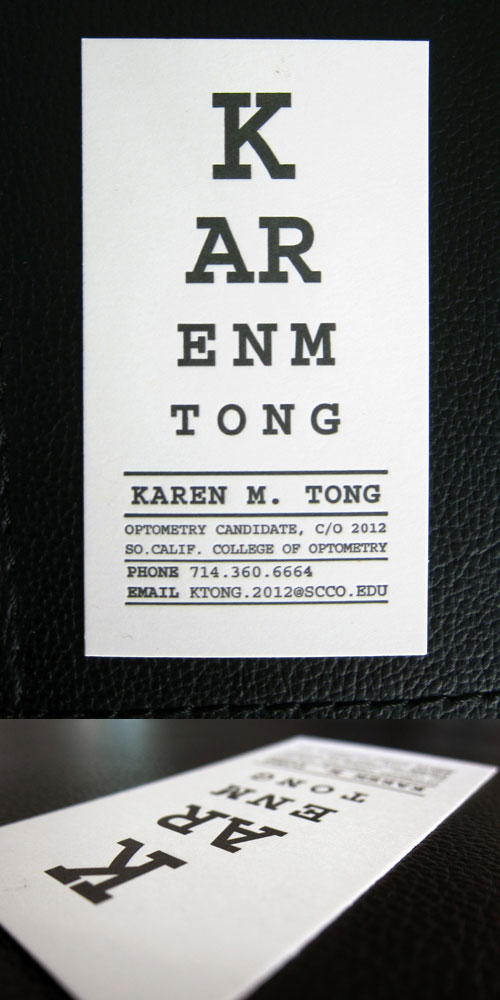
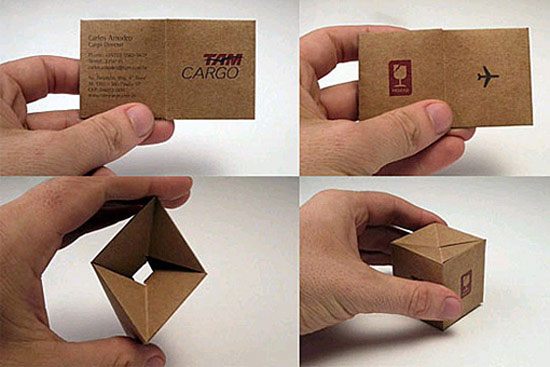
TAM Cargo
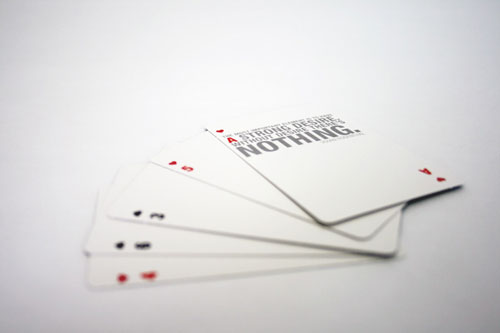
Deck
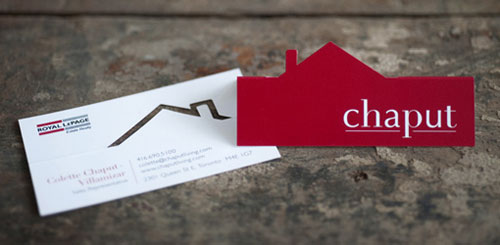
Chaput Real Estate
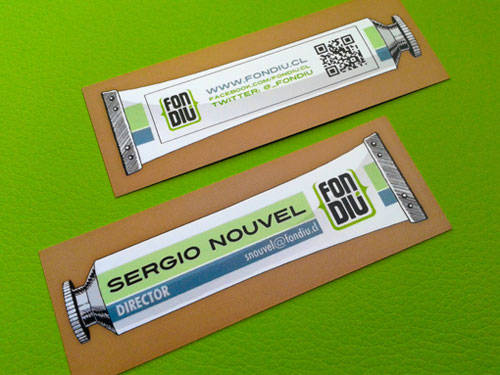
Sergio Nouvel
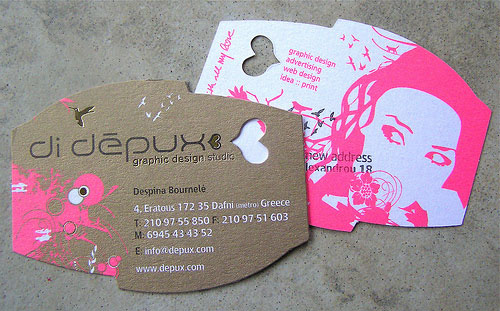
Depux
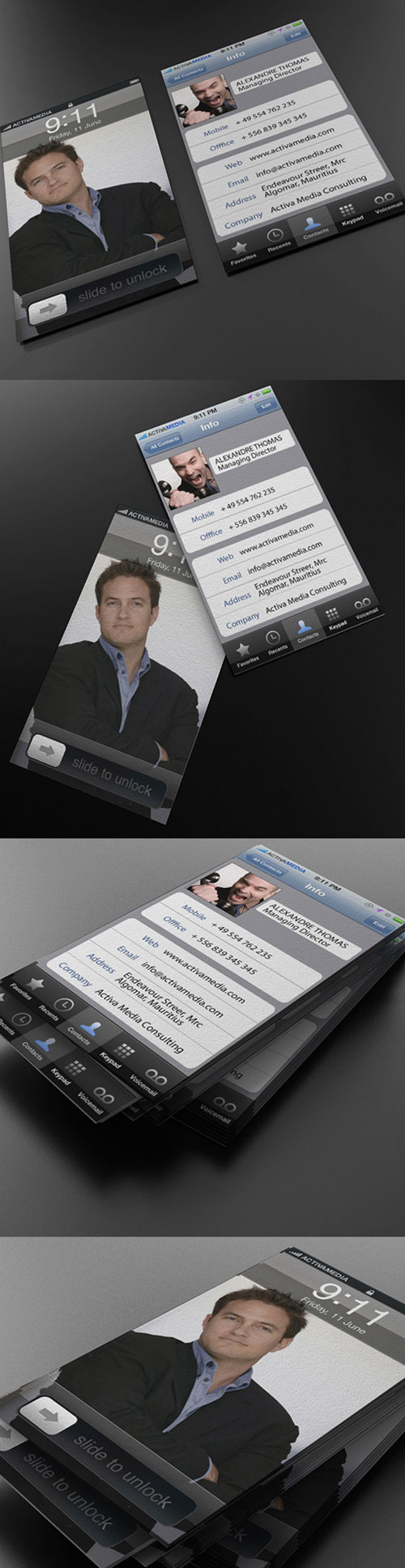
Activa Media
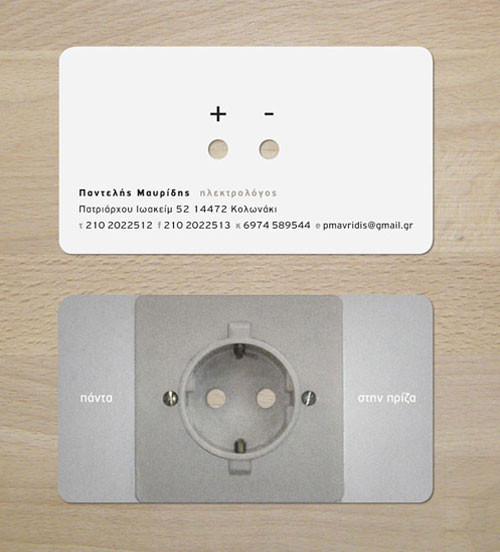
Greek Electrician
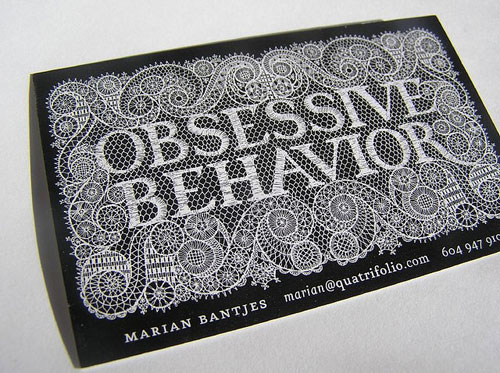
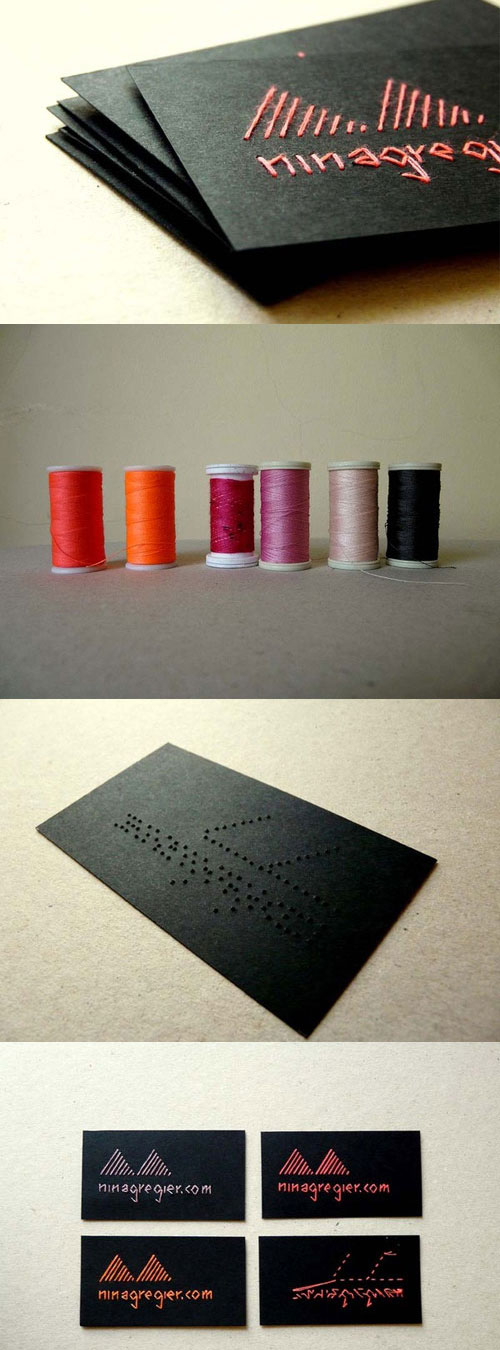
Nina Gregier
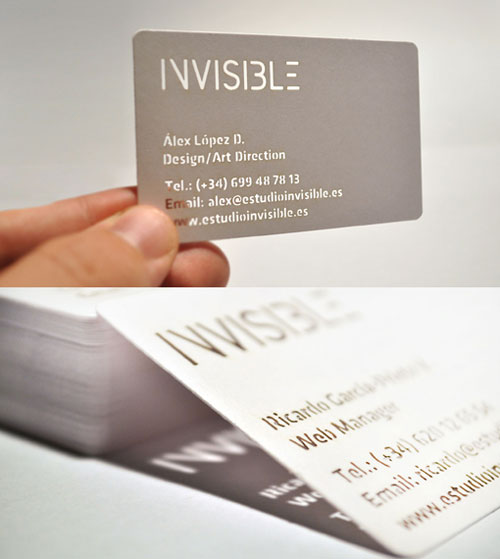
Alex Lopez D.
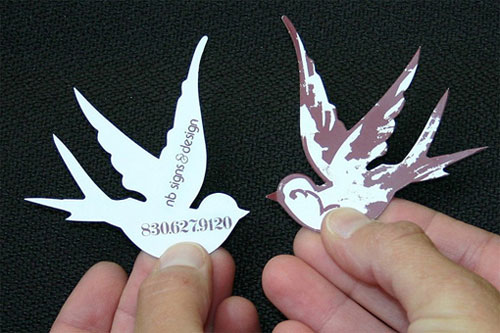
Guillaume
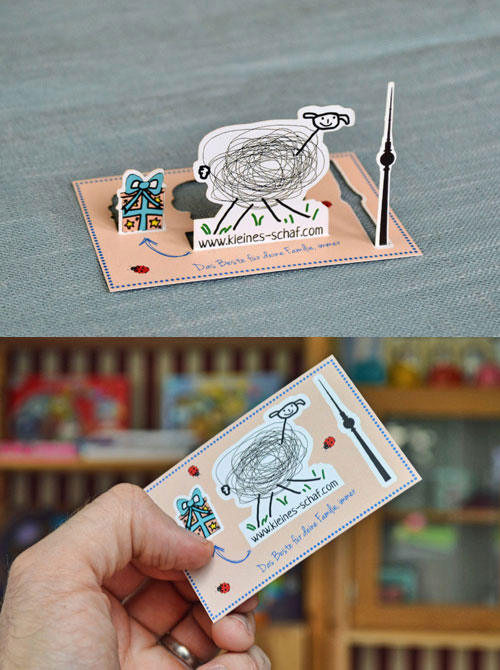
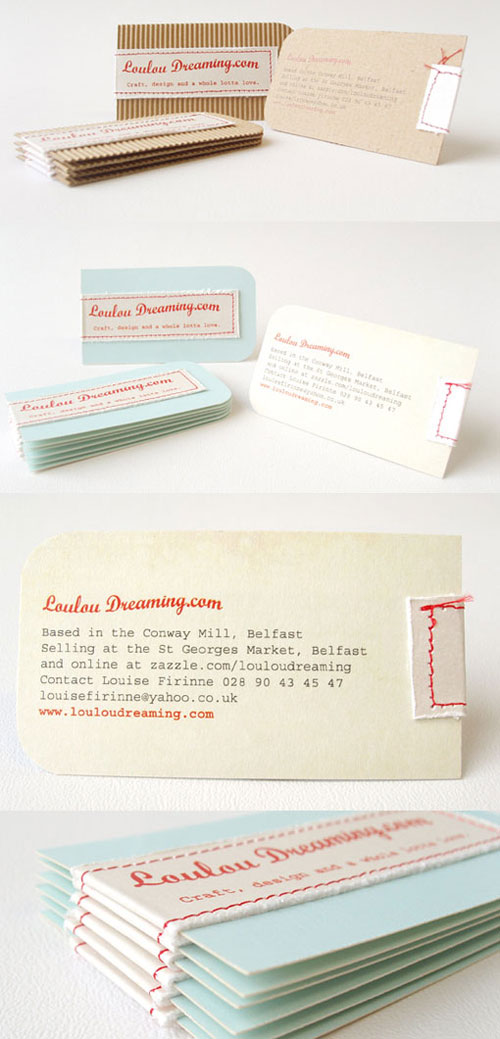
Loulou Dreaming
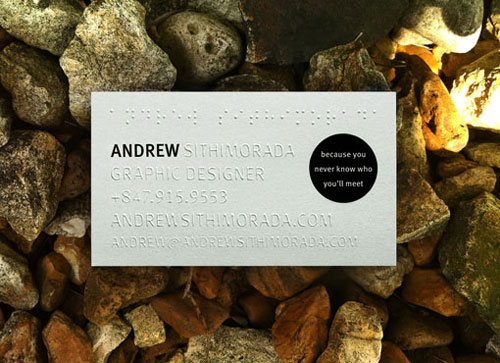
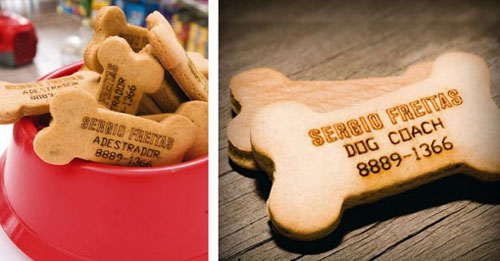
Sergio Freitas
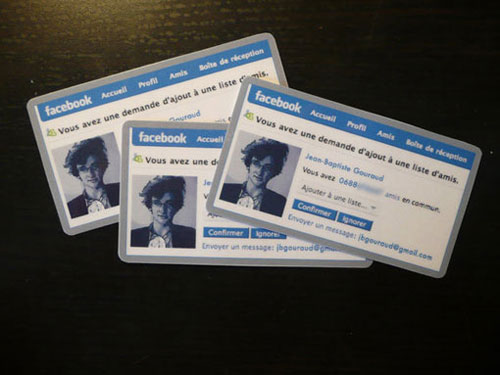
Jean Baptiste Gouraud
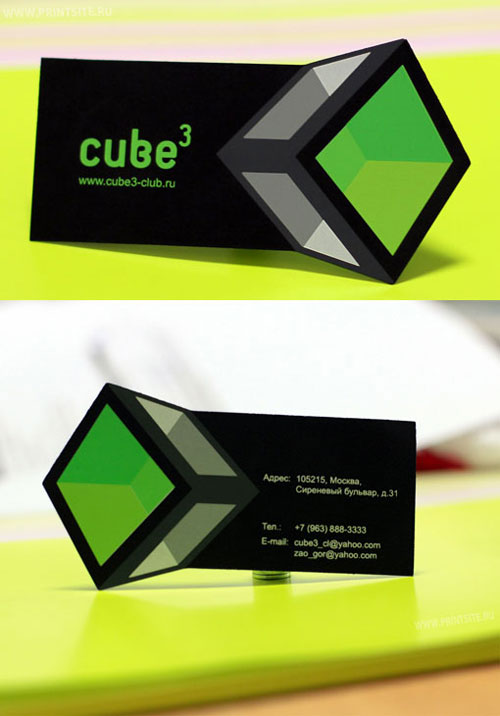
Cube 3 Club
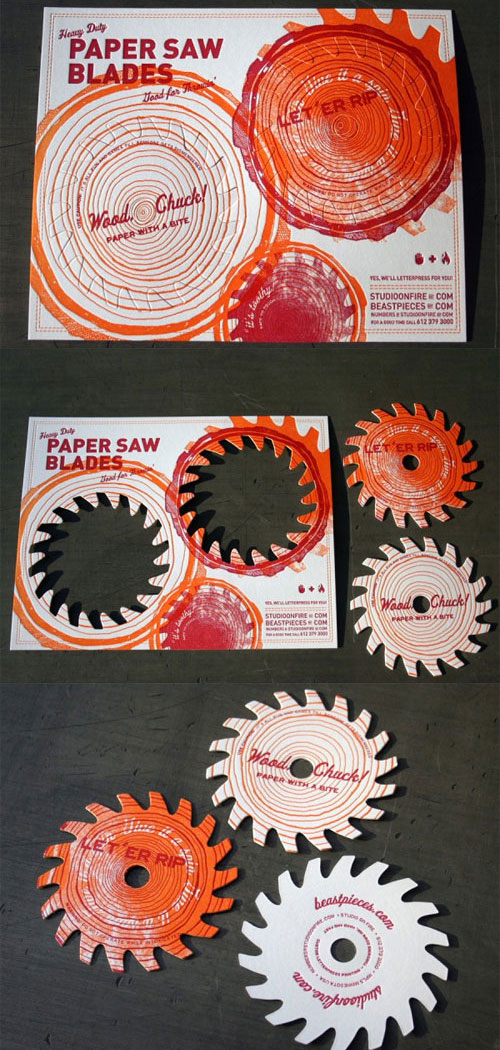
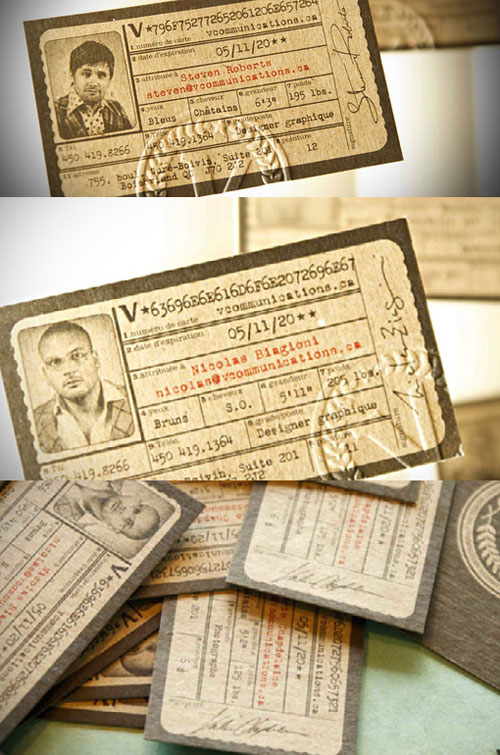
V Communications
Creative Business Card Designs
It’s hard to imagine how difficult it is to create a business card that has an out of the box design, outrageous or not, but memorable at least.
Most of the times designers find themselves very enthusiastic about what they’re working on, but in the end they realize that what they’ve designed is nothing more than ordinary.
Designing an ordinary one isn’t necessarily bad if you stick to some standards, rules and guidelines of designing a business card, but what you want for your client and, especially, what the wants for himself is to have a great business card, not just a regular one.
The client wants a business card that stands out of the crowd and makes his image memorable.
A good step that you could take for assuring that you have the basis for creating an awesome business card design is to read tips, tricks and guidelines from professionals that have been in this industry for a while.
Another good step would be to have in your memory a bundle of great business card ideas and trends that they follow.
Bentply
Color and the Kids
Root + Branch
Boardinker
Square
Eastside Music
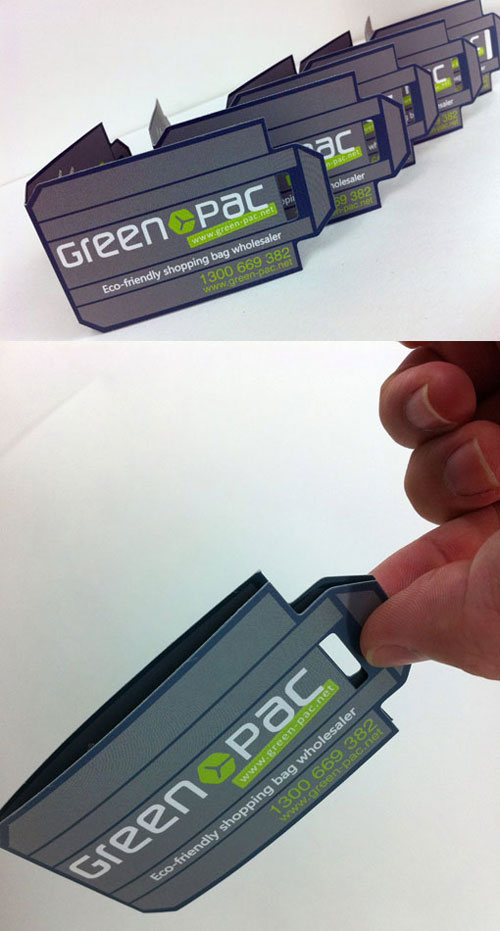
Bag Avenue
Yeti Frozen Custard
John Russell
Sasha Pikula
Total Content
Brand Architects
Checkthis
CARVD
Boolab
The High Five
Workspace
Obllique
Chiara Ceccaioni
Rich Brilliant Willing
The Wellgro Co.
Henry Billington
Banjo Music
Attido
Fundamental
Rama Estudio Taller
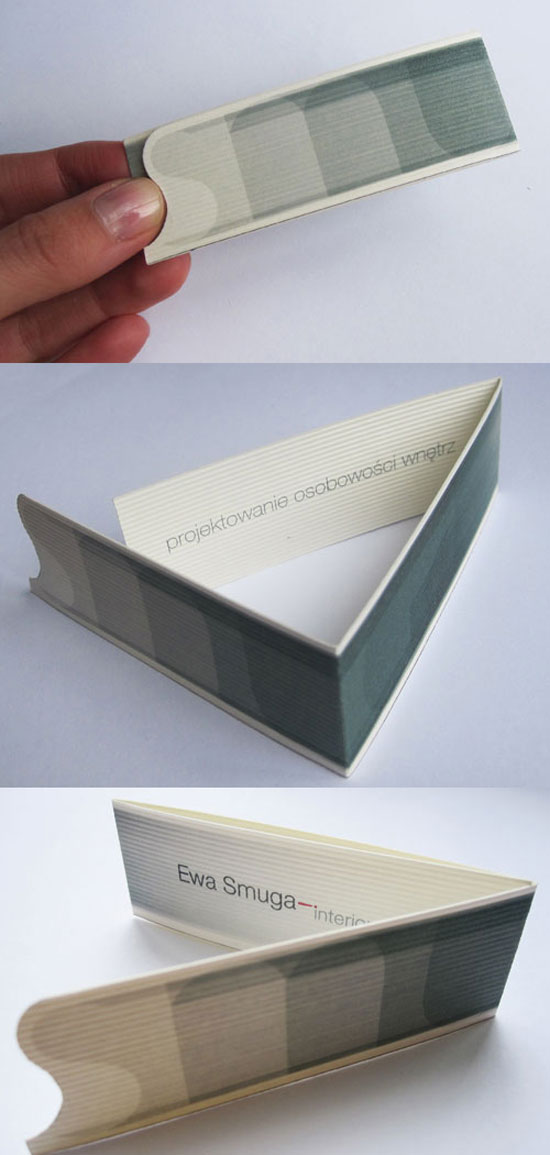
Ewa Smuga
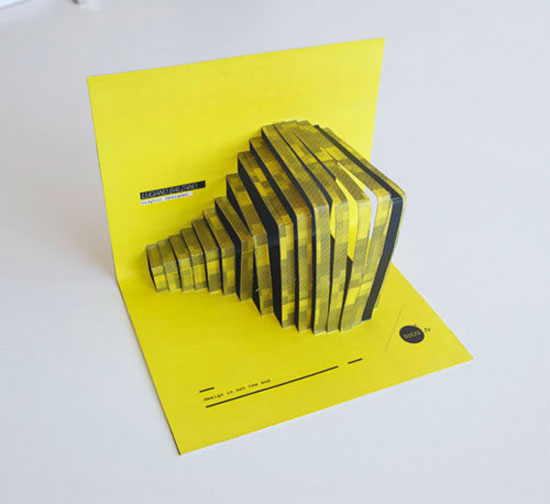
Luciano Balzano
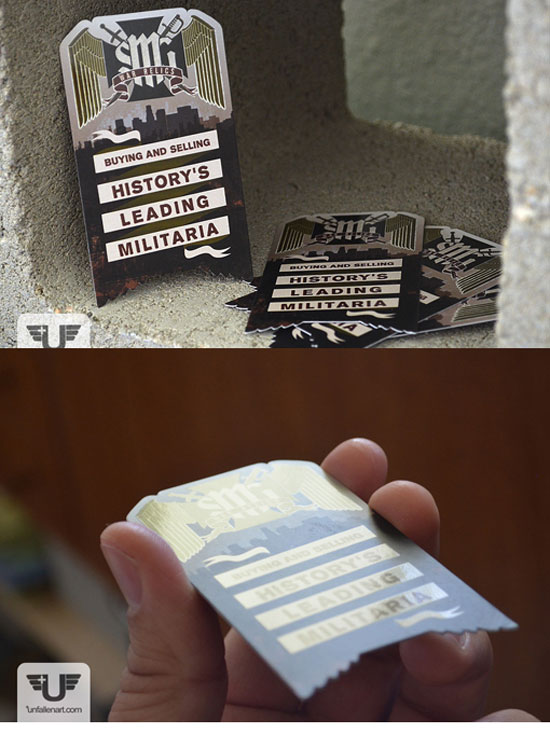
Cinzia Fortuna
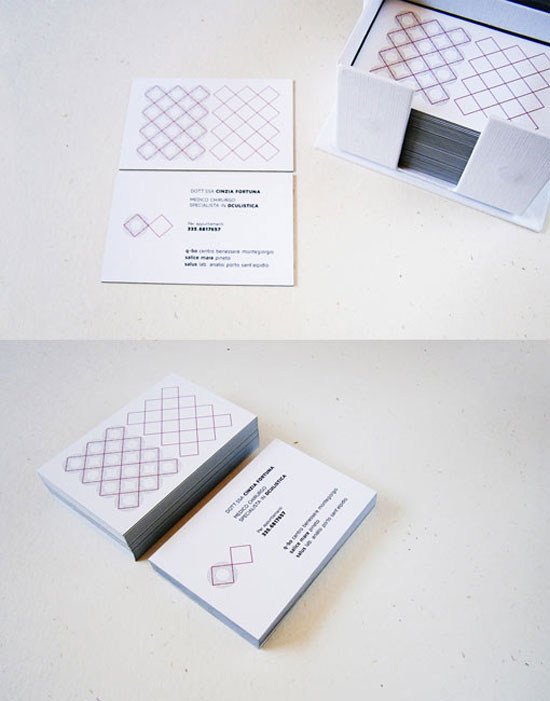
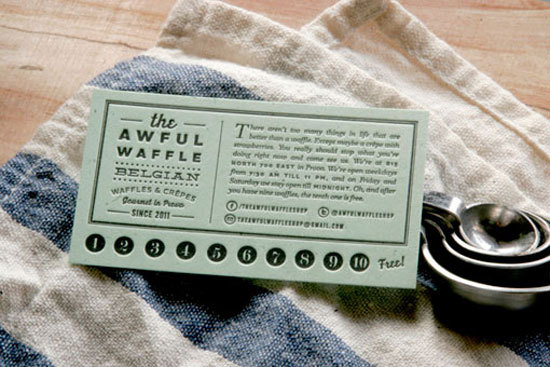
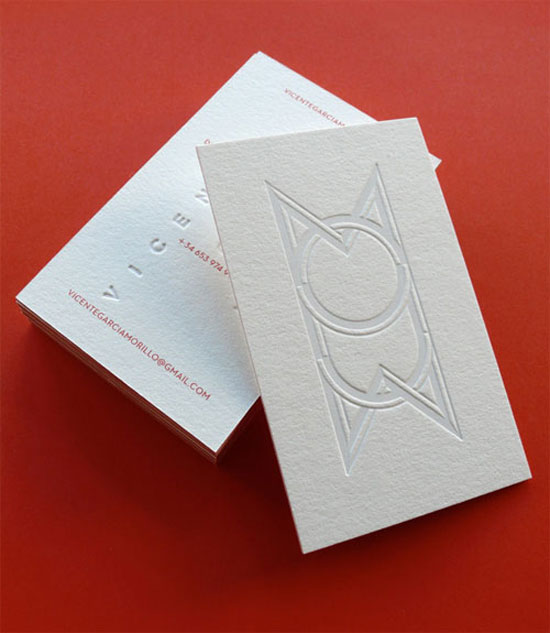
Vicente García Morillo
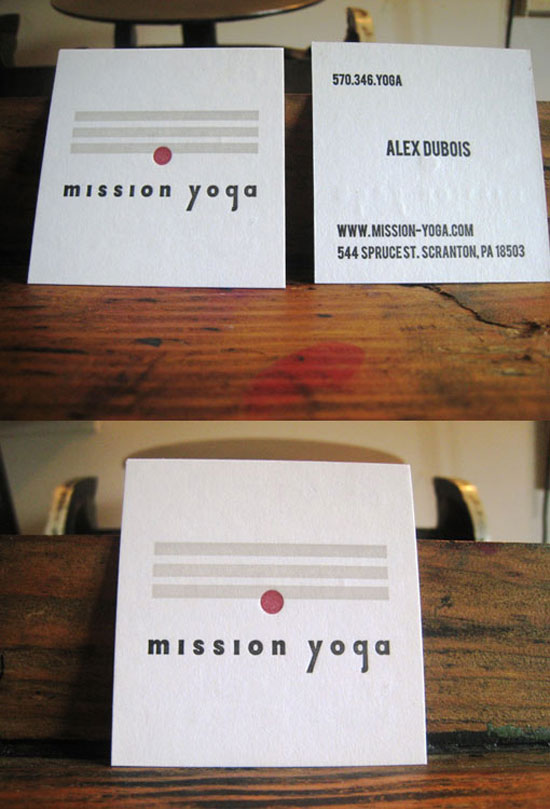
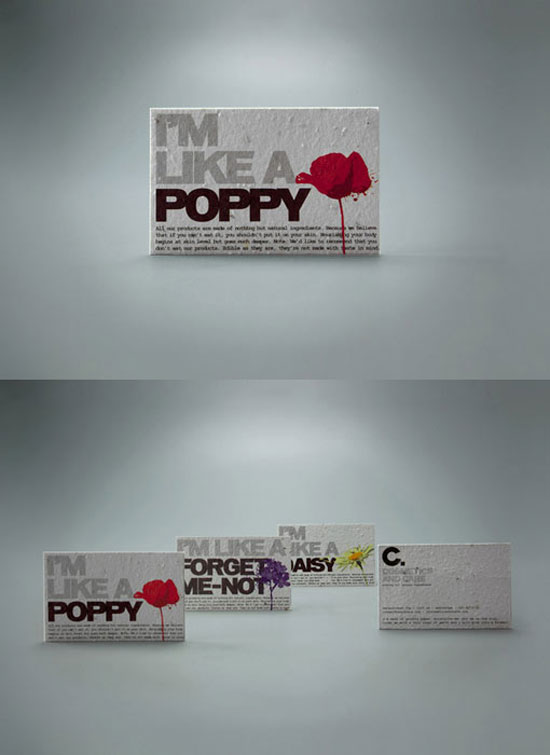
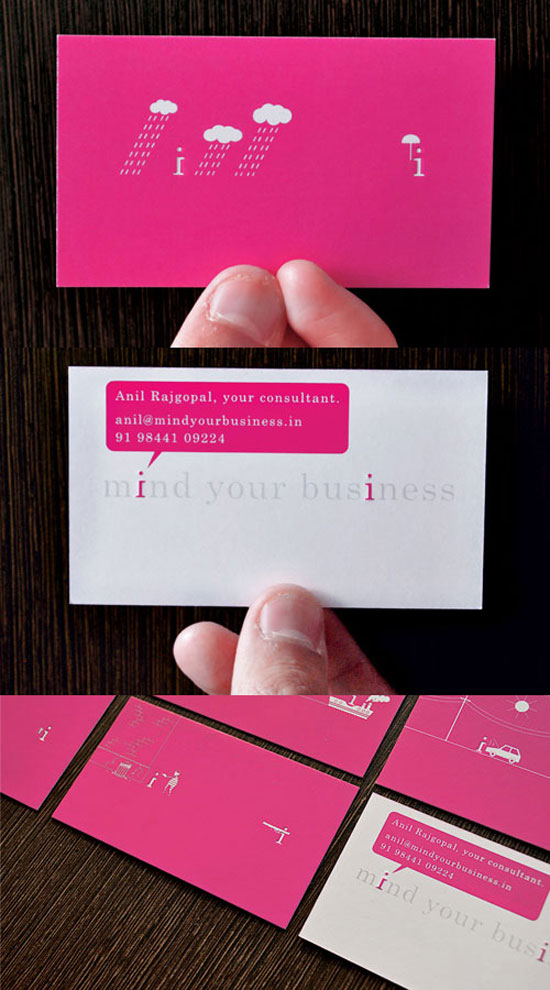
Mind Your Business
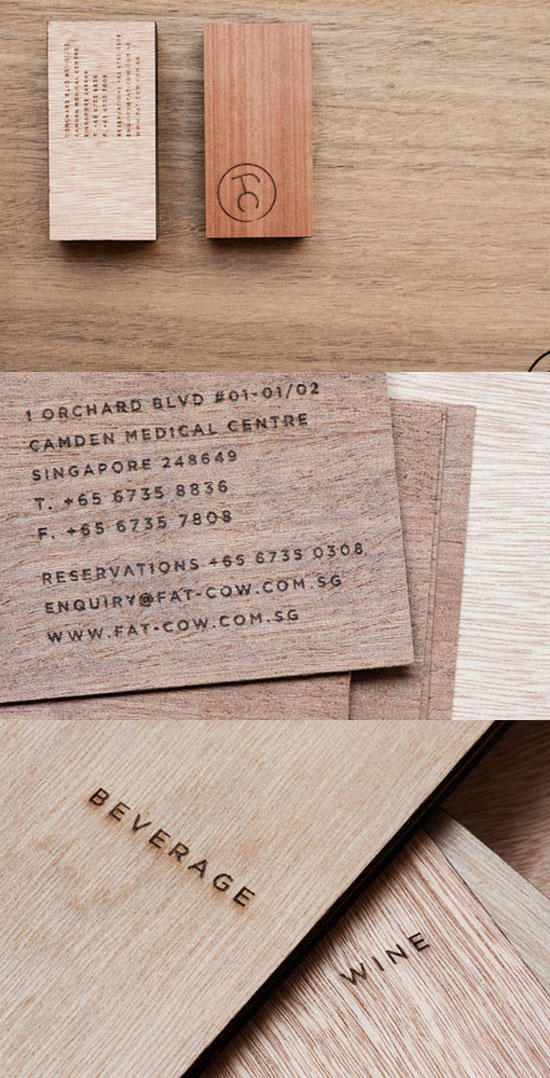
Fat Cow
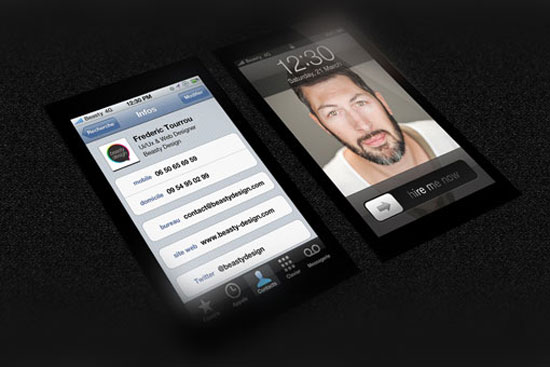
Frederic Tourrou
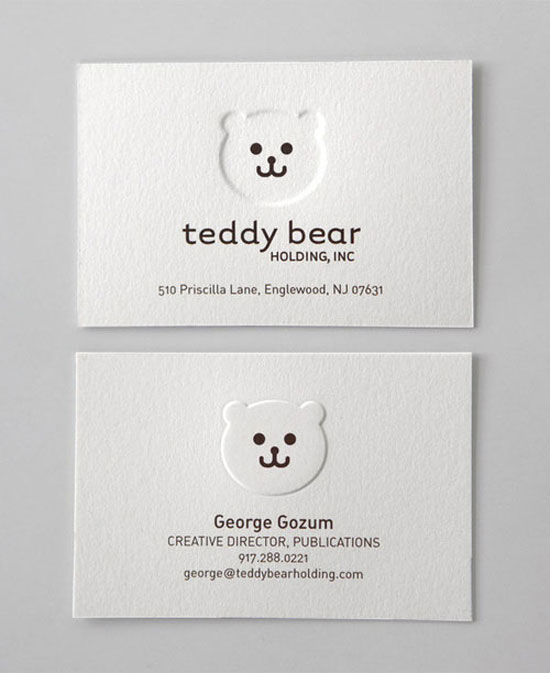
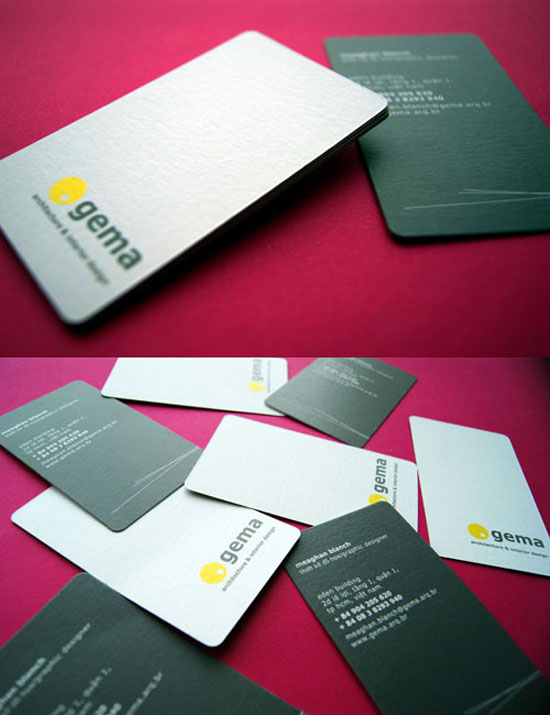
Gema Architecture & Interior Design
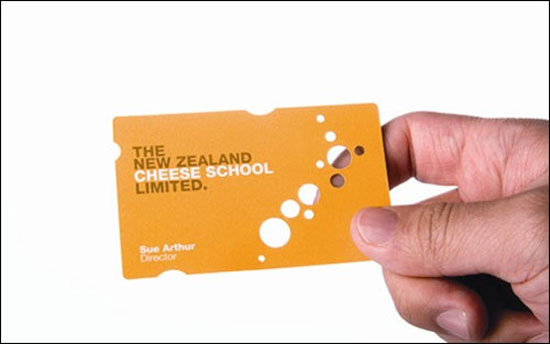
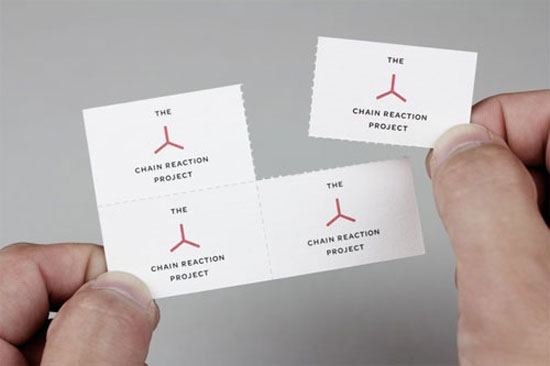
The Chain Reaction Project
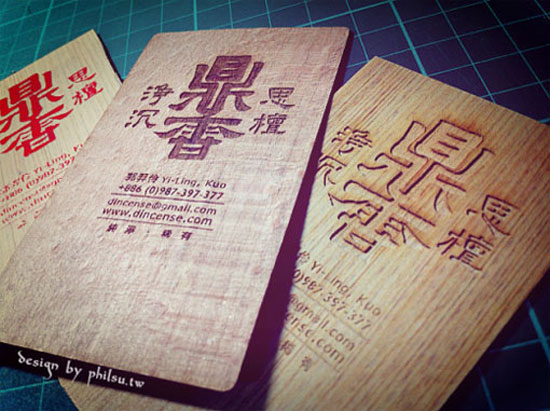
DIncense
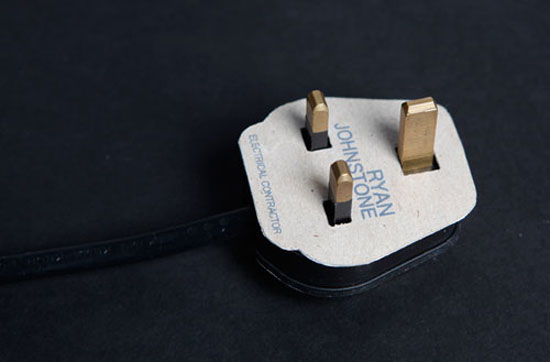
Ryan Johnstone Electrical
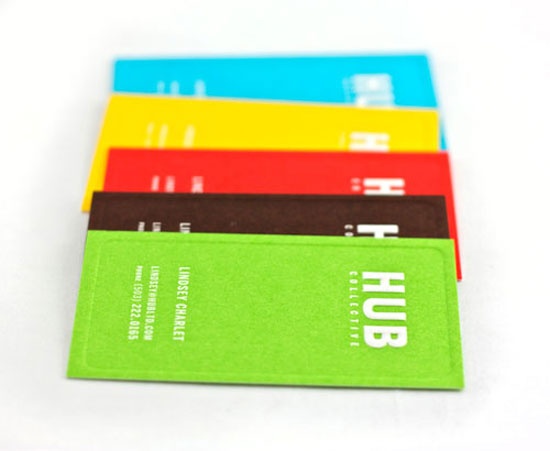
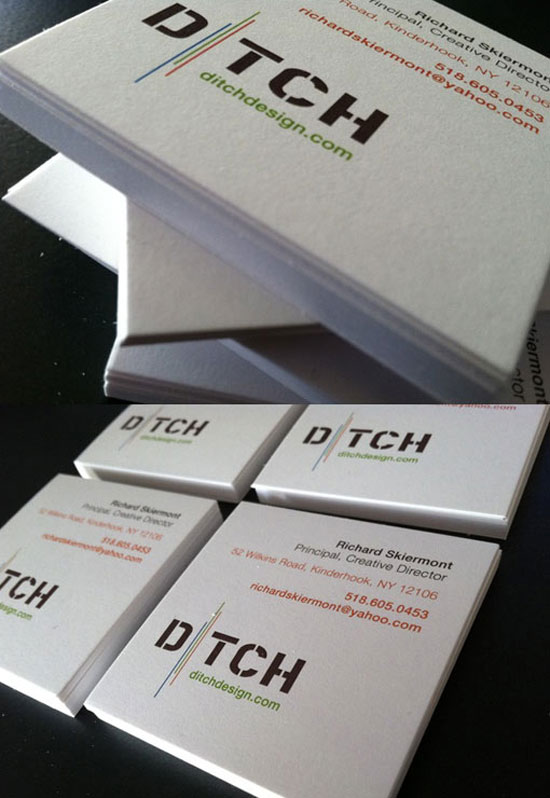
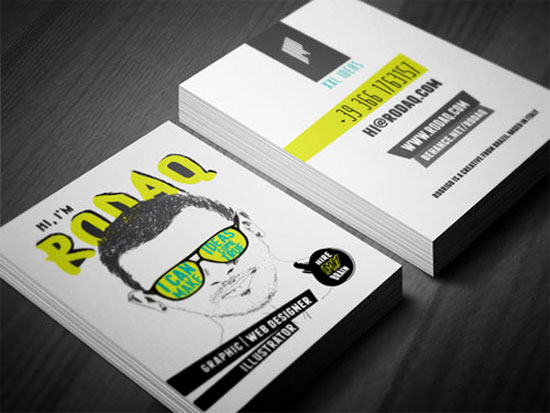
Rodaq
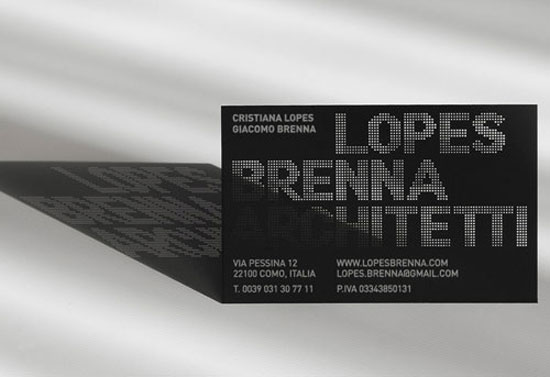
Lopes Brenna Architetti
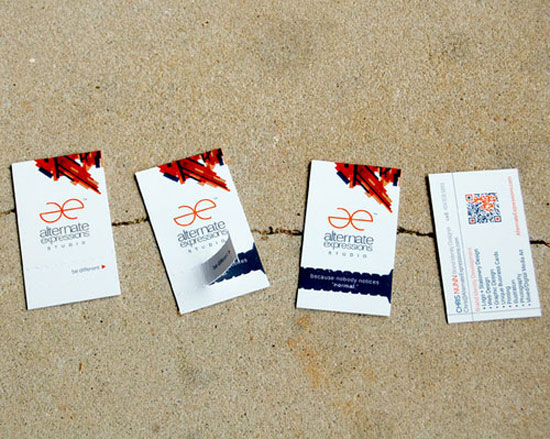
Alternate Expressions

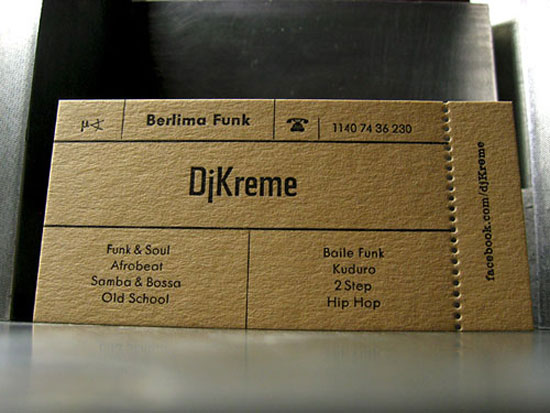
Ebolaindustries

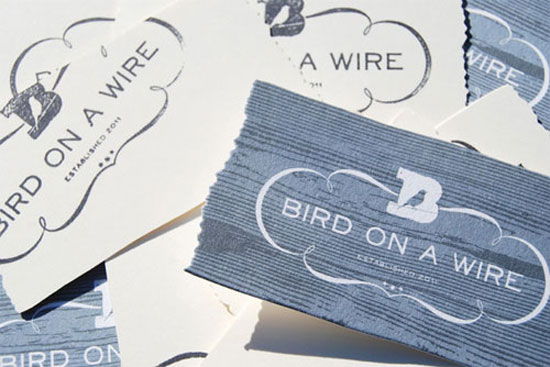
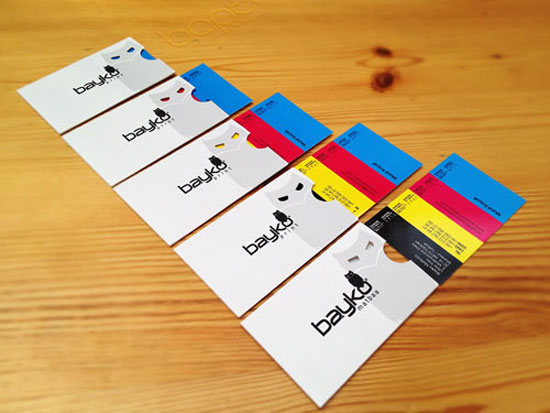
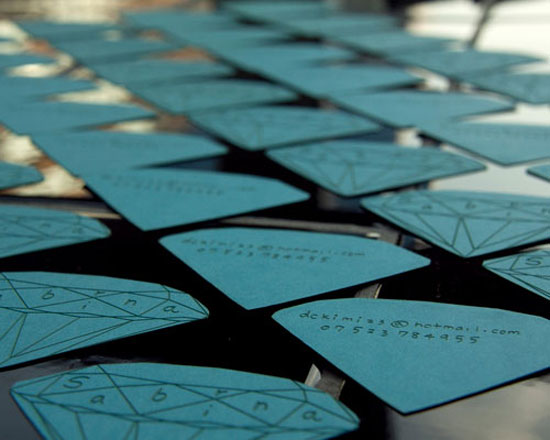
Sabrina
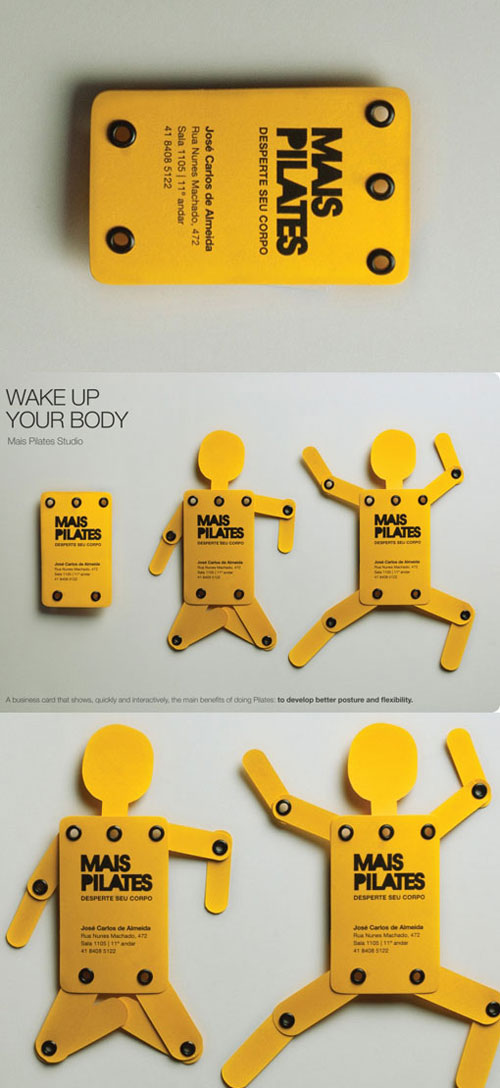
Mais Pilates
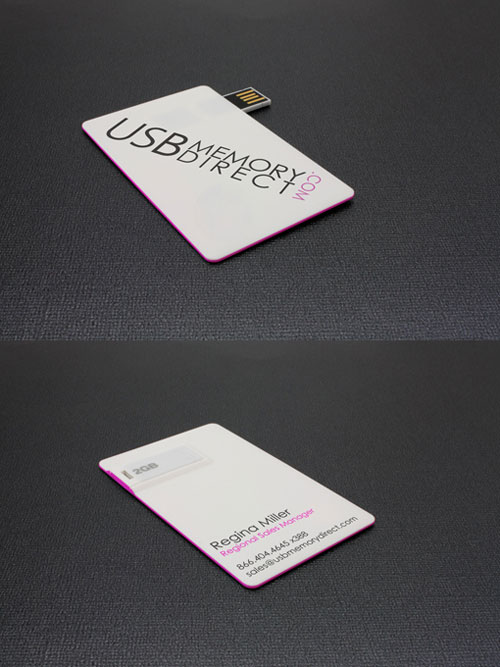
USB Memory Direct
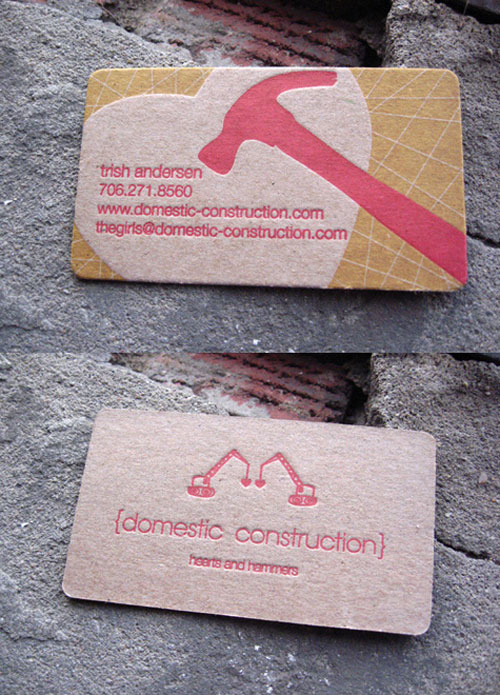
Domestic Construction
Patrick Offczorz
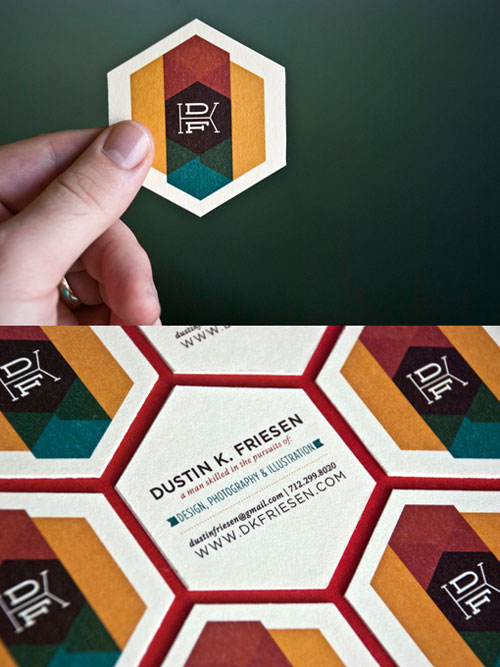
Dustin Friesen
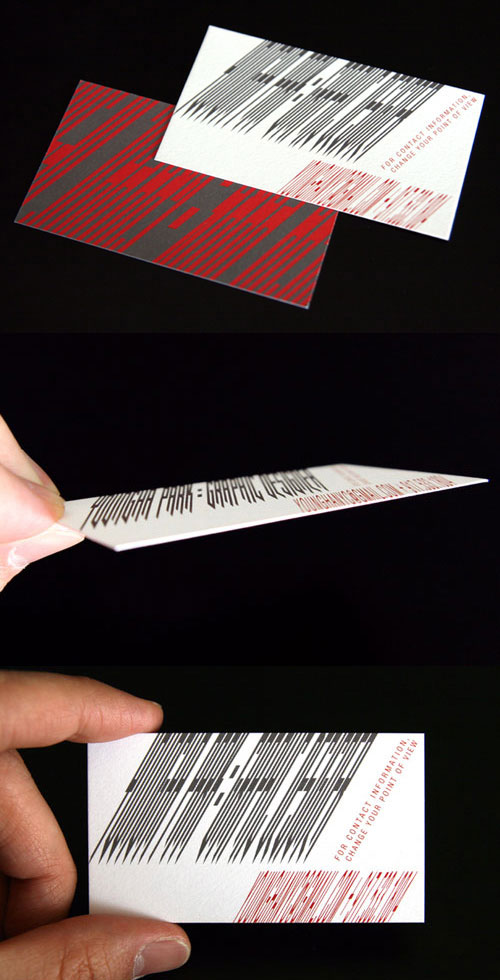
Youngha Park
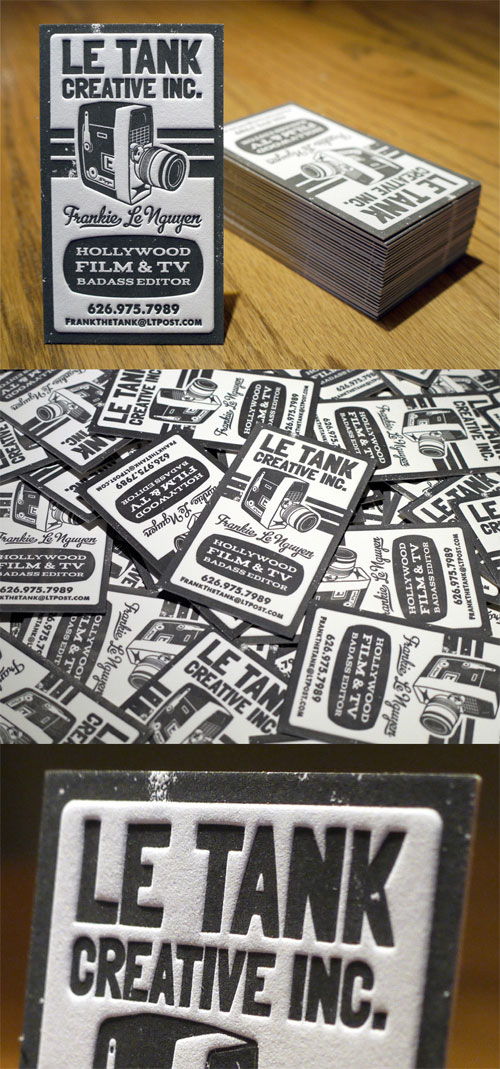
Frank The Tank
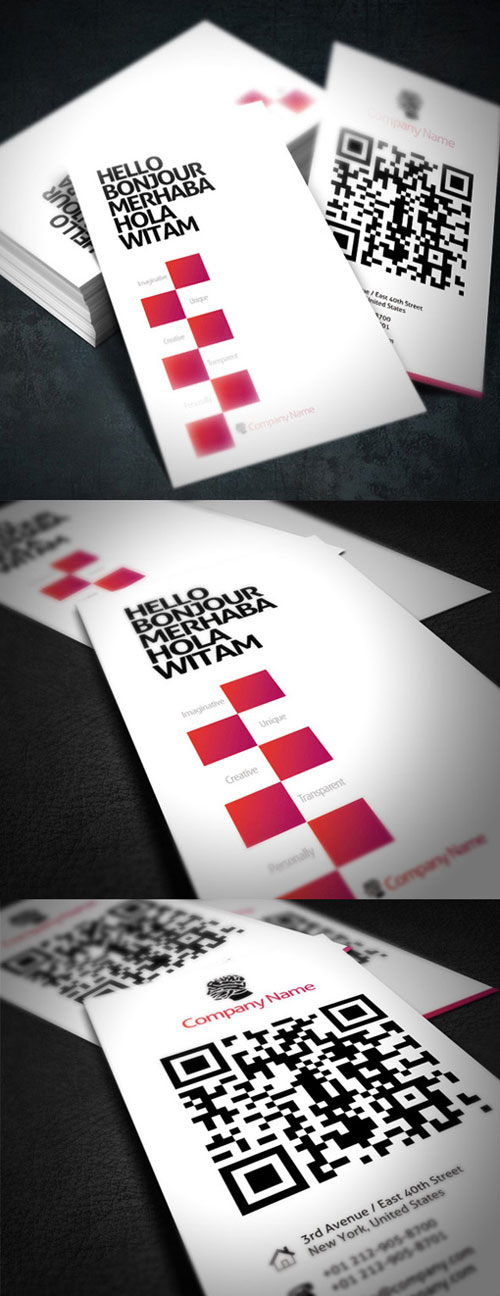
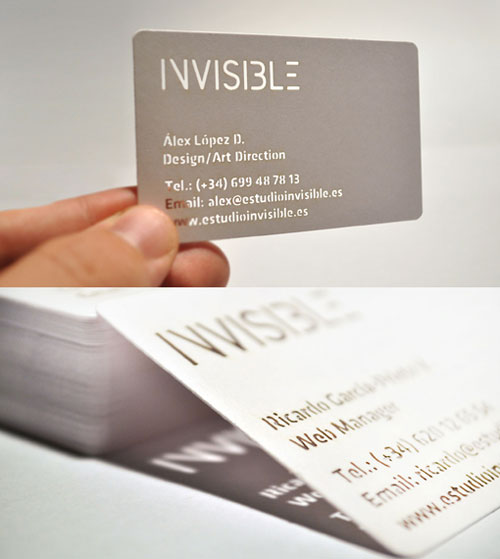
Alex Lopez D
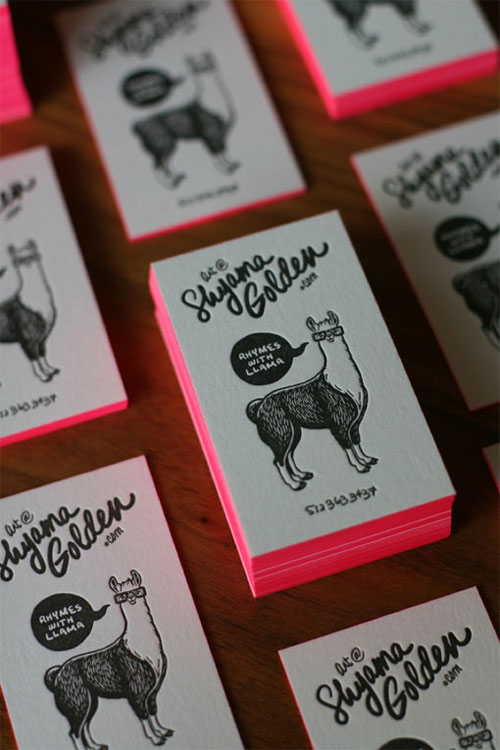
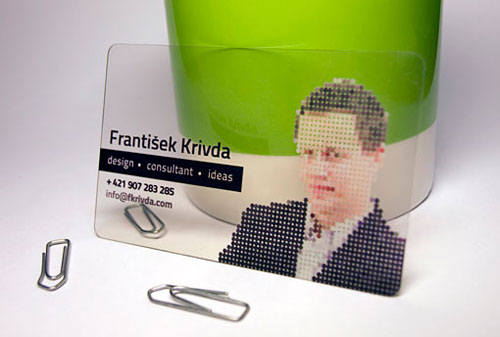
Frantisek Krivda
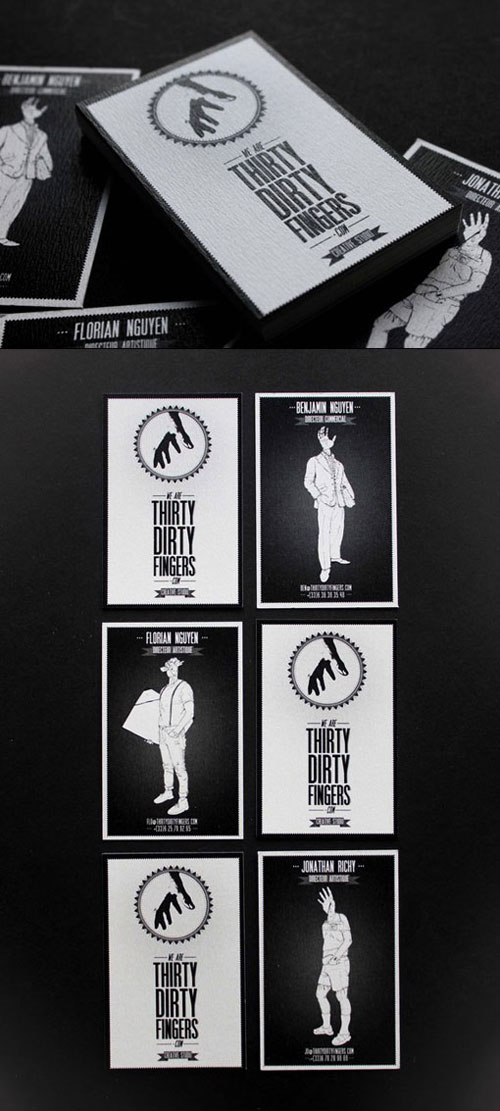
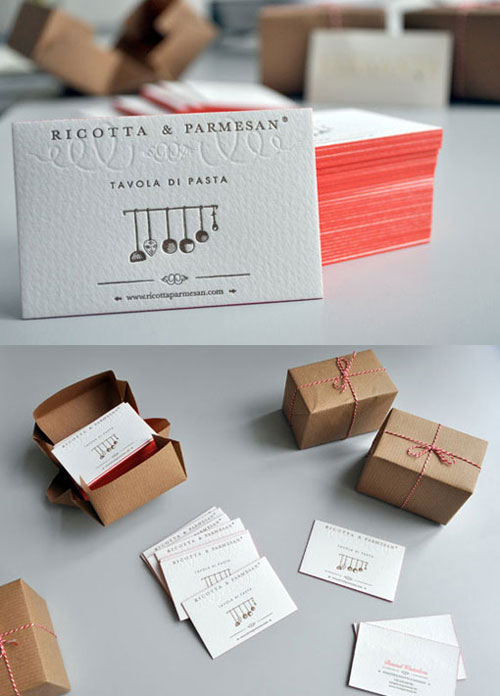
Ricotta & Parmesan
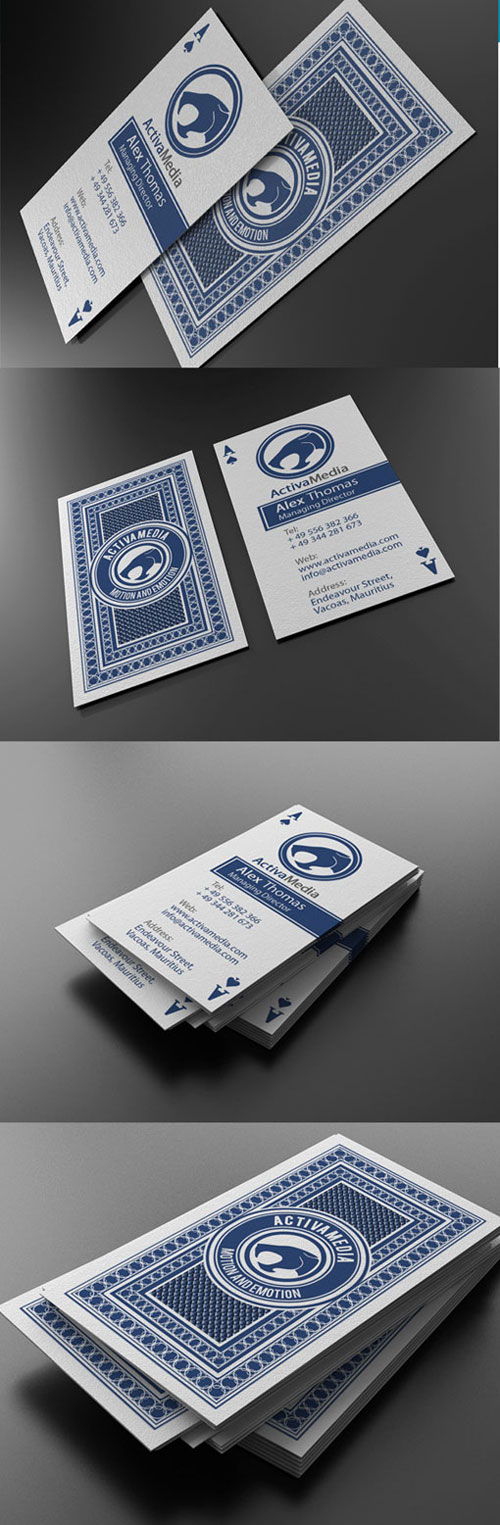
Alex Thomas
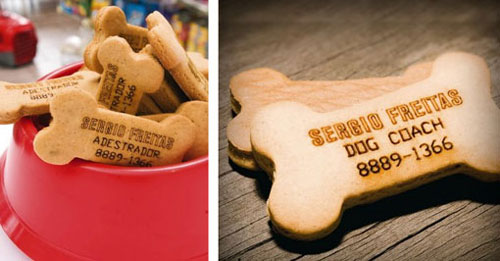
Sergio Freitas
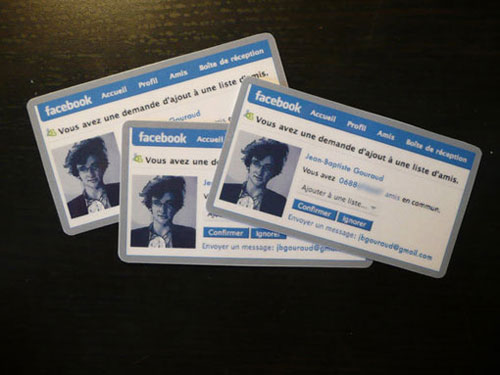
Jean Baptiste Gouraud
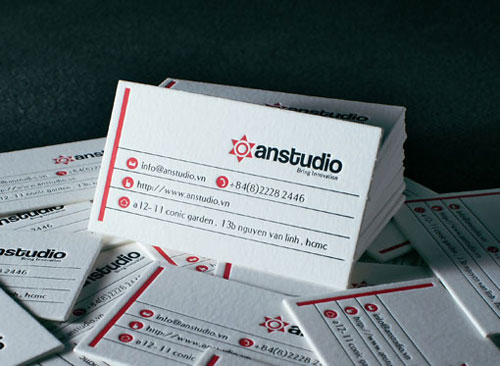
Anstudio
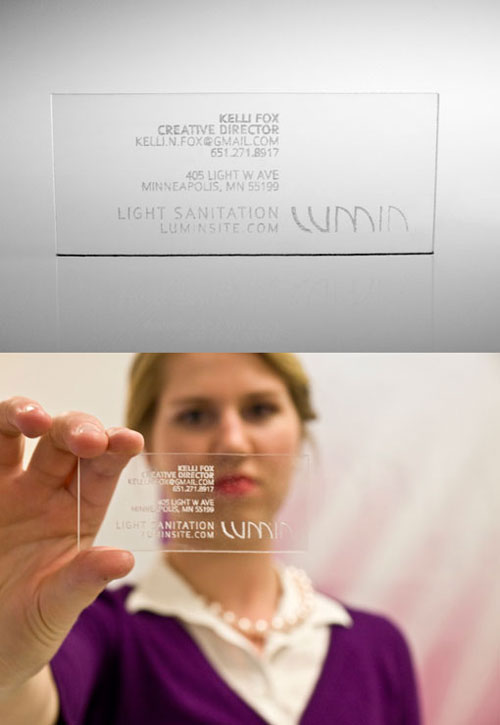
Kelli Fox
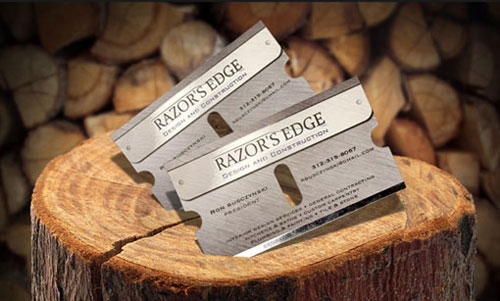
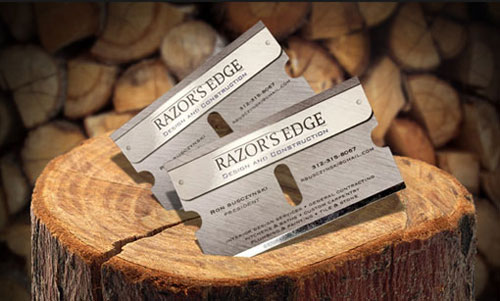
Razor’s Edge
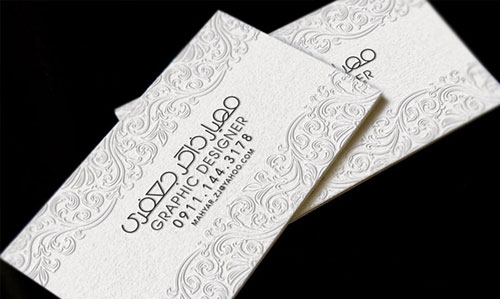
Mahyar Zaker Jafary
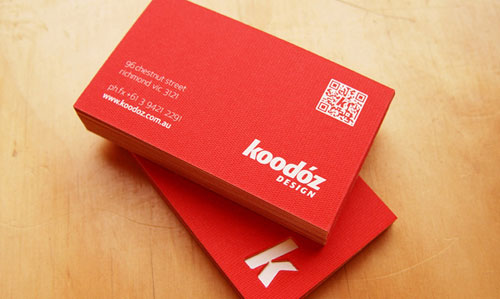
Koodoz Design
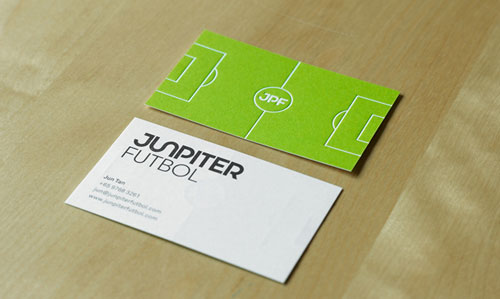
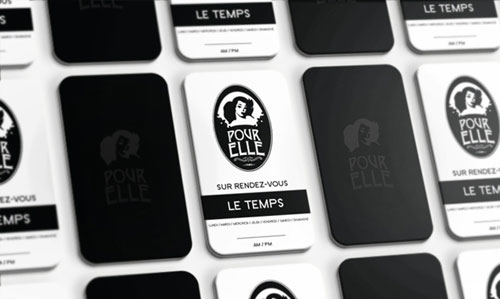
Pour Elle
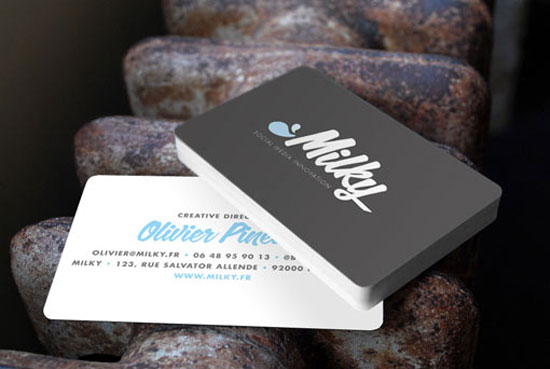
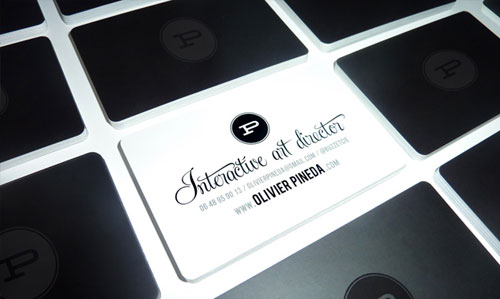
Olivier Pineda
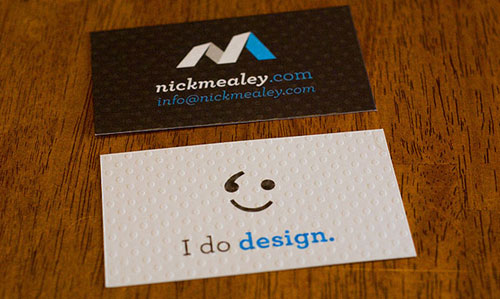
Nick Mealey
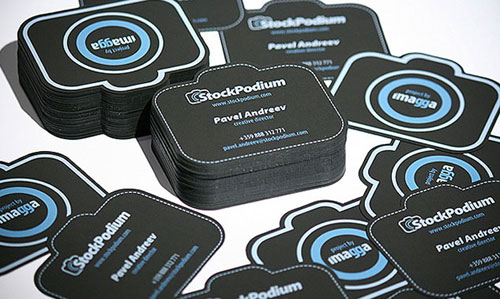
StockPodium
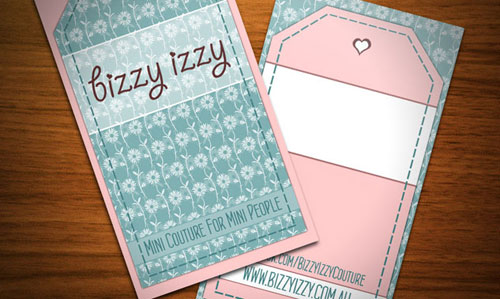
BizzyIzzy
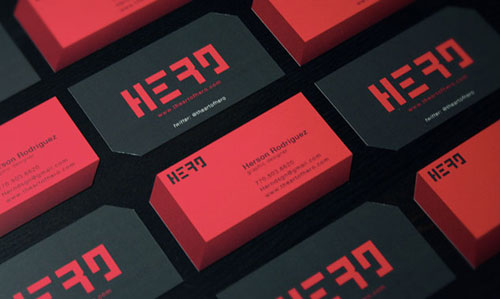
Hero
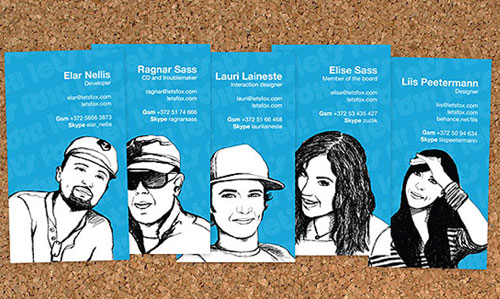
Let’s Fox
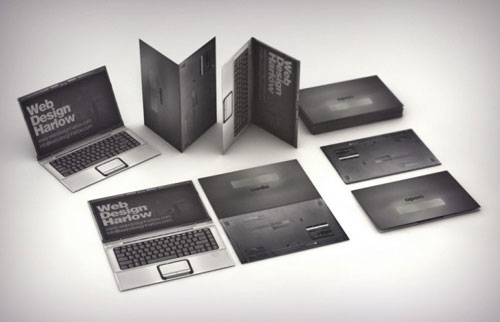
Web Design Harlow
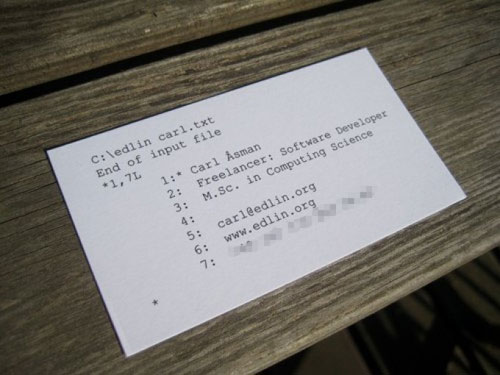
Tatsuya Aoki
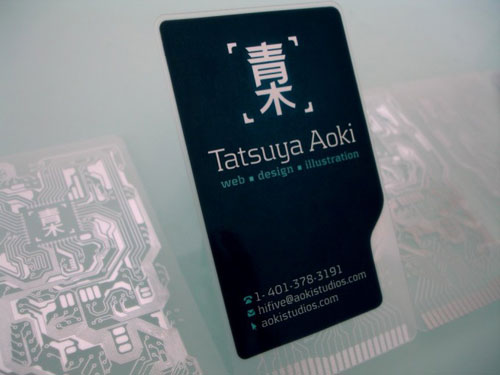
DesignNine Media Limited
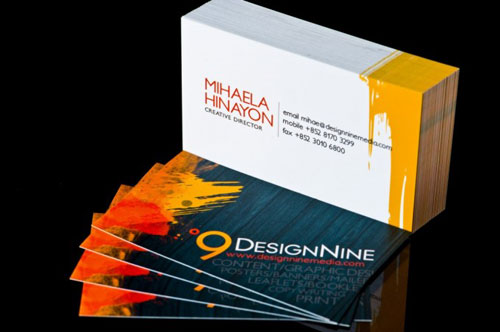
Ending thoughts
FAQ on business card design
What is the purpose of a business card design?
A business card design serves as a visual representation of you and your brand. It provides essential contact information and often makes a first impression on potential clients or collaborators. An effective business card design should be professional, memorable, and convey your brand’s identity, making it easy for others to get in touch with you and remember your business.
What information should I include on my business card?
Your business card should include the most important contact information, such as:
- Your name
- Job title or position
- Company name and logo
- Phone number
- Email address
- Website URL
- Physical address (if relevant)
- Social media handles (if applicable)
Make sure the information is up-to-date and presented in a clear, easy-to-read format.
What size should my business card be?
Standard business card dimensions vary slightly by country. In the United States, the typical size is 3.5 x 2 inches, while in Europe, it’s 85 x 55 millimeters. It’s essential to adhere to these standards, as they ensure your business card will fit in standard cardholders and wallets. However, you can explore unconventional shapes or sizes if you want your card to stand out, as long as it remains practical and easy to carry.
How do I choose the right font for my business card?
Selecting the right font for your business card is crucial for readability and brand consistency. Stick to one or two fonts that complement each other and align with your brand’s overall visual identity. Ensure the font size is large enough to be easily read but doesn’t overpower the design. Generally, it’s best to avoid overly decorative or hard-to-read fonts, as they can make your card appear unprofessional.
What are some effective business card design tips?
Here are some tips for designing an effective business card:
- Keep it simple: avoid cluttering your card with too much information or visual elements
- Use high-quality materials: a well-made card can leave a lasting impression
- Be consistent: match the design, colors, and fonts with your brand’s visual identity
- Add a unique touch: consider adding a creative element or finish, such as embossing, foil stamping, or a custom shape, to make your card stand out
- Use white space: give your design breathing room for a clean, professional look
What types of finishes can I use on my business card?
Various finishes can enhance the look and feel of your business card, including:
- Matte finish: a smooth, non-reflective surface, giving your card a sleek, professional appearance
- Gloss finish: a shiny, reflective surface that adds vibrancy and depth to your card’s colors
- Embossing: a technique that raises specific areas of the card, adding texture and a touch of sophistication
- Foil stamping: a process that applies a thin metallic layer to your card, creating an eye-catching and luxurious effect
Can I design my own business card or should I hire a professional?
You can certainly design your own business card if you have graphic design skills or are willing to learn. There are many online tools, like Canva or Adobe Spark, that can help you create a professional-looking card. However, if you’re unsure of your design abilities or want a truly unique and polished design, it’s worth considering hiring a professional graphic designer to create your card.
How do I print my business cards?
To print your business cards, you can either use a local print shop or an online printing service, like Vistaprint or MOO. Ensure you provide the printer with high-resolution files of your design and specify the size, paper type, and finish you want.
Ending thoughts on business card design
Here we are, wrapping up our exhilarating journey through the world of business card design. It’s been a wild ride, huh?
- We’ve explored the ins and outs of business card design,
- We’ve admired some amazing examples,
- And we’ve learned tips and tricks for creating memorable cards!
Now, with all this newfound knowledge, you’re equipped to craft your own show-stopping business cards. You know what they say – first impressions are everything, and your business card is your chance to make a lasting one.
So, go on, let your imagination run wild! Remember, your business card is a reflection of your brand, so make sure it’s as unique and fabulous as you are. And hey, once you’ve got a design you’re proud of, don’t be shy – share it with the world!
Thanks for joining me on this inspiring adventure. I’m confident that with a bit of creativity and a whole lot of passion, we can all create business cards that leave a lasting impression.

Renowned for his expertise in logo design and visual branding, Bogdan has developed a multitude of logos for various clients.
His skills extend to creating posters, vector illustrations, business cards, and brochures. Additionally, Bogdan's UI kits were featured on marketplaces like Visual Hierarchy and UI8.
He also wrote in the past years on sites like Design Your Way, WebDesignerDepot, WPDean, Designmodo, Speckyboy, Slider Revolution, and more.
- How to Install Fonts on Mac (Step-by-Step Guide) - 20 September 2026
- From Mockup to Code: How AI-Augmented Development Speeds Up the Design Handoff - 19 September 2026
- The Beehiiv Logo History, Colors, Font, And Meaning - 18 September 2026

Bogdan Sandu is a seasoned designer who has been designing websites since 2008. Renowned for his expertise in logo design and visual branding, Bogdan has developed a multitude of logos for various clients. His skills extend to creating posters, vector illustrations, business cards, and brochures. Additionally, Bogdan's UI kits were featured on marketplaces like Visual Hierarchy and UI8. He also wrote in the past years on sites like Design Your Way, WebDesignerDepot, WPDean, Designmodo, Speckyboy, Slider Revolution, and more.
You Might Also Like