Most people searching this are about to hire someone or pick a career track, and the job titles don’t help much. Small businesses and marketing teams usually want a web designer, someone who builds the whole site. Software and app teams usually want a UI designer, who designs the screens and interactions inside one product.
The U.S. Bureau of Labor Statistics puts both in one design category and expects it to grow 6 percent from 2025 to 2035, well above the average for all occupations. The work still gets judged by different results. A web designer ships a live website. A UI designer hands over a working screen prototype, and sometimes one person does both.
Web Designer vs UI Designer: The Core Difference

Web designers handle the layout of an entire website, from the homepage to the checkout page, and they often keep managing it after launch.
UI work is narrower. It covers the screens and interactions inside one digital product, like an app or a dashboard.
| Attribute | Web Designer | UI Designer | Example |
|---|---|---|---|
| Primary focus | Full site layout | Screen and interaction design | Homepage vs login screen |
| Core skill | Visual layout, basic code | Interaction patterns, design systems | CSS vs component states |
| Typical deliverable | A published website | A screen set or prototype | Live site vs Figma file |
People have been mixing up these titles for years, and it isn’t really their fault.
The U.S. Bureau of Labor Statistics files both jobs under one occupation code, Web and Digital Interface Designers. Its 2025 wage survey counted 113,330 workers nationally under that code.
That shared code is part of why a “web designer” listing and a “UI designer” listing often read almost the same.
The difference gets clearer when you look at what each person produces on a normal day. That’s where web design and interface design start to split.
signals is a good example. Its Basecamp marketing pages and the Basecamp product itself run on separate tracks. Web design shapes the marketing pages, and product and interface design shape the app.
What Does a Web Designer Do?
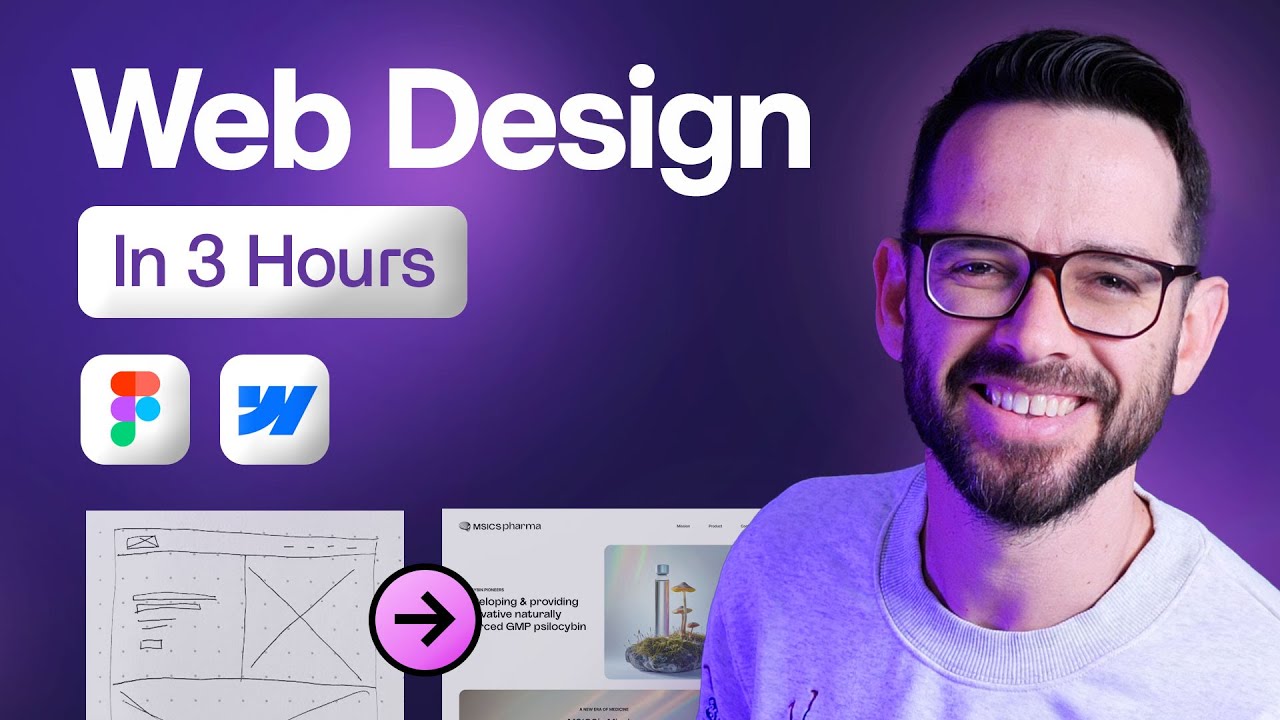
When a visitor lands on a company’s website, the web designer decided what pages they can click through and how those pages connect.
- Layout for the homepage and every internal page
- How the navigation and menus are organized
- Brand colors, imagery and visual tone, kept consistent from page to page
- Enough front-end code to get the site live
- Edits inside a content management system after launch (this part never really ends)
Small businesses and agencies hire web designers most often. The project is usually a marketing site, a portfolio or a small storefront.
After launch, design work and code work start to overlap quickly. The web designer vs web developer comparison covers that overlap in more depth.
A lot of freelancers handle the whole build themselves, from the first sketch to launch, without a developer.
What Does a UI Designer Do?
A UI designer works in screens instead of pages.
Their day goes to login flows, settings menus, buttons, and every state a component can be in: hover, active, disabled, error. On a complex form, the error states alone can take a week.
- Designing individual screens inside an app or product
- Building and maintaining reusable components
- Mapping how a user moves from one screen to the next
- Working inside an existing design system, rarely from a blank page
Progress is counted in screens and flows. When the work is done, it usually goes to a developer instead of straight to the client.
Some teams give this same scope a different job title, which is what the UI designer vs UI developer split is about.
Making sure the eye lands on the right button first is a visual hierarchy problem. It explains a lot of why some screens read clearly and others don’t.
Duolingo shows the split well. Its marketing site sells the app. The streak notifications, the mascot animations and the lesson screens inside the app are all UI design work.
How Do Their Required Skills Compare?
Web Designer Skill Set
- HTML and CSS, enough to shape and style a page
- Some JavaScript for simple interactivity
- Visual layout and brand sense across a whole site
- Working knowledge of a content management system
Many layout decisions come down to typography. Font pairing and text hierarchy shape most of a homepage’s first impression.
UI Designer Skill Set
These skills go deep into one product instead of spreading across a whole site.
- Interaction and micro-interaction design
- Fluency inside a design system and its component library
- Prototyping clickable flows people can test
- Working knowledge of accessibility standards
White space keeps a dense interface from feeling cluttered, especially on dashboards.
There’s plenty of overlap. Both roles need a sense of layout and color, and both need to know how a screen behaves on mobile compared with desktop.
Which Tools Does Each Role Use?
The tools match the scope of each job closely.
Web designers usually build in WordPress, Webflow, Squarespace or Wix. Adobe Photoshop handles image editing, and Canva covers quick marketing assets.
Most of those workflows revolve around WordPress. Just over 41% of all live websites run on WordPress, according to W3Techs’ 2026 tracking data.
For fast social and banner assets, a Canva cheat sheet covers most of what a web designer needs without opening a heavier editor.
The UI side uses different tools:
- Figma for screen design and prototyping
- Sketch or Adobe XD, mostly in legacy teams
- InVision or Framer for interactive handoff
Figma’s lead is huge. The UX Tools Design Tools Survey gives it an 82.3% share of the interface design tool market, a gap the survey puts at roughly 46 to 1 over its closest rival.
If you’re new to Figma, a UI design cheat sheet helps in the first few weeks with shortcuts and component logic.
Here’s roughly how a project moves through those tools:
- Rough sketches or a mood board set the direction
- Web designer builds page layouts in Webflow or a CMS theme, or UI designer builds screens in Figma
- Assets get exported from Photoshop or Illustrator as needed
- Feedback rounds happen inside the same tool via comments
- Web designer pushes the site live, or UI designer hands specs to a developer
- Post-launch edits happen in the CMS or in an updated Figma file
How Do Their Deliverables Differ?

At the end of a project, the two roles deliver very different things.
A web designer hands over a live, published website. The client can share the link that same day.
From a UI designer you get a set of screens, a clickable prototype or part of a component library, and a developer still has to build it.
Design systems make up a bigger part of that second deliverable every year. The zeroheight Design Systems Report 2025 found that 79% of design teams had a dedicated design system team in 2025, up from 72% the year before.
IBM’s Carbon is a public example. It packages reusable interface components with code and documentation for IBM’s product teams.
Some web designer contracts also include a lightweight brand style guide, mostly so the client can keep colors and fonts consistent after the designer leaves.
How Does a UI Designer Differ From a UX Designer and a Front-End Developer?

UI Designer vs UX Designer
UI design is about how a screen looks and how it responds. UX design asks whether the product makes sense at all, and most of that work comes earlier.
A UX designer does the research, maps user flows and tests whether a checkout process actually works. Ideally that’s done before a UI designer starts on button colors.
People confuse the two all the time, partly because job postings often describe pure interface work in UX design terms.
The UI designer vs UX designer comparison shows where one job ends and the other begins.
UI Designer vs Front-End Developer
A UI designer decides how a button looks, how much space it gets and how it animates. The front-end developer writes the HTML, CSS and JavaScript that make it work.
The designer usually works in Figma while the developer works in a code editor. They connect through design specs and a shared component library.
On small teams it’s often the same person. They design a screen in the morning and code it in the afternoon.
Atlassian keeps its public design system team separate from its front-end engineering teams, even though both groups touch the same component library every day.
When Should You Hire a Web Designer Instead of a UI Designer?
It depends on whether you’re building a site or a product.
A web designer is usually the right call if you need a marketing site, portfolio or small storefront live within weeks. It also fits when one person can reasonably take the project from layout to launch and future edits will happen in a content management system instead of a codebase.
A UI designer makes more sense when:
- You’re building an app, dashboard or software product with real user flows
- A developer is already lined up to build whatever gets designed
- The interface has to grow across many screens over time
Some projects need both: a public site to bring customers in, and a separate product they log into later.
Pricing follows the same split.
Freelance web designers charge roughly $58 to $103 an hour on average, according to 2026 freelance-marketplace rate data. Senior specialists charge more, and many now sell projects as packages instead of billing by the hour.
On Upwork’s own marketplace, UI designers list at roughly $20 to $40 an hour on the median, per Upwork’s published cost data. The rate is lower partly because UI work is often scoped in small chunks, a few screens at a time, instead of as a whole-site package.
Shopify built its drag-and-drop store builder so merchants could skip hiring a dedicated web designer for a basic storefront.
Sometimes the confusion starts earlier, when someone thinks they need a web designer but really needs brand and print work. The graphic designer vs web designer comparison covers that case in more detail.
How Do Web Designer and UI Designer Salaries Compare?
Pay for the two roles is closer than most job seekers expect.
The shared occupation code matters here too. Both titles are counted in the same government wage data, so these figures from the U.S. Bureau of Labor Statistics (OEWS 2025, Web and Digital Interface Designers) apply to both:
- National median wage: $104,000 a year
- San Francisco-Oakland-Fremont metro median: $163,810
- Chicago metro median: $87,920
- National 25th to 75th percentile range: $73,290 to $158,820
Location changes the number more than the job title does.
At the high end, Google’s job listings have posted senior interaction designer roles paying as much as $231,000 a year. Seniority and company size push pay far beyond what a single average shows.
What Education Path Fits Each Role?
Neither role requires a specific degree, but people usually get into each one a little differently.
| Path | Web Designer Route | UI Designer Route |
|---|---|---|
| Self-taught | CMS themes, YouTube tutorials, freelance practice | Figma community files, design challenges |
| Structured course | Web design or Webflow-focused certificate | UX or interaction design bootcamp |
| Formal degree | Rare, sometimes graphic design adjacent | More common, HCI or design degree |
For both roles, employers care more about a working portfolio than about credentials.
The UXPA’s 2024 Salary Survey of 444 professionals supports that. Education explained only 4% of the variation in UX and design salaries, behind region, job level and company size.
Some designers skip both the bootcamp and the degree and use a single professional certificate as their credential. IBM offers a UX/UI design certificate through Coursera, which costs less than a bootcamp or a degree.
When Does the Web Designer vs UI Designer Distinction Not Apply?
Plenty of real projects never split these roles.
- A solo freelancer who designs, builds and maintains a client’s whole site alone
- An early-stage startup where one designer handles the landing page and the first product screens
- A small brochure site with no login and no app, so there’s no separate interface layer to design
- A no-code platform that puts page layout and interaction design in the same drag-and-drop editor
A large share of small business sites come from DIY builders, not from agencies or in-house teams.
According to Clutch’s 2025 small business website report, Wix and Squarespace-style builders account for 41% of small business websites, and business owners build 8% of sites themselves with no designer involved.
A solo Etsy seller customizing a free Squarespace template is doing web design and interface design at once, even if they’d never use either term.
FAQ on Web Designer Vs Ui Designer
Is UI Design a Subset of Web Design or a Separate Field?
Not really either. It belongs to the broader interface design field instead of sitting under web design. Web design covers full websites. UI design covers digital products in general, including apps that never run in a browser. Think of them as neighboring disciplines.
Do Web Designers Need to Know How to Code?
Most know basic HTML and CSS, since page layout and content management systems both call for it. JavaScript is optional for simple sites. Coding depth starts to matter when a project needs custom interactions a template can’t handle.
Which Role Pays More, Freelance or In-House?
In-house jobs pay a steadier salary and include benefits. Freelance web designers and UI designers can earn more per project when demand is high, but freelance income swings more because it depends on a steady stream of clients instead of one employer.
What Certifications or Courses Matter Most for Each Role?
For UI designers, a recognized interaction design certificate, like those from the Interaction Design Foundation, carries more weight. Web designers usually get more out of a platform-specific course in Webflow or WordPress than a general design certificate.
Can One Person Be Both a Web Designer and a UI Designer?
Yes, and it’s common on small teams. The title is often product designer or just generalist, and the person splits time between the website and the product interface. The distinction matters more at scale, when a company runs a full site and a separate product side by side.
What Should You Decide First in Web Designer Vs Ui Designer?
Before anything else, decide whether the project needs a finished website you can publish or a product interface, built screen by screen, that a developer still has to code.
Once you know the deliverable, work out the scope as a page count or a screen count. Scope tells you whether package pricing or hourly pricing makes more sense. It works in that order because scope sets the budget.
If you decide in the wrong order, you can end up with a hire writing code they weren’t trained for, or someone using app-style tools on a five-page brochure site.
Bureau of Labor Statistics projections say the field’s 6 percent national growth from 2025 to 2035 will add about 8,000 new roles to this occupation.
People also mix up the designer and the developer who codes the design. The web designer vs front end developer comparison covers that.

Renowned for his expertise in logo design and visual branding, Bogdan has developed a multitude of logos for various clients.
His skills extend to creating posters, vector illustrations, business cards, and brochures. Additionally, Bogdan's UI kits were featured on marketplaces like Visual Hierarchy and UI8.
He also wrote in the past years on sites like Design Your Way, WebDesignerDepot, WPDean, Designmodo, Speckyboy, Slider Revolution, and more.
- The Windsurf Logo History, Colors, Font, And Meaning - 10 October 2026
- How to Remove Background From Product Photos (No Photoshop) - 10 October 2026
- How Designers can Build a Stronger Online Creative Identity - 9 October 2026

Bogdan Sandu is a seasoned designer who has been designing websites since 2008. Renowned for his expertise in logo design and visual branding, Bogdan has developed a multitude of logos for various clients. His skills extend to creating posters, vector illustrations, business cards, and brochures. Additionally, Bogdan's UI kits were featured on marketplaces like Visual Hierarchy and UI8. He also wrote in the past years on sites like Design Your Way, WebDesignerDepot, WPDean, Designmodo, Speckyboy, Slider Revolution, and more.
You Might Also Like