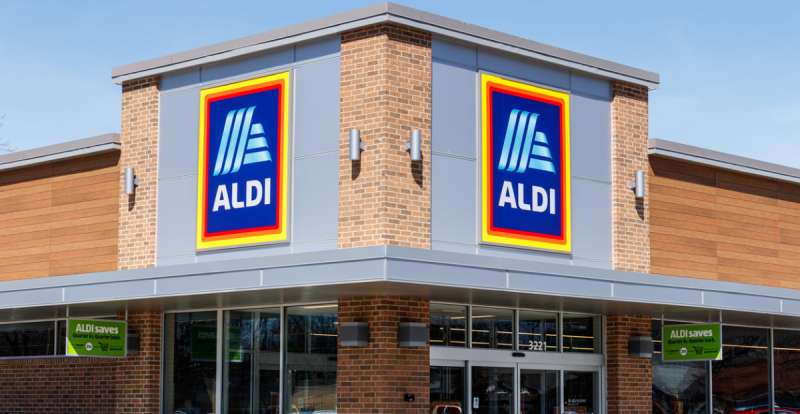
The Aldi logo is the official visual mark of Aldi, one of the world’s largest discount supermarket chains. It functions as the brand’s primary identifier across thousands of stores globally. Rooted in simplicity, the logo reflects the company’s core philosophy: quality products at low prices, no frills attached. Among grocery store logos, it stands out for its restrained, no-nonsense approach. The current version, used by Aldi Sud (which operates Aldi US, UK, and Australia), features a clean wordmark inside a geometric shape, a design language that has shifted significantly from the brand’s earlier, more decorative identity.
What Is the Aldi Logo?
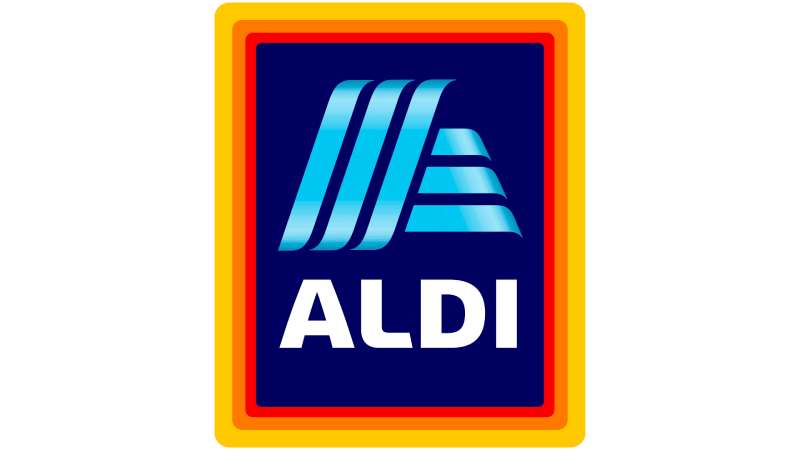
The Aldi logo is a combination mark featuring the “Aldi” wordmark set inside a rounded rectangular shape, using a custom sans-serif typeface in dark blue and orange. The current design was introduced in 2017 and reflects the brand’s push toward a cleaner, more modern identity.
- Design Type: Combination mark (wordmark + geometric container)
- Primary Elements: “Aldi” wordmark, rounded rectangle enclosure, stylized letter forms
- Official Introduction Date: 2017 (current version, Aldi Sud)
- Designer/Agency: Developed internally with external branding consultants (agency not publicly disclosed)
- Trademark Status: Registered trademark across all operating markets including the US, UK, Germany, and Australia
- Color Palette:
- Deep Blue: #003865
- Orange/Amber: #E2450C
- White: #FFFFFF
- Usage Context: Storefront signage, product packaging, digital platforms, marketing materials, uniforms, and merchandise
How Has the Aldi Logo Evolved Over Time?
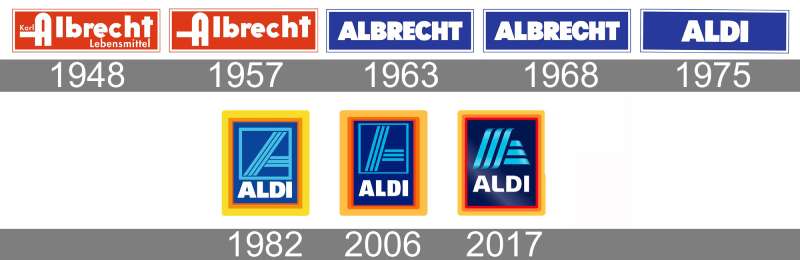
The Aldi logo has gone through several distinct phases since the 1960s, moving from a heavily styled typographic mark to today’s stripped-back combination mark. Each change tracked closely with the brand’s expansion strategy and its effort to compete on a more international stage.
Original Aldi Logo (1960s-1970s)
- Years Active: Early 1960s – late 1970s
- Design Description: A text-heavy wordmark with serif-influenced lettering, often accompanied by a tagline or additional descriptive text
- Color Scheme: Black and white, with some regional variations using red
- Designer: Unknown (developed internally)
- Context: Aldi was rapidly expanding across Germany after the Albrecht brothers split the business into Aldi Nord and Aldi Sud in 1961. Branding was functional rather than strategic.
- Key Changes from Previous: N/A – first formal version
- Cultural Significance: Represented the brand’s German discount origins. No-frills, direct, and utilitarian.
Transitional Aldi Logo (1980s-1990s)
- Years Active: Late 1970s – early 2000s
- Design Description: A bolder wordmark with a more geometric typeface, beginning to incorporate the rectangular container shape. Some versions used a blue and orange color split.
- Color Scheme: Blue and orange introduced during this period
- Designer: Unknown
- Context: Aldi began international expansion (US in 1976, UK in 1990). The brand needed a more recognizable, scalable mark.
- Key Changes from Previous: Shift to sans-serif type, introduction of brand colors, more structured container shape
- Cultural Significance: Marked the transition from purely regional grocer to international discount chain.
Pre-Rebrand Aldi Logo (2000s-2016)
- Years Active: Early 2000s – 2016
- Design Description: A rounded rectangle enclosure with the “Aldi” wordmark. The letter “A” featured a slight stylization. Colors were blue and orange but in a less refined tone than today.
- Color Scheme: Mid-range blue and orange
- Designer: Unknown
- Context: As Aldi grew into a major global retailer, the logo needed to project more visual consistency across markets.
- Key Changes from Previous: More polished container shape, tighter type spacing, better color consistency
- Cultural Significance: This version is what most shoppers in the UK, US, and Australia associate with Aldi’s rise to mainstream popularity.
Current Aldi Logo (2017-Present)
- Years Active: 2017 – present
- Design Description: Clean, custom sans-serif wordmark inside a softly rounded rectangle. The “A” features a distinctive cut that adds a subtle geometric character without being decorative.
- Color Scheme: Deep navy blue (#003865) and warm orange (#E2450C)
- Designer: Internal team with external branding input
- Context: Part of a wider store redesign and brand refresh as Aldi pushed into more competitive premium markets, directly challenging Lidl, Trader Joe’s, and mainstream supermarkets.
- Key Changes from Previous: More refined type, deeper navy replaces mid-blue, improved proportions and spacing, better digital adaptability
- Cultural Significance: Signals Aldi’s confidence as a mainstream brand, not just a budget option. The cleaner design holds up across digital screens, apps, and large-format signage equally well.
What Do the Design Elements of the Aldi Logo Mean?
Every part of the Aldi logo serves a purpose. The combination of a contained wordmark, restrained color palette, and custom letterforms communicates reliability, clarity, and accessibility. Nothing about it is decorative for decoration’s sake.
The rounded rectangle creates a sense of structure without being rigid.
It frames the brand name in a way that feels approachable rather than corporate. That balance is harder to get right than it looks.
What Is the Symbolic Meaning Behind the Aldi Logo Shape?
The rounded rectangle is a practical choice that carries psychological weight.
Rounded corners signal approachability and friendliness, which matters for a grocery brand trying to attract everyday shoppers. It also gives the logo a contained, stable feel.
Stability is exactly what a value-focused retailer needs to project. Customers need to trust that the brand delivers consistency, and the logo’s structure reinforces that visually.
Why Did Aldi Choose These Specific Colors?
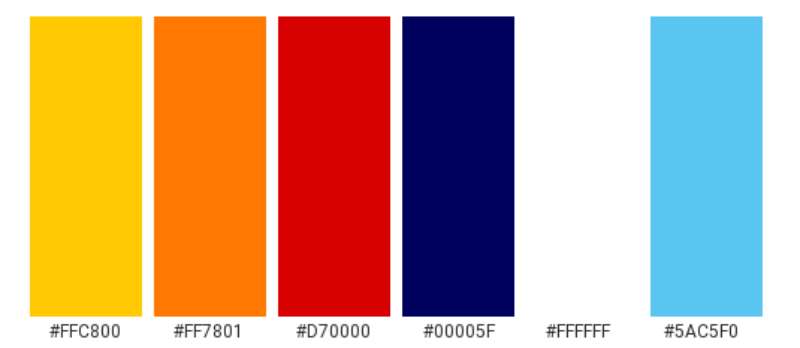
- Deep Blue (#003865)
- Pantone: Pantone 2965 C (approximate)
- Symbolic Meaning: Trust, reliability, professionalism
- Psychological Impact: Calms shoppers, builds confidence in the brand’s consistency
- Brand Connection: Blue is a dominant color in retail and grocery blue logos, used by brands like Walmart and Tesco to signal dependability
- Orange/Amber (#E2450C)
- Pantone: Pantone 1665 C (approximate)
- Symbolic Meaning: Energy, value, warmth
- Psychological Impact: Creates urgency and excitement, often associated with deals and affordability in retail contexts
- Brand Connection: Orange appears frequently in value-focused retail branding. Among orange logos, it consistently signals accessibility and energy.
- White (#FFFFFF)
- Symbolic Meaning: Clarity, cleanliness, simplicity
- Psychological Impact: Adds breathing room and prevents the logo from feeling heavy
- Brand Connection: White reinforces the brand’s no-clutter philosophy
The blue and orange complementary color scheme creates strong visual contrast without being aggressive. That’s a smart call for a brand that wants to attract attention on signage and packaging without feeling loud or cheap.
What Typography Style Is Used in the Aldi Logo?
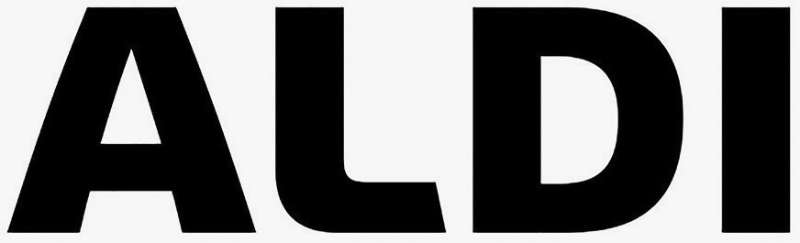
The current logo uses a custom sans-serif font designed specifically for Aldi Sud’s 2017 rebrand.
The letterforms are clean and geometric, with subtle humanist touches that prevent the type from feeling cold or mechanical.
The “A” in particular has a distinctive angled cut at the apex, giving it a small but memorable detail. It’s the kind of thing you don’t consciously notice, but it stops the wordmark from looking completely generic.
Earlier versions of the logo used more standard typography, with less refined spacing. The 2017 version tightened up the kerning noticeably, giving the wordmark a more intentional, premium feel without abandoning its accessible character.
What Are the Hidden Meanings in the Aldi Logo?
There are no widely confirmed hidden symbols in the Aldi logo. Unlike some brands that build elaborate stories around their marks, Aldi keeps it straightforward.
That said, the contained wordmark format does create an implicit visual message: the brand is defined, focused, and self-sufficient.
The orange element acts as a visual accent that draws the eye to the logo’s right side, creating a subtle directional pull. Whether intentional or not, it works. Your eye moves across the full wordmark before settling.
Some design observers note that the color split between blue and orange mirrors the complementary color logic used across many high-visibility retail brands. Smart choice for shelf and signage readability.
How Does the Aldi Logo Compare to Competitor Logos?
The Aldi logo sits in a specific visual category alongside other hard discounters: clean, color-blocked, wordmark-focused. Compared to its closest competitor Lidl, Aldi’s mark is notably more restrained.
Lidl uses a red, yellow, and blue circular emblem that’s far more decorative. The Lidl logo signals energy and variety, while Aldi’s signals order and reliability. Different strategic choices for brands competing in the same aisle.
The Trader Joe’s logo takes a completely different approach, using a hand-drawn, craft-market aesthetic that appeals to a more premium-conscious shopper. Aldi avoids that territory intentionally.
Look at the Walmart logo and you’ll see a similar blue-dominant palette, though Walmart layers in a spark symbol that adds complexity Aldi doesn’t need. The Kroger logo uses a heavier, more traditional wordmark style. By comparison, Aldi’s current mark feels more contemporary.
Among grocery chains, the Aldi logo is one of the cleaner examples of minimalist design applied to retail branding. It doesn’t try to do too much, and that’s precisely what makes it work.
What Are the Technical Specifications of the Aldi Logo?
Official Color Codes
- Primary Color: Deep Blue
- Hex: #003865
- RGB: (0, 56, 101)
- CMYK: (100, 45, 0, 60)
- Pantone: 2965 C (approximate)
- Secondary Color: Orange/Amber
- Hex: #E2450C
- RGB: (226, 69, 12)
- CMYK: (0, 69, 95, 11)
- Pantone: 1665 C (approximate)
- Accent Color: White
- Hex: #FFFFFF
- RGB: (255, 255, 255)
- CMYK: (0, 0, 0, 0)
For print applications, CMYK values are used, while digital platforms rely on RGB or hex. Aldi’s brand team maintains consistency across both through standardized brand guidelines distributed to vendors and partners.
Dimensions and Proportions
- Aspect Ratio: Approximately 2:1 (width to height) for the full lockup
- Minimum Size Requirements: Not publicly disclosed, but standard practice sets a minimum of 25px height for digital use and 10mm height for print
- Clear Space Specifications: Standard clear space equal to the height of the “A” in the wordmark on all sides
- Official Usage Guidelines: Aldi maintains strict internal brand standards. The logo should not be stretched, recolored, or placed on busy backgrounds. A monochrome version exists for specific use cases.
For anyone working with the logo in digital formats, vector graphics files are the correct format for scalable use. Raster files lose quality at large sizes. The official files are available only through Aldi’s press and media resources, not through third-party download sites.
What Cultural Impact Has the Aldi Logo Had?
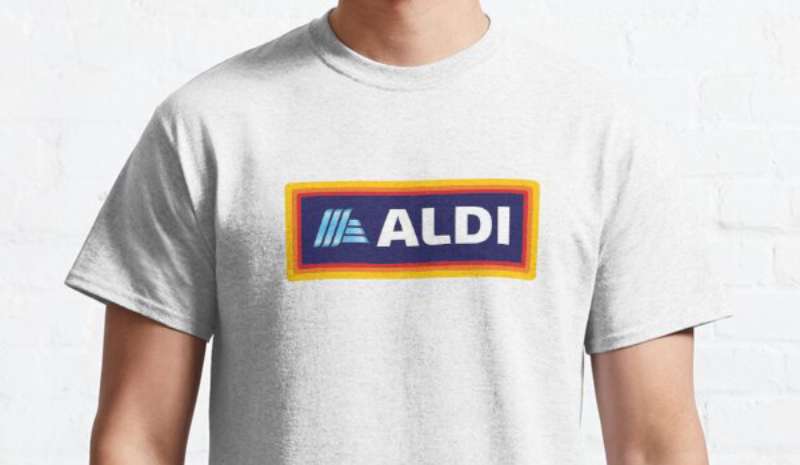
Aldi’s logo has become a shorthand symbol for the value retail movement that reshaped grocery shopping across Europe, North America, and Australia over the past 30 years.
When Aldi entered new markets, the logo carried an implicit promise: this is different from the expensive stuff you’ve been buying. That message landed. Hard.
The 2017 rebrand was particularly notable because it signaled Aldi’s shift from “budget option” to “legitimate choice.” The cleaner, more refined logo gave the brand permission to compete visually with premium chains, not just on price but on perception.
In the UK especially, Aldi’s branding shift coincided with award-winning packaging design across its private label range. The logo became an anchor for a broader visual identity that punched well above the brand’s price point.
It’s worth noting that Aldi Nord uses a slightly different logo treatment in its markets (Germany, France, Benelux, Spain, and others). The two divisions have maintained separate visual identities since the company split in 1961. That’s unusual for a global brand, and it reflects the deep operational independence between the two companies.
How Does the Aldi Logo Fit Into the Overall Brand Identity?
The logo is the entry point into a broader visual system that covers store design, packaging, uniforms, advertising, and digital platforms. Everything connects back to the same core principles the logo represents: clarity, value, and accessibility.
Aldi’s private label packaging uses the same blue and orange palette, creating strong shelf coherence.
Walk into any Aldi store and you’ll see the logo’s color logic repeated across signage, price tags, and promotional materials. That consistency is not accidental. It’s the result of a tightly controlled brand style guide applied across thousands of locations.
The visual hierarchy in Aldi stores mirrors the logo’s hierarchy: the brand name is dominant, color signals category and urgency, and white space keeps the environment from feeling cluttered.
Compared to how other grocery chains handle brand identity, Aldi is notably disciplined. The Costco logo operates within a similarly restrained system, while the Target logo has evolved into a much broader lifestyle brand identity. Aldi stays focused. That focus is a strategic choice, not a limitation.
How Should the Aldi Logo Be Used?
Official Usage Guidelines
- Do: Use the official logo files obtained directly from Aldi’s press and media resources
- Do: Maintain the required clear space around the logo at all times
- Do: Use the approved color versions (full color, black, or white) appropriate to the background
- Don’t: Stretch, distort, or alter the logo’s proportions
- Don’t: Change the colors outside of approved monochrome alternatives
- Don’t: Place the logo on visually busy backgrounds that reduce legibility
- Don’t: Recreate the logo using standard system fonts. The wordmark uses a custom typeface.
Where to Access Official Logo Files
- Aldi US: media.aldius.net
- Aldi UK: corporate.aldi.co.uk
- Aldi Australia: corporate.aldi.com.au
Third-party download sites may host outdated or modified versions of the logo. Always source directly from Aldi’s official press portals to ensure you’re working with the current, correct files.
Licensing and Trademark Protection
The Aldi logo is a registered trademark in all major markets where the company operates. Unauthorized commercial use, modification, or reproduction is a trademark violation. Any use of the logo in editorial, press, or educational contexts should follow standard fair use guidelines and should not imply endorsement by Aldi.
For vendors, suppliers, or partners requiring logo access for co-branded materials, requests should go through Aldi’s official brand and marketing departments in the relevant market. They maintain strict approval processes for any external use.
FAQ on The Aldi Logo
What Does the Aldi Logo Look Like?
The Aldi logo is a combination mark featuring the wordmark “Aldi” inside a rounded rectangle.
It uses a custom sans-serif typeface in deep navy blue and orange. Clean, minimal, and immediately recognizable on storefront signage and product packaging alike.
What Colors Are Used in the Aldi Logo?
The Aldi logo uses two primary colors: deep blue (#003865) and orange (#E2450C), set against white.
Blue signals trust and reliability. Orange adds energy and reinforces the brand’s value-focused positioning. Together they form a strong complementary color pairing.
Has the Aldi Logo Ever Changed?
Yes. The Aldi logo has gone through several changes since the 1960s.
The most significant update came in 2017, when Aldi Sud rolled out a refined wordmark with improved typography, deeper blue tones, and tighter proportions. It was a clear step toward a more modern brand identity.
Is the Aldi Nord Logo Different from the Aldi Sud Logo?
Yes, and this trips people up constantly. Aldi Nord and Aldi Sud have operated as completely separate companies since 1961.
Their logos share the same name but differ in style and color treatment. Aldi Sud uses the blue and orange mark familiar to shoppers in the US, UK, and Australia.
What Font Does the Aldi Logo Use?
The current logo uses a custom sans-serif typeface developed as part of the 2017 rebrand.
It’s not a publicly available font. The letterforms have subtle geometric detailing, particularly in the “A,” that distinguish it from standard off-the-shelf typefaces.
What Does the Aldi Logo Symbolize?
The logo communicates simplicity, reliability, and value. Nothing decorative, nothing wasted.
The rounded rectangle creates a sense of approachability. The blue and orange color palette reinforces trust while projecting the energy associated with deals and everyday affordability in retail branding.
Where Can I Download the Official Aldi Logo?
Official logo files are available through Aldi’s press portals: media.aldius.net for the US, corporate.aldi.co.uk for the UK, and corporate.aldi.com.au for Australia.
Avoid third-party download sites. They frequently host outdated or incorrectly modified versions of the Aldi brand assets.
Is the Aldi Logo Trademarked?
Yes. The Aldi logo is a registered trademark across all major markets where the company operates.
Unauthorized commercial use or modification is a trademark violation. Editorial and press use is generally permitted under fair use, but any co-branded or commercial application requires direct approval from Aldi.
How Does the Aldi Logo Compare to the Lidl Logo?
The two are quite different. Lidl uses a bold circular emblem with red, yellow, and blue, which is far more decorative than Aldi’s restrained wordmark.
Aldi’s approach leans into minimalist retail branding. Lidl’s mark feels more energetic and busy by comparison. Both work, but they communicate different things.
What File Formats Are Available for the Aldi Logo?
For professional use, the logo should be sourced as a vector file (SVG or EPS) to ensure clean scaling across all sizes and applications.
PNG versions with a transparent background are standard for digital use. JPEG versions exist but are less flexible. Always confirm the correct file format with Aldi’s brand team for specific projects.
Conclusion
The Aldi logo is a case study in disciplined retail branding. Every choice, from the custom wordmark to the blue and orange color palette, ties directly back to what the brand stands for.
It has evolved across decades without losing its core identity. That kind of consistency is rare, especially for a discount supermarket chain operating across dozens of markets worldwide.
The 2017 rebrand pushed Aldi Sud’s visual identity into more competitive territory, and it worked. Clean proportions, refined typography, and a coherent color system give the logo staying power well beyond its price-point positioning.

Renowned for his expertise in logo design and visual branding, Bogdan has developed a multitude of logos for various clients.
His skills extend to creating posters, vector illustrations, business cards, and brochures. Additionally, Bogdan's UI kits were featured on marketplaces like Visual Hierarchy and UI8.
He also wrote in the past years on sites like Design Your Way, WebDesignerDepot, WPDean, Designmodo, Speckyboy, Slider Revolution, and more.
- How to Install Fonts on Mac (Step-by-Step Guide) - 20 September 2026
- From Mockup to Code: How AI-Augmented Development Speeds Up the Design Handoff - 19 September 2026
- The Beehiiv Logo History, Colors, Font, And Meaning - 18 September 2026

Bogdan Sandu is a seasoned designer who has been designing websites since 2008. Renowned for his expertise in logo design and visual branding, Bogdan has developed a multitude of logos for various clients. His skills extend to creating posters, vector illustrations, business cards, and brochures. Additionally, Bogdan's UI kits were featured on marketplaces like Visual Hierarchy and UI8. He also wrote in the past years on sites like Design Your Way, WebDesignerDepot, WPDean, Designmodo, Speckyboy, Slider Revolution, and more.
You Might Also Like