Imagine a world where every piece of food packaging tells a story-one of sustainability, innovation, and design brilliance.
As we navigate the bustling aisles of packaging trends, the need to pioneer better solutions for our food packaging examples becomes more urgent and compelling. In this landscape, sustainable materials and eco-friendly packaging designs are no longer just trends; they are essentials.
We’ll journey through the realms of biodegradable packaging and smart technologies, reveal the innovative minds behind branding and packaging, and explore how custom food packaging is revolutionizing the industry.
Unveiling the secrets behind food safety standards and the artistry of packaging design agencies, you’ll dive into the world where recyclable and compostable packaging aren’t just options but necessities.
By the end of this exploration, you’ll not only comprehend the purpose of these packaging marvels but also appreciate the craftsmanship that goes into food packaging materials. Ready to be inspired?
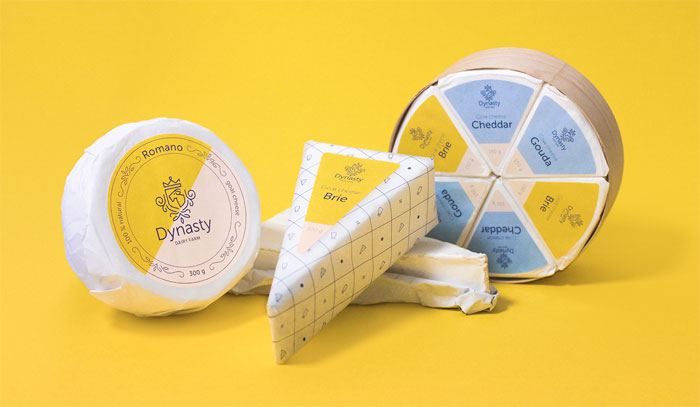
Packing is more than just protection for food. It is also meant to attract consumers and make them want to buy the product. Packaging is vital to branding, creating a look that communicates tasty, healthy, and reliable brand. Here are some ideas to help you figure out how to design packaging that helps sell a product in the supermarket.
Branding Identity
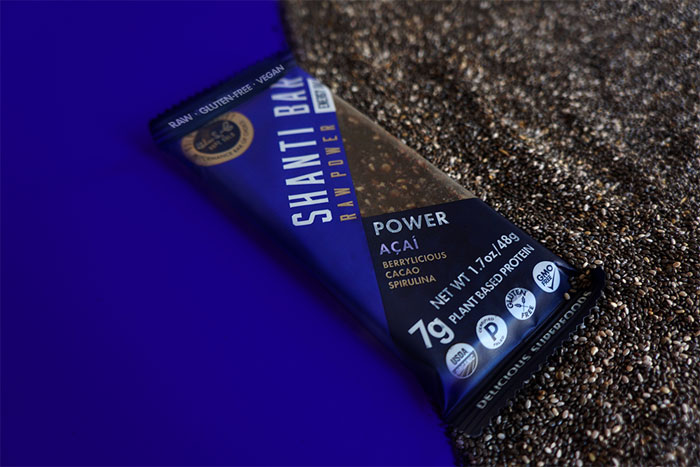
Packaging is usually how a customer recognizes your brand, even how they first see it. Good packing starts with a clear idea of your brand and its identity.
Questions you should ask to help you get started with your food packing design:
- What are you selling?
- What makes it different?
- Who is your target customer?
- What is the company philosophy?
Answering these questions will give you a starting point. You need to make sure every aspect of your food package fits with that brand identity, including color, shape, size, and material. When launching new products, you need to make sure the food product packing lets customers know the company’s name, see their logo, and understand their brand’s philosophies and messages.
Form and Function
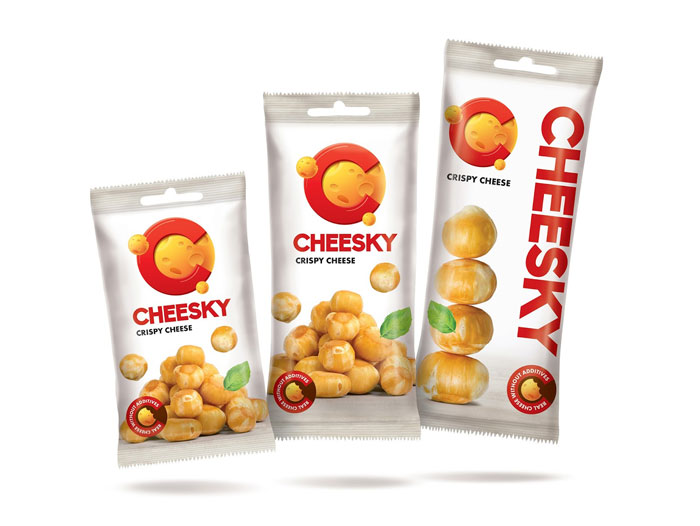
Good packaging is both appealing and fulfills its role protecting food safety and protection. Packaging that is unsanitary or easily broken will not work on the market, no matter how nice it looks.
Food needs to arrive to stores in the same condition that it leaves the warehouse or factory. It needs to stay sanitary and fresh while sitting on the shelf. Failing at either of these objectives can be costly, as retailers will deduct the cost of a damaged product from profits.
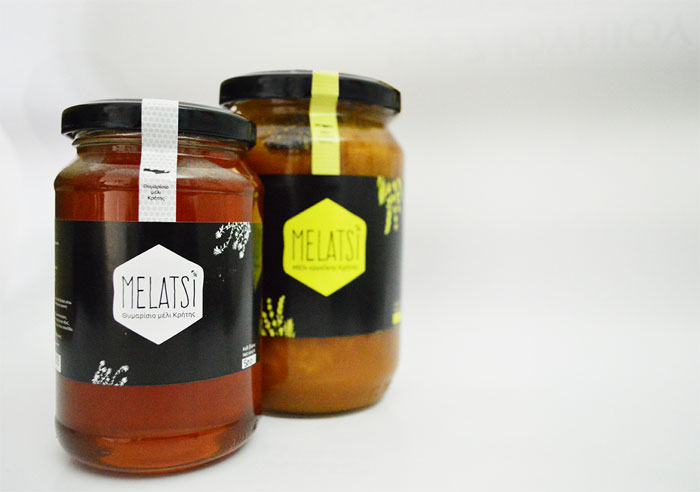
Food product packaging needs to make it obvious what the product’s benefits are. Shoppers take only a fraction of a second to decide on what product to buy. If it’s not obvious what sets your brand above the rest, all your work will mean nothing.
The Food and Drug Administration has created Food Labeling Guidelines that set out a lot of what health information that you need to make sure is on your packing design and how it should be formatting, as well as various packing requirements for safety and sanitation. Keep these in mind for as you create your design.

Ask these important questions as you design food packaging:
- What material will keep the product fresh as long as possible and provide the maximum level of protection?
- Is a rigid container of a flexible one better for your product?
- How much space is required for messaging?
- Will either the size or shape make it difficult to ship the product to retailers?
- What does the secondary packing and shipping cost to get the product to retailers?
- Will the product be stored before going on display?
- How long will the product be on the shelf before it’s bought?
- What are product’s benefits, ingredients, considerations, and brand identity?
Simplicity

When you next go to a supermarket, go to a shelf and take a look at all the different products. Briefly look at them (do not do this while hungry) and ask yourself two questions:
- What is this product for?
- What’s the brand?
It can be amazingly hard to answer these simple core questions in a matter of seconds. However, that’s all your product will have when it’s on the shelf to answer them.
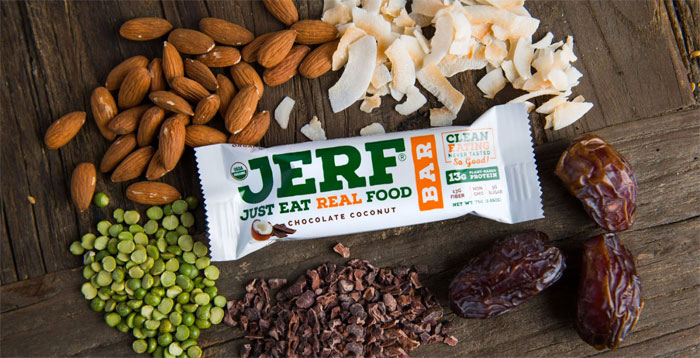
A lot of products give a list of benefits with no brand on them. Sometimes cleaning products will have the kind of packaging meant for kid’s juices. Other products will have very nice and well-designed packing, but you’ll be stumped as to what they actually do.
Product packing needs to convey its identity and benefits very quickly in a very short amount of time. Failing to show the content, brand, or usage of an item is a kind of design failure. Packing like that tends not to do well in stores. Always be clear about the brand and the product and you can’t go wrong.
Be Honest
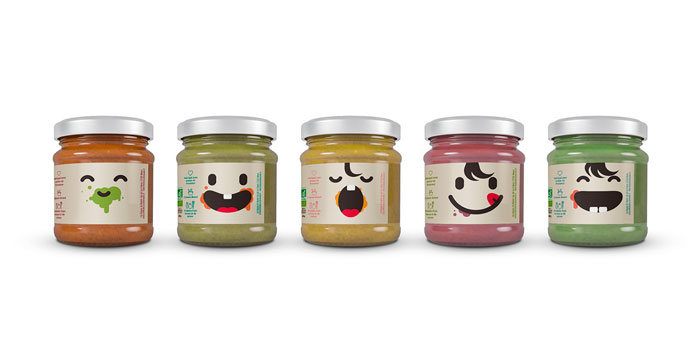
Many beginners in design try to make their product to look like some kind of miracle, always presenting it in the best light possible, often impossibly so. They’ll display the freshet or most decadent images imaginable on their labels, when the product is in fact a bit more mundane. For instance, a label could feature fresh sliced warm roast beef, when the package really just contains regular processed lunch meat.
Showing a product this way is misleading. The consumer will be disappointed not just with that product, but very possibly with the entire brand. They may never buy a brand that gives them such a false image again.
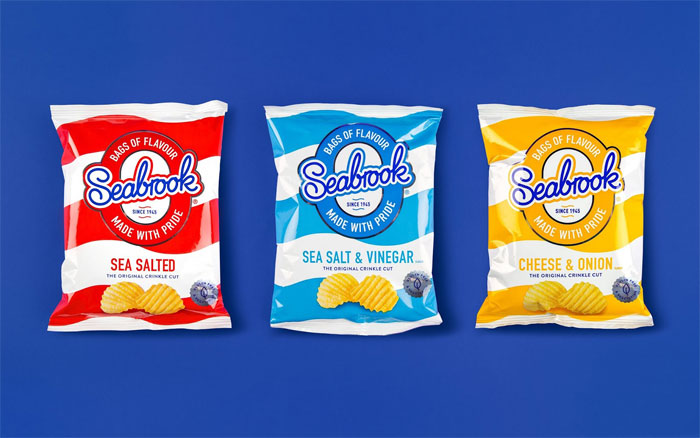
Consumers have no problems with simple cheap products, as long as the product is honest about itself. Everyone understands that products will put the best foot forward, perhaps doing some cosmetic “face-lifting”, but making a product look like something totally different betrays consumer trust.
No one enjoys feeling like they’ve been duped. Designers need to be both positive and honest with their food packing designs, understanding that customers deserve to be treated with respect.
FDA Requirements
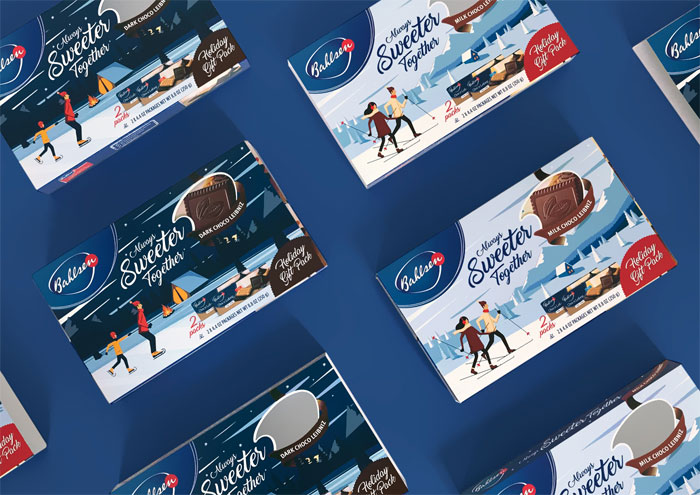
Packing that does not comply with the FDA regulations for food labeling will never be used. The requirements include listing nutrition claims, the ingredients list, and adding a nutrition fact panel. You need to make sure your design complies with these rules.
Alpine packaging (alpinepackaging.com) can help you out, if you’re looking for it. They are industry leaders, and are more than happy to make your product stand out from the rest.
Sustainability
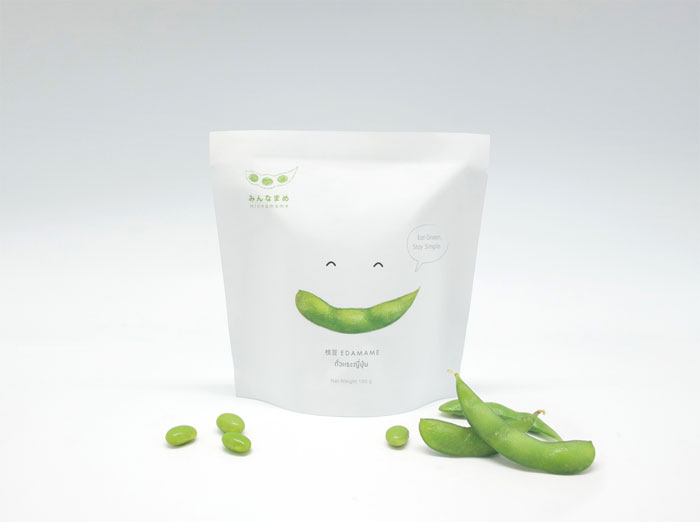
For both business and ethical reasons, it’s important to design packaging with sustainability in mind. The increasingly eco-minded consumers of today’s society take notice and tend to have good impressions of products with sustainable packaging. Recyclable packaging helps everyone, since you live in the world, too.
There are a lot of companies whose branding includes the production of natural and organic products, so sustainable packaging helps communicate their identity and ethos very well. It’s another consideration to have when you are creating your design.
Packaging design tips to take into consideration:

Gather all the information you need
Try not start the creative phase of your design process until you have all the necessary information. Get the nutritional info, ingredients list, and barcodes before you begin, so you know what you’re working with. You can make sure they’re integrated before you get too far along in the design process.
Research the competition
You need to make the product stand out, so you need to find out what other products of the same type are doing with their packaging designs. Your product will probably be sitting right next to them on the shelf. What’s working for them? What’s their message? Look them up on the web or go to the store to take a look.
Be different
Try something new for your product. If everyone else is sticking to the same old formula, see if you can design your packaging to stand out. Try different colors, different materials, and different fonts.

Shelf impact
Shoppers never see products in very much detail or alone. Before the turkey you serve during Thanksgiving is in front of you, it was once part of the million turkey meats brought by meat delivery services in the retail stores. With one glimpse, one may mistake it for just any other turkey meat and think of it as duplicate without a difference from others. Everything is arranged in varying patterns of columns and rows, and it’s not until people see an interesting one that they end up taking a closer look. The distinctive appeal of a product on the shelf is called, somewhat predictably, “shelf impact”.
Shelf impact is very important and ends to be something you test for with your designs. Surround your product with others on a shelf. See how it looks, if it stands out. The more distinctive and eye catching, the better. What seems like a good design may just fade into the rest, while simplistic ones make become very striking.
Extensibility
Packaging design should allow for product variations or sub-brands. You packaging should allow for some flexibility and not be too strictly designed around one particular product. Think of all the variations of Oreos! They all share a coherent packaging design that also conveys their unique kinds of tastes.
Avoid this by thinking ahead as you create your design. Packaging should be designed somewhat systematically, so common themes and relevant branding messages can be swapped onto new products.
Practicality
Practicality is all about the size, shape, and functionality of a product container. Products with more practicality get more sales. Something as simple as turning a bottle (well, really, the label) upside down for more and longer ease of use can make a big impact in sales.

Many people overlook practicality in packaging designs, since consumers can be wary of changes, even simple ones. However, practicality can solve a lot of design issues, and could possibly create the next innovation in package design.
Summary
These are some initial packaging tips for your design. As you work through your design process, keep them in mind while developing your food packaging ideas. Take a look at your own supermarket, at the products that you buy, and note how they’ve integrated these principles into their design.
Food packaging ideas
I know you are bored by the old and common food package designs made by antique standards.
Young designers figured that out too and tried to make product packaging somehow different, combining colors in an interesting way and creating interesting concepts that would attract the everyday costumer. I believe they’ve succeeded in doing that with brio.


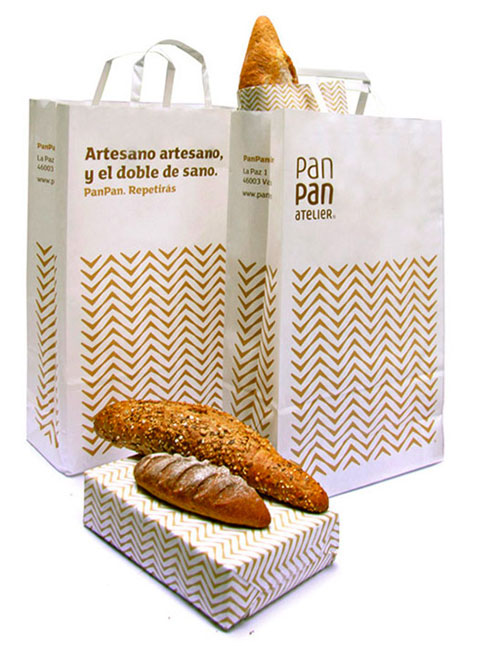
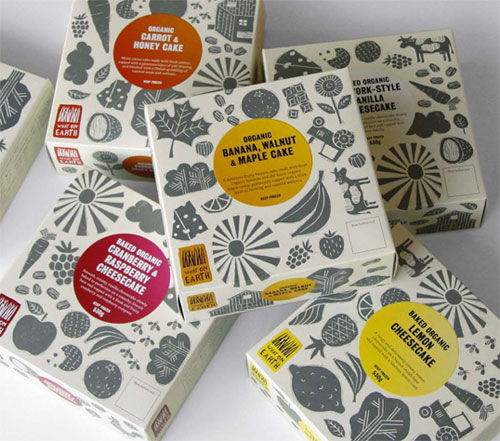
Farmetone

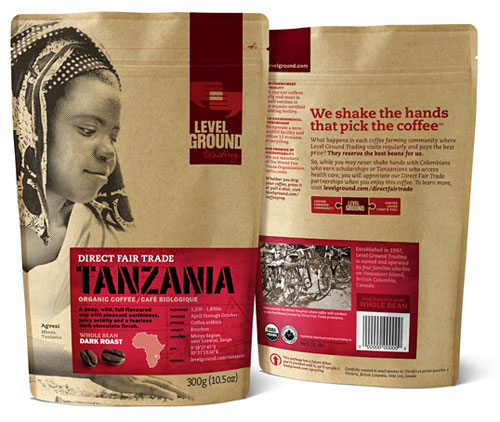
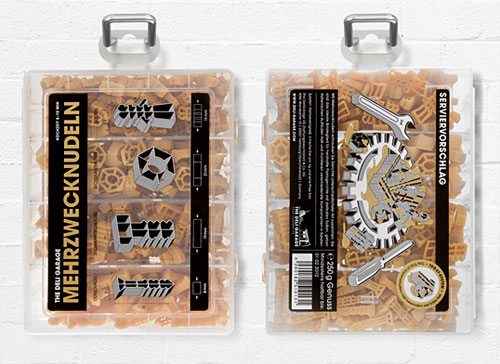
The Deli Garage Mehrzwecknudeln
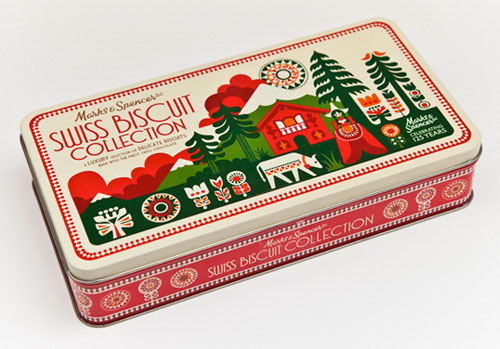
Marks & Spencer Swiss Biscuits
Eggshell Puddings

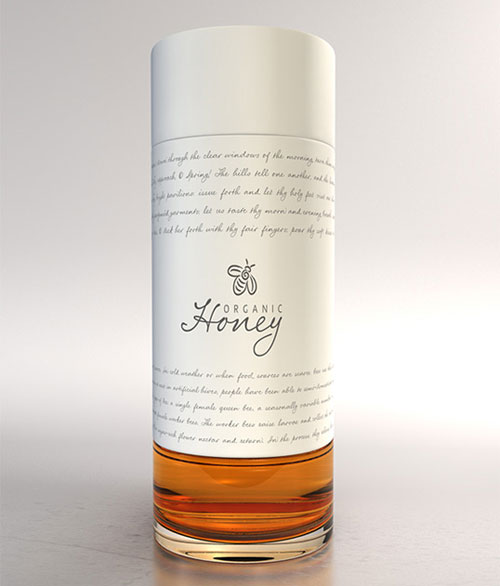
Honeycomb

Fun & Fit Muesli

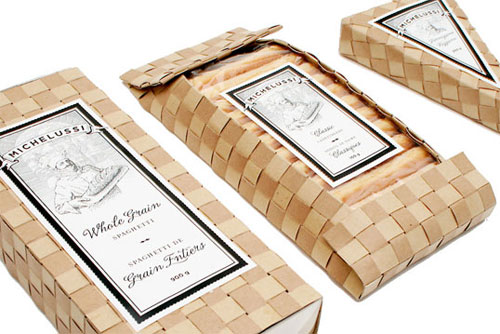
Michelussi Italian Gourmet Food
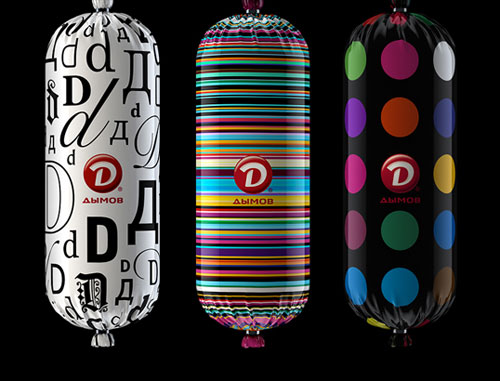
Dymov Ultra

Mekong Red Dragon Rice

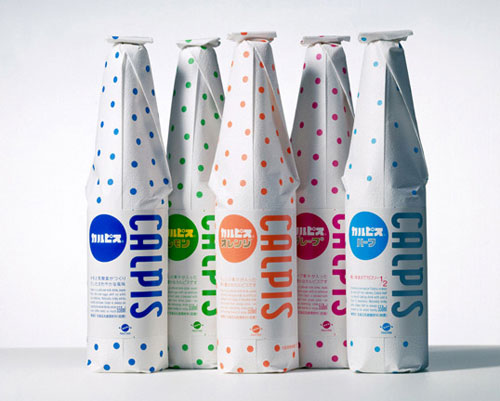
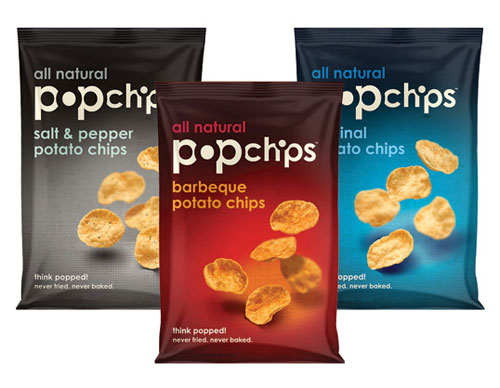
Princip

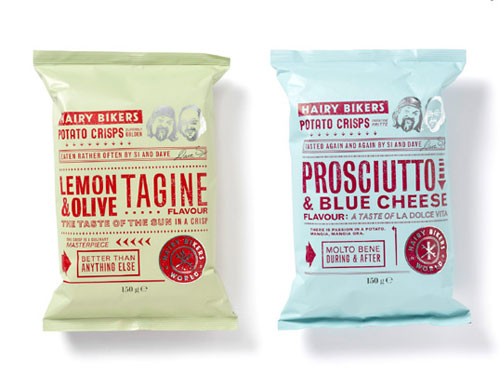


Probar Fruition

Coureur des Bois
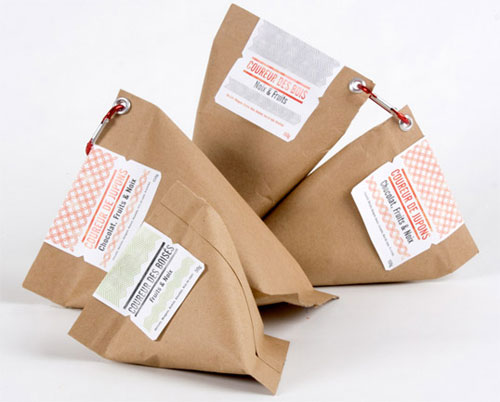
Gelo

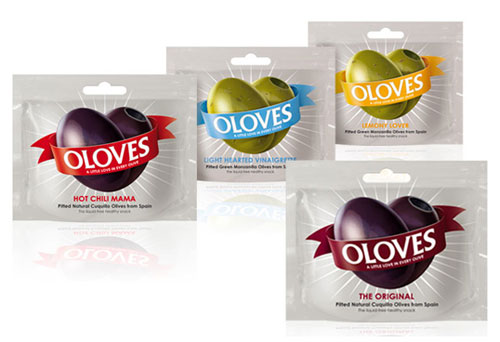
Oloves
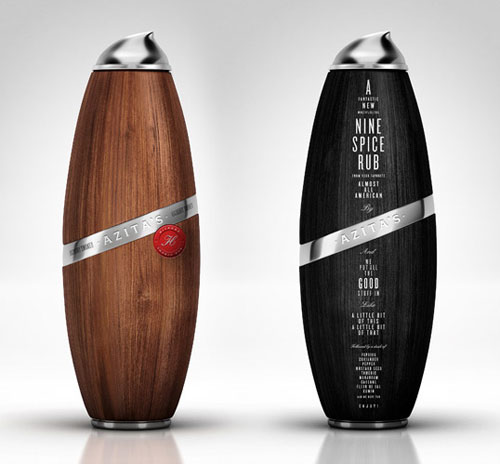
Azita’s Dry Rub
Kashi Lean Cereal Concept

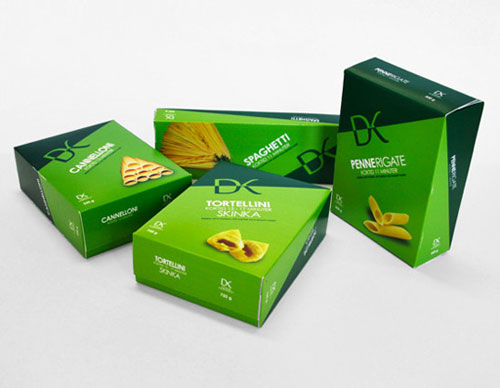
Pasta Packaging
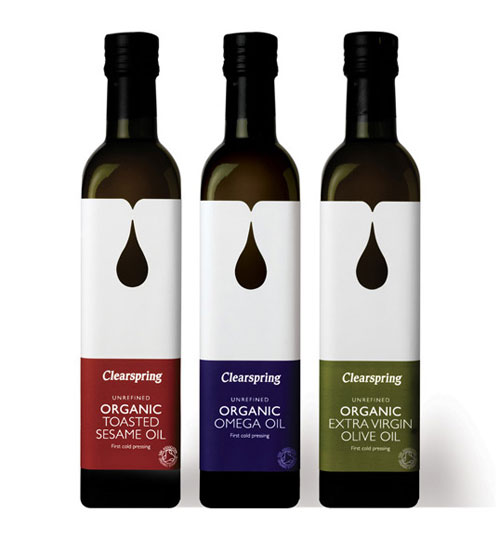
Clearspring
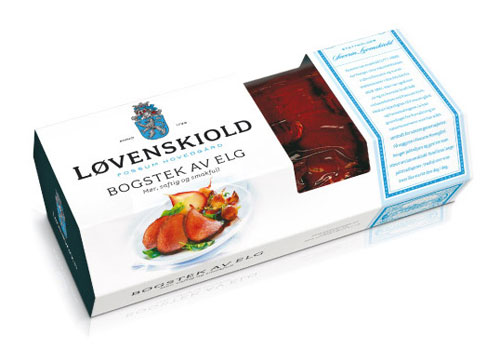
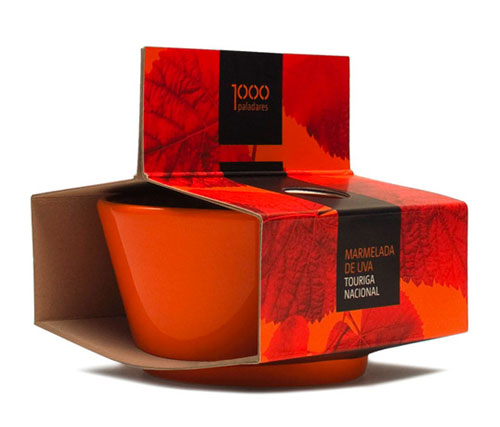
Meaty Packaging

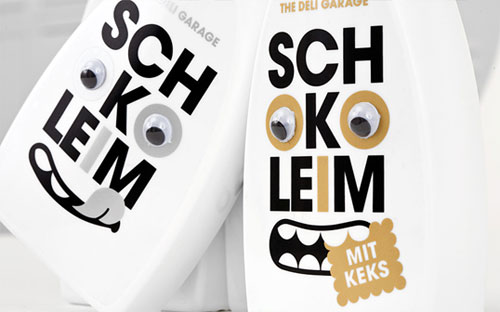
The Deli Garage Schokoleim


Lintar Olive Oil


Mini Garage Winery Olivenöl
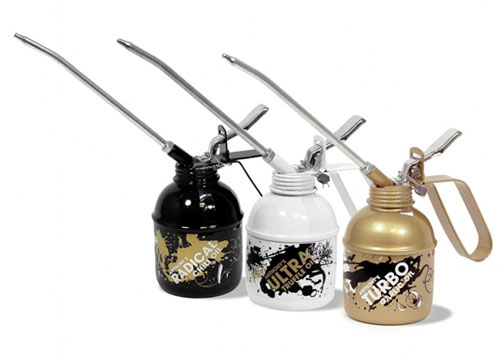

A.O.


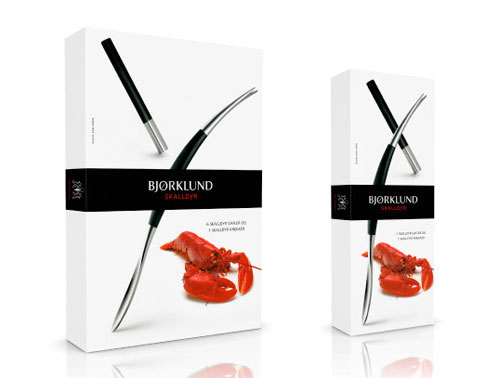

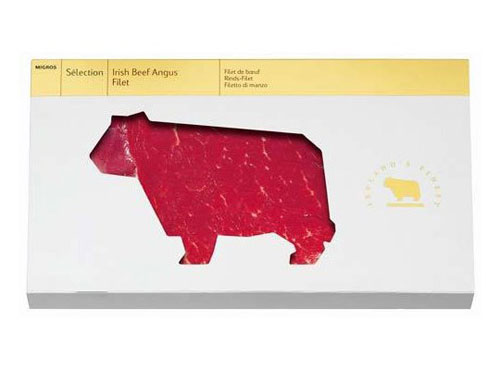
Migros
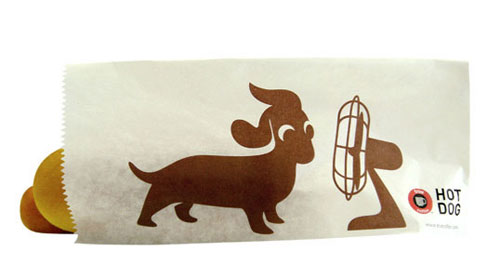
TrueCoffee Hot Dog
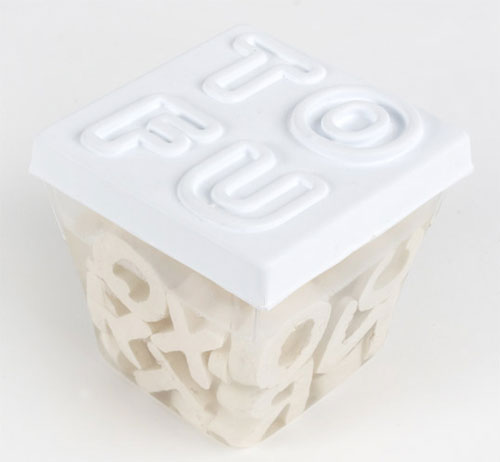
Tofu
Babees Honey

Azita’s Almost-All-American Hot Sauce

Nupo

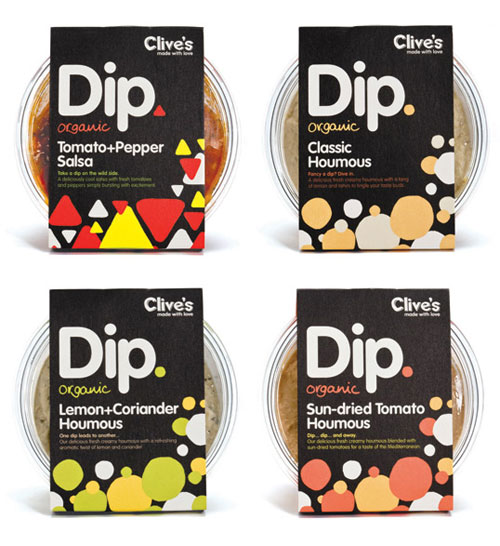
Clive’s Organic Dips
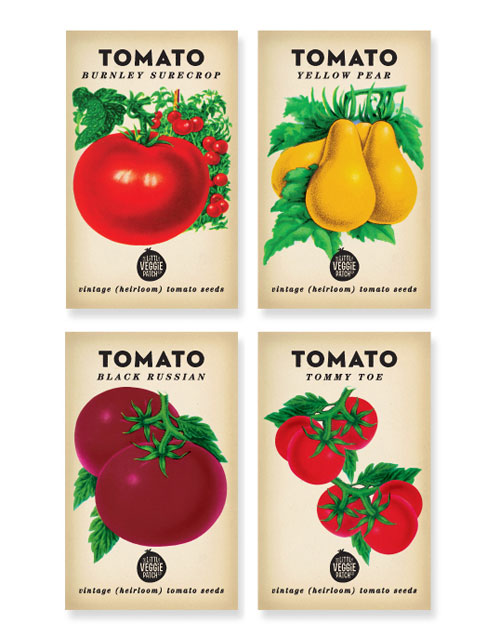
The Little Veggie Patch Co
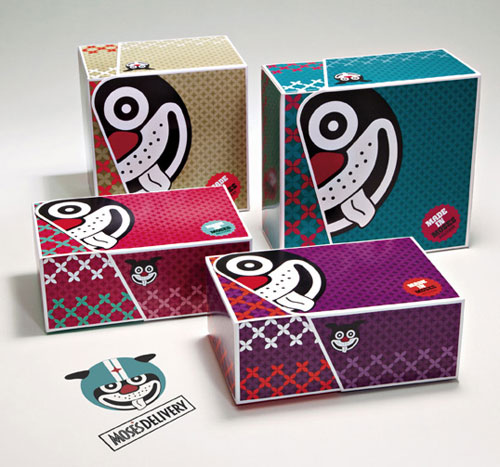
Moses Delivery
The Kitchen

Spork

Hervik

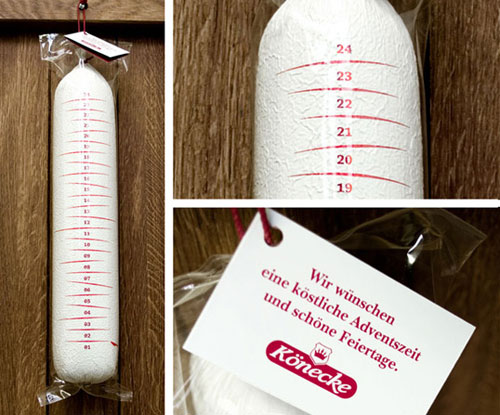
Könecke Advent Sausage
Porkinson

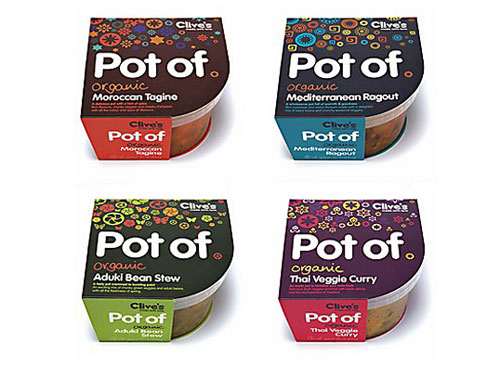
Clive’s Pot of
Hellers

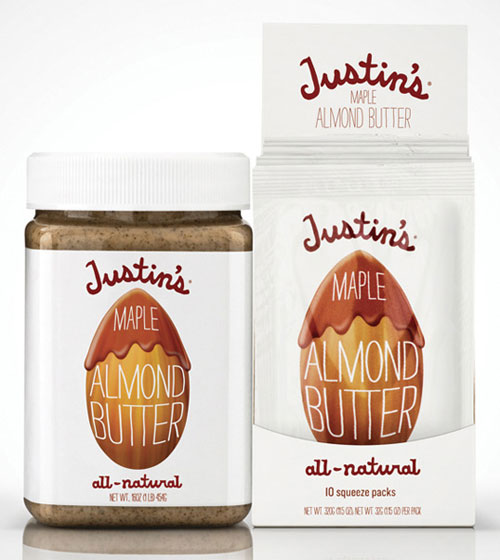
Justin’s Nut Butter
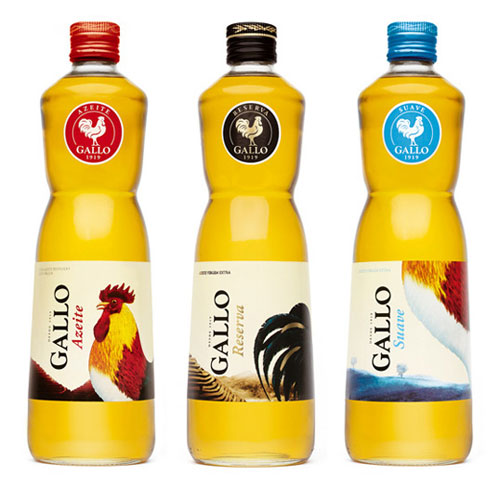
Gallo
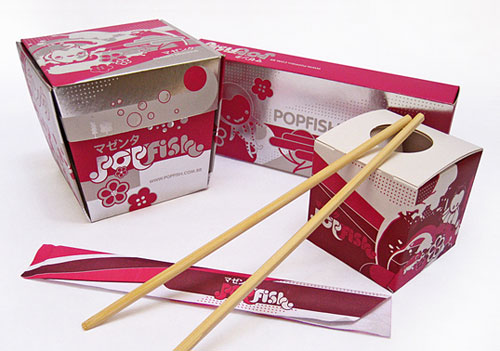
Popfish
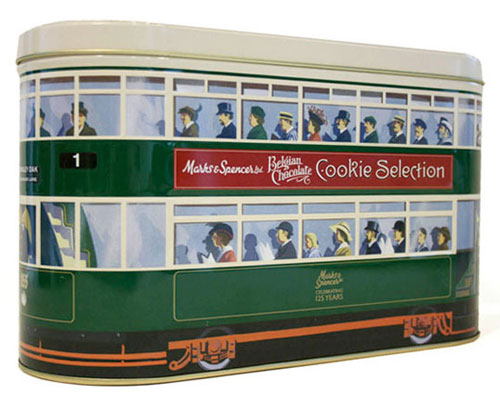
M&S Biscuits
Green Eggs

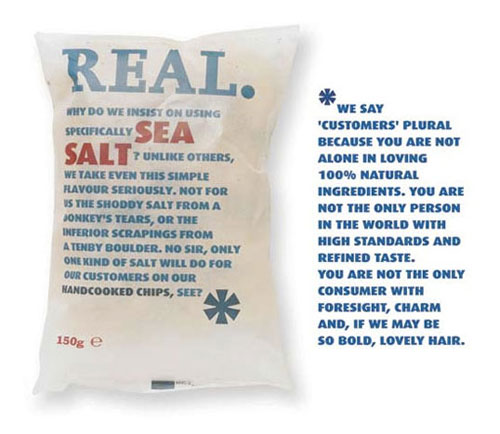
REAL Chips
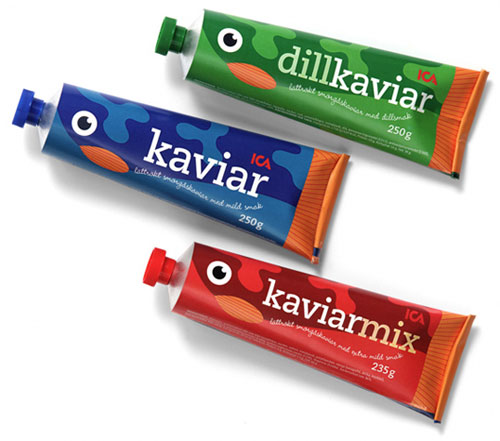
ICA Kaviar
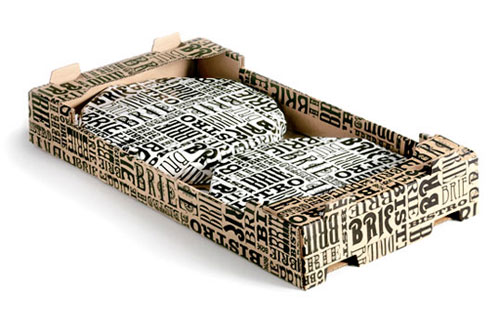
Brie Bistro
Fixa

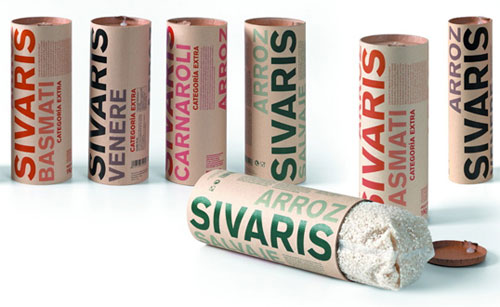
Sivaris Rice
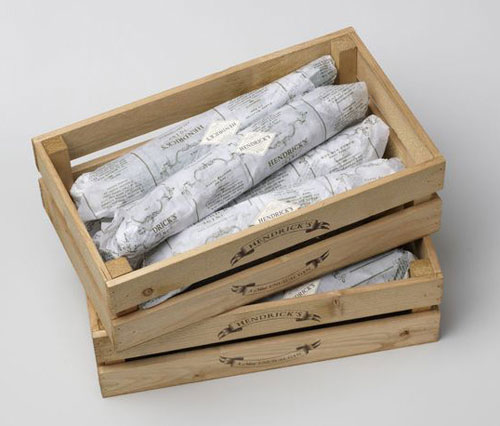
Hendrick’s Cucumber Crates
Via Roma

Gran Farina

Blue Ribbon
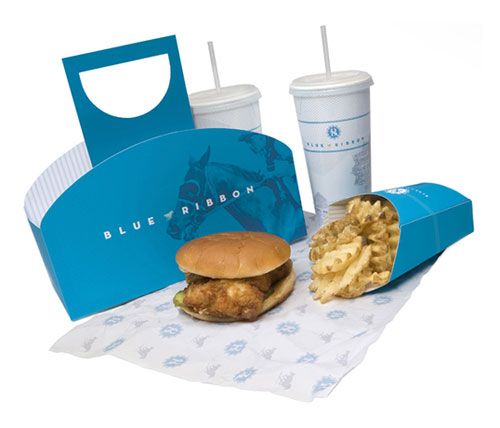
Womo

From Our Farms

Andreas Caminada
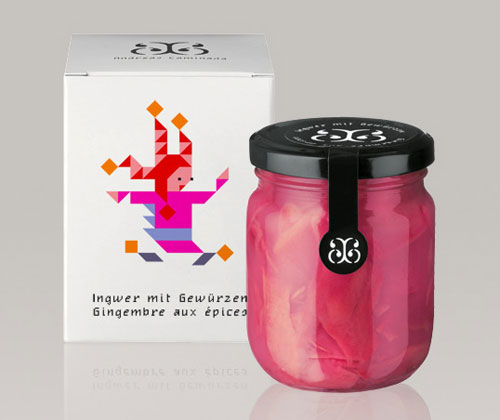
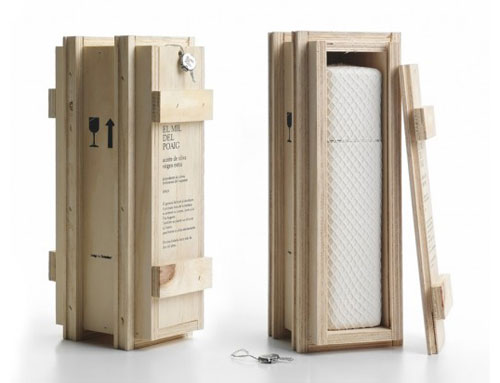
El Mil del Poaig
Kefalonia Fisheries

Brooklyn Fare

APC Olive Oil

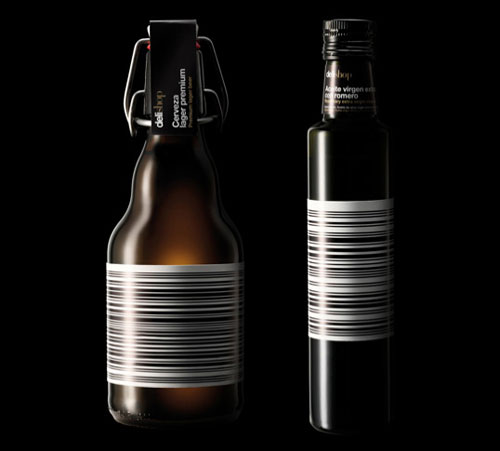
DeliShop
Kshocolat

Brachia Olive Oil

Nut Butter

FAQ On Food Packaging Examples
What are the key materials used in food packaging?
Plastic, glass, aluminum, and cardboard dominate the food packaging materials landscape.
With the rise of eco-friendly packaging, biodegradable and recyclable materials like PET and HDPE are gaining traction. Custom food packaging now frequently features these to meet sustainability goals.
How does food packaging impact shelf life?
Packaging plays a crucial role in preserving food freshness and extending shelf life. Techniques such as vacuum-sealed packaging and flexible packaging are vital.
These methods help keep food safe by preventing contamination and oxidation, which are critical in food safety packaging.
What makes packaging recyclable or compostable?
Recyclable packaging is typically made from easily-processable materials like certain plastics, metals, and paper. Compostable packaging, such as those made from PLA or cornstarch, breaks down into non-toxic components.
Eco-friendly packaging aims to minimize environmental impact, aligning well with sustainable commitments.
Why is design important in food packaging?
Packaging design influences consumer perception and purchasing decisions. Aesthetic appeal, combined with brand identity, can tilt the scales in favor of your product.
Food packaging design, often crafted by packaging design agencies, integrates functionality with visual appeal for maximum impact.
How is smart packaging changing the industry?
Smart packaging employs technologies like RFID and NFC to enhance user experience and improve logistics.
These innovations ensure product safety, track freshness, and even signal usage patterns, marking a significant leap in packaging technology and smart packaging solutions.
What are the trends in food packaging?
Sustainability and functionality dominate current food packaging trends. From biodegradable packaging to resealable designs, trends reflect consumer demand for eco-friendly and convenient solutions.
Innovations like transparent food packaging and smart technologies are also reshaping the industry landscape.
How does custom food packaging benefit businesses?
Custom food packaging enhances brand visibility and aligns with marketing strategies. Personalized designs can better communicate brand values and attract target audiences.
Branding and packaging efforts ensure your product stands out on crowded shelves, driving consumer preference and loyalty.
What’s the importance of food safety standards in packaging?
Food safety standards ensure packaging does not compromise the product’s integrity. Regulations by entities like the FDA mandate material safety, contamination prevention, and proper labeling.
Adherence to these standards is essential for consumer trust and regulatory compliance in food safety packaging.
What role do packaging design agencies play?
Packaging design agencies specialize in creating functional and visually appealing packaging solutions.
They integrate branding, market trends, and consumer behavior insights to craft packages that not only protect the product but also boost sales. Their expertise in packaging solutions is invaluable for businesses.
How to choose the right packaging for a product?
Choosing the right packaging involves balance. Consider material suitability, budget, environmental impact, and target audience preferences.
Evaluate options like vacuum-sealed packaging for freshness, or biodegradable packaging for sustainability, to ensure you protect and market your product effectively.
Conclusion
As we wrap up this exploration of food packaging examples, it’s clear that innovation and sustainability are driving the industry forward. From biodegradable packaging to custom food packaging solutions, each example reveals the intricate balance between design, functionality, and eco-consciousness.
Packaging design isn’t merely about aesthetics; it’s a strategic tool that integrates branding and packaging to captivate consumers and communicate values. The integration of smart packaging innovations like RFID and NFC highlights the technical advances pushing the boundaries of what packaging can achieve.
Food safety standards, essential for consumer trust, guide the use of materials like PET and HDPE, ensuring that today’s food packaging materials meet rigorous requirements. Meanwhile, designers are turning to eco-friendly packaging, prioritizing materials that are both recyclable and compostable.
Ultimately, these food packaging design trends and technologies showcase a thriving field that not only protects our food but also enriches our connection to it.

Renowned for his expertise in logo design and visual branding, Bogdan has developed a multitude of logos for various clients.
His skills extend to creating posters, vector illustrations, business cards, and brochures. Additionally, Bogdan's UI kits were featured on marketplaces like Visual Hierarchy and UI8.
He also wrote in the past years on sites like Design Your Way, WebDesignerDepot, WPDean, Designmodo, Speckyboy, Slider Revolution, and more.
- Best Visual Regression Testing Tools for Web and App Design in 2026 - 13 October 2026
- Jujutsu Kaisen Font Generator - 12 October 2026
- The Windsurf Logo History, Colors, Font, And Meaning - 10 October 2026

Bogdan Sandu is a seasoned designer who has been designing websites since 2008. Renowned for his expertise in logo design and visual branding, Bogdan has developed a multitude of logos for various clients. His skills extend to creating posters, vector illustrations, business cards, and brochures. Additionally, Bogdan's UI kits were featured on marketplaces like Visual Hierarchy and UI8. He also wrote in the past years on sites like Design Your Way, WebDesignerDepot, WPDean, Designmodo, Speckyboy, Slider Revolution, and more.
You Might Also Like