Both roles produce visual work. Both use digital tools. But a graphic designer vs digital artist comparison reveals two fundamentally different career paths, with different daily tasks, income structures, and creative goals.
Graphic designers solve communication problems for clients. Digital artists create artwork driven by personal vision or commercial projects in gaming, film, and illustration.
The overlap is real, and it confuses a lot of people trying to choose between them. This guide breaks down the actual differences in tools, salaries, education, and career growth so you can figure out which path fits your skills and working style.
What Is a Graphic Designer

A graphic designer is a professional who creates visual content to solve communication problems for clients, brands, or organizations. The work is functional. Every layout, every logo, every piece of collateral exists to serve a specific business objective.
The U.S. Bureau of Labor Statistics counted roughly 265,900 graphic designer jobs in 2024, with a median annual wage of $61,300. That’s above the national median for all occupations.
Day-to-day tasks revolve around typography, layout composition, brand identity systems, packaging, and marketing materials. Think brochures, social media assets, product labels, and website layouts. The deliverables are tied to briefs, deadlines, and client approval chains.
Where Graphic Designers Work
In-house teams: Marketing departments at companies like Procter & Gamble or HubSpot employ designers to produce branded content across channels.
Design agencies: Firms like Pentagram and IDEO hire designers for client-facing projects that span industries.
Freelance: On Upwork, the average hourly rate for freelance graphic designers sits around $45, according to platform data.
The common thread across all these settings is that graphic designers work within constraints. There are brand guidelines to follow, grid systems to respect, and stakeholders to satisfy.
Core Skills That Define the Role
Graphic designers live inside tools like Adobe Illustrator, InDesign, Figma, and sometimes Canva for quick production work. But the tools aren’t what make the role. It’s the thinking behind them.
Strong understanding of color theory, visual hierarchy, and design principles like contrast, alignment, and repetition separates a skilled designer from someone who just knows how to use Photoshop.
Then there’s the business side. Reading a creative brief, presenting concepts, iterating based on feedback. These soft skills matter just as much as knowing how to set proper kerning or build a color palette.
What Is a Digital Artist
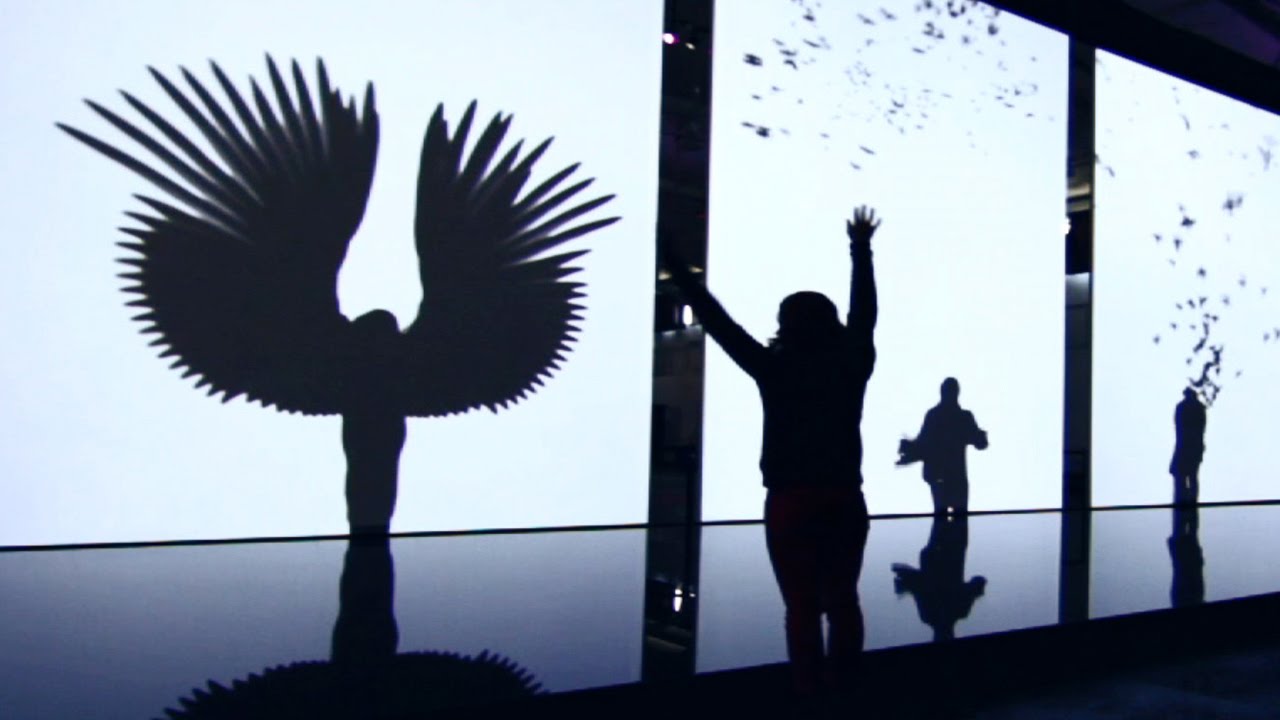
A digital artist is a creator who uses digital tools to produce artwork. The motivation is different from graphic design. Sometimes it’s personal expression. Sometimes it’s commercial work for games, films, or editorial publications. Often it’s both.
The IAB reported that full-time digital creator positions in the U.S. grew from 200,000 in 2020 to 1.5 million by 2024, a 7.5x increase. That number includes digital artists alongside other creative roles, but the trajectory is clear.
What Digital Artists Actually Create
The output is wide. Really wide.
- Digital painting and illustration for book covers, editorial pieces, or personal projects
- Concept art for video games, film pre-production, and animation studios
- 3D modeling using tools like Blender, ZBrush, and Substance Painter
- Motion graphics and animated sequences
- Generative and procedural art using code-based tools
No single industry owns this role. Riot Games hires concept artists. Publishing houses commission digital illustrators. And thousands of independent digital artists sell prints, tutorials, and assets through platforms like Gumroad, ArtStation, and Patreon.
The Tools and the Craft
Digital artists lean heavily on drawing tablets. The Wacom Cintiq and iPad Pro with Procreate are probably the two most common setups you’ll see.
For painting and illustration, Photoshop and Clip Studio Paint dominate. 3D artists spend their time in Blender or ZBrush. And the landscape shifted again when tools like Midjourney and Stable Diffusion entered the space, though opinions on AI-generated art remain, well, complicated.
The technical skills here go deep. Anatomy, perspective, lighting, hue control, saturation choices. A lot of what digital artists do is grounded in traditional art fundamentals that software just can’t replace.
Core Differences Between Graphic Designers and Digital Artists

People confuse these two roles constantly. And that’s fair, since they share tools, use similar software, and both produce visual work. But the differences are structural, not surface-level.
| Dimension | Graphic Designer | Digital Artist |
|---|---|---|
| Primary intent | Solve a client’s communication problem | Express a creative vision or concept |
| Constraints | Brand guides, briefs, approval workflows | Fewer external constraints, more creative freedom |
| Typical output | Logos, layouts, marketing assets, UI elements | Illustrations, concept art, 3D renders, paintings |
| Who they answer to | Art directors, marketing leads, clients | Creative directors, themselves, galleries |
| Work process | Design thinking, iteration, systems | Artistic exploration, refinement, experimentation |
The World Economic Forum’s 2025 Future of Jobs report listed graphic design as the 11th fastest-declining job category over the next five years, a big shift from the previous report where it was considered moderately growing. Digital art roles, particularly in gaming and interactive media, didn’t show the same decline.
Where the Two Roles Overlap
Entertainment and gaming blur these lines more than any other industry. A concept artist at a studio like Riot Games or Electronic Arts might build character designs one week and marketing assets the next.
Freelancers overlap even more. I’ve seen plenty of creatives on Behance and Dribbble who list both brand identity work and personal illustration projects in the same portfolio. Social media content creation pulls from both skill sets too, especially when you’re producing assets for Instagram or TikTok that need to look polished and be on-brand while still feeling artistically fresh.
The key question isn’t really “which are you?” for most people starting out. It’s “which type of work do you want to wake up and do every day?”
Tools and Software Each Role Uses

There’s some real overlap here, but the stacks diverge quickly once you move past the basics.
The Graphic Designer’s Toolkit
Adobe Illustrator handles vector graphics for logos, icons, and scalable artwork. It’s been the standard for years and that hasn’t changed.
Adobe InDesign is where print design happens. Multi-page layouts, magazines, brochures, reports. If it’s going to a printer, it probably passed through InDesign. Designers working on print need to understand CMYK color modes, DPI settings, and bleed margins.
Figma took over collaborative web design and UI work. It runs in the browser, supports real-time collaboration, and has become the default for product design teams.
After Effects rounds things out for designers who create animated social posts, explainer videos, or motion-based brand content.
The Digital Artist’s Toolkit
Different world entirely.
Procreate on iPad Pro is where a huge chunk of digital illustration happens now. It costs $13. That’s it. One-time purchase. Took me a while to believe something that cheap could be that capable, but here we are.
Photoshop sits in both camps. Designers use it for photo editing and compositing. Digital artists use it for digital painting with custom brush sets. Same software, completely different workflows.
Blender (free, open-source) and ZBrush handle 3D modeling and sculpting. Substance Painter covers texturing. Clip Studio Paint is the go-to for comic and manga artists.
Shared Ground and Emerging Shifts
Both roles use Wacom tablets, color calibration tools, and cloud storage for project management. Both deal with file formats like JPEG, PNG, and PSD daily.
The biggest shift right now is AI. Midjourney and Stable Diffusion changed the digital art side faster than the design side. Designers are using Adobe Firefly for quick concept variations, but the impact on illustrators and concept artists has been more direct (and more contentious).
Robert Half’s 2024 survey found that 94% of creative managers struggle to find skilled talent, with the highest demand concentrated in UX design and marketing automation skills.
Education and Skills Required
This is where assumptions get tricky. Because the “right” path looks different depending on which role you’re targeting.
Graphic Design Education

Most job listings ask for a bachelor’s degree in graphic design, visual communication, or something related. The BLS confirms that a bachelor’s is the typical entry-level requirement.
But here’s the thing. Portfolio beats diploma, every single time. I’ve watched people with associate degrees land agency jobs over candidates with four-year degrees because their book was stronger. The degree gets you past HR filters. The portfolio gets you the job.
Structured programs do teach things that are hard to pick up on your own, though. Typographic systems, baseline grids, design balance, Gestalt principles, and the history behind movements like Swiss design and Bauhaus. Those foundations shape how you think about layout and composition for the rest of your career.
Digital Art Education
Way less standardized. And honestly? Some of the best digital artists working today are entirely self-taught.
Online platforms carry a lot of weight in this space. Schoolism, CGMA, and Domestika offer courses taught by working professionals from studios like Pixar and Blizzard. YouTube tutorials fill in the gaps for free.
What matters here isn’t where you learned. It’s whether you can demonstrate foundational skills: anatomy, perspective, color relationships (like understanding analogous colors and complementary color schemes), lighting, and composition.
Skills Comparison
| Skill Area | Graphic Designer Focus | Digital Artist Focus |
|---|---|---|
| Typography | Leading, tracking, typographic hierarchy | Text integration in illustrations |
| Color | Brand color systems, RGB/Pantone matching | Painting with light, mood, atmosphere |
| Composition | Grid-based layouts, white space management | Rule of thirds, golden ratio, focal point control |
| Technical drawing | Vector precision, icon design | Anatomy, environmental design, creature design |
Adobe certifications exist for both paths. But nobody in hiring cares much about them. At least in my experience, and from what I’ve heard from art directors and creative leads, the conversation always comes back to “show me your work.”
Salary and Income Comparison
Let’s talk money. Because this is usually what tips the decision for people choosing between these paths.
Graphic Designer Earnings

The BLS puts the 2024 median at $61,300 per year for graphic designers. The bottom 10% earned under $37,600 and the top 10% pulled in over $103,030.
Glassdoor’s data paints a slightly higher picture, with an average of $73,325 and top earners reaching $123,140. The gap between these numbers comes down to methodology and what each platform counts.
PayScale shows early-career designers (1-4 years experience) averaging about $50,921. Entry-level, under one year, sits closer to $44,255.
Digital Artist Earnings
Harder to pin down because the title covers so many different jobs.
Glassdoor reports an average of $66,773 for digital artists, with a range between $50,080 and $92,307. Concept artists specifically average around $70,529 according to Salary.com, with the median sitting near $60,665 in 2025.
Freelance concept artists in the U.S. earn between $61,508 and $93,569 annually, with top professionals reaching $155,000. Hourly rates range from $65 to $350 depending on specialization and location.
Freelance vs. Full-Time Earning Differences
This is where it gets interesting.
Upwork data shows freelancers collectively generated $1.5 trillion in earnings during 2024. And 60% of freelancers who left traditional jobs say they earn more now.
But the income gap between platforms is massive. On Upwork, freelance graphic designers average $15 to $35 per hour. On Fiverr, the average client budget is just $262 per project. Compare that to agency-side designers pulling $60,000 to $90,000 in stable salary positions.
Digital artists selling through Gumroad, ArtStation Marketplace, or doing private commissions have more passive income options. Prints, stock assets, tutorials, Patreon memberships. These revenue streams don’t exist in the same way for most graphic designers.
Bottom line: Graphic design offers more predictable income through traditional employment. Digital art has higher ceiling potential but wider variance, especially for freelancers.
Career Paths and Growth
Where you end up after five or ten years looks very different depending on which path you take. Neither is better. They just lead to different places.
The Graphic Design Track
Graphic design has a clearer corporate ladder. Junior designer, mid-level designer, senior designer, art director, creative director. The progression is well-documented and most agencies follow some version of this structure.
The BLS projects 2% job growth for graphic designers from 2024 to 2034, with about 20,000 openings per year. That’s slower than average, but the openings are consistent because of turnover and retirement.
Common lateral moves include:
- UX/UI design (the UI designer vs graphic designer conversation comes up a lot here)
- Brand strategy and visual identity development
- Art direction (the shift from designer to art director is one of the most common career jumps)
- Web design, where design and development skills intersect
The Digital Art Track

Less linear. More creatively fulfilling for a lot of people, but you have to build your own trajectory.
Concept artists can move into visual development leads, art directors at game studios, or supervisory roles in film pre-production. But these positions are rarer and more competitive.
The IAB and Harvard Business School found that full-time digital creator roles grew 7.5x between 2020 and 2024. Creator media revenue is expanding five times faster than traditional media. That growth pulls in digital artists who build audiences through their work.
Teaching is another legitimate path. Successful digital artists on Schoolism, Domestika, or YouTube can generate serious income from courses and tutorials while still doing client work.
Where Both Paths Converge
Motion design is growing fast and pulls from both skill sets. Brands want animated content. Studios want motion-savvy artists. If you can animate and design or animate and illustrate, you’re sitting in a sweet spot right now.
The global creative industries market is valued at roughly $3,028 billion in 2025 and growing at a 4.29% CAGR, according to Business Research Insights. Both graphic designers and digital artists benefit from this expansion, but those who specialize and adapt to digital-first workflows will capture the most opportunity.
Which Role Fits You Better
This isn’t a question anyone else can answer for you. But there are real signals worth paying attention to before you commit years of effort to one path.
If You Prefer Structure and Client Work
Graphic design is the better fit. The work runs on briefs, feedback rounds, and brand systems. You’ll spend time building brand style guides, creating poster layouts, and producing assets that fit within defined parameters.
AIGA’s Design Census found that graphic designers report a median job satisfaction rating of 7.6 out of 10. The happiest designers in that survey? Small business owners who had creative autonomy over their projects.
If you’re someone who likes clear deliverables and a defined process, this path gives you that.
If You’d Rather Spend Hours Painting or Sculpting
Digital art is your lane. The day-to-day looks completely different.
Instead of aligning assets to baseline grids, you’re figuring out how light hits a surface. Instead of matching monochrome color palettes to brand specs, you’re choosing a triadic color scheme because it makes your character feel more alive.
The BLS projects about 95,800 art and design job openings per year through 2032. That includes illustrators, concept artists, and animators alongside graphic designers.
Personality Check
| Trait | Leans Graphic Design | Leans Digital Art |
|---|---|---|
| Decision style | Likes working within constraints | Prefers open-ended exploration |
| Feedback | Comfortable with client revisions | Prefers self-directed iteration |
| Daily work | Layouts, decks, brand collateral | Painting, sculpting, concept sketches |
| Income priority | Steady paycheck, benefits | Willing to trade stability for creative freedom |
Consider trying both before locking in. Most creative software has free trials. Procreate costs $13. Figma’s free tier covers a lot of ground. The “wrong” choice isn’t permanent, and plenty of people switch paths mid-career without losing ground.
Can You Be Both a Graphic Designer and a Digital Artist

Yes. And more people are doing this than the job titles suggest.
The Hybrid Creative Is Growing
A Tapflare report noted that roughly 20% of graphic designers in the U.S. are self-employed, and many of them take on both design and illustration work depending on the project.
Creative Boom’s 2024 freelancer survey found a clear pattern: freelancers who offer multiple services across design and art are faring better than those locked into one discipline. One creative director quoted in the report said his work spans photography, brand, book cover design, website work, and creative direction. Without that range, things would be “pretty quiet.”
Where the Hybrid Works Best
Startups and small teams: A five-person marketing team can’t afford separate designers and illustrators. One person who does both is gold.
Freelance platforms: On Behance and Dribbble, the strongest portfolios often mix brand identity projects with personal illustration work. Clients browsing those platforms can see range.
Content-driven companies: Social media teams need someone who can produce on-brand assets AND create original illustrated content. That overlap is where hybrid creatives thrive.
The Risk of Being a Generalist
There’s a real downside, though. Spreading too thin means you might get hired for everything but respected for nothing. At least that’s what I’ve seen happen when people don’t have depth in one core area.
Pentagram’s partners are a good example of the opposite approach. Each one leads with a deep specialization (brand identity, environmental design, digital products) even though they can work across disciplines. Depth first, breadth second.
Portfolio strategy matters here. If you do both, separate your work into clear categories. Don’t put logo projects next to character illustrations on the same page without clear context. Let visitors filter by type so they can evaluate your depth in each area.
Making It Work Long-Term
The creator economy is valued at roughly $205 billion as of 2024, according to Grand View Research, growing at 23.3% CAGR. That expansion creates room for hybrid creatives who can produce both commercial design assets and original artistic content.
Riot Games, Electronic Arts, and Nintendo all post roles that ask for both design system thinking and concept art ability. These aren’t entry-level positions, but they exist. And they pay well.
The key is picking one area to lead with, then expanding outward. Start as a strong graphic designer who also illustrates. Or start as a strong digital artist who can handle brand work when needed. Either path works, as long as you can prove competence where it counts.
FAQ on Graphic Designer Vs Digital Artist
What is the main difference between a graphic designer and a digital artist?
A graphic designer creates visual content to solve communication problems for clients. A digital artist produces artwork driven by creative expression, often for industries like gaming, film, or personal projects. Intent separates the two roles more than tools or skills.
Do graphic designers and digital artists use the same software?
There’s overlap. Both use Adobe Photoshop. But graphic designers rely more on Illustrator, InDesign, and Figma. Digital artists work primarily in Procreate, Clip Studio Paint, Blender, and ZBrush. The workflows are completely different.
Who earns more, a graphic designer or a digital artist?
It depends on specialization. The BLS reports a $61,300 median for graphic designers. Digital artist income varies widely, with concept artists at game studios often earning more. Freelance digital artists have higher ceiling potential but less predictable income.
Can you be both a graphic designer and a digital artist?
Yes. Many freelancers handle both brand identity work and illustration projects. The key is building depth in one area first, then expanding. Hybrid creatives do well in startups and small teams where budgets are tight.
Which career has better job growth?
Graphic design shows 2% projected growth through 2034, according to the BLS. Digital art roles in gaming, entertainment, and content creation are expanding faster. Full-time digital creator positions grew 7.5x between 2020 and 2024.
Do you need a degree to become a graphic designer or digital artist?
Graphic design jobs typically list a bachelor’s degree as a requirement. Digital art is less standardized. Many successful digital artists are self-taught through platforms like Schoolism, CGMA, and Domestika. Portfolio quality matters more than credentials in both fields.
Is graphic design being replaced by AI?
Not entirely. The World Economic Forum’s 2025 report listed graphic design among declining job categories. But roles requiring strategic thinking, brand systems, and client collaboration remain in demand. AI handles production tasks, not creative direction.
What industries hire digital artists?
Video game studios, film production companies, publishing houses, and advertising agencies all hire digital artists. Companies like Riot Games, Electronic Arts, and Nintendo regularly post concept art and illustration roles. Editorial and fashion industries also commission digital artwork.
Which role offers more creative freedom?
Digital artists typically have more creative autonomy. Graphic designers work within brand guidelines, client briefs, and approval chains. That said, freelance graphic designers with their own client base often enjoy significant creative control over their projects.
Should I start as a graphic designer or digital artist?
Pick based on what you enjoy doing daily. If you like layouts, type systems, and client-based problem solving, start with graphic design. If you’d rather paint characters or build 3D environments, go digital art. Try both before committing.
Conclusion
The graphic designer vs digital artist debate doesn’t have a single right answer. It comes down to how you want to spend your working hours and what kind of creative output drives you.
Graphic designers build brand systems, produce marketing collateral, and work within structured approval processes. Digital artists paint, sculpt, and create concept art with more room for artistic exploration.
Salary ranges overlap. Both paths offer freelance flexibility. And the creative industry keeps expanding, with the global market now valued above $3 trillion.
Tools like Adobe Creative Suite, Figma, Procreate, and Blender serve different purposes across both roles. Your choice of software stack will follow your career direction, not the other way around.
Pick the path that matches your daily preferences. Build a portfolio that proves your depth. The rest tends to sort itself out from there.

Renowned for his expertise in logo design and visual branding, Bogdan has developed a multitude of logos for various clients.
His skills extend to creating posters, vector illustrations, business cards, and brochures. Additionally, Bogdan's UI kits were featured on marketplaces like Visual Hierarchy and UI8.
He also wrote in the past years on sites like Design Your Way, WebDesignerDepot, WPDean, Designmodo, Speckyboy, Slider Revolution, and more.
- How to Install Fonts on Mac (Step-by-Step Guide) - 20 September 2026
- From Mockup to Code: How AI-Augmented Development Speeds Up the Design Handoff - 19 September 2026
- The Beehiiv Logo History, Colors, Font, And Meaning - 18 September 2026

Bogdan Sandu is a seasoned designer who has been designing websites since 2008. Renowned for his expertise in logo design and visual branding, Bogdan has developed a multitude of logos for various clients. His skills extend to creating posters, vector illustrations, business cards, and brochures. Additionally, Bogdan's UI kits were featured on marketplaces like Visual Hierarchy and UI8. He also wrote in the past years on sites like Design Your Way, WebDesignerDepot, WPDean, Designmodo, Speckyboy, Slider Revolution, and more.
You Might Also Like