the power of a well-designed website goes far beyond aesthetics. It’s not just about looking good; it’s about creating an experience that captivates visitors and keeps them returning. Another hidden gem in great design is its ability to attract natural backlinks. When we focus on crafting visually stunning, user-friendly websites, we’re not just impressing our audience; we’re catching the attention of other creators who can’t help but share and link to our work.
Natural backlinks are the holy grail of SEO, and beautiful web design is crucial in earning them. When our site stands out with seamless navigation, engaging visuals, and valuable content, it becomes a magnet for organic recognition. Learning how to become a web designer provides useful insights into creating designs that captivate audiences and drive SEO success. Let’s explore how investing in exceptional design can be the key to amplifying our outreach efforts and building a strong digital presence.
Importance Of Beautiful Web Design In Outreach
Beautiful web design directly impacts outreach efforts by creating a platform that naturally attracts visitors and backlinks. It combines user-centric design with value-driven aesthetics to enhance digital visibility.
What Is Outreach In SEO?
Outreach in SEO refers to building relationships to earn backlinks and promote content. It strengthens online authority and expands reach.
Role Of Aesthetic Appeal In Gaining Backlinks
Aesthetic appeal engages users, increasing dwell time and shares, which lead to backlinks. Well-designed visuals amplify content credibility.
Core Design Elements That Attract Backlinks
Optimizing certain design elements improves backlink potential. These focus areas are vital:
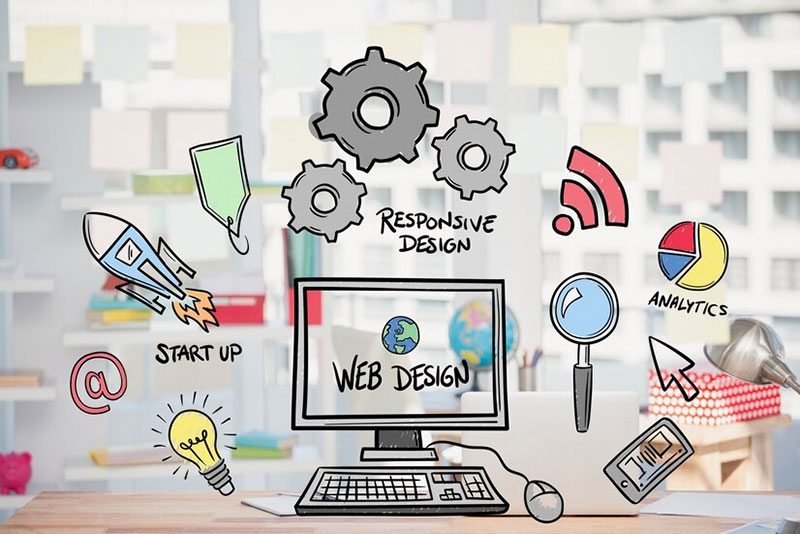
- Responsive Design: Sites optimized for all devices attract broader audiences. A mobile-friendly website improves usability and SEO rankings.
- Engaging Visuals: Infographics, videos, and custom illustrations captivate users, leading to more shares and links. Research from Venngage shows that 40% of marketers say infographics generate backlinks effectively.
- Seamless Navigation: Intuitive menus enhance usability, reducing bounce rates and boosting content discovery. Lower bounce rates improve search engine visibility.
- Fast Loading Pages: Quick-loading designs keep visitors engaged and improve their experience. Google data indicates 53% of mobile users leave a site that takes over 3 seconds to load.
Benefits Of Beautiful Design In Outreach
Beautiful websites drive natural link-building success. Better SEO boosts visibility, resulting in consistent traffic.
| Design Focus | Benefit |
| Mobile Optimization | Increases organic traffic and ensures better SERP performance |
| Unique Visual Content | Serves as valuable linking assets for blogs, journalists, and online resources |
| User-Centered Design | Increases credibility and trust, converting visitors into backlink sources |
For further insights, explore resources provided by Moz and HubSpot.
How Beautiful Web Design Encourages Natural Backlinks
Beautiful web design establishes credibility, delivers engaging content, and maximizes visual appeal to earn backlinks naturally. Utilizing tools like https://instalinko.com/ enhances outreach efforts by streamlining the building of high-quality backlinks that complement a well-designed website.
First Impressions Build Credibility
A professional design encourages trust and authority. Visitors perceive a well-designed site as reliable, making it more likely to get links from other credible websites. According to a Stanford Web Credibility Project study, 75% of users judge a site’s credibility based on its design.
- Clear layouts guide user attention.
- High-quality images elevate perceptions of professionalism.
- Branding elements reflect authority.
Designing for Content Engagement
Integrating design with engaging content increases sharing and natural references. Users stay longer on sites with visually appealing content, boosting linkable potential. Consistently aligning visuals with messages strengthens the connection. For example, platforms featuring custom infographics or interactive elements often drive higher traffic and shares.
Content Formats That Complement Design
| Format | Purpose | Benefits |
| Infographics | Simplify complex information | Attract shares, links |
| Videos | Enhance user interaction | Boost engagement |
| Case studies | Build authority and trust | Encourage references |
| Interactive tools | Provide value and usability | Drive repeat visits |
Sharing Boosted by Visual Appeal
Striking visuals encourage visitors to link to and share content on multiple platforms. High-resolution images, videos, and animations, for example, grab attention while reinforcing messages. Data from Venngage shows that 49% of marketers prioritize visual content due to its impact on engagement and link-sharing.
Effective visuals:
- Utilize scalable vector formats for quality rendering.
- Incorporate branded styles and themes.
- Enhance loading speeds for improved retention.
Sources like HubSpot and Neil Patel offer additional insights into design strategies for building organic backlinks. Beautiful web design remains essential for outreach campaigns focused on long-term SEO success.
Tools And Resources For Beautiful Web Design
Crafting beautiful web designs requires the right tools and continuous learning. Using quality resources enhances efficiency and creativity.
Best Design Tools for Professionals
- Adobe Creative Cloud: Offers Photoshop, Illustrator, and XD, ideal for creating custom visuals and prototypes.
- Figma: A cloud-based design platform for team collaboration and wireframing.
- Canva: An easy-to-use tool for quick graphic design on a budget.
- Sketch: A powerful tool for vector editing and UI/UX design.
- Webflow: Combines design with visual development for responsive web layouts.
Top Learning Platforms for Web Design Skills
- Coursera: Partners with universities to deliver in-depth web design courses.
- Udemy: Offers affordable courses on design principles and tools like Figma.
- Skillshare: Focuses on shorter, creative design tutorials for beginners.
- Interaction Design Foundation: Provides advanced lessons on UX/UI design.
- LinkedIn Learning: Includes design courses taught by industry professionals.
Free Resources for Optimization
- Google Fonts: A collection of free web fonts to enhance typography.
- Unsplash: High-quality, free stock images for visual content.
- Color Hunt: Browse color palettes to improve aesthetics.
- GTmetrix: Offers insights to increase page loading speed.
Must-Have Browser Extensions
- WhatFont: Detects fonts used on any webpage.
- ColorZilla: A color picker for identifying exact colors on web designs.
- Page Ruler Redux: Helps measure design elements with pixel accuracy.
Comparison of Design Tools
| Design Tool | Strengths | Ideal For |
| Figma | Team collaboration, prototyping | Wireframes, UI/UX design |
| Sketch | Vector editing, plugins | Advanced designs |
| Canva | Simplicity, templates | Quick, budget-friendly tasks |
| Webflow | Visual coding, responsive layouts | Professional web design |
Leverage tools like Figma and Webflow, backed by platforms like Coursera, to refine your web design strategies. Consult resources like Adobe and Webflow University for additional guidance.
Conclusion
Beautiful web design is more than just a creative endeavor-it’s a powerful tool for building online connections, credibility, and authority. By aligning aesthetics with functionality and user experience, we can create websites that naturally attract backlinks and drive sustainable growth.
When we prioritize engaging visuals, seamless navigation, and valuable content, our websites become visually appealing, highly shareable, and link-worthy. We can amplify our outreach efforts and strengthen our digital presence with the right design strategies and tools.
Investing in exceptional web design isn’t just about standing out; it’s about creating a foundation for long-term SEO success and meaningful engagement. Let’s embrace the synergy of design and strategy to unlock the full potential of natural link-building.

Renowned for his expertise in logo design and visual branding, Bogdan has developed a multitude of logos for various clients.
His skills extend to creating posters, vector illustrations, business cards, and brochures. Additionally, Bogdan's UI kits were featured on marketplaces like Visual Hierarchy and UI8.
He also wrote in the past years on sites like Design Your Way, WebDesignerDepot, WPDean, Designmodo, Speckyboy, Slider Revolution, and more.
- The Windsurf Logo History, Colors, Font, And Meaning - 10 October 2026
- How to Remove Background From Product Photos (No Photoshop) - 10 October 2026
- How Designers can Build a Stronger Online Creative Identity - 9 October 2026

Bogdan Sandu is a seasoned designer who has been designing websites since 2008. Renowned for his expertise in logo design and visual branding, Bogdan has developed a multitude of logos for various clients. His skills extend to creating posters, vector illustrations, business cards, and brochures. Additionally, Bogdan's UI kits were featured on marketplaces like Visual Hierarchy and UI8. He also wrote in the past years on sites like Design Your Way, WebDesignerDepot, WPDean, Designmodo, Speckyboy, Slider Revolution, and more.
You Might Also Like