Custom merchandise strengthens a company’s identity when the items carry the same fonts, colors and logo people already see on the website and in the office, and when they are good enough that people actually use them. A branded pen that skips ink after two days does the opposite of its job. This article covers which items work for employees, clients and prospects, how to keep the design faithful to the brand, and how to tell whether any of it is paying off.
What types of custom merchandise work for corporate identity?
Almost anything can carry a logo, so the better question is which items fit the people receiving them. Staff, clients and prospects use different things in different places, and the item should match the setting where your corporate identity will be seen. Personalized pieces that follow your branding also keep internal engagement and loyalty steady, because employees see the same identity on their desk that they see in company materials.
Awards and recognition pieces
Engraved awards that show the company logo and the recipient’s name are a direct way to recognize good work and lift morale. Custom awards for excellence and other categories can be ordered through awards.com. These are the items people keep on a shelf for years, so material and finish matter more than quantity.
Everyday items
- Branded apparel: well-made garments give a team a shared look and keep the brand visible day to day. If you are producing for a local team, this piece on how to design branded apparel for a local team covers the design side, and the techniques for putting a logo on clothes are worth a look before you pick a supplier.
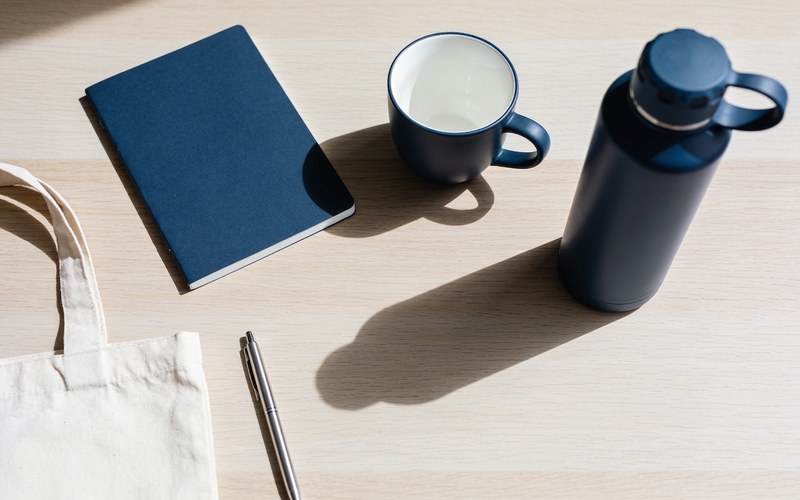
- Custom desk accessories, from personalized pens to embossed notepads, turn routine tasks into small brand moments.
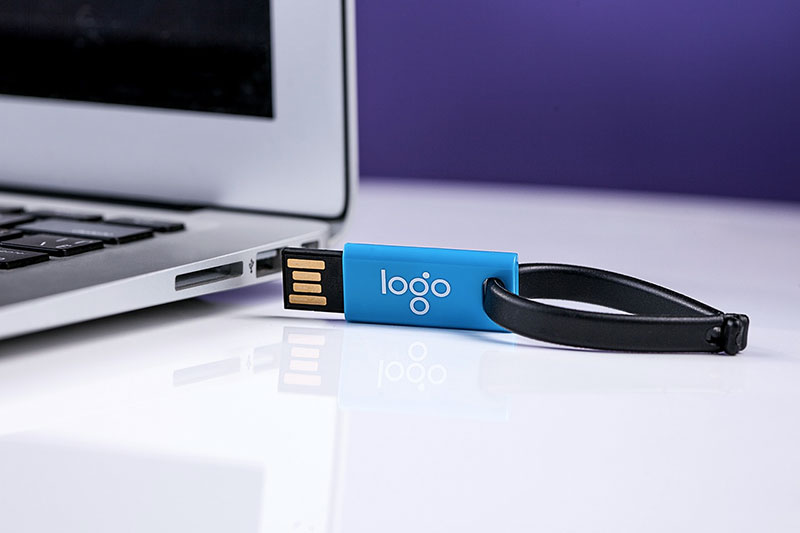
- Tech gadgets such as USB drives, power banks and noise-canceling headphones with the logo etched on them are practical, so they get used at work.
- Eco-friendly products, including reusable water bottles, tote bags and biodegradable items, signal a commitment to sustainability, provided the rest of the company’s behavior backs it up.
For a wider checklist of what to consider before ordering, see these tips for creating the perfect branded merchandise.
How should merchandise design match your brand?
It should look like it came from the same hand as everything else you publish. A company’s visual identity is built from fonts, colors and logos, and merchandise is one more place where that system is either respected or ignored.
Small details do most of the work. The exact shade of the brand color, the logo’s clear space, the weight of the typeface and the quality of the material all tell people whether the company pays attention. A slightly wrong blue on a tote bag is noticed more often than you would expect.
A few rules keep the results consistent:
- Use the master logo files and the official color values, never a screenshot or an approximate match.
- Keep the logo size modest. Items that are covered in branding feel like advertising, and people are less keen to carry them.
- Choose materials that fit the brand’s tone. A law firm and a skate shop should not hand out the same item.
- Order a sample before the full run, and check the print or engraving in daylight.
The same thinking applies to small visual choices in general, which this piece on how small design choices change the way people see a brand explains well.
How does merchandise turn employees into brand ambassadors?

People who use or wear branded items in public carry the company’s message without being asked to. When an employee uses a pen or wears a lapel pin that reflects their company’s culture, it shows unity and shared purpose in a quiet way, and it gives colleagues a small sense of belonging.
This only works when the item is something people would choose for themselves. Forcing a cheap giveaway on staff tends to produce eye rolls. Letting them pick from two or three options, or asking which item they would actually use, gets better results and costs about the same.
The effect also reaches clients. Someone who receives a well-made notebook after a project remembers who gave it each time they open it, which a business card cannot do.
Why do durability and quality matter?
Because the item stands in for the company’s standards. A tote bag whose handle tears or a mug whose logo fades after a few washes tells the recipient something about the business behind it. Durable items last longer, get used more often, and keep the logo in front of people for years instead of weeks.
When the budget is tight, order fewer pieces of better quality. One good jacket outperforms five throwaway items, both for the recipient and for how the brand is perceived.
How do you measure the impact of custom merchandise?
You will not get a clean revenue number, so measure the softer effects: morale, advocacy and internal cohesion. Three simple methods cover most of it.
- Run regular surveys that ask how employees feel about the merchandise and whether it represents the company’s values.
- Track which items actually get used, and collect stories about how they started a client conversation or helped team spirit.
- Set up a feedback loop so employees can suggest future items.
Look at the results once or twice a year. If a particular item keeps getting ignored, drop it from the next order and put the money into the ones people ask for.
What mistakes should you avoid with branded merchandise?
The usual ones are ordering too much of one item, choosing price over quality, and putting the logo on everything. Another is ignoring the occasion: a gift for a major client should feel different from a handout at an event. Finally, check that the item matches the values you claim. A company that talks about sustainability but ships single-use plastic gifts sends a mixed message.
Where to start with custom merchandise
Pick one audience, such as new hires or your top ten clients, and one item they would genuinely use. Prepare the logo files and color values, order a single sample, and check it against your brand guidelines before placing the full order. Then ask the people who received it what they think, and let their answers shape the next round.

Renowned for his expertise in logo design and visual branding, Bogdan has developed a multitude of logos for various clients.
His skills extend to creating posters, vector illustrations, business cards, and brochures. Additionally, Bogdan's UI kits were featured on marketplaces like Visual Hierarchy and UI8.
He also wrote in the past years on sites like Design Your Way, WebDesignerDepot, WPDean, Designmodo, Speckyboy, Slider Revolution, and more.

Bogdan Sandu is a seasoned designer who has been designing websites since 2008. Renowned for his expertise in logo design and visual branding, Bogdan has developed a multitude of logos for various clients. His skills extend to creating posters, vector illustrations, business cards, and brochures. Additionally, Bogdan's UI kits were featured on marketplaces like Visual Hierarchy and UI8. He also wrote in the past years on sites like Design Your Way, WebDesignerDepot, WPDean, Designmodo, Speckyboy, Slider Revolution, and more.
You Might Also Like