Finding inspiration for your next photoshoot? Explore our gallery of fashion photography examples that showcase the artistry and innovation in the industry.
Here, you’ll discover how Vogue Magazine and Harper’s Bazaar curate captivating fashion editorials. Through the lenses of photographers like Annie Leibovitz and Mario Testino, we see how fashion week sets trends in editorial fashion photos and runway photography.
You deserve to understand the techniques behind the most impactful fashion magazine shoots-from lighting techniques and posing techniques to advanced photo retouching. If you’re searching for inspiration from celebrity fashion photography or insights into creating a fashion lookbook, this article covers it all.
By reading, you’ll gain access to practical tips and vivid examples that can elevate your own fashion photoshoots. This guide takes you through diverse styles, from vintage fashion photography to modern digital vs. film photography, ensuring you have a comprehensive understanding of what makes a fashion photograph truly remarkable.
The fundamentals of fashion photography
If you already know how to work with your digital camera in manual style, you will definitely have no difficulties to adjust to the fundamentals of fashion photography. As the subject hardly ever moves, you will definitely find fashion photography very easy.
Fashion photography can take be made in two places: indoors, in an interesting environment or in a studio, and outdoors. Outdoor shoots are usually more complex than indoor shoots because the weather is making the camera adaptation more important.
You don’t really need a vast lighting rig as to take excellent fashion photographs. On the contrary, in case that you are a beginner with limited financial plan, you can take great looking photos with only a single light source and maybe two reflectors.
Product lifecycle management (PLM) in the fashion and apparel industry is used by the expert to enhance their product and look more extravagant.
What equipment will you need for fashion photo shoots?
As a starter, you don’t really need many things to shoot fashion photography, yet you will definitely need a high quality digital camera. So, make sure that you have a high quality DSLR camera.
Fashion photos has to be at a high resolution and crisp, so your camera’s megapixels matter much more for fashion photography than it matters for artistic or street photography.
While some fashion photographers swear by a film, don’t be sad if you have just a digital camera. Modern fashion photography digital cameras DSLR are the best camera for fashion photography and it outperform nearly all film cameras for fashion photography, so if you have the right lenses, nearly all cameras will do.
Here, it is all about possessing the right lenses for the photoshoot setting. If you are a sports or a landscape photographer, set aside your zoom lenses and pick up a wide to medium angle telephoto lenses that are adjustable to among 15 and 55 millimeters.
The best lenses for fashion photography are including 17-40, 18-55 and 16-50 sorts with a fast aperture. You will also need a 50mm fixed focal length lenses with fast aperture ideally among 1.2 and 1.8 to utilize for dark/low-light shoots.
You don’t need to purchase some extra flash equipment, since you are a beginner. For lightning, taka a pair of 500 watt halogen lights, ideally with barn doors, and 2 reflectors as to spread light evenly everywhere in your studio.
Outdoor photography shoot
As we all already know, not all fashion photography is taken into a studio. From calendars to catalogs, a lot of photo shoot are captured outdoors, usually in exotic places like urban environments and beaches.
If you already know about landscape photography, you will quickly adjust to take fashion photos on location. This fashion photography is usually more demanding than indoor photography because you don’t have total control of the fashion photography lighting sources.
Fashion photography editing
Fashion photos are really rarely published without being edited.
Starting from airbrushing to blemishes and wrinkles as to make the photo brighter and to feel natural, warm and organic. If you know how to use Adobe Photoshop or Lightroom, it will be a huge plus for you as a fashion photographer.
Even if you’re against airbrush and photo manipulation, understanding how Photoshop is working will make it far simpler for you to optimize your color, lighting, and levels as to produce photos that stand out from the groups and demand attention. Additionally, apps like Facetuneapp.com can help you refine details while keeping the overall image natural and true to life.
You need to understand fashion
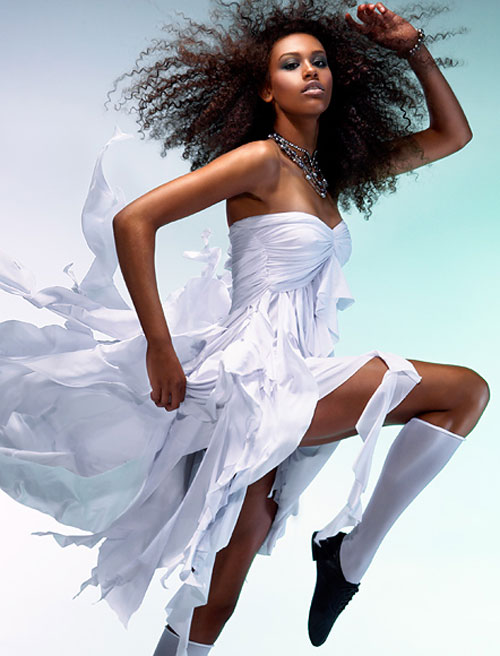
Just like the photographer needs to know how to work with a camera, a fashion photographer should have a primary knowledge of fashion.
A solid knowledge of the matter will go a great way in helping your profession; therefore I suggest studying the following subjects:
- The history of fashion
- Fashion from distinct times and eras
- Designers, icons, and image-makers
- Fashion specifications
- Makeup and hairstyles looks
- Fashion documentaries and films
- Modern fashion news
Numerous photographers attempt to shoot fashion without acknowledging what fashion is. It points. Don’t allow some learning to hold you back from the opportunity of creating excellent work. The materials on these subjects are easily reachable online now, so there is absolutely no excuse.
Learn about everyone by reading magazines with fashion photos
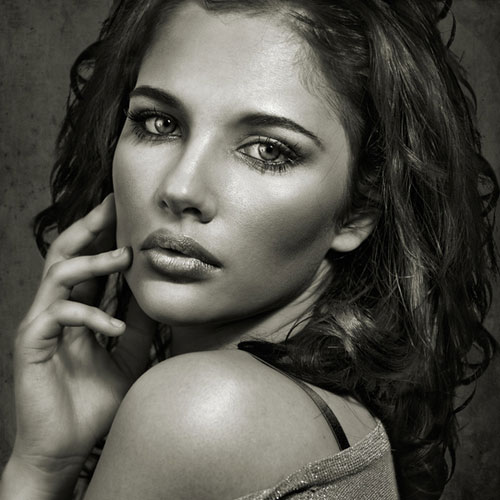
For new photographers, reading magazines is an excellent way to spot inspirational pictures and concepts.
Take this opportunity to organize the work and styles that you see yourself reacting to.
Spot the features in the photographs you fancy and examine those for your personal shoots. Write down the names of people whose techniques you like, so you can operate towards co-operating with them one day.
Additionally, have in mind that magazines have distinctive aesthetics and demographics from one another.
Comprehending who needs what will be extremely helpful in providing some fashion photography portfolio ideas, for the sorts of magazines that you desire to shoot for some day.
Try yourself as an assistant
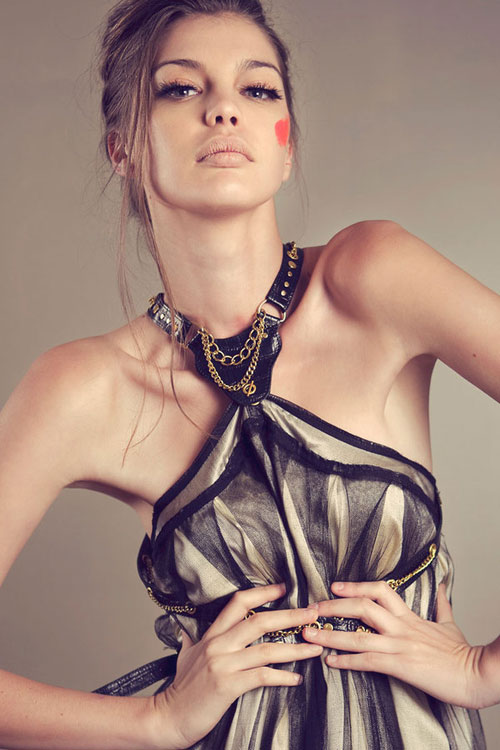
Assisting is an excellent way to discover how shots are made and to meet some people in the fashion industry.
If you want to do it full-time for several years, that could really be a way for breaking into the fashion industry, particularly in a larger fashion town where you can experience huge, high-end productions. But, keep in mind that your primary job is to assist.
People don’t like if you strive to get the stylist’s number or request to be Facebook friends with the director. Make friends with other assistants from the productive crew, since you will have a very higher chance of co-operating and improving together with them.
Practice the Rule of “Thirds”
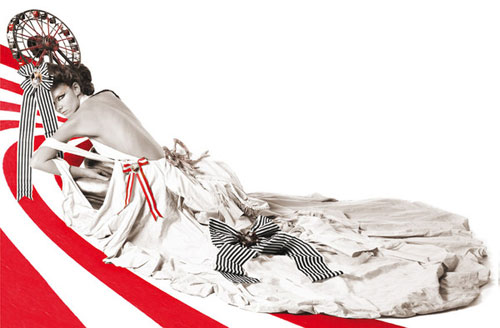
Image © Paco Peregrín
If you want to make the pictures to look professional, you should practice the rule of thirds.
You should begin by splitting the frame into 9 equal parts. Your digital camera definitely has these stuffs built in.
You should simply place your principal subject where the lines are intersecting and voila, you get a well-balanced and amazing photo. Also, a cute dress and dramatic lighting will help you to achieve this!
The place where you take the fashion photos
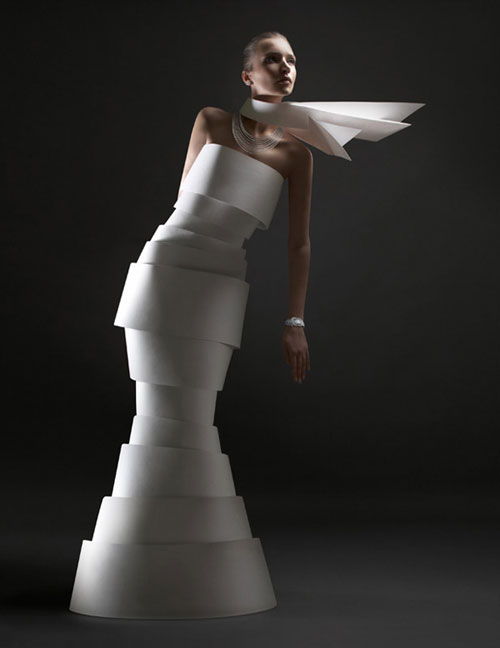
Many of you are already interested in fashion photography but they probably don’t have an access to a studio.
An excellent way to start shooting in a studio will be to find job as an assistant for some local photographer. Or, you can sign in to some studio photography course, or maybe find some place at your home as to start making your personal studio setup.
Actually, nearly all of the fashion photography tips here can be done by everyone, regardless of what tools you posses. You can begin by only using some window light and use your imagination!
- When you are shooting in a studio you can fine tune the light correctly and include any props that you want. You can hold the complete power to build up that photo from scratch.
- When you are shooting indoors, but don’t desire to hire a studio, use some improvisations! For example, find a room at your house that has a large window allowing in lots of natural light, and just hang some white sheet above it to lessen the light.
- When you are shooting outdoors it will be a great idea to bring in some energy, personality, and character to the fashion photos. Pick a place that will help you to convey the character of the model(s) and the design of the clothes the models are wearing.
- When you are shooting outdoors, be cautious not to lose the clothes as the centerpiece. As you should remember, that’s what the photo shoot is about.
Models and Posing in fashion photography
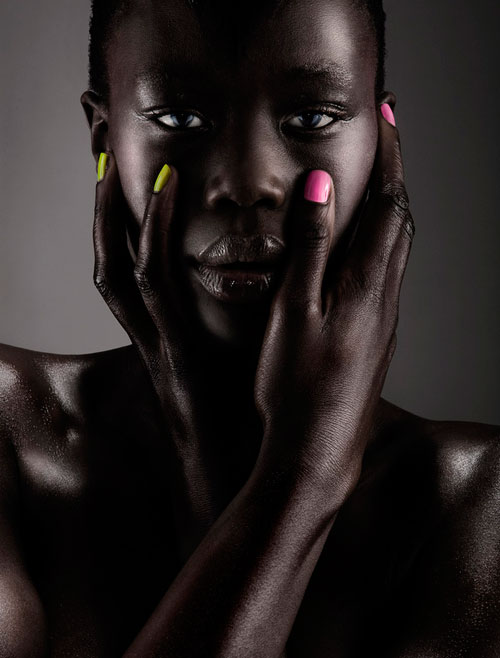
Posing may be a difficult point to understand, but scan into the newest women’s and man’s magazines as to discover some motivated ideas, as well as taking a grip on what is fashionable today.
Practicing ‘broken down’ poses or poses that demand angular body shapes may add some excitement and edginess to the photo and also help to extend the body length.
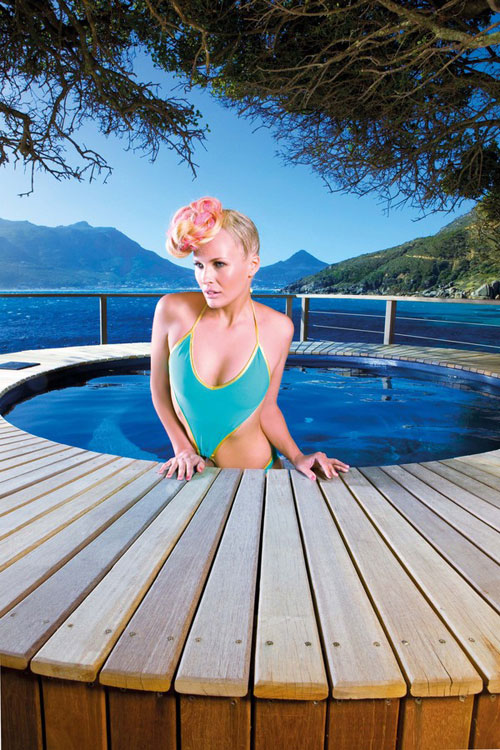
Image © Angie Lazaro
The main reason why very first fashion photography wanted to be rather hard and lifeless was only the limitations of the equipment. Less effective lighting and slower shutter speeds meant that the models actually had to be steady longer!
But photographers nowadays are free to play around with all the poses and ideas they want.
You can communicate with the model easily as you shoot and stop mid-action without any problem at all. Here are some easy tips for model poses for fashion photography and how to deal dealing with it.
- Fashion photography is about making a photo from your own vision. It’s usually collaborative as some people are helping you out with the hair and makeup, the models’ personal input, assistants and so forth, still, you are the one who is in charge. Put your mark on every step of the process and be sure that the clothes, makeup, etc are all in the place as you want them to be.
- Be sure that the models really understand what you are attempting to achieve. Talk with them and be sure that they’re comfortable in your company.
- Make sure that the makeup and hair balances with the clothes.
- Practice some previously planned poses, but also search for original and new ones. Don’t always stay in your comfort zone. Let your imagination take off sometimes and examine every imaginable angle. If you possess the equipment to go really high over the models, awesome! Do not hesitate to try it. Shoot from every angle. From the ground, right, left and every angle possible!
- Let the models be spontaneous sometimes. Some models are excellent at expressing and can bring very much to the photo shoot.
Do a lot of testing!
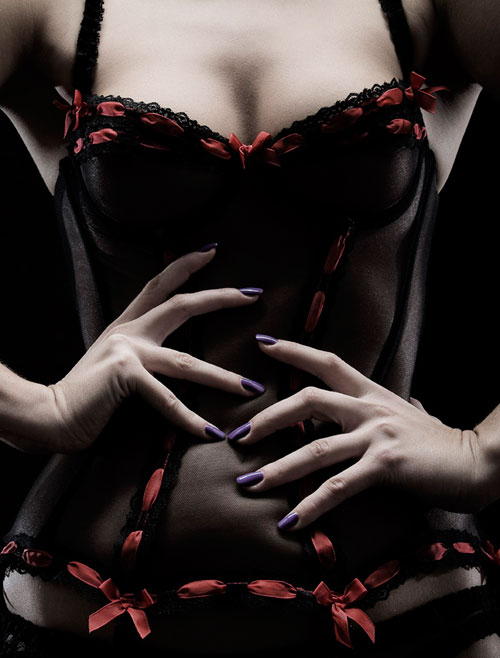
Making many tests will improve your job, and also will assist you in meeting others that are in the same industry. This is one of the main consistently cited advices for breaking into the fashion industry that I have discovered and shared with some colleagues photographers.
In case that you don’t have a team yet, you should start with simple and small one. Operate with friends and take self-portraits. Tell what you can perform in terms of concepts and style with everything you have, and then approach freelancers and some other ambitious creative’s. Your chain will grow with a number of shots you produce over time.
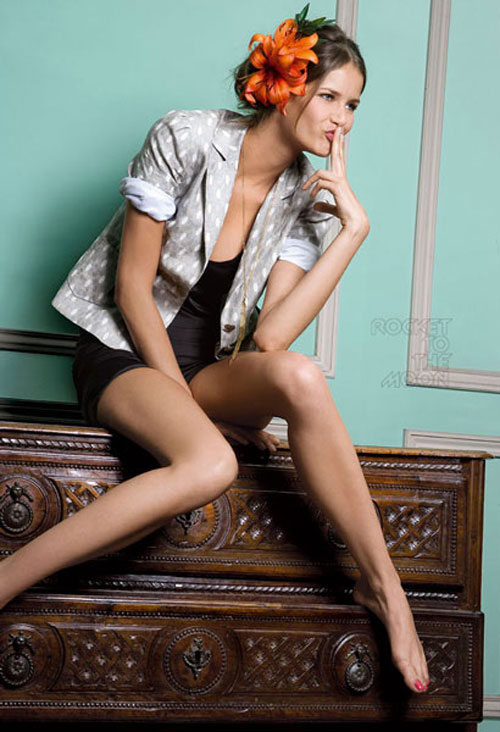
Once you produce few strong shoots of which you are proud of, make a portfolio of few pictures and spread out to model companies. Ideally, you need to work with makeup and hair pros that have previously shoot agency girls, so they may help examine what you have and also give you some guidance on editing your collection of images.
In case that you don’t get a reply, don’t give up! Continue working on your occupation and try again after few months. Once you begin testing for companies on a regular basis keep up with it and you will soon be shooting your primary editorial in no time.
Get ready to have a day job
As we’ve reported the professional and shooting side of things, it is time to get forward to the business end.
Firstly, even if you begin testing for companies, get ready to not make money for a while. You will need to manage a day job or possess a large amount of savings to last some time. Furthermore, contingent on where you live, as a new photographer, you have two situations for breaking into the fashion industry.
In case that you live in a fashion city such as New York, Milan, London or Paris, ’till you make a few regular business customers, it will be rather hard to work as a fashion photographer for a living. In those cities, paying editorials often go to professional photographers, so the magazines that you submit to for publication will maybe never pay you different than by credit.
In case that you don’t live in one of the significant fashion capitals, you are fortunate in the terms that you will gain to shoot editorials that will actually pay, almost despite the magazine. This may become a regular income source for numerous photographers, and it can ultimately lead to profitable work. The disadvantage is a lack of great creative’s to operate with opposed to in a larger city, and the constraints on imaginative freedom in a more commercial, smaller and usually stable market.
Complete Your Paperwork
Day job aside, nevertheless you still desire to progress your photography as if it was a business. Begin with a routine of organizing your paperwork and files:
- Systematize picture catalog and file names
- File a copyright for your job
- Store press clippings
- Demand and save hi-res lists of tear sheets
- Archive invoices, quotations, bank and credit card statements, receipts, contracts and model releases
- Arrange contact lists
- Refresh your CV and resume always
It will be really good if you have a different folder for each thing discussed above and also organize them by year, occasionally with subfolders.
You can do this in the way that you prefer, yet setting up this systematically will save from headaches.
When to and not to say NO
As you progress in your profession, you’ll need to be selective concerning what you do. Taking anything and everything as to only show that you are doing something will weaken your quality of work and your direction.
Still, probably you should attempt as many diverse things as possible.
You never know what something new can teach you, and in case that you hate a specific style of work or make a mistake, you can learn a lot from these experiences. It is better to learn from mistakes than not to make a mistake.
Personal Fashion Photography Projects
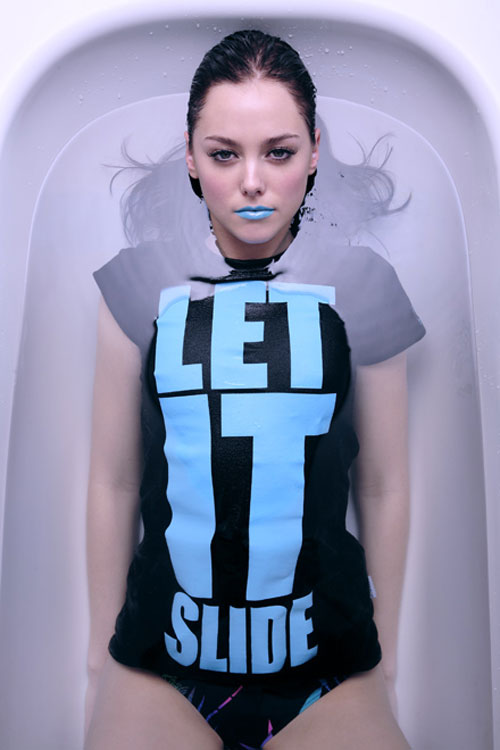
Personal work remains to be one of the greatest selling features for photographers when bringing in new customers, chances, and editors. Having own projects will reveal what places you apart from your competitors, and whatever you can do conversely, apart from the fashion industry you shoot for clients and magazines.
Update your portfolio
Don’t forget to update your portfolio on regular basis. Present only your best photos. And don’t include some things from years ago, just because you are becoming sentimental.
Get good feedback from your colleagues’ creatives, directors, editors and wherever you can.
Set your portfolio according to the targeted audience when you are going to meetings. Presenting your great work first will be a lot more attractive than presenting your usual fashion presentation.
Regularly update your news, social media and website
If you are creating something, then show it to the world. Regularly update your news, social media and website with the things you are working on. Hold the original picture updates to social media and keep the contact list for larger news with a newsletter regularly.
Networking
This is pretty much a necessity in the fashion industry. It’s all that you love: socializing and also the parties that go together with it. Fill up your portfolio on both iPad and smart phone so you can show it quickly at all points. Hold business cards nearby, and add your social media details on it.
Follow people on Facebook and Instagram and communicate. A mixture of following up on social media and meeting in person is one of the simplest and quickest ways to make a relationship.
Do more face-to-face meetings by choosing the individuals you want to meet, and look at this as a different way to meet new friends. A beverage is usually less noisy and dull than standing around and less unpleasant and scary than approaching to strangers.
Be ready to change your living place
In case that you desire to do high fashion photoshoots for the greatest names and magazines, you will certainly have to live in one of the biggest fashion capitals, since that is the place where everything big happens. So, if you don’t live close by, then you probably have to move.
If your target destination is inside your country or if you’re in Europe, you only need to get a new job in the new town. However, if you are attempting to move to a different country, it’s going to be riskier and more expensive because you will have to acquire a visa. There are two basic ways for this:
- Work on your portfolio and go to an art school at the same time. You should determine if you can afford the money and the time, but a good school is usually an excellent way to interface and meet growing artists, stylists, and designers.
- Get a visitor visa so you can visit the town for a while. Do test shoots, go on meetings, network, and find an agent. You will need to keep your regular customers at home and travel back frequently for a regular income ’till you can get a job in the new town.
Be consistent
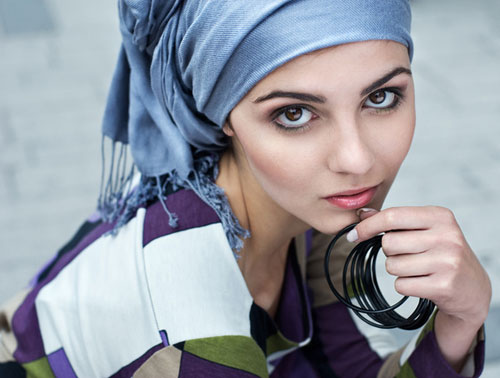
The benefit of the quality will show with time. Regardless of what you do, what people say, or who you work with, always do the best you can, be steady, and constantly do good work of which you can be satisfied.
Fashion is a difficult industry. It’s ambitious and competitive. Also, it is likely that notwithstanding all your work, you will proceed to face denial, again and again.
Inspire yourself and find the real reason why you want to do all of this. In your worst moments, your inspiration is what will cheer you up.
Modern fashion photography examples
In fashion, critiques are enhanced and so happens in fashion photography.
This means that a photographer must pay a lot of attention when taking a photo of this kind, making sure it has beautiful colors, style and showcasing the beauty of a person or a piece of clothing.
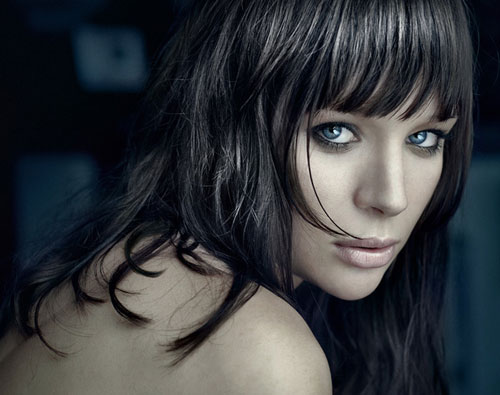
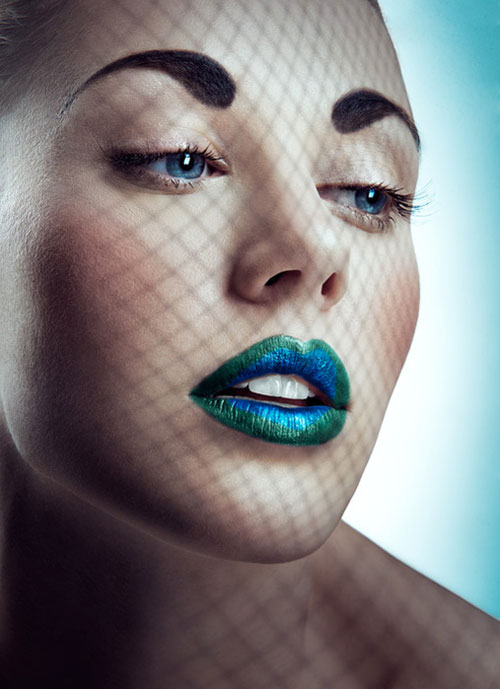
I like it how a lot of these photos have a conceptual feeling added to them, that takes the photos to a whole new level.
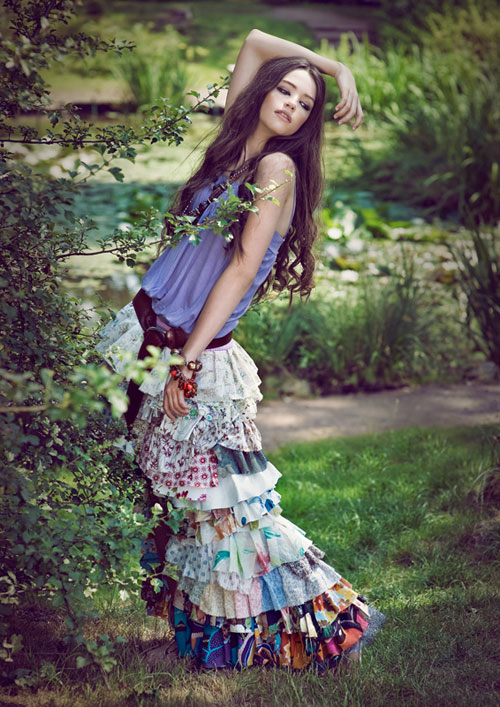
Editorial fashion photography refers to the pictures in a magazine that aren’t ads. The photographs that go along with the fashion-related articles – even the cover of the magazine.
In this article you will see a gallery of beautiful pictures showcasing editorial fashion photography which I am sure you will enjoy.
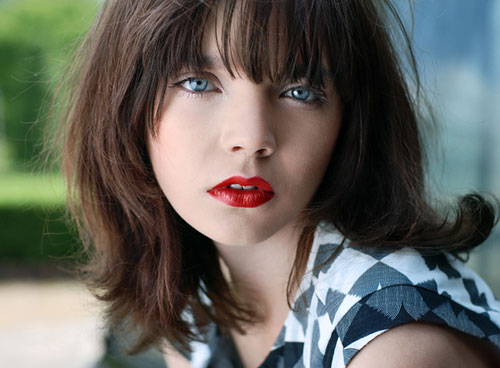
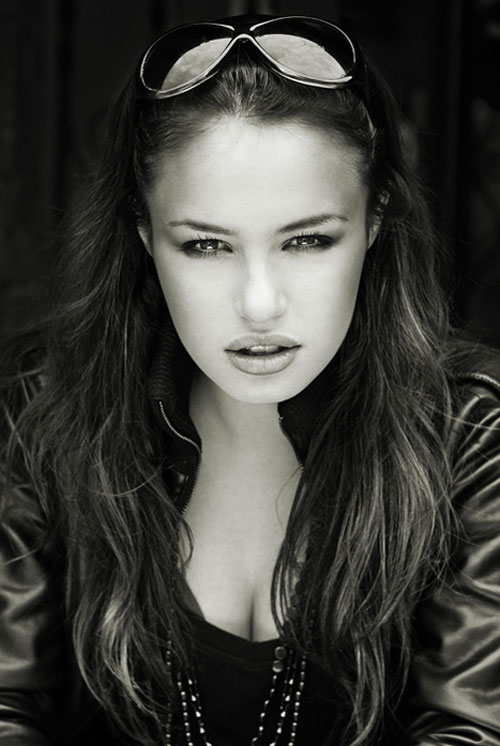
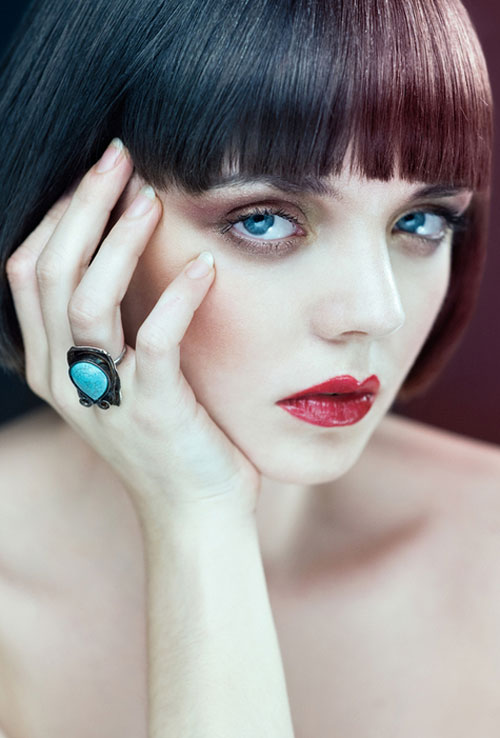
She Asked
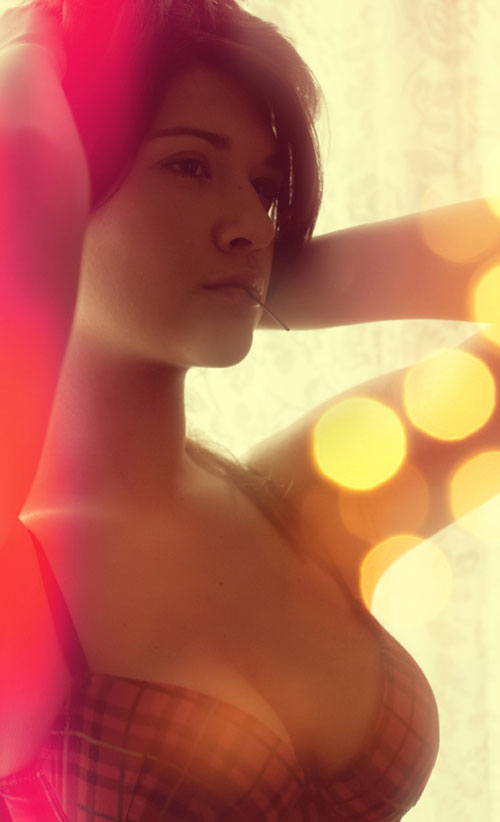
More Beauty
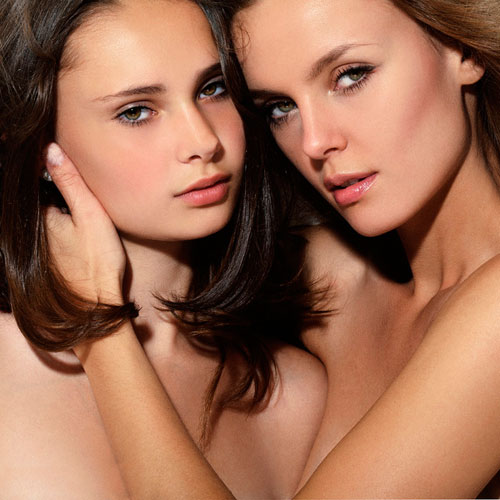
b o h e m a
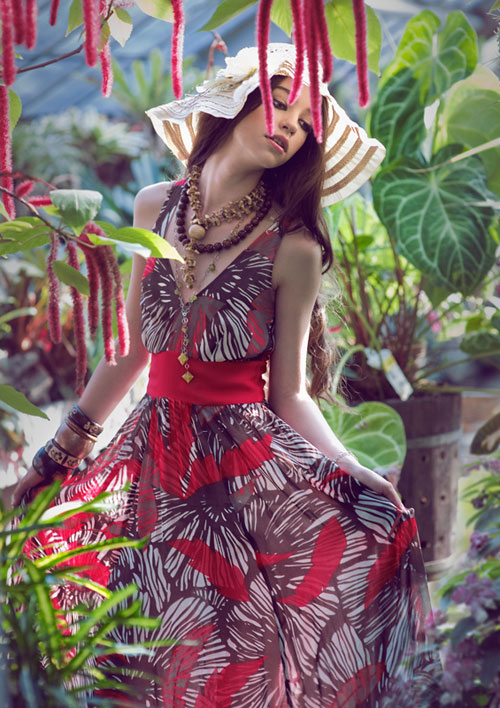
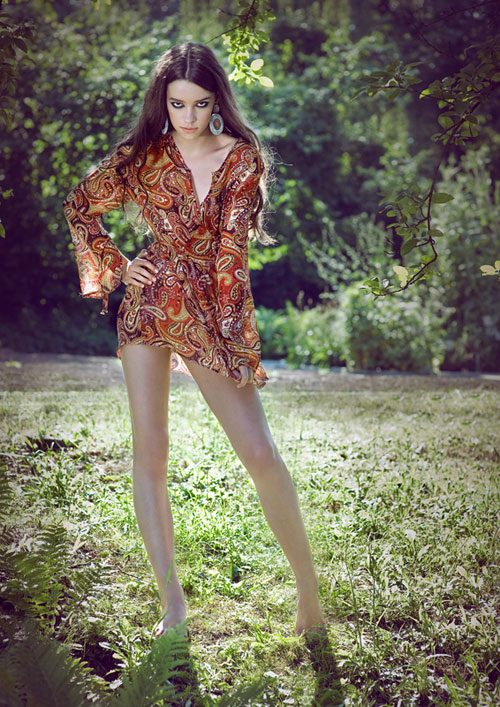
Gabbiano
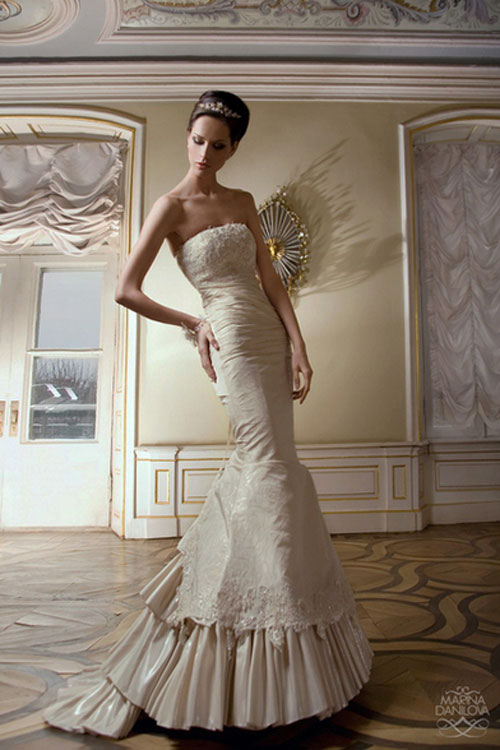
The f word
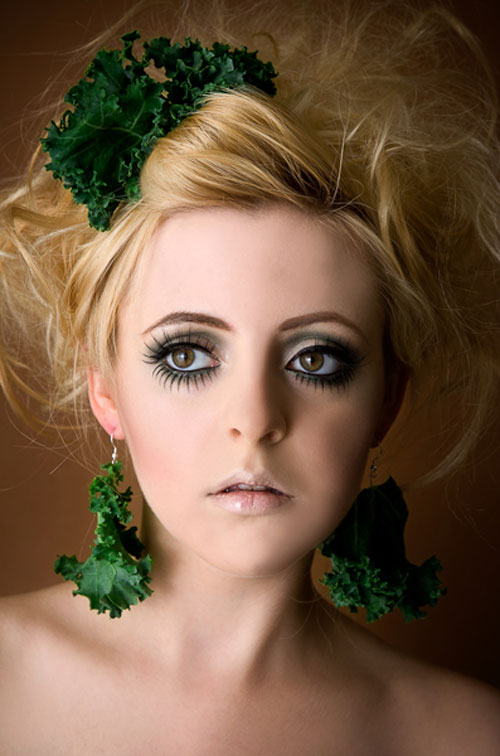
Girls, Girls, Girls
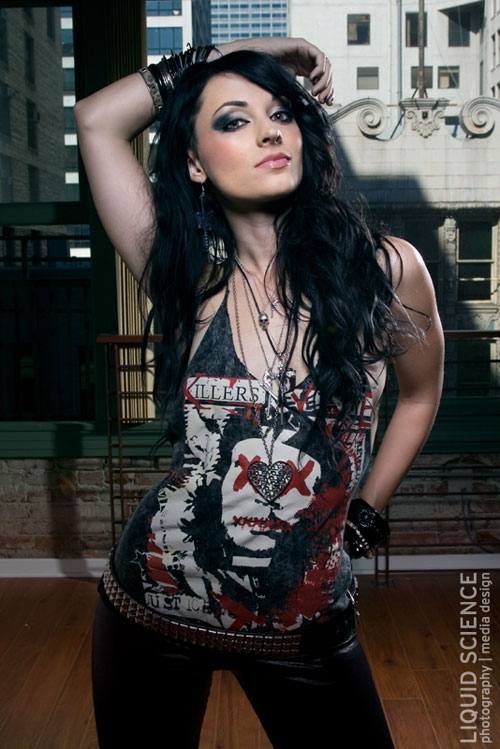
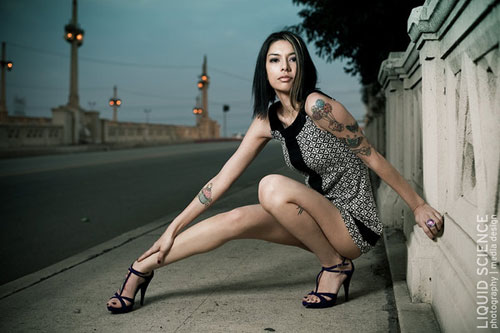
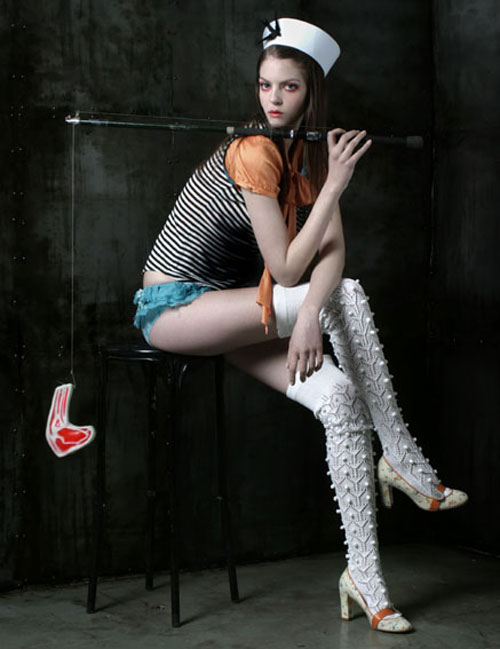
The Blood Show © Paco Peregrín
p a i n t i n g s
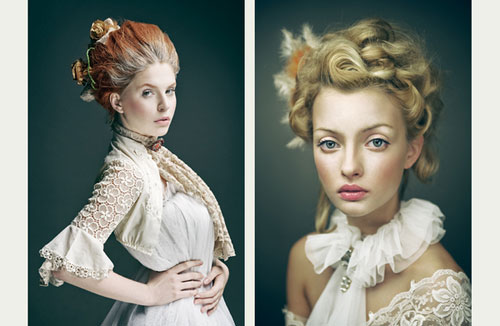
1920s
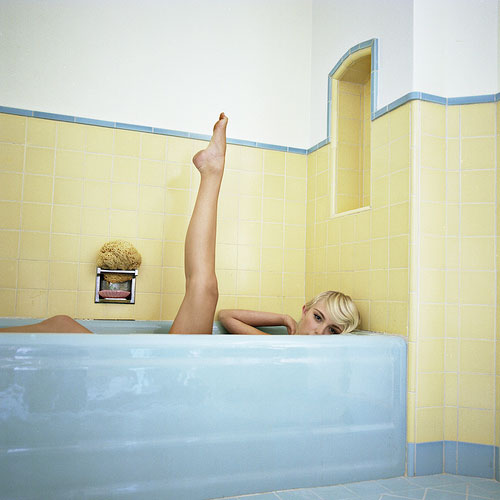
The GIRL NEXT DOOR
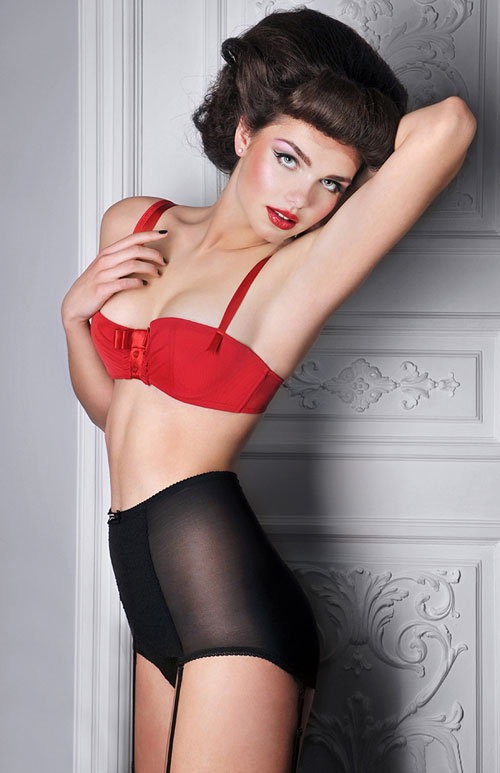
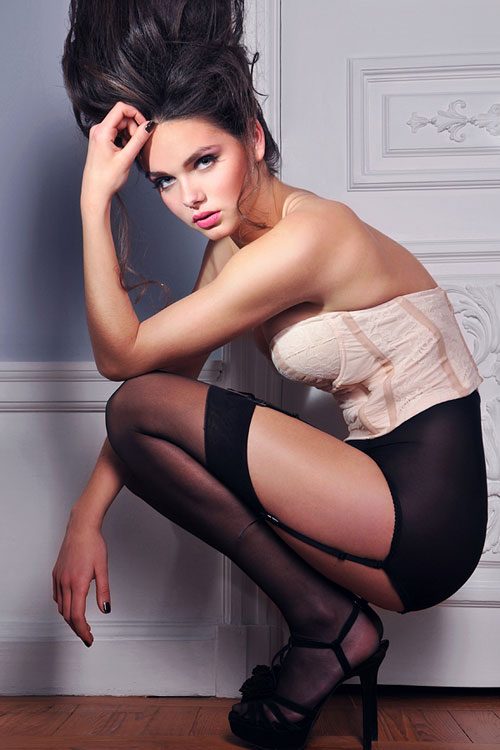
Kaaz Yearbook
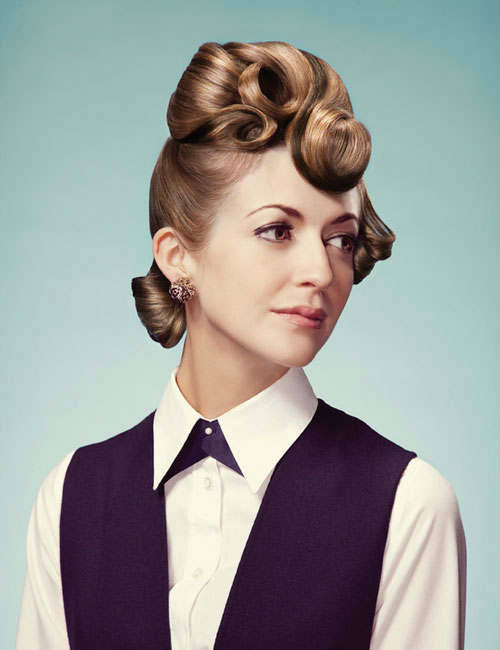
Whatever, Whenever
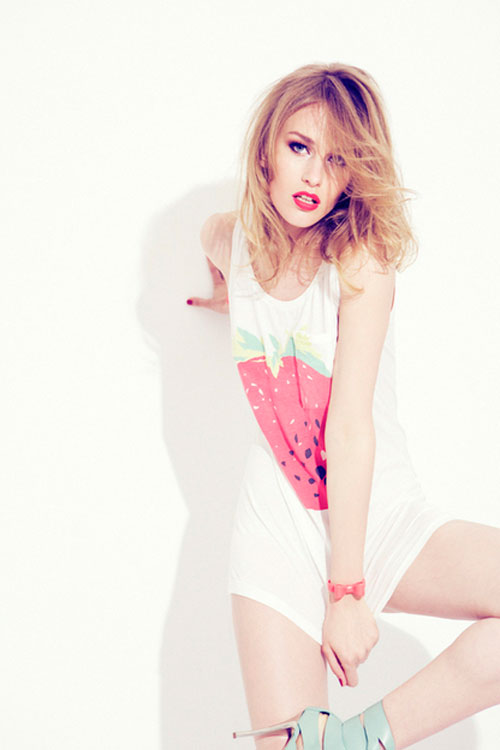
APT Shoot YMCA
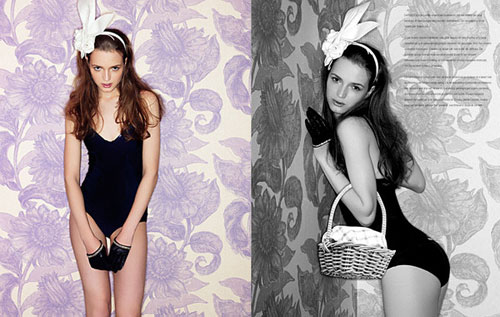
In the Pink
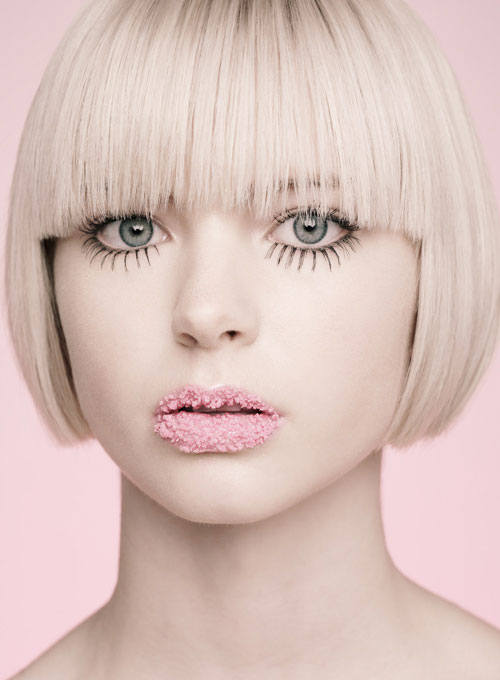
Perhaps, perhaps, perhaps – Posh
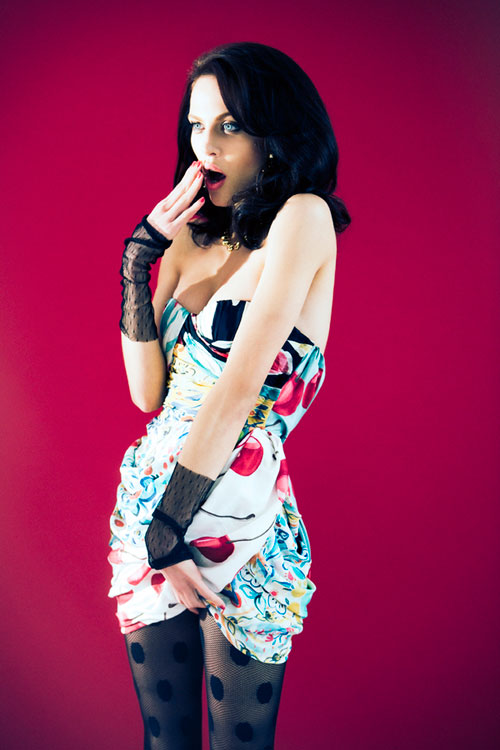
Michal Negrin Jewlery ’11
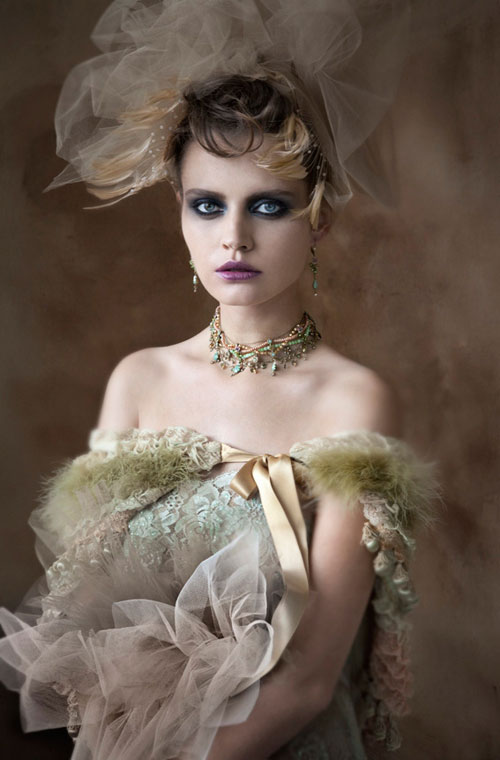
Ascension- for GRAZIA MAGAZINE, INDIA
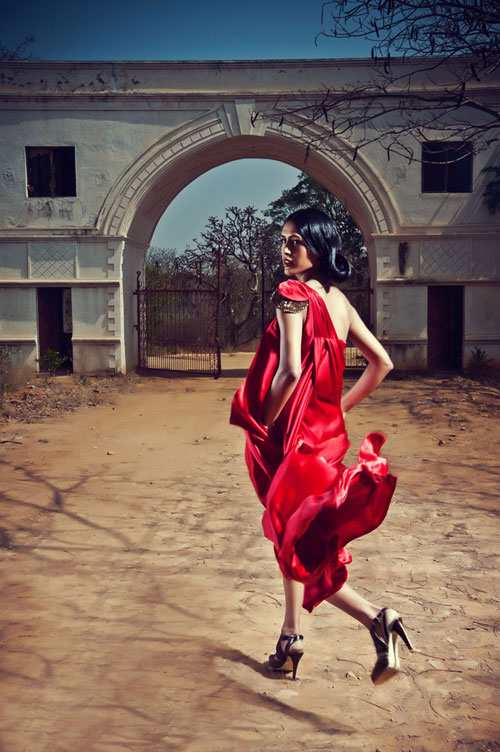
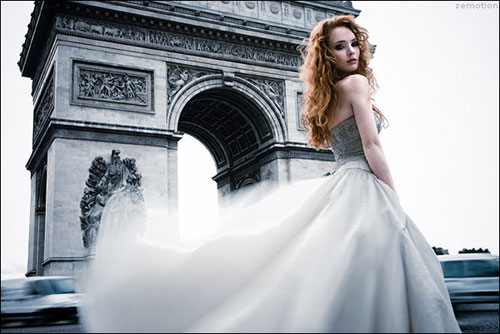
Paris
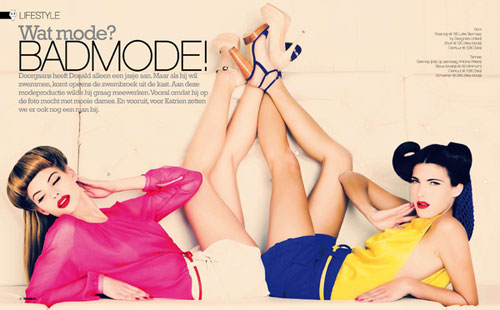
Donald
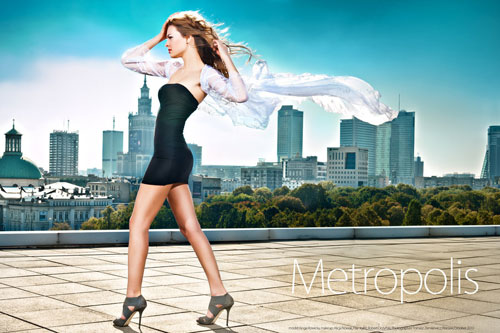
Metropolis
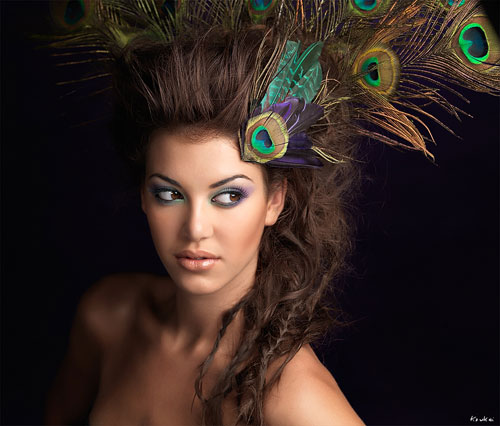
Alicia
Galata Tower
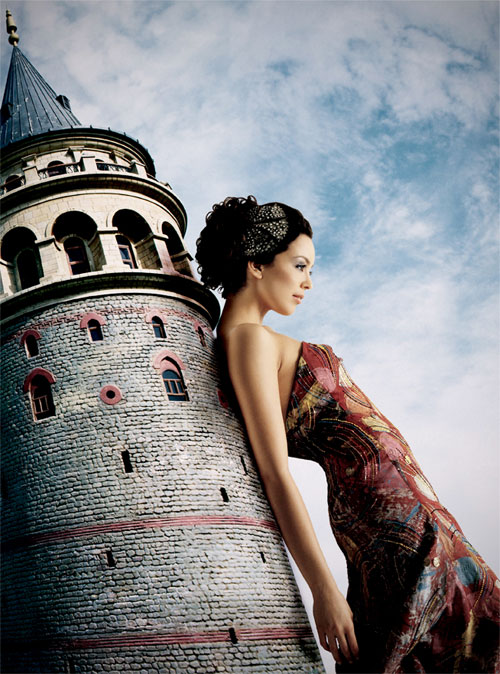
Bizzy
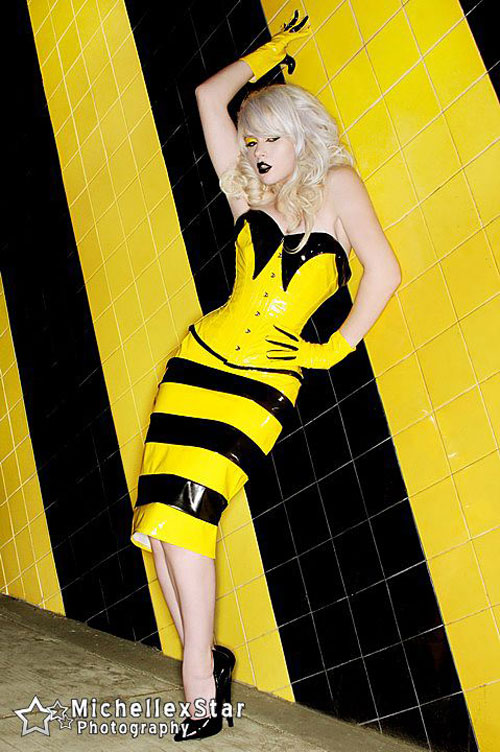
Maya Hansen Bridal Couture
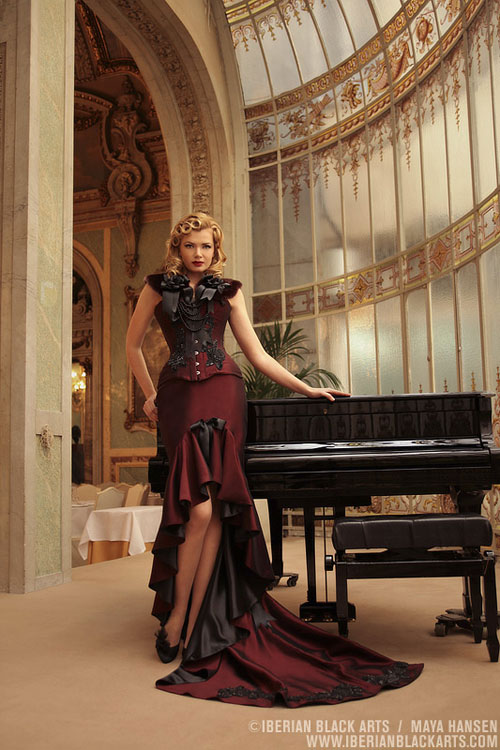
Envy
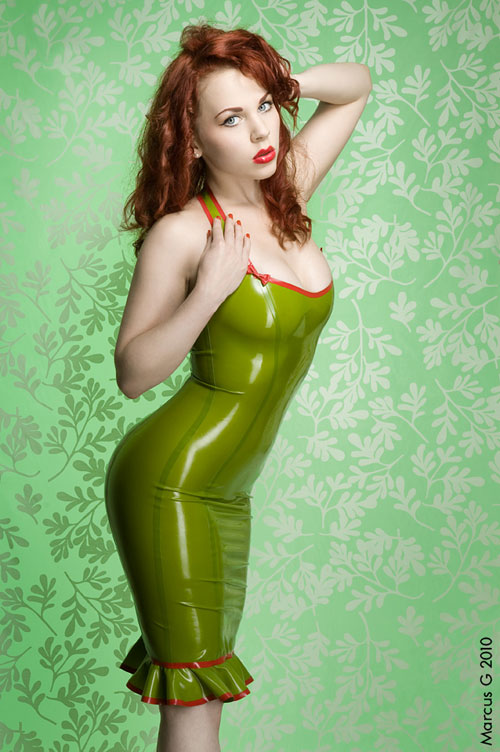
Technodolly
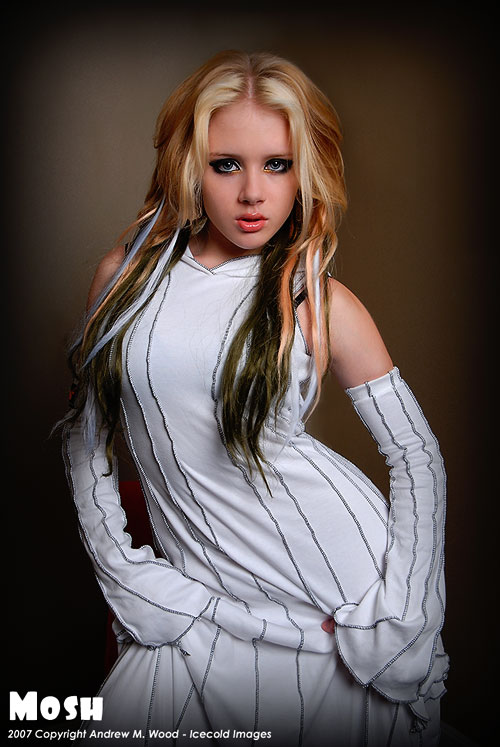
Honeybunny
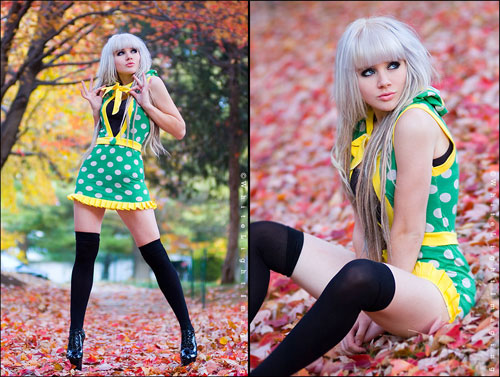
Sofiii
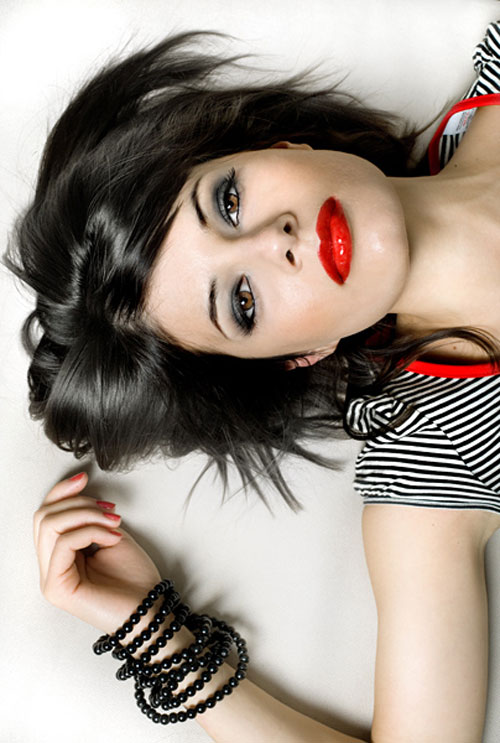
The Haunting
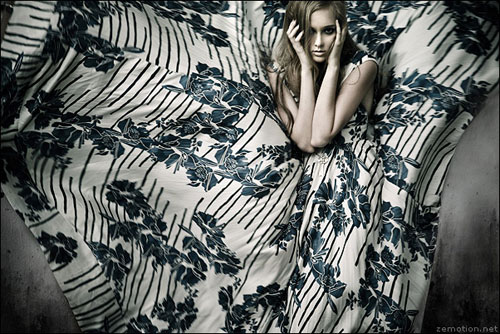
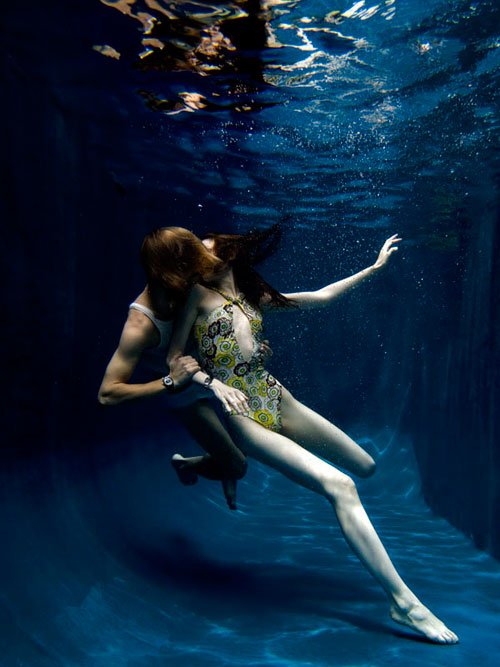
Underwater
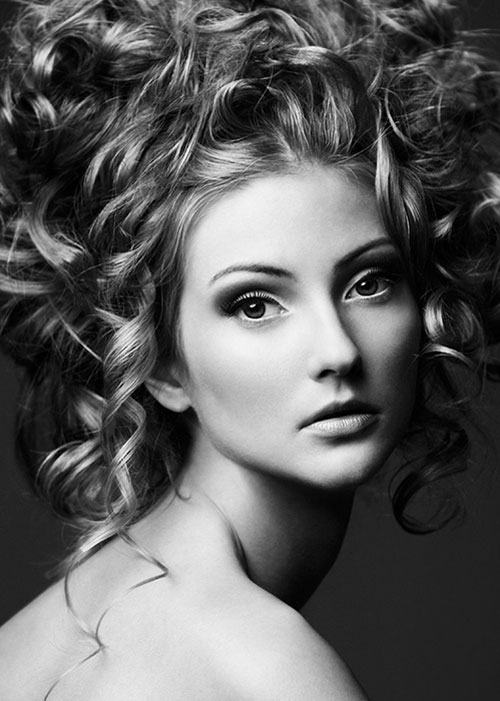
Icon
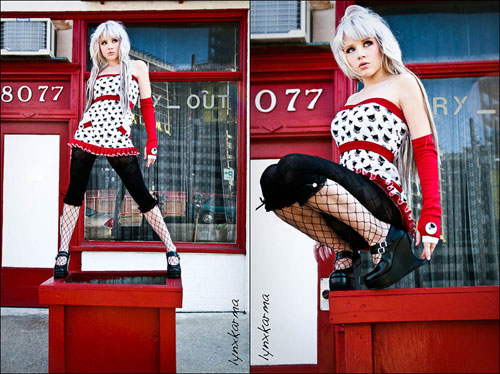
Red Black Kitty Cat
Nell
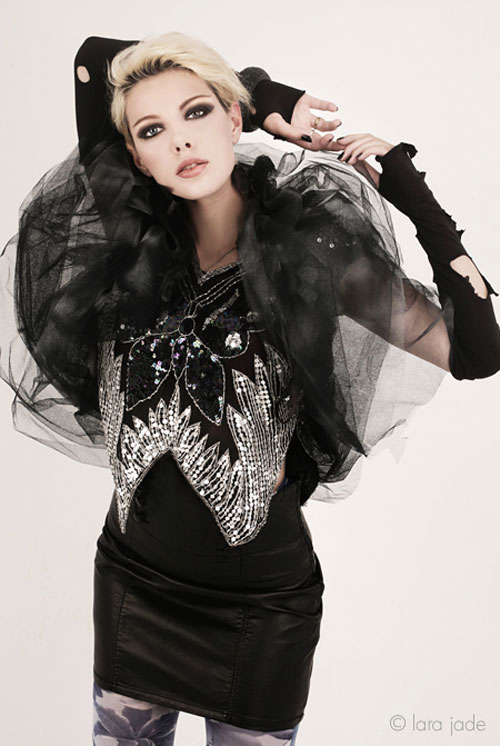
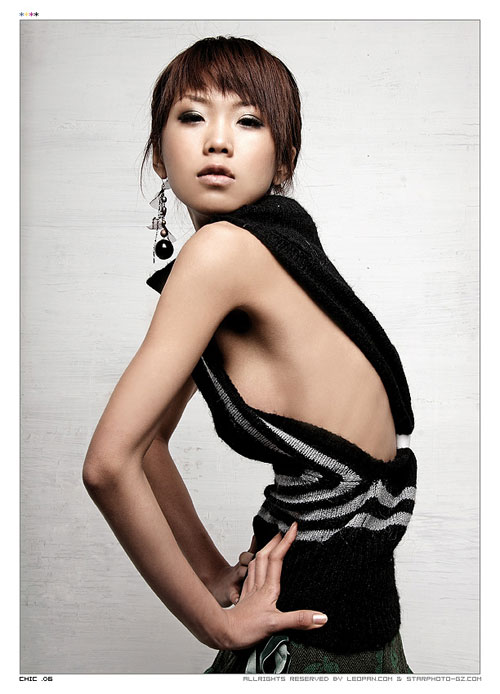
Chic
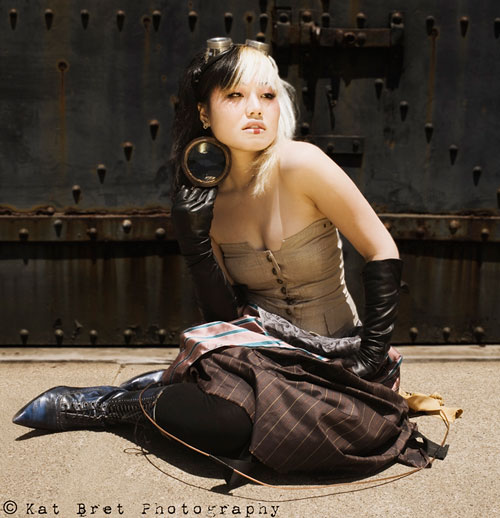
Steampunk
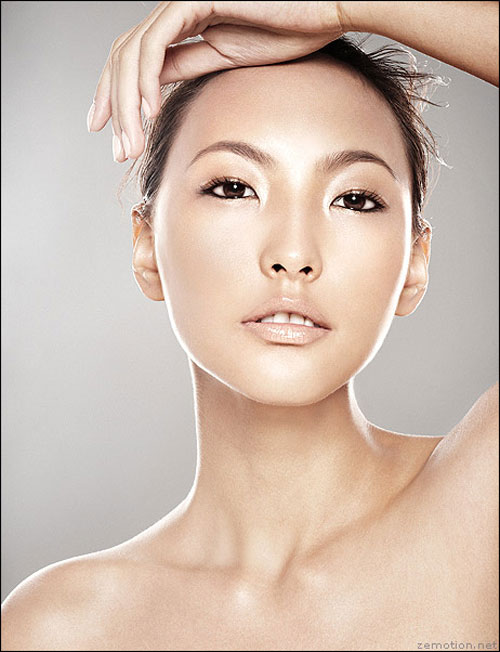
Beauty
Summer II
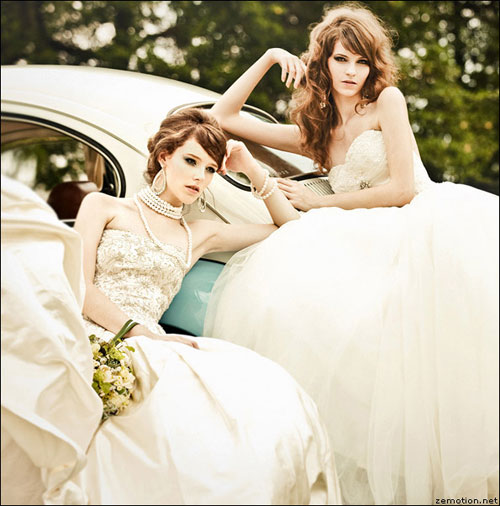
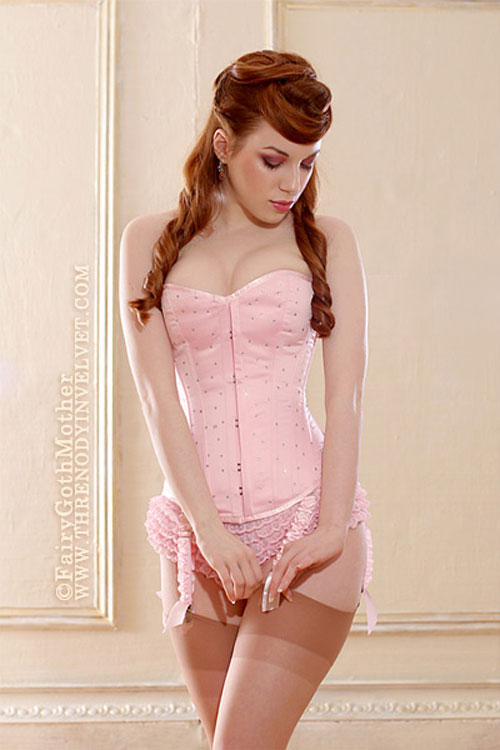
Vintage Pink Corset
Amore
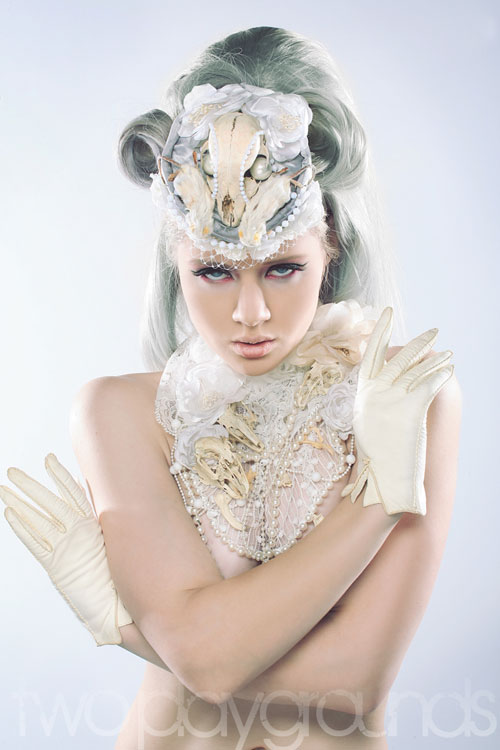
Pretty Poison II
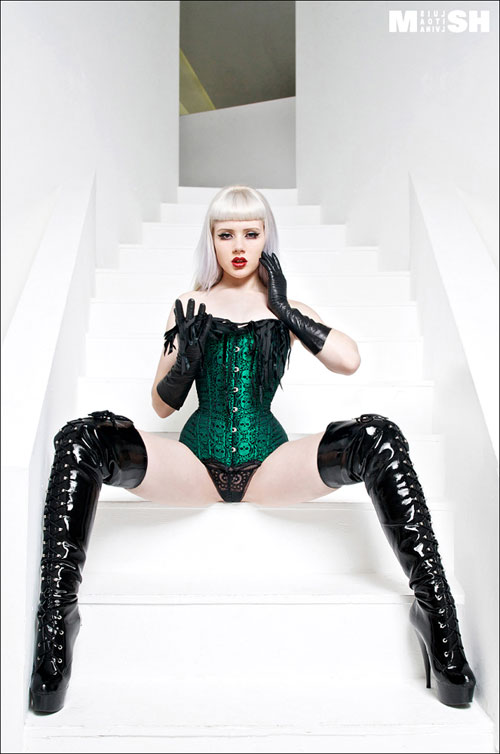
Siren’s Song
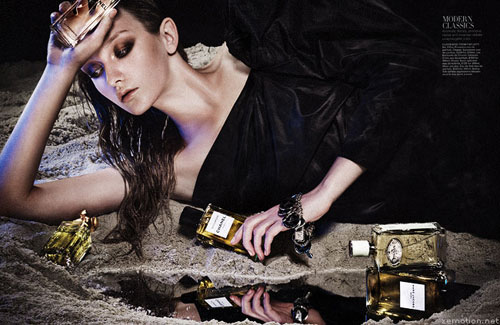
Dot
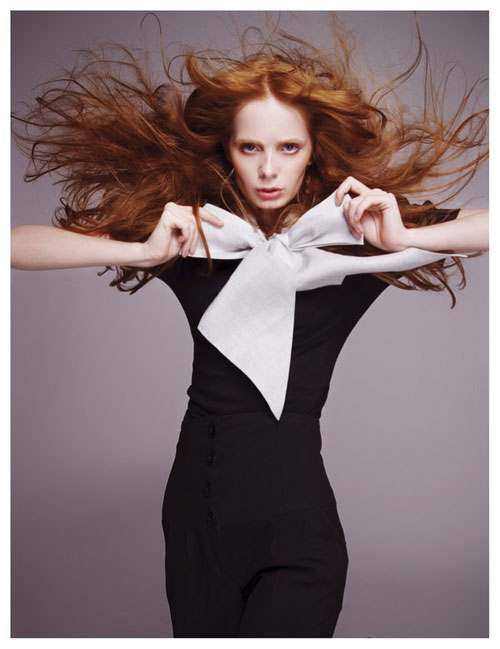
White horns
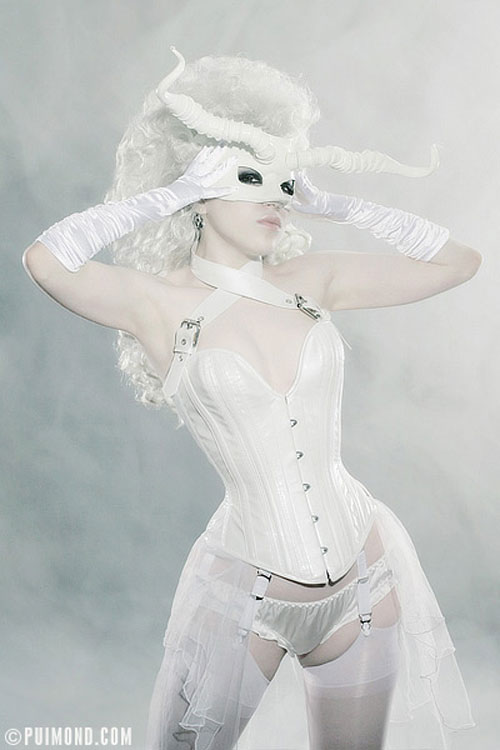
Factory Fashion
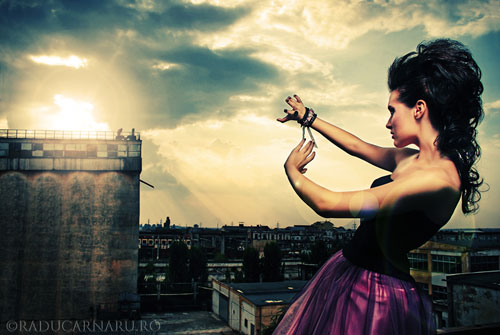
Hampton Court II
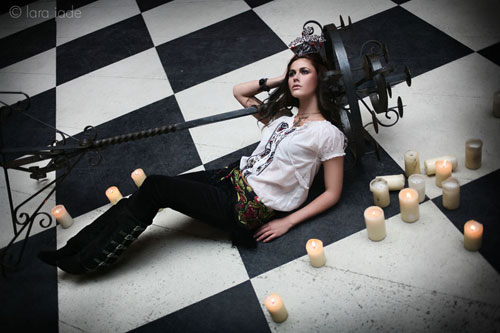
Of Light
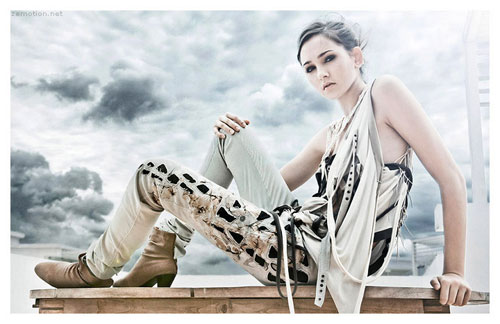
Hampton Court IV
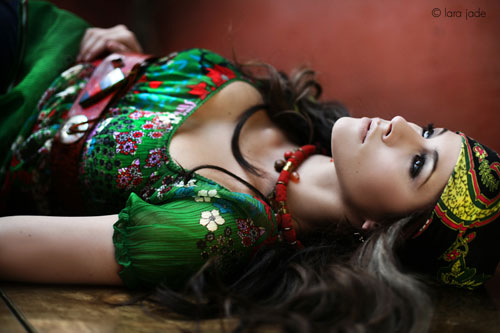
Red Red Red
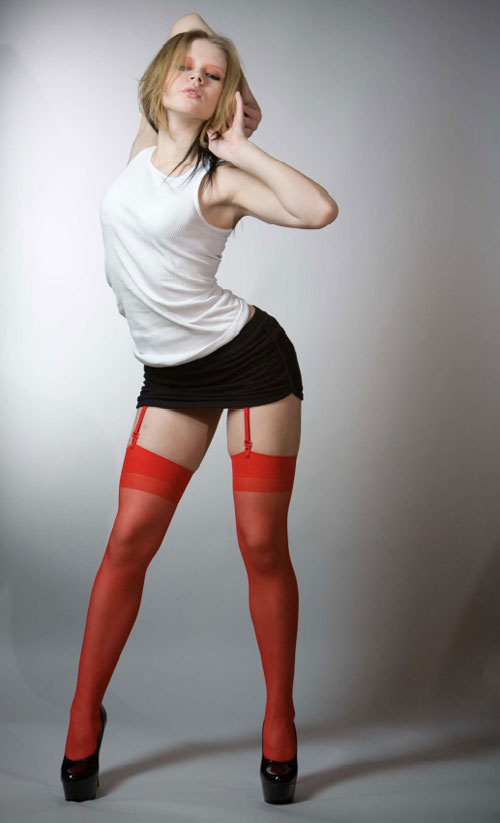
Tide
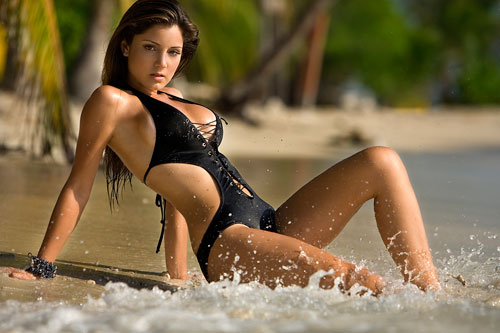
Vargas Femme Fatale
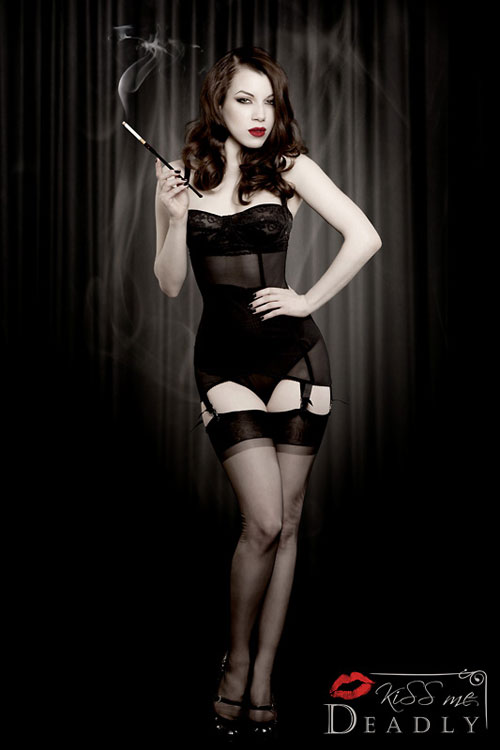
Julie
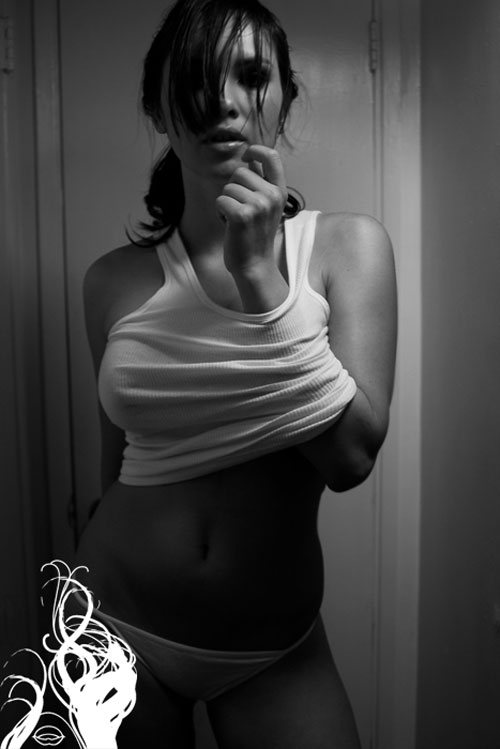
Summer I
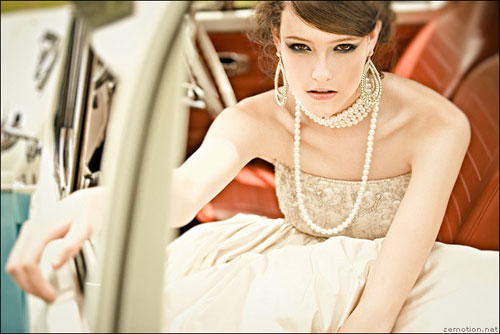
Angels and Vampires
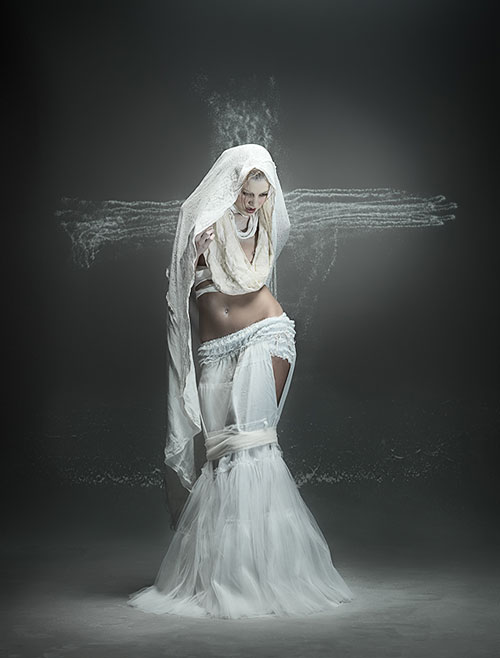
Eye of Alicia
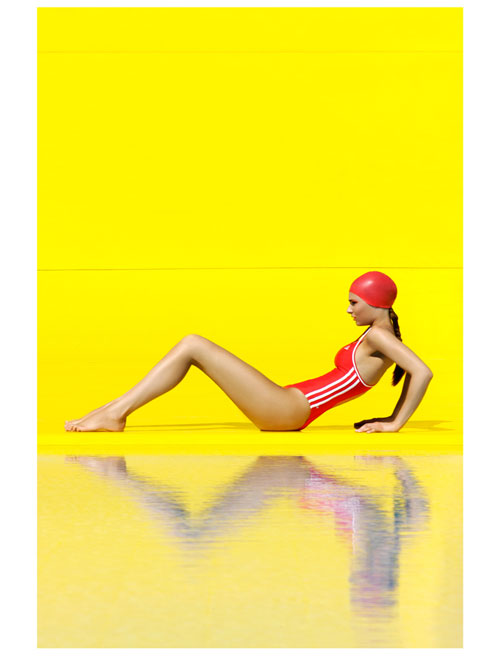
Summerplast
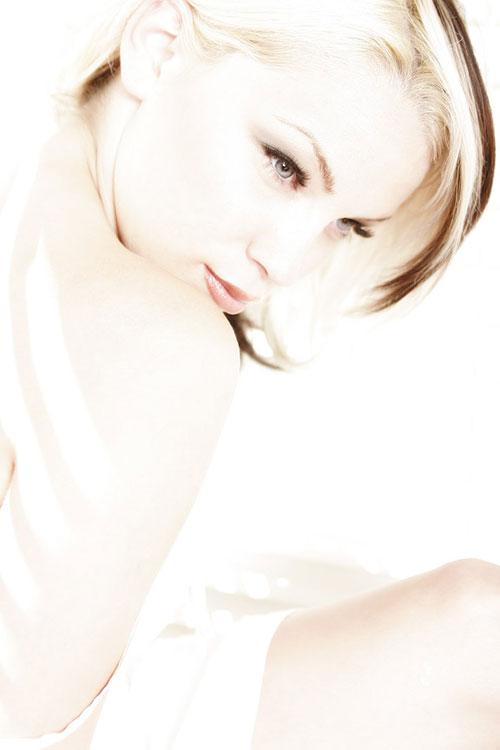
Jillian
Lady
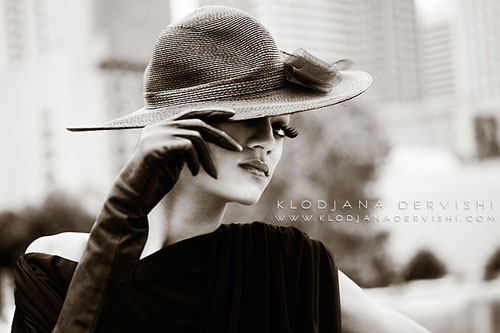
Painted Muse
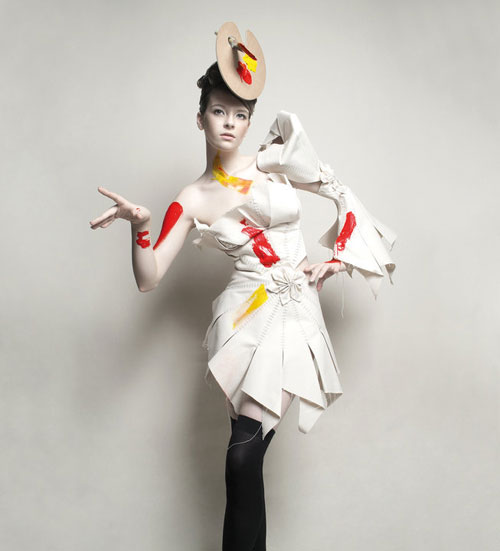
Taste Like Chocolate
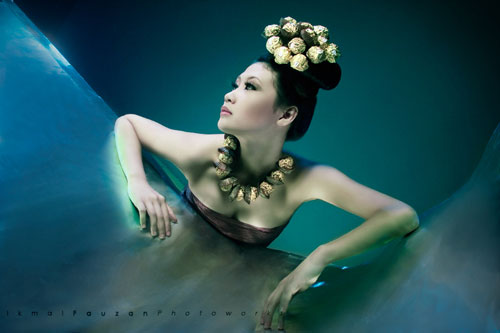
Moonlight Sonata
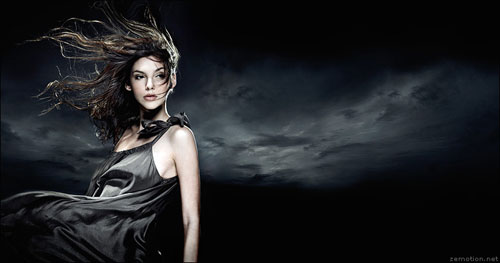
Before the storm
FAQ on fashion photography
What makes fashion photography unique?
Fashion photography stands out due to its blend of artistry and commercial appeal. The photographer must capture both the garment’s design and the model’s expression. Photographers like Annie Leibovitz and Mario Testino set trends through innovative lighting and creative styling tips, making each photo a piece of visual art.
How do you plan a successful fashion photoshoot?
Planning involves several key steps: selecting the best location, deciding on the mood board, coordinating with stylists, and ensuring the right lighting techniques. Collaborating with top fashion designers and makeup artists is essential for an impactful shoot. Always have a clear vision but be flexible for spontaneous creativity.
What equipment is essential for fashion photography?
You’ll need a high-quality camera like a digital DSLR or mirrorless, along with various lenses for different types of shots. Studio lighting and backdrops are crucial, as is photography software like Adobe Photoshop for post-production. Also, use a sturdy tripod to keep shots consistent.
How can I find inspiration for my fashion photography?
Explore fashion photography examples in magazines like Vogue and Elle. Attend events like New York Fashion Week or browse through lookbooks online. Follow influential photographers and fashion influencers on social media. Inspiration often comes from observing current trends and reinterpret what’s already captivating.
How important is post-processing in fashion photography?
Post-processing is vital for achieving a polished look. Editing tools like Adobe Photoshop and Capture One help in retouching, adjusting color grading, and refining details. It enables you to emphasize the designer’s vision and ensure the photo aligns with the intended aesthetic.
What are some common styles in fashion photography?
Various styles include editorial, runway, street style, and vintage fashion photography. Conceptual and avant-garde fashion photos often push boundaries creatively. Each style serves its unique purpose, whether it’s highlighting couture gowns or showcasing commercial fashion for ads and magazines.
How do photographers work with fashion models?
Collaboration and communication are key. Provide models with clear posing techniques and direction. Build a comfortable atmosphere to bring out their best expressions. Reviewing model portfolios can help in selecting the right talent that fits the editorial vision or commercial goals of your shoot.
What is the role of lighting in fashion photography?
Lighting can make or break your shoot. It’s crucial for creating mood and depth. Studio lighting provides control, whereas natural light offers a softer, more dynamic feel. Understanding different lighting setups, like softboxes or ring lights, is fundamental to achieving high-quality results.
How essential is a strong portfolio for a fashion photographer?
A compelling portfolio showcases your best work and defines your style. Highlight a variety of fashion photoshoots, from editorial to commercial fashion photography. Displaying lookbooks, campaigns, and runway photography can attract potential clients and magazines, proving your versatility and creativity.
What are some crucial tips for beginners in fashion photography?
Begin with solid fundamentals: learn camera settings, master composition, and study lighting techniques. Start by collaborating with local fashion designers and models to build your portfolio. Consistent practice, networking in events like fashion week, and refining post-processing skills will accelerate your growth in this field.
Conclusion
Fashion photography examples provide insight into the unique blend of creativity and technical skill that defines this genre.
By exploring works from notable photographers such as Annie Leibovitz and Mario Testino, you can understand the importance of elements like lighting techniques and posing techniques.
These examples also show how to effectively utilize resources like Adobe Photoshop for post-processing. Observing various styles, from editorial fashion photos to street style photography, can enhance your vision and execution in future projects.
In summary, this article offered a comprehensive guide on how to draw inspiration, plan shoots, and employ different techniques to elevate your fashion photography. By adhering to these insights, you’ll not only improve your skills but also create more compelling and professional images that can compete on platforms like Vogue Magazine and during events like New York Fashion Week.
Through practical application and continuous learning, mastering fashion photography is within your reach.

Renowned for his expertise in logo design and visual branding, Bogdan has developed a multitude of logos for various clients.
His skills extend to creating posters, vector illustrations, business cards, and brochures. Additionally, Bogdan's UI kits were featured on marketplaces like Visual Hierarchy and UI8.
He also wrote in the past years on sites like Design Your Way, WebDesignerDepot, WPDean, Designmodo, Speckyboy, Slider Revolution, and more.
- The Windsurf Logo History, Colors, Font, And Meaning - 10 October 2026
- How to Remove Background From Product Photos (No Photoshop) - 10 October 2026
- How Designers can Build a Stronger Online Creative Identity - 9 October 2026

Bogdan Sandu is a seasoned designer who has been designing websites since 2008. Renowned for his expertise in logo design and visual branding, Bogdan has developed a multitude of logos for various clients. His skills extend to creating posters, vector illustrations, business cards, and brochures. Additionally, Bogdan's UI kits were featured on marketplaces like Visual Hierarchy and UI8. He also wrote in the past years on sites like Design Your Way, WebDesignerDepot, WPDean, Designmodo, Speckyboy, Slider Revolution, and more.
You Might Also Like