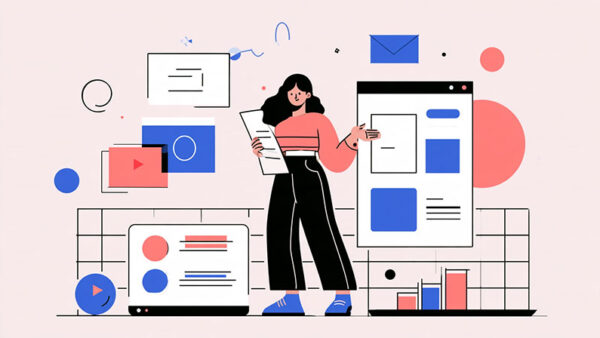
Design is no longer limited to utility, it’s becoming an art form in its own right. As we interact more with apps, websites, and digital platforms, the visual and emotional qualities of those experiences play a vital role in how we perceive and connect with technology.
This is where UI&UX design services are essential, uniting aesthetic appeal with functional clarity. When done well, UI/UX transforms routine digital interactions into experiences that feel seamless, expressive, and even beautiful.
The Visual Language That Makes Design Artistic
What makes UI/UX transcend into art territory? The thoughtful use of visual language.
Core Elements That Shape Emotional Responses:
- Color harmony creates psychological connections
- Balance guides the eye naturally
- White space provides breathing room and focus
- Contrast establishes hierarchy and emphasis
- Typography conveys personality and mood
These aren’t just technical requirements. They’re creative decisions that directly impact how people feel when using a product.
Painters manipulate light to create atmosphere. Sculptors work with form to express movement. UI/UX designers build flow, guide attention, and establish emotional states through digital elements.
Every transition matters. Every animation tells a story. Every layout choice contributes to the user’s emotional journey, not just their final destination.
Historical Art Movements Shape Modern Interfaces
UI/UX design draws heavily from established art movements, creating a rich foundation for digital expression.
Minimalist Influence
Clean, function-first interfaces trace back to minimalist principles. Less visual noise means more focus on what matters. Modern apps like Apple’s iOS demonstrate this perfectly.
Bauhaus Legacy
The Bauhaus school’s “form follows function” philosophy appears everywhere in digital design. Simple geometric shapes, clean lines, and purposeful layouts dominate today’s interfaces.
Postmodern Expression
Bold, unconventional layouts break traditional rules. Apps like TikTok or Discord show how postmodern thinking creates engaging, unexpected user experiences.
Surrealist Elements
Abstract interface concepts push boundaries. Experimental navigation patterns and dreamlike animations create memorable digital moments.
These artistic foundations give designers a vast creative vocabulary to work with.
Digital Artists Using Creative Tools
Modern designers are artists working in digital mediums.
Professional Creative Platforms:
- Adobe XD for comprehensive design systems
- Figma for collaborative interface creation
- Webflow for visual web development
- Sketch for detailed UI mockups
These tools allow designers to craft environments millions interact with daily. They’re not just solving functional problems. They’re shaping emotional, visual experiences that feel natural and intuitive.
Browse any top design portfolio. You’ll find work that belongs in galleries. These creators understand structure and usability, but also psychology, perception, and visual rhythm.
The Science Behind Beautiful Interfaces
Visual elegance directly impacts user behavior through the aesthetic-usability effect.
Key Benefits of Beautiful Design:
Trust Building: Attractive interfaces feel more reliable and professional
Increased Engagement: Users spend more time with visually pleasing products
Smoother Interactions: Beauty makes navigation feel more intuitive
Subconscious Comfort: Consistent visuals reduce cognitive load
When design choices are intentional and meaningful, complex systems become simple to use.
People perceive attractive designs as more functional, even when the underlying features remain identical.
Real-World Examples of Art Meets Function
Leading platforms demonstrate how beauty and practicality work together.
Airbnb’s Emotional Design
Calming imagery and refined typography create personal, warm travel experiences. Every photo, font choice, and color selection reinforces the feeling of “home away from home.”
Spotify’s Bold Visual Identity
Vibrant color schemes and smooth navigation enhance both usability and visual engagement. The interface feels as dynamic as the music it contains.
Notion’s Minimalist Approach
Clean, quiet digital spaces that adapt to user preferences. The design stays out of the way while providing powerful functionality.
Each platform proves that great UI/UX balances form and function like exceptional art pieces.
Spotlight: Gapsystudio’s Artistic Approach
Gapsystudio stands out as a creative agency that truly understands design as art.
Their work is known for:
- Emotionally engaging interfaces
- Visually refined aesthetics
- Highly usable functionality
Whether creating mobile apps, brand identities, or motion design projects, Gapsystudio delivers interfaces that feel artistic while remaining practical.
Their portfolio shows how empathy, narrative, and visual design come together. They prove UI/UX can be a powerful storytelling medium.
Balancing Creativity with Clarity
Combining artistry with usability creates unique challenges.
Common Design Tensions:
Creative Boundaries vs. User Clarity Pushing visual limits while maintaining easy navigation
Visual Experimentation vs. Brand Consistency
Trying new approaches without confusing existing users
Aesthetic Appeal vs. Load Performance Creating beauty that doesn’t sacrifice speed
Trend Following vs. Timeless Design Staying current without looking dated quickly
The best designers make intentional choices that serve both creative expression and practical needs.
Over-designed interfaces confuse users. Under-designed ones fail to engage. Success lies in finding the sweet spot between the two extremes.
The Future of Digital Art
UI/UX design is entering an exciting new phase.
Emerging Technologies Expanding Possibilities:
Augmented Reality (AR) Interfaces that blend with physical environments
Virtual Reality (VR)
Completely immersive digital spaces
AI-Driven Personalization Designs that adapt to individual user preferences
Voice and Gesture Controls Moving beyond traditional touch interactions
These technologies make digital design more interactive, emotional, and expressive than ever before.
Design is becoming more than a tool. It’s becoming a complete experience that shapes how we connect, think, and feel in digital spaces.
UI/UX now ranks among the most influential artistic forms of our time. Like all meaningful art, it doesn’t just inform. It inspires.

Renowned for his expertise in logo design and visual branding, Bogdan has developed a multitude of logos for various clients.
His skills extend to creating posters, vector illustrations, business cards, and brochures. Additionally, Bogdan's UI kits were featured on marketplaces like Visual Hierarchy and UI8.
He also wrote in the past years on sites like Design Your Way, WebDesignerDepot, WPDean, Designmodo, Speckyboy, Slider Revolution, and more.
- The Windsurf Logo History, Colors, Font, And Meaning - 10 October 2026
- How to Remove Background From Product Photos (No Photoshop) - 10 October 2026
- How Designers can Build a Stronger Online Creative Identity - 9 October 2026

Bogdan Sandu is a seasoned designer who has been designing websites since 2008. Renowned for his expertise in logo design and visual branding, Bogdan has developed a multitude of logos for various clients. His skills extend to creating posters, vector illustrations, business cards, and brochures. Additionally, Bogdan's UI kits were featured on marketplaces like Visual Hierarchy and UI8. He also wrote in the past years on sites like Design Your Way, WebDesignerDepot, WPDean, Designmodo, Speckyboy, Slider Revolution, and more.
You Might Also Like