Owning art is more than just a matter of taste-it’s a way to enrich your life, environment, and even investment portfolio. As art becomes an increasingly popular choice for people looking to make thoughtful investments in both personal and financial areas, it’s worth understanding the varied benefits that come with owning art, from aesthetic pleasure to potential financial gains. This article lists some of them.
Aesthetic and Emotional Value
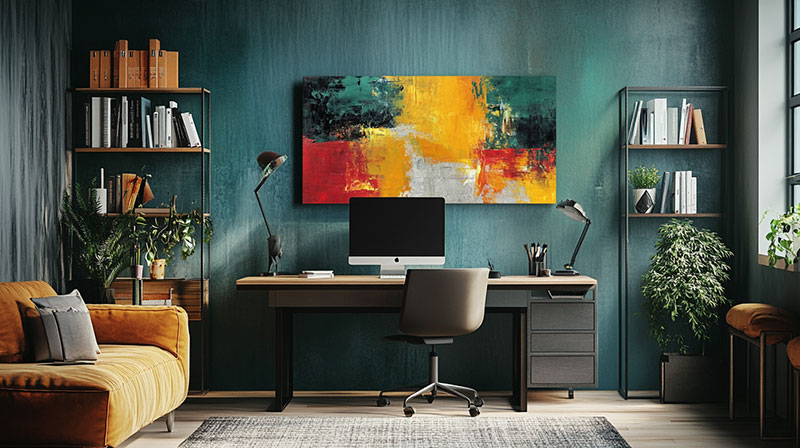
The aesthetic appeal of art is often the most immediate benefit, as it brings color, texture, and a sense of depth into a living or working space. Art can instantly transform a blank wall or a sterile room, adding warmth and personality to any environment. Beyond appearances, art has a profound impact on mood, mental health and emotions. Studies have shown that viewing art can stimulate the brain, invoking pleasure and reducing stress. The artwork we choose often reflects aspects of ourselves or our aspirations, acting as a mirror to our emotions and identities. In this way, art can be both soothing and inspiring, providing a powerful means of self-expression and emotional exploration for both the owner and those who view it.
Cultural and Intellectual Engagement
Owning art is a way to connect with cultures, ideas, and histories that may otherwise be out of reach. Each piece of art has its own background, shaped by the artist’s unique perspective, techniques, and cultural influences. By collecting art, particularly paintings by famous artists, owners engage in a dialogue with these diverse perspectives, broadening their understanding and appreciation of different cultures and histories. Learning about the artists, their inspirations, and the historical context of a piece can be intellectually enriching, offering a pathway to deepen one’s knowledge about art history and current events. For many, art becomes a lifelong journey of learning and discovery that enhances cultural literacy and intellectual engagement.
Social and Community Connections
Owning art can also create social connections and a sense of community. Art often serves as a talking point, sparking conversations and creating connections among people. Many art collectors and enthusiasts are part of art communities, attending exhibitions, galleries, and events where they can meet others who share their passion. Additionally, purchasing art directly from emerging artists or local galleries can support the creative community, encouraging new talent and contributing to a thriving cultural ecosystem. This involvement in the art community creates a sense of belonging and allows individuals to play an active role in promoting the arts.
Financial Investment
While not all art should be bought solely for profit, art can also be a viable financial investment. Unlike other luxury items, art often appreciates in value over time, particularly if it is by a renowned artist or from a growing market. Many collectors find that their pieces increase in value as the artist gains recognition or as demand for a particular style or movement grows. Art is also a relatively stable investment compared to more volatile markets, as it tends to retain value over long periods. Though art investment does require knowledge and patience, it can yield impressive financial returns when approached thoughtfully.
Legacy and Personal Storytelling
Finally, art is a meaningful way to build a legacy. The pieces people collect often become part of their personal story, a representation of their values, tastes, and milestones. Art collections can be passed down through generations, providing family members with a tangible connection to the past. These collections become heirlooms, carrying both aesthetic and sentimental value.

Renowned for his expertise in logo design and visual branding, Bogdan has developed a multitude of logos for various clients.
His skills extend to creating posters, vector illustrations, business cards, and brochures. Additionally, Bogdan's UI kits were featured on marketplaces like Visual Hierarchy and UI8.
He also wrote in the past years on sites like Design Your Way, WebDesignerDepot, WPDean, Designmodo, Speckyboy, Slider Revolution, and more.
- The Windsurf Logo History, Colors, Font, And Meaning - 10 October 2026
- How to Remove Background From Product Photos (No Photoshop) - 10 October 2026
- How Designers can Build a Stronger Online Creative Identity - 9 October 2026

Bogdan Sandu is a seasoned designer who has been designing websites since 2008. Renowned for his expertise in logo design and visual branding, Bogdan has developed a multitude of logos for various clients. His skills extend to creating posters, vector illustrations, business cards, and brochures. Additionally, Bogdan's UI kits were featured on marketplaces like Visual Hierarchy and UI8. He also wrote in the past years on sites like Design Your Way, WebDesignerDepot, WPDean, Designmodo, Speckyboy, Slider Revolution, and more.
You Might Also Like