The Instagram symbol is one of the most recognized icons across social media platforms.
The current design features a simplified camera outline with a vibrant gradient that transitions from purple to orange. Launched in 2010 by Kevin Systrom and Mike Krieger, the app’s visual identity has changed multiple times to match evolving digital trends and user expectations.
What started as a vintage Polaroid-inspired camera has transformed into a clean, modern mark that represents instant photo sharing for billions of users worldwide.
What is the Instagram Logo?
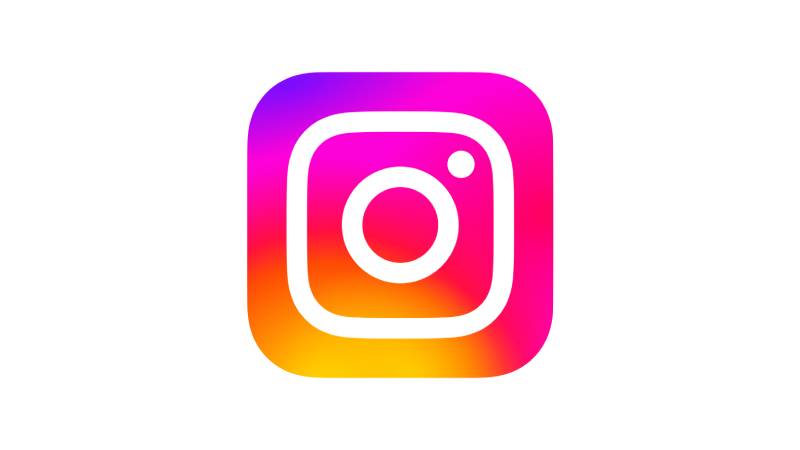
The Instagram mark is a simplified camera glyph with a rounded square shape, featuring a circular lens and viewfinder dot, set against a multi-color gradient background that blends purple, pink, orange, and yellow hues, officially introduced in May 2016 and designed by Ian Spalter and his team at Instagram.
Design Type: Combination mark (icon with separate wordmark)
Primary Elements:
- Camera outline with circular lens
- Viewfinder dot in upper right corner
- Rounded square background (nicknamed “squircle”)
- Multi-color gradient overlay
Official Introduction Date: May 11, 2016 (current version); May 23, 2022 (color refresh)
Designer/Agency:
- 2016 redesign: Ian Spalter (Head of Design), Eric Goud, Joy-Vincent Niemantsverdriet, Robert Padbury
- 2022 refresh: Rose Pilkington (3D digital artist)
Trademark Status: Registered U.S. trademark (Registration Number 4146057, filed September 19, 2011, registered May 22, 2012)
Color Palette:
- Instagram Blue: #405DE6 / RGB (64, 93, 230) / CMYK (78, 67, 0, 0) / Pantone 2726 C
- Instagram Purple: #833AB4 / RGB (131, 58, 180) / CMYK (61, 85, 0, 0) / Pantone 2084 C
- Instagram Purple Red: #C13584 / RGB (193, 53, 132) / CMYK (24, 93, 14, 0) / Pantone 80-7 C
- Instagram Orange: #F77737 / RGB (247, 119, 55) / CMYK (0, 67, 86, 0) / Pantone 16-1359 TPX
- Instagram Yellow: #FFDC80 / RGB (255, 220, 128) / CMYK (1, 12, 60, 0) / Pantone 2005 C
Usage Context: Mobile app icon, website branding, marketing materials, social media presence, merchandise, business cards
How Has the Instagram Logo Evolved Over Time?

The visual identity has undergone four major redesigns since 2010, transitioning from a realistic Polaroid camera illustration to a flat, gradient-based icon that prioritizes mobile recognition and modern aesthetics over nostalgic detail.
The transformation reflects the platform’s expansion from a photo-editing app with vintage filters to a comprehensive social media network supporting photos, videos, Stories, and Reels.
Original Instagram Logo (2010 – weeks)
Years Active: October 2010 (a few weeks only)
Design Description: Realistic illustration of a beige Polaroid OneStep instant camera with rounded edges, visible lens details, and printed “Instagram” text near the lens area
Color Scheme: Beige, gray, brown tones with rainbow stripe accent running horizontally through center
Designer: Kevin Systrom (co-founder)
Context: Created at launch as iOS-only app, designed to represent instant photo-sharing concept
Key Changes from Previous: First version, no predecessor
Cultural Significance: Captured the app’s retro aesthetic and filter-based photo editing that mimicked vintage photography
First Redesign (2010-2011)
Years Active: Late 2010 – 2011
Design Description: Stylized Bell & Howell-inspired camera with brown and beige color scheme, simplified lens, viewfinder, red button, and “INST” text abbreviation
Color Scheme: Brown, beige, with thin rainbow stripe at top
Designer: Cole Rise (professional photographer and graphic designer)
Context: Needed due to trademark concerns with original design; commissioned after Rise showed Systrom an icon inspired by 1950s Bell & Howell 8mm camera
Key Changes from Previous: More stylized and less photorealistic, added red button detail, changed text to “INST” abbreviation
Cultural Significance: Established the retro camera aesthetic that defined Instagram’s early brand identity
Refined Camera Design (2011-2016)
Years Active: 2011 – May 2016
Design Description: Further refined camera illustration with 3D leather texture on brown top portion, glossy lens with glare effect, wider rainbow stripe, and “Insta” text
Color Scheme: Deeper brown tones, beige body, wider rainbow stripe with four distinct colors (yellow, red, blue, green)
Designer: Cole Rise (refined over six months)
Context: Gradual improvements to enhance recognizability and add depth to the flat design
Key Changes from Previous: Added texture and glare effects, widened rainbow stripe, changed text from “INST” to “Insta,” added leather-like texture to top section
Cultural Significance: Became the most iconic vintage version, recognized globally as millions joined the platform between 2011-2016
Minimalist Gradient Redesign (2016-2022)
Years Active: May 2016 – May 2022
Design Description: Flat, minimalist camera glyph with white outline on vibrant gradient background featuring purple, pink, orange, and yellow hues
Color Scheme: Multi-color gradient (purple to pink to orange to yellow), white camera outline
Designer: Ian Spalter and Instagram design team (Eric Goud, Joy-Vincent Niemantsverdriet, Robert Padbury)
Context: Platform had evolved beyond photo filters to include video, Stories, and diverse content; needed modern, flexible icon for digital age
Key Changes from Previous: Removed all realistic details, eliminated brown color scheme, transformed rainbow into gradient background, simplified to basic geometric shapes
Cultural Significance: Initially controversial (compared to “rejected Starburst flavor”), but eventually became one of world’s most recognized app icons
Current Vibrant Gradient (2022-Present)
Years Active: May 2022 – Present
Design Description: Same minimalist camera glyph with enhanced, brighter gradient created through 3D digital modeling process
Color Scheme: More vibrant and saturated version of previous gradient with deeper purples and brighter oranges
Designer: Rose Pilkington (3D digital artist and motion designer)
Context: Part of visual refresh introducing Instagram Sans typeface and more immersive brand experience
Key Changes from Previous: Intensified color saturation, added dynamic 3D modeling technique allowing gradient customization per application
Cultural Significance: Represents Instagram’s commitment to evolution while maintaining brand recognition established since 2016
What Do the Design Elements of the Instagram Logo Mean?
The camera glyph symbolizes photography and instant image capture, while the rainbow gradient represents the diversity of content, creativity, and global community sharing moments on the platform, connecting back to the original rainbow stripe that referenced vintage photo filters.
The rounded square shape (squircle) balances geometric perfection with approachable softness.
It occupies the space between a circle and square, reflecting Instagram’s position between professional photography and casual social sharing. This shape also optimizes the icon for mobile screens where app icons need visual weight without harsh corners.
The viewfinder dot in the upper right corner serves dual purposes: it references traditional camera design while suggesting the front-facing camera position for selfies, which became popular around the time of the redesign.
Why Did Instagram Choose These Specific Colors?
The color palette evolved from a single rainbow stripe to a full gradient that spans warm and cool tones.
Purple (#833AB4): Represents creativity, imagination, and artistic expression – core values for a visual platform. The hue also conveys sophistication and luxury, elevating the brand beyond casual snapshots.
Pink/Magenta (#C13584): Symbolizes playfulness, youth, and emotional connection. Pink bridges the gap between purple’s creativity and orange’s energy, creating visual flow across the gradient.
Orange (#F77737): Communicates enthusiasm, energy, and sociability. Orange reflects the social networking aspect of Instagram and the warmth of community connections.
Yellow (#FFDC80): Conveys optimism, happiness, and positivity. Yellow captures the joy of sharing life’s moments and the bright, sunny aesthetic many users associate with Instagram content.
The gradient approach allows all these meanings to coexist without hierarchy, just as Instagram hosts diverse content types without prioritizing one over another.
What Typography Style Is Used in the Instagram Logo?
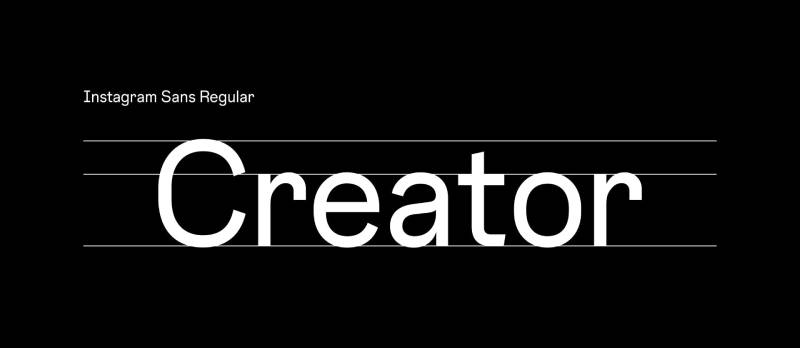
The wordmark uses Instagram Sans, a custom typeface developed in partnership with Colophon Foundry and introduced in May 2022.
Instagram Sans combines grotesque and geometric styles with circular motifs inspired by the logo’s squircle shape. The font includes distinctive details like sheared terminals suggesting handwritten flicks, an unexpected quirk in the Q, and a teardrop shape inside the lowercase a, adding personality to an otherwise clean design.
Available in multiple weights (Light, Regular, Medium, Bold, Condensed, Headline, Script), the typeface supports global scripts including Arabic, Thai, Japanese, Korean, and Kannada. Before 2022, Instagram used Freight Sans (2013-2016) and Proxima Nova (2016-2022) for interface elements and branding materials.
What Are the Hidden Meanings in the Instagram Logo?
The white camera glyph maintains three essential elements from the vintage designs: the lens, rainbow (now as gradient), and viewfinder.
When Ian Spalter asked the entire Instagram team to sketch the icon from memory in 10 seconds during 2015 development, almost everyone drew these three components, proving their importance to brand recognition. The rounded square shape references both smartphone screens and the square photo format that defined Instagram’s early years (before rectangular images were allowed).
The gradient direction flows from upper left to lower right, creating visual movement that suggests scrolling through a feed. Rose Pilkington’s 3D modeling technique means the gradient appears slightly different depending on context and lighting, making each application unique – a subtle nod to how every user’s Instagram experience is personalized.
How Does the Instagram Logo Compare to Competitor Logos?
Instagram’s gradient approach contrasts sharply with competitors’ logo design principles that favor solid colors or simple shapes.
Facebook: Uses solid blue with white lowercase wordmark, emphasizing corporate reliability over creative expression
TikTok: Features monochrome colors (black musical note on white, with optional neon pink/cyan glitch effect), targeting younger demographic with music focus
Snapchat: Simple yellow square with white ghost icon, prioritizing playfulness and ephemeral content
X (formerly Twitter): Solid black bird/X on white background, emphasizing text-based communication over visual content
Instagram stands alone with its vibrant multi-color gradient, making it instantly recognizable in app stores and on home screens. The warm color scheme also differentiates it from Facebook’s cool blue and LinkedIn’s professional blue palette, positioning Instagram as the creative, visually-driven option among tech company logos.
What Are the Technical Specifications of the Instagram Logo?

Official Color Codes:
Primary Color (Blue): Instagram Blue
Secondary Color (Purple): Instagram Purple
- Hex: #833AB4
- RGB: (131, 58, 180)
- CMYK: (61, 85, 0, 0)
- Pantone: 2084 C
Accent Color (Purple Red): Instagram Purple Red
- Hex: #C13584
- RGB: (193, 53, 132)
- CMYK: (24, 93, 14, 0)
- Pantone: 80-7 C
Accent Color (Orange): Instagram Orange
- Hex: #F77737
- RGB: (247, 119, 55)
- CMYK: (0, 67, 86, 0)
- Pantone: 16-1359 TPX
Accent Color (Yellow): Instagram Yellow
- Hex: #FFDC80
- RGB: (255, 220, 128)
- CMYK: (1, 12, 60, 0)
- Pantone: 2005 C
Dimensions and Proportions:
- Aspect ratio: 1:1 (perfect square)
- Minimum size requirements: 29×29 pixels for iOS, 48×48 pixels for Android
- Clear space specifications: Minimum padding equal to 10% of icon height on all sides
- Official usage guidelines: Available through Instagram Brand Resources at about.instagram.com/brand
The icon works across multiple sizes due to its simple geometric construction. The vector graphics format ensures scalability without quality loss, making it suitable for everything from tiny mobile notifications to large billboard advertisements.
What Cultural Impact Has the Instagram Logo Had?
The 2016 redesign sparked widespread debate about flat design versus skeuomorphism in digital interfaces.
Initial backlash included memes, petitions, and social media outcry comparing the new mark to everything from rejected candy wrappers to generic gradient tutorials. But within weeks, users adapted, and the design became a case study in successful rebranding despite controversy.
The gradient aesthetic influenced countless apps and brands to adopt similar color treatments, making vibrant gradients a defining visual trend of the late 2010s. Design schools and marketing courses now teach the Instagram rebrand as an example of bold decision-making that prioritizes long-term brand flexibility over short-term user comfort.
The icon appears on merchandise, in street art, and as a cultural symbol for social media influence itself – people reference “doing it for the Instagram” or “Instagram-worthy moments,” making the brand synonymous with visual social sharing.
How Does the Instagram Logo Fit Into The Overall Brand Identity?
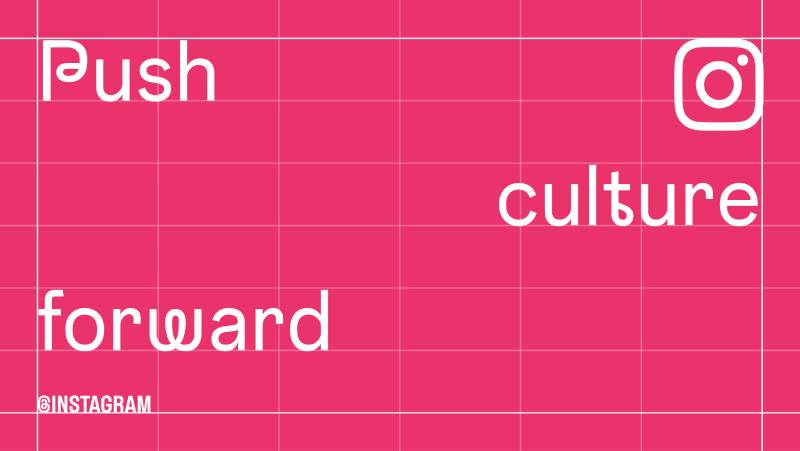
The mark serves as the focal point of a comprehensive brand style guide that includes typography, color systems, and voice guidelines.
Instagram Sans typeface echoes the squircle shape through circular letterforms and rounded terminals. The gradient appears not just in the icon but throughout marketing materials, interface accents, and even as animated transitions in Stories and Reels.
Brand guidelines emphasize white space and content-first design – the colorful icon serves as the gateway, but inside the app, user content takes visual priority with clean white backgrounds and minimal interface elements. This approach reflects graphic design principles that prioritize hierarchy and focus, allowing the brand to enhance rather than compete with user-generated content.
How Should the Instagram Logo Be Used?
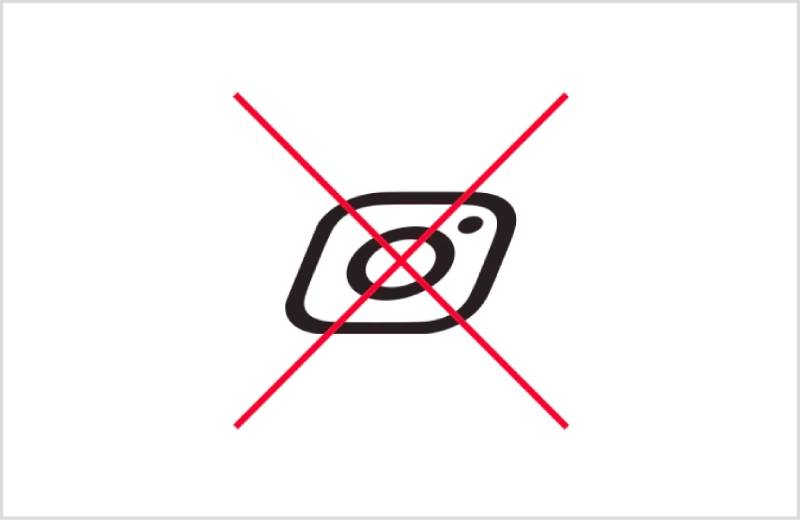
Official Usage Guidelines:
Do:
- Use official assets from about.instagram.com/brand
- Maintain proper clear space (minimum 10% of icon height)
- Display on appropriate backgrounds that don’t compromise visibility
- Use approved color versions (gradient, monochrome colors black, monochrome white)
- Preserve aspect ratio when scaling
Don’t:
- Modify colors or gradient direction
- Add effects, shadows, or outlines
- Rotate or distort the icon
- Place on busy backgrounds that reduce legibility
- Combine with other brand elements without approval
- Use outdated vintage camera versions
Where to Access Official Logos: Instagram Brand Resources (about.instagram.com/brand) provides downloadable assets in PNG, SVG, and EPS formats
Licensing Information: The Instagram name and marks are trademarks owned by Meta Platforms, Inc. Usage requires adherence to brand guidelines and may need explicit permission for commercial applications
Trademark Protection Details: Registered U.S. trademark protecting the Instagram name and visual marks. Unauthorized use that creates confusion about brand affiliation or misleads consumers violates trademark policy. However, using the mark for commentary, criticism, or fair use purposes is generally acceptable under intellectual property law.
FAQ About the Instagram Logo
When was the Instagram logo created?
The original icon was created in October 2010 by co-founder Kevin Systrom, featuring a Polaroid camera design with rainbow stripe, but the current gradient version launched on May 11, 2016, designed by Ian Spalter and team, with color enhancements added in May 2022.
Who designed the Instagram logo?
Kevin Systrom designed the first version in 2010, Cole Rise created the refined camera design used from 2010-2016, and Ian Spalter led the 2016 redesign team including Eric Goud, Joy-Vincent Niemantsverdriet, and Robert Padbury, while Rose Pilkington enhanced the gradient in 2022.
What do the colors in the Instagram logo mean?
The gradient colors represent creativity (purple), playfulness (pink), energy (orange), and optimism (yellow), collectively symbolizing the diverse, vibrant community sharing moments on the platform, while maintaining connection to the original rainbow stripe that referenced vintage photo filters and app features.
How many times has the Instagram logo been redesigned?
The mark has undergone four major redesigns since 2010: the brief original Polaroid version, Cole Rise’s Bell & Howell-inspired camera (2010-2016), Ian Spalter’s minimalist gradient icon (2016-2022), and Rose Pilkington’s vibrant gradient refresh (2022-present), plus minor refinements between versions.
Where can I download the official Instagram logo?
Official assets are available at Instagram’s Brand Resources page (about.instagram.com/brand), offering approved versions in multiple formats including PNG, SVG, and EPS, with guidelines for proper usage and clear space requirements to maintain brand integrity across applications.
Is the Instagram logo trademarked?
Yes, Instagram is a registered U.S. trademark (Registration Number 4146057) filed September 19, 2011, and registered May 22, 2012, protecting both the name and visual marks, owned by Instagram LLC (a Meta Platforms subsidiary), with trademark violations involving misleading brand affiliation.
What font is used in the Instagram logo?
The wordmark uses Instagram Sans, a custom typeface developed with Colophon Foundry in 2022, combining grotesque and geometric styles with circular motifs, available in multiple weights (Regular, Bold, Light, Medium, Condensed, Headline, Script) supporting global scripts including Arabic and Japanese.
Why did Instagram choose a camera for their logo?
The camera symbol directly represents Instagram’s core function as a photo-sharing application, honoring the platform’s origins in mobile photography while the evolving design (from realistic Polaroid to abstract glyph) reflects the expansion from photo filters to comprehensive social media network.
Conclusion
The Instagram visual identity represents one of the most successful logo evolutions in digital branding history.
From Kevin Systrom’s vintage Polaroid camera to Cole Rise’s refined retro design to Ian Spalter’s bold gradient reimagining, each version reflected the platform’s growth from niche photo app to global social network. The current squircle icon with vibrant gradient maintains essential camera elements while embracing minimalist design that scales across contexts.
The mark’s color psychology, geometric simplicity, and cultural impact demonstrate how thoughtful brand identity can evolve without losing recognition. As Instagram continues expanding into video, shopping, and new features, the flexible icon provides a foundation that can adapt to future changes while remaining instantly recognizable to billions of users worldwide.

Renowned for his expertise in logo design and visual branding, Bogdan has developed a multitude of logos for various clients.
His skills extend to creating posters, vector illustrations, business cards, and brochures. Additionally, Bogdan's UI kits were featured on marketplaces like Visual Hierarchy and UI8.
He also wrote in the past years on sites like Design Your Way, WebDesignerDepot, WPDean, Designmodo, Speckyboy, Slider Revolution, and more.
- Canva vs PowerPoint: Which Is Better for Presentations? - 22 September 2026
- How to Install Fonts on Mac (Step-by-Step Guide) - 20 September 2026
- From Mockup to Code: How AI-Augmented Development Speeds Up the Design Handoff - 19 September 2026

Bogdan Sandu is a seasoned designer who has been designing websites since 2008. Renowned for his expertise in logo design and visual branding, Bogdan has developed a multitude of logos for various clients. His skills extend to creating posters, vector illustrations, business cards, and brochures. Additionally, Bogdan's UI kits were featured on marketplaces like Visual Hierarchy and UI8. He also wrote in the past years on sites like Design Your Way, WebDesignerDepot, WPDean, Designmodo, Speckyboy, Slider Revolution, and more.
You Might Also Like